150 Free retro design Midjourney AI images
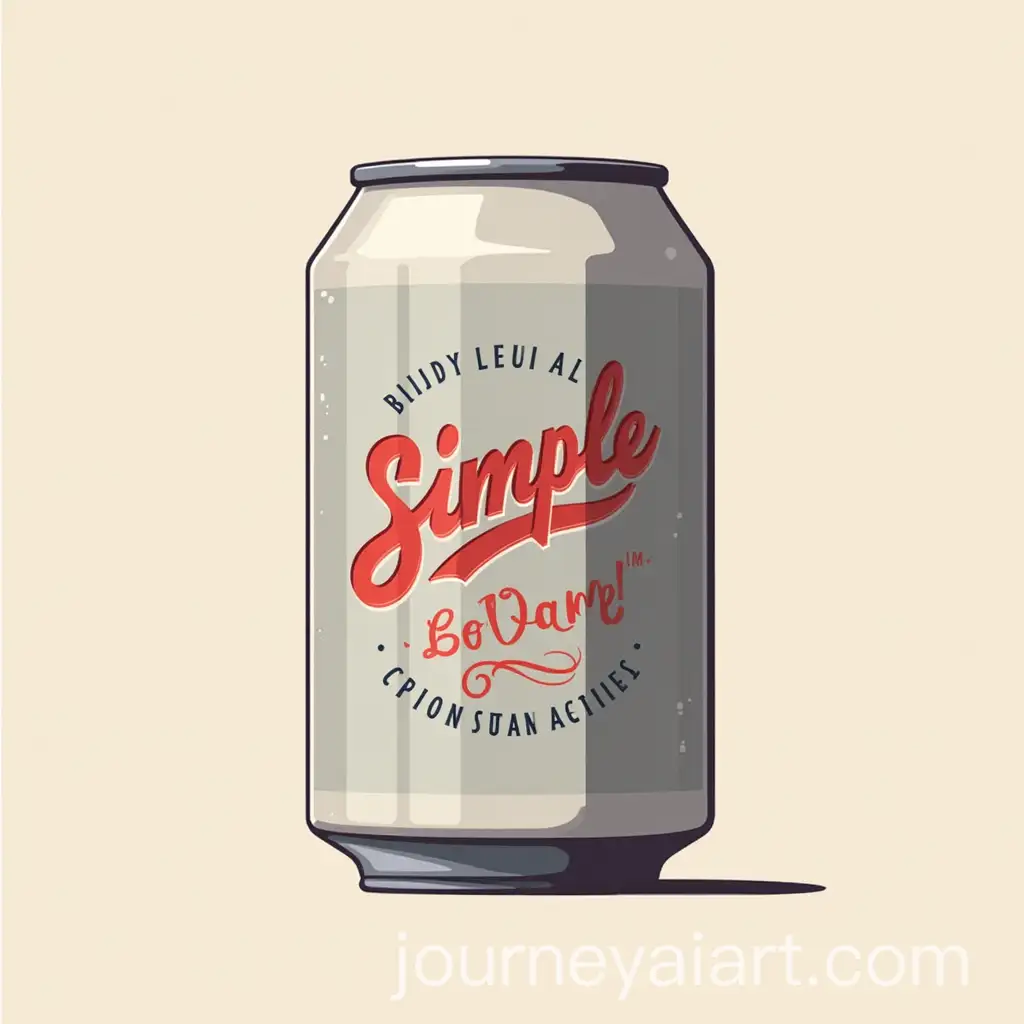
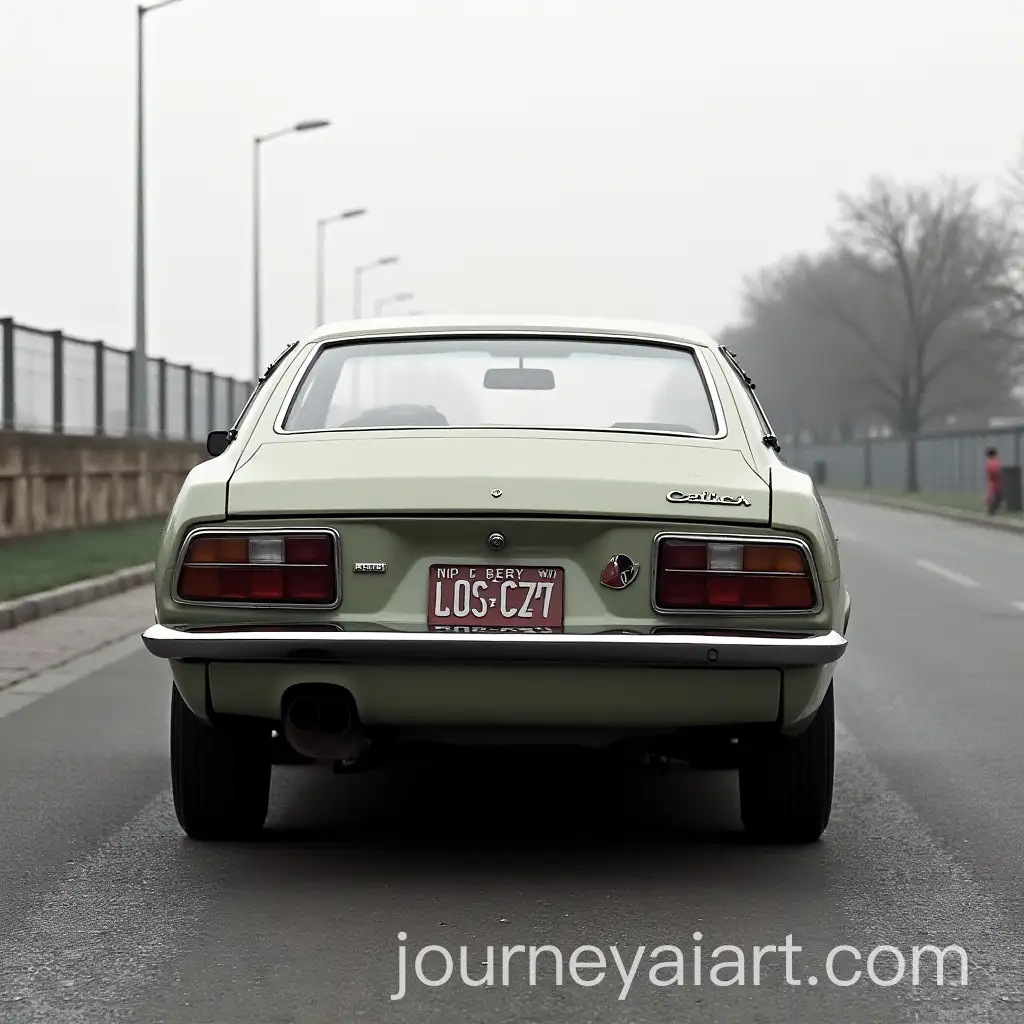
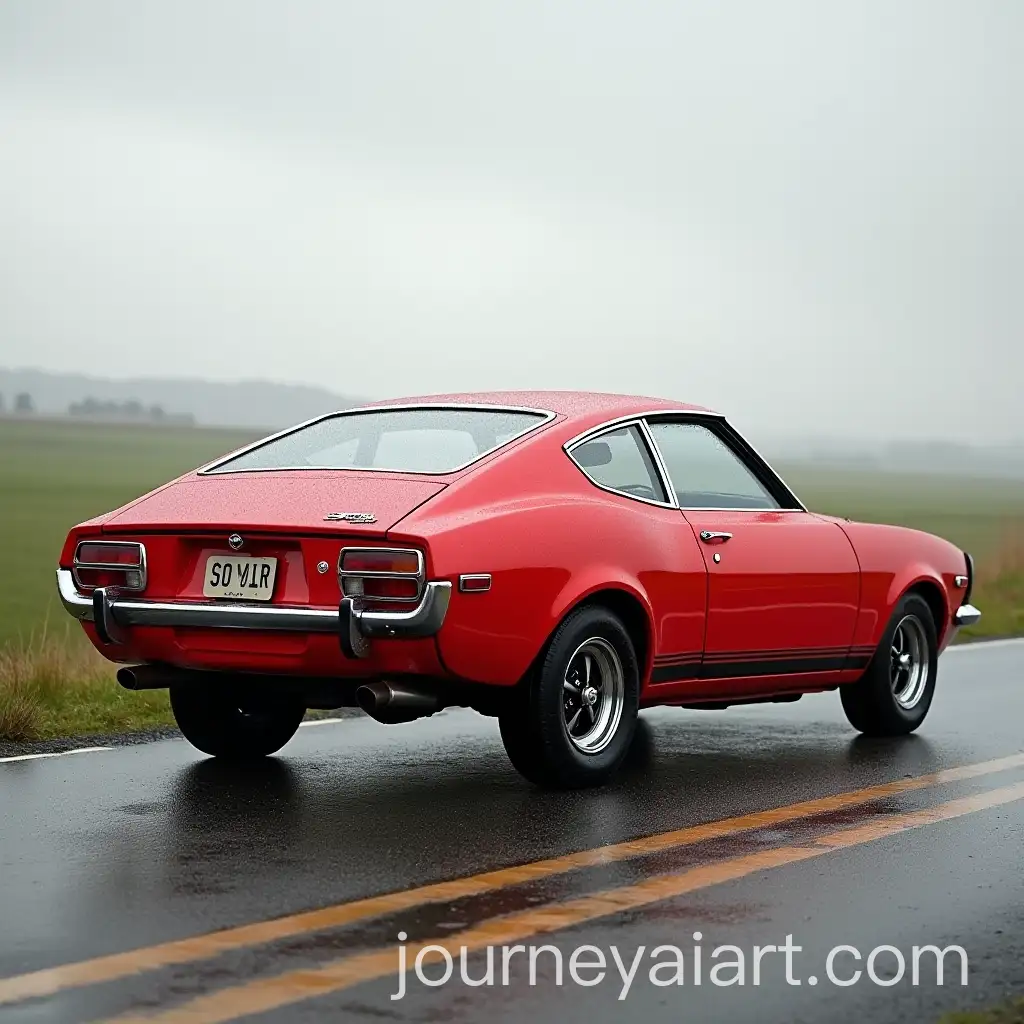
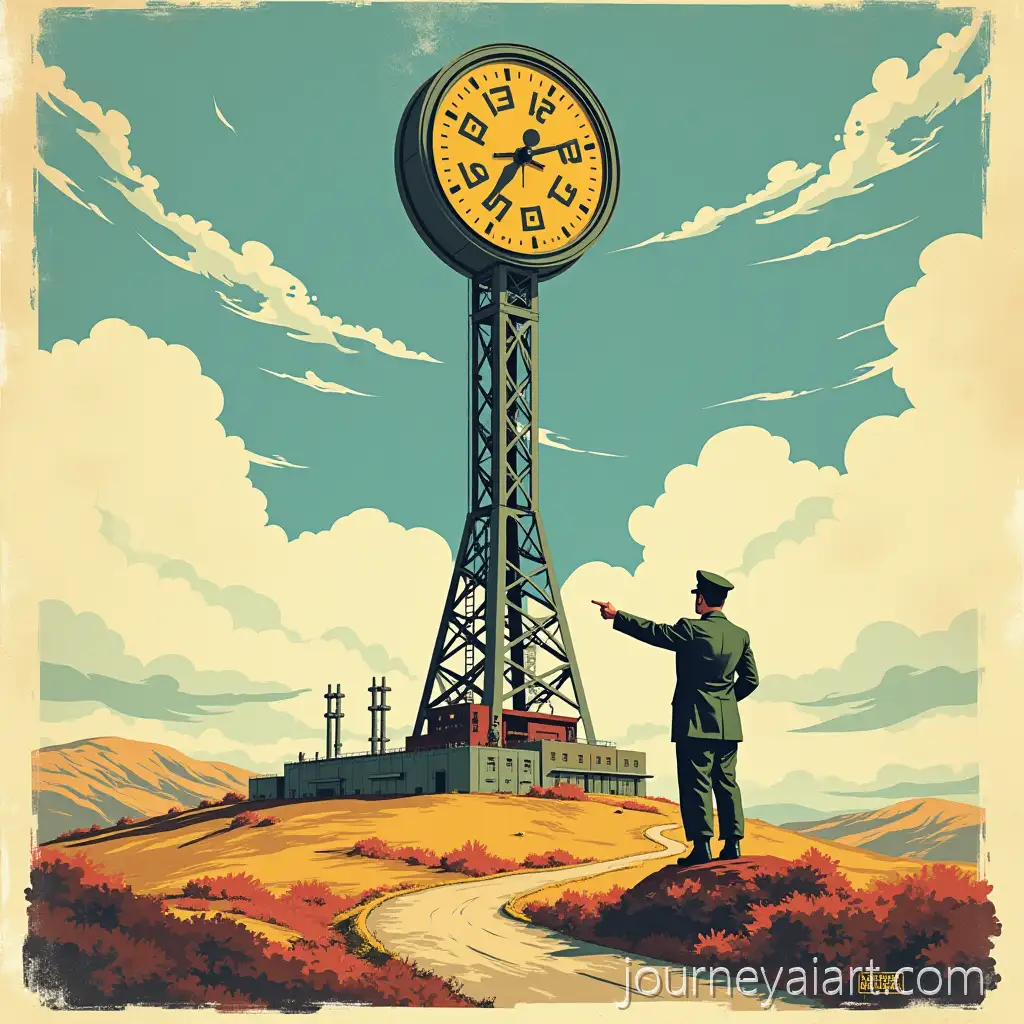
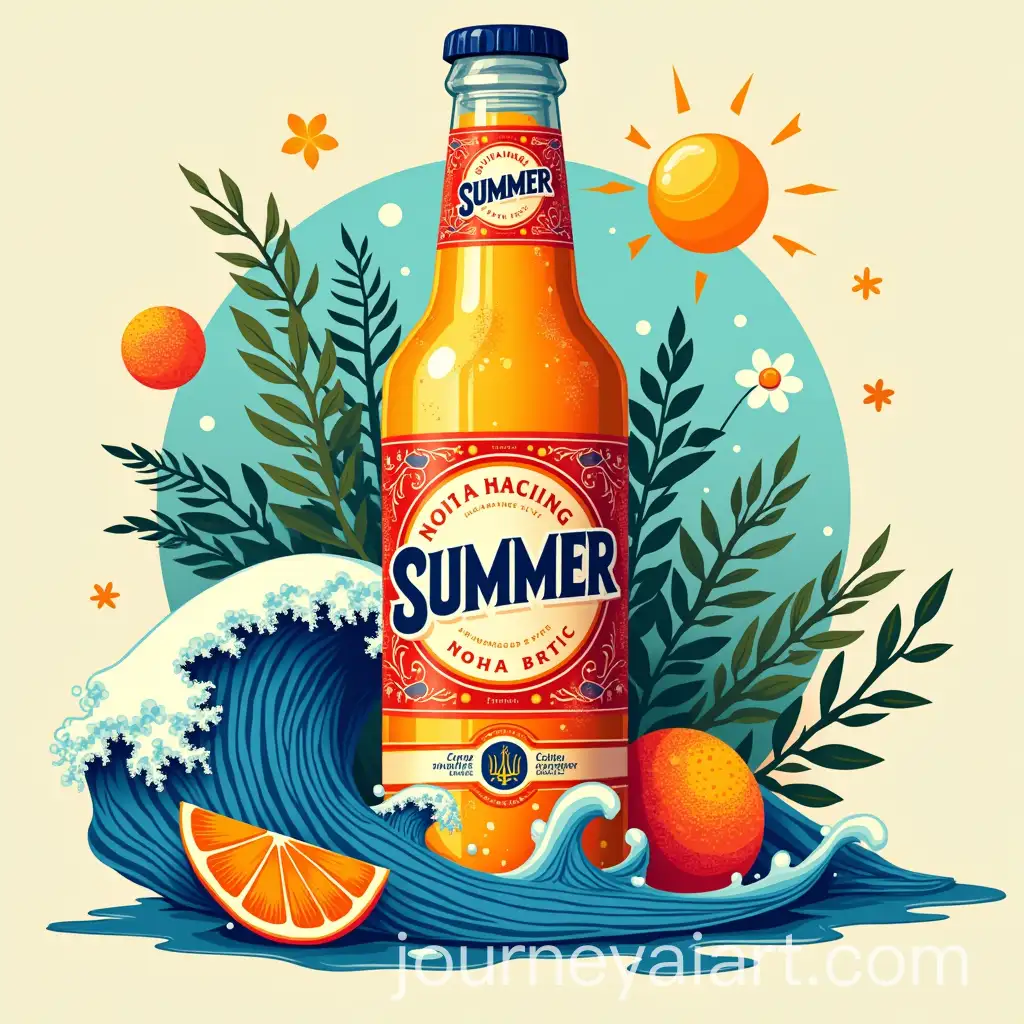
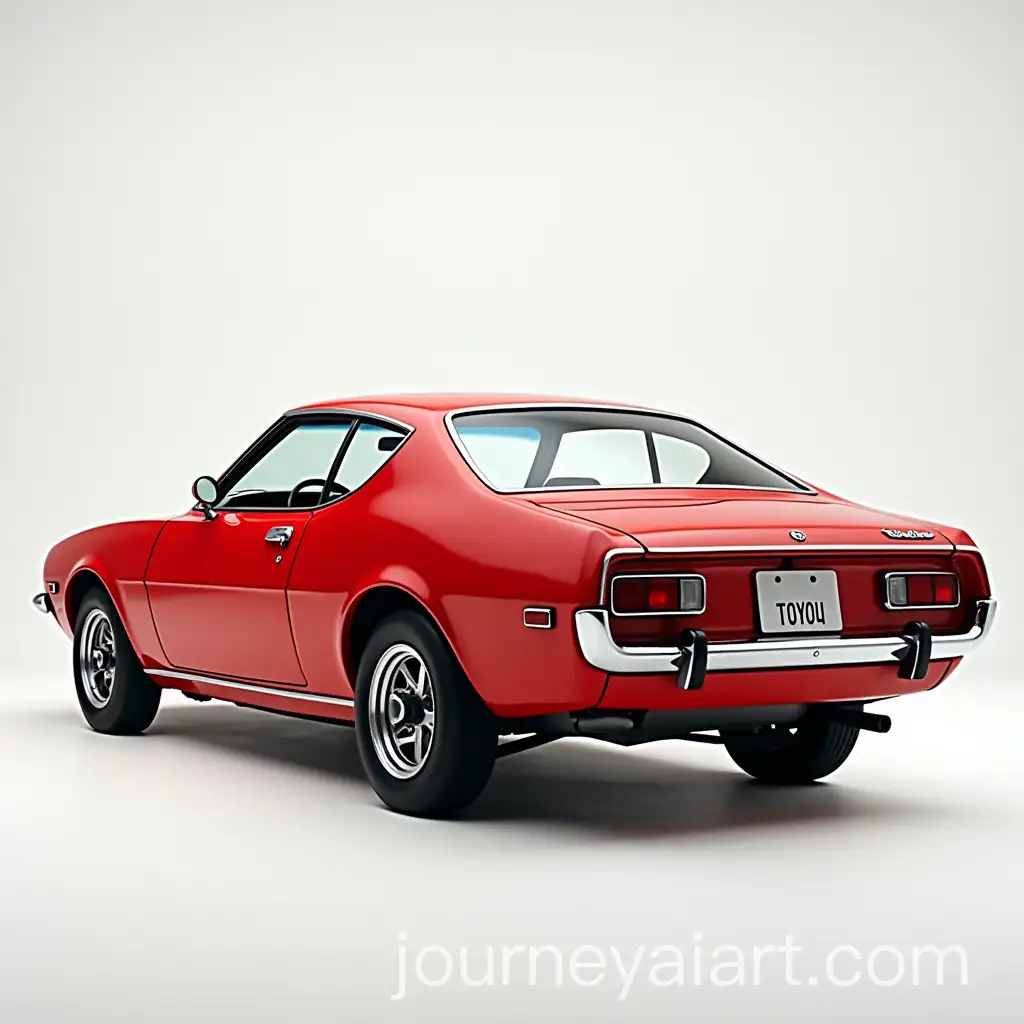
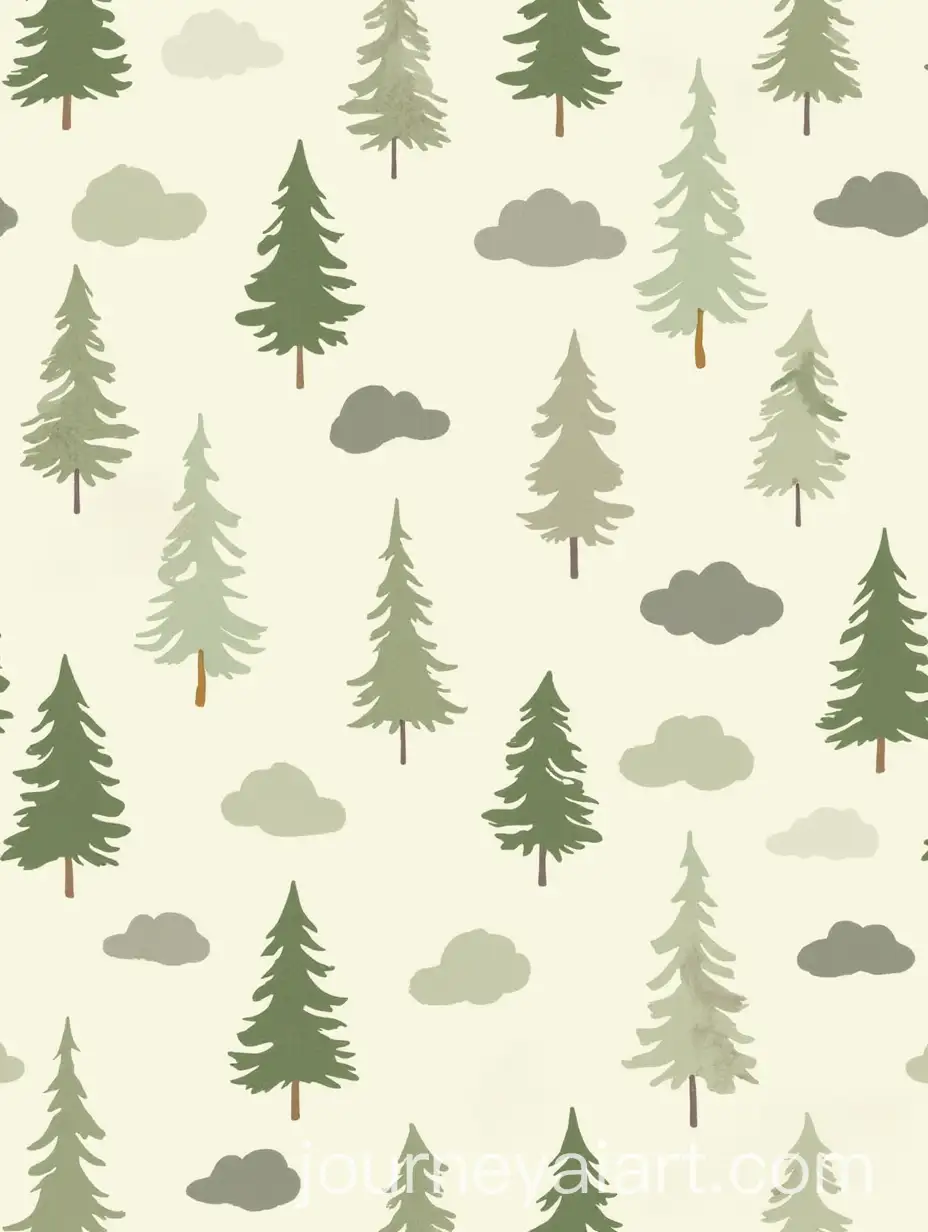
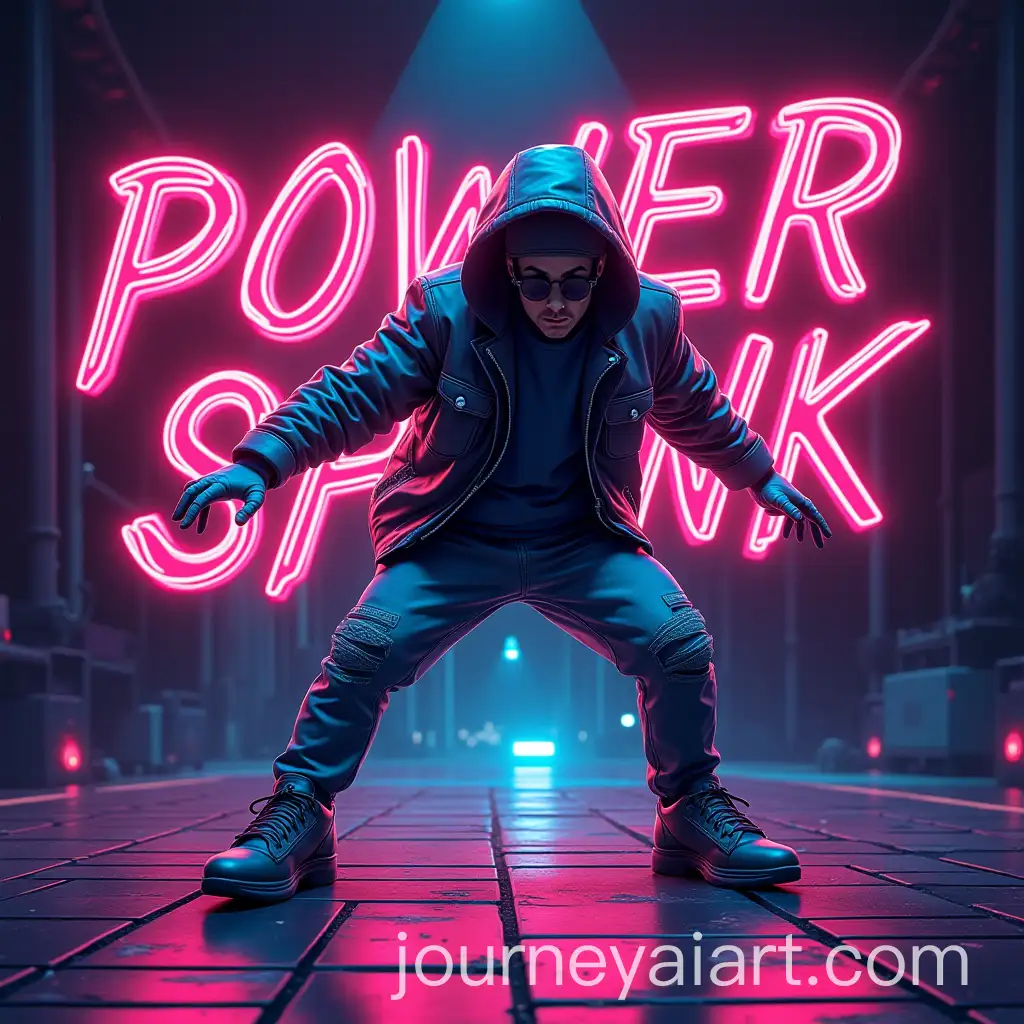
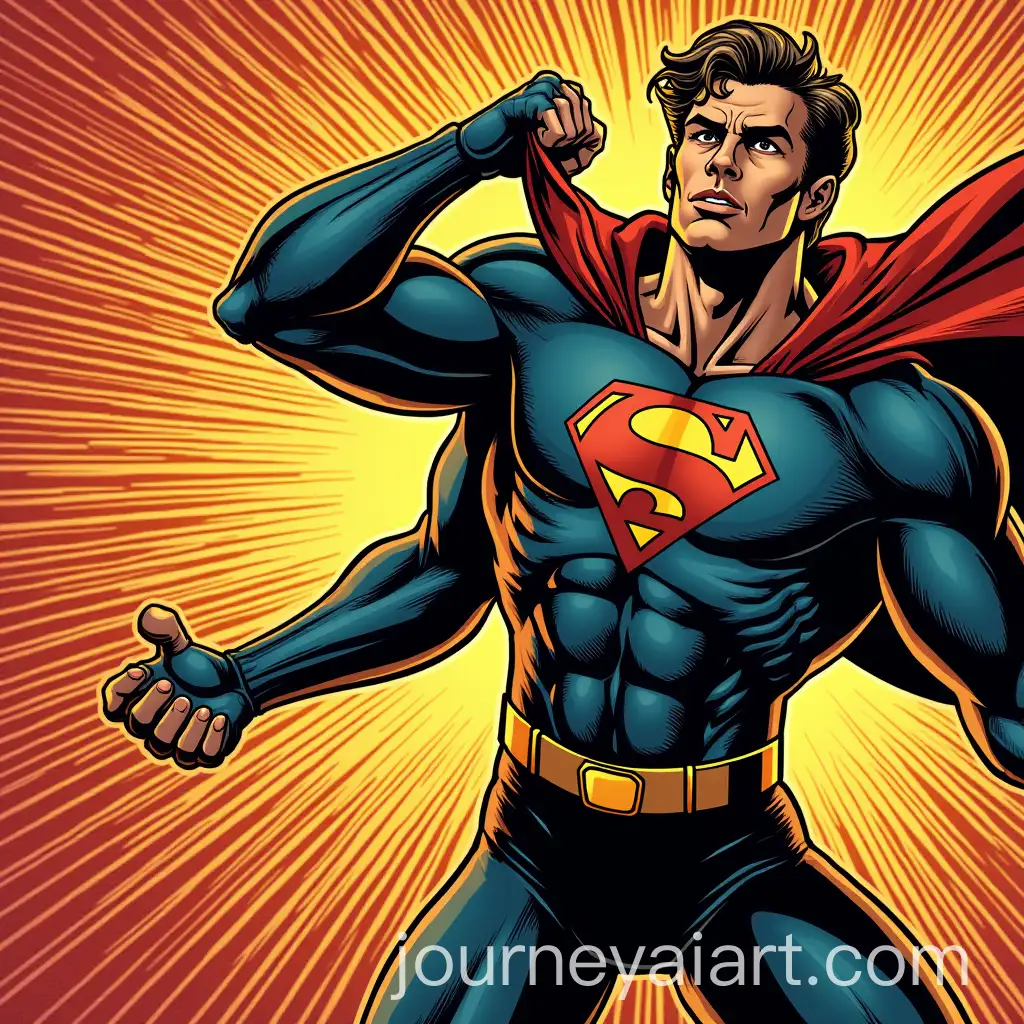
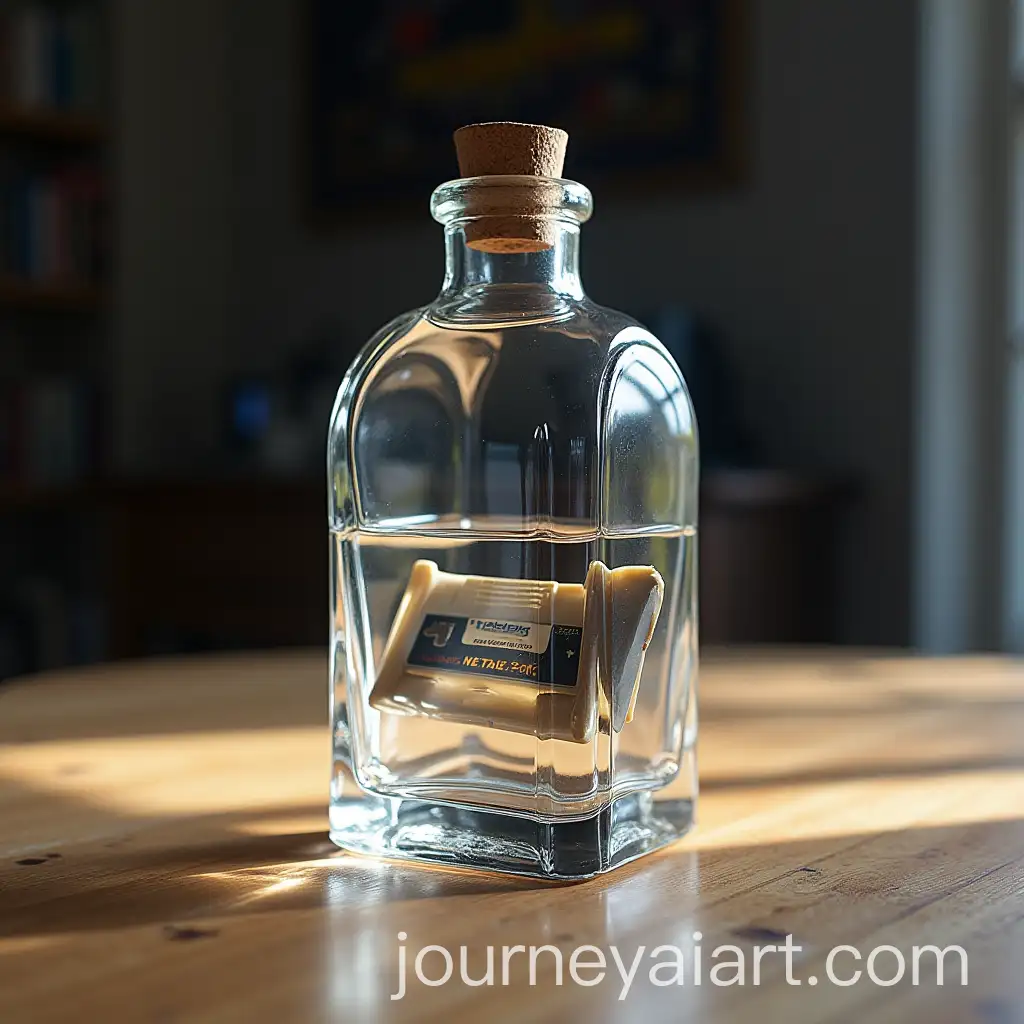
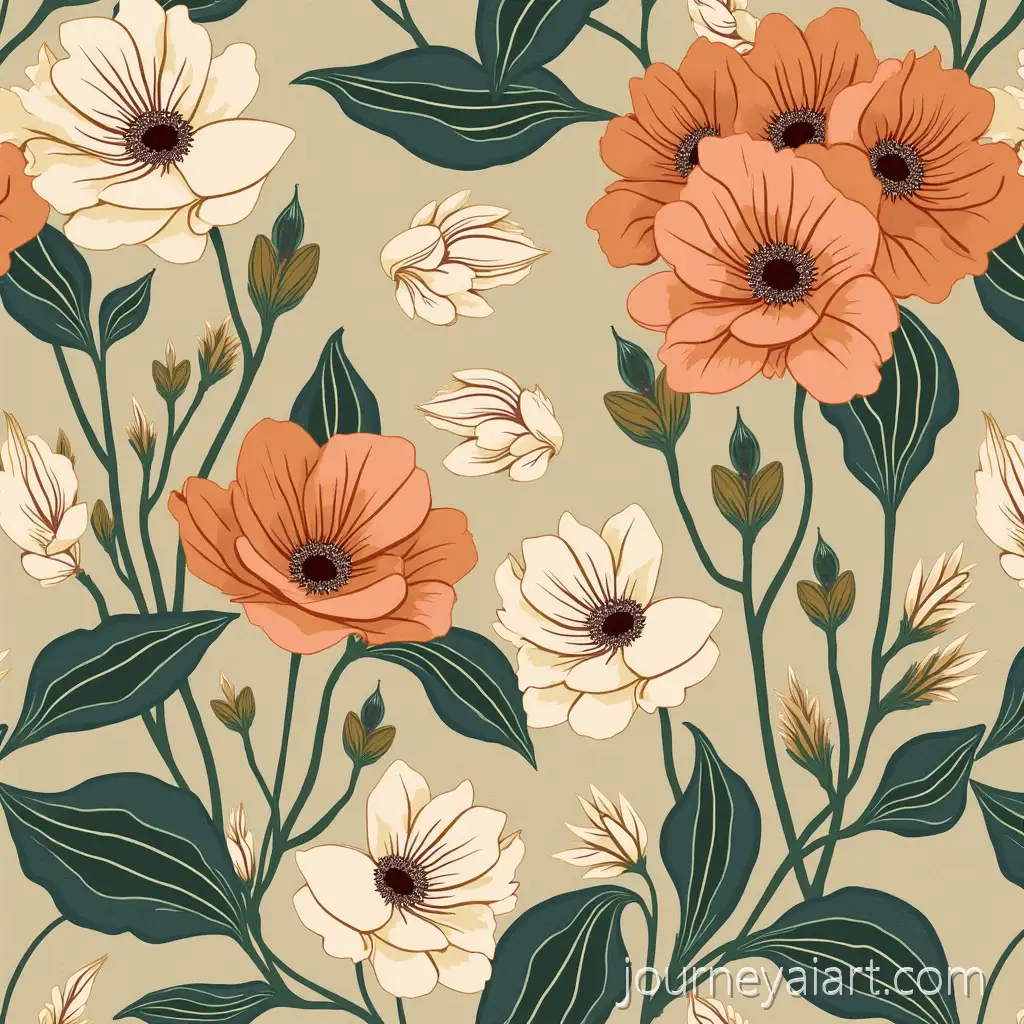
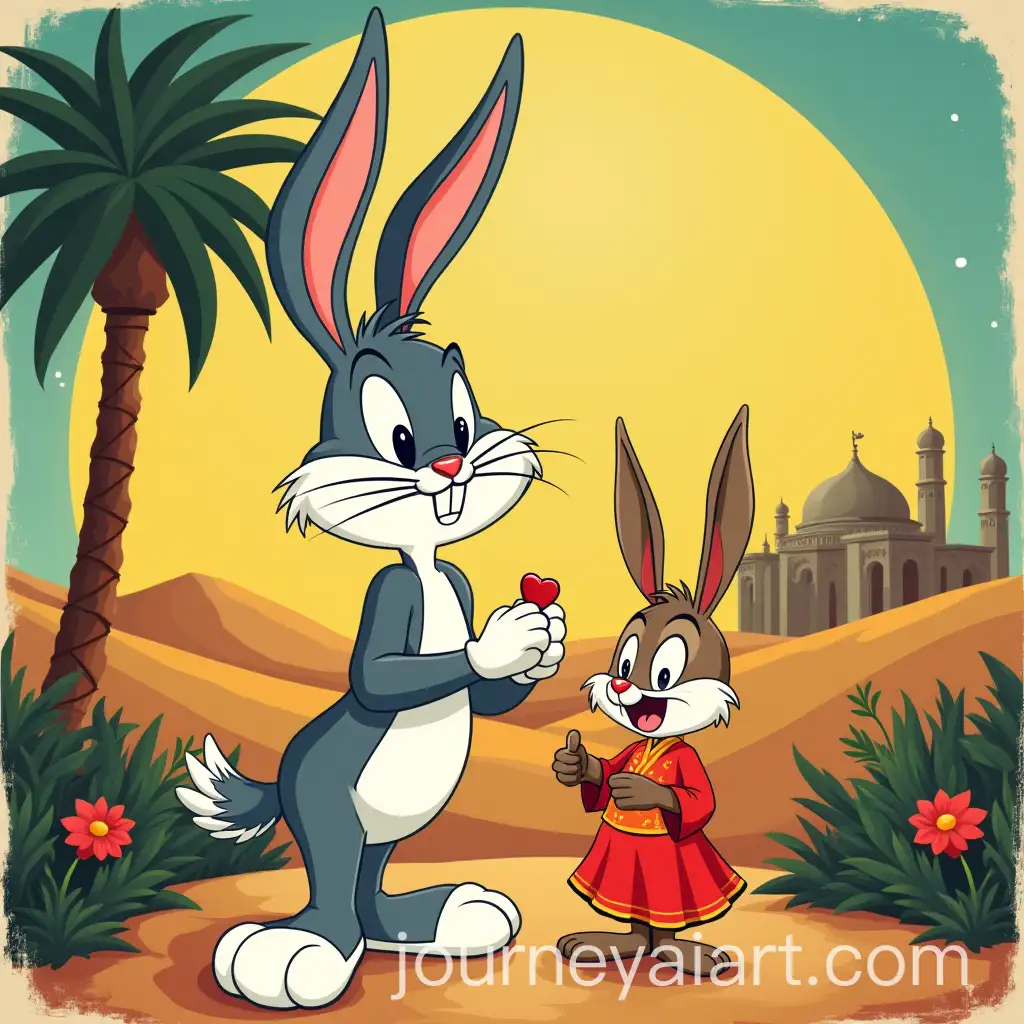
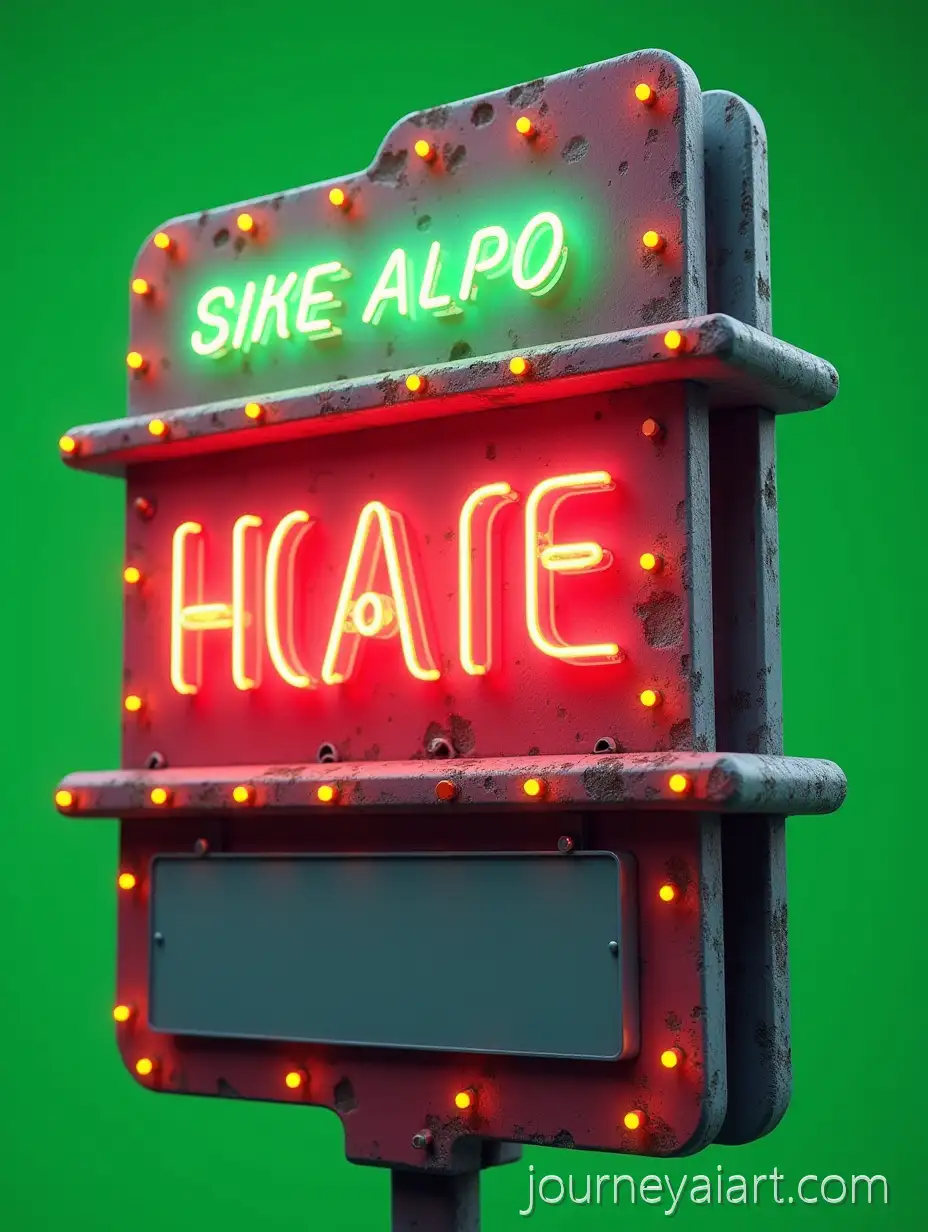
Welcome to our Retro Design image collection, featuring 150 free AI-generated images. Dive into a nostalgic world of stock photos, 3D objects, vectors, and illustrations that capture the essence of bygone eras. Enjoy high-resolution downloads and utilize our 'open in editor' feature to fine-tune prompts for your perfect retro-inspired image.

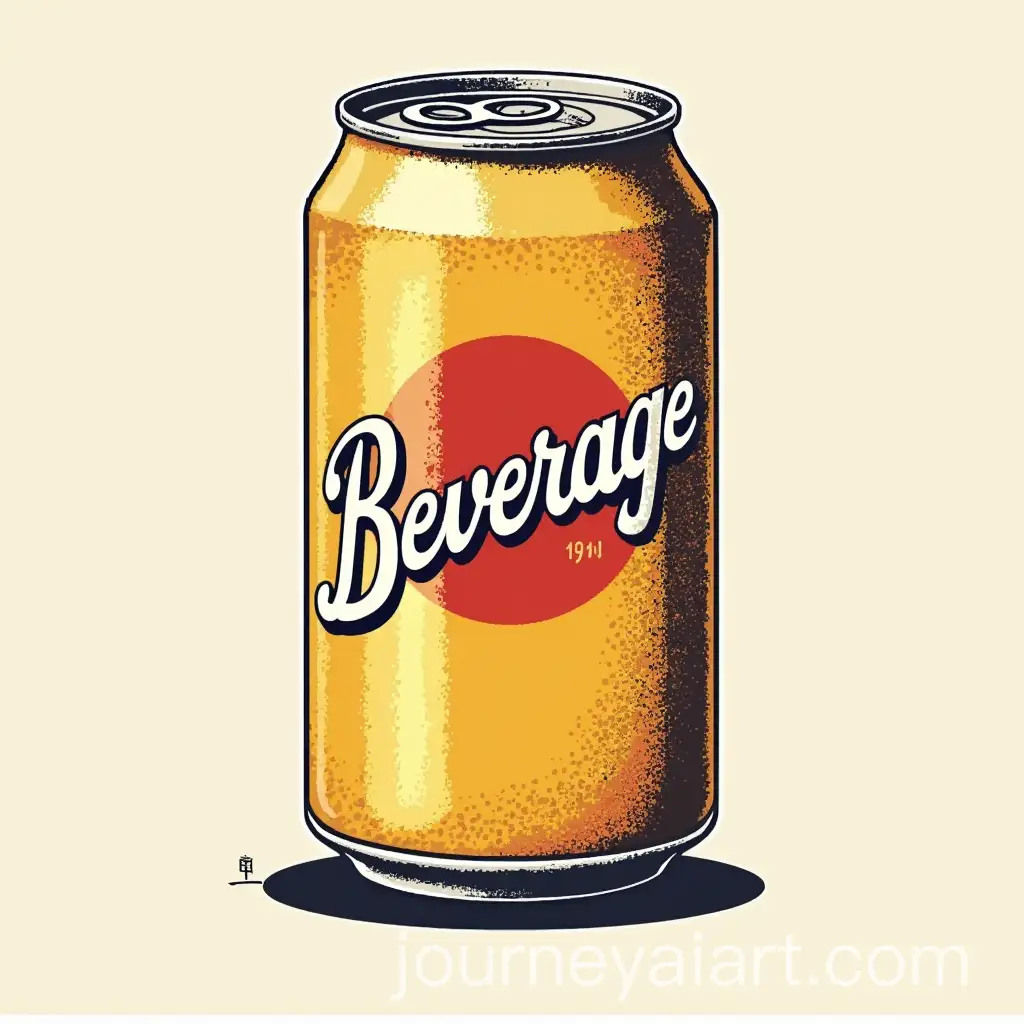



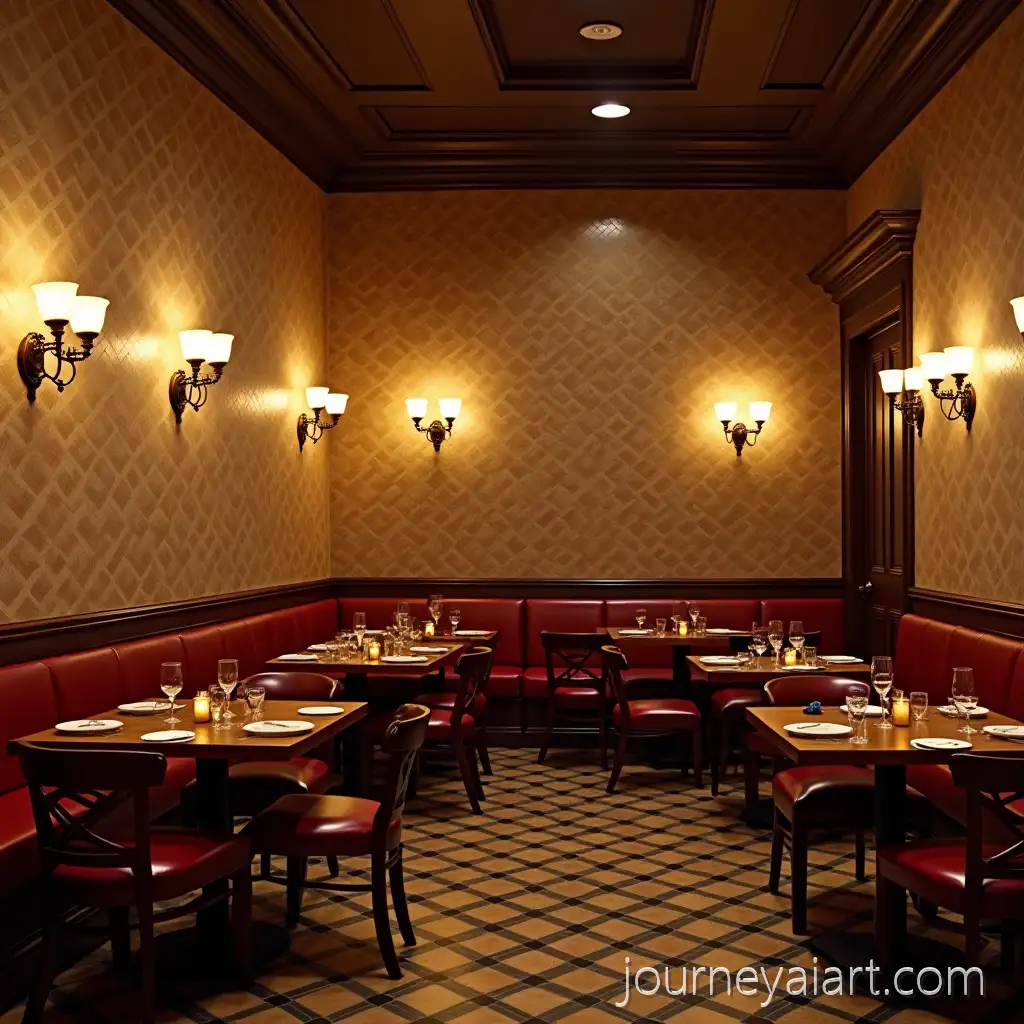











Related Tags
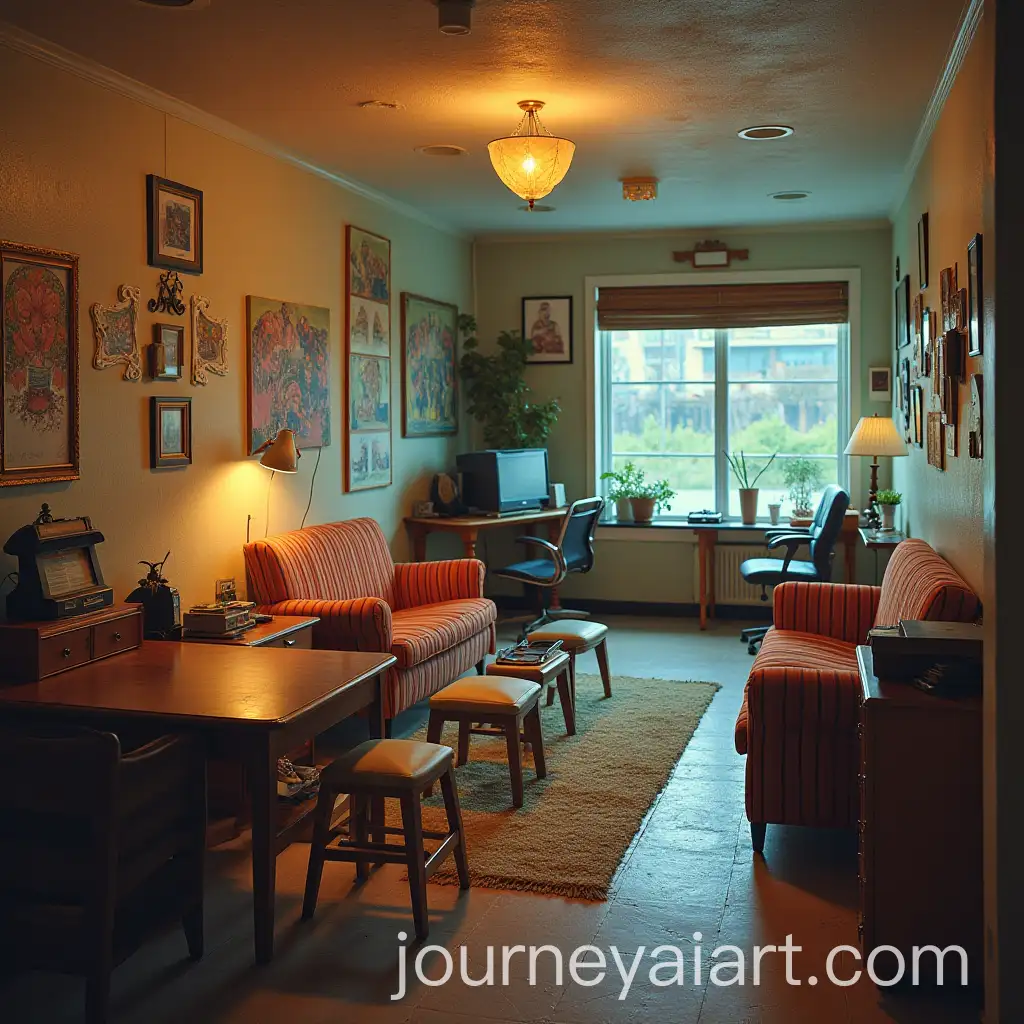
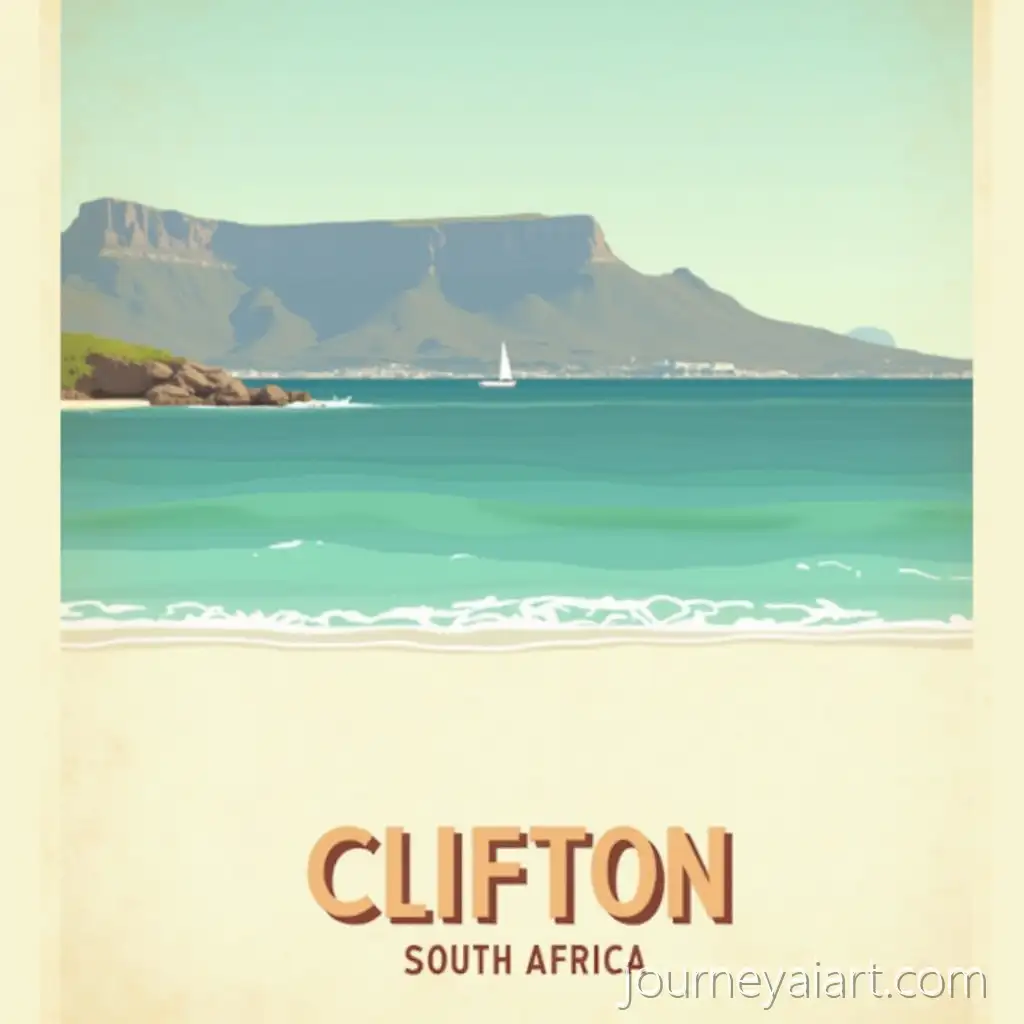
Retro Design refers to visual styles that nostalgically evoke past eras, particularly from the 1950s to the 1980s. This design approach combines elements from specific time periods with modern sensibilities, creating a unique aesthetic that resonates across generations. Retro Design is characterized by bold colors, geometric patterns, vintage typography, and iconic imagery from pop culture. Its enduring popularity stems from its ability to evoke feelings of nostalgia while maintaining a sense of timelessness. From advertising and branding to interior design and fashion, Retro Design continues to influence various creative fields, offering a perfect blend of the old and the new.
The Timeless Appeal of Retro Design
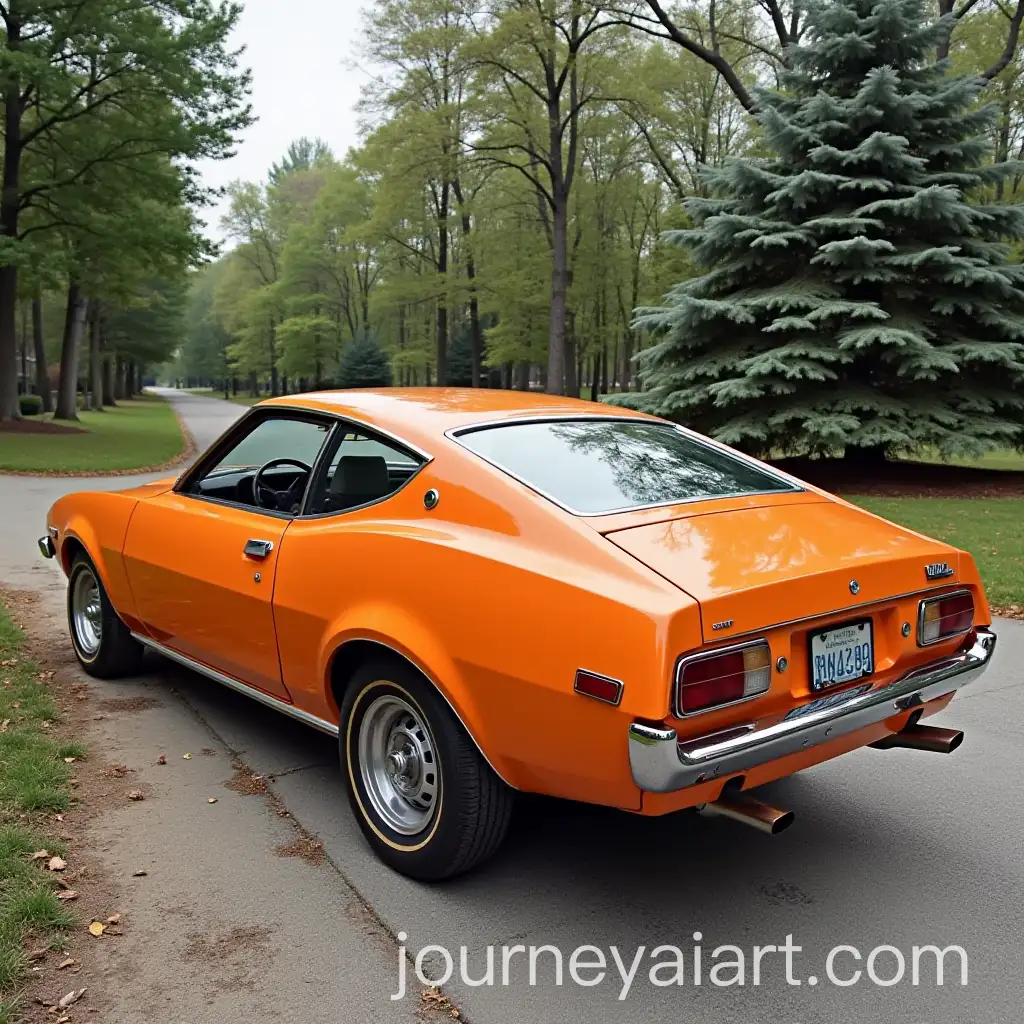
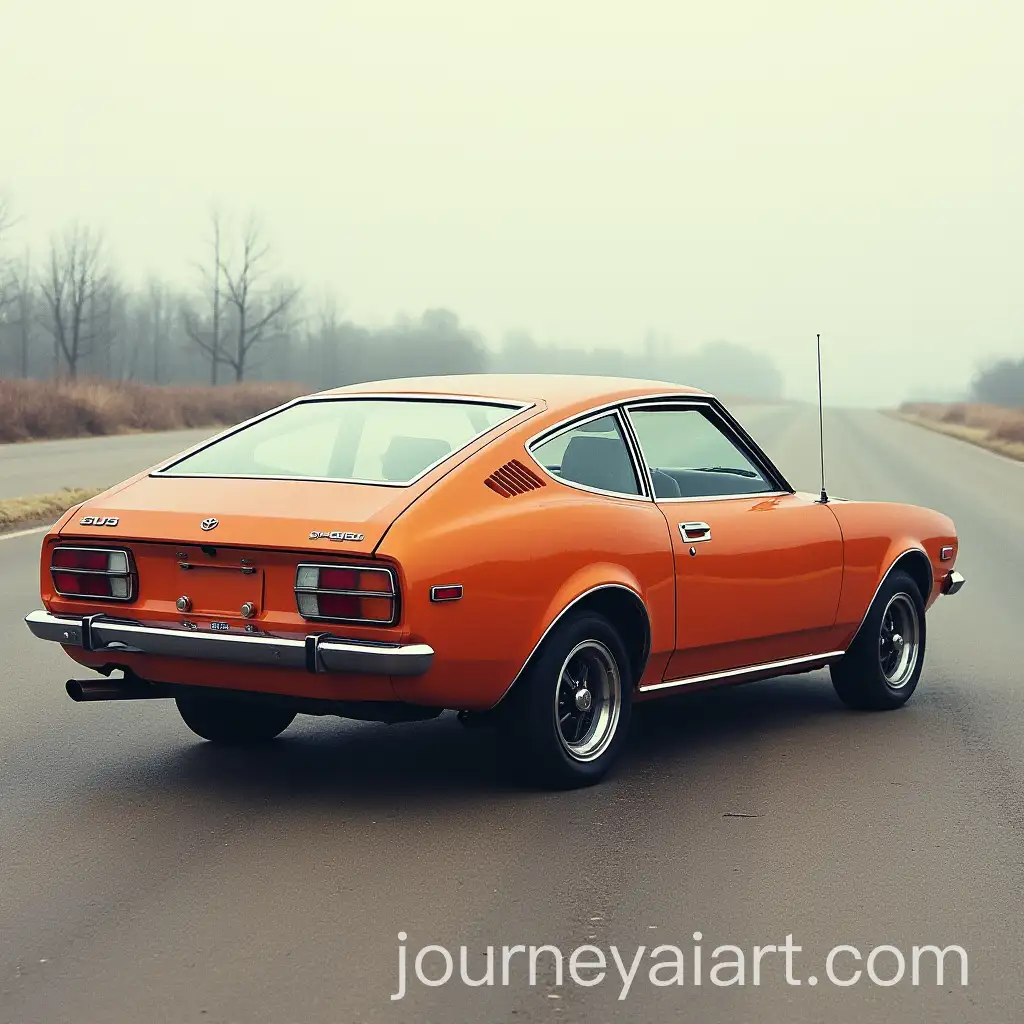
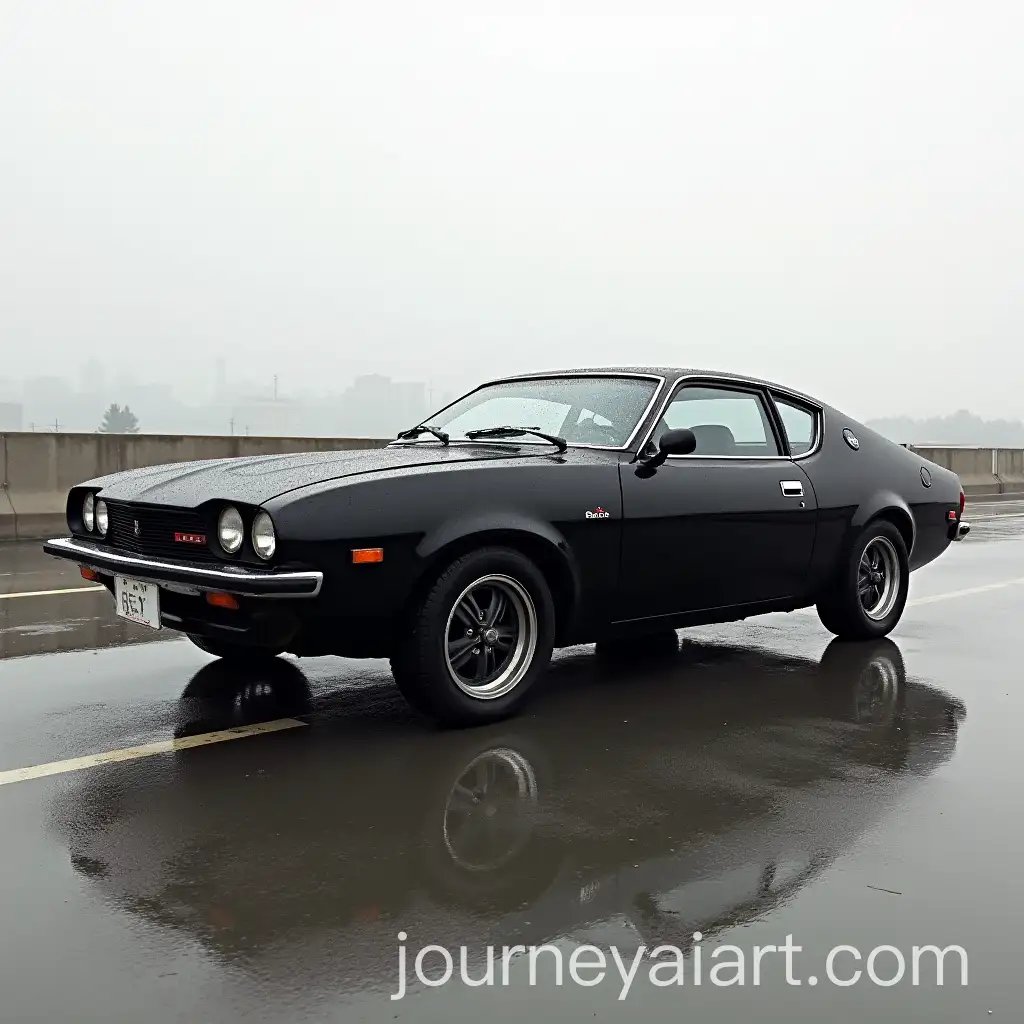
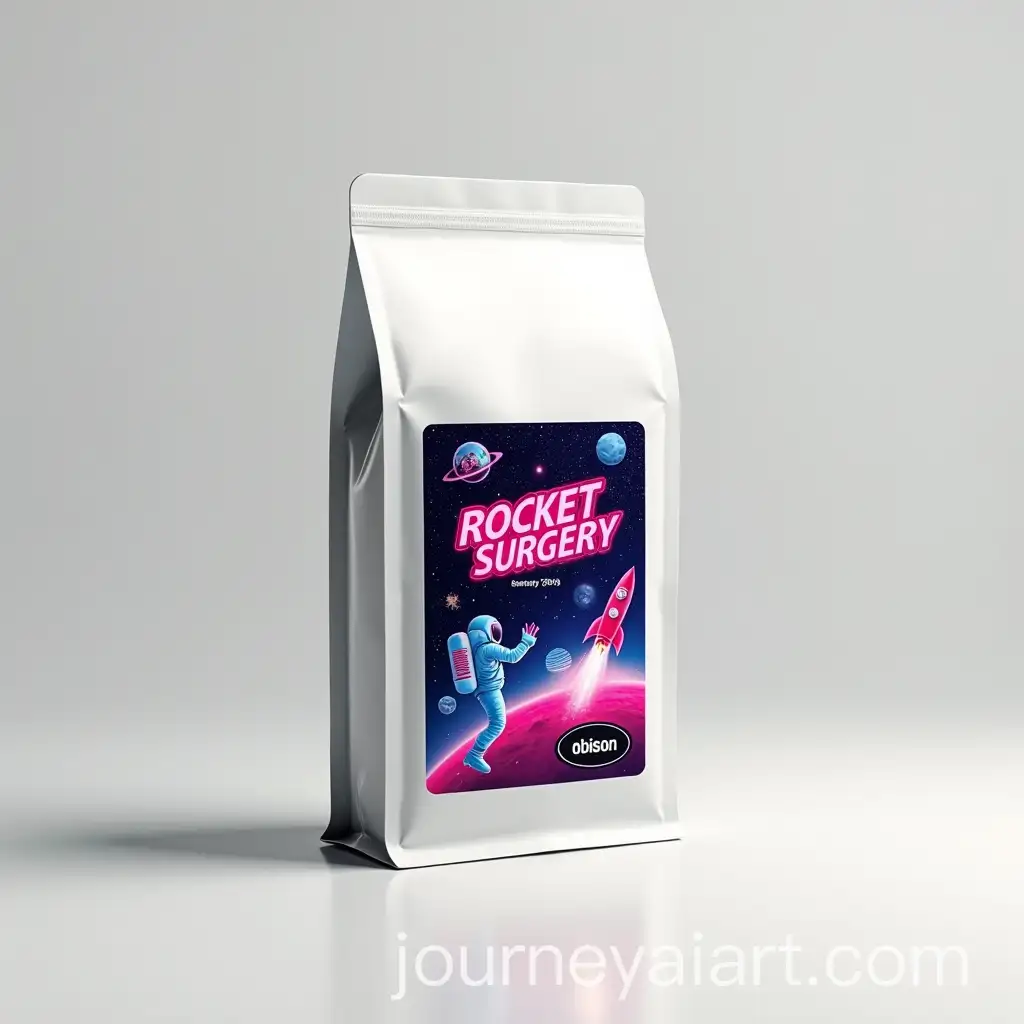
Retro Design incorporates several distinctive elements that define its aesthetic. These include vibrant color palettes often featuring pastels or saturated hues, bold geometric shapes and patterns, vintage-inspired typography such as Art Deco or psychedelic fonts, and iconic imagery from past decades. Common motifs include old-school technology, retro cars, vintage advertising illustrations, and pop art elements. Retro Design finds wide application in graphic design, web design, product packaging, fashion, interior decor, and even architecture. For instance, many modern brands use Retro Design elements in their logos and packaging to evoke a sense of heritage and authenticity. In digital media, Retro Design is often employed in website themes, social media graphics, and app interfaces to create a unique and memorable user experience.
Key Elements and Applications of Retro Design
AI technology has revolutionized the creation of Retro Design content, making it more accessible and customizable than ever before. To create Retro-inspired images using AI, start by familiarizing yourself with the key elements of the desired era. Input specific prompts that describe the color palette, patterns, and iconic elements you want to include. For instance, you might use prompts like '1950s diner with pastel colors and chrome details' or '1980s-style neon typography on a Miami backdrop.' Experiment with different combinations of era-specific keywords, design elements, and cultural references to achieve the desired retro effect. Remember to fine-tune your prompts based on the AI's output, gradually refining the results until you achieve the perfect retro look. The 'open in editor' feature on our platform allows for real-time adjustments, making the creation process interactive and enjoyable.
Creating Retro-Inspired Content with AI
As we look to the future, Retro Design continues to evolve, blending nostalgia with contemporary aesthetics and technologies. One emerging trend is the fusion of Retro Design with futuristic elements, creating a unique 'retro-futuristic' style. This approach combines vintage aesthetics with modern design principles and cutting-edge technologies, resulting in visually striking and conceptually intriguing creations. Another trend is the increasing use of AI and machine learning in creating and customizing Retro Design elements, allowing for more personalized and diverse retro-inspired content. We're also seeing a growing interest in lesser-explored eras and subcultures, expanding the retro palette beyond the typical mid-century modern or 80s aesthetics. As sustainability becomes more crucial in design, we can expect a rise in eco-friendly retro designs that not only look to the past for inspiration but also incorporate sustainable materials and production methods. The future of Retro Design promises to be an exciting blend of nostalgia, innovation, and responsible creativity.
The Future of Retro: Evolving Trends in Vintage-Inspired Design