13 Free mosque architecture Midjourney AI images
Welcome to our Mosque Architecture image collection, featuring 13 free AI-generated images. This page offers a diverse array of images including stock photos, 3D objects, vectors, and illustrations, all centered around the rich and intricate designs of mosque architecture. All images are available for high-resolution download, and you can use our 'open in editor' feature to customize prompts and regenerate images to match your specific needs.
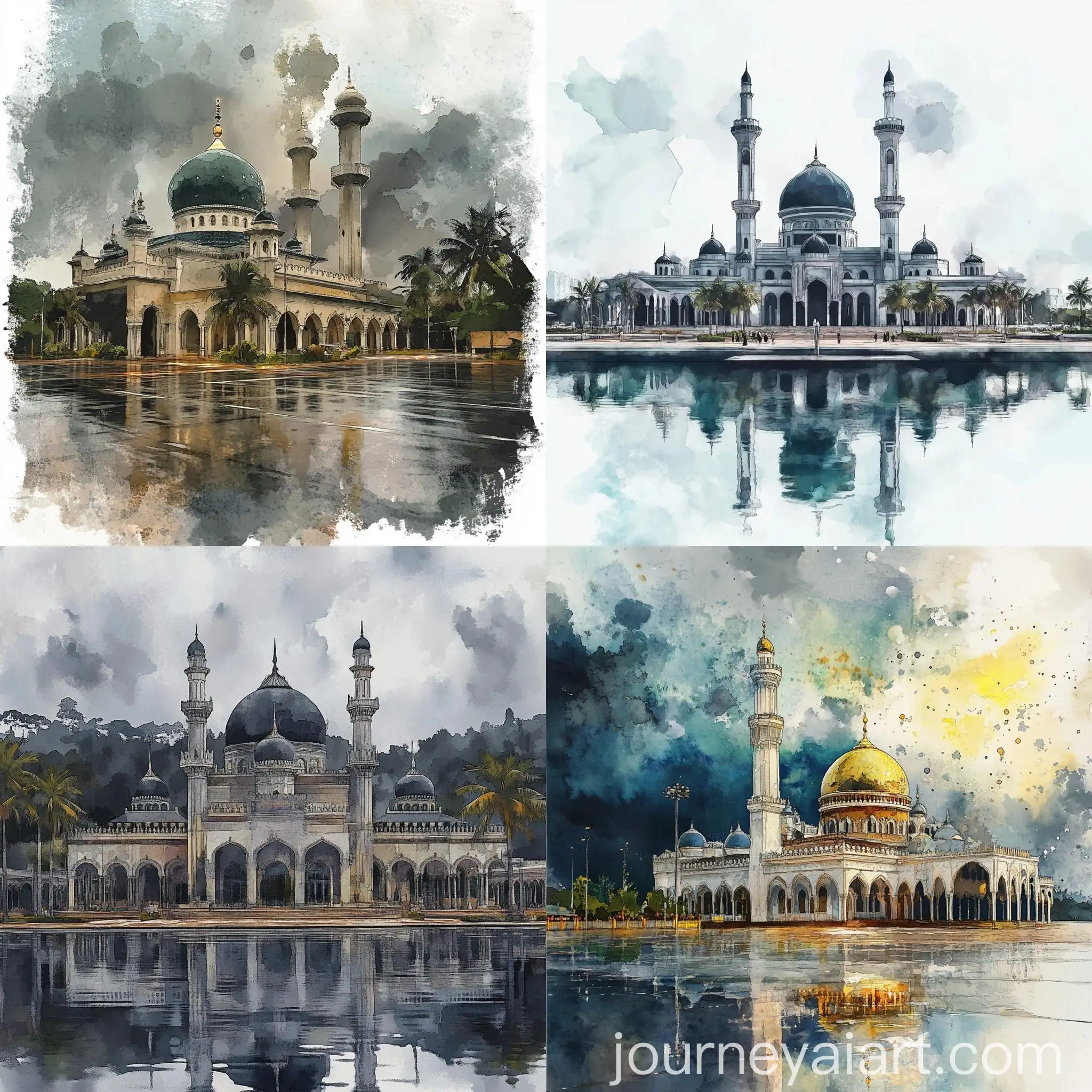
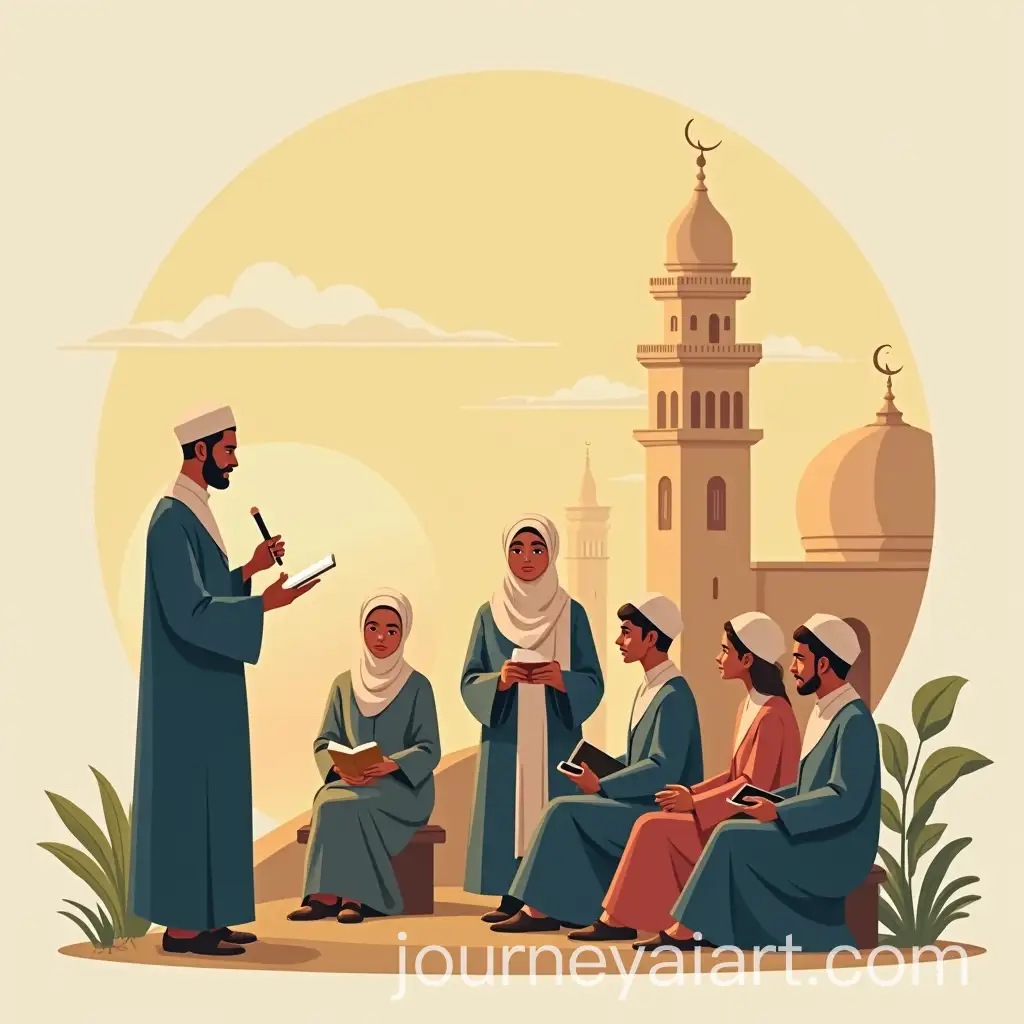

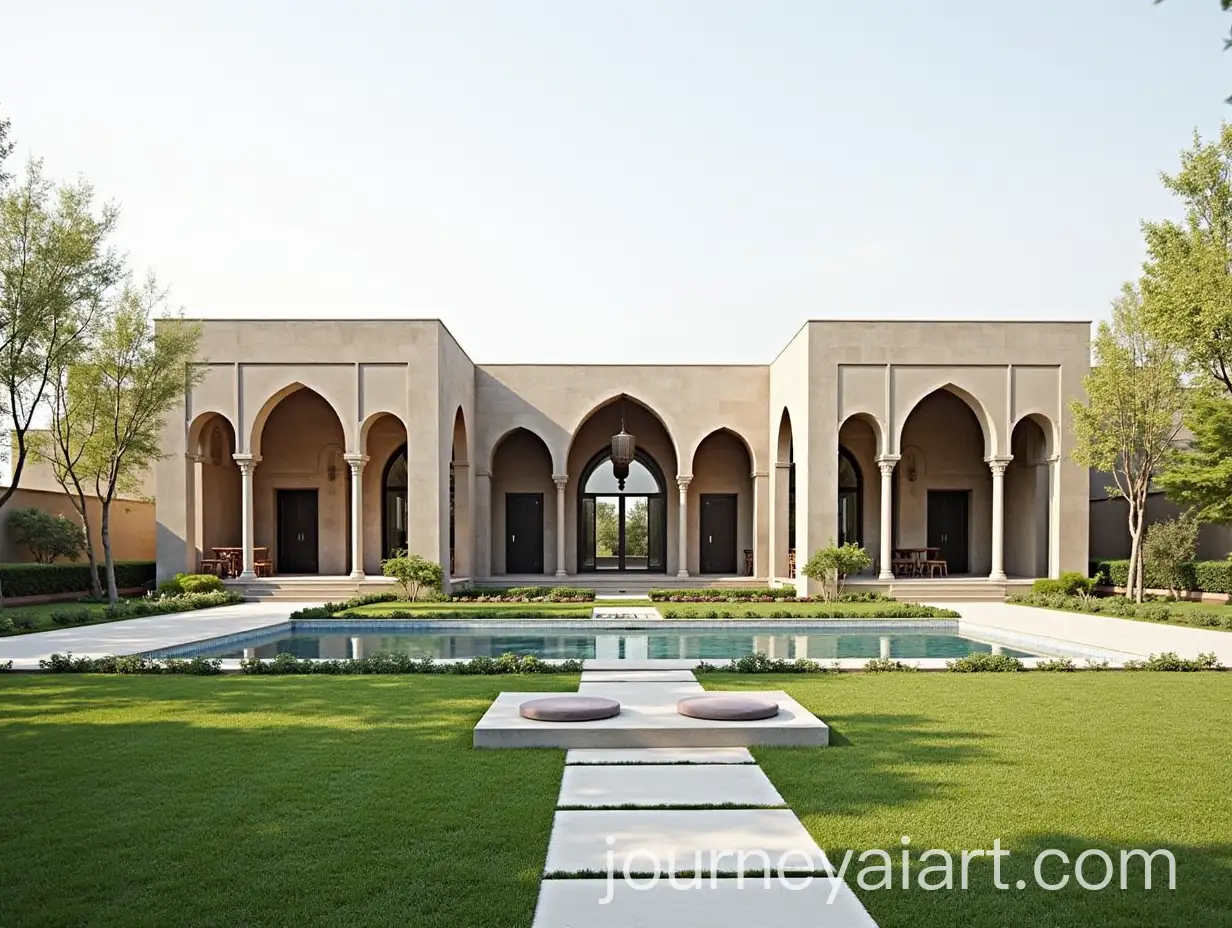
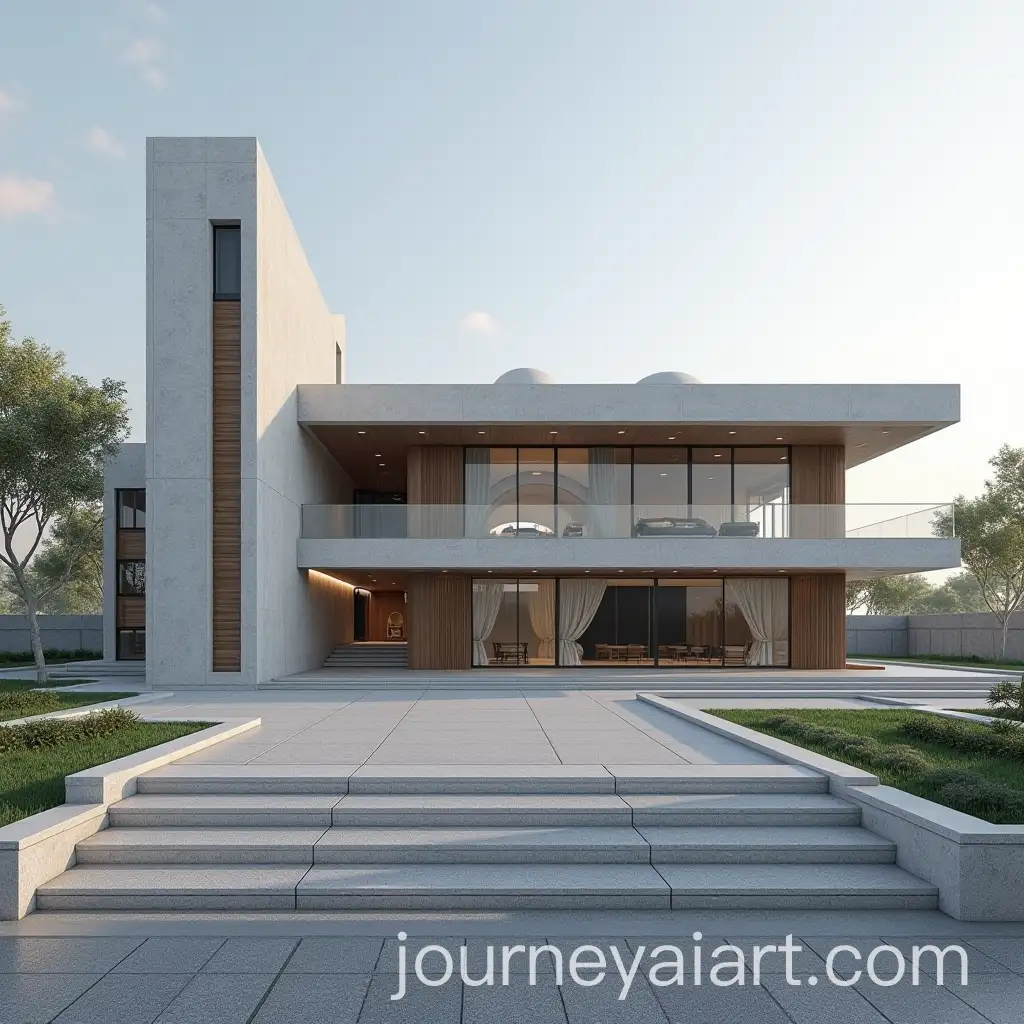



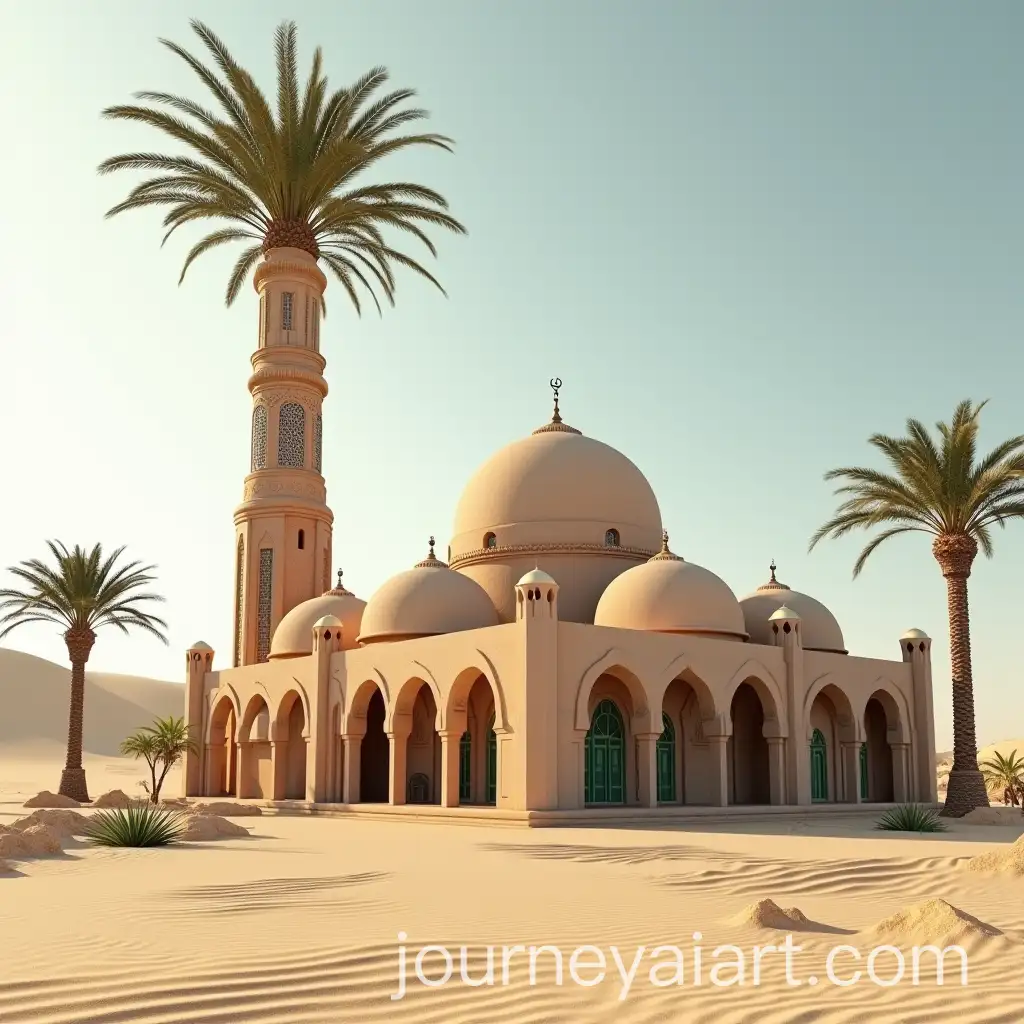

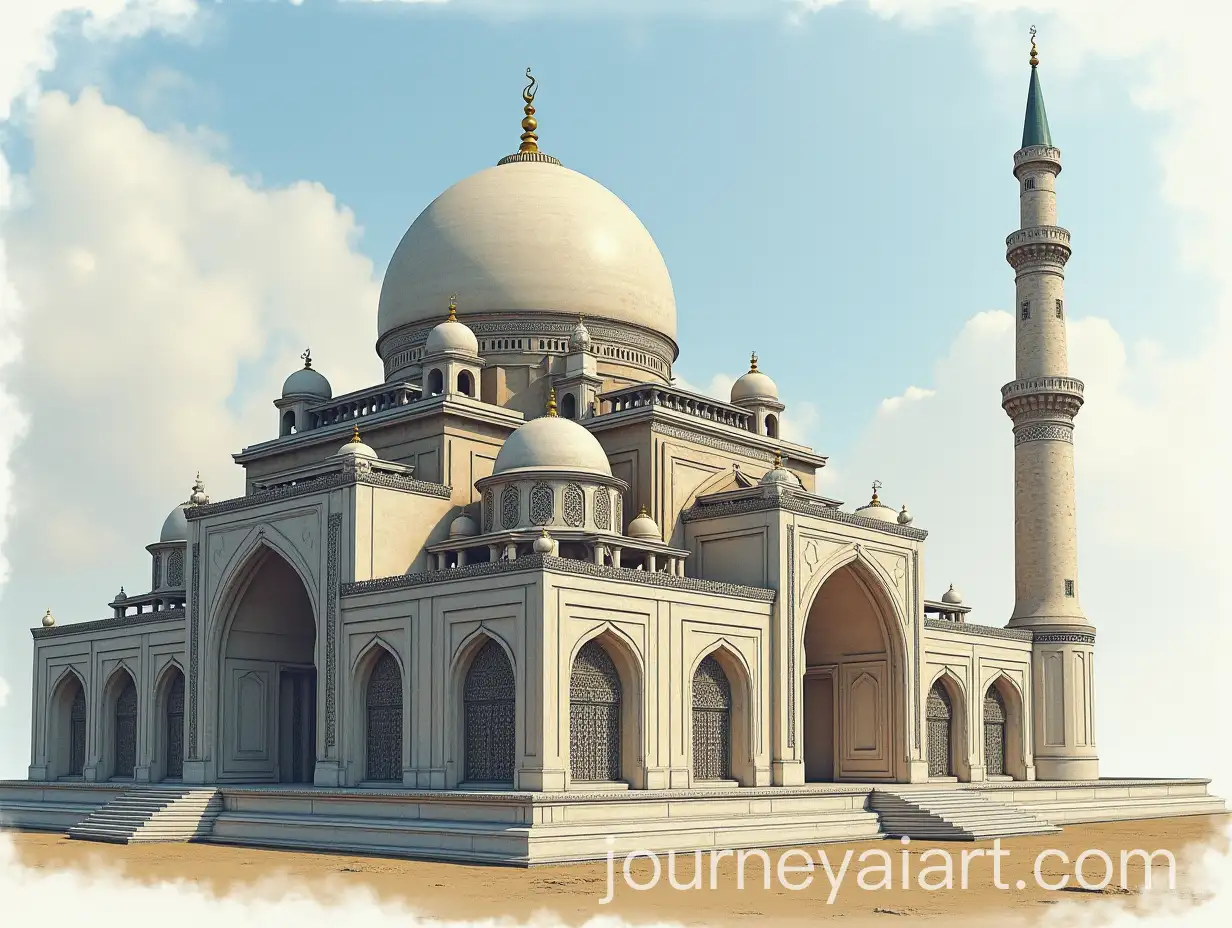

Mosque architecture refers to the design and structure of buildings used as places of worship in Islam. These architectural forms have evolved over centuries, drawing influences from various cultures and regions where Islam spread. Traditional mosque architecture is known for its domes, minarets, mihrabs, and intricate tile work, which not only serve religious functions but also reflect the cultural and artistic heritage of the Islamic world. The design principles of mosque architecture emphasize both spiritual symbolism and functionality, with a focus on creating spaces conducive to communal prayer and reflection.
Understanding Mosque Architecture: Definition and Historical Context
Mosques are characterized by several distinct architectural features, each carrying significant cultural and religious meanings. The dome, often the centerpiece of mosque design, symbolizes the vault of heaven. Minarets, tall slender towers, serve as visual landmarks and are traditionally used to call the faithful to prayer. The mihrab, a niche in the wall facing Mecca, indicates the direction of prayer. Additionally, mosques frequently feature intricate geometric patterns, arabesques, and calligraphy, which reflect the Islamic art tradition of aniconism and the emphasis on abstract beauty. These elements collectively contribute to the mosque's role as a spiritual and community center.
Key Features of Mosque Architecture and Their Cultural Significance
Mosque architecture has had a profound impact on global architectural trends, inspiring elements seen in both religious and secular buildings around the world. The use of large domes, ornate tile work, and expansive courtyards have been adapted into various architectural styles beyond the Islamic world, including in Western civic buildings and museums. The aesthetic principles of symmetry, balance, and detailed ornamentation seen in mosque architecture have influenced modern architectural practices, especially in creating spaces that evoke a sense of grandeur and tranquility. This cross-cultural exchange underscores the enduring appeal and versatility of mosque architectural elements.
The Influence of Mosque Architecture on Global Design Trends
As the world evolves, so too does mosque architecture, with contemporary designs increasingly incorporating modern materials and technologies while maintaining traditional Islamic principles. Future trends in mosque architecture may include the use of sustainable materials, energy-efficient designs, and smart technologies to enhance the user experience. Additionally, there is a growing interest in creating multi-functional mosque spaces that serve not only as places of worship but also as community hubs offering educational, social, and cultural services. This blend of tradition and innovation ensures that mosque architecture continues to be relevant and responsive to the needs of modern Muslim communities worldwide.
Future Trends in Mosque Architecture: Blending Tradition with Modern Innovation