65 Free Islamic Calligraphy Midjourney AI images
Welcome to our Islamic Calligraphy image collection, featuring 65 free AI-generated images. Discover a diverse range of stock photos, 3D objects, vectors, and illustrations. Enjoy high-resolution downloads and use our 'open in editor' feature to customize prompts for your perfect image.
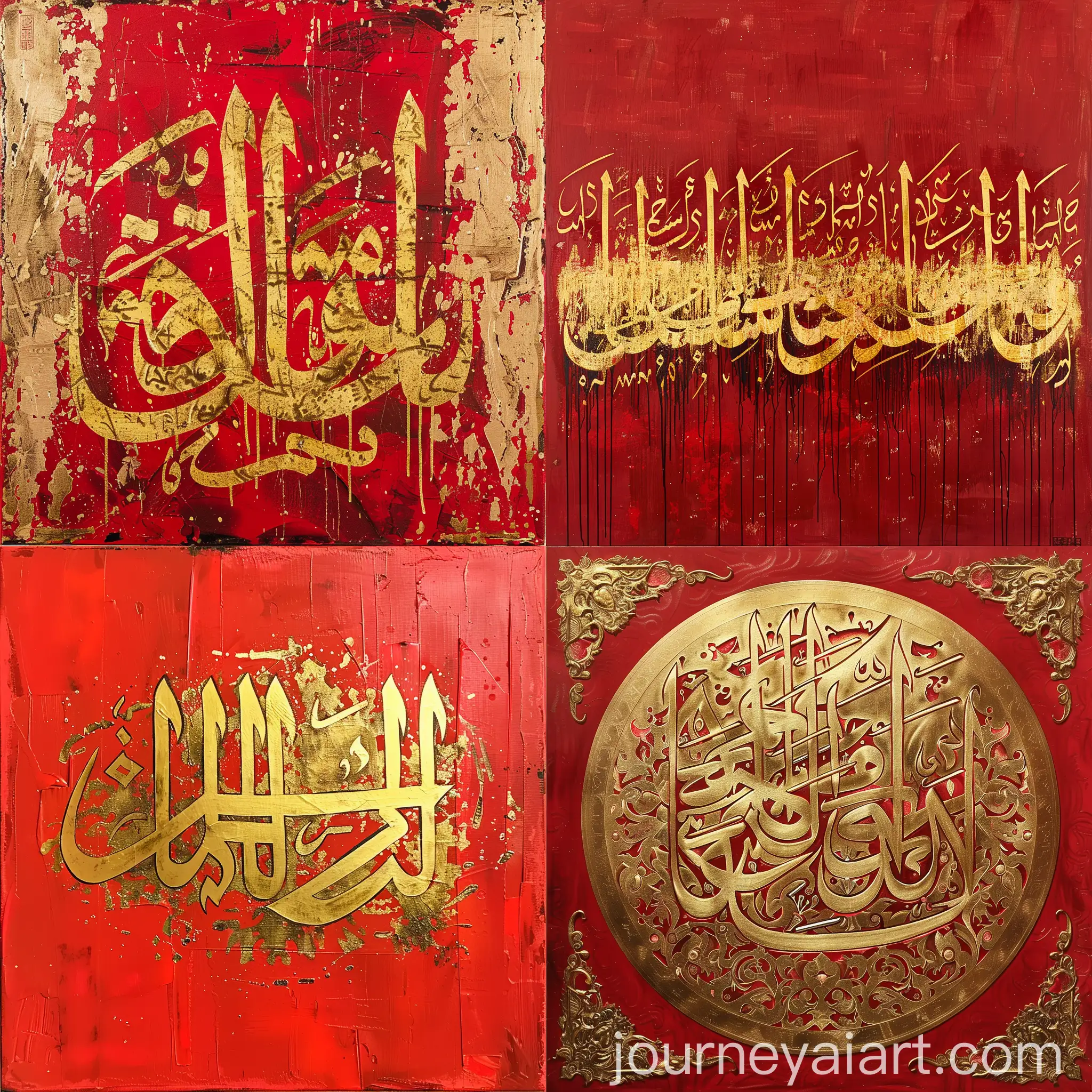
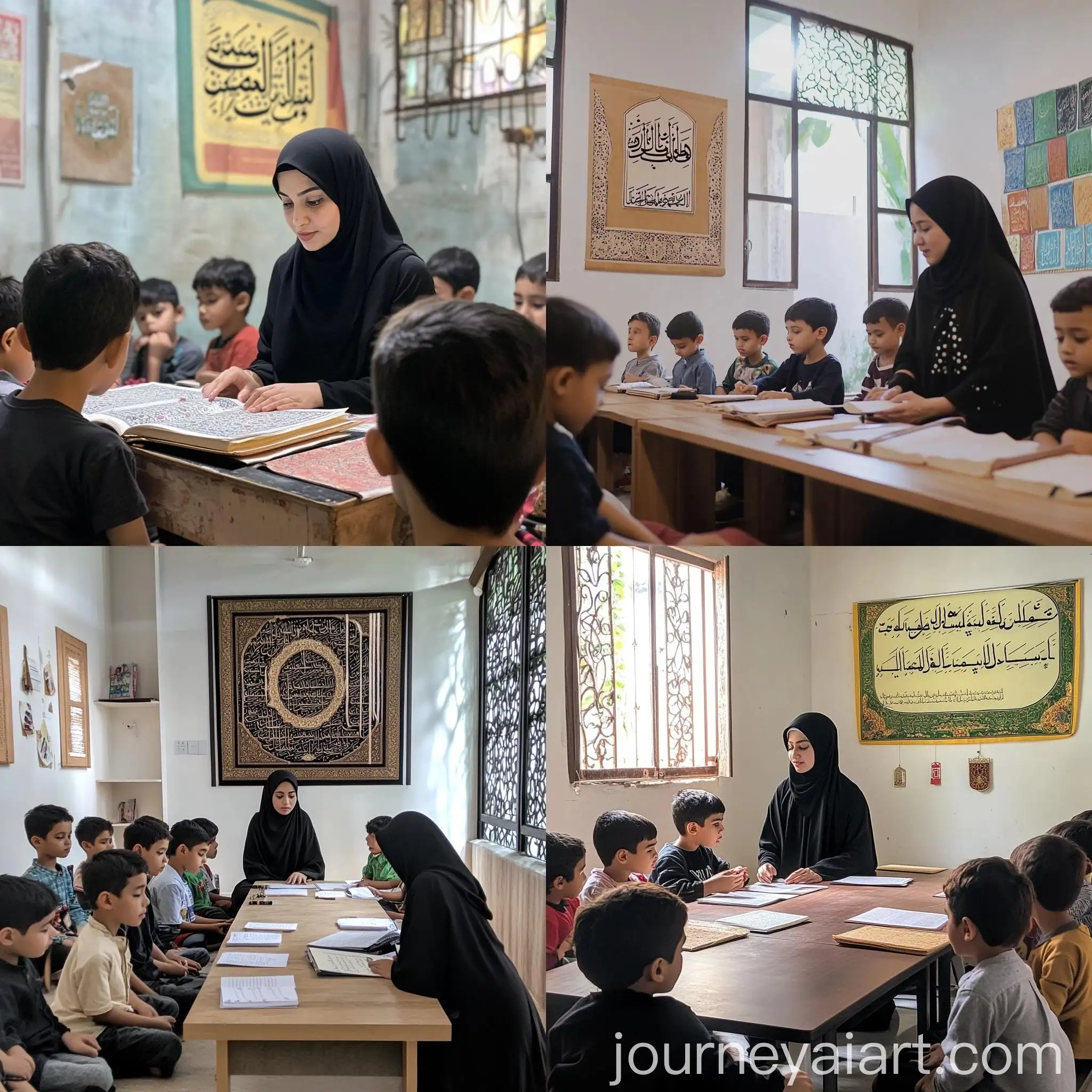
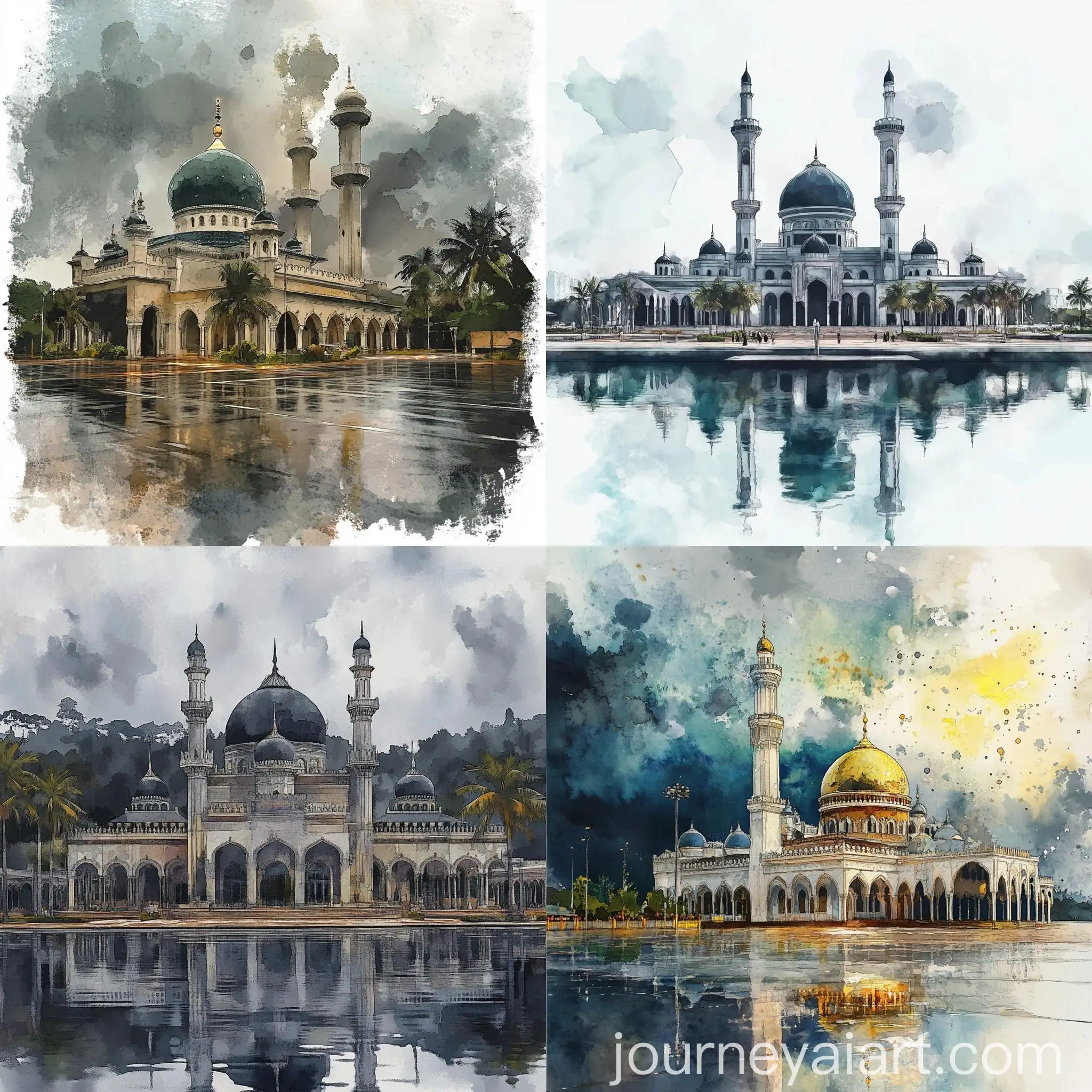

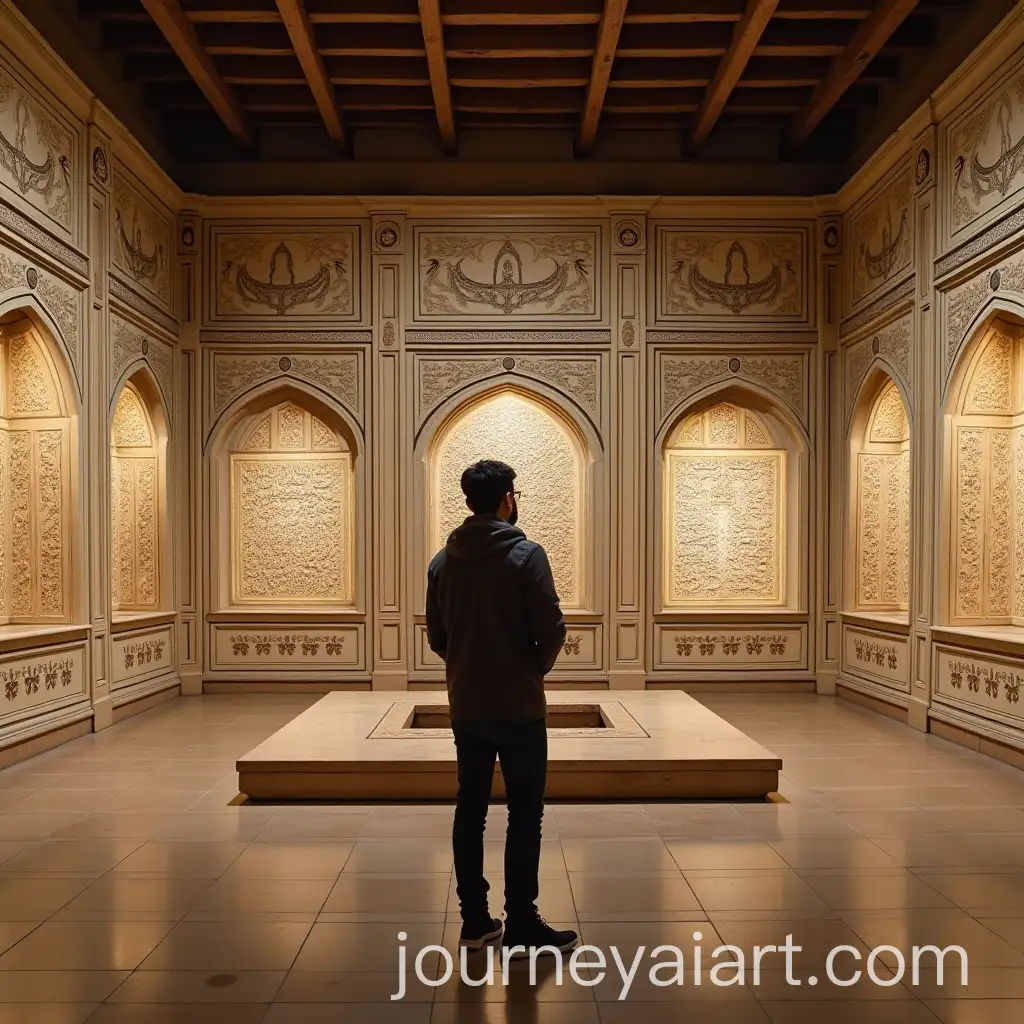

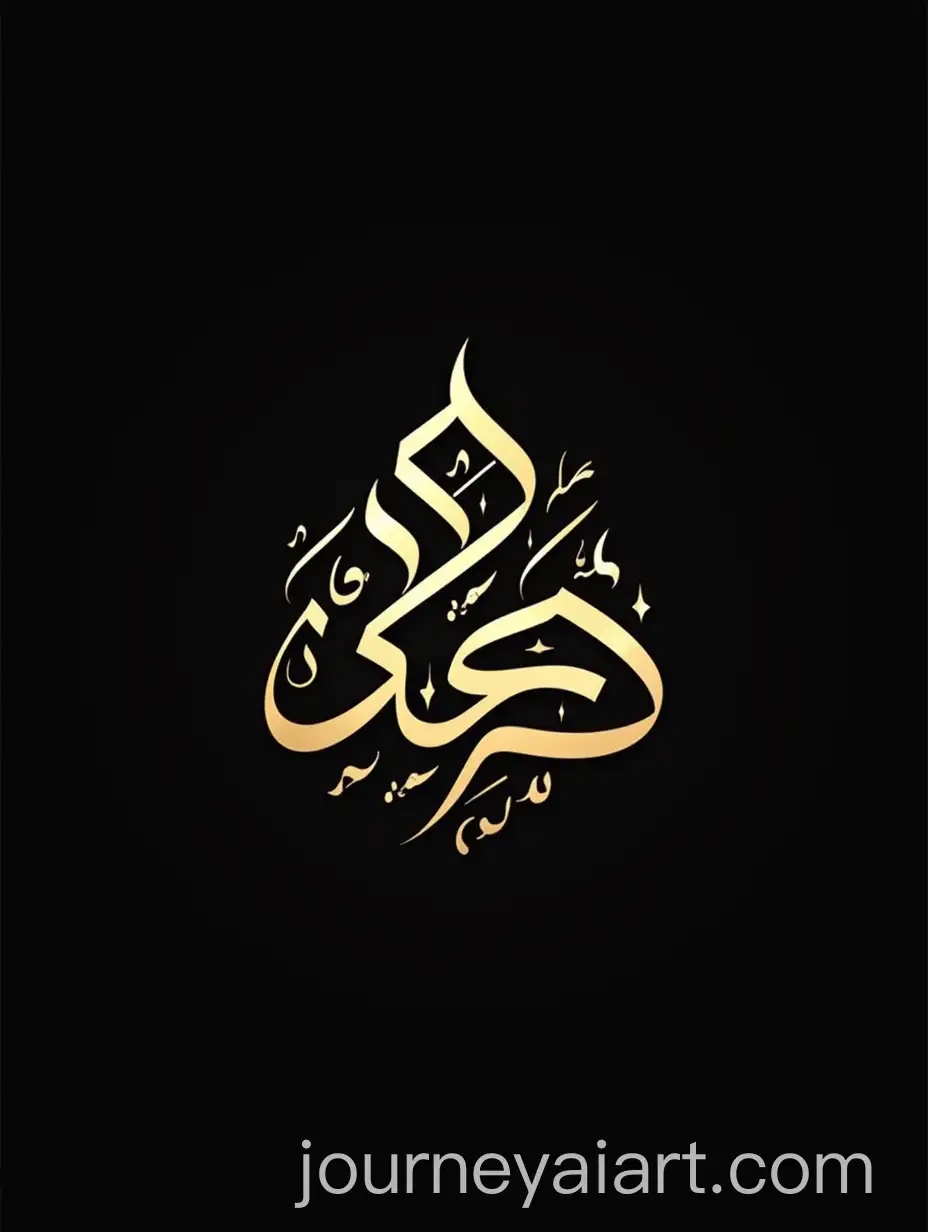
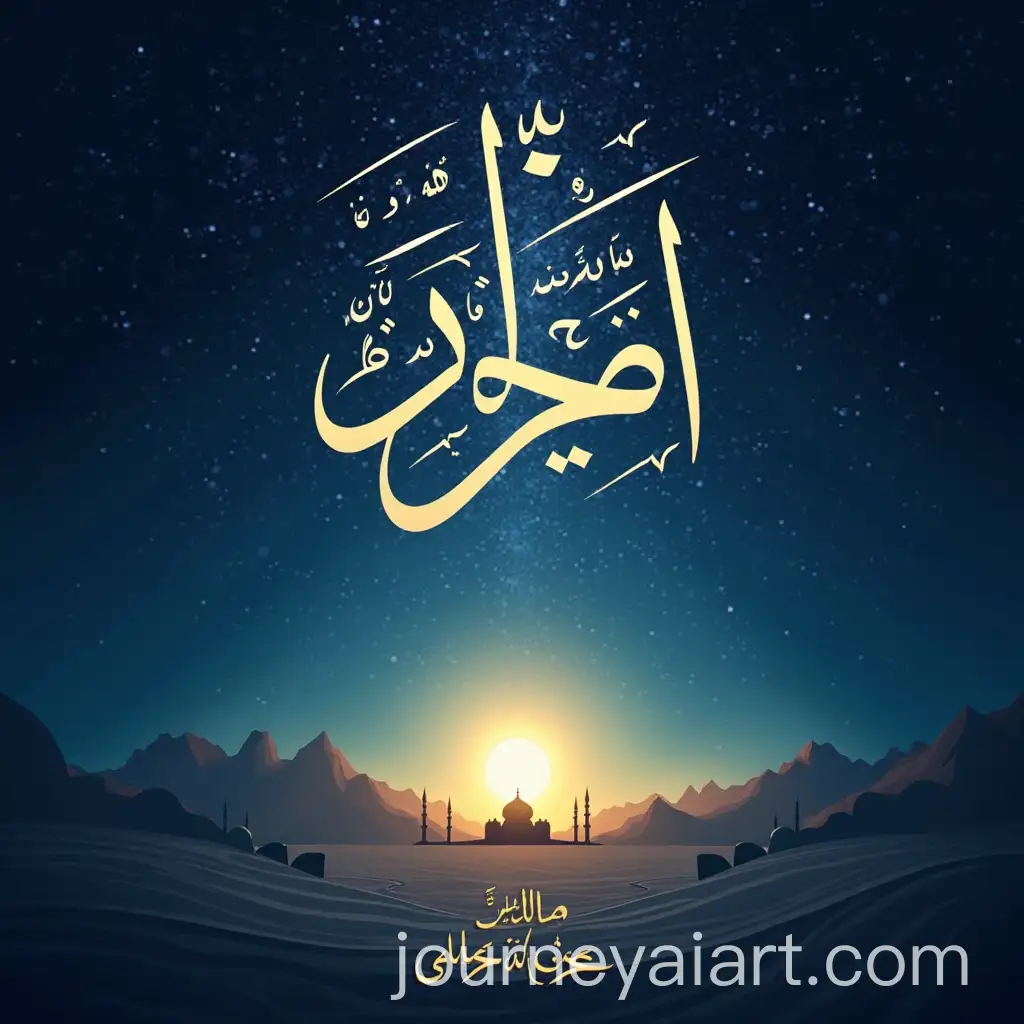
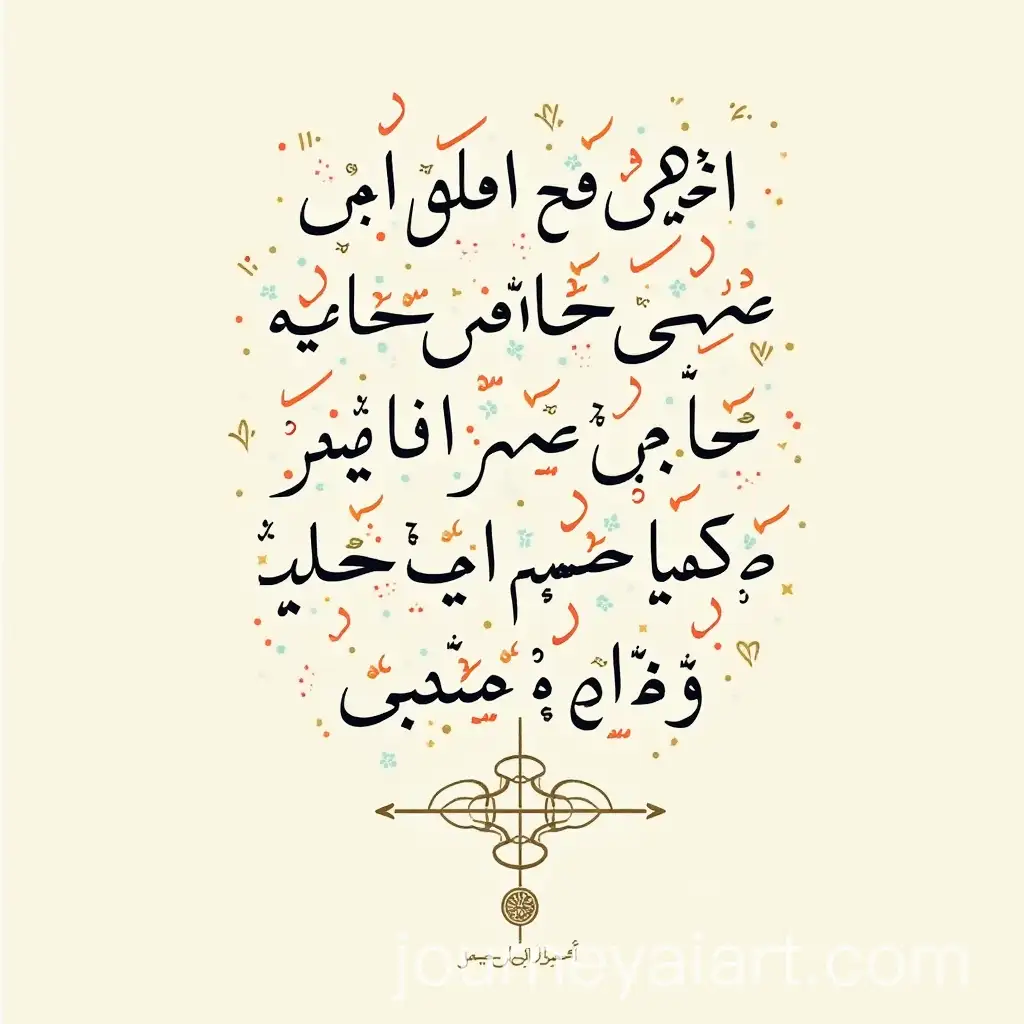
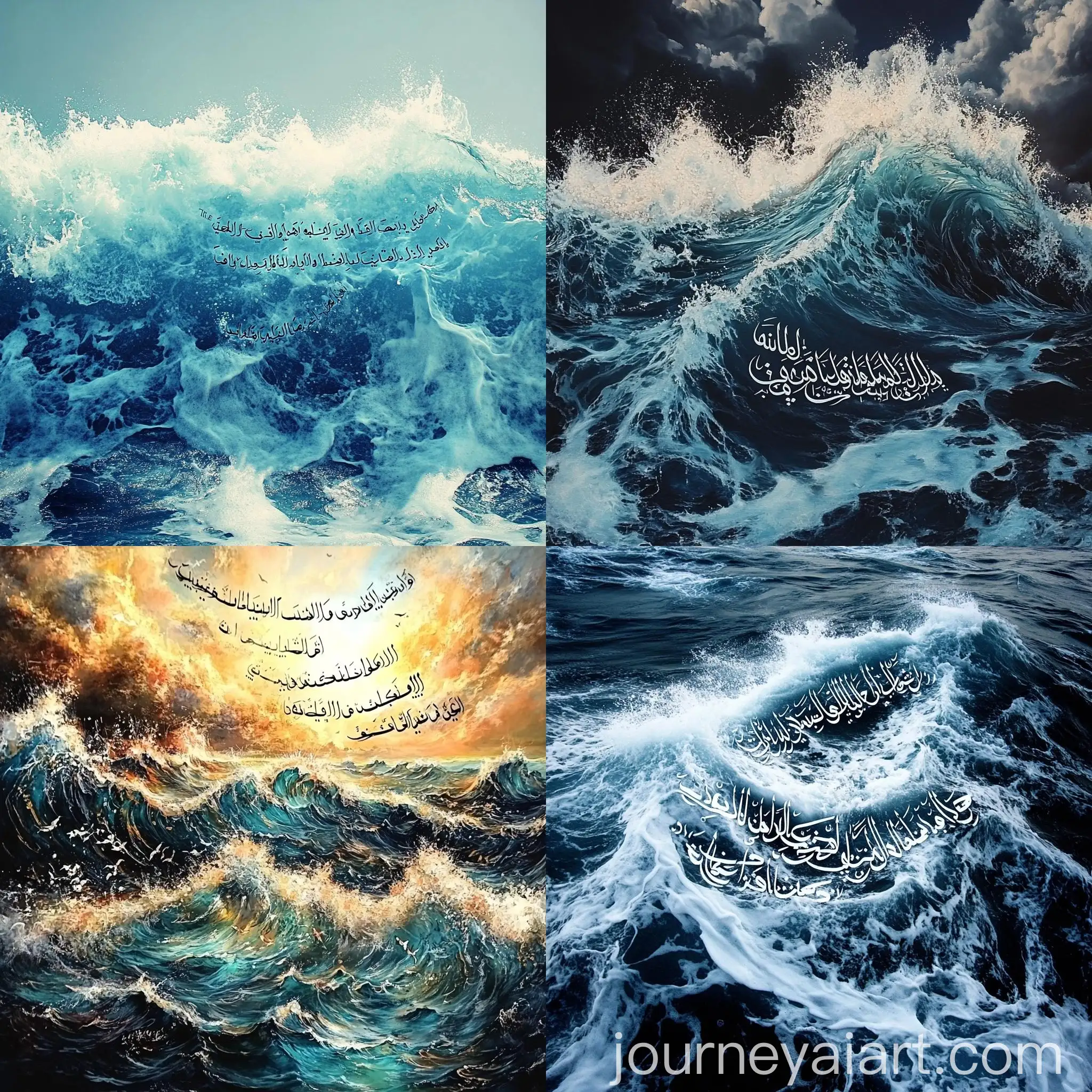
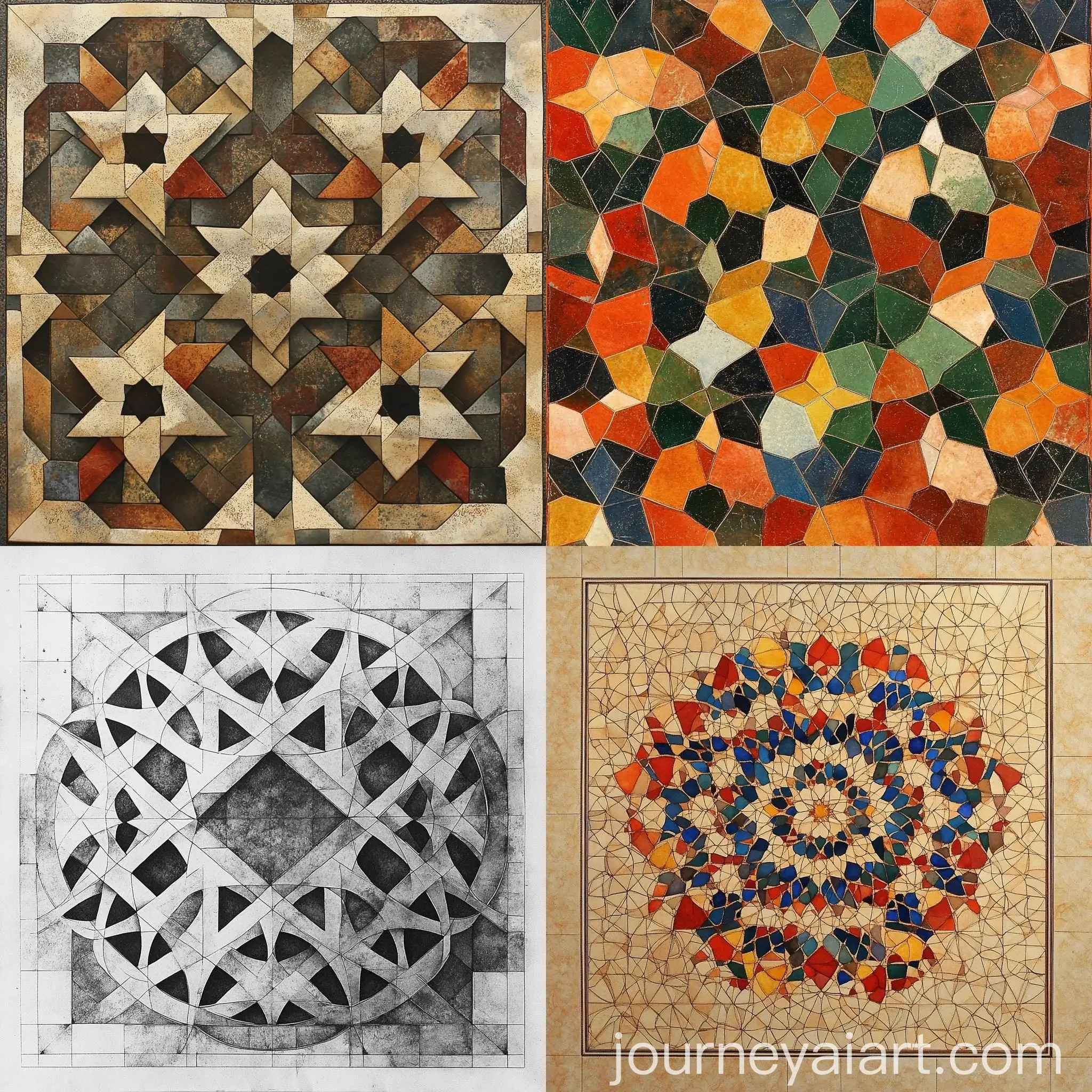
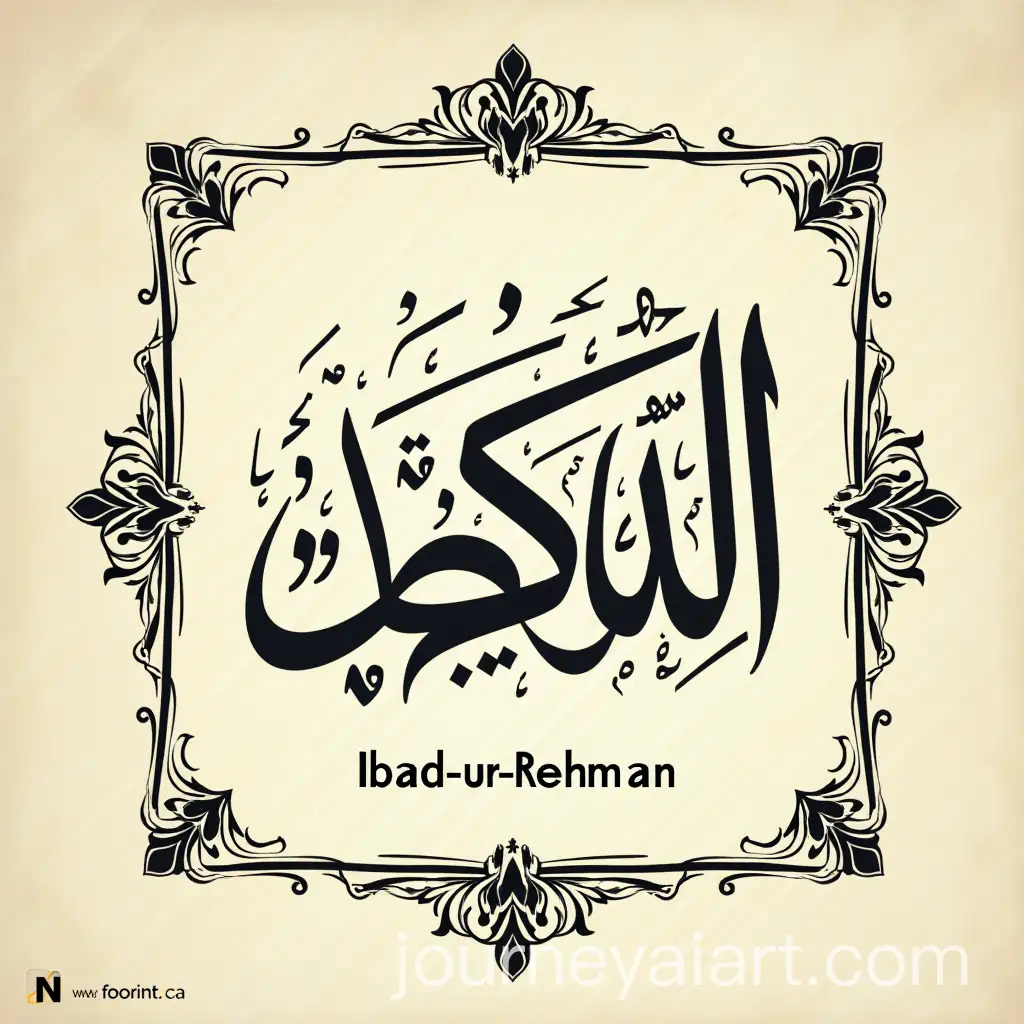

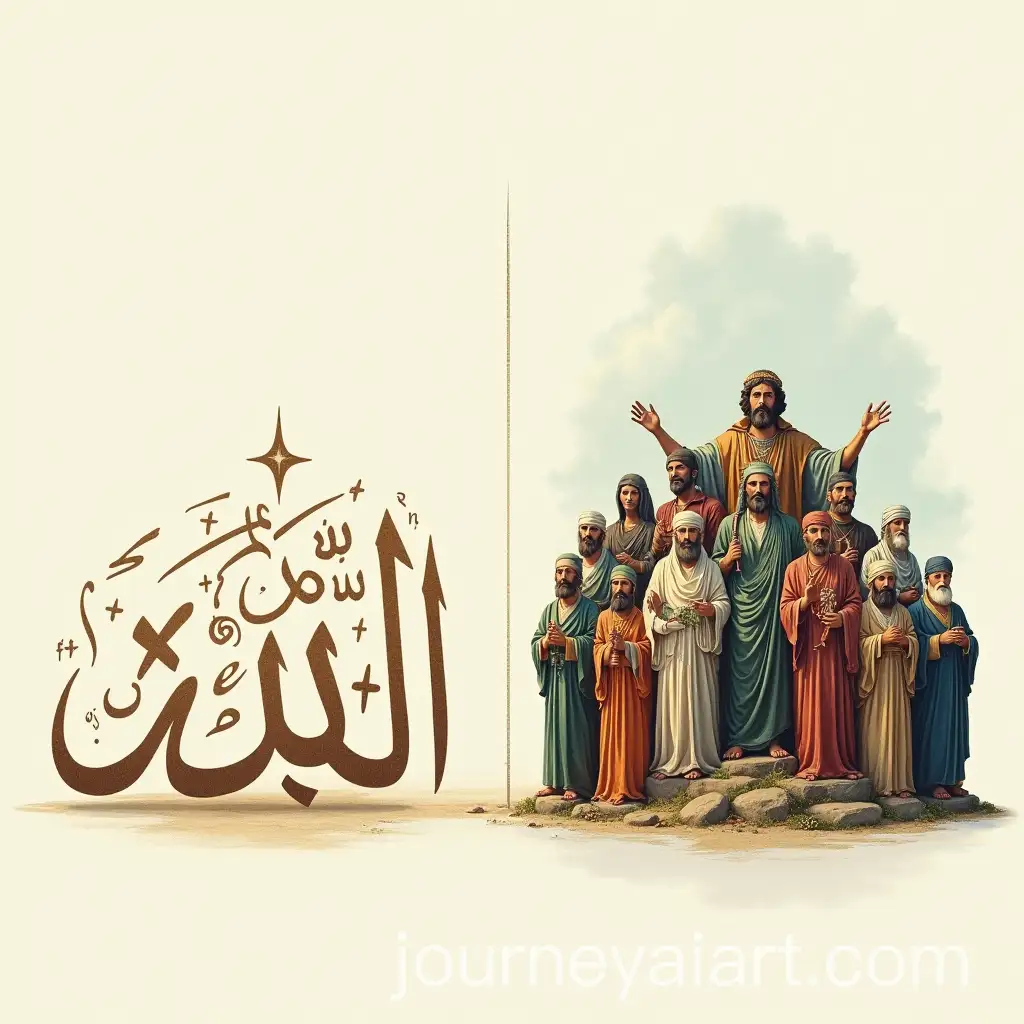
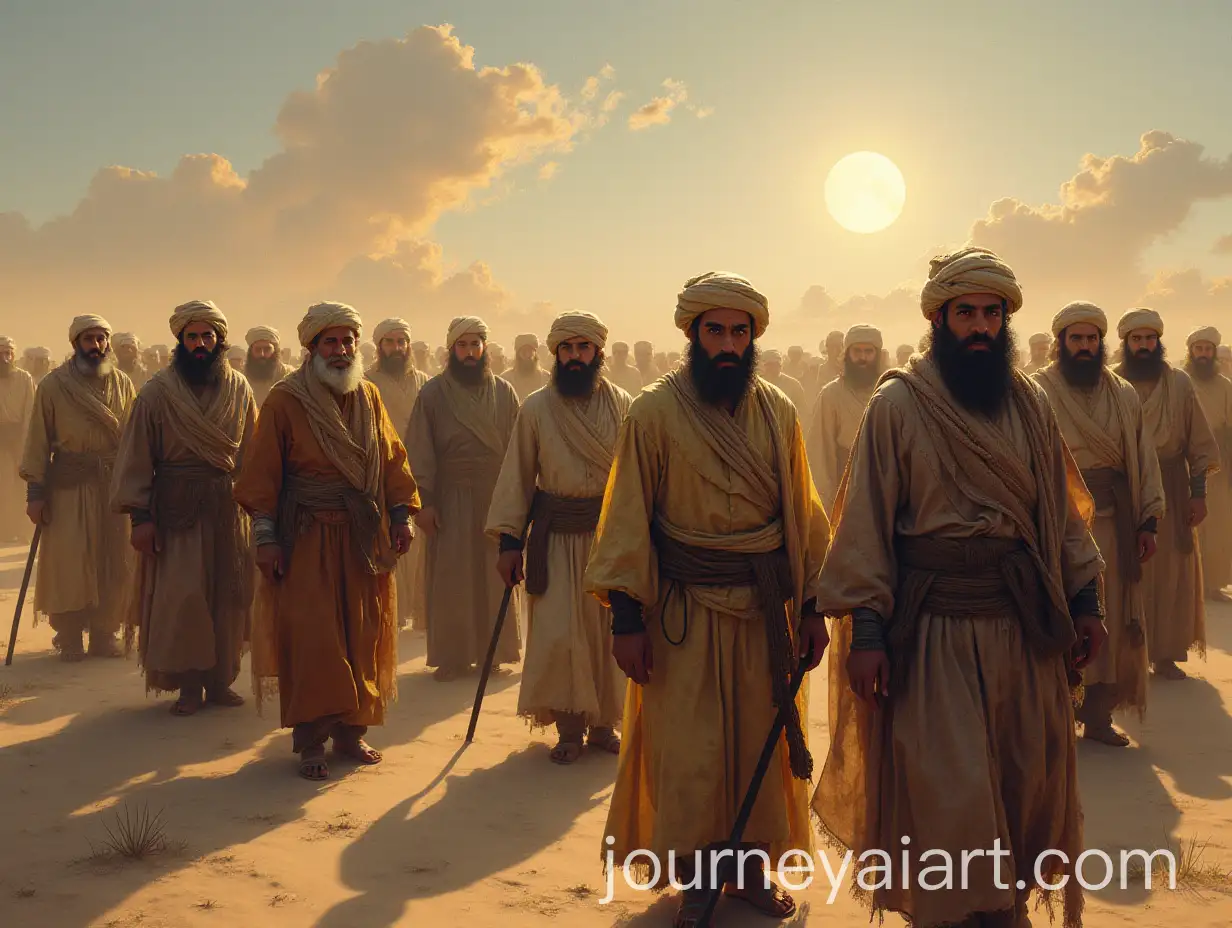
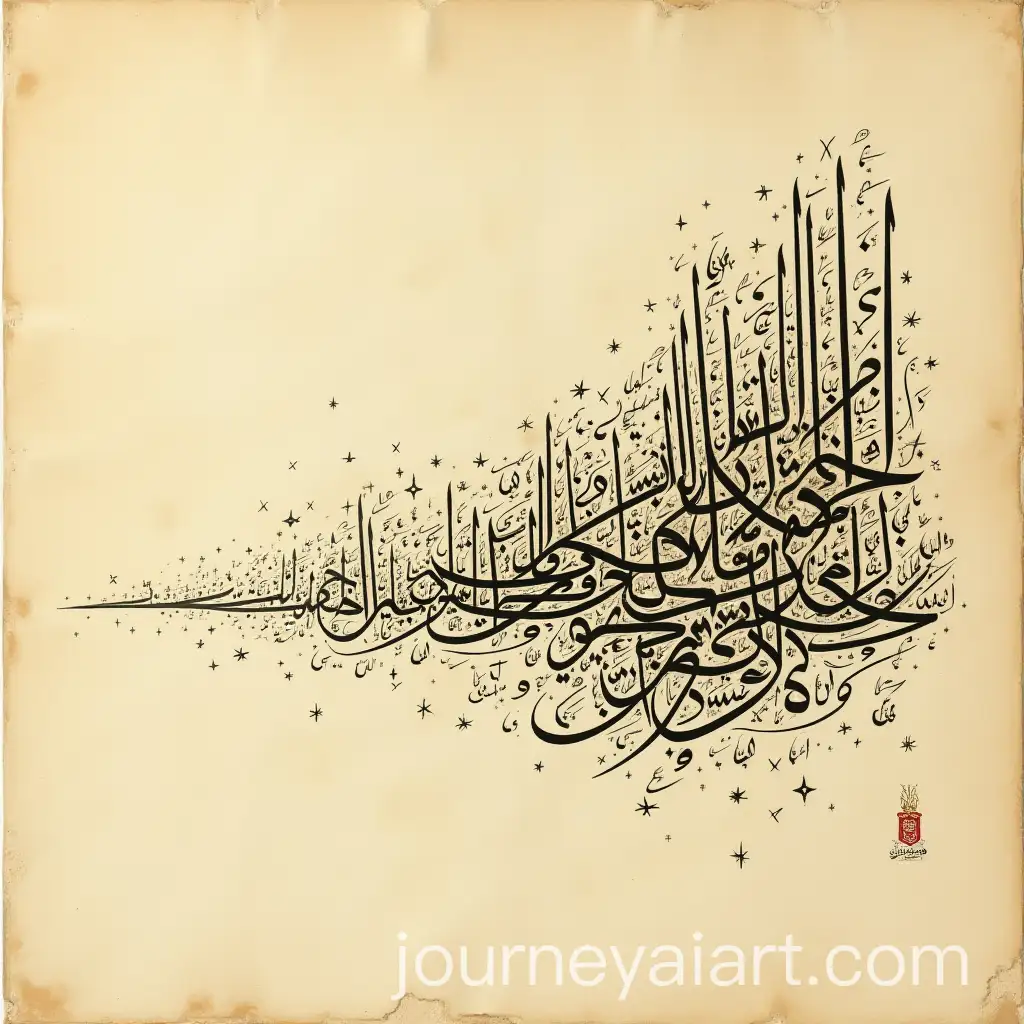
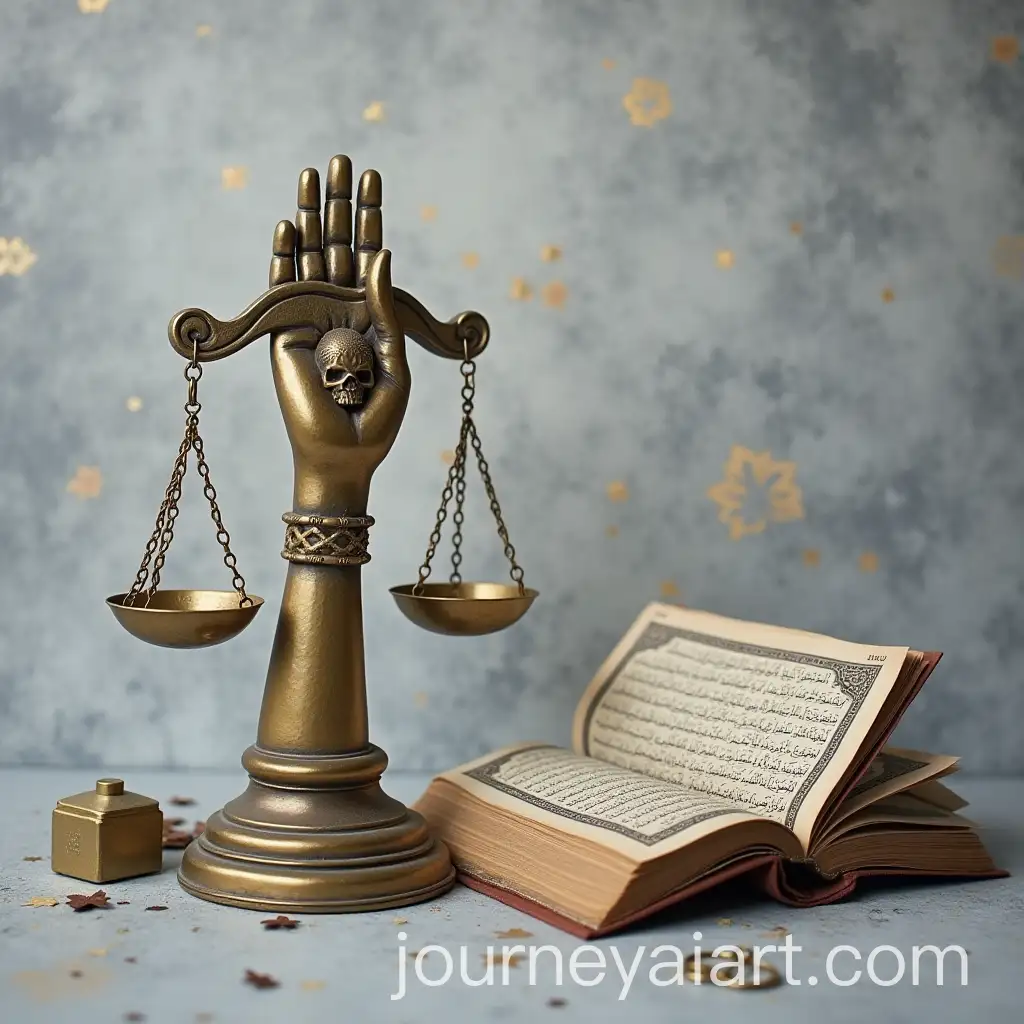

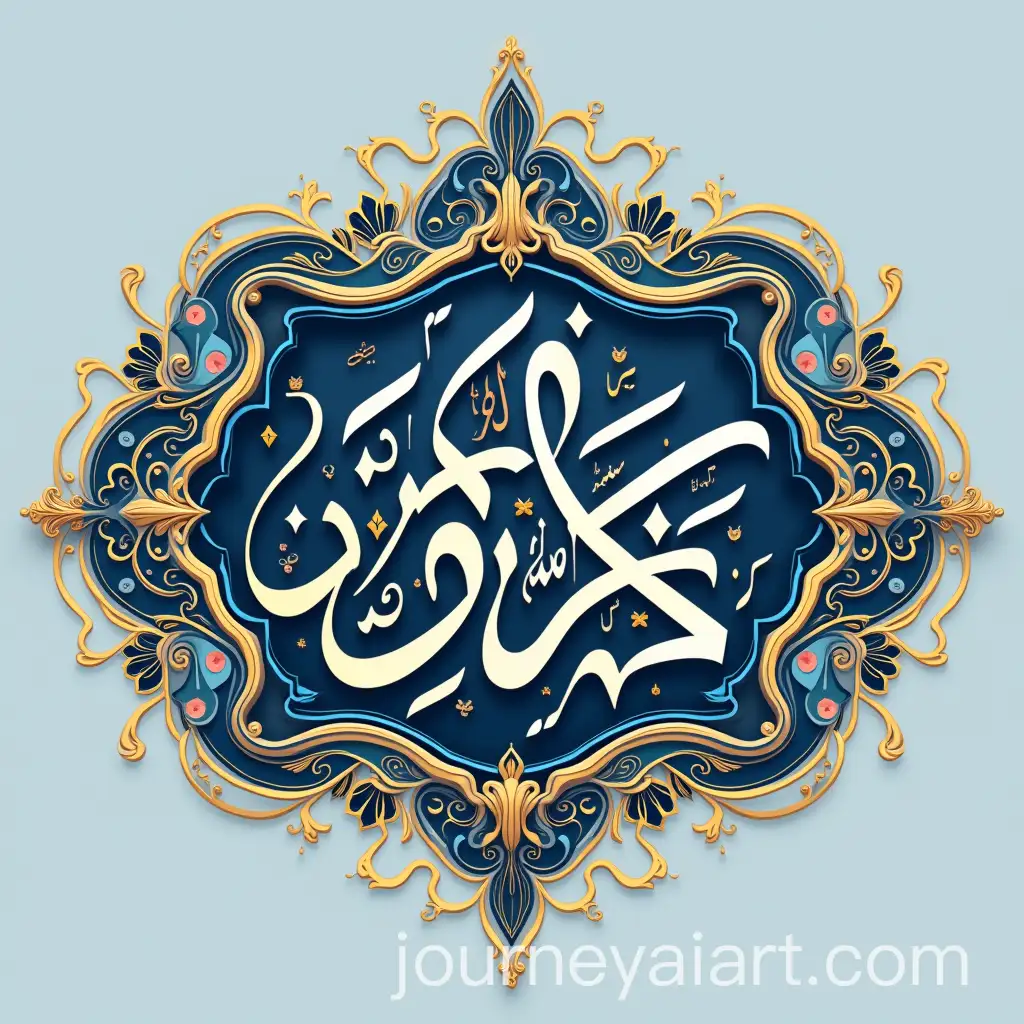
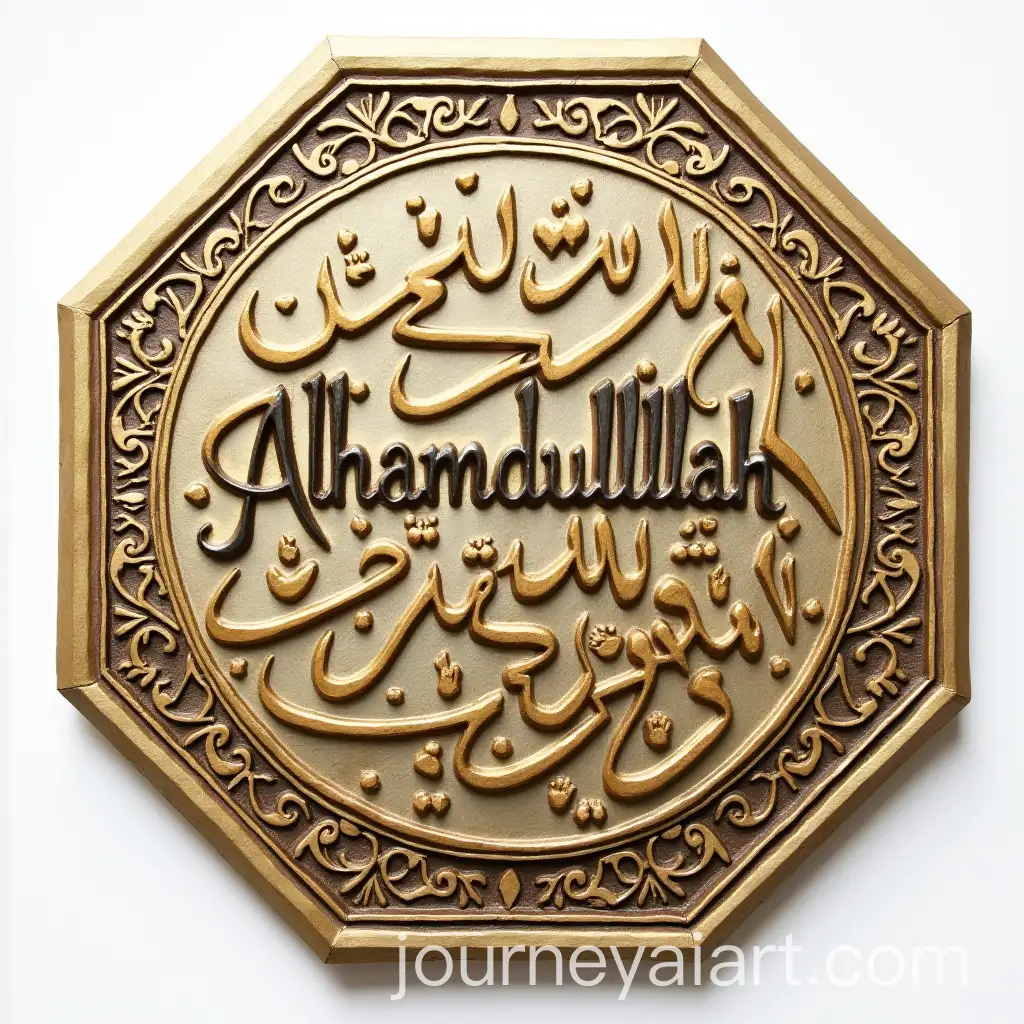
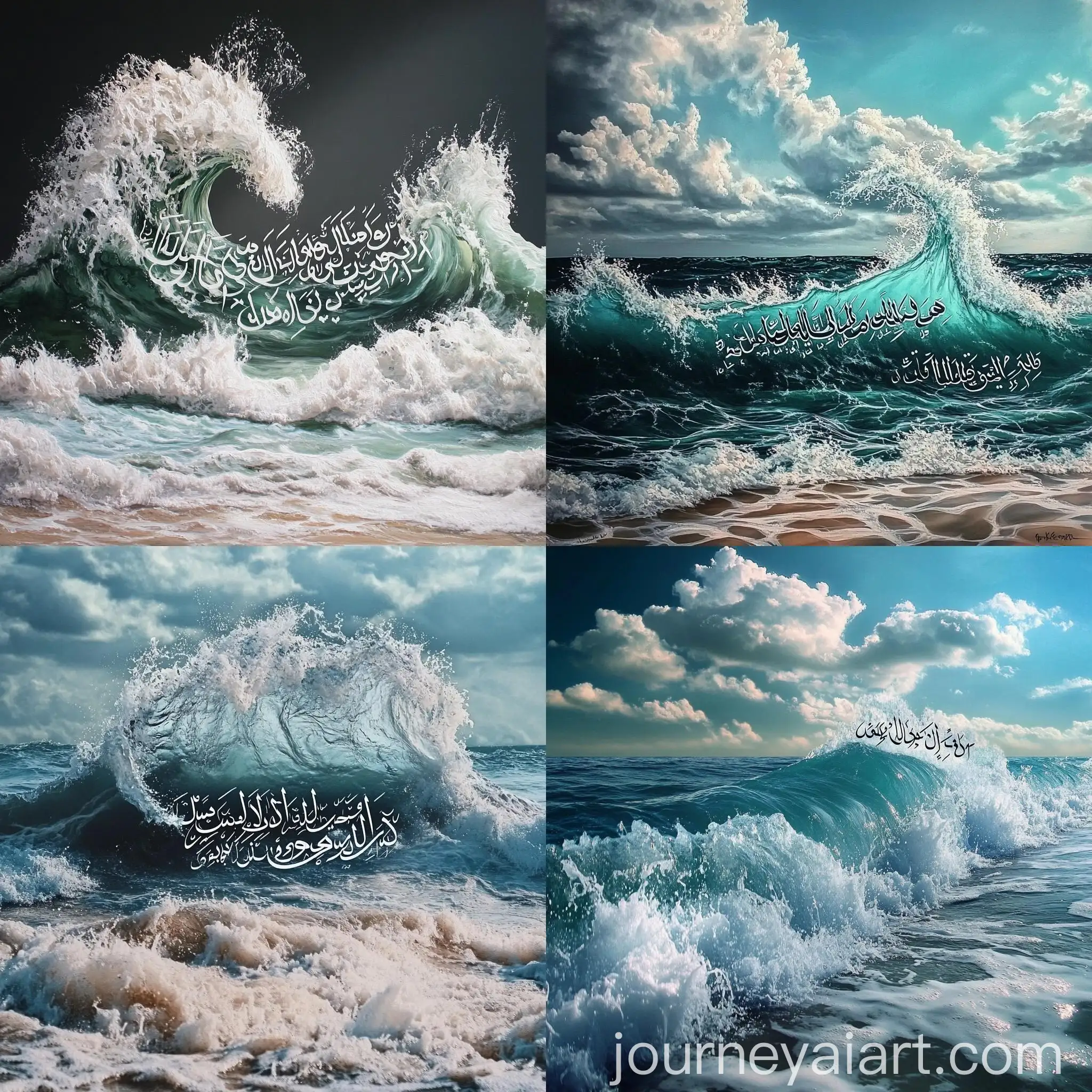


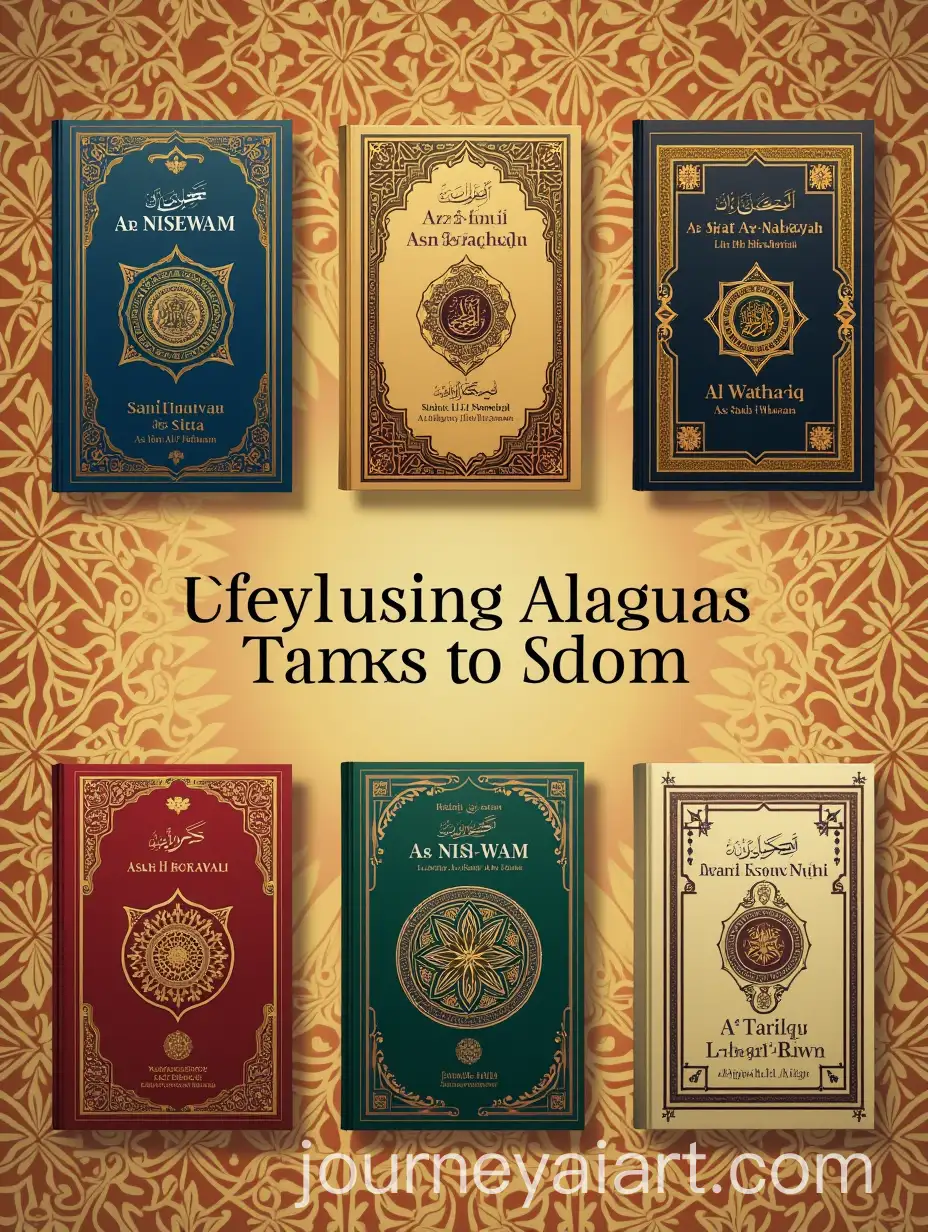



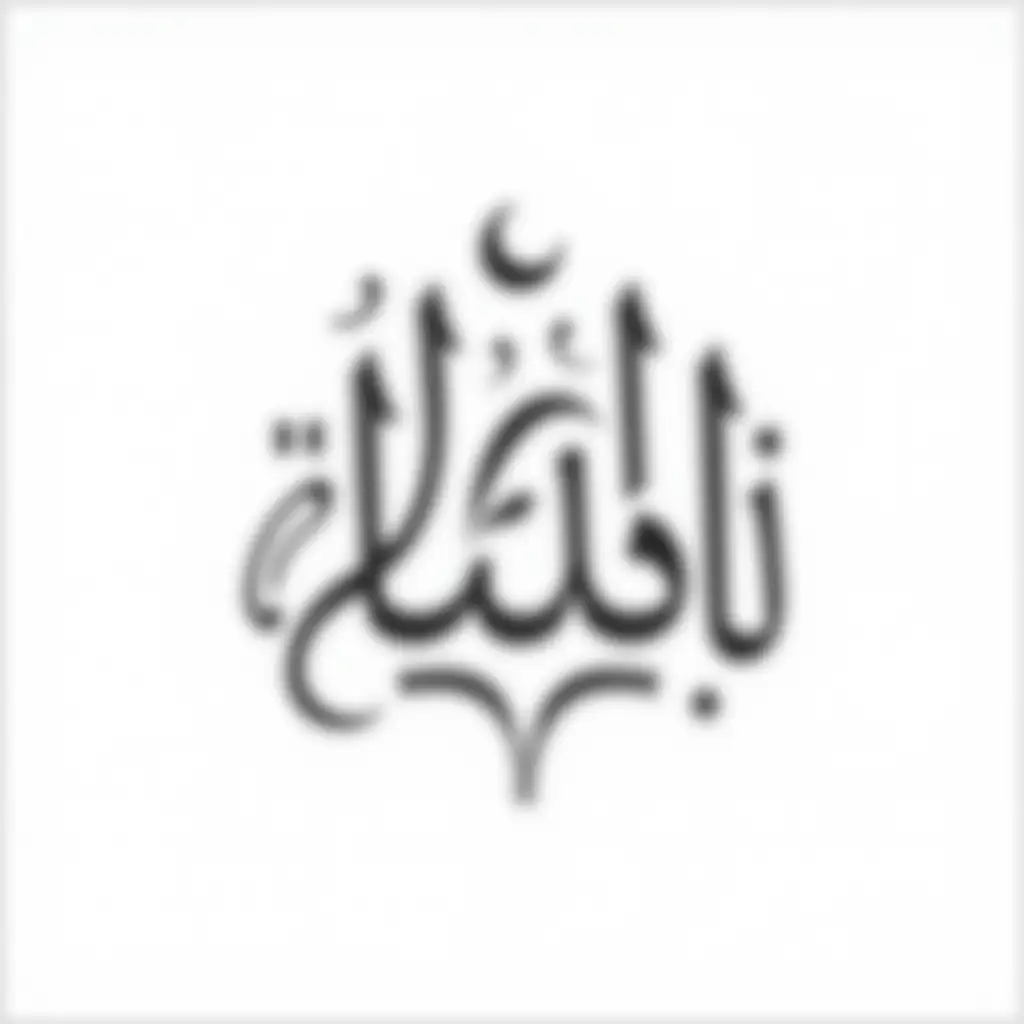
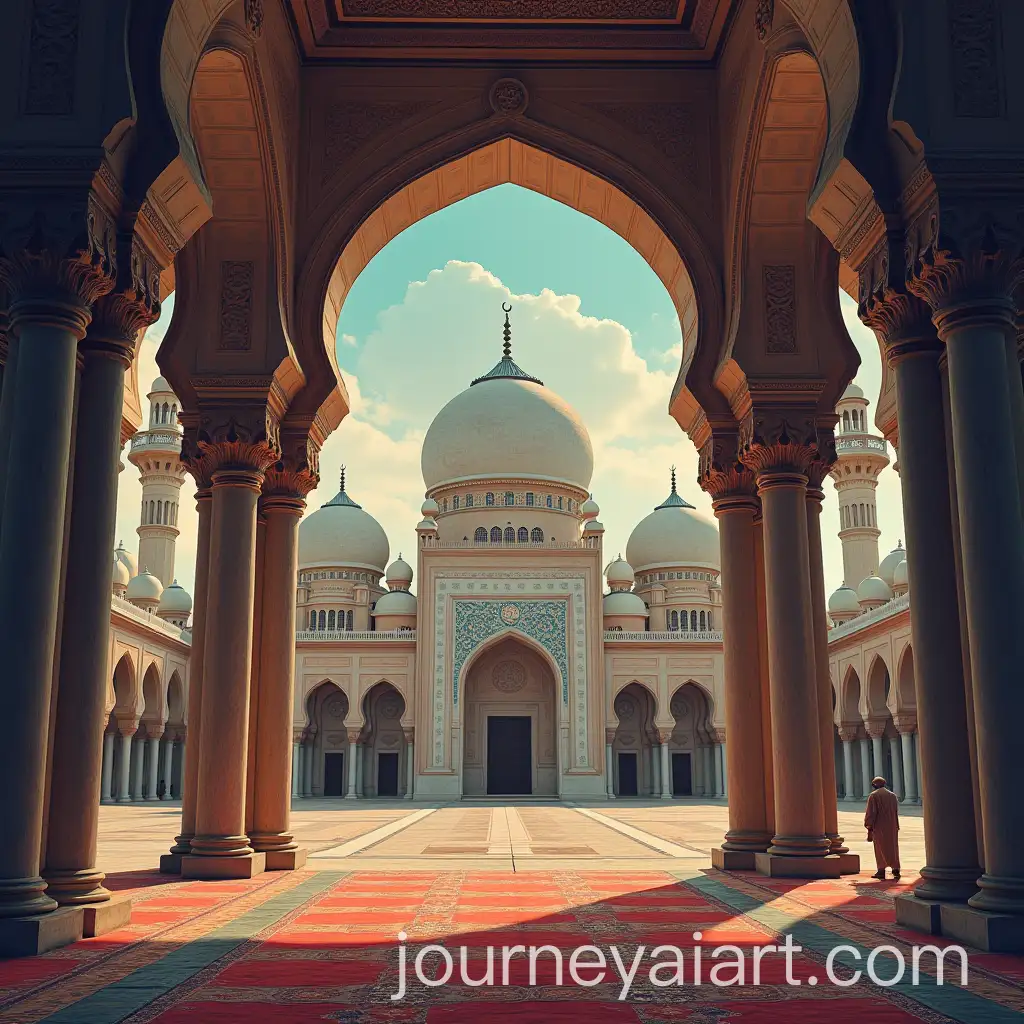


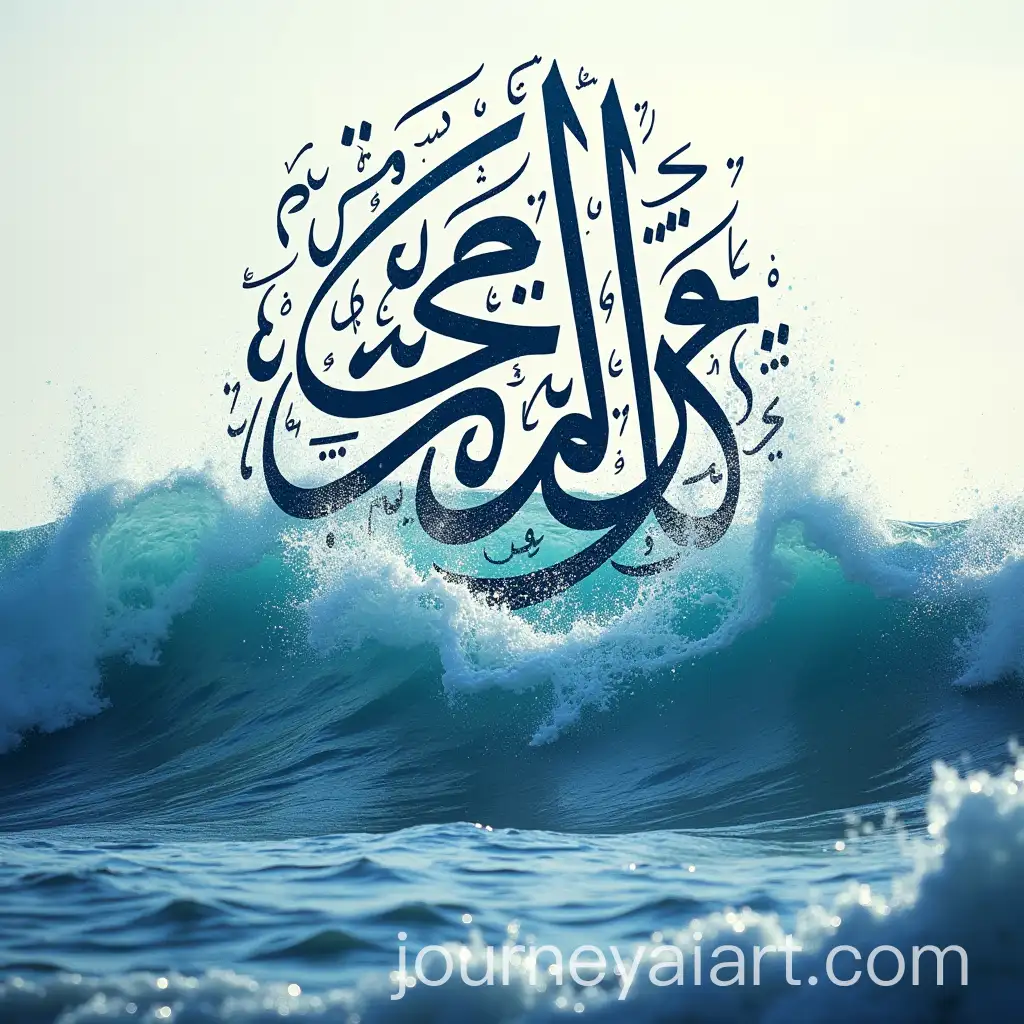
Islamic calligraphy, also known as Arabic calligraphy, is a revered art form in Islamic culture that involves the artistic practice of handwriting and calligraphy based on the Arabic script. Originating in the 7th century, this art form has played a significant role in Islamic art and culture, used extensively in religious texts, architecture, and decorative arts. The Quran, the holy book of Islam, has been a major influence on the development and refinement of calligraphic styles, with scribes and artists striving to achieve both aesthetic beauty and spiritual significance in their works.
Understanding Islamic Calligraphy and Its Historical Significance
Islamic calligraphy is characterized by its elegant, flowing lines and intricate patterns. Various styles have emerged over the centuries, including Kufic, Naskh, Thuluth, and Diwani, each with its own unique features and applications. This art form is not just limited to paper; it adorns the walls of mosques, palaces, and public buildings, and is also found on coins, ceramics, and textiles. In contemporary settings, Islamic calligraphy continues to inspire modern artists and designers, appearing in digital art, graphic design, and fashion.
Key Characteristics and Applications of Islamic Calligraphy
Several renowned calligraphers have made significant contributions to the art of Islamic calligraphy. Ibn Muqla and Ibn al-Bawwab, from the Abbasid period, were instrumental in developing the classical styles of Arabic calligraphy. In the Ottoman era, calligraphers like Sheikh Hamdullah and Hâfiz Osman refined the art further, creating masterpieces that are still admired today. Contemporary calligraphers, such as Hasan Çelebi and Mohamed Zakariya, continue to innovate and preserve this traditional art form, blending classical techniques with modern aesthetics.
Notable Islamic Calligraphers and Their Contributions
Islamic calligraphy has a profound impact on modern culture and design, influencing various fields such as architecture, interior design, and graphic arts. Its timeless beauty and spiritual depth make it a popular choice for contemporary artists and designers looking to incorporate cultural heritage into their works. The geometric and abstract nature of Islamic calligraphy lends itself well to modern minimalist aesthetics, seen in home décor, fashion, and even corporate branding. This enduring art form continues to inspire and captivate audiences worldwide, bridging the past with the present.
The Impact of Islamic Calligraphy on Modern Culture and Design