167 Free Traditional design Midjourney AI images
Welcome to our Traditional Design image collection, featuring 167 free AI-generated images. Explore a diverse array of stock photos, 3D objects, vectors, and illustrations inspired by classic design principles. Enjoy high-resolution downloads and use our 'open in editor' feature to customize prompts for your perfect traditionally-styled image.






Related Tags
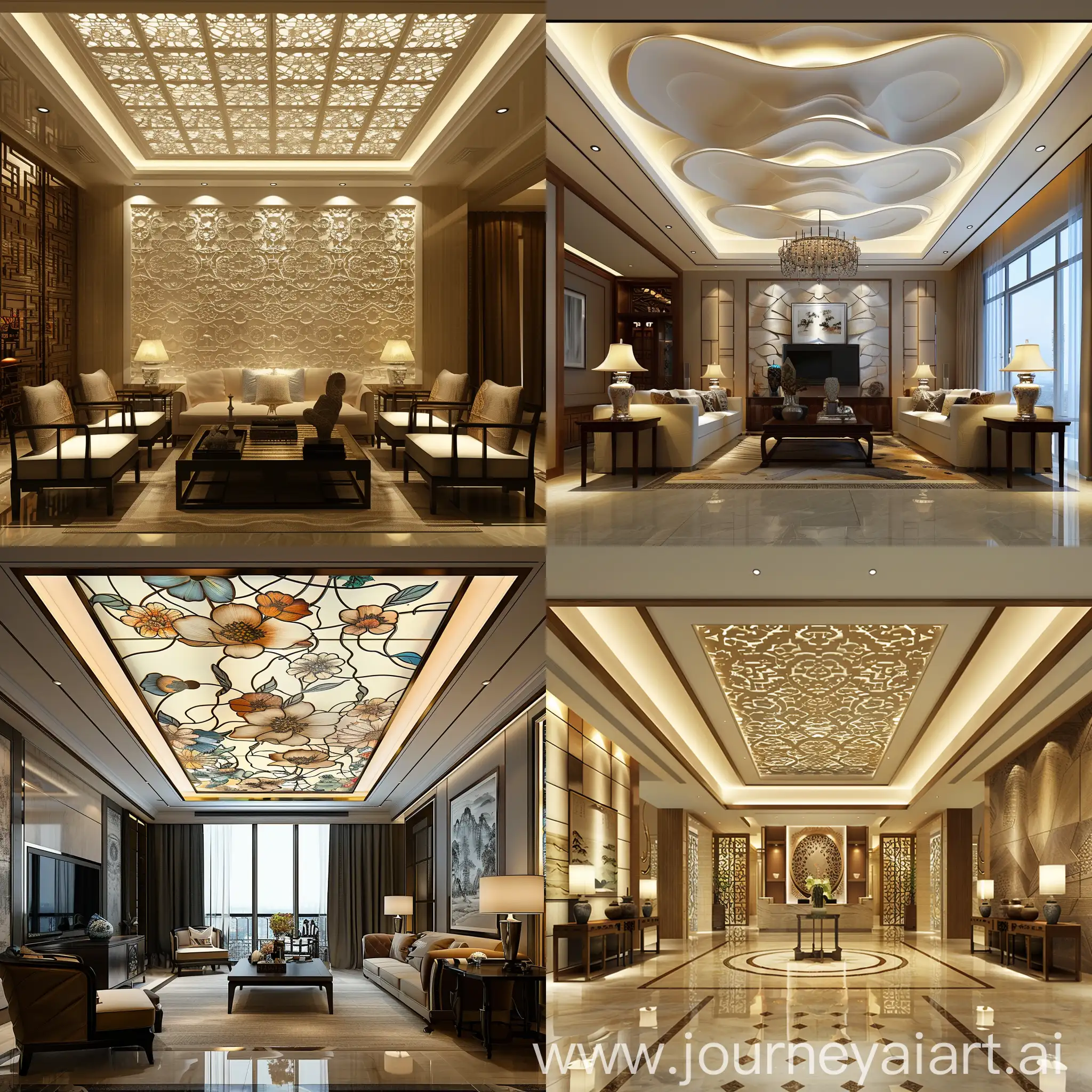
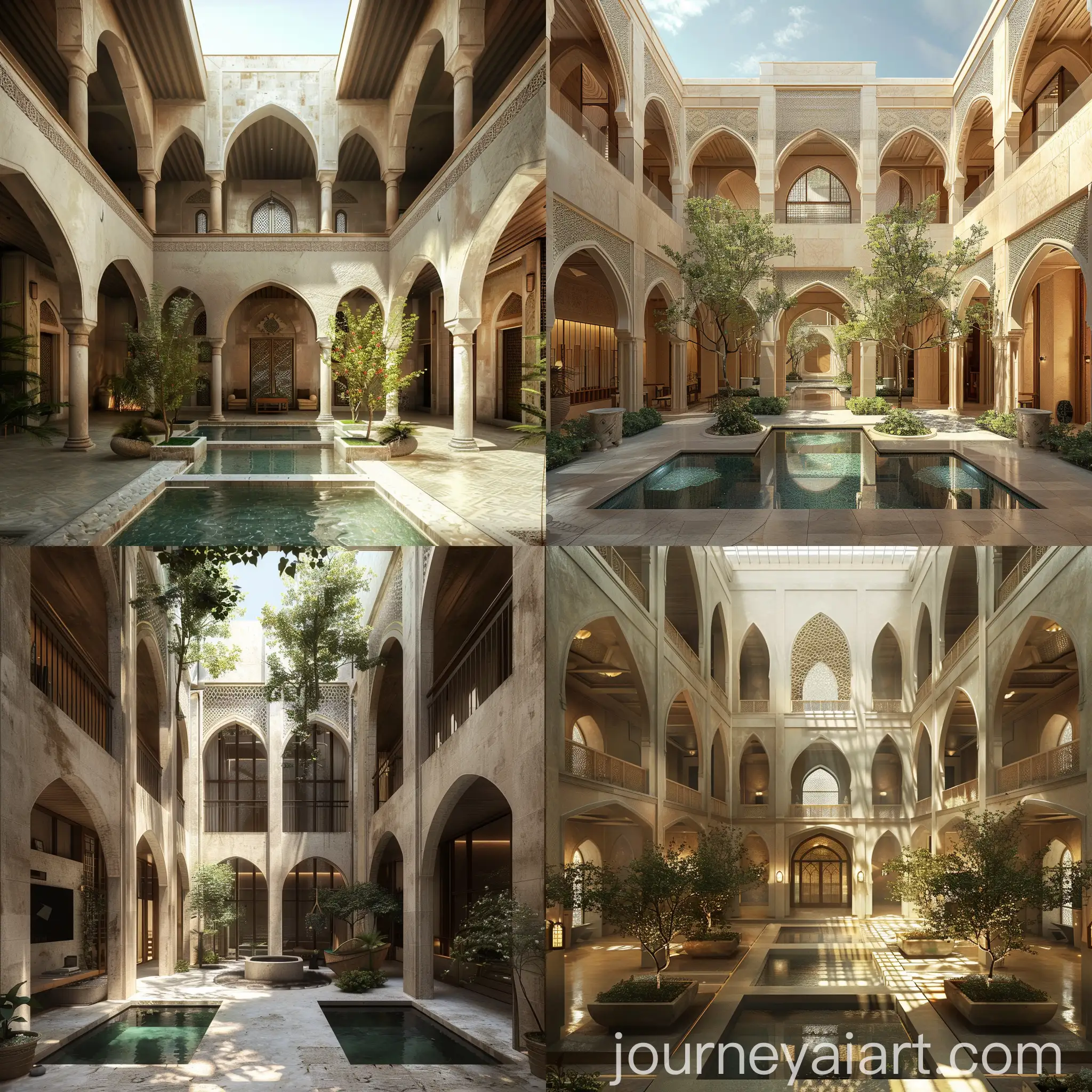
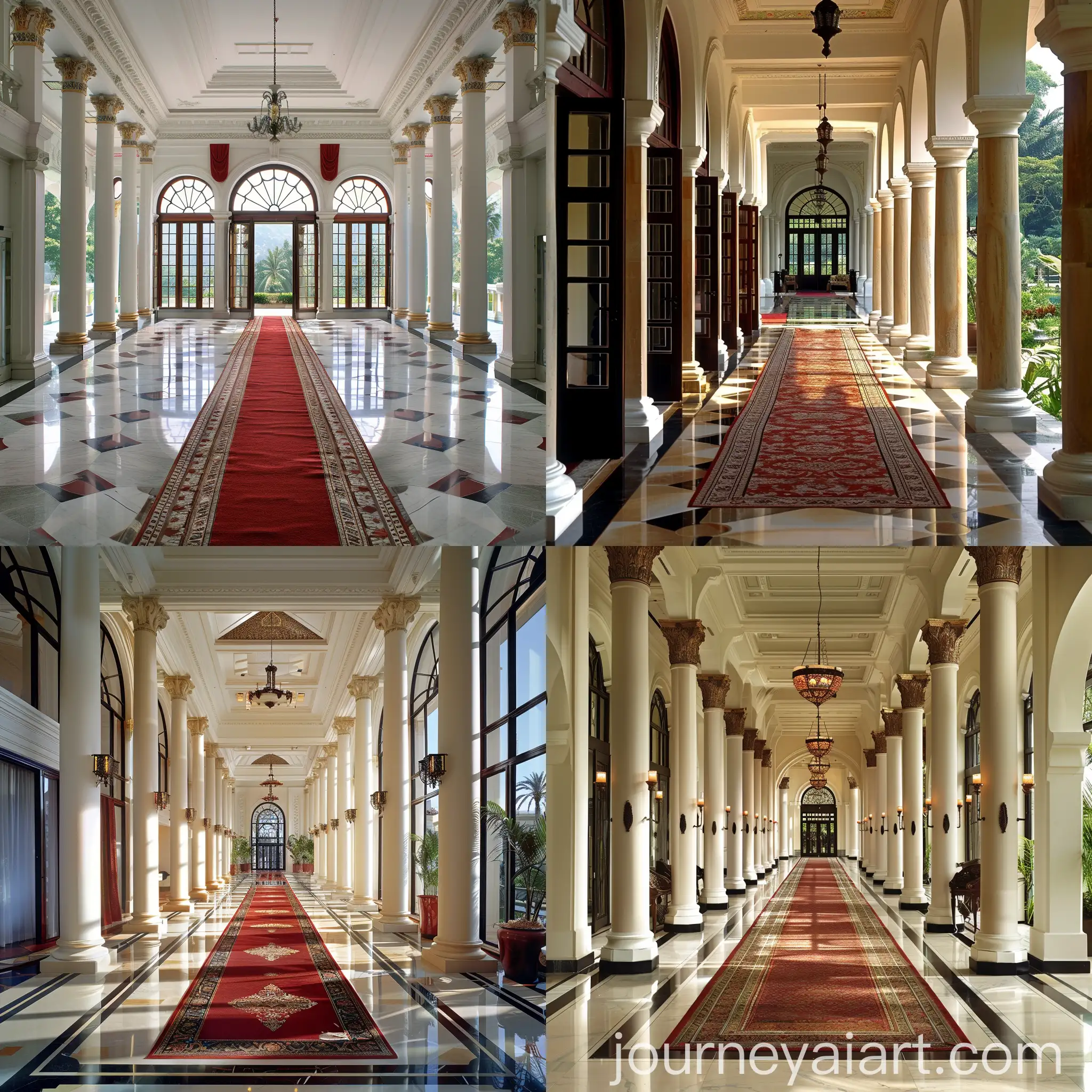
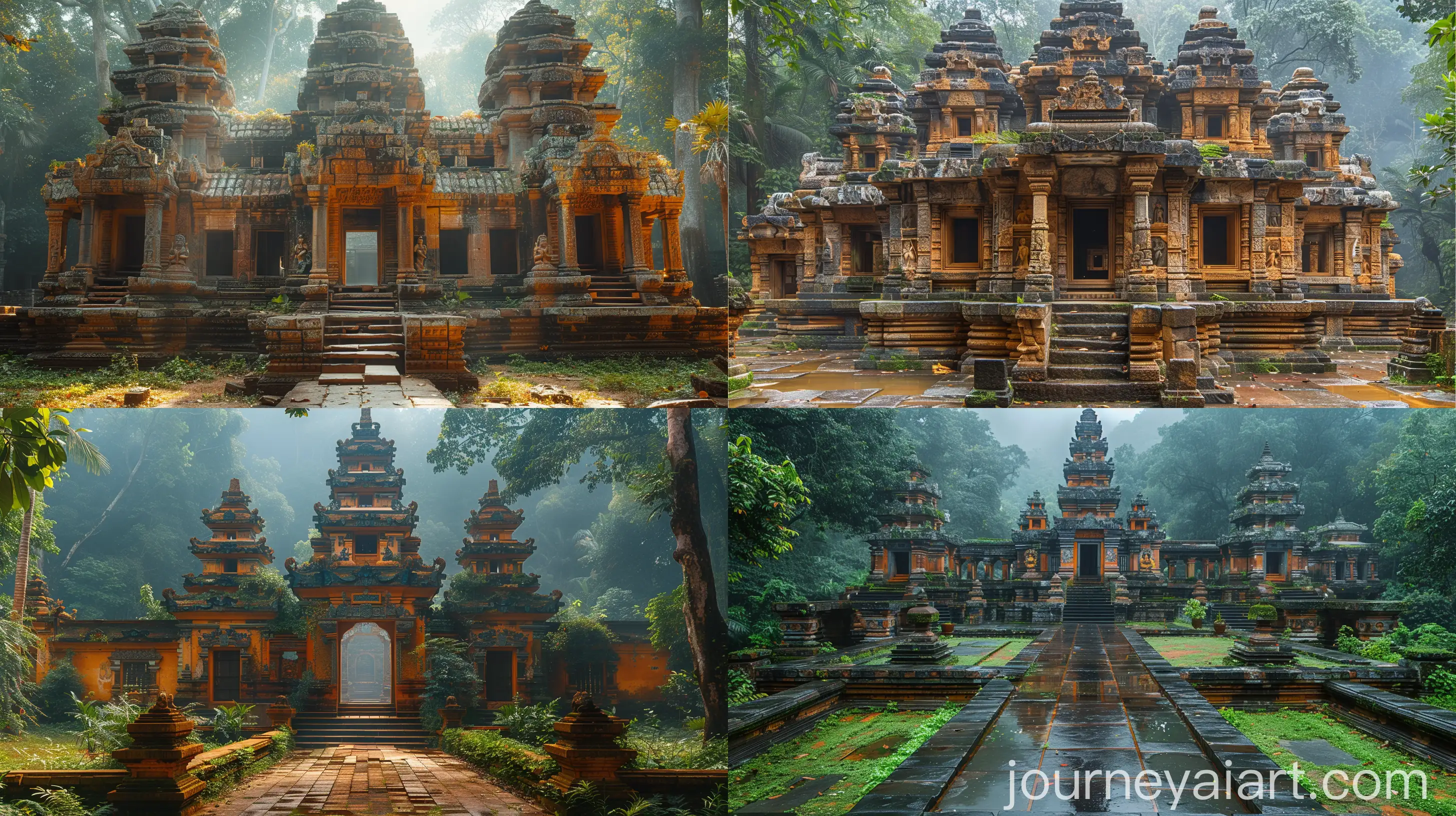
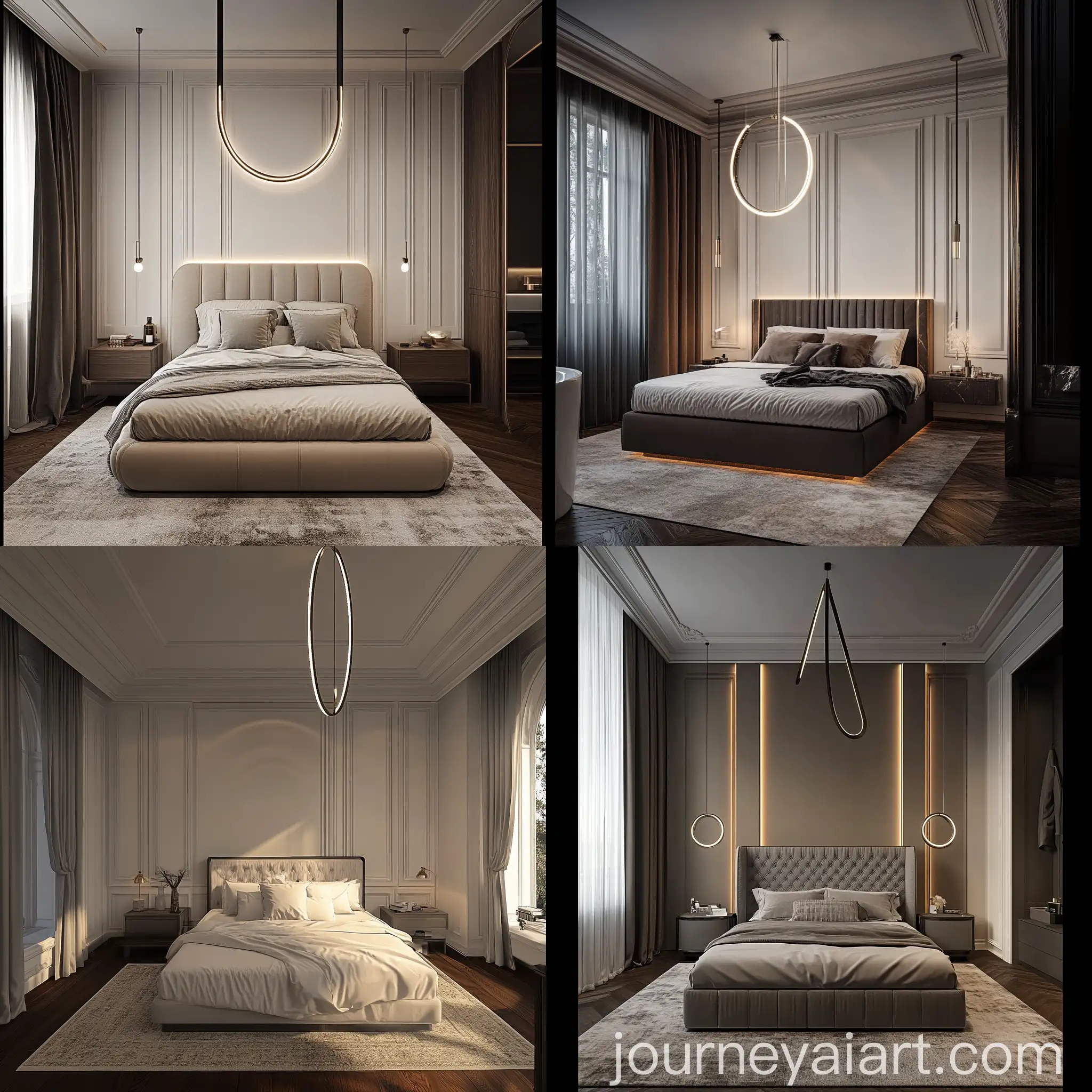
Traditional Design refers to a style that emphasizes classic aesthetics, symmetry, and timeless elegance. Rooted in European and American design principles of the 18th and 19th centuries, it incorporates elements from various historical periods, including Victorian, Neoclassical, and Colonial styles. Traditional Design is characterized by its use of rich color palettes, ornate details, and luxurious materials. It often features architectural elements such as crown moldings, wainscoting, and coffered ceilings, creating a sense of warmth and sophistication in both residential and commercial spaces.
Defining Traditional Design: A Timeless Approach to Aesthetics
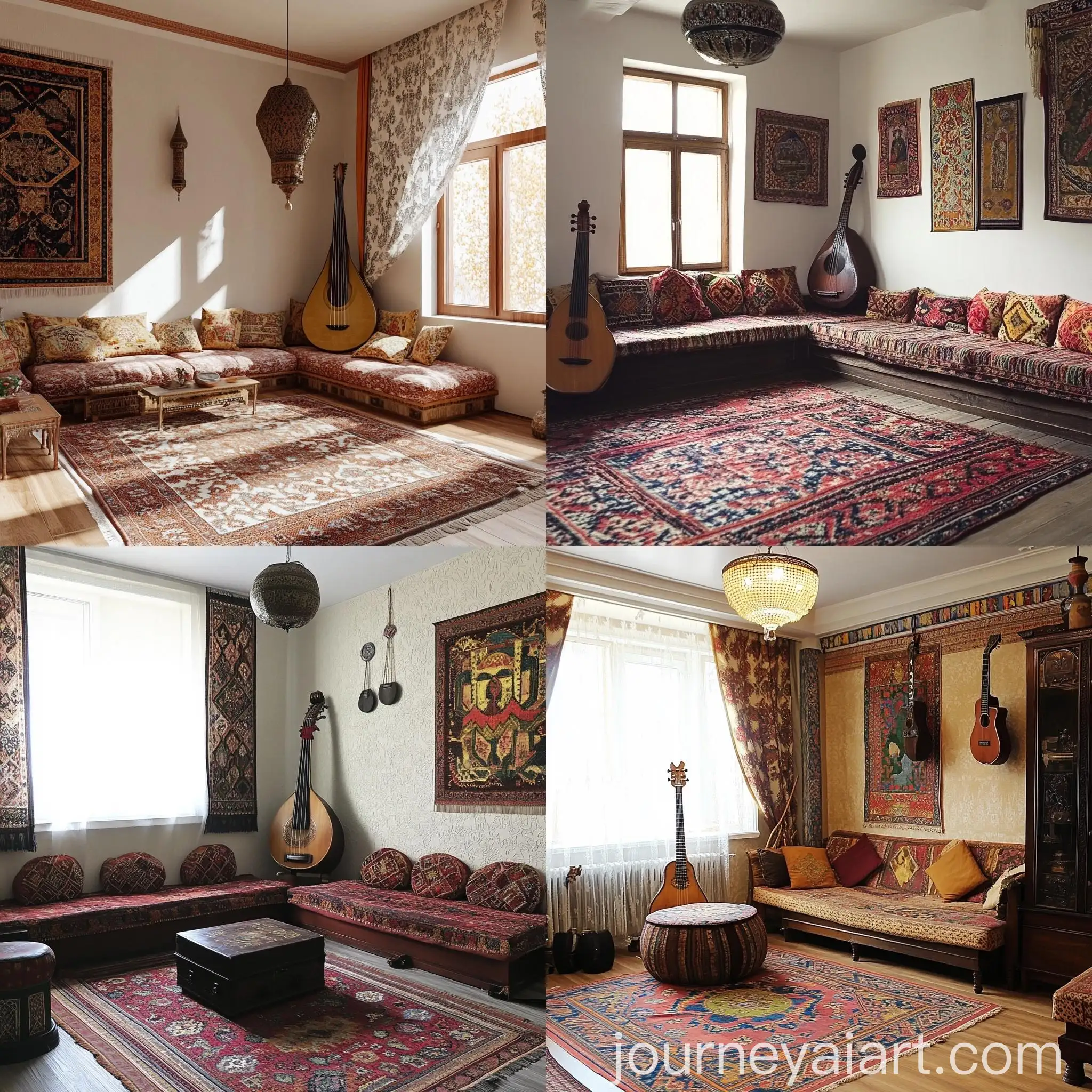
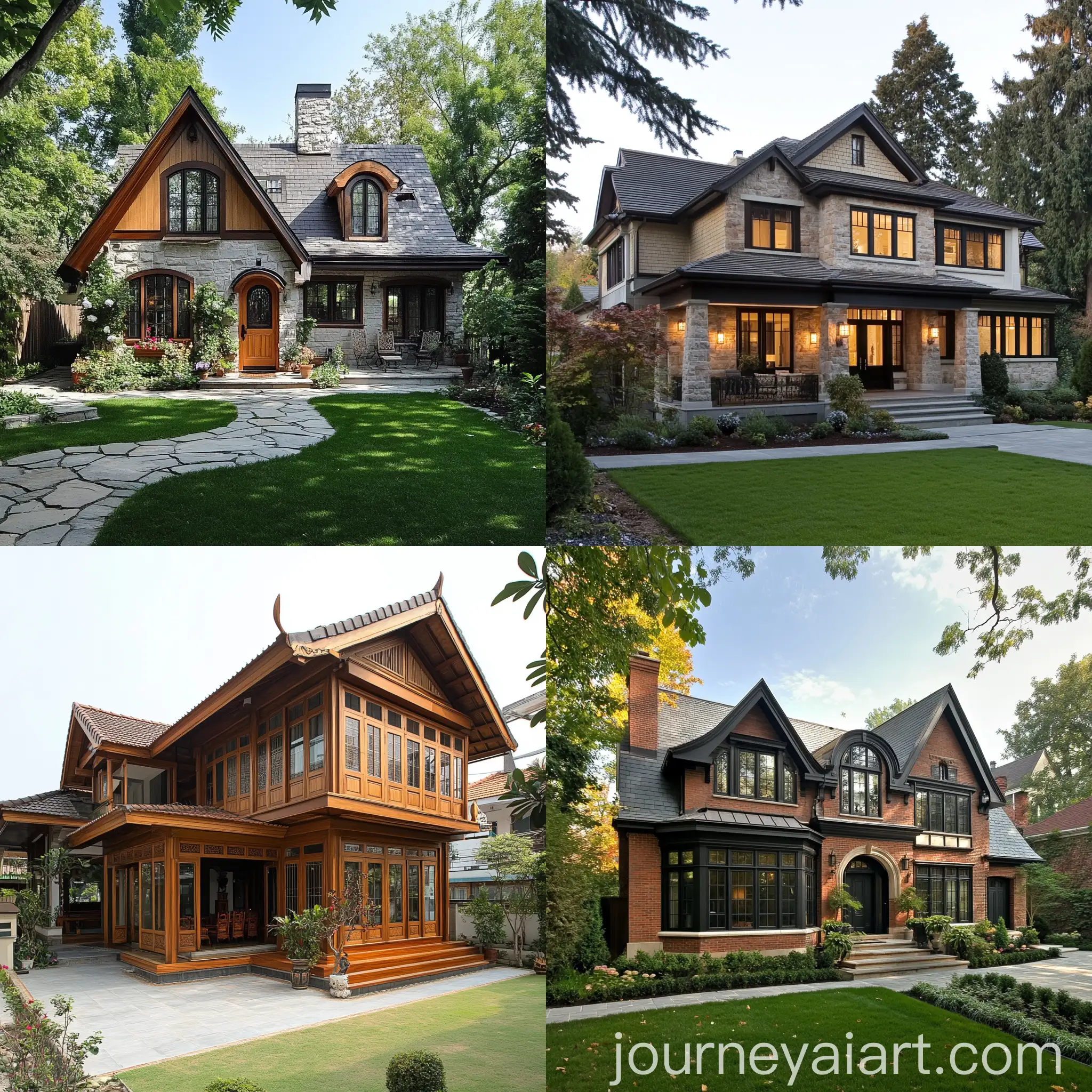
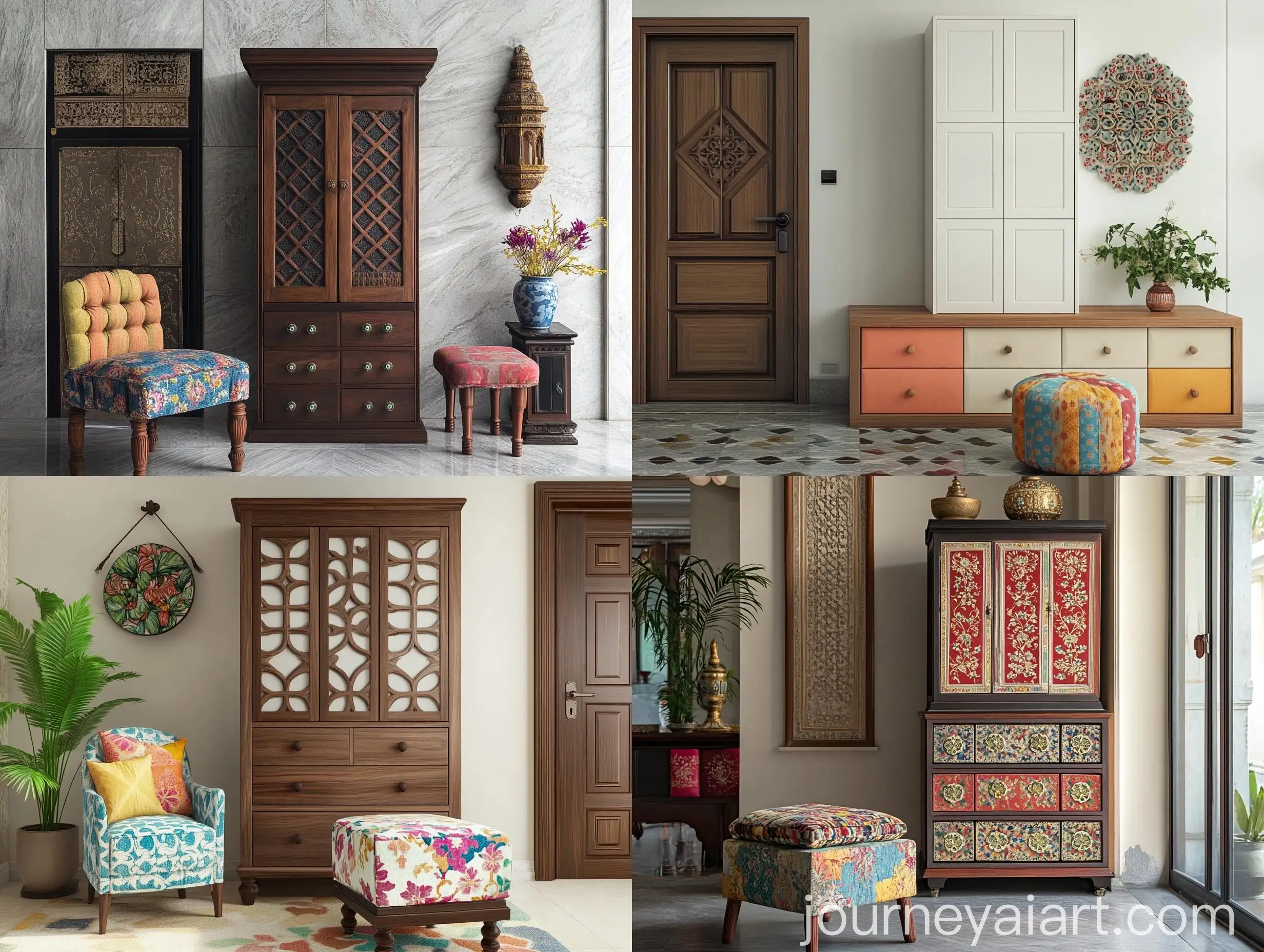
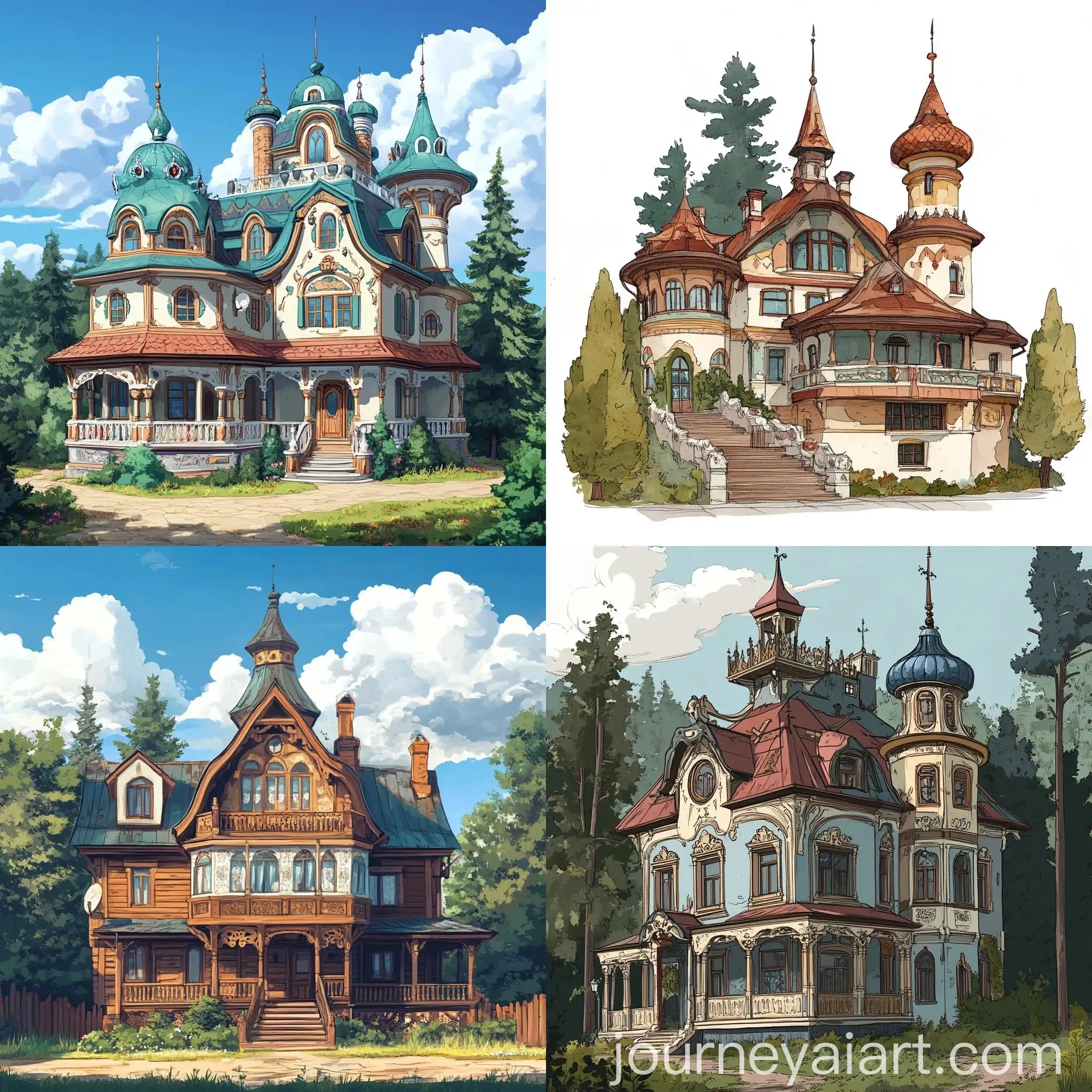
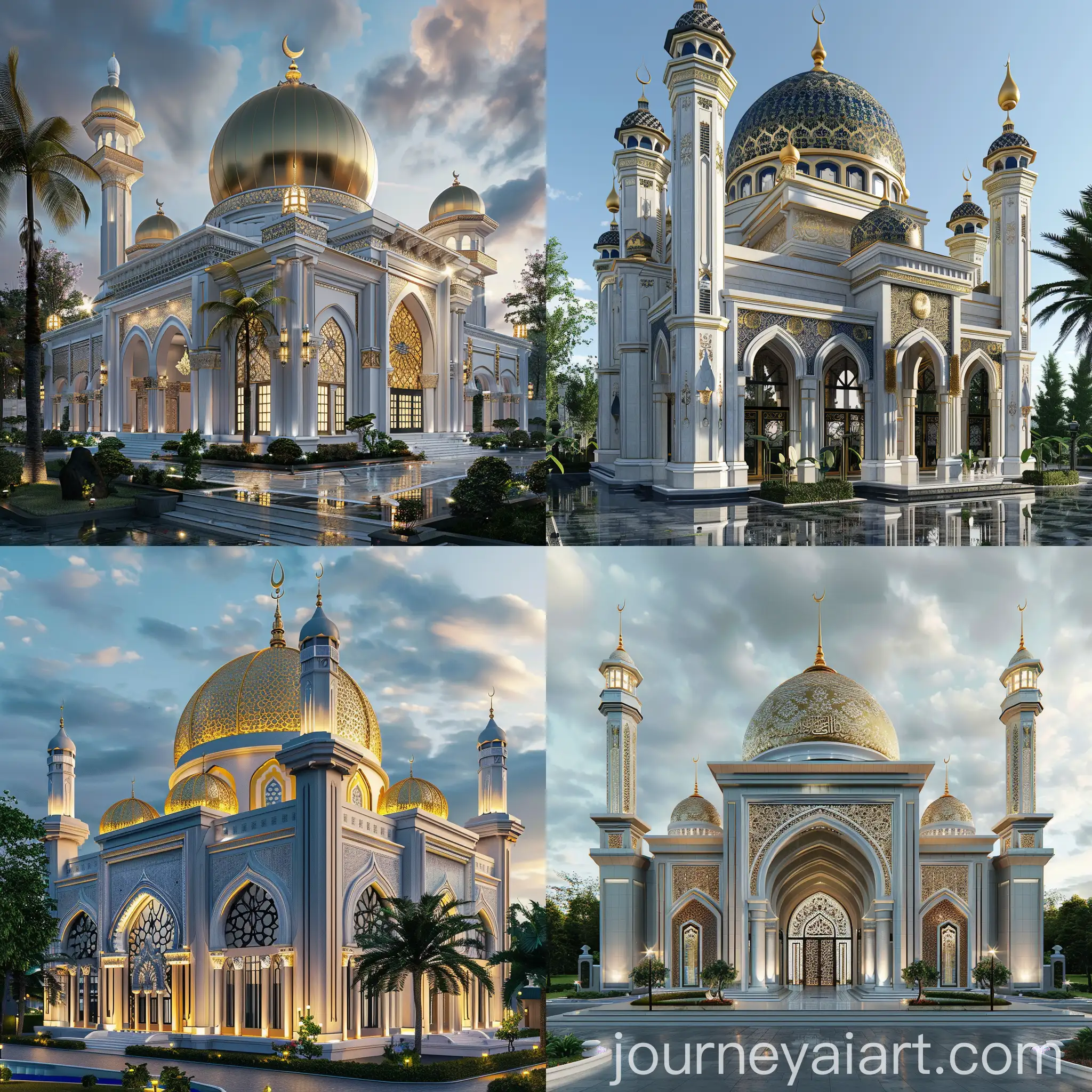
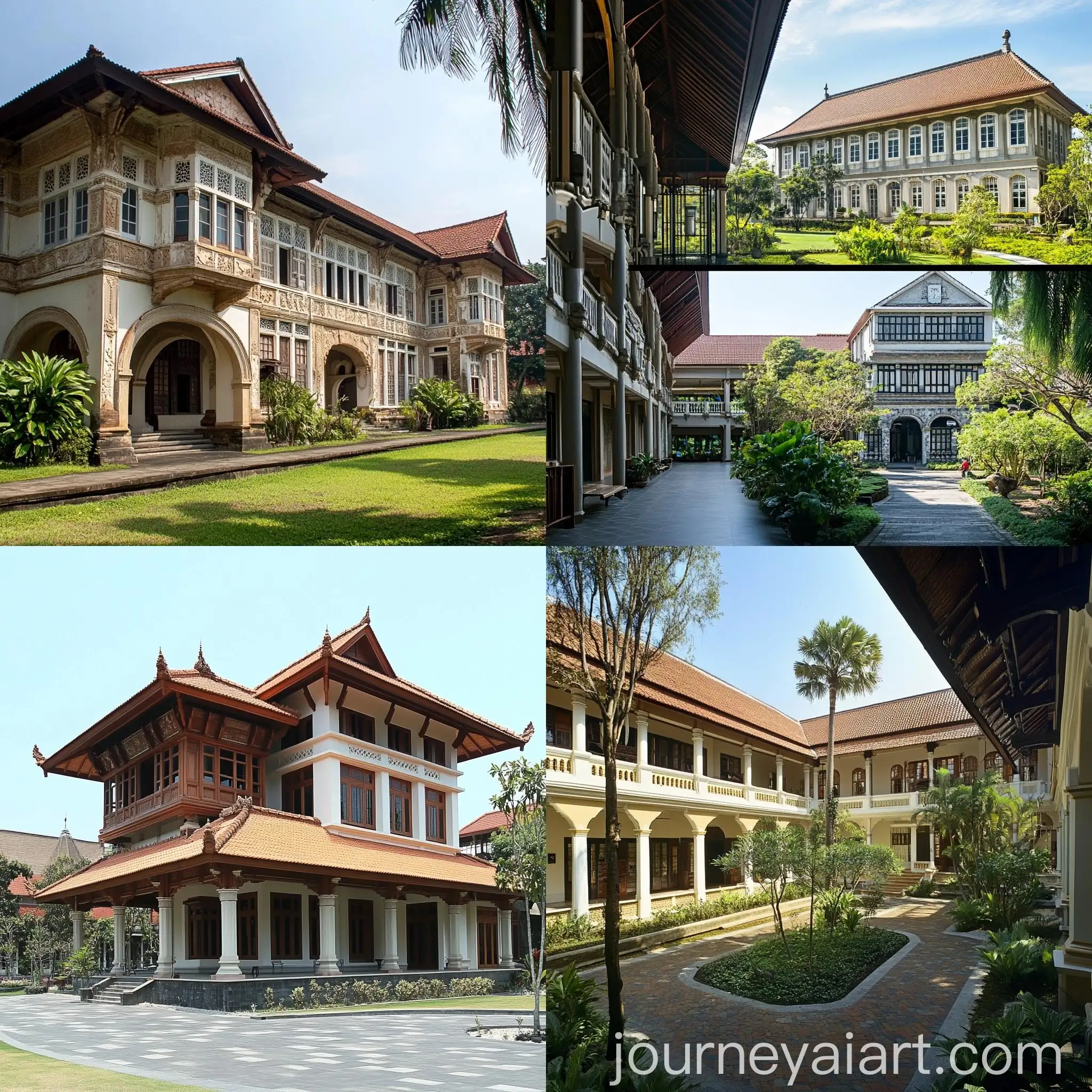
Traditional Design is distinguished by several key characteristics: symmetrical layouts, classic furniture pieces, ornate decorative elements, and a focus on comfort and functionality. Common elements include wingback chairs, Chesterfield sofas, antique wooden furniture, and Persian rugs. Color schemes often feature warm, rich tones like deep reds, forest greens, and golden hues. In architecture, Traditional Design manifests in structures with formal floor plans, pitched roofs, and detailed trim work. This style is widely applied in interior design, architecture, and even graphic design, where it conveys a sense of heritage and enduring quality. Traditional Design principles are particularly popular in creating inviting home interiors, elegant hotels, and distinguished corporate spaces.
Key Elements and Applications of Traditional Design
While rooted in historical styles, Traditional Design continues to evolve, adapting to contemporary tastes and lifestyles. Modern interpretations often blend classic elements with more current design trends, resulting in a style sometimes referred to as 'Updated Traditional' or 'New Traditional.' This evolution sees the incorporation of cleaner lines, lighter color palettes, and more minimalist approaches to ornamentation, while still maintaining the core principles of symmetry and elegance. Designers like Bunny Williams and Alexa Hampton have been instrumental in reimagining Traditional Design for the 21st century, creating spaces that honor historical aesthetics while catering to modern sensibilities. This adaptability has ensured that Traditional Design remains relevant and appealing in today's diverse design landscape.
Evolution and Modern Interpretations of Traditional Design
In an era dominated by digital technology and rapid change, Traditional Design offers a sense of stability and timelessness that many find appealing. Its enduring popularity is evident in various sectors, from home decor to branding. In graphic design and branding, companies often turn to Traditional Design elements to convey trustworthiness and longevity. The style's influence extends to digital realms, where web designers and UI/UX professionals incorporate traditional design principles to create user-friendly, aesthetically pleasing interfaces. This persistence of Traditional Design in the digital age demonstrates its versatility and ongoing relevance, providing a counterpoint to more transient design trends and offering a sense of continuity in an ever-changing world.
The Enduring Appeal of Traditional Design in a Digital Age