164 Free Realistic textures Midjourney AI images
Explore our extensive collection of 164 free AI-generated images featuring 'realistic textures'. This collection includes a wide variety of stock photos, 3D objects, vectors, and illustrations, all available in high resolution for download. Use the 'open in editor' feature on the image detail page to customize prompts and regenerate images to suit your specific needs.














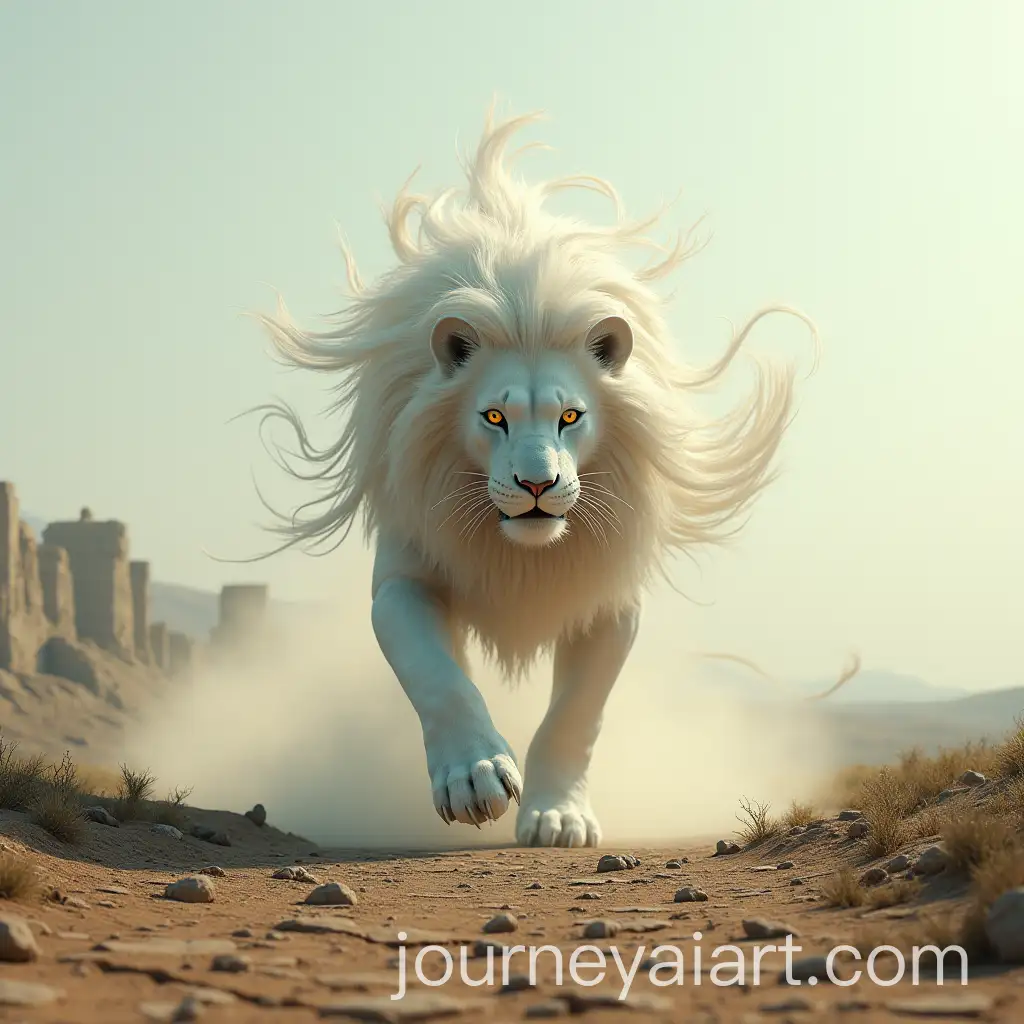
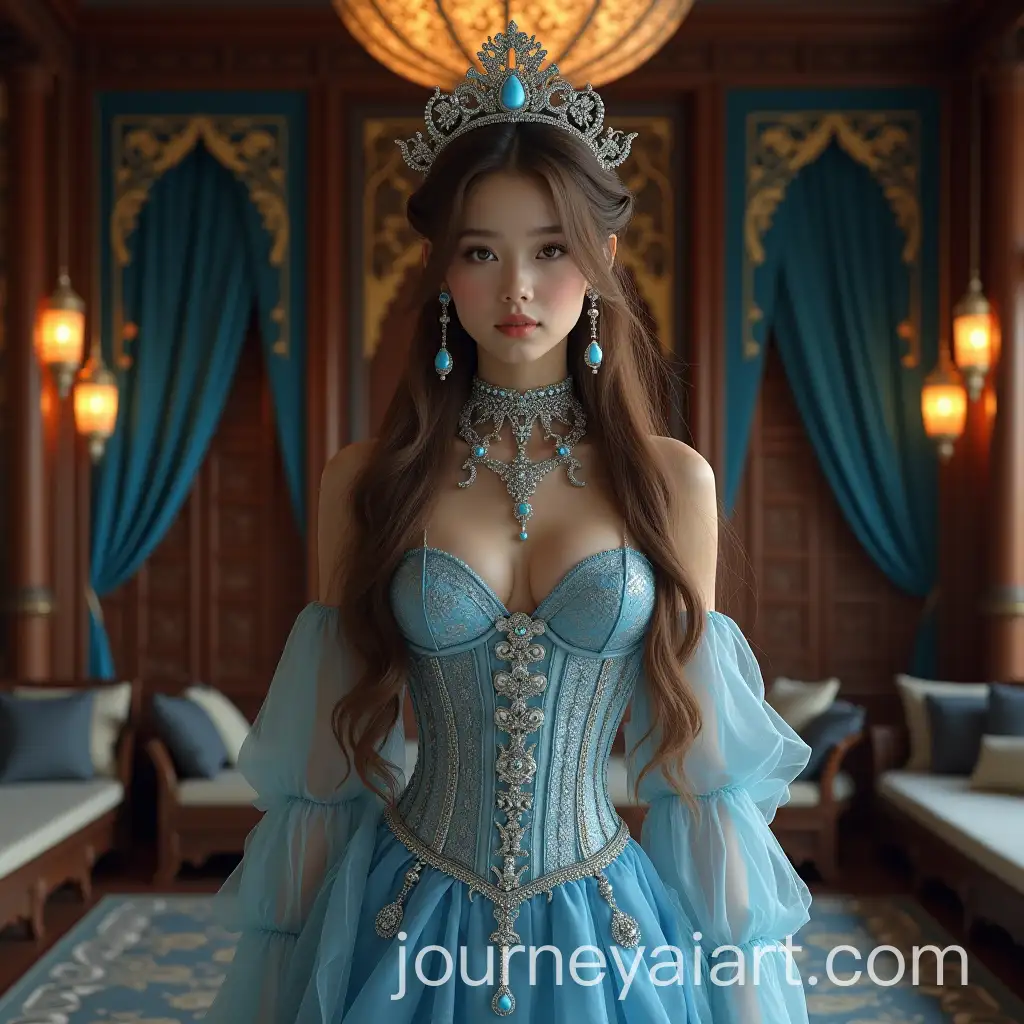



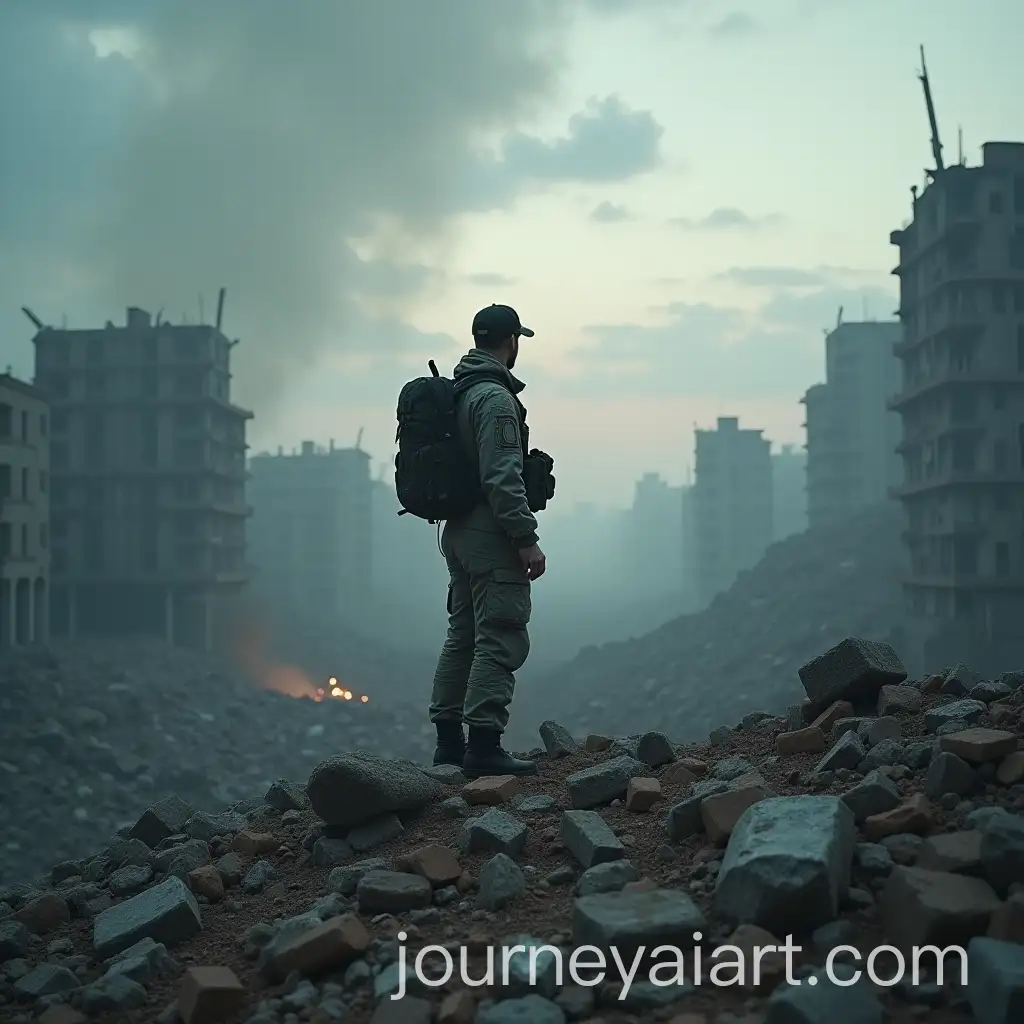

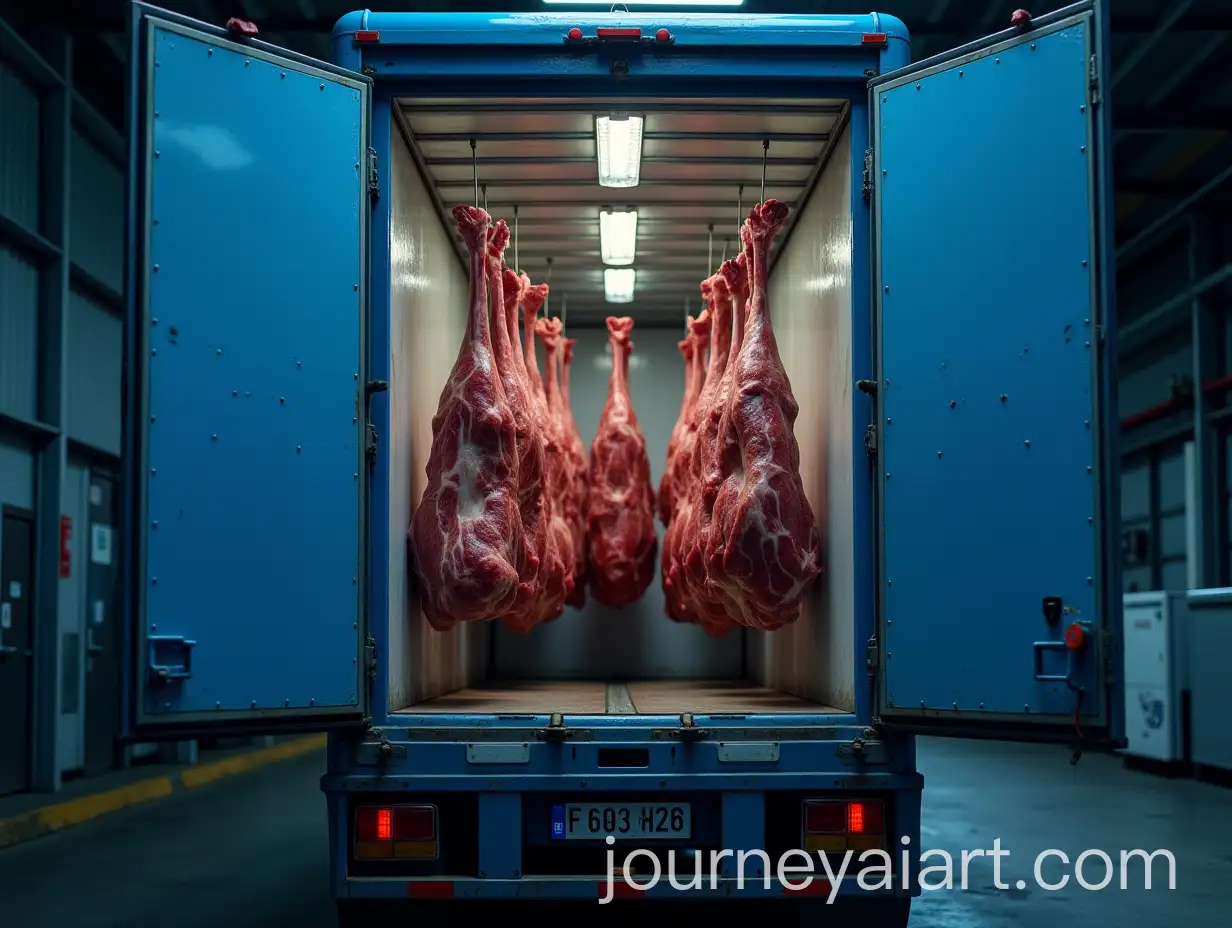
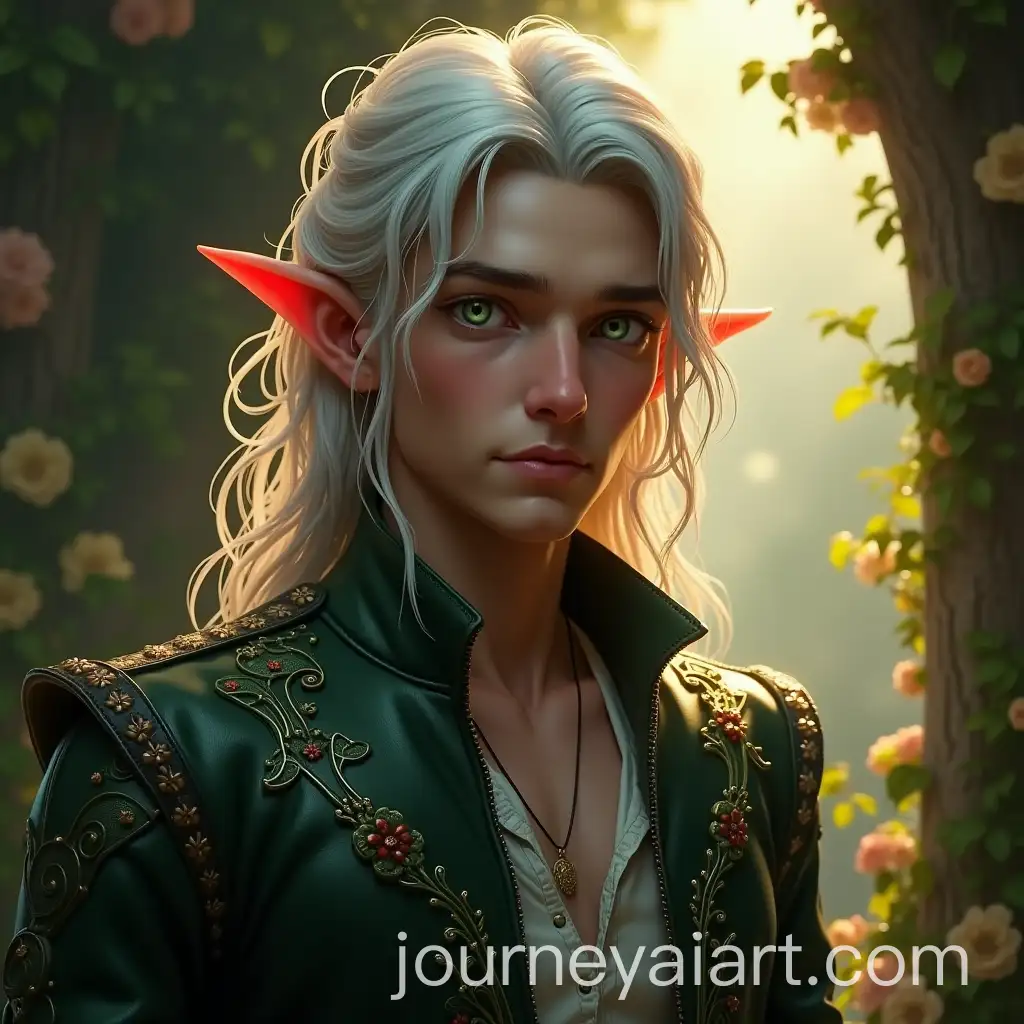




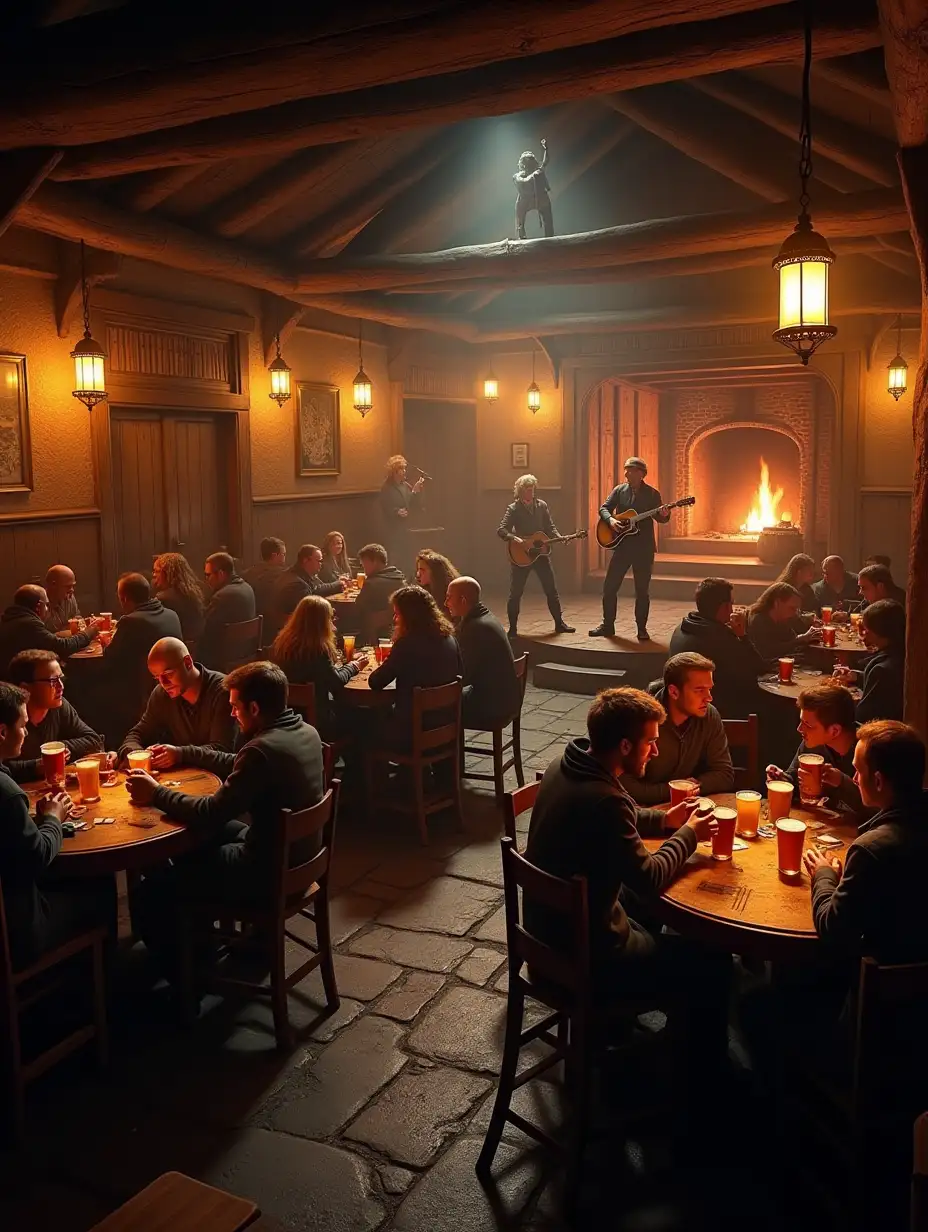

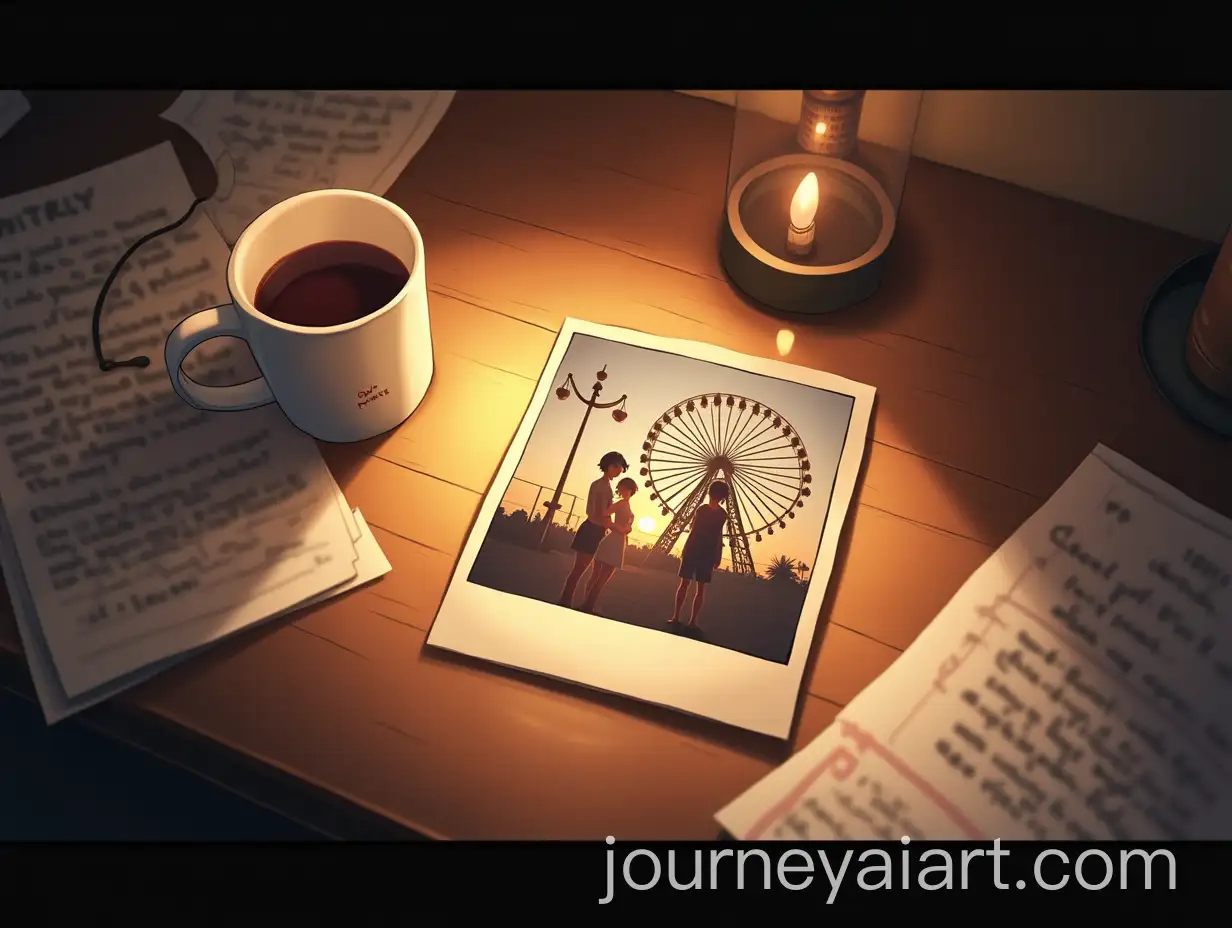
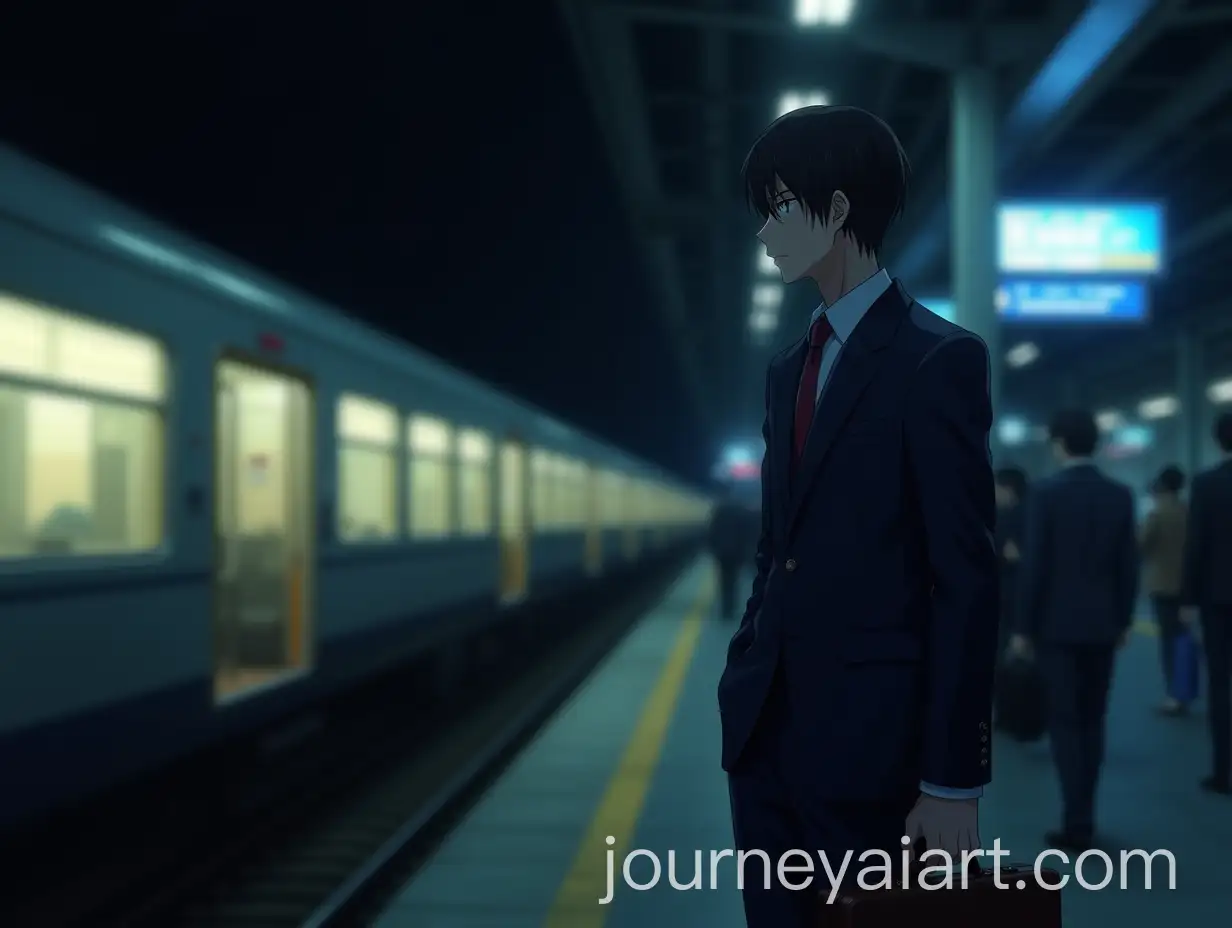
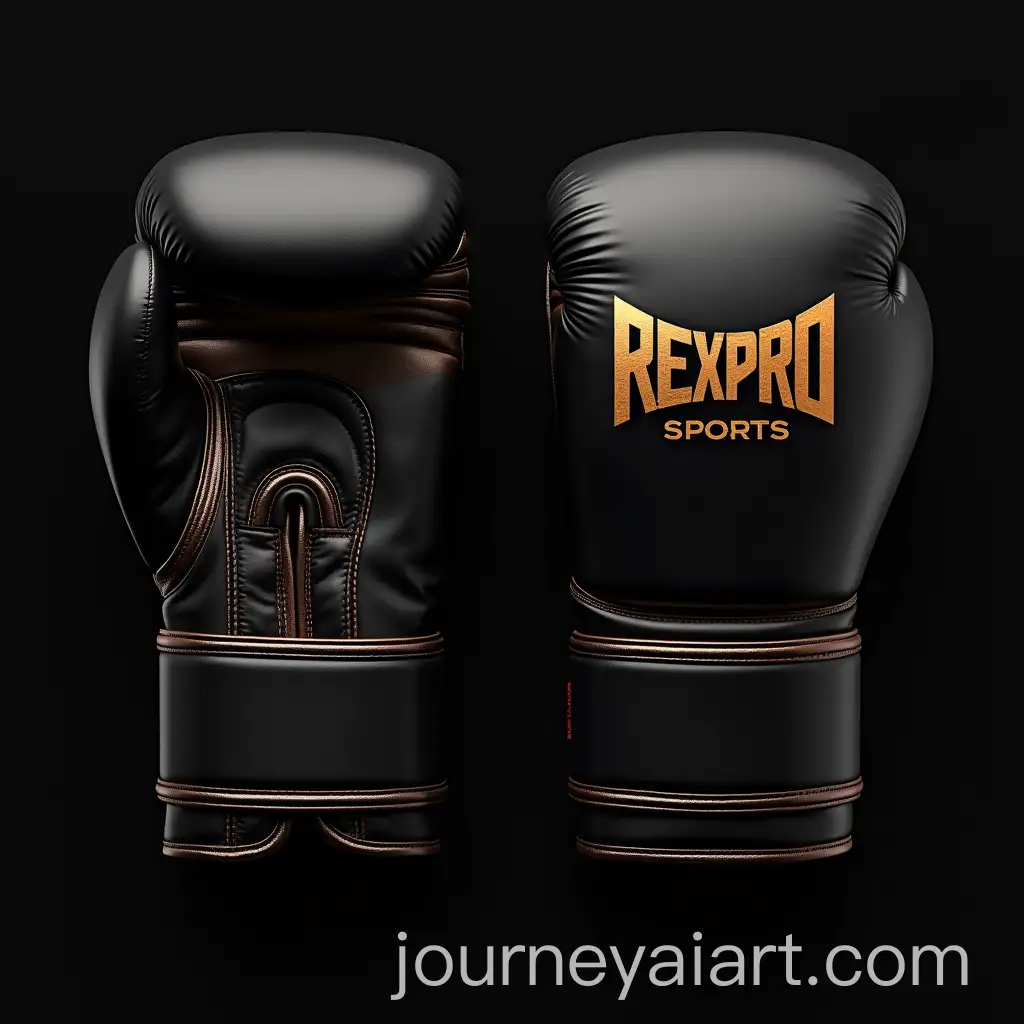
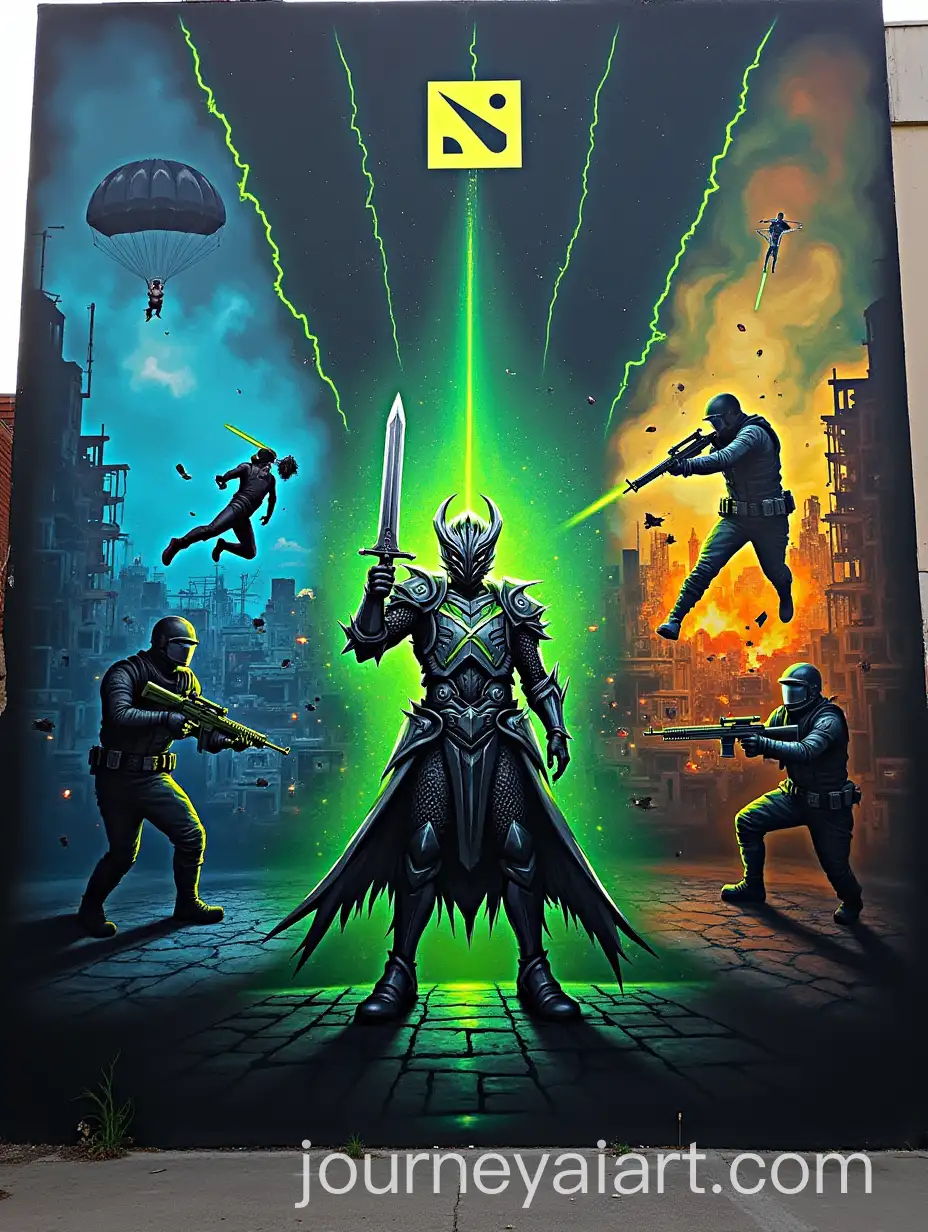


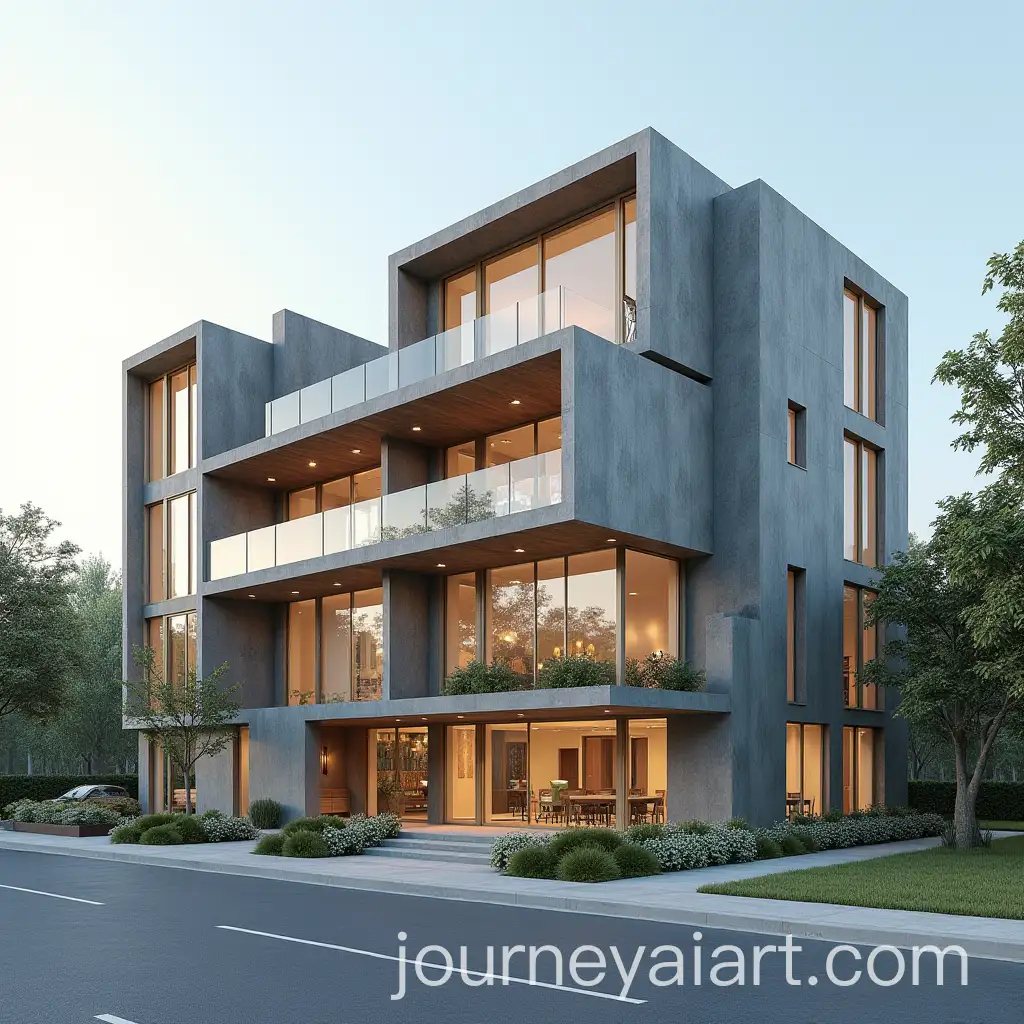
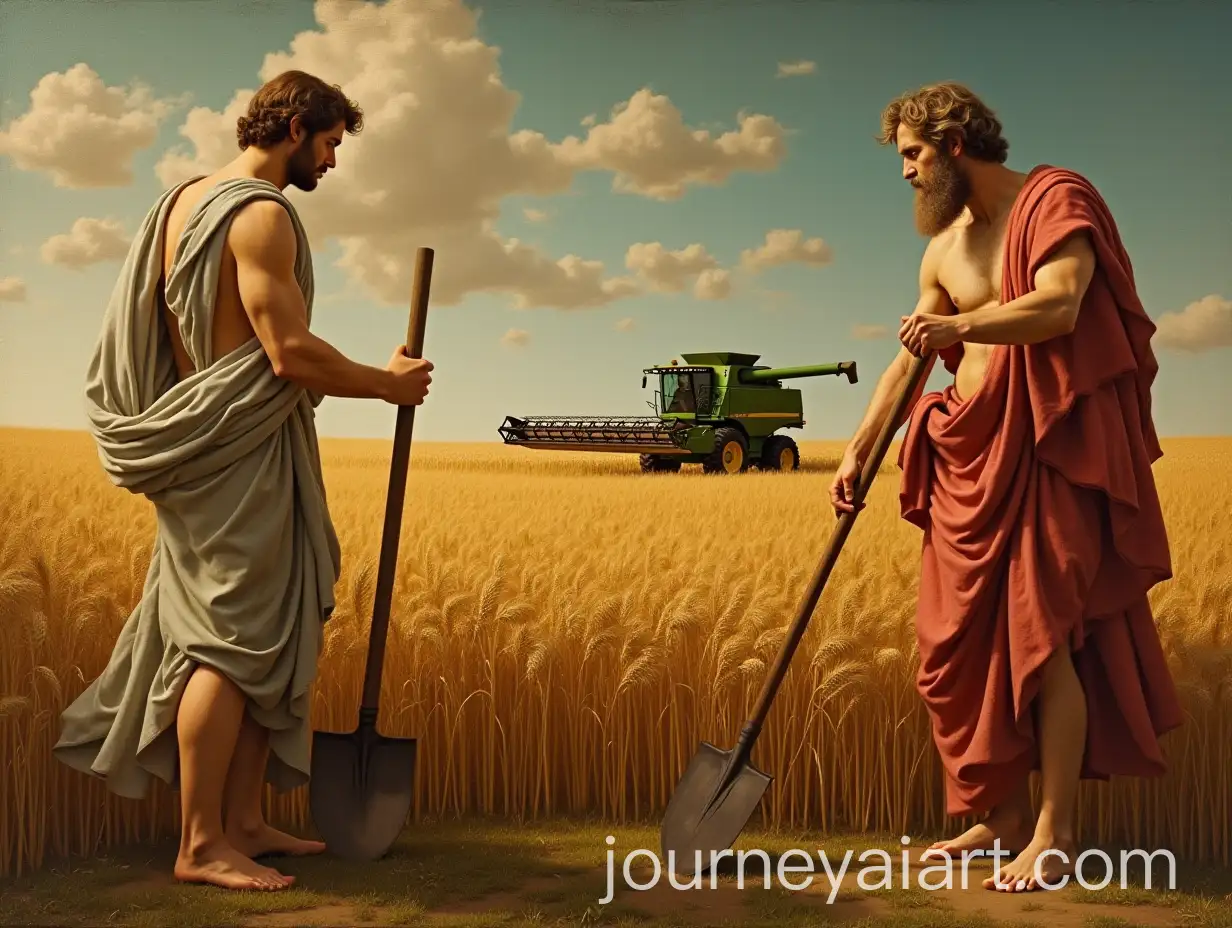




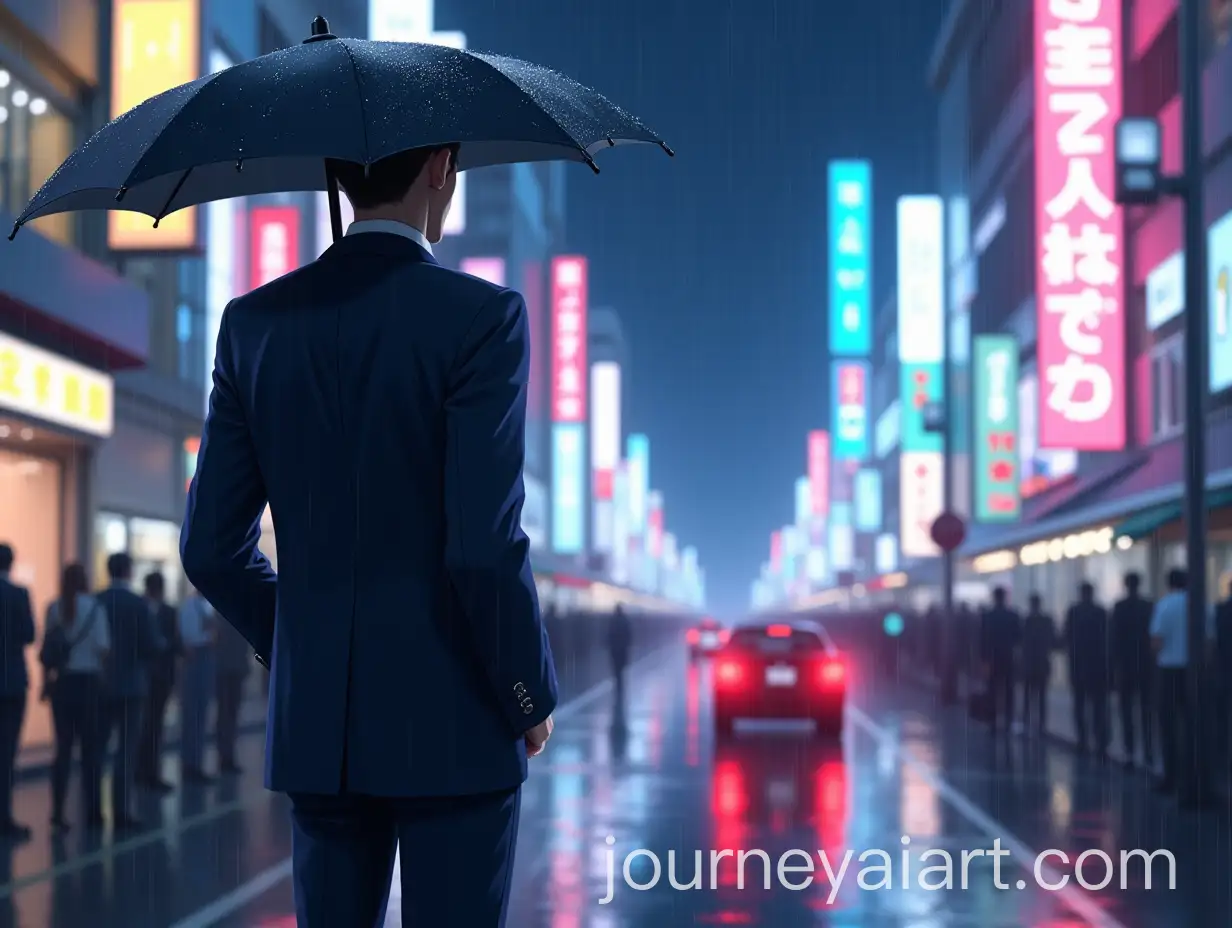






Realistic textures in digital art refer to the creation of surface details that closely mimic real-world materials and surfaces. This involves a meticulous approach to capturing the intricate details of textures like wood, metal, fabric, and more. These textures are essential for creating lifelike and immersive digital images, enhancing the visual depth and realism of the artwork.
Understanding Realistic Textures in Digital Art
Realistic textures are widely used across various fields, including video game design, film production, architectural visualization, and virtual reality. In video games, they bring characters and environments to life, providing a believable and engaging experience. In films, realistic textures enhance special effects and set designs, making imaginary worlds look tangible. Architectural visualizations use these textures to create lifelike representations of buildings and interiors, helping clients visualize the final product.
Applications and Uses of Realistic Textures
AI tools have revolutionized the creation of realistic textures by enabling artists and designers to generate detailed and accurate textures quickly. These tools use advanced algorithms to analyze real-world images and reproduce textures with precision. Users can adjust parameters like color, scale, and reflectivity to fine-tune the textures to their liking. The 'open in editor' feature allows further customization, making it easier to achieve the desired level of realism in any project.
Creating Realistic Textures with AI Tools
The future of realistic texture generation lies in the continued development of AI and machine learning technologies. As these technologies advance, we can expect even more sophisticated tools that can generate hyper-realistic textures in real time. This will have significant implications for industries like gaming, film, and virtual reality, where the demand for highly realistic and immersive experiences is growing. Additionally, the integration of AI with 3D printing could lead to new ways of producing tactile, realistic textures in physical products.
Future Trends in Realistic Texture Generation