114 Free Realistic rendering Midjourney AI images
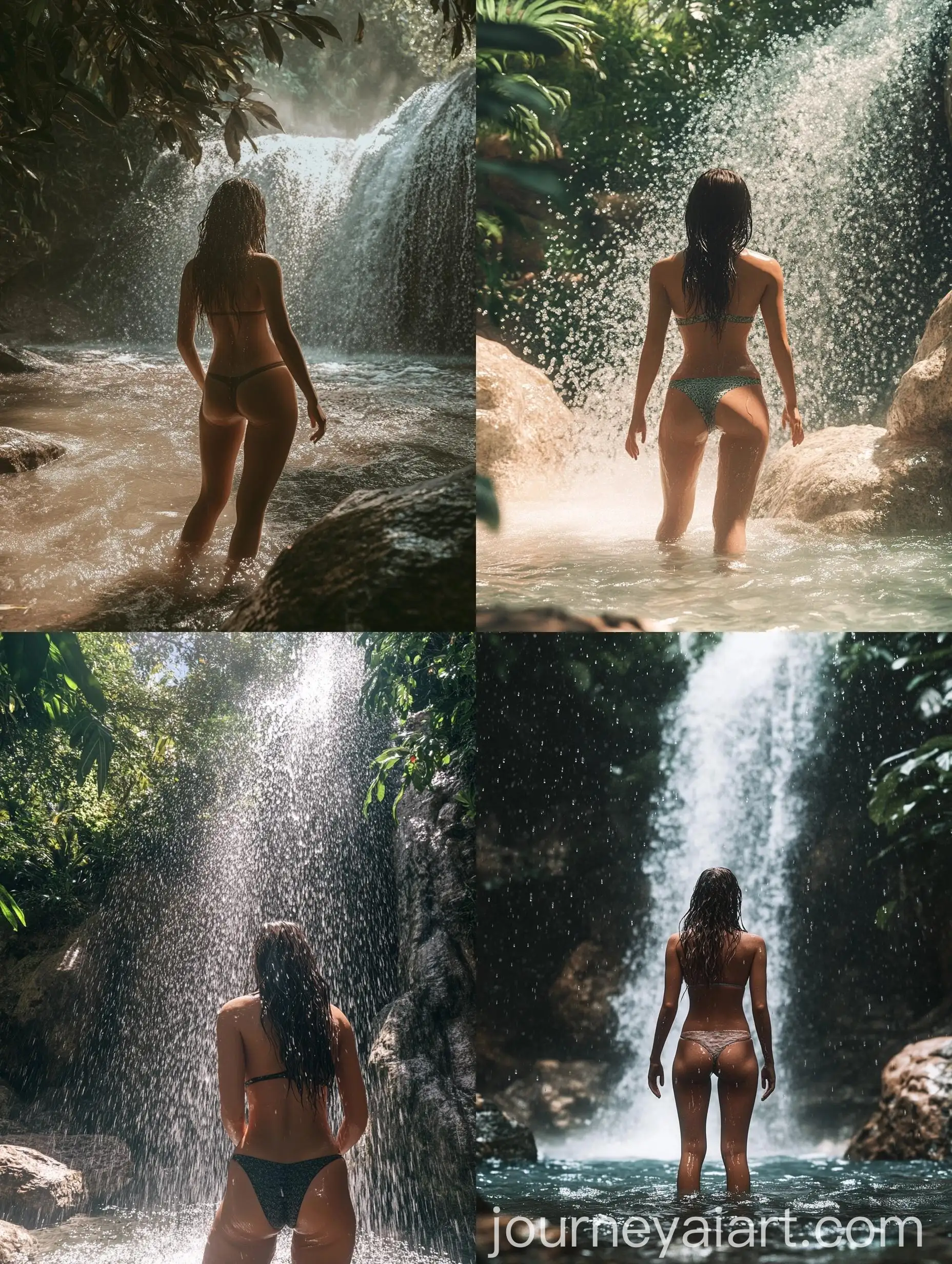
Explore our Realistic Rendering image collection, featuring 114 free AI-generated images. Discover a diverse array of stock photos, 3D objects, vectors, and illustrations. Enjoy high-resolution downloads and utilize our 'open in editor' feature to customize prompts and regenerate your perfect image.










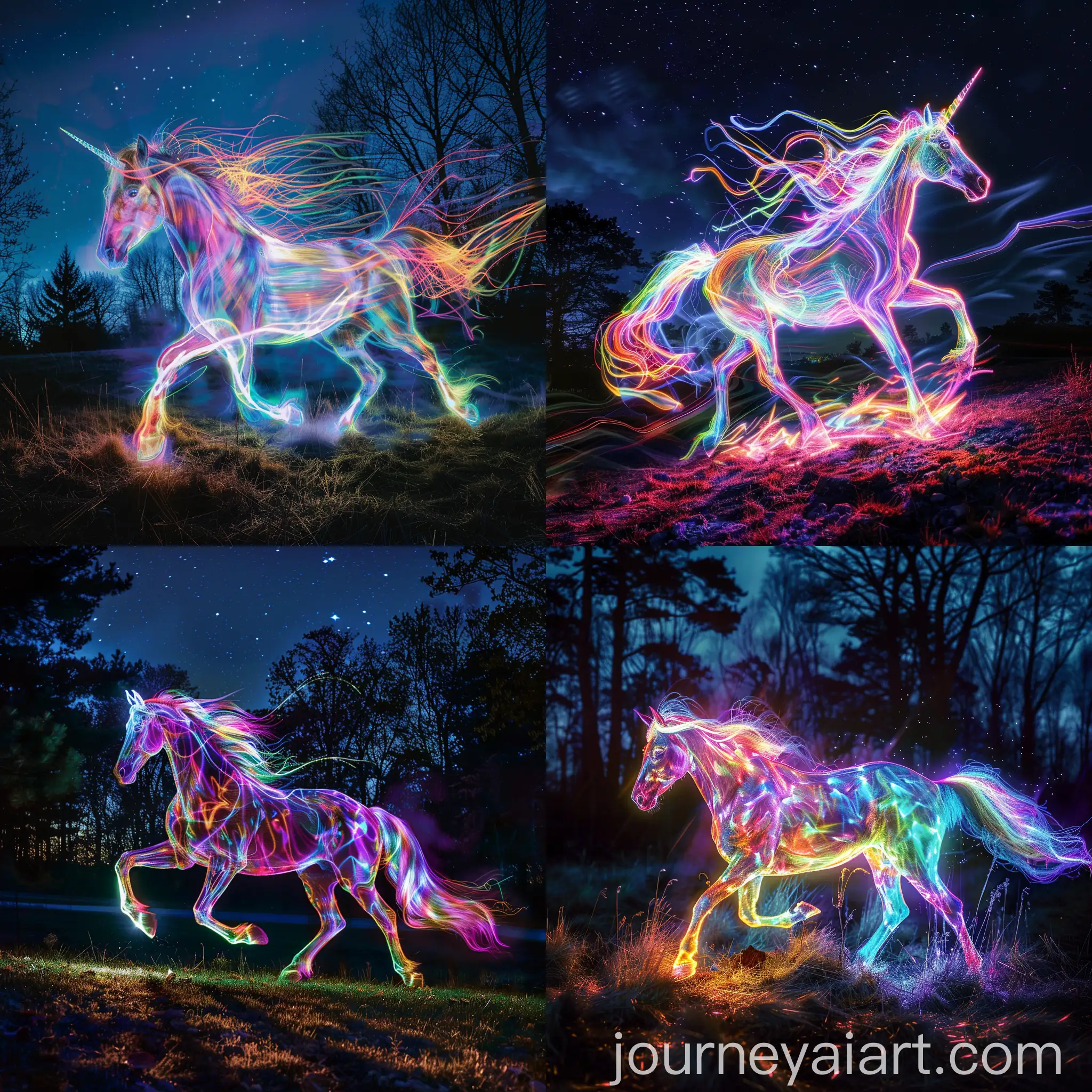
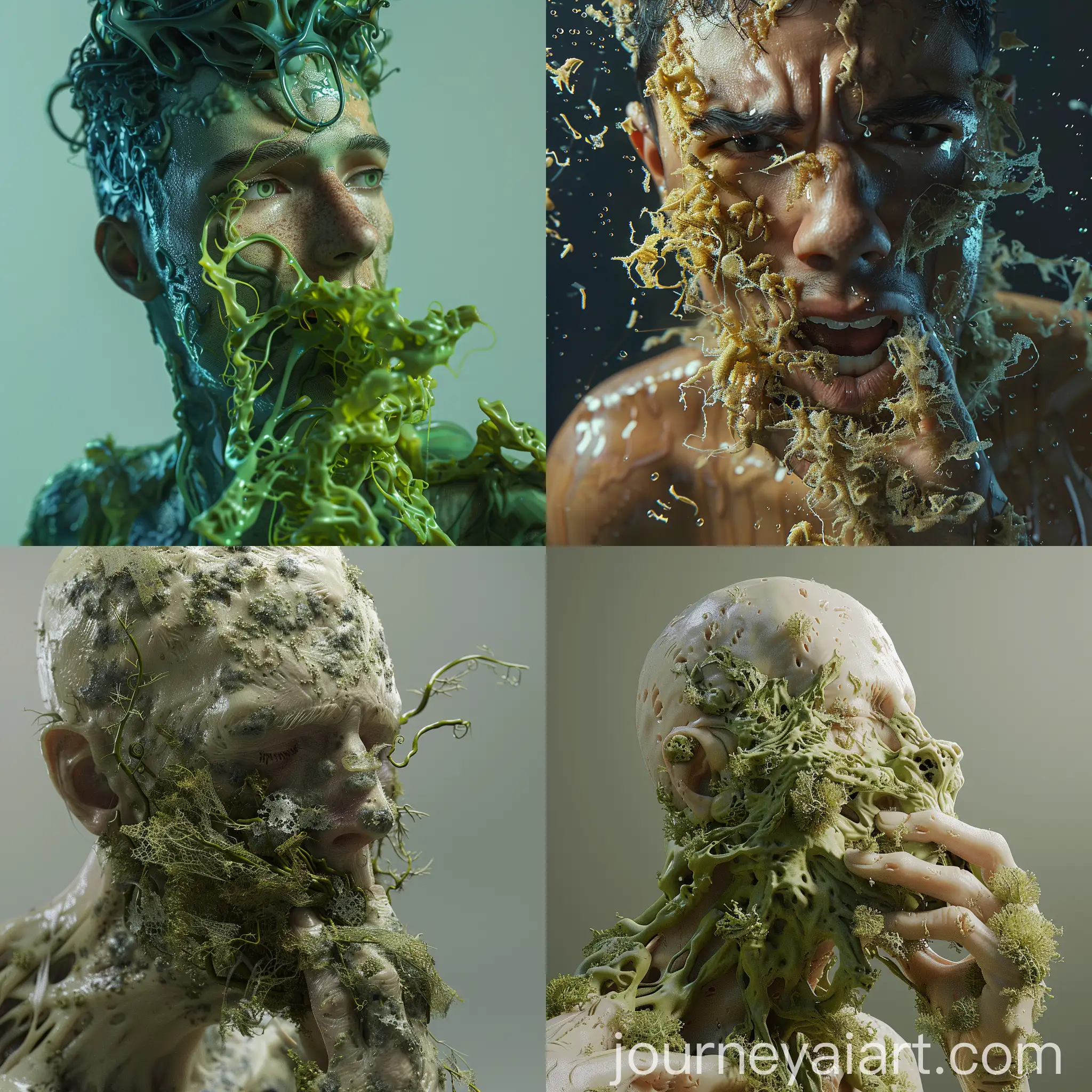
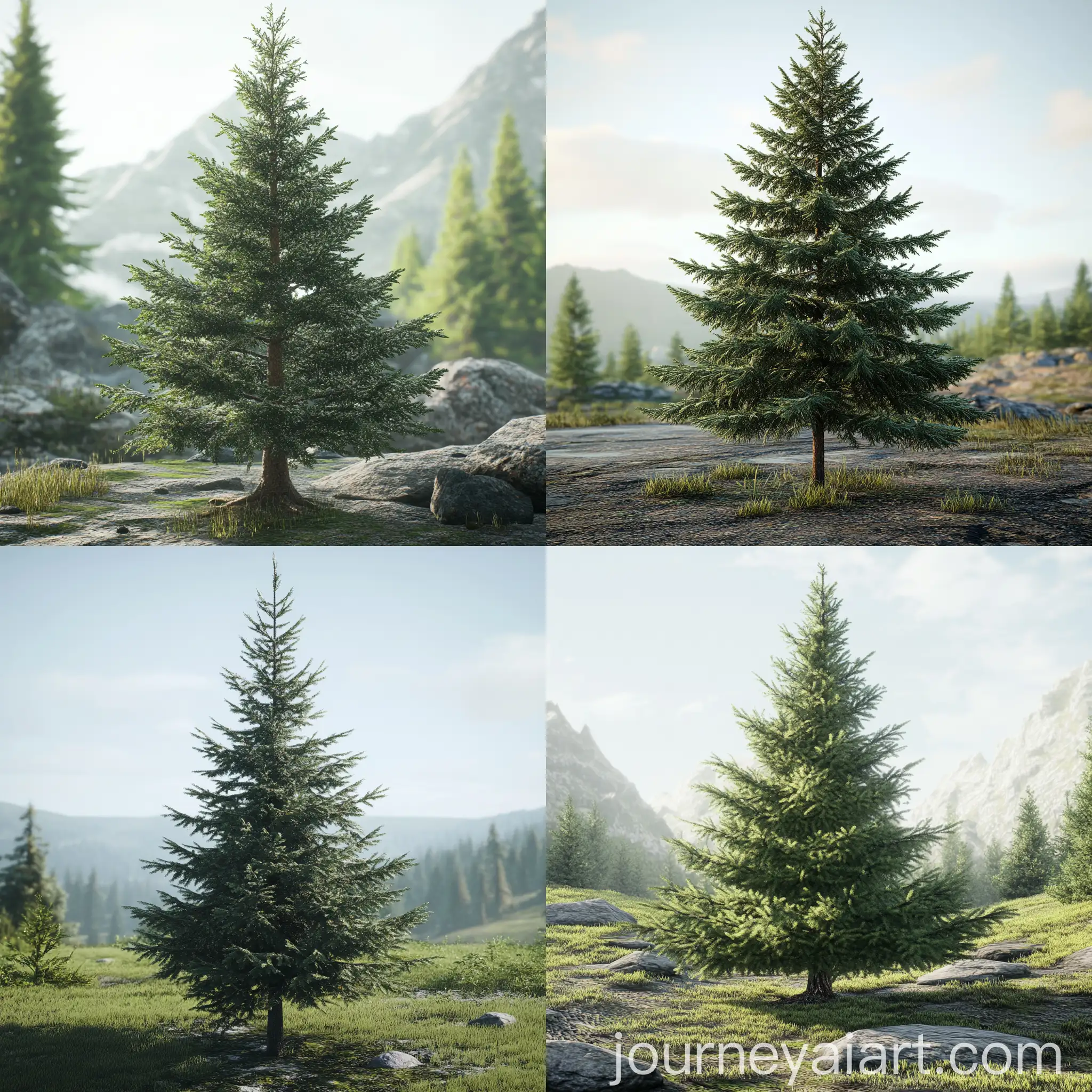
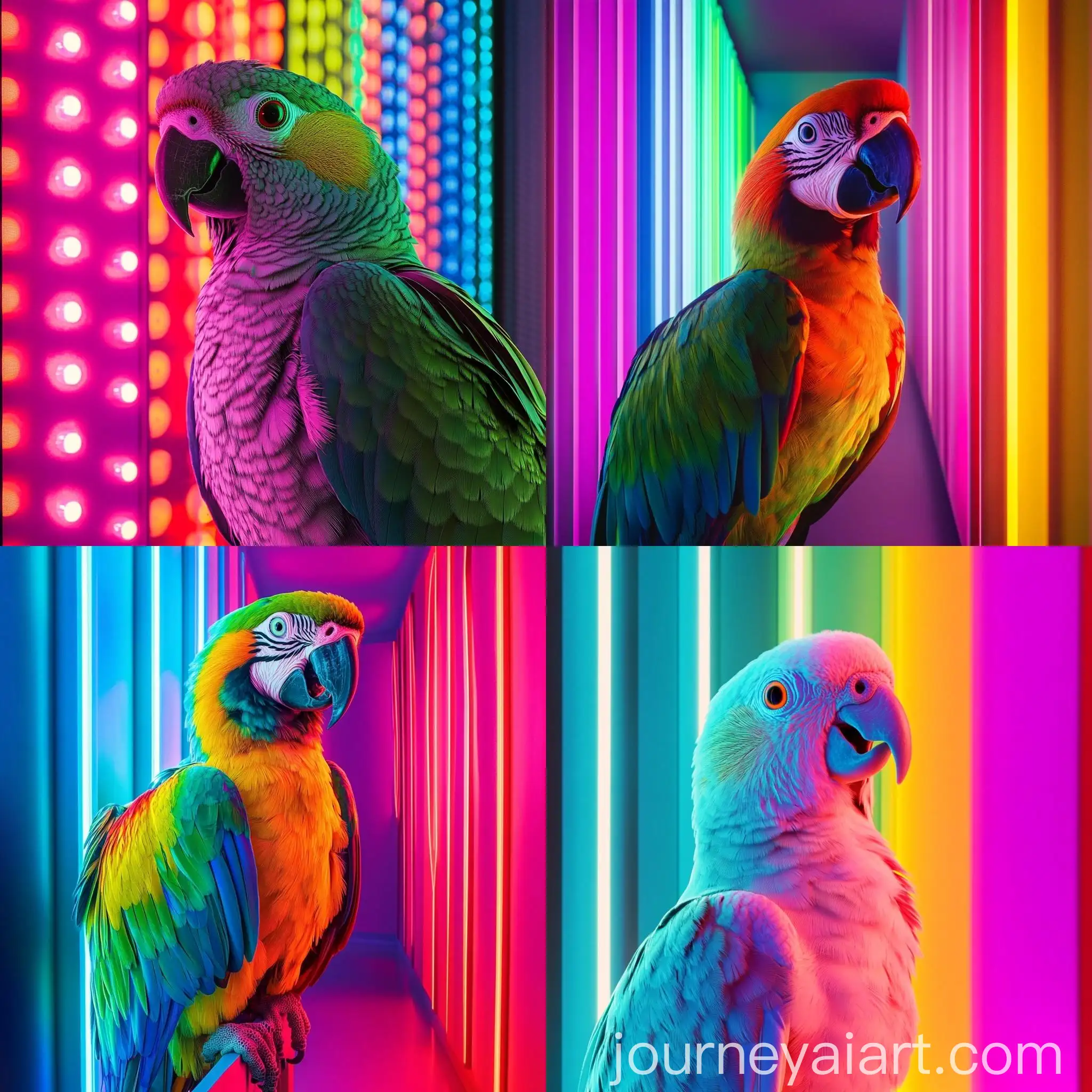











Related Tags
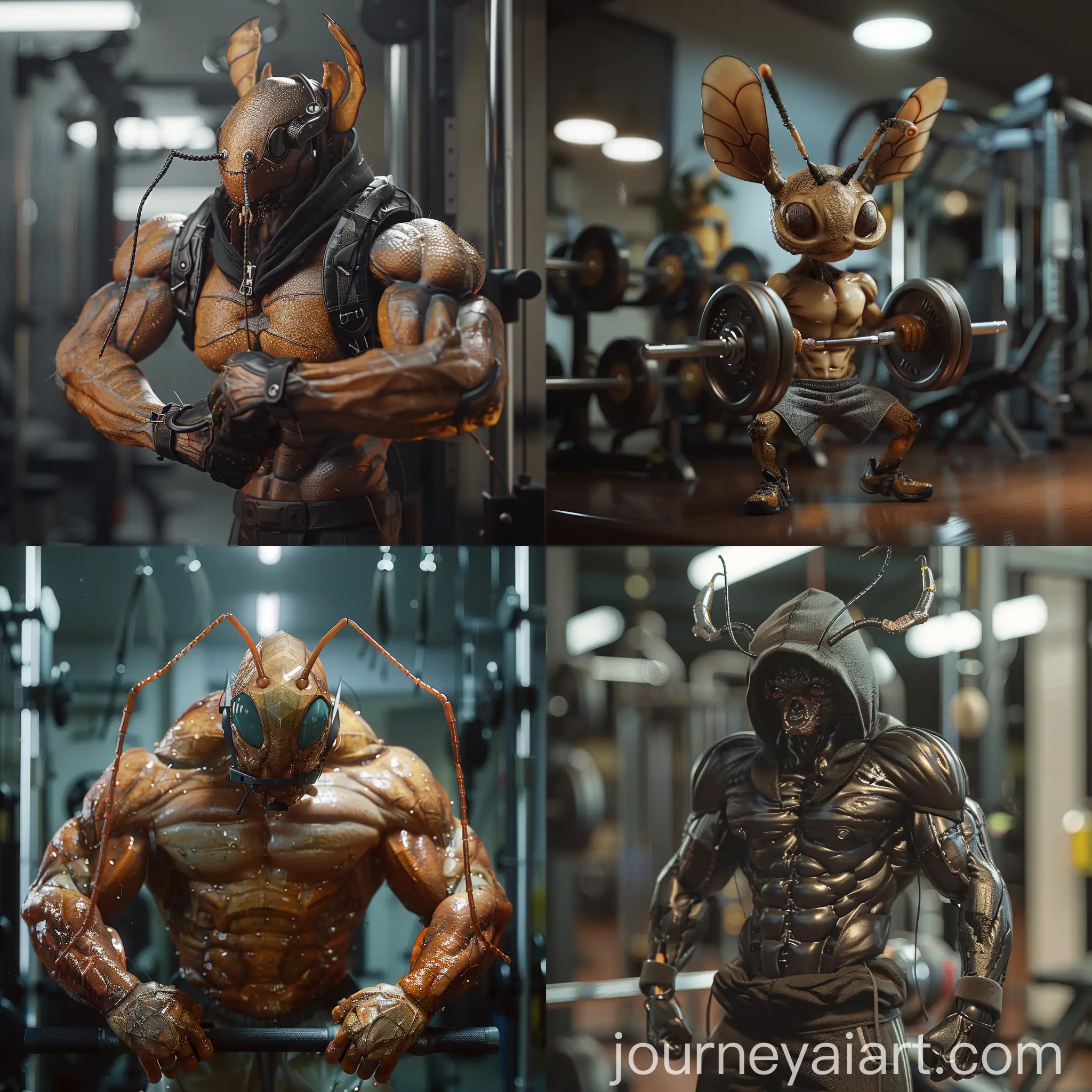
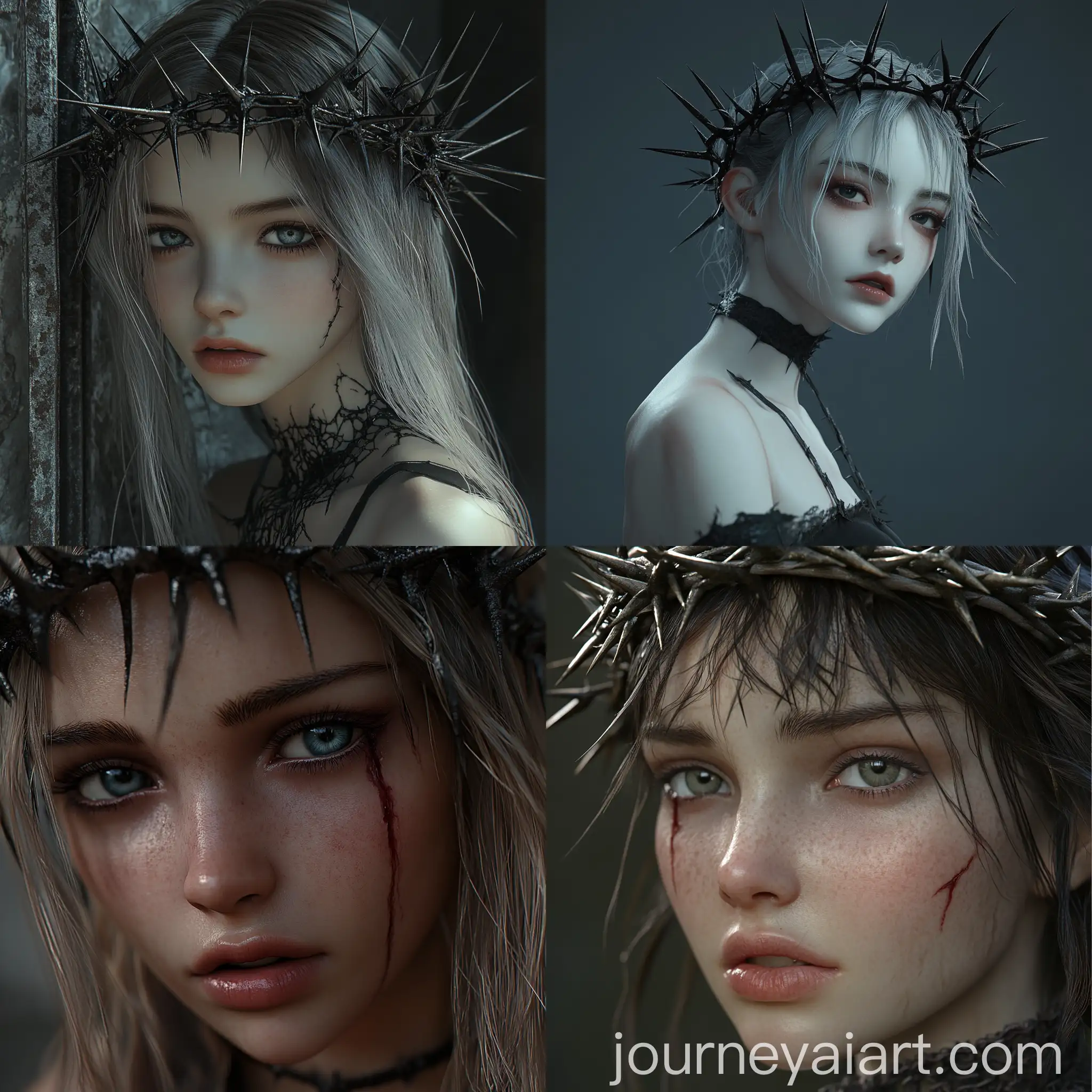
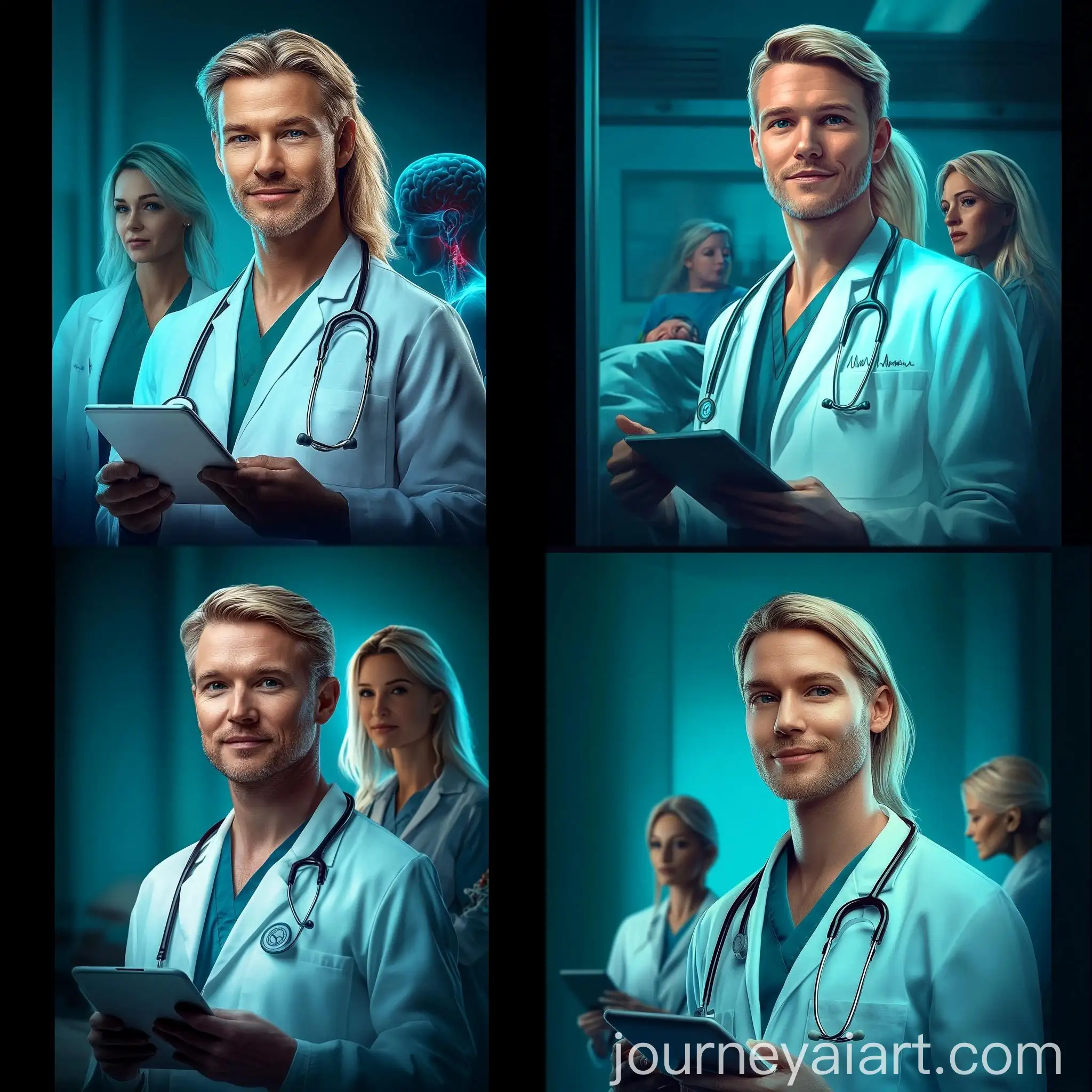
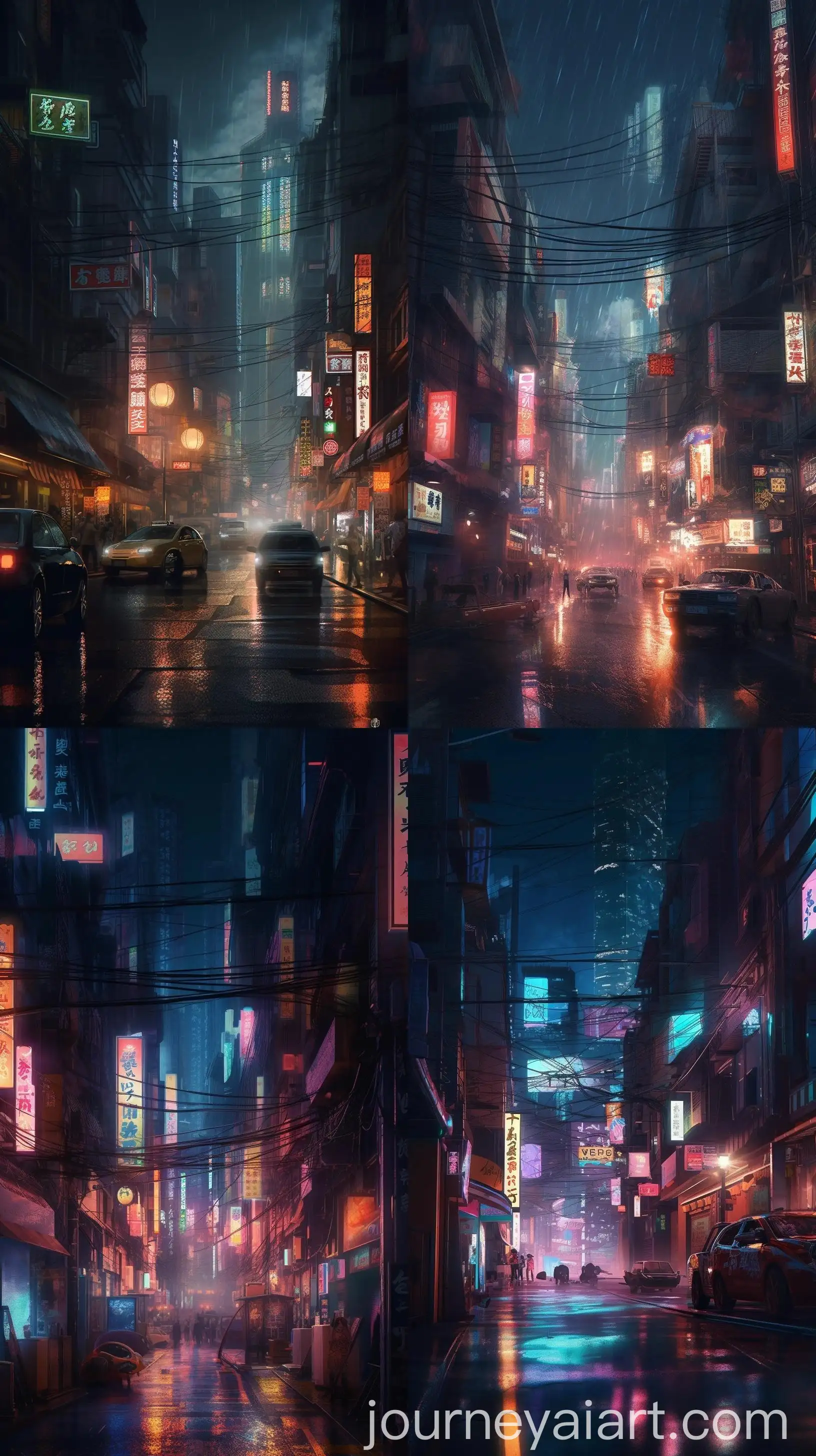
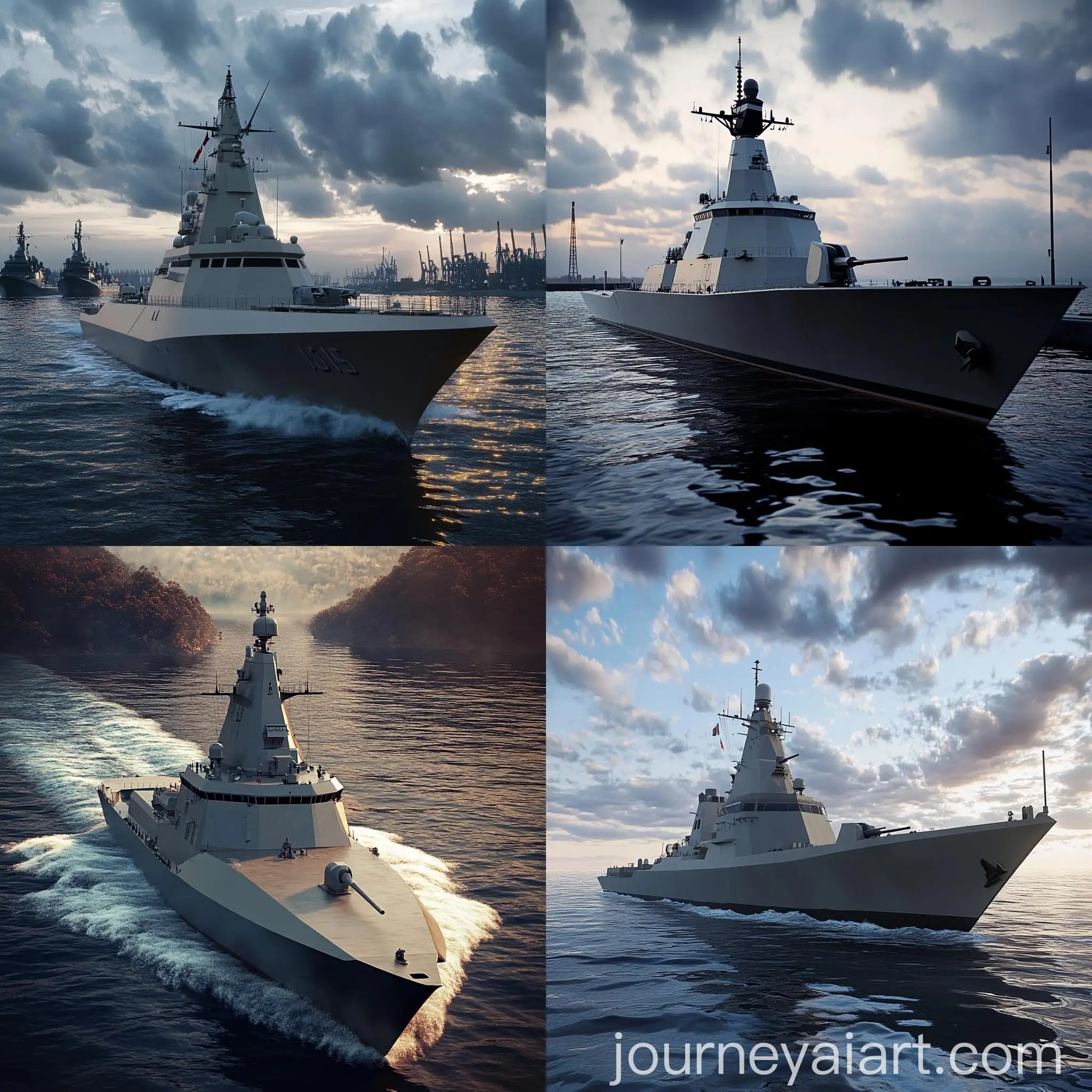
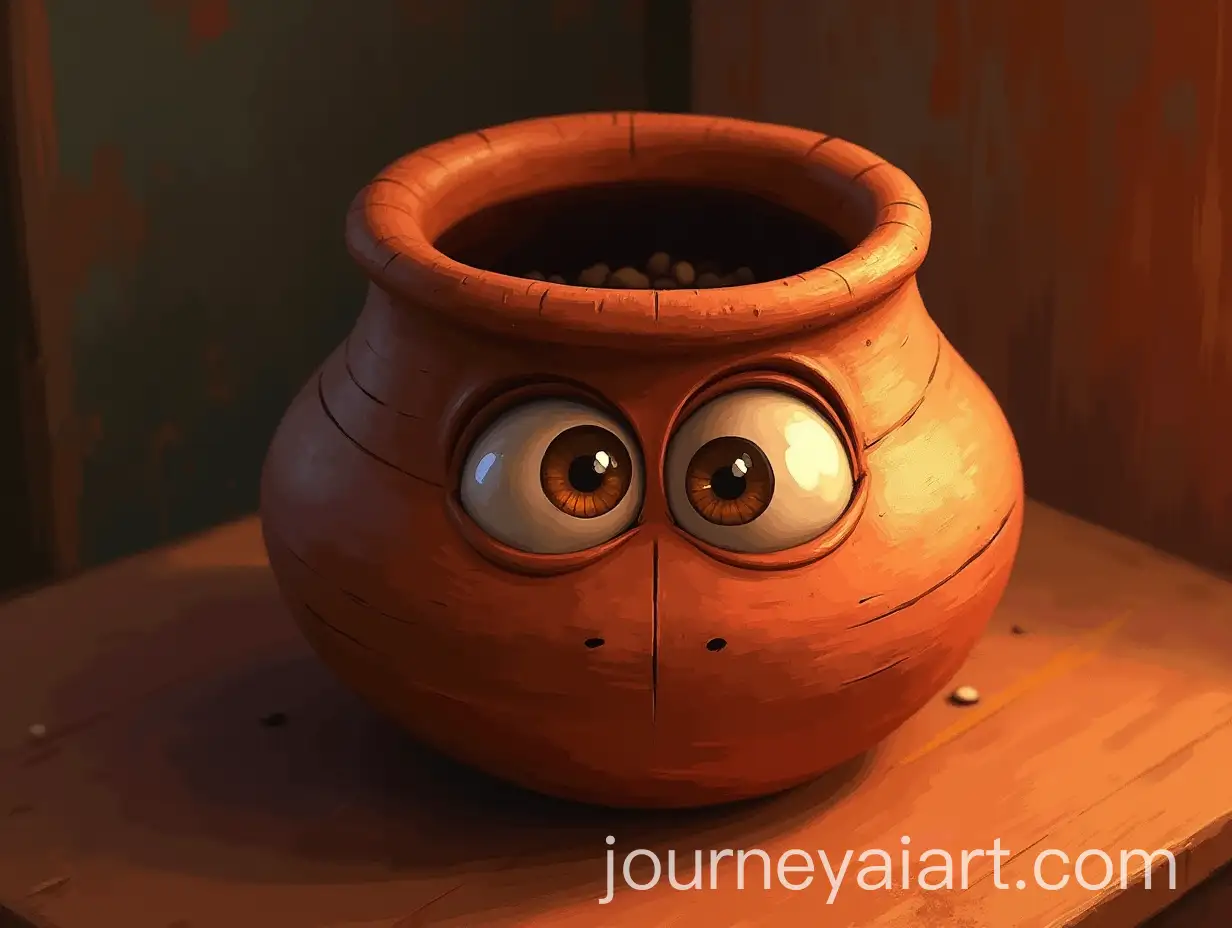
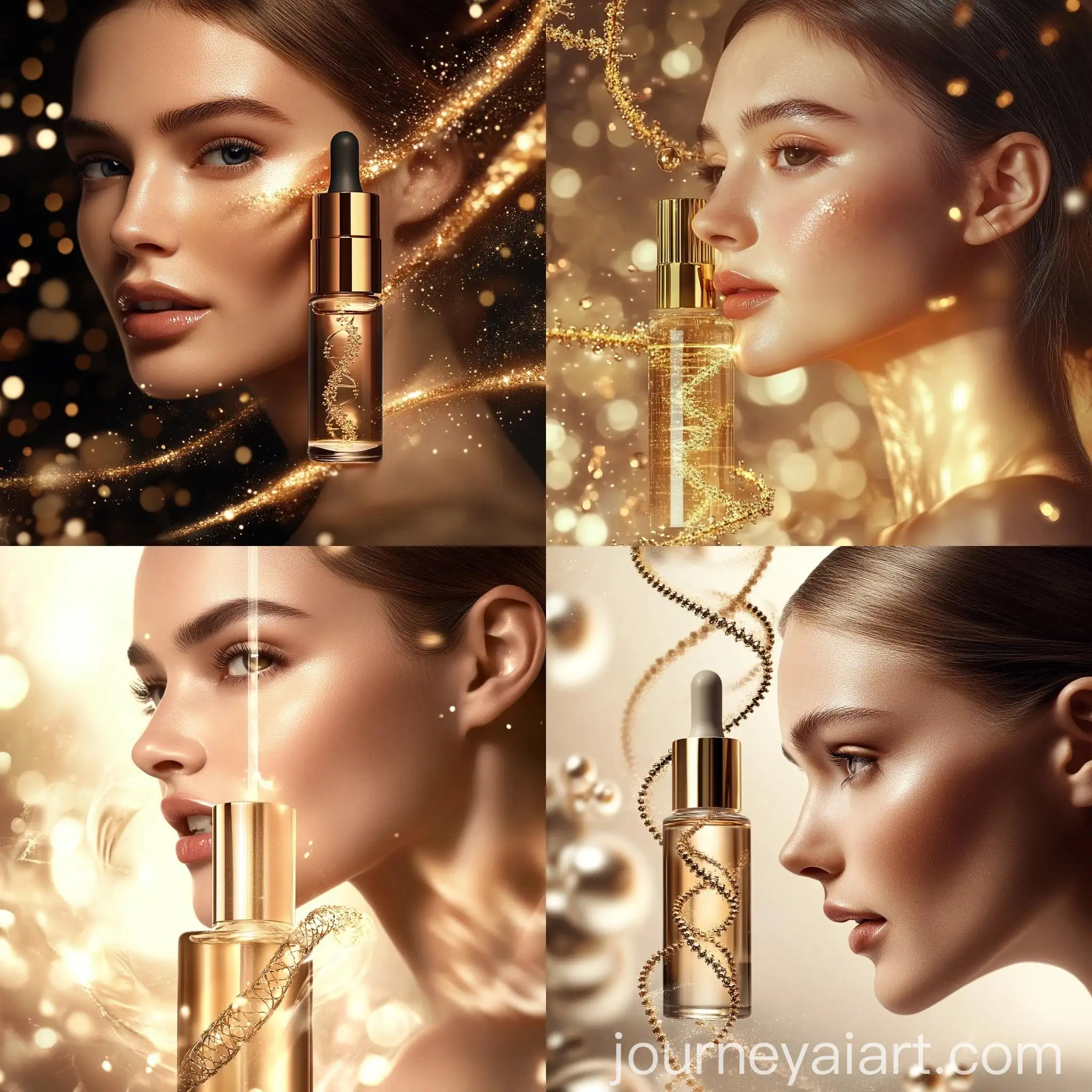
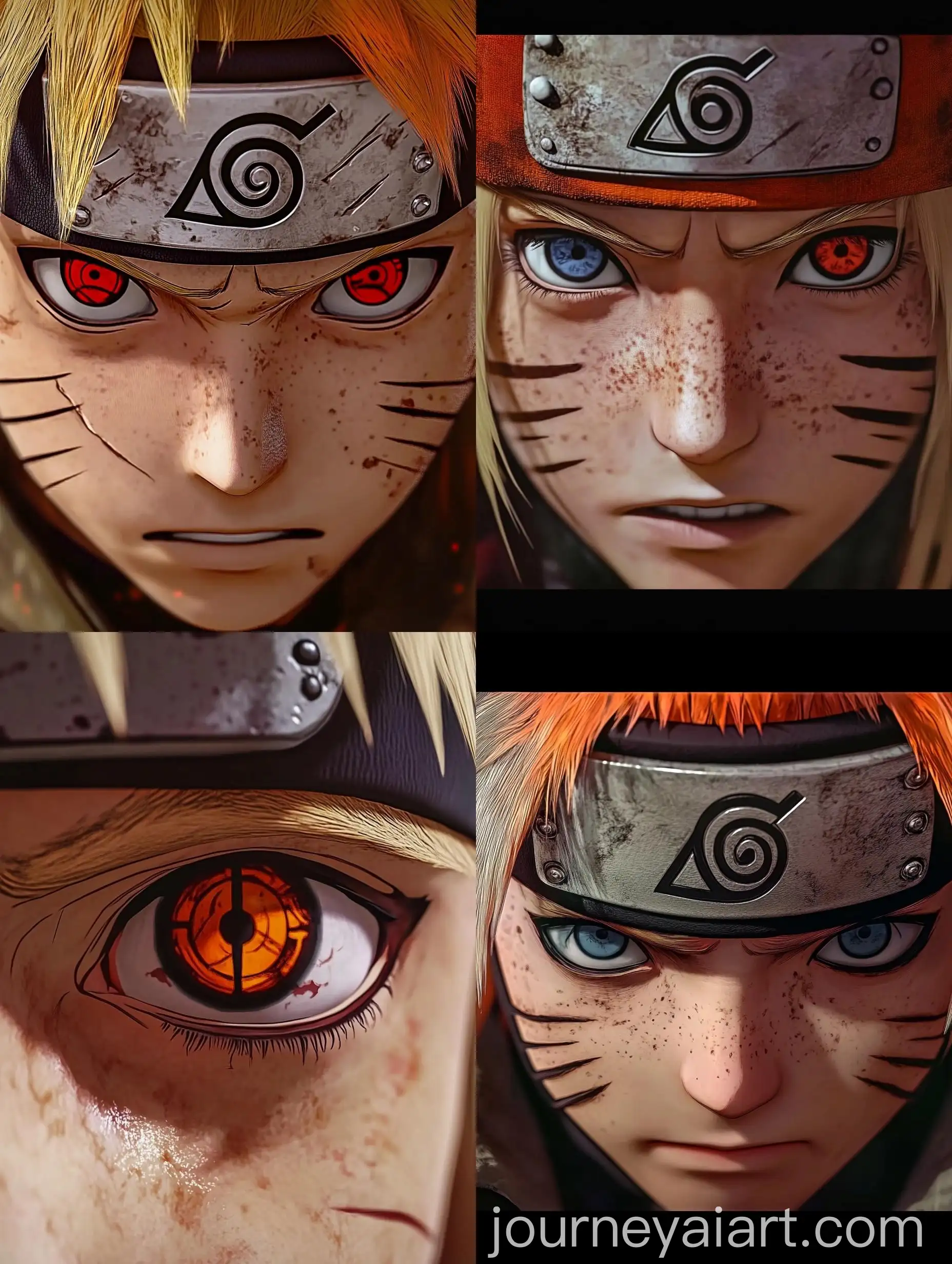
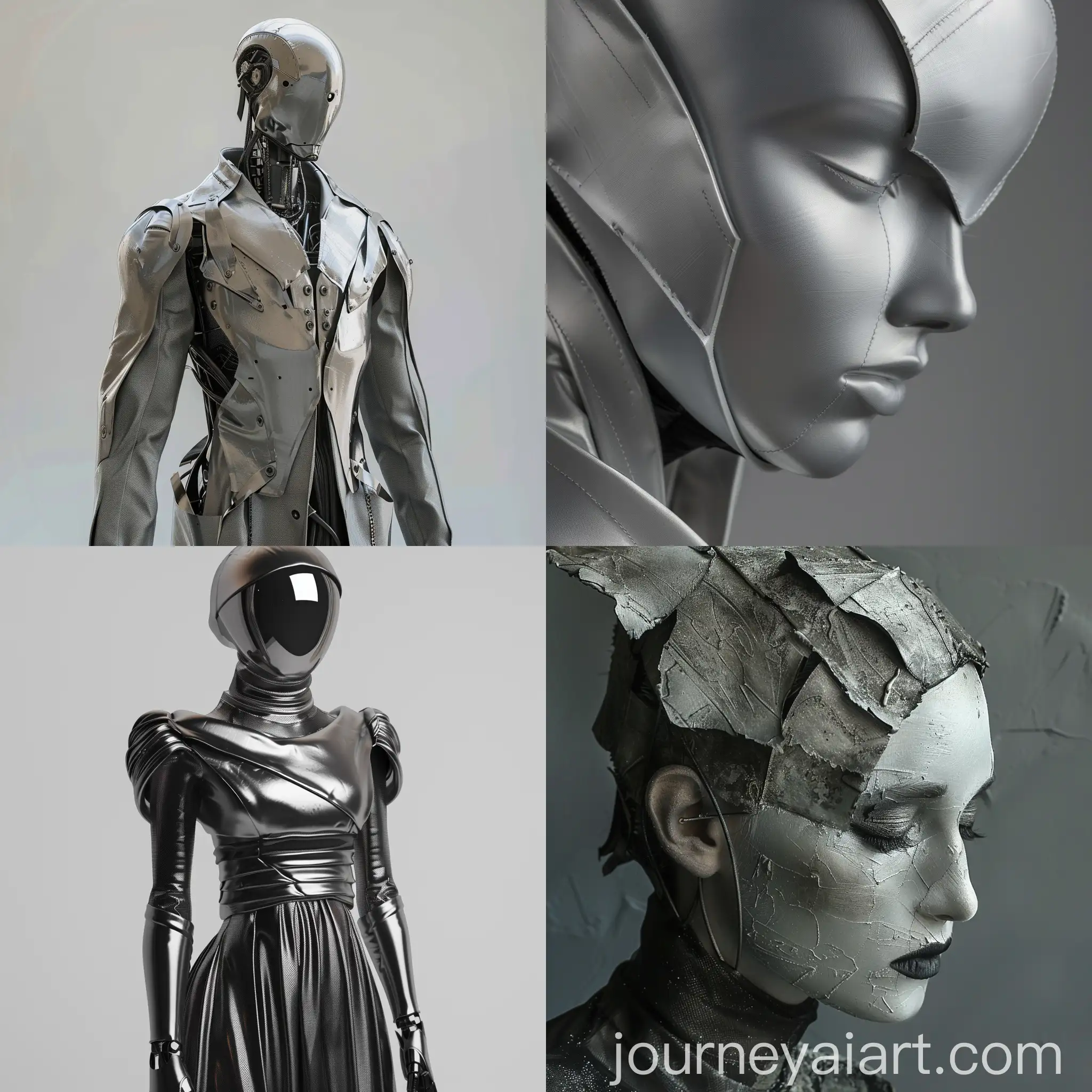
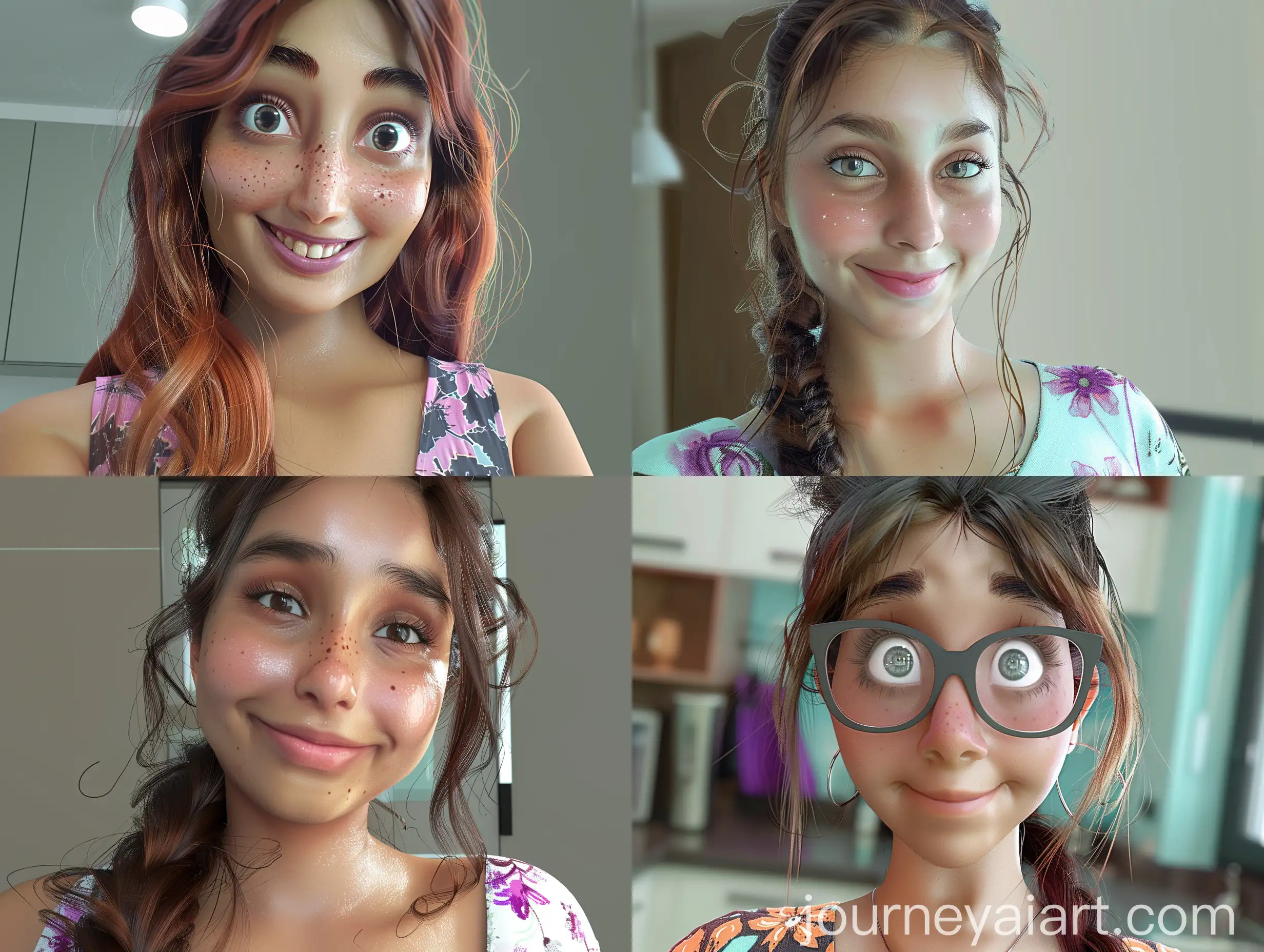
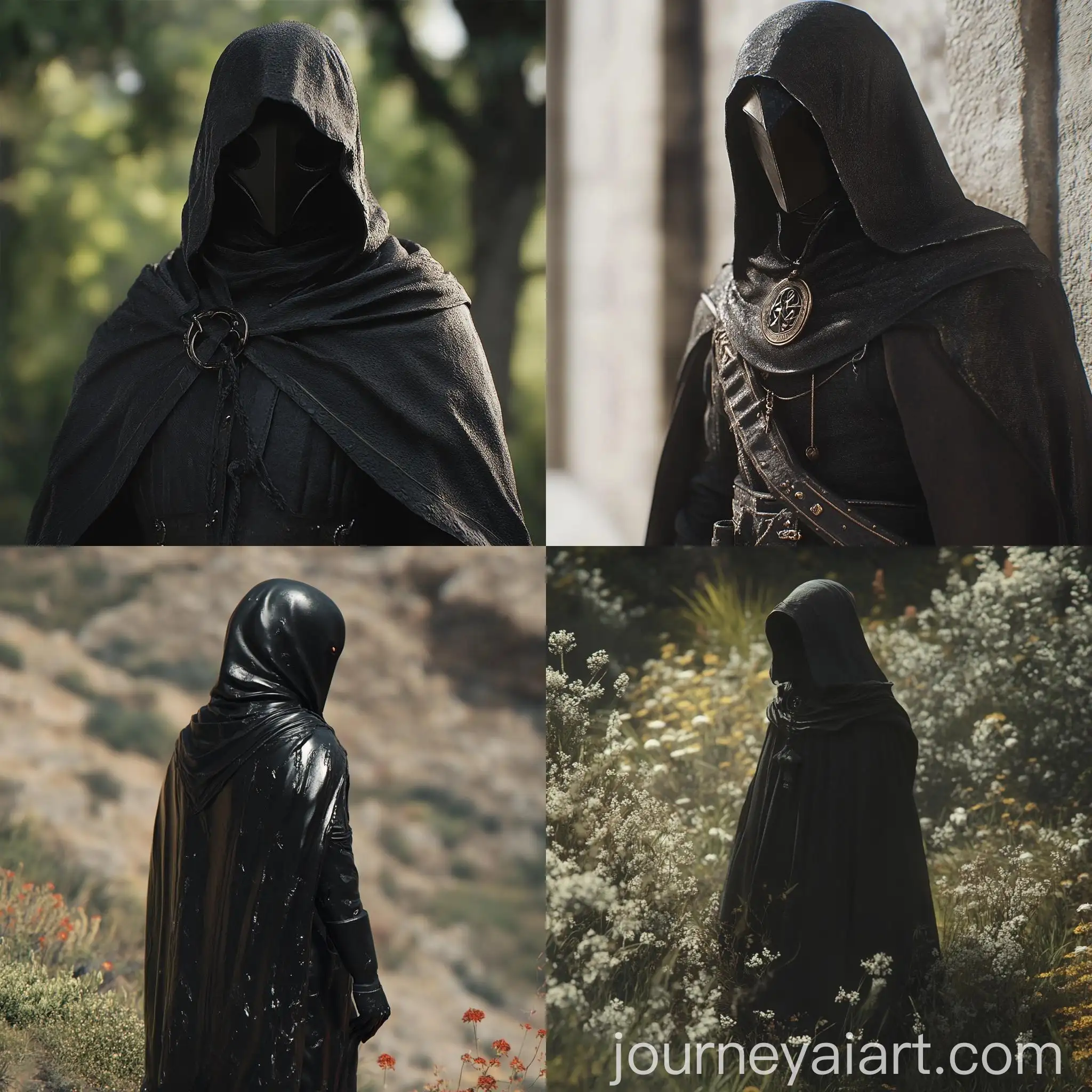
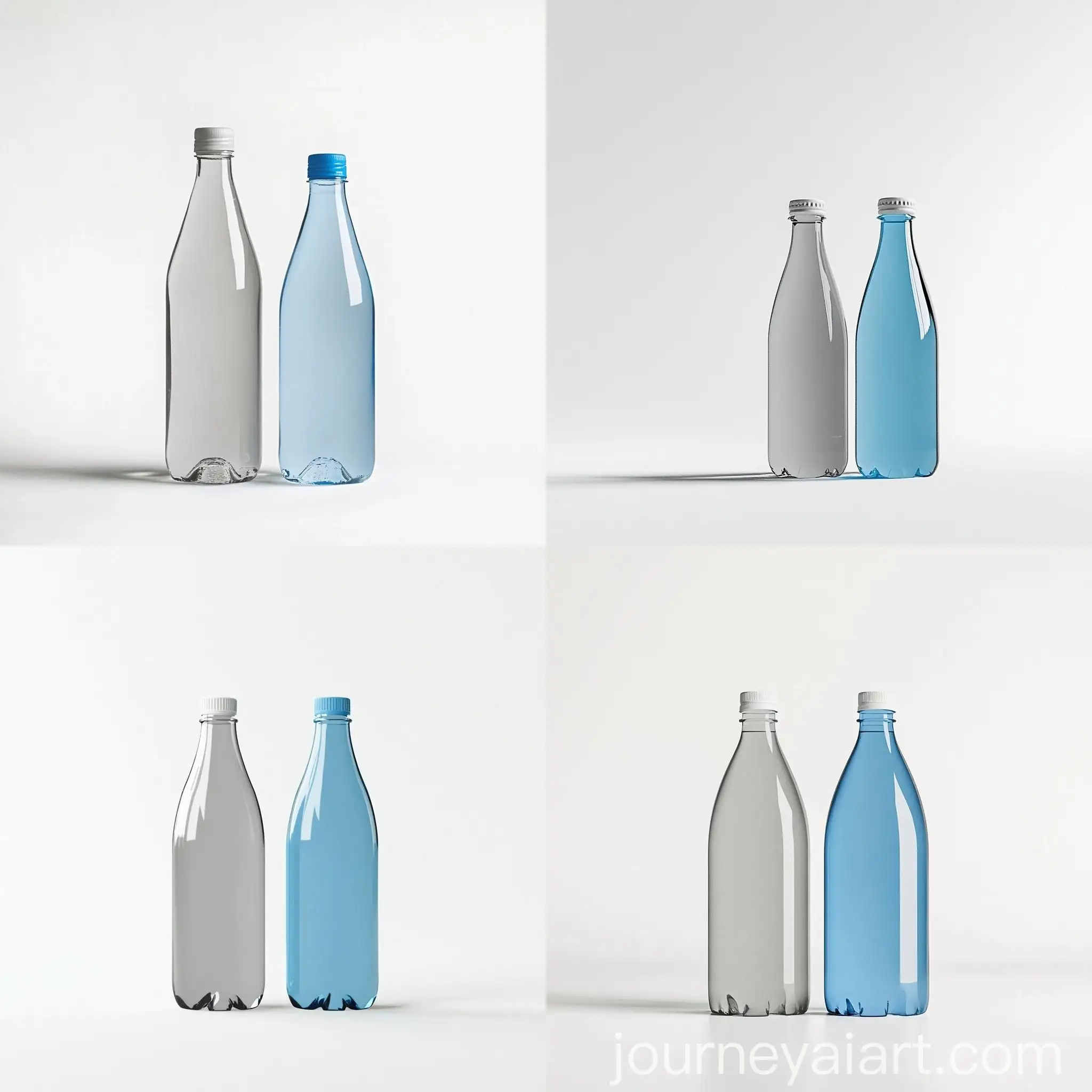
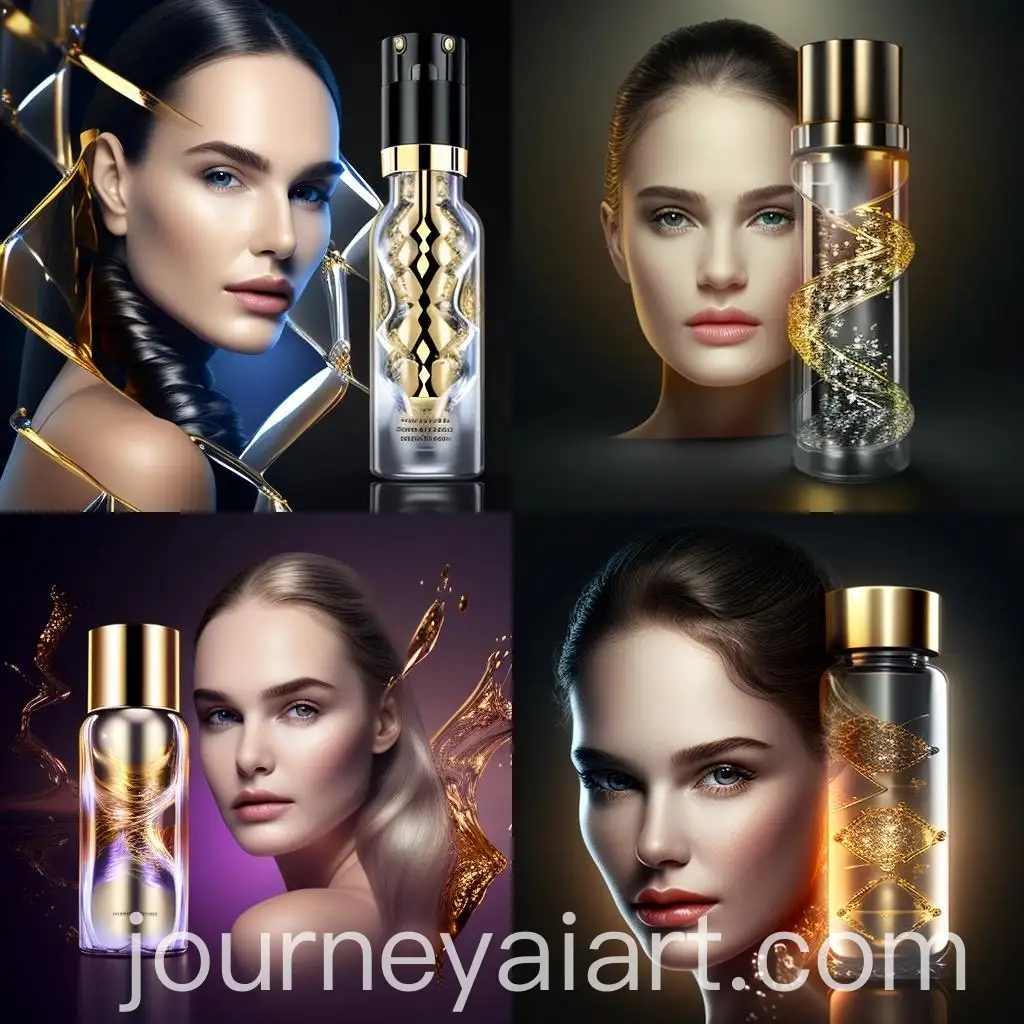
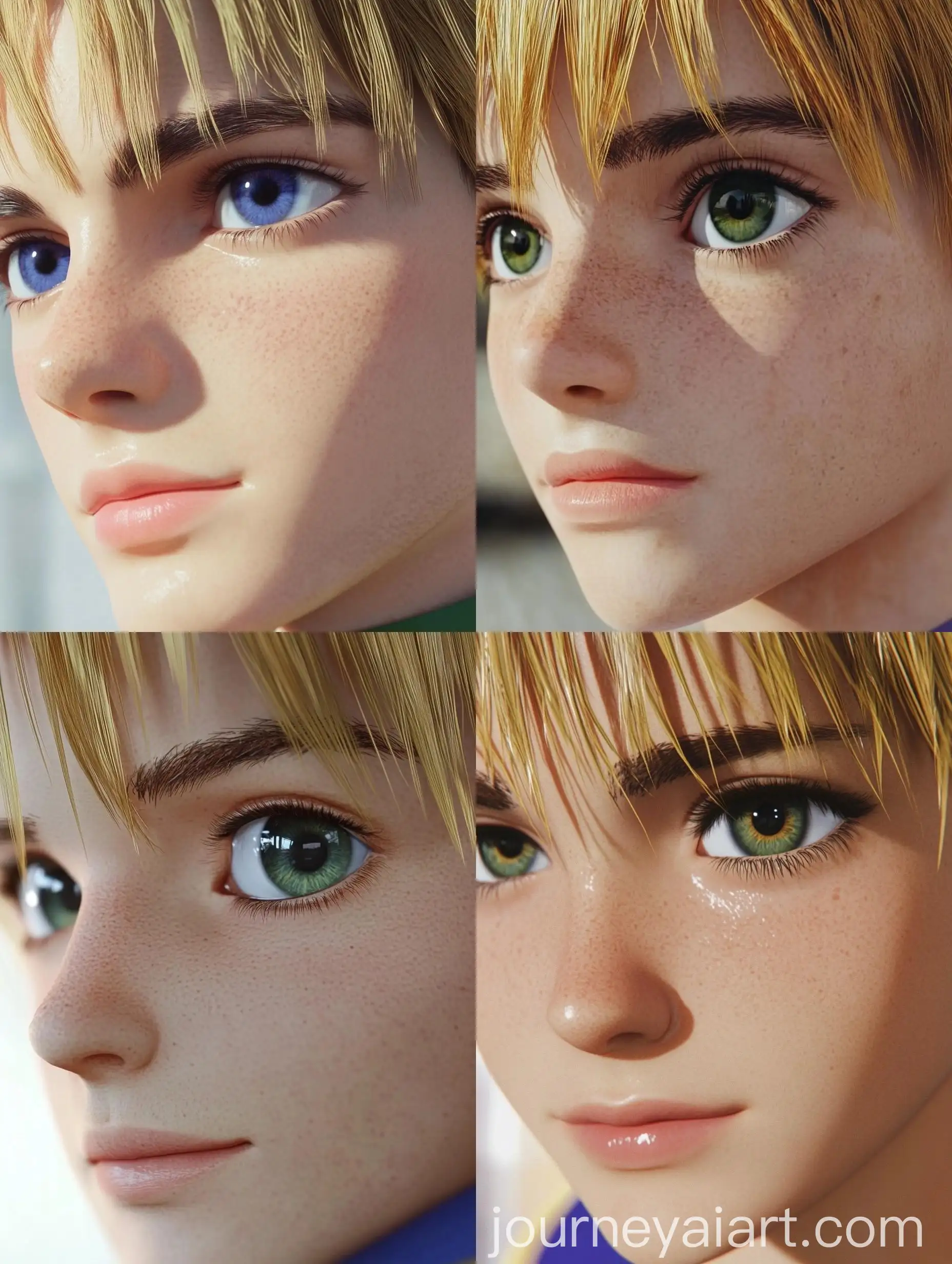
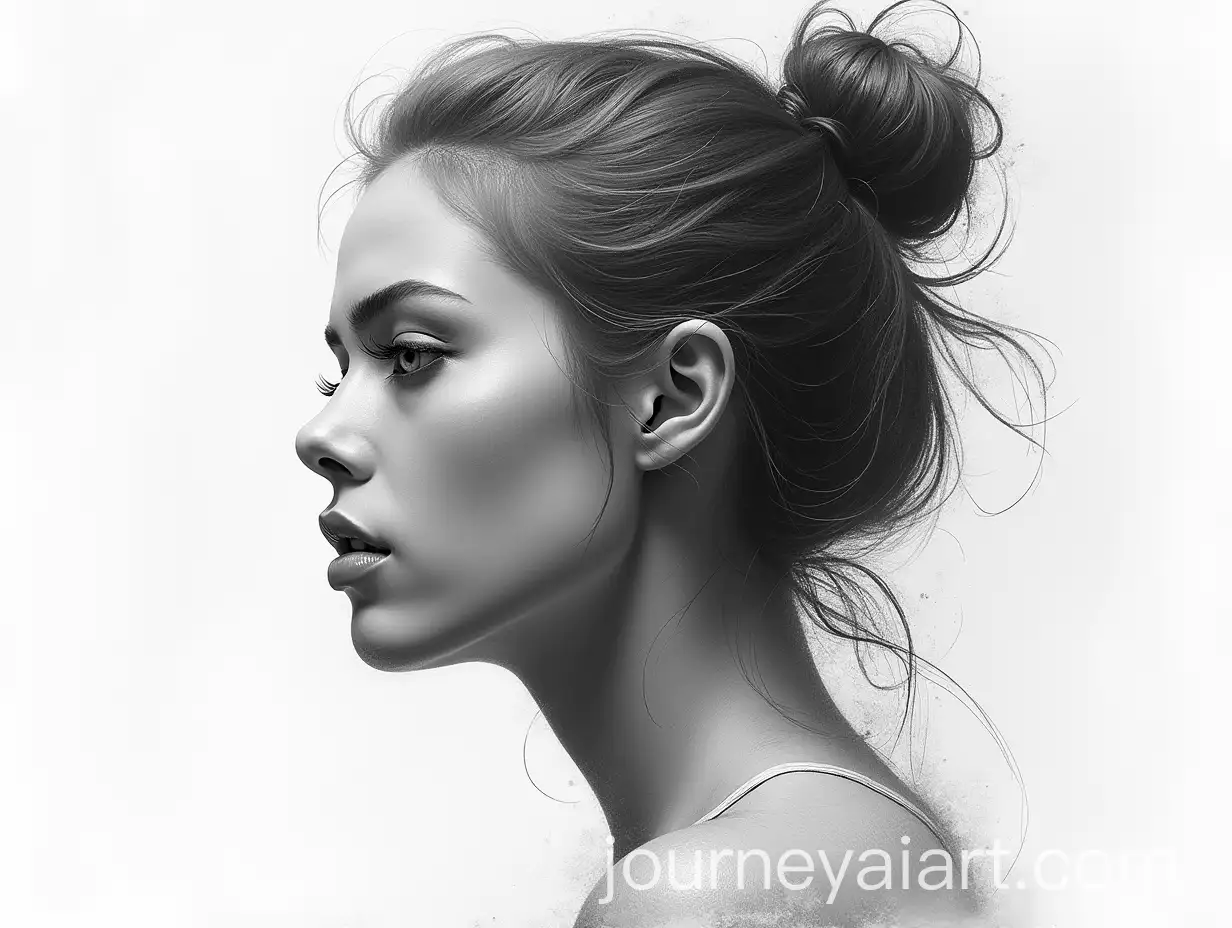
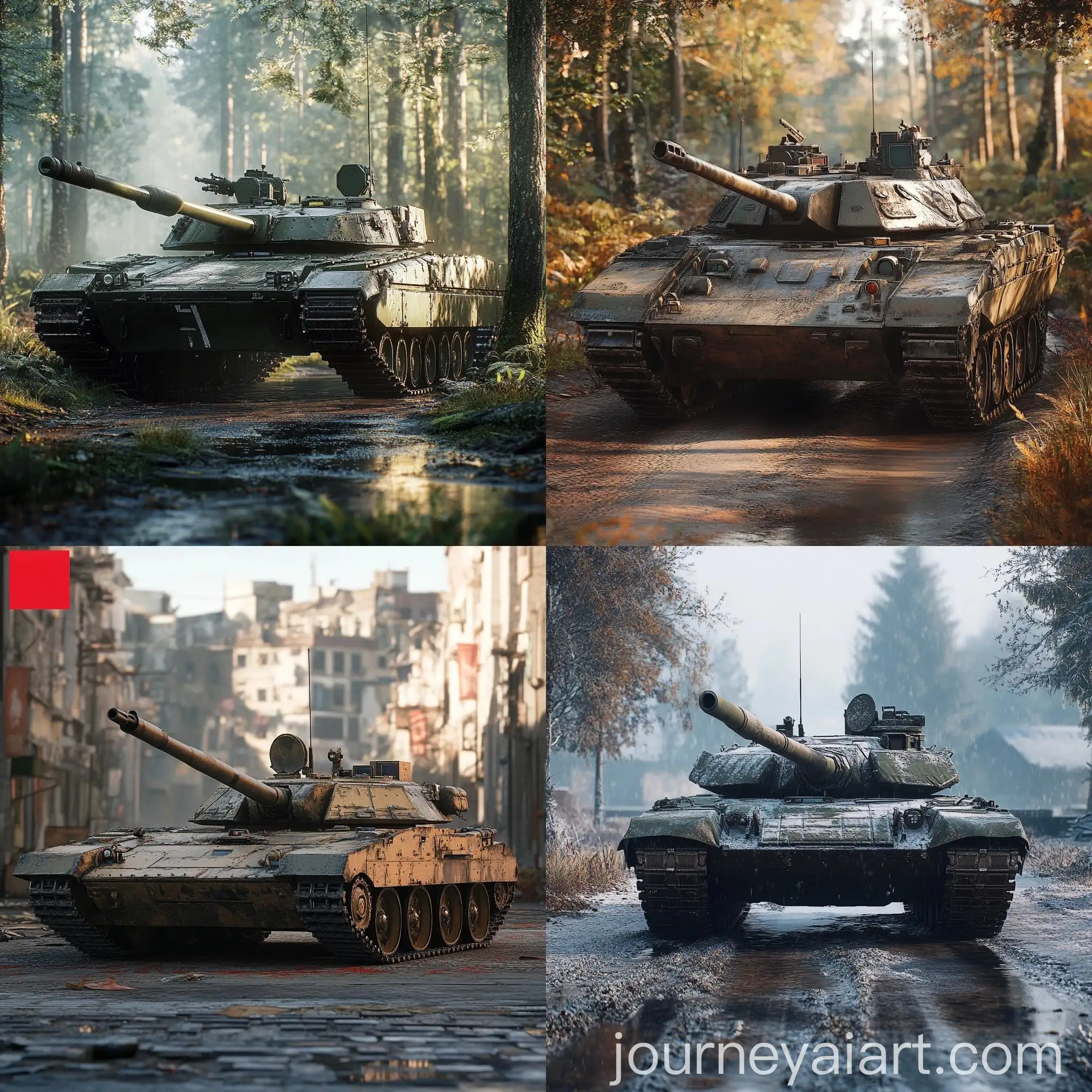
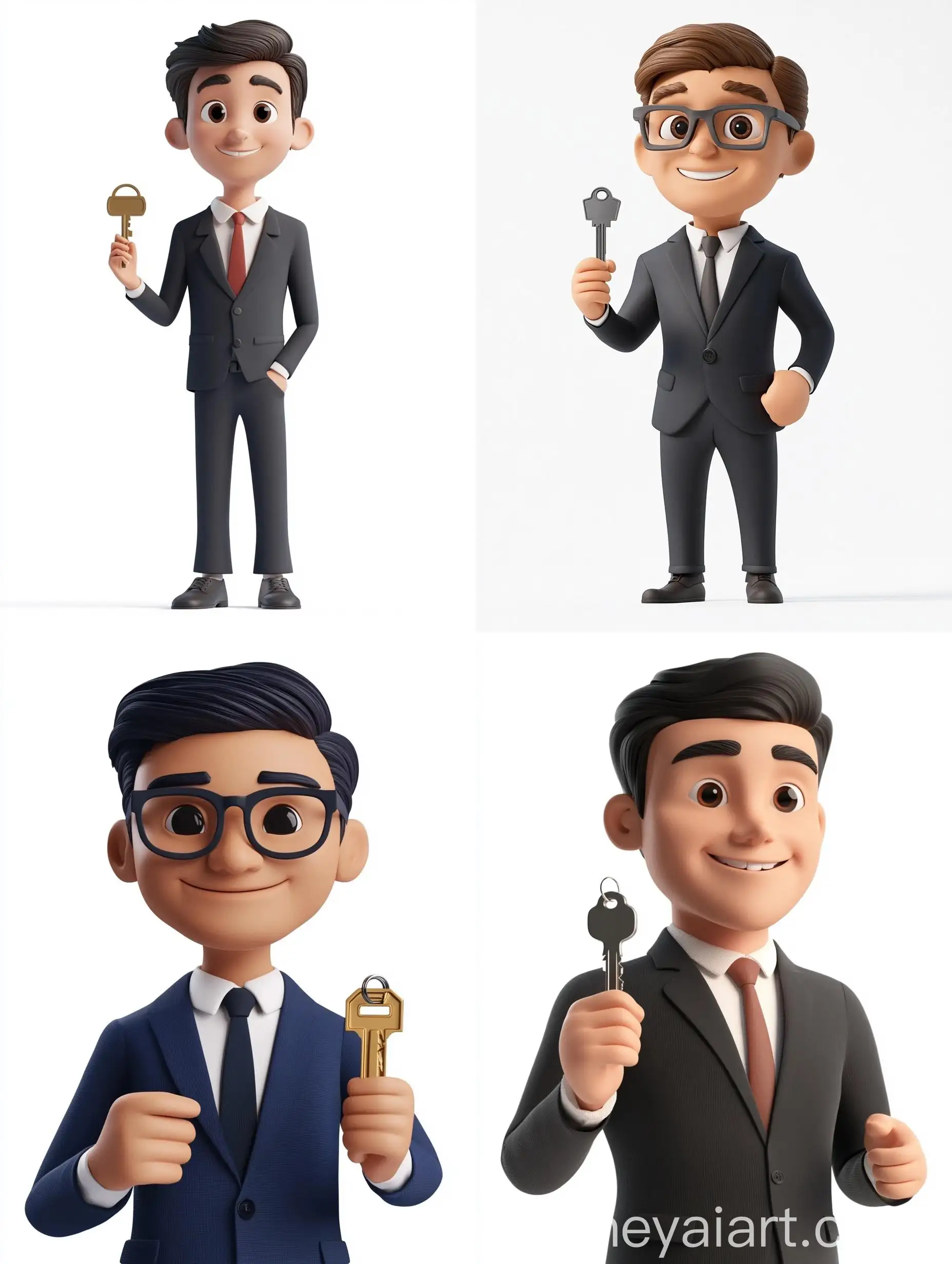
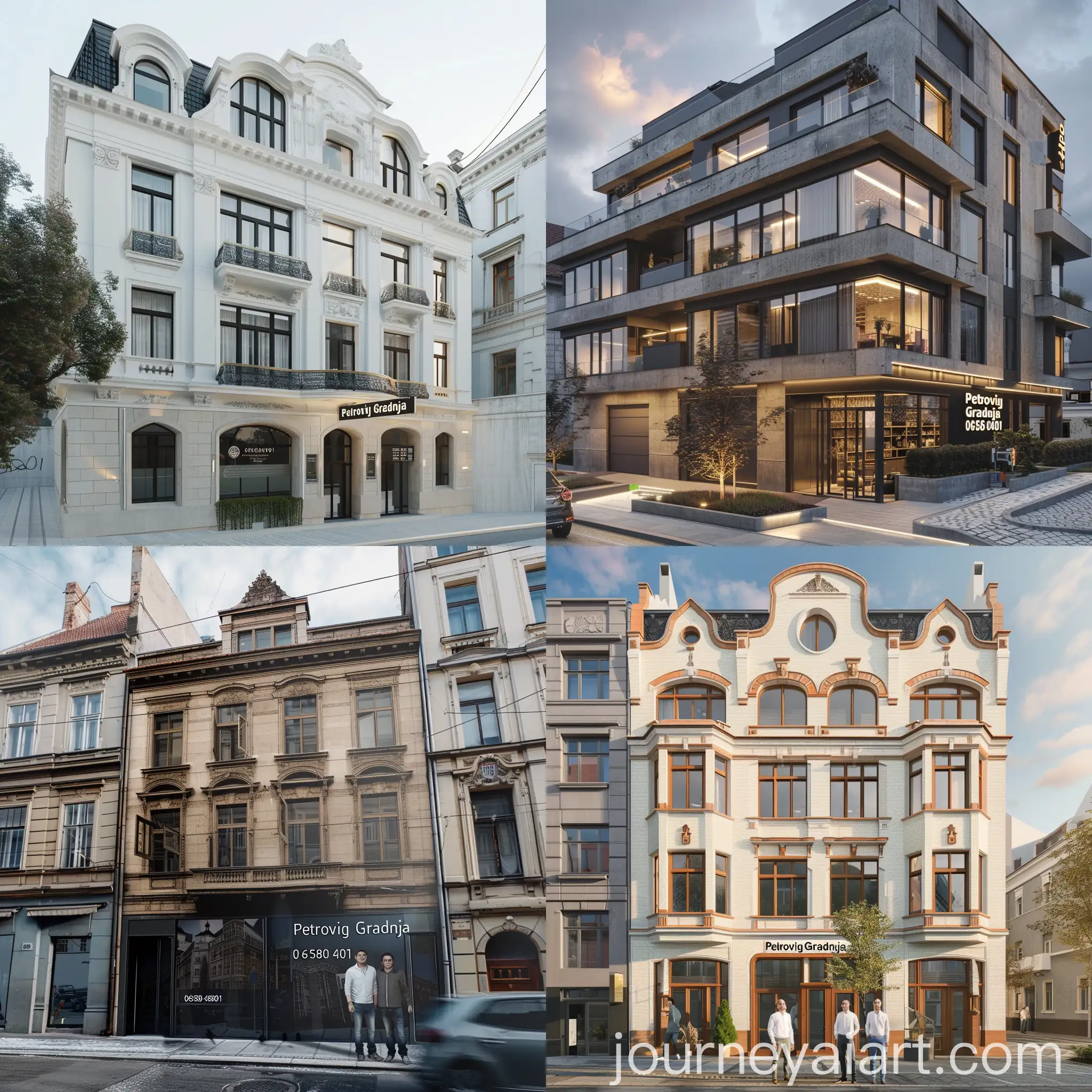
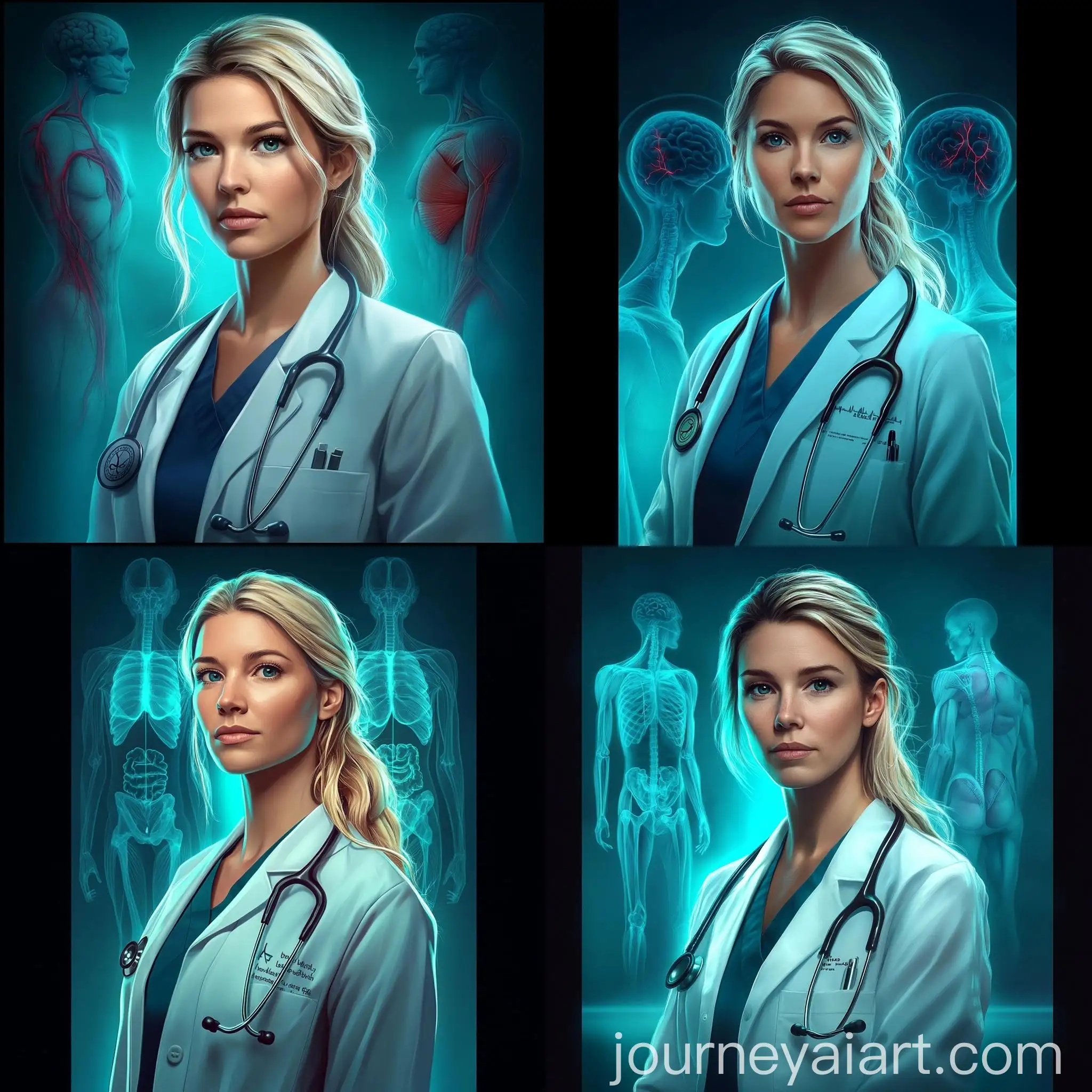
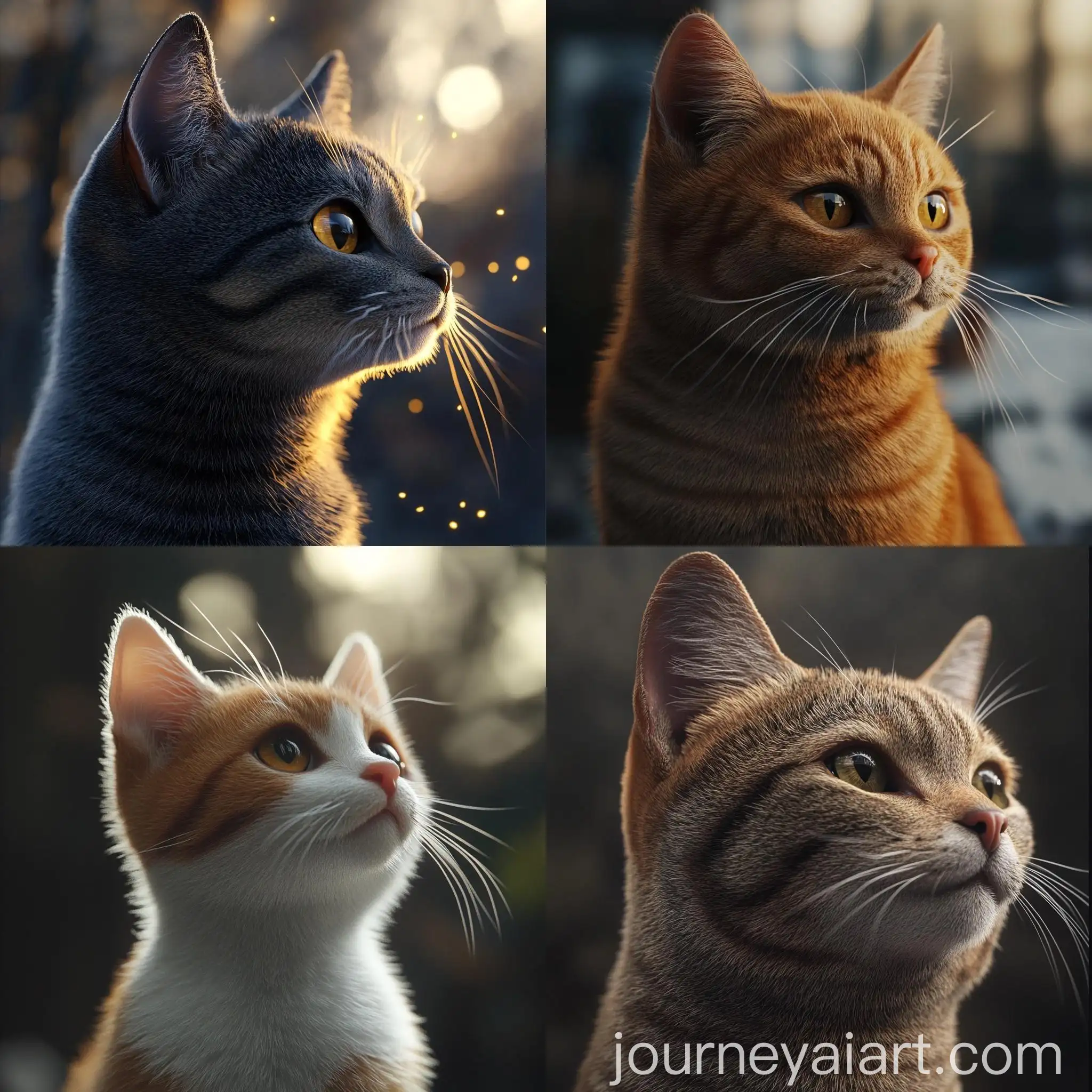
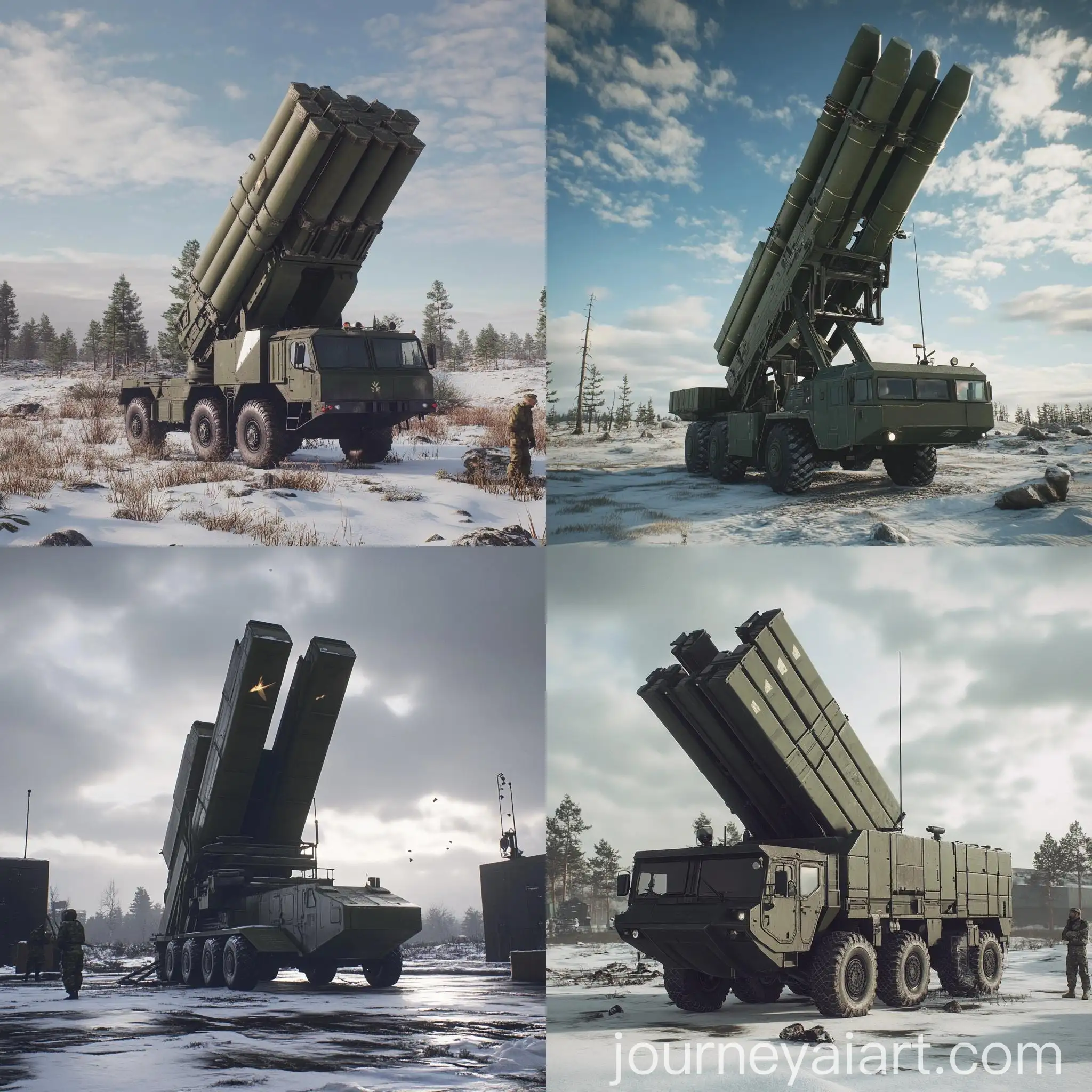
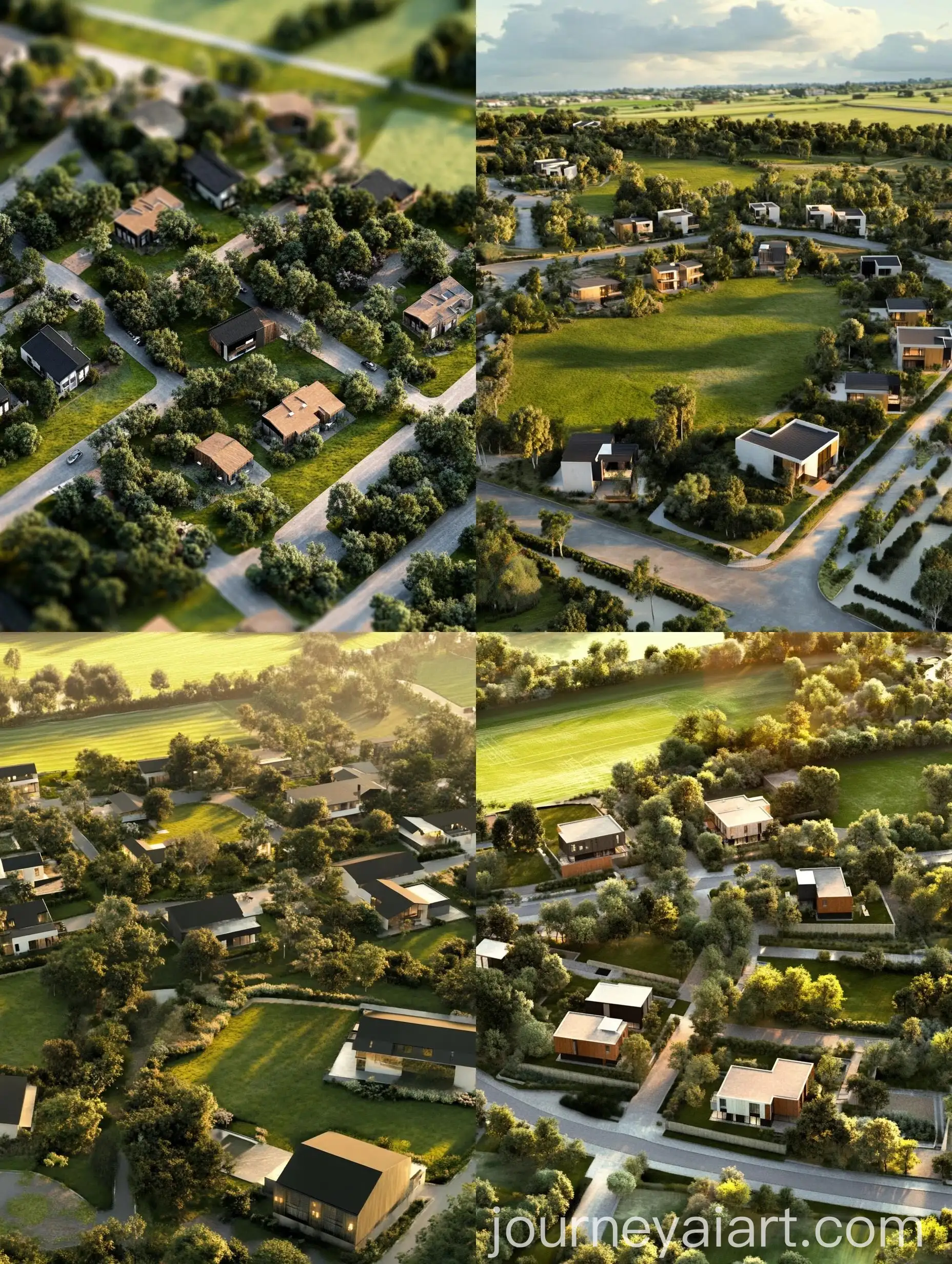
Realistic rendering involves creating images that closely mimic real-life scenes and objects. This technique leverages advanced algorithms and deep learning models to generate highly detailed and lifelike visuals. In the context of AI-generated images, realistic rendering aims to produce images that are indistinguishable from photographs, offering high fidelity in texture, lighting, and perspective.
Understanding Realistic Rendering in AI-Generated Images
Realistic rendering is widely used across multiple industries. In architecture, it allows for the creation of detailed visualizations of buildings and interiors before construction begins. The gaming industry uses realistic rendering to create immersive environments and lifelike characters. Additionally, in advertising and marketing, realistic rendered images help in showcasing products with high detail and accuracy, enhancing visual appeal and customer engagement.
Applications of Realistic Rendering in Various Industries
Achieving realistic rendering requires a combination of sophisticated techniques and powerful tools. Techniques such as ray tracing and global illumination are crucial for simulating realistic light behavior. Tools like Blender, Autodesk 3ds Max, and Unreal Engine are popular among artists and designers for creating high-quality rendered images. These tools provide a range of features and capabilities, allowing for precise control over every aspect of the rendering process.
Notable Techniques and Tools for Achieving Realistic Rendering
The future of realistic rendering is poised to be even more advanced with the integration of AI and machine learning. These technologies are expected to streamline the rendering process, making it faster and more efficient. Additionally, developments in virtual reality (VR) and augmented reality (AR) will leverage realistic rendering to create more immersive experiences. As hardware continues to improve, we can anticipate real-time rendering becoming increasingly feasible, opening up new possibilities in various fields such as entertainment, design, and education.
Future Trends in Realistic Rendering Technology