354 Free Motion blur Midjourney AI images
Welcome to our Motion Blur image collection, featuring 354 free AI-generated images. Explore a diverse array of stock photos, 3D objects, vectors, and illustrations showcasing the dynamic effect of motion blur. Enjoy high-resolution downloads and use our 'open in editor' feature to customize prompts for your perfect motion-blurred image.
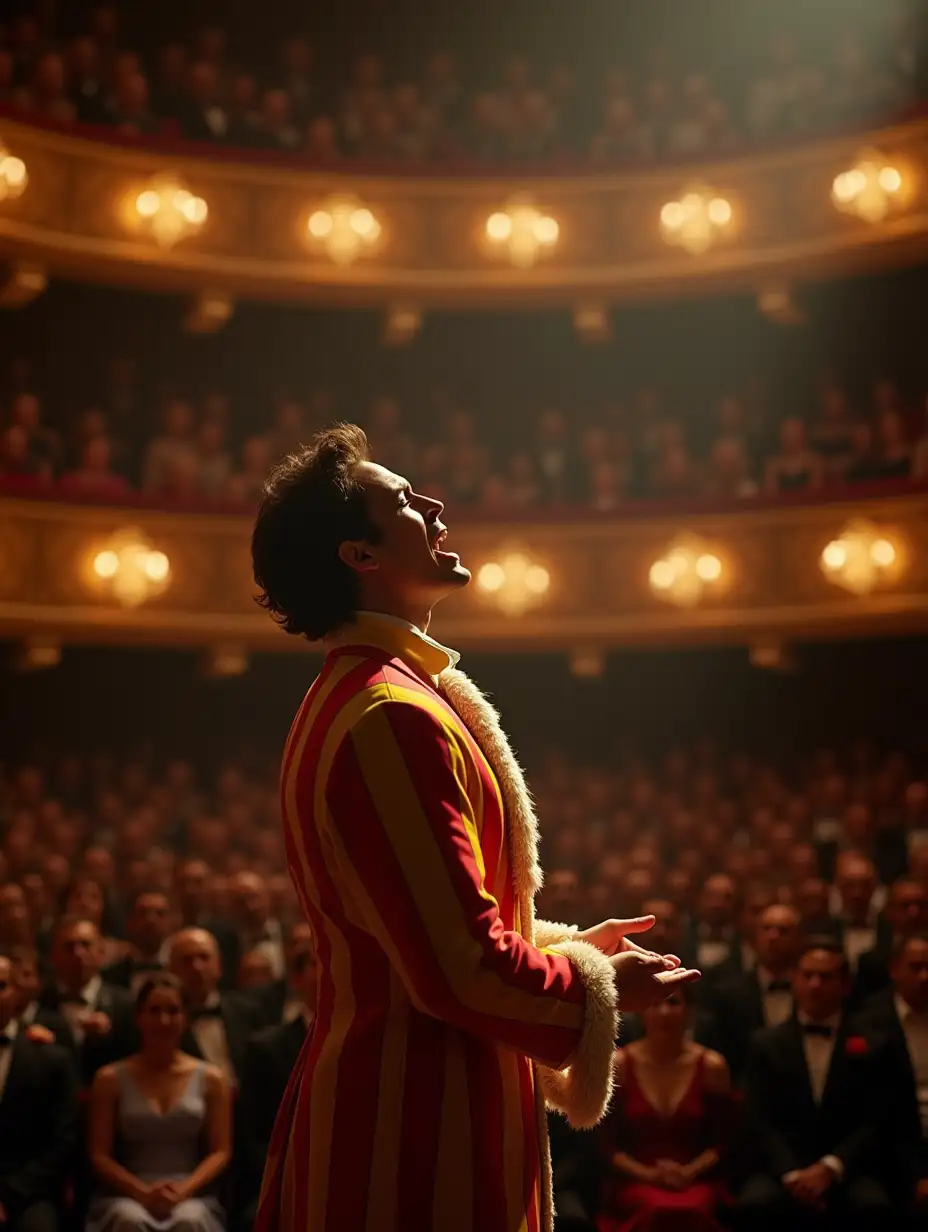
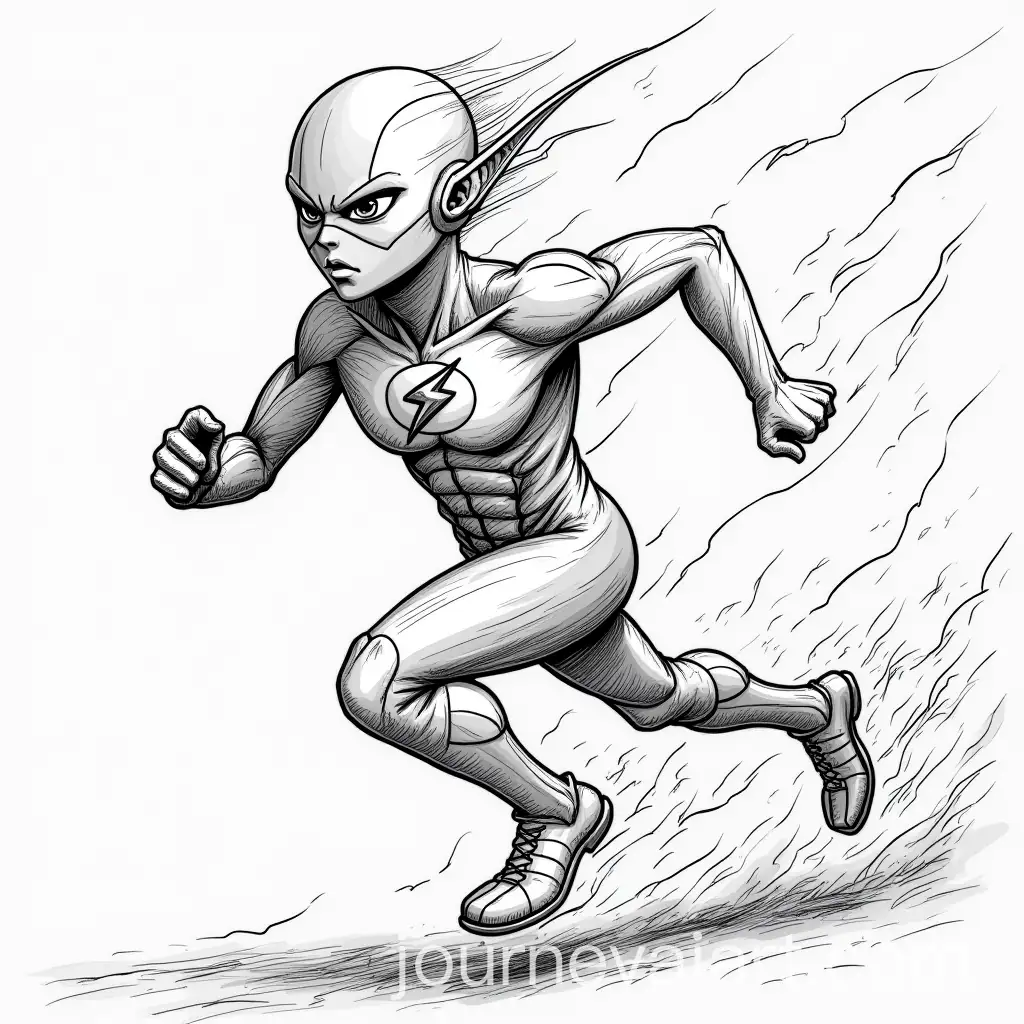
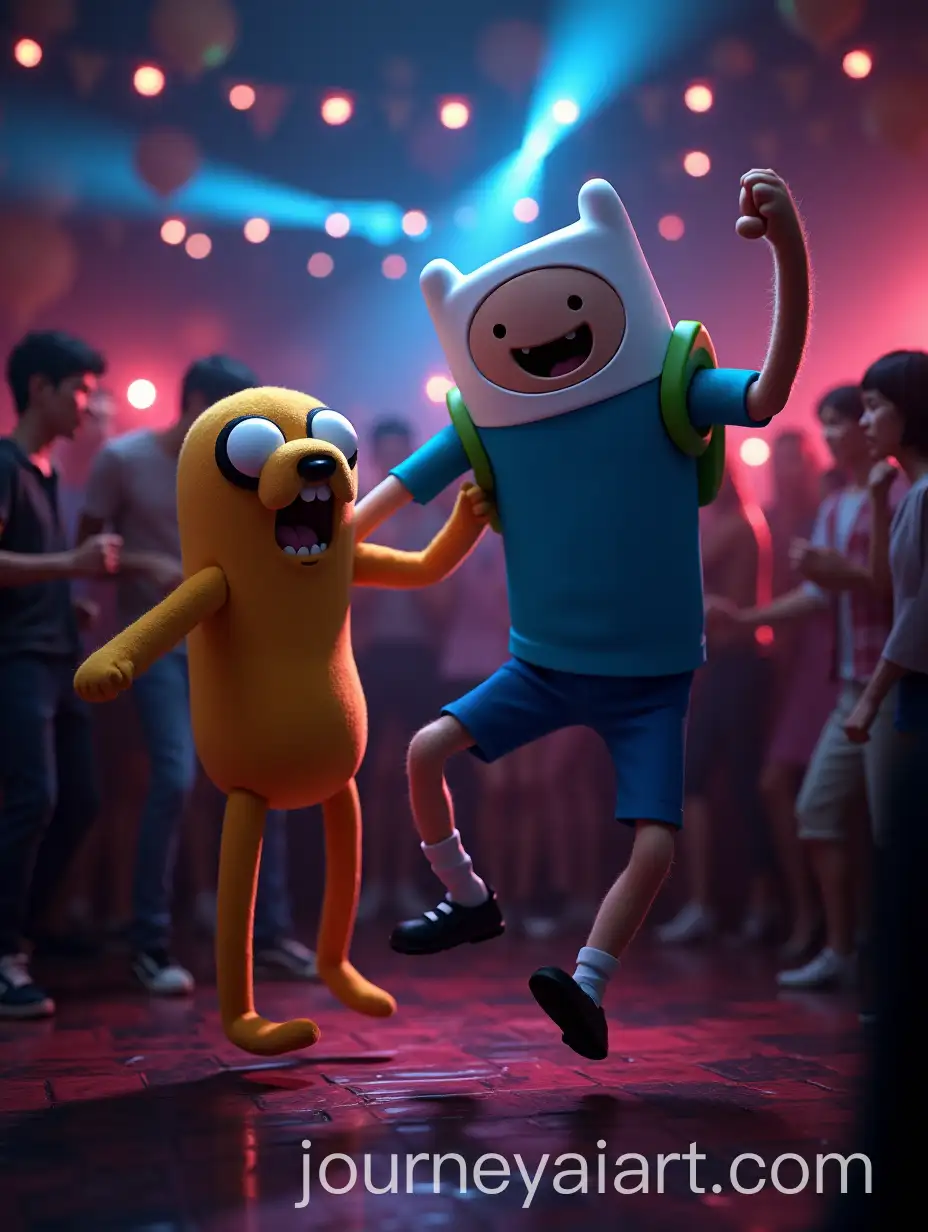
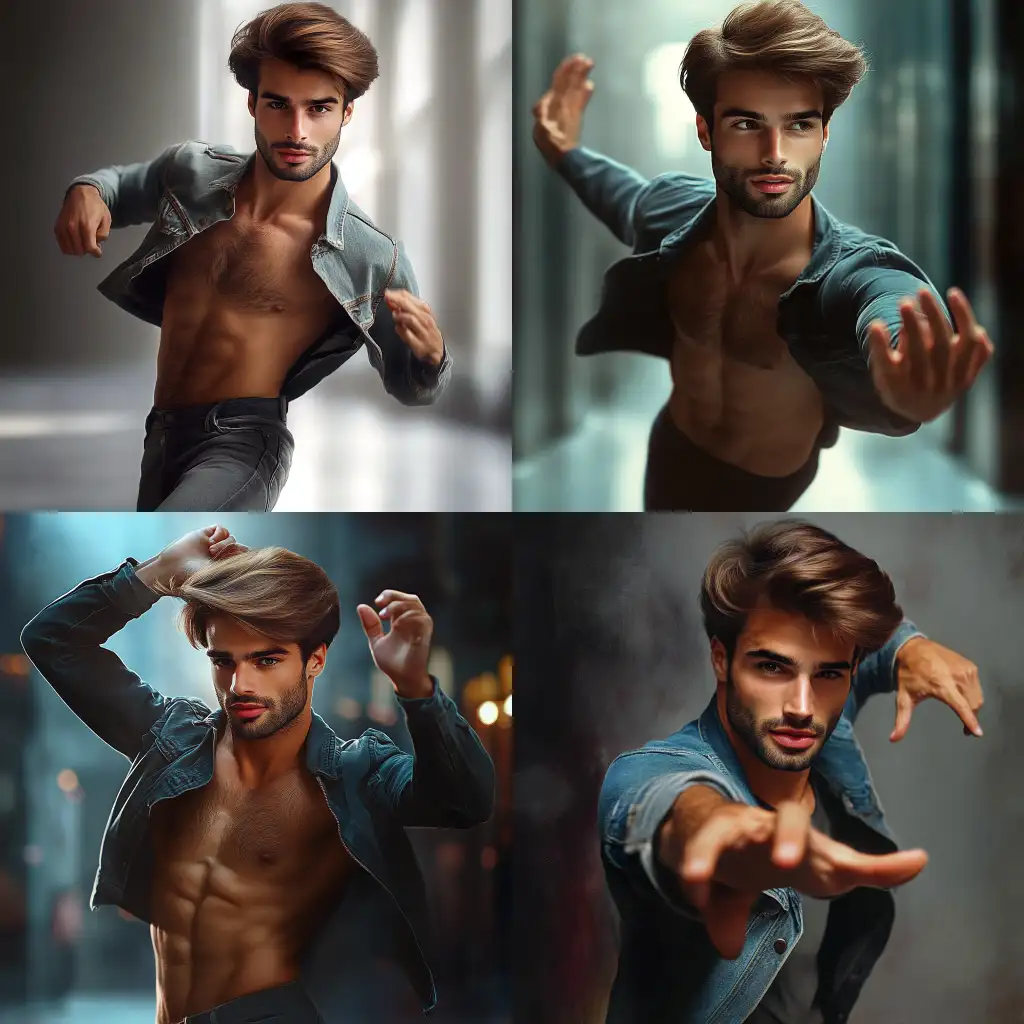
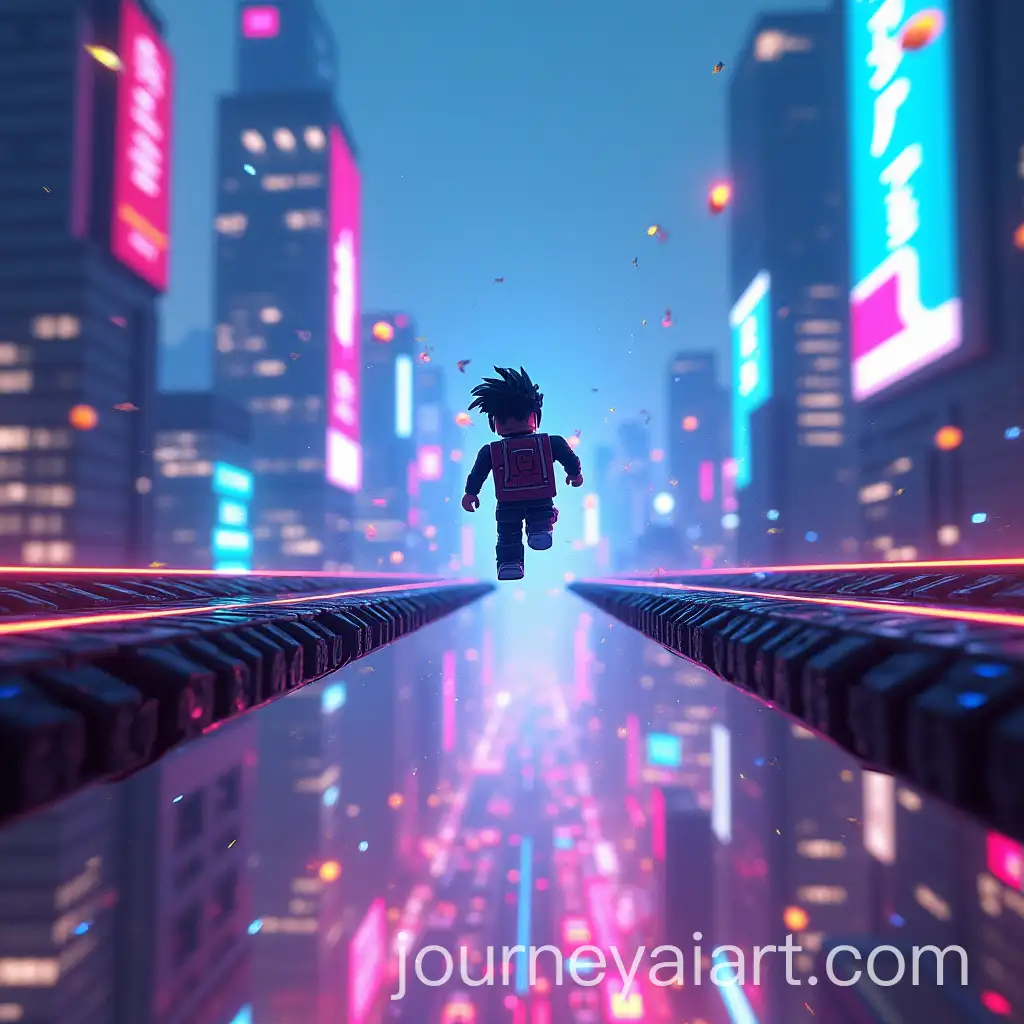
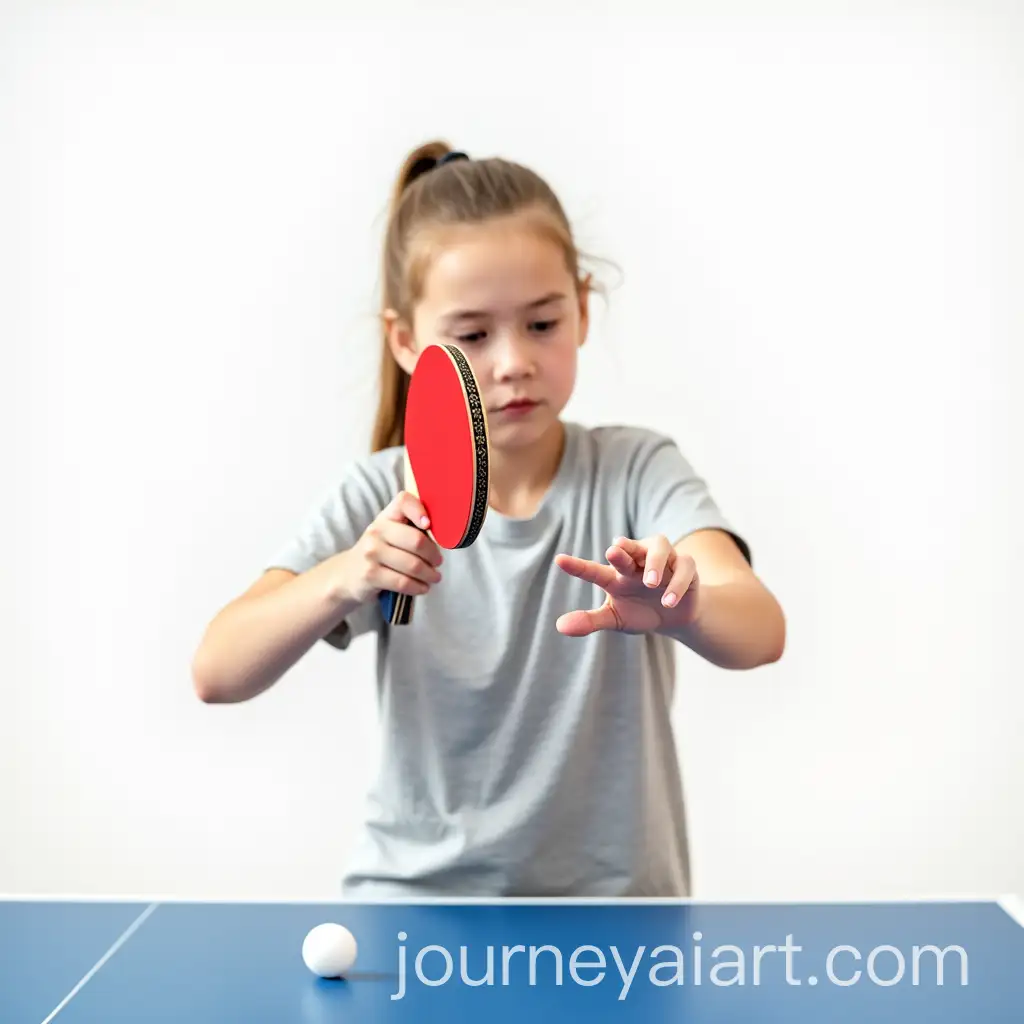
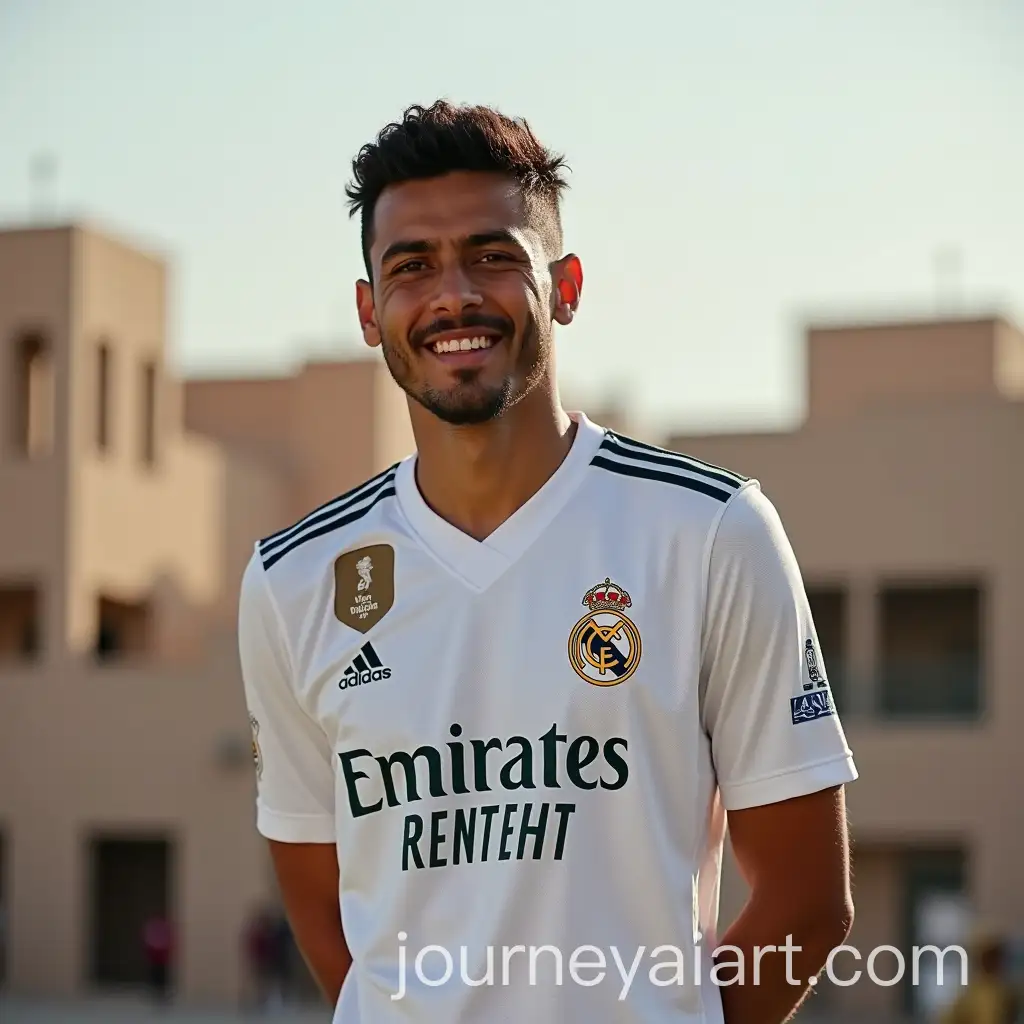
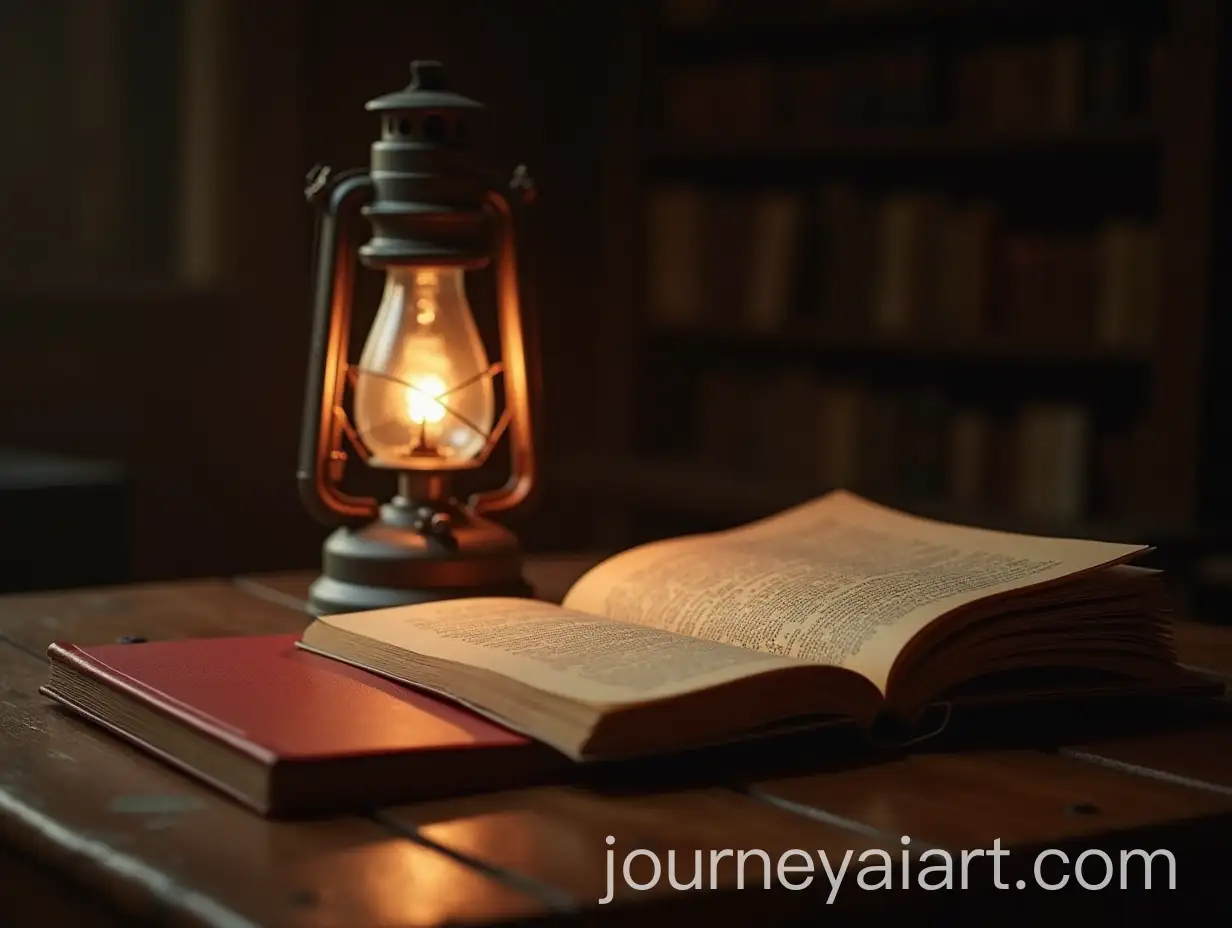
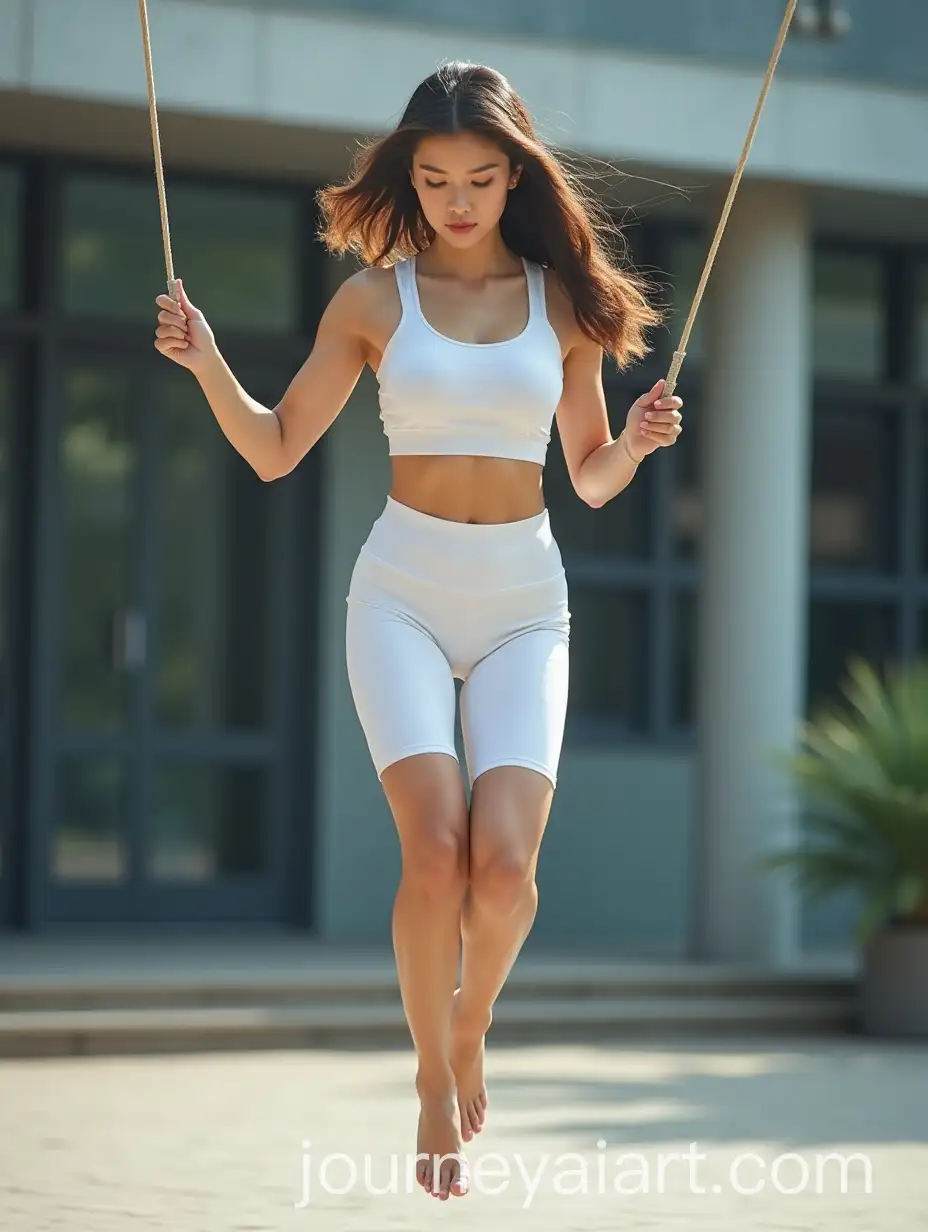
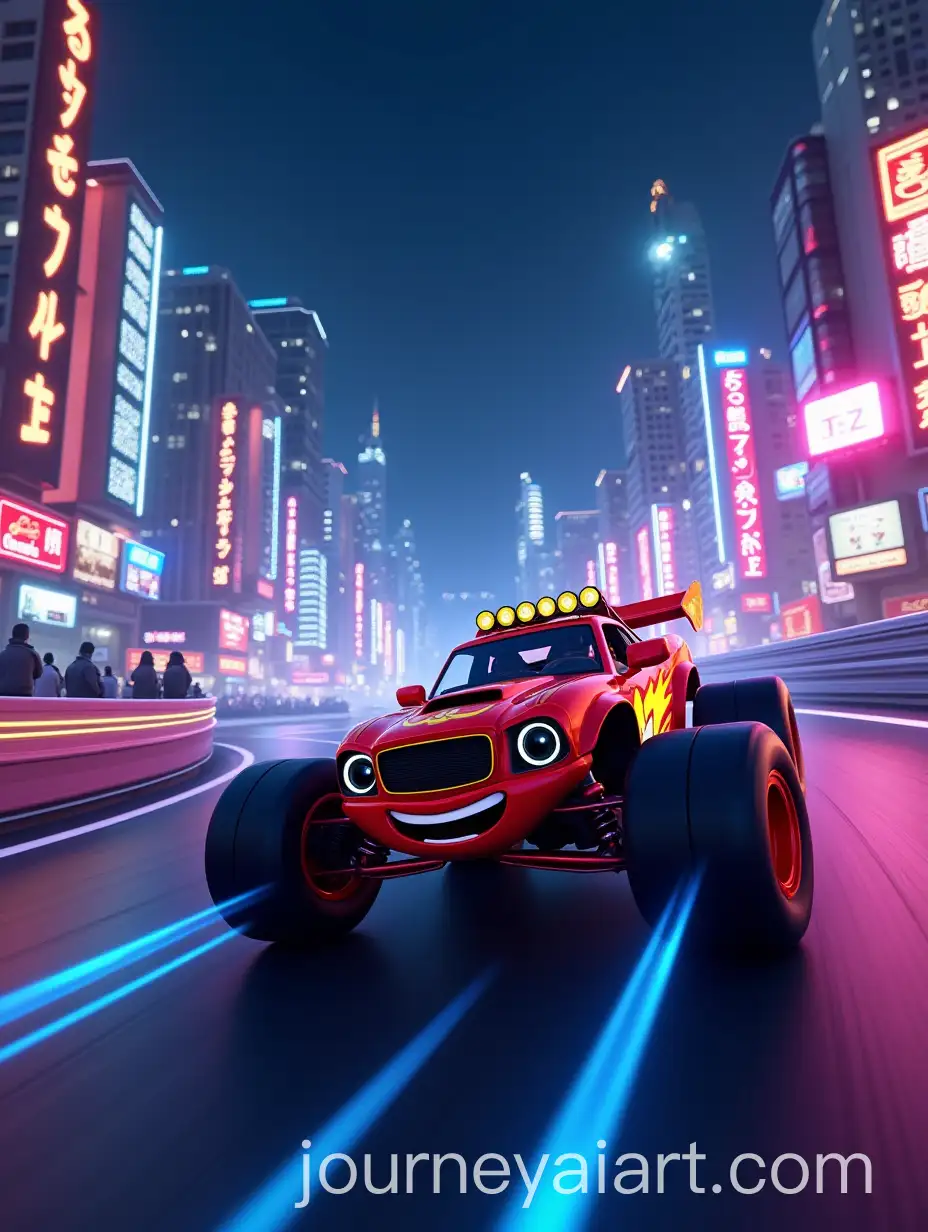
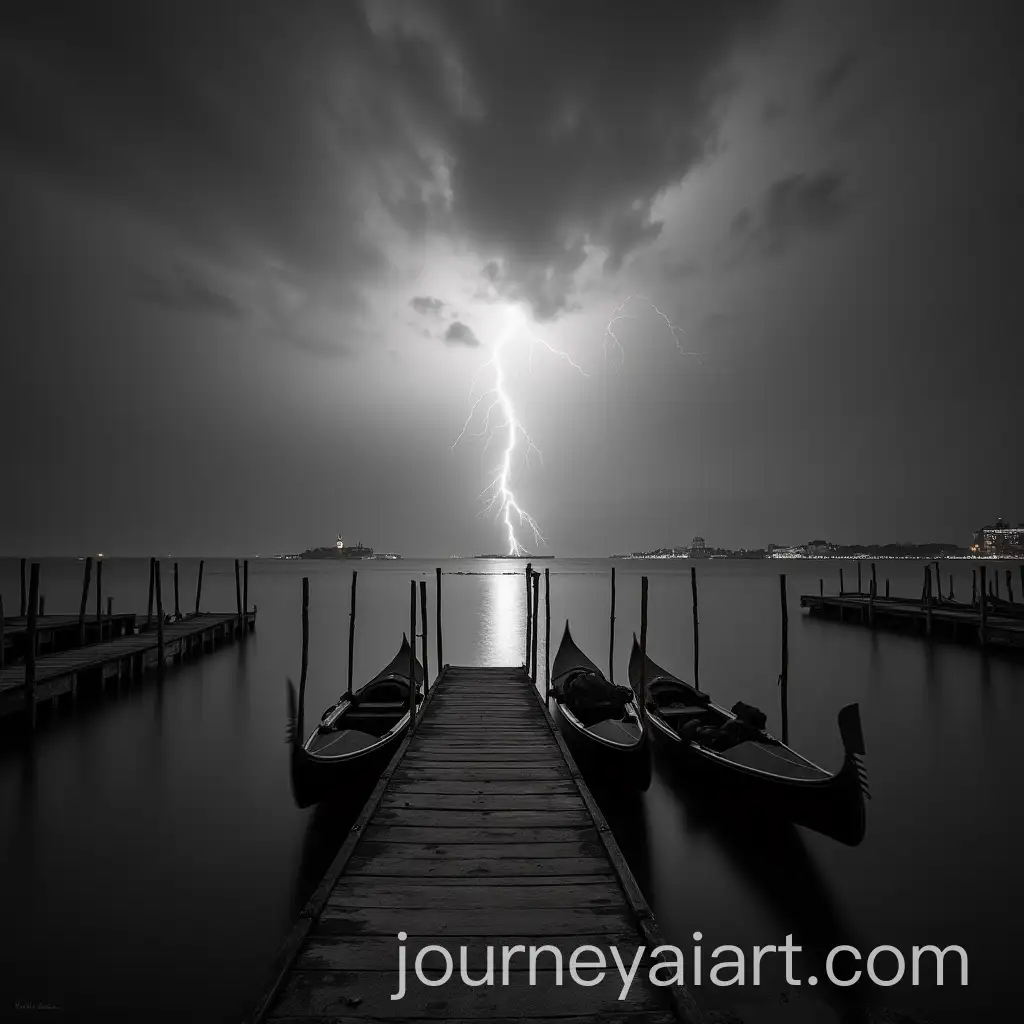

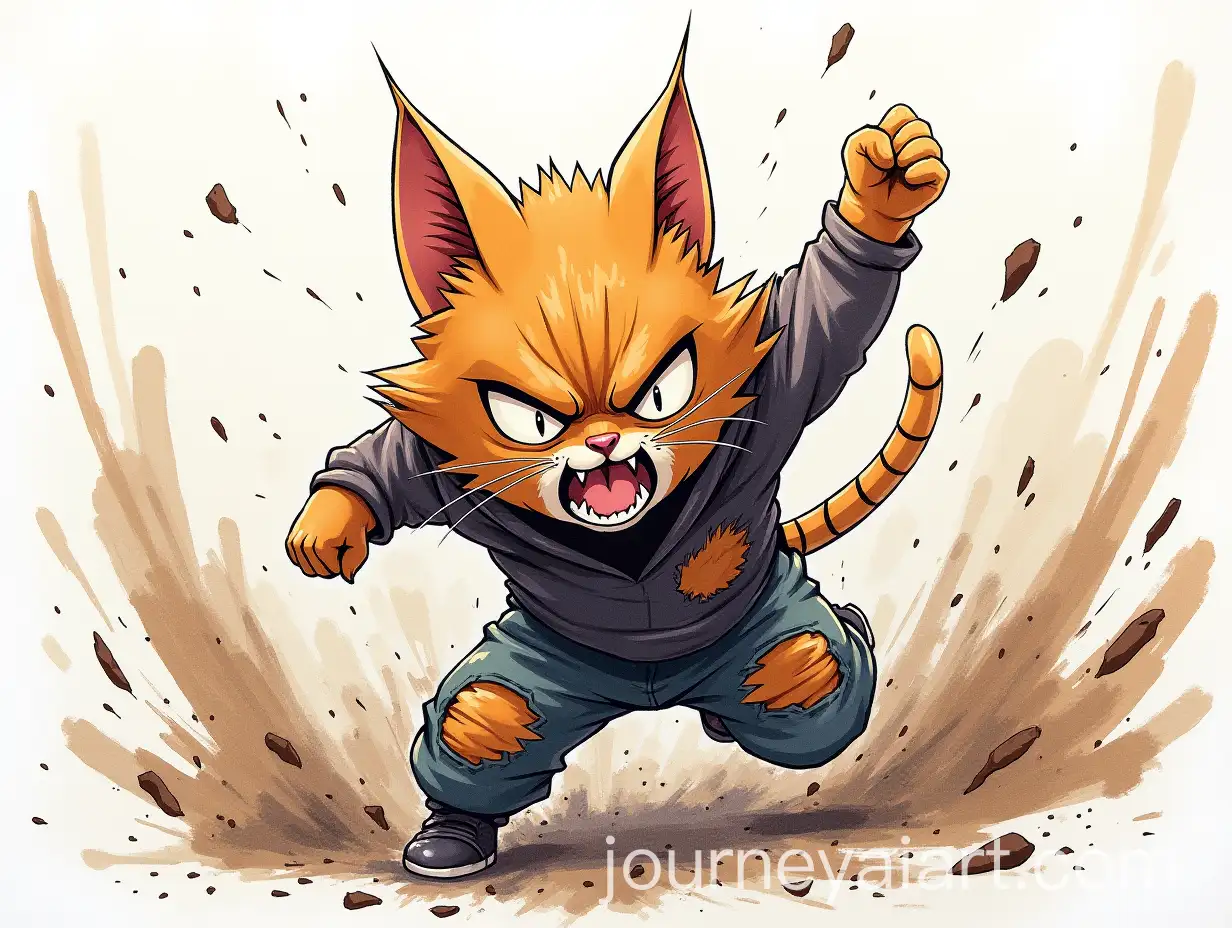
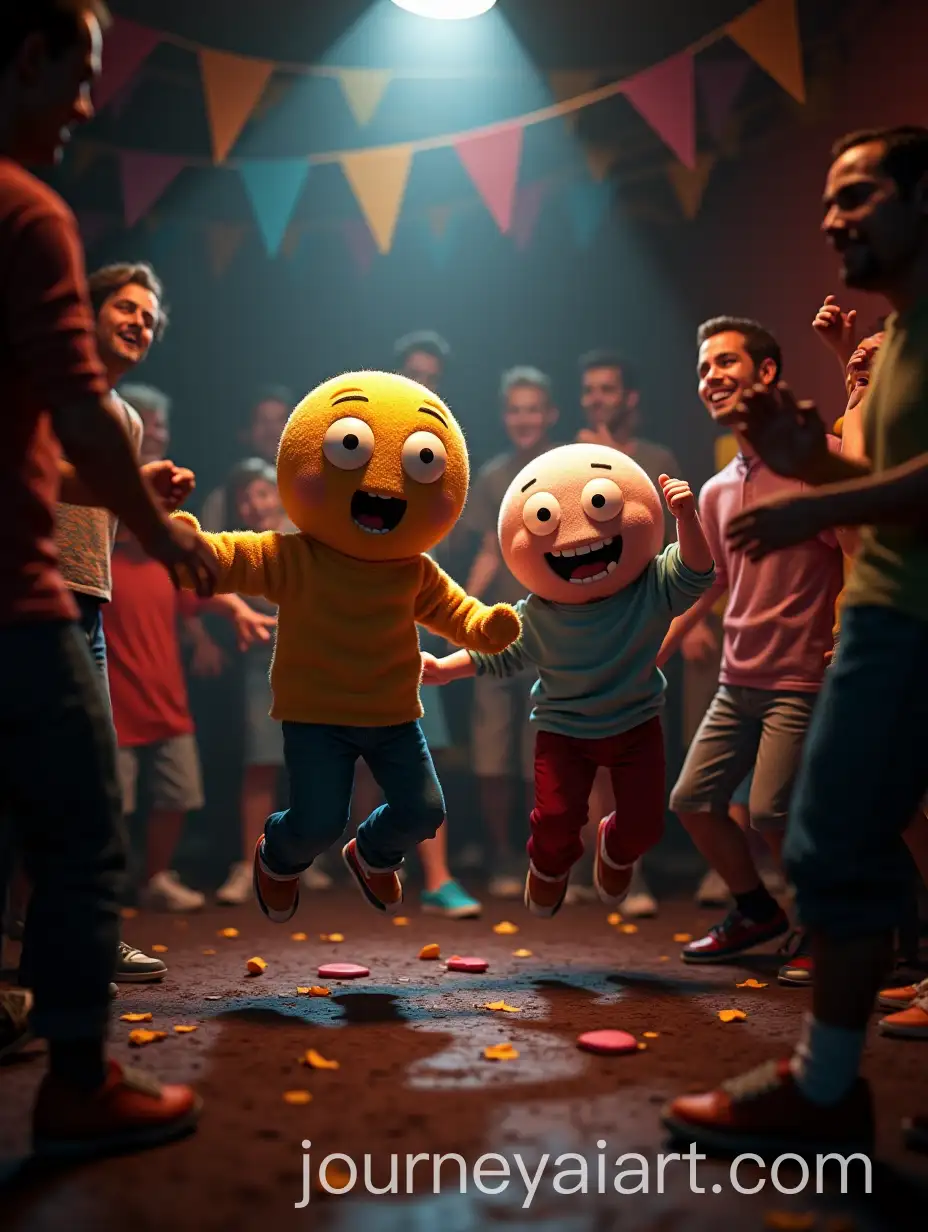
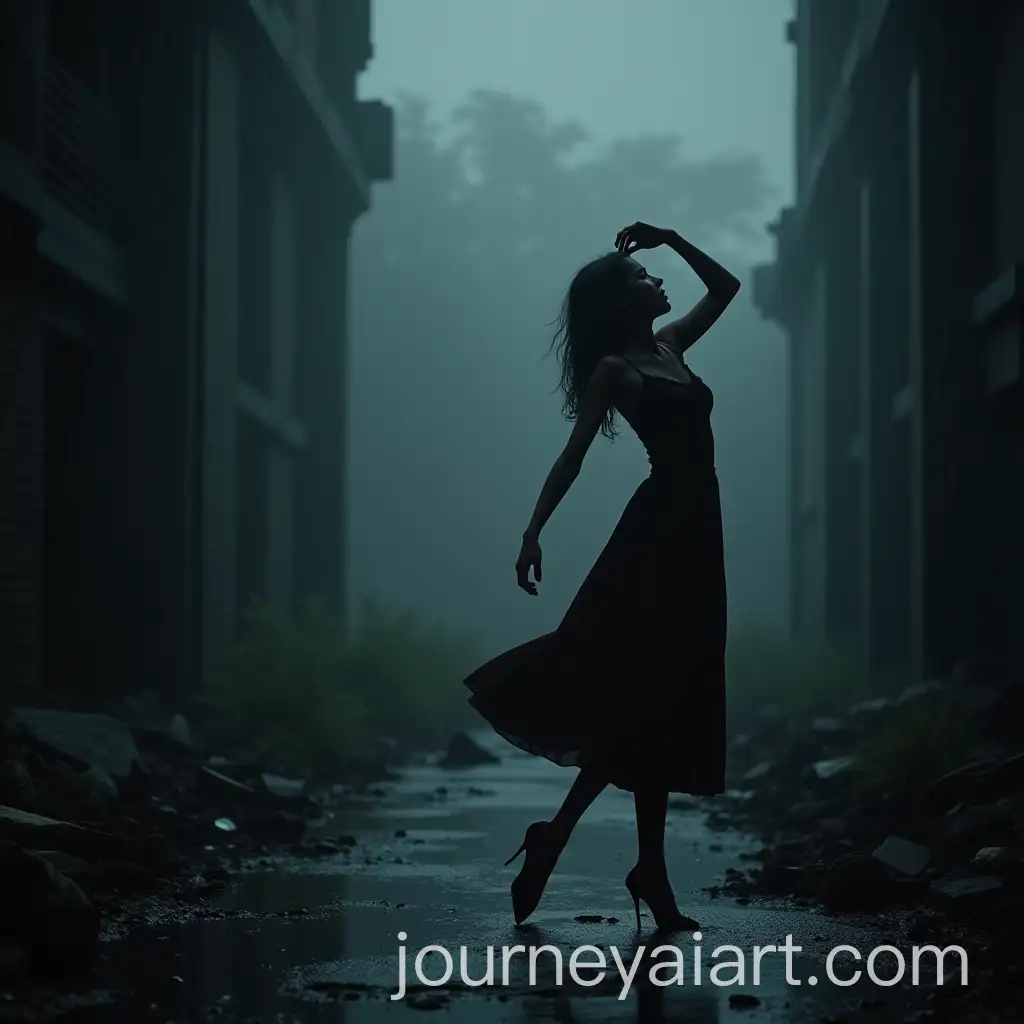
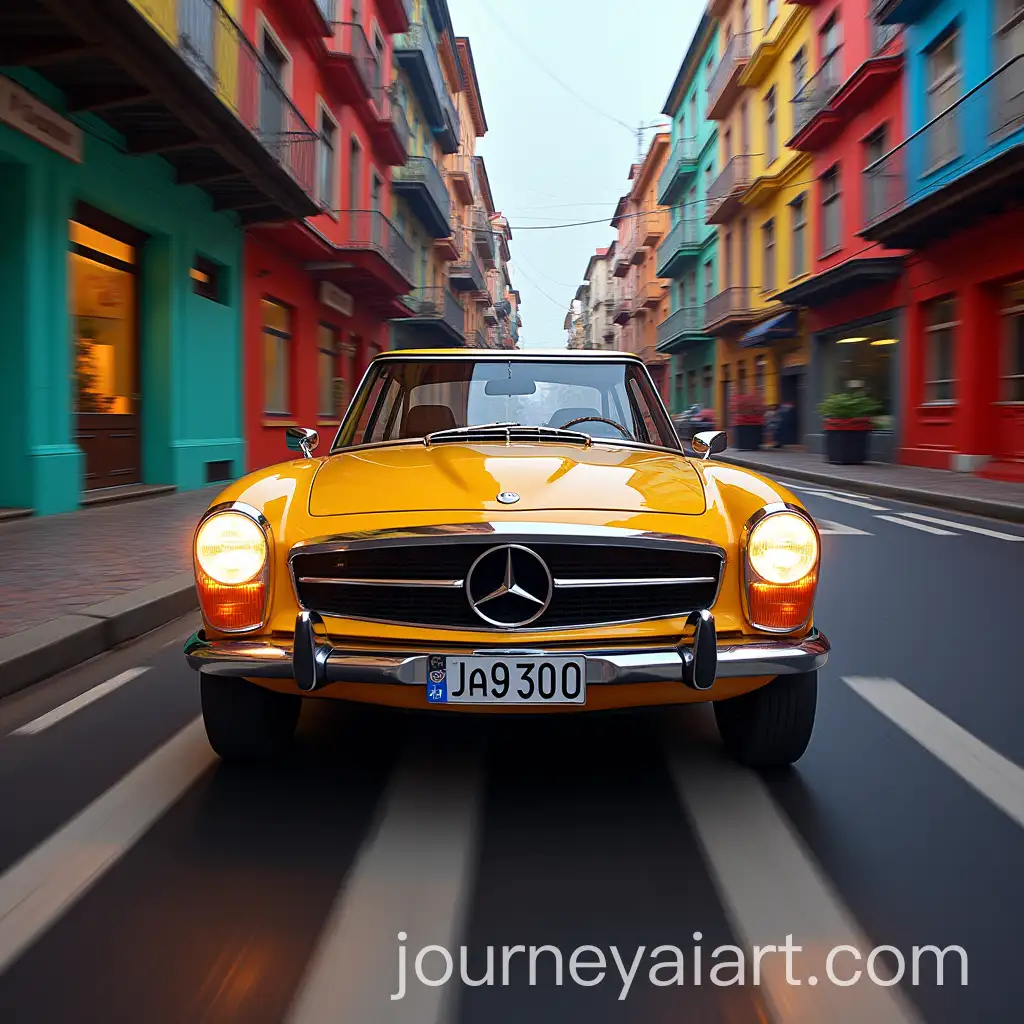
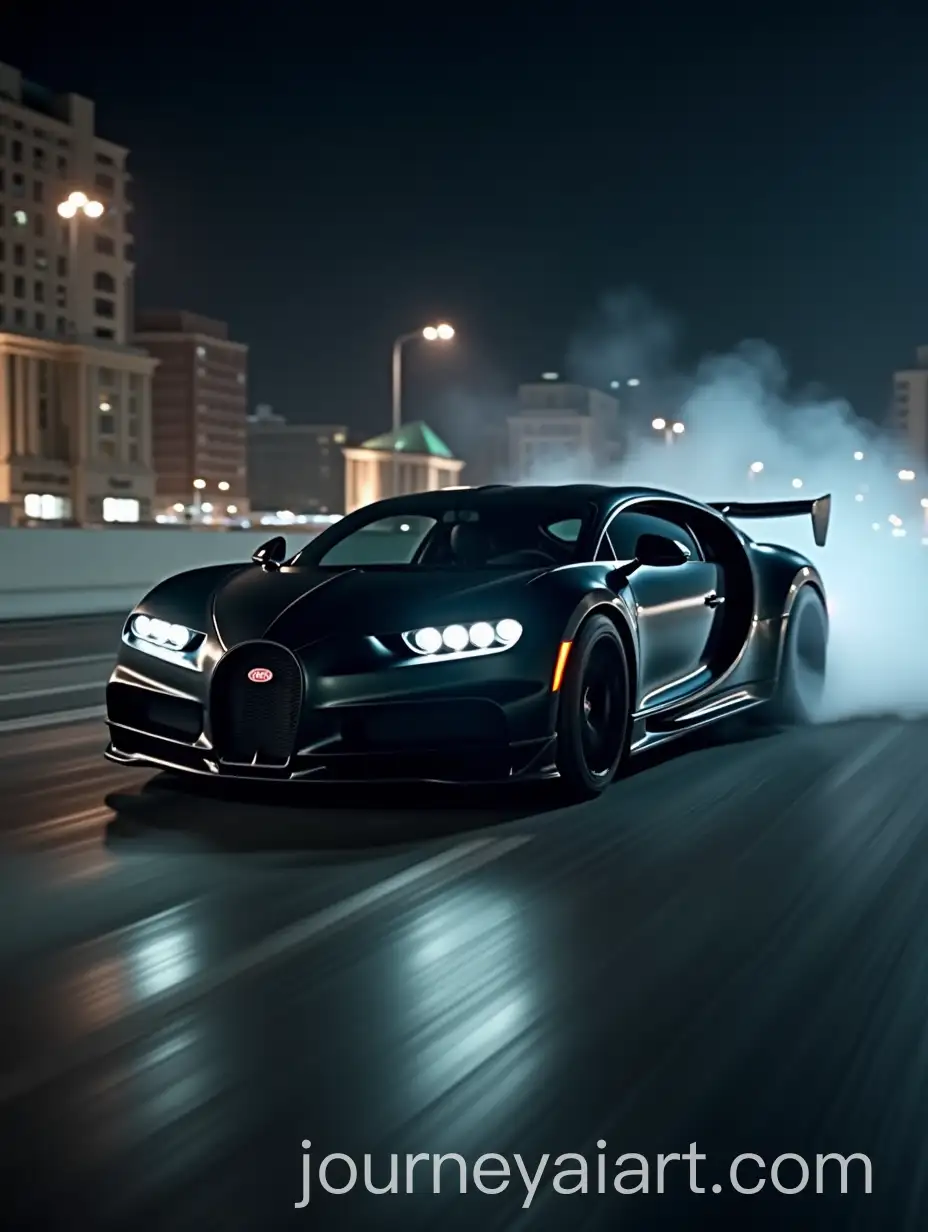
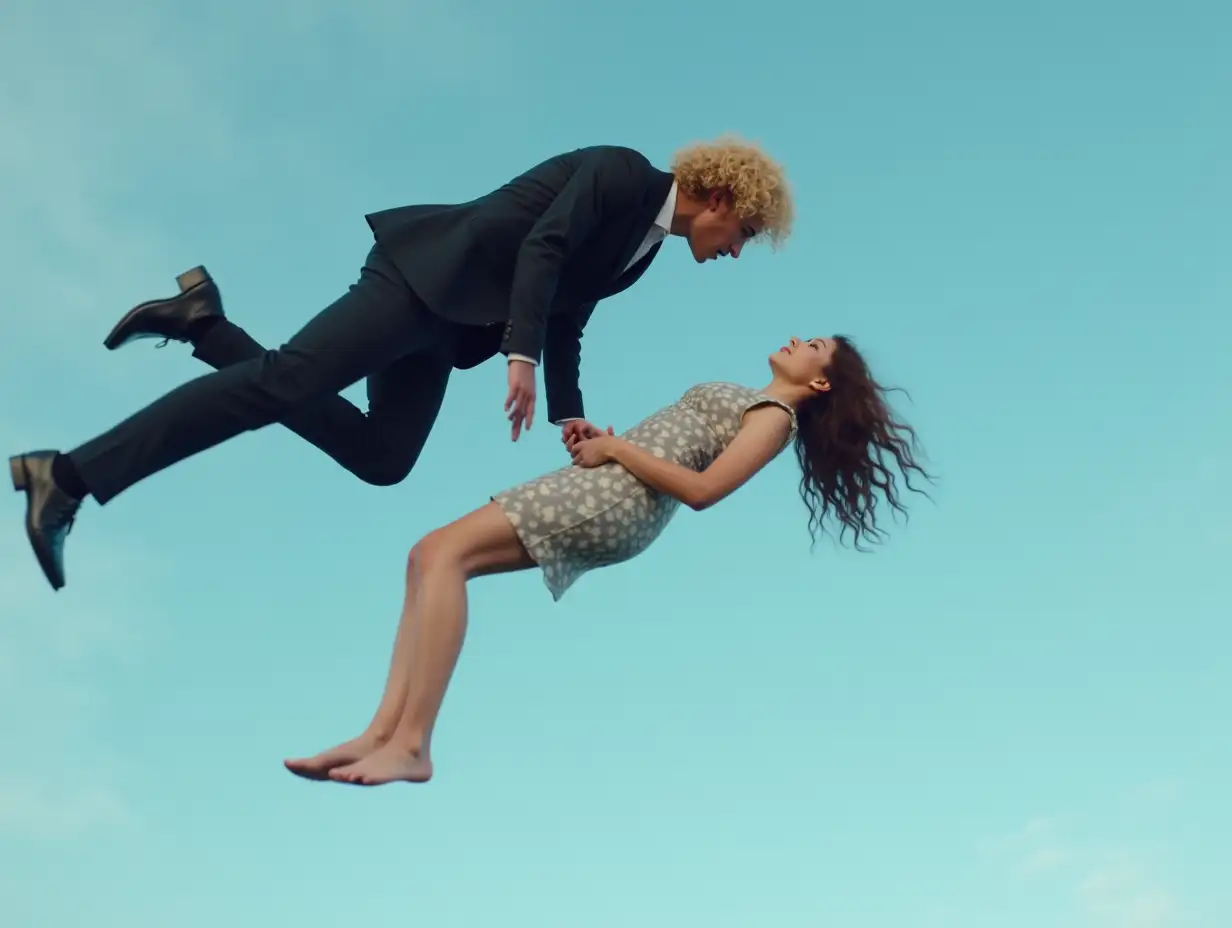
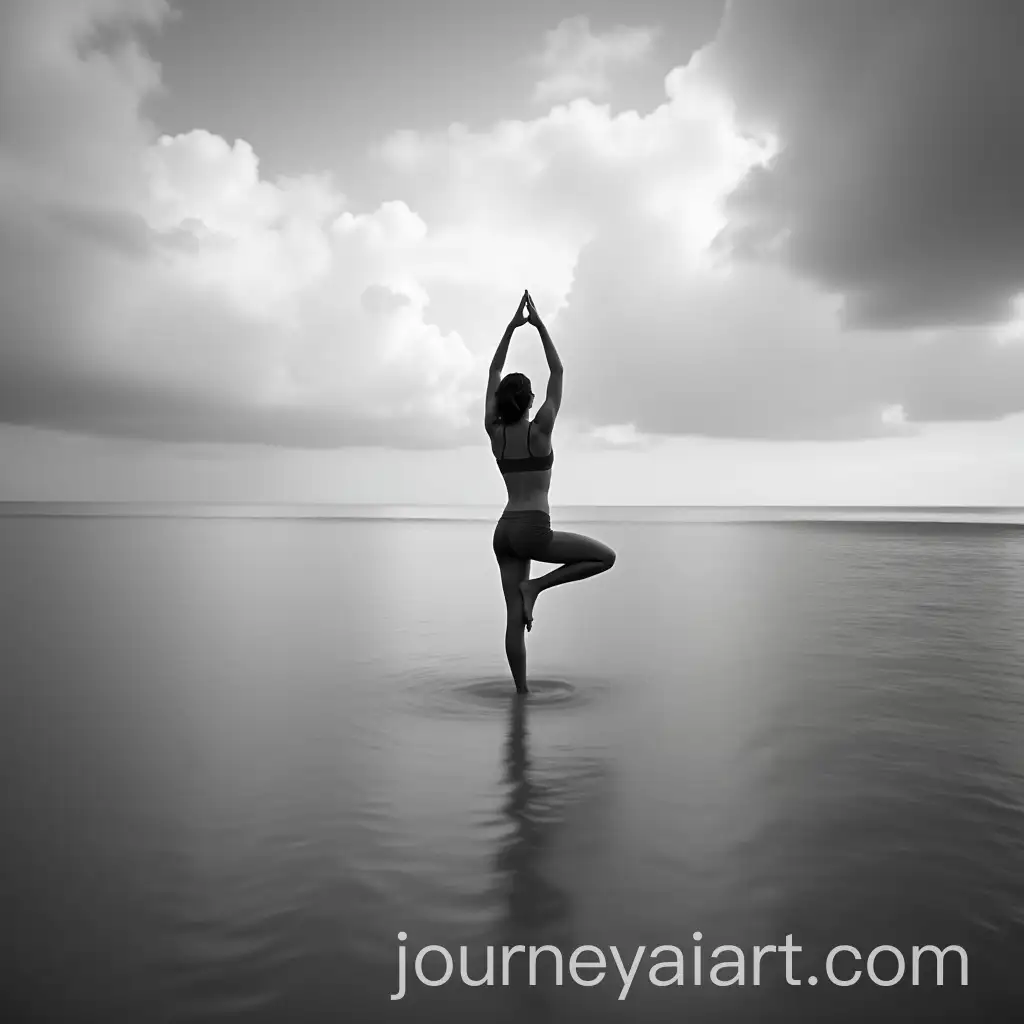
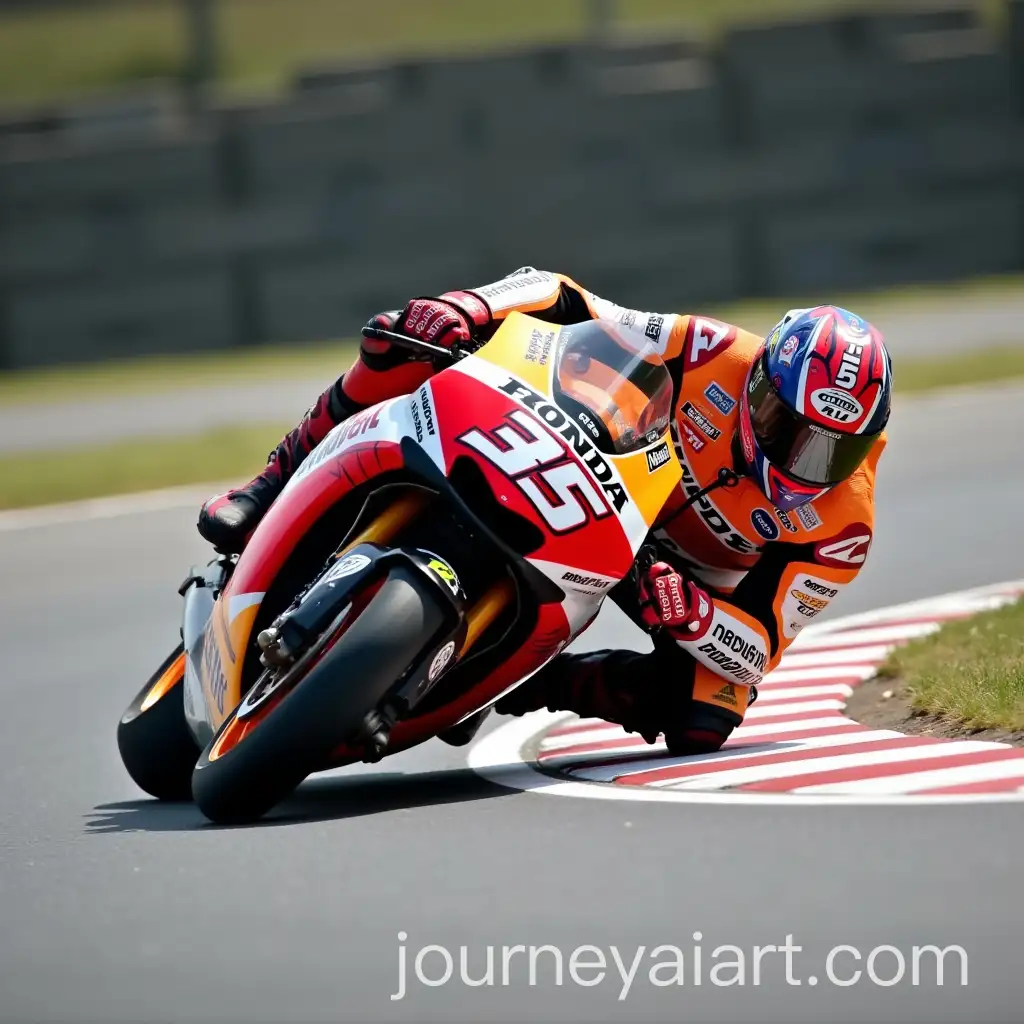
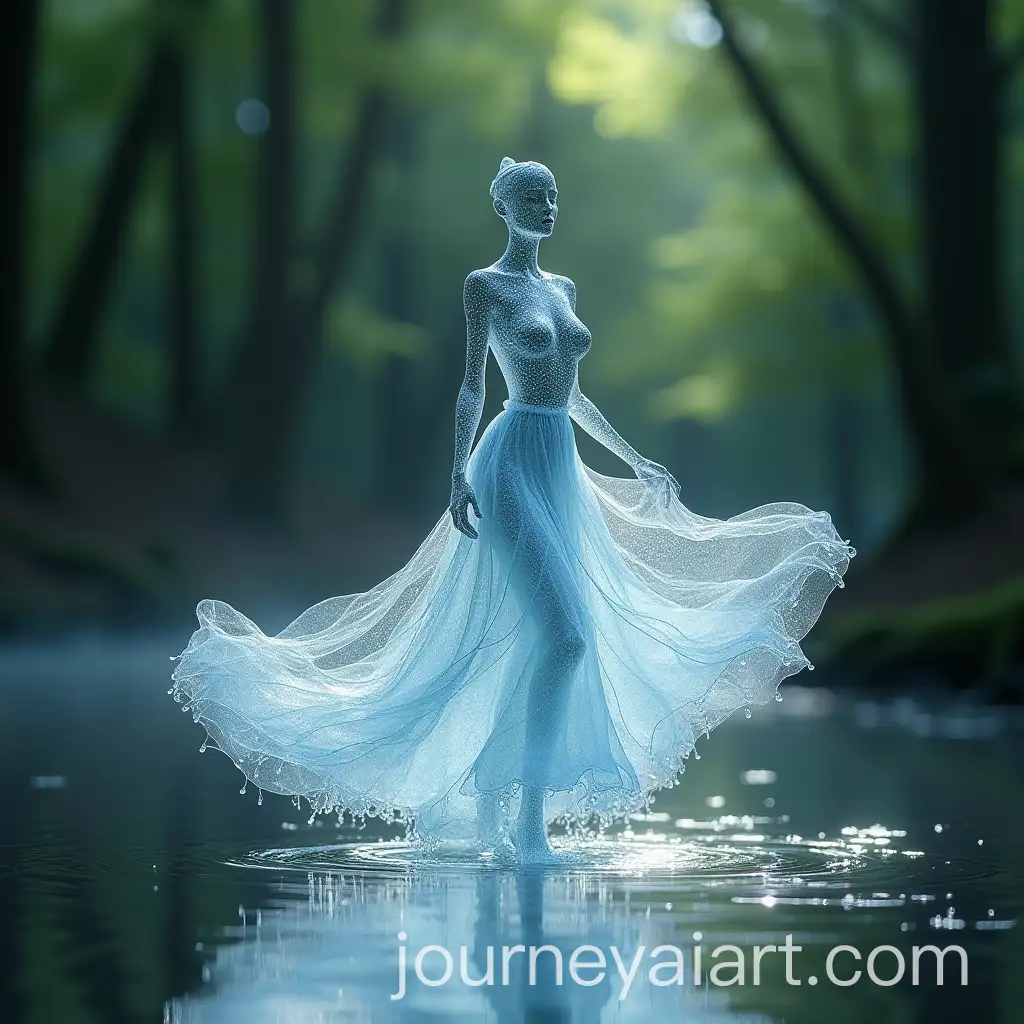
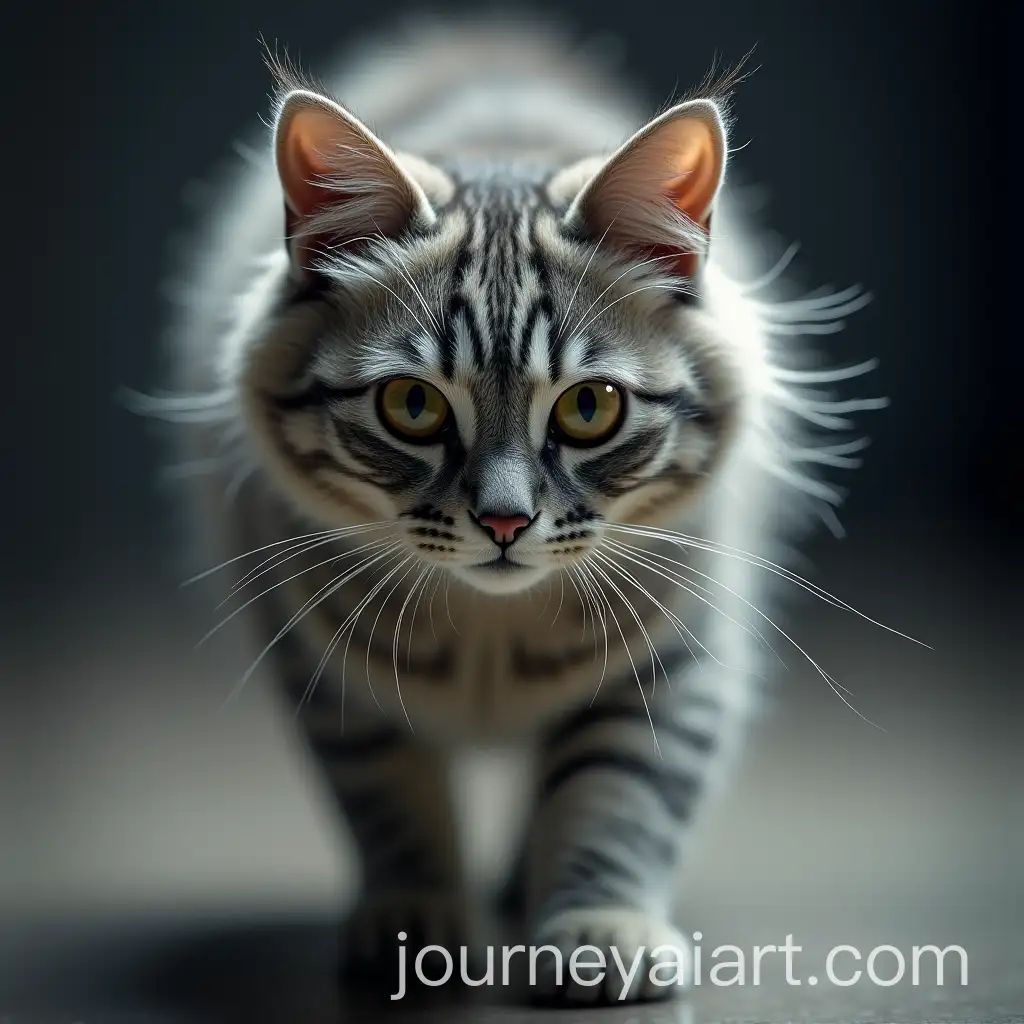
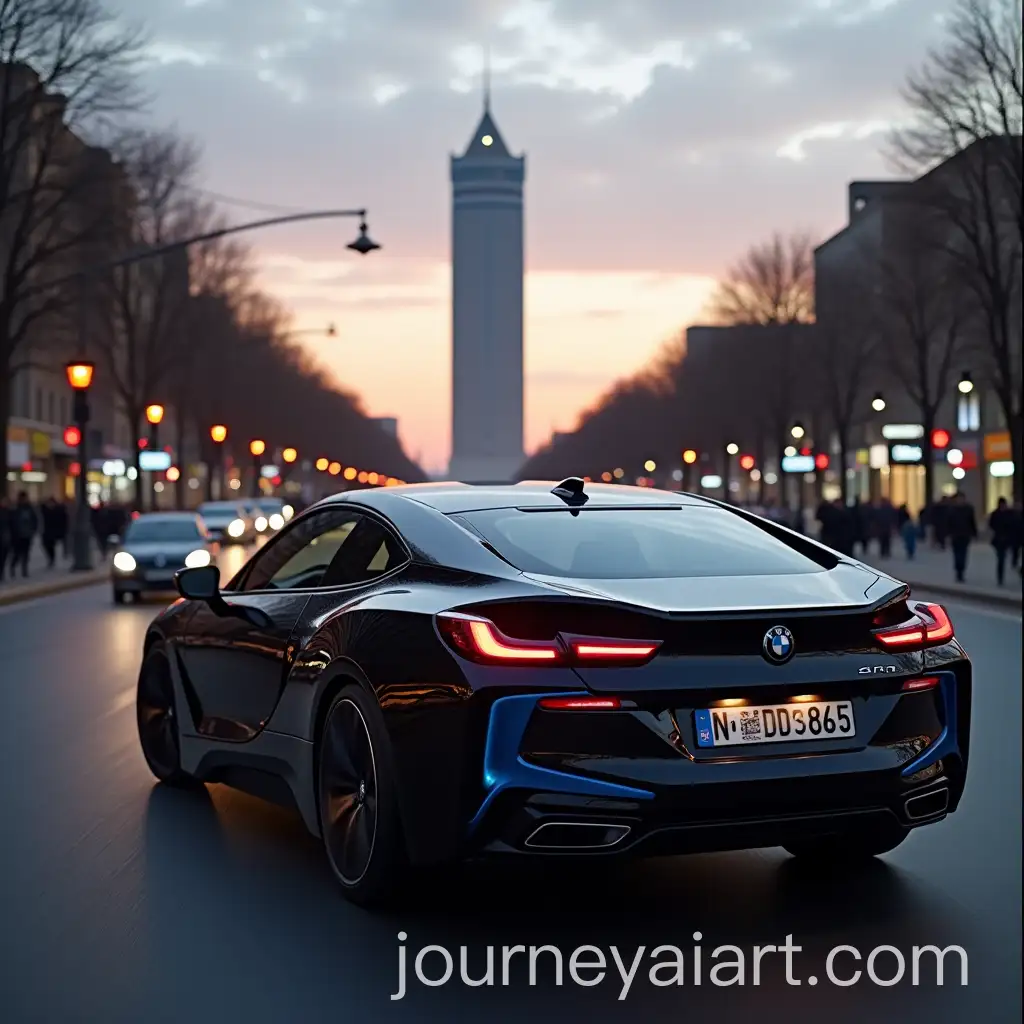
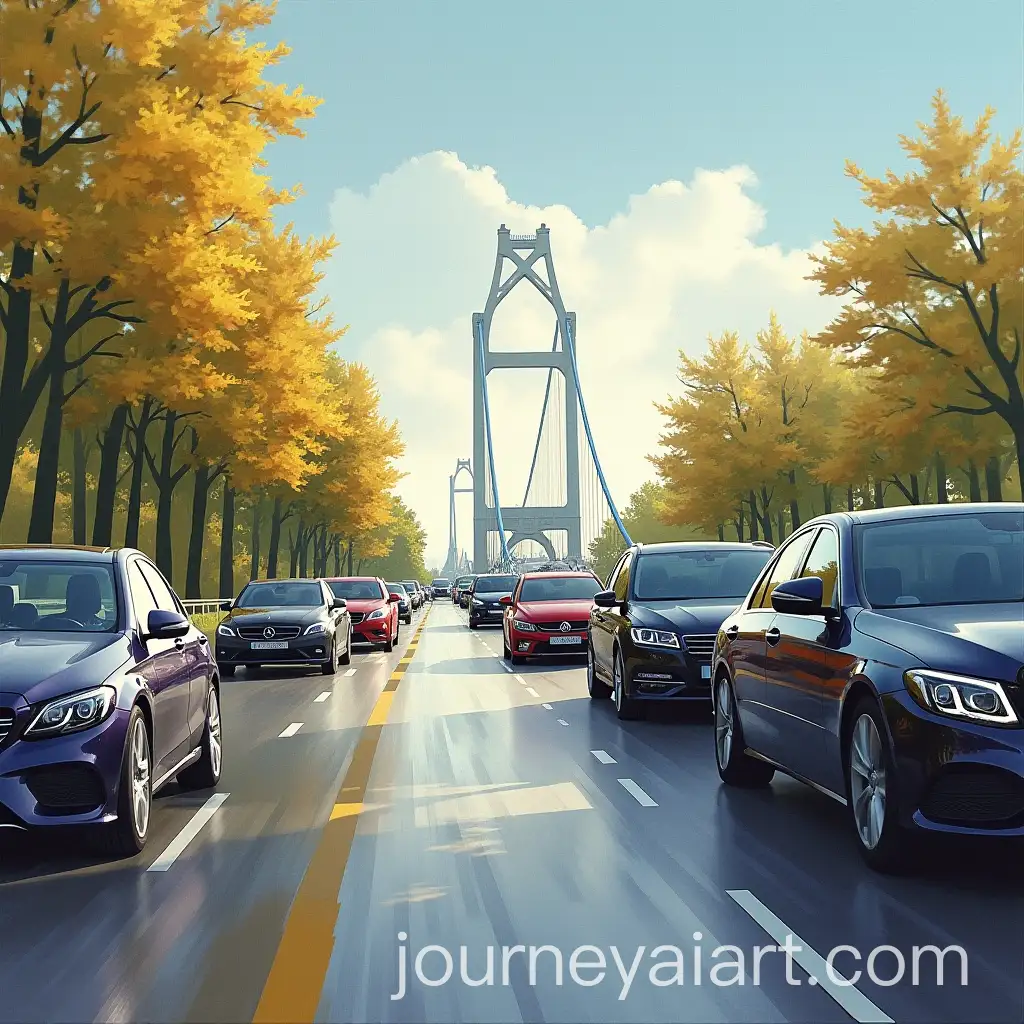
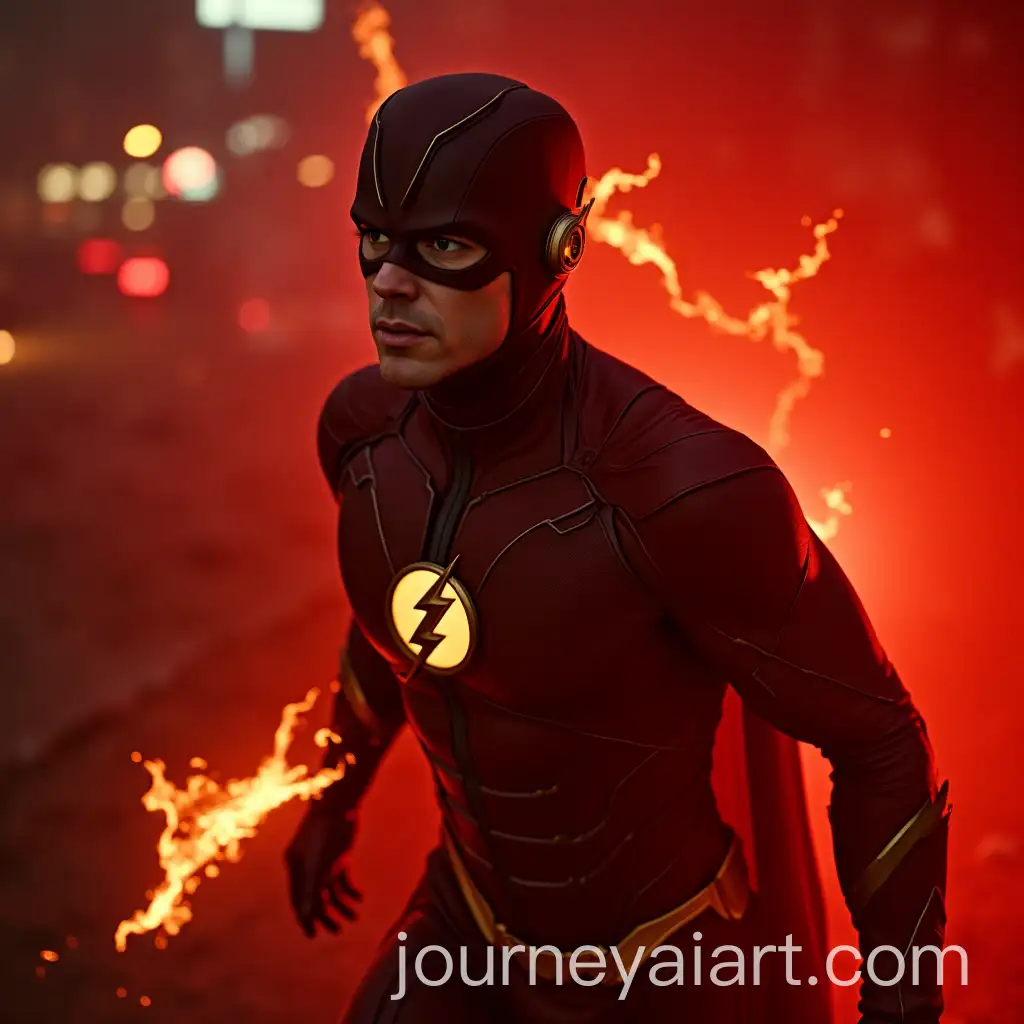
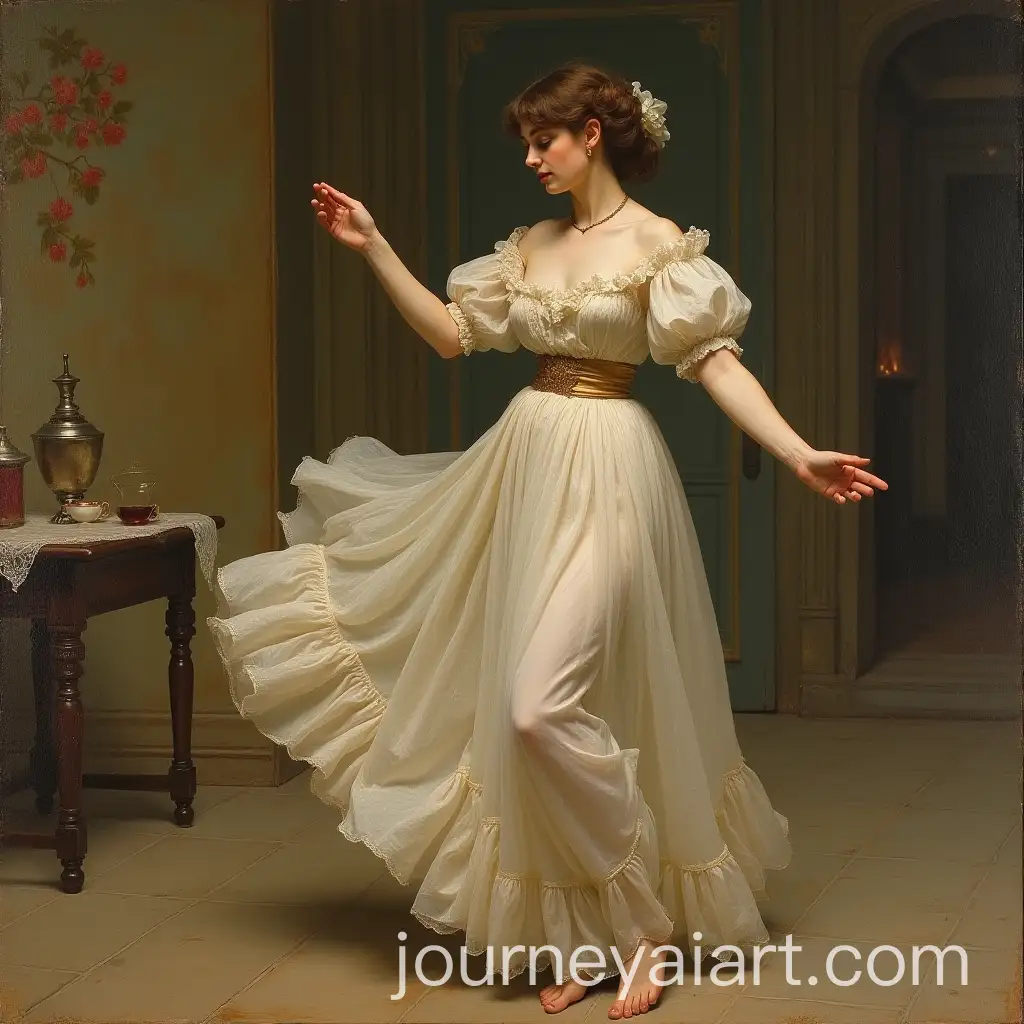
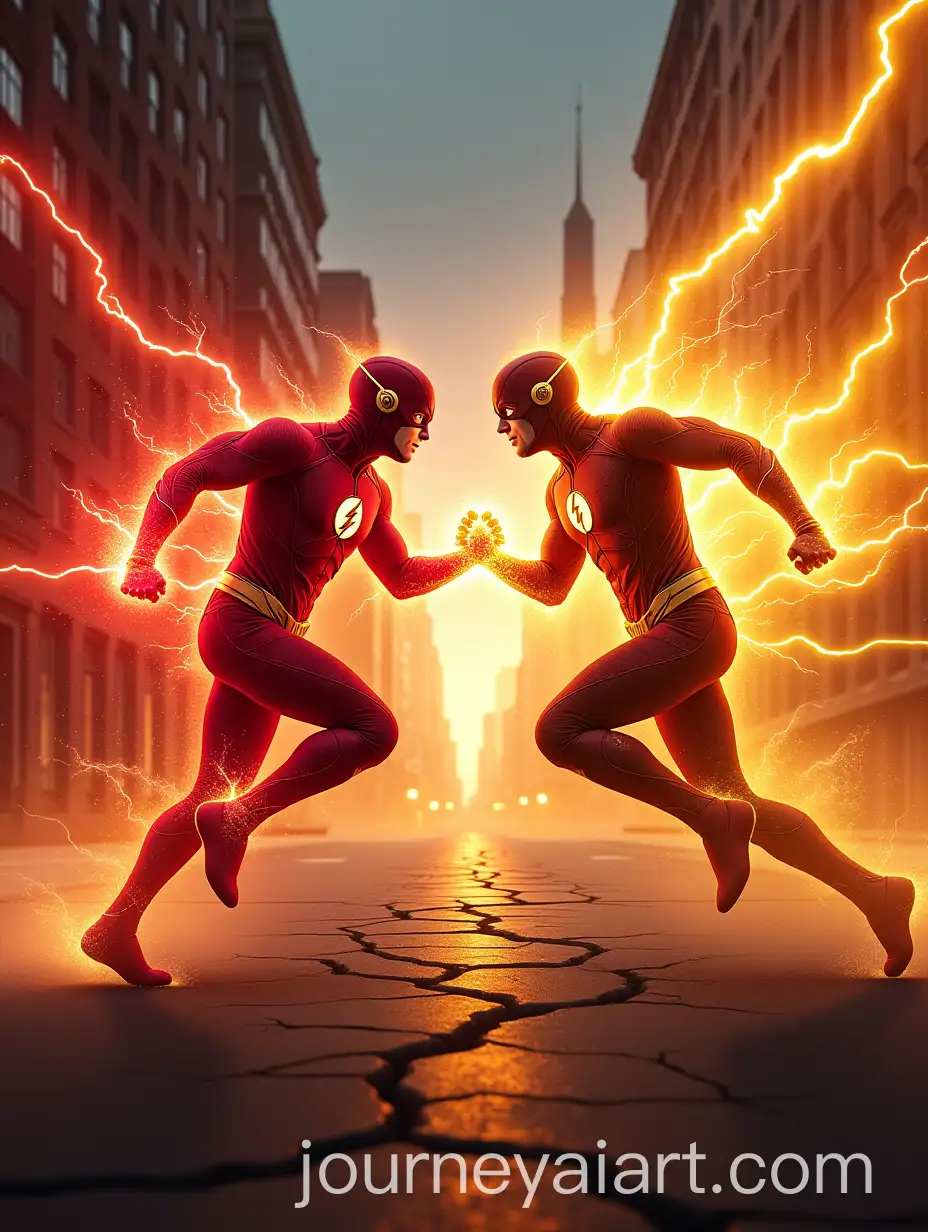
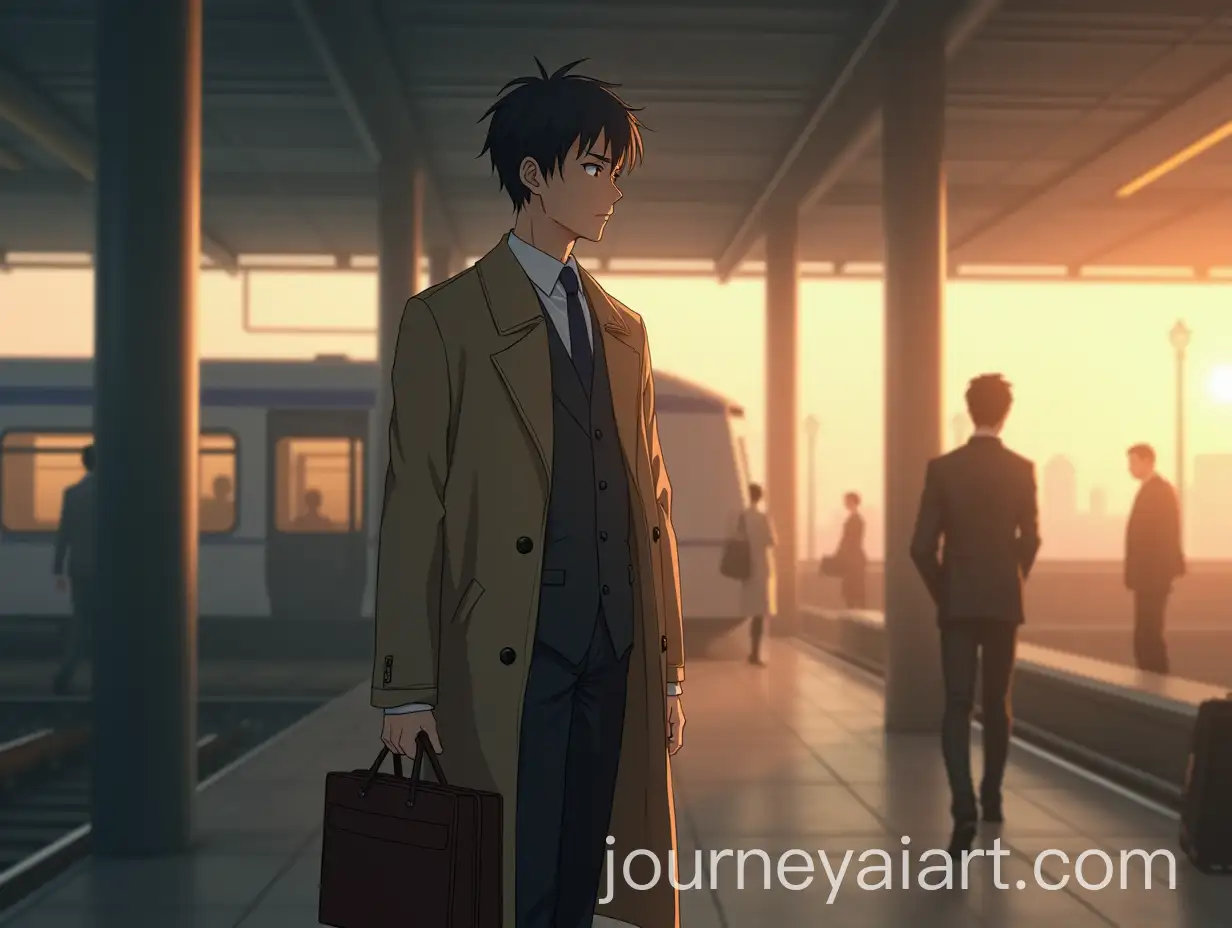
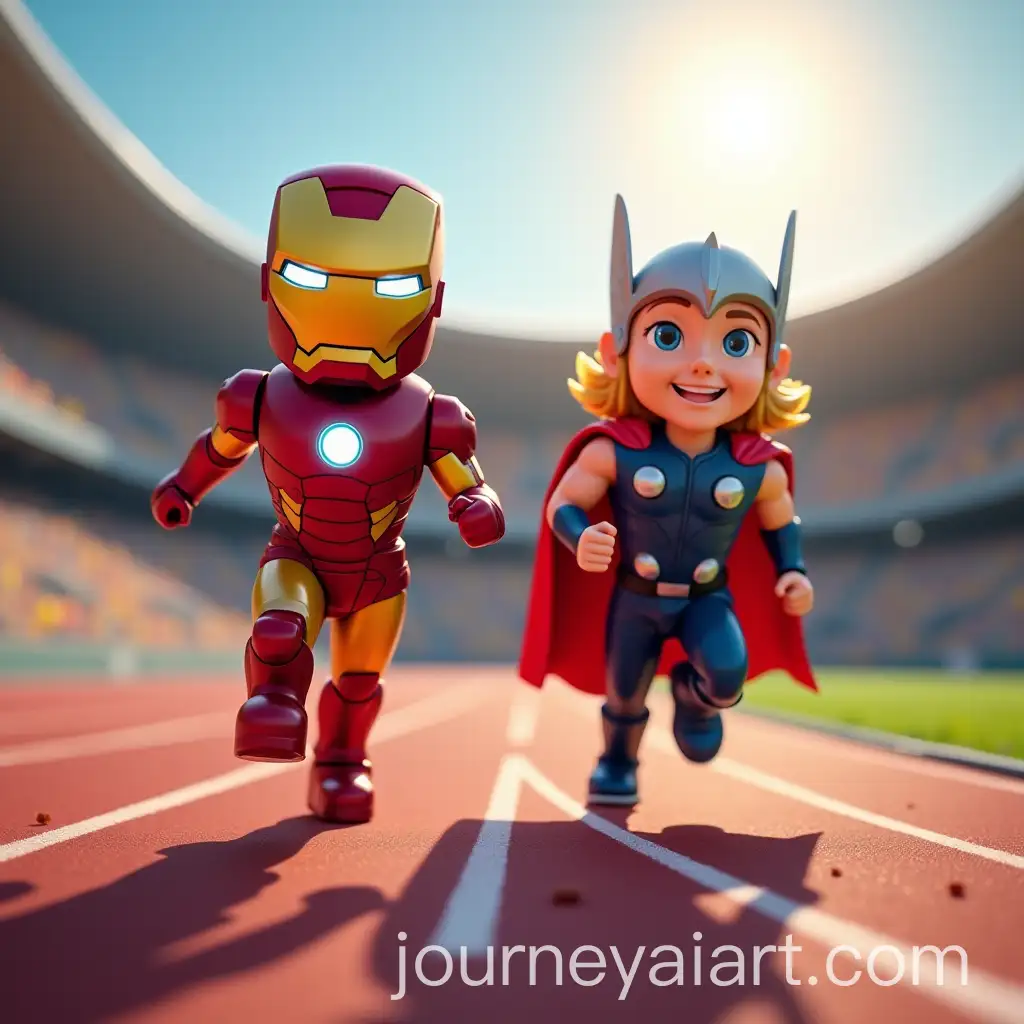

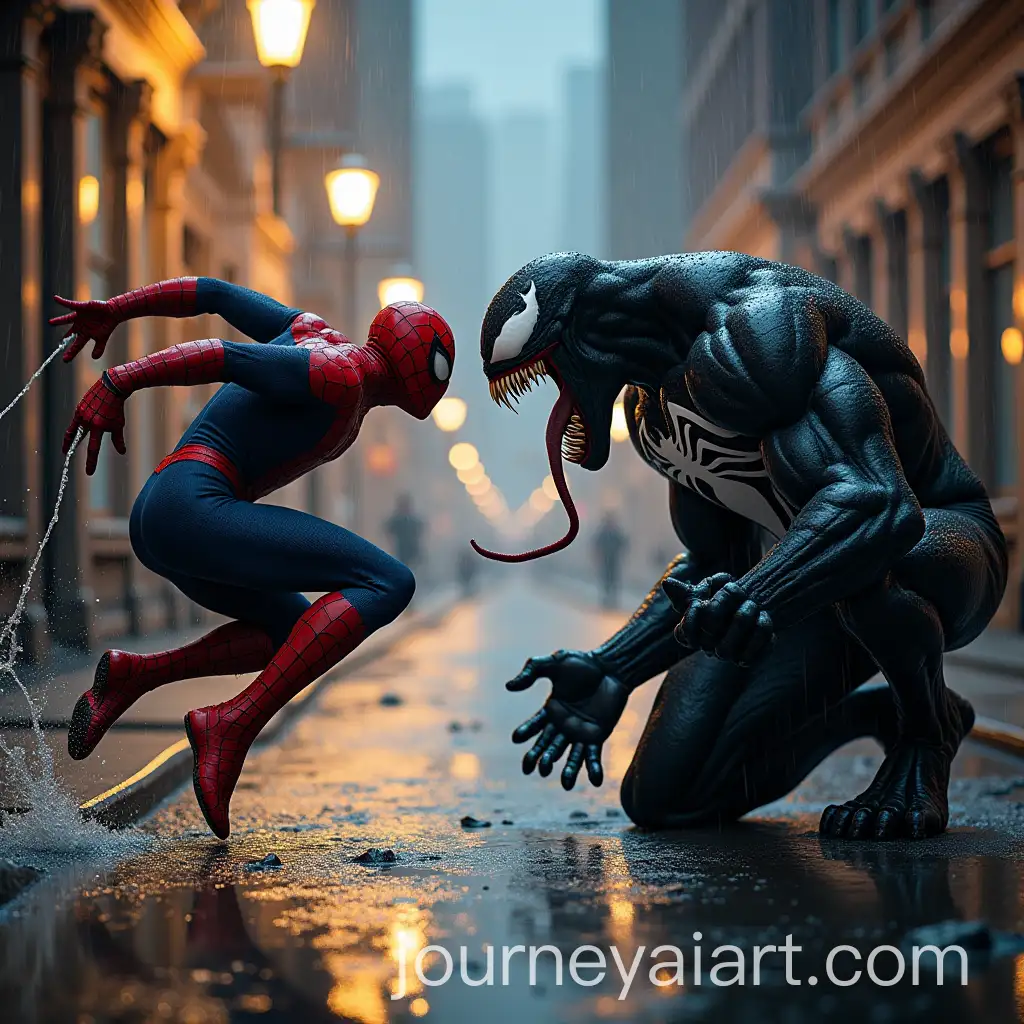
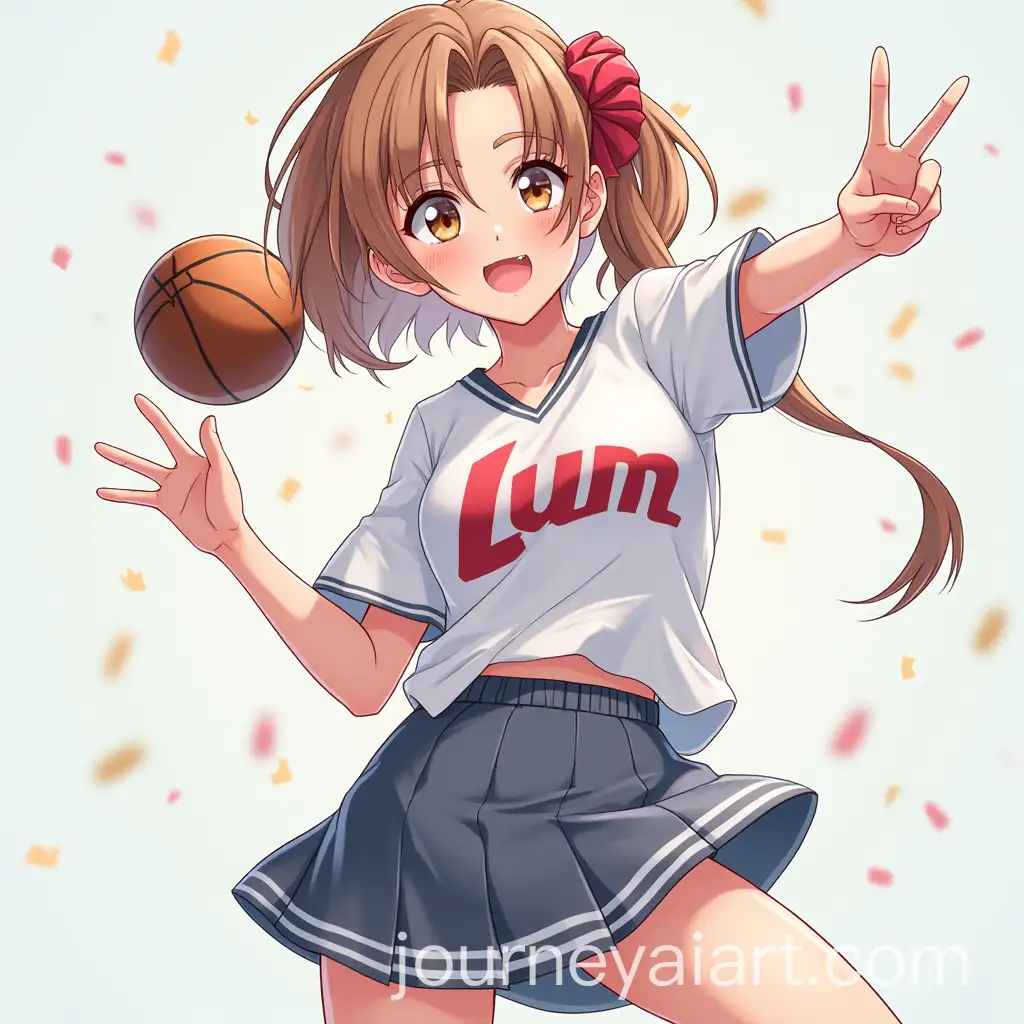
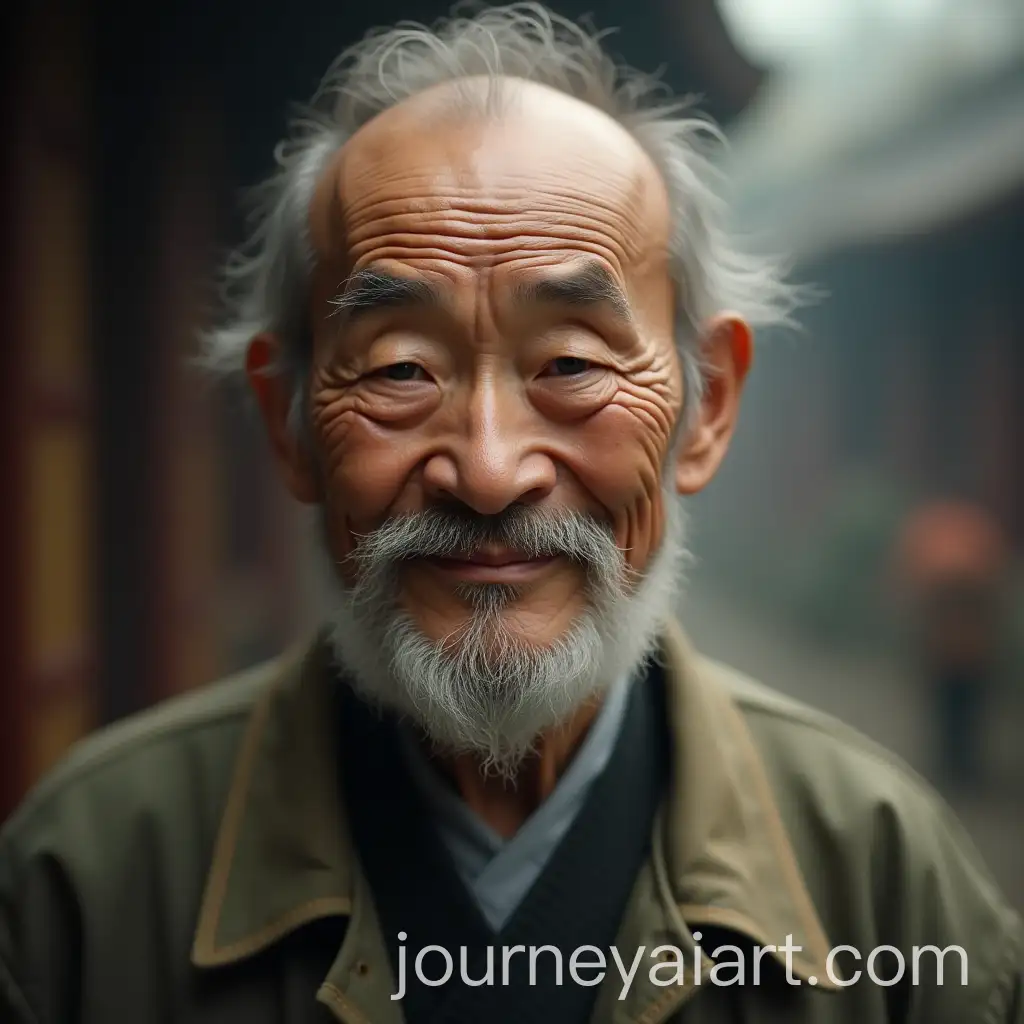
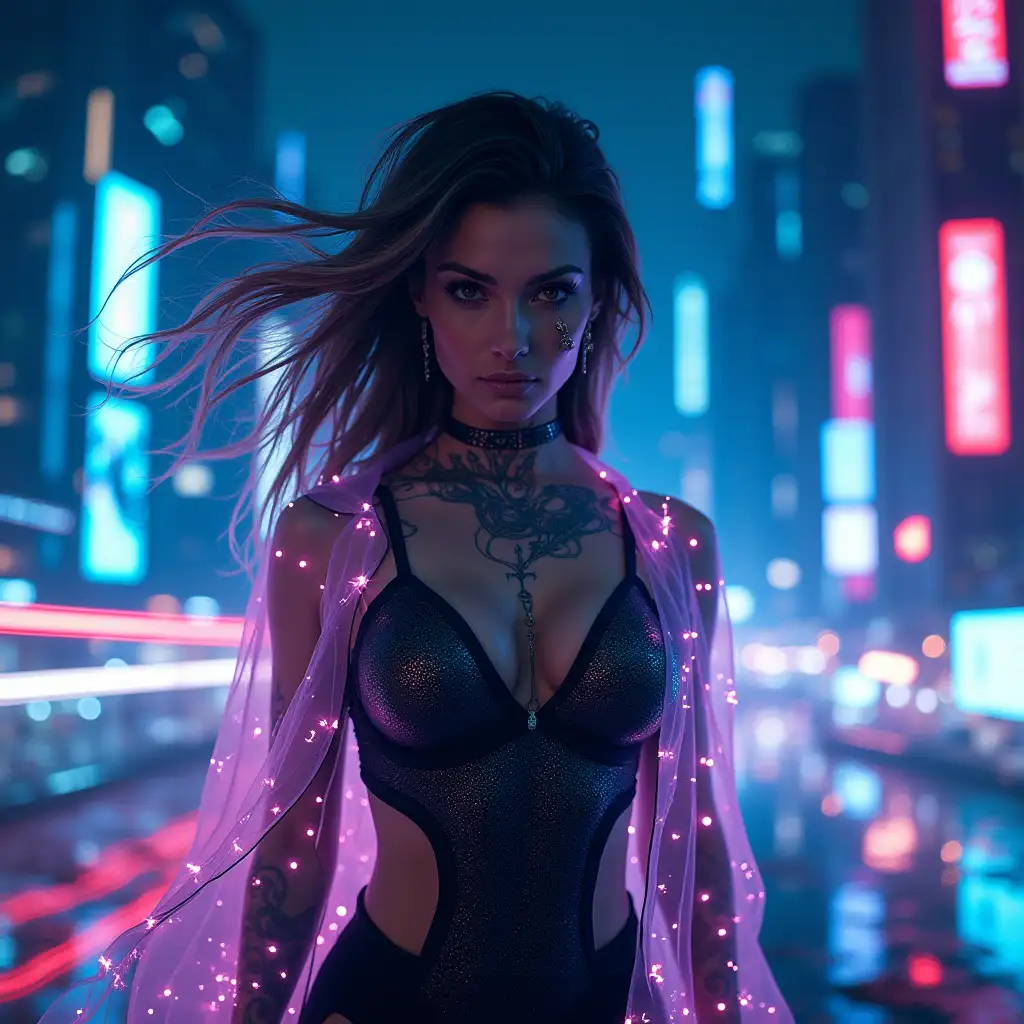
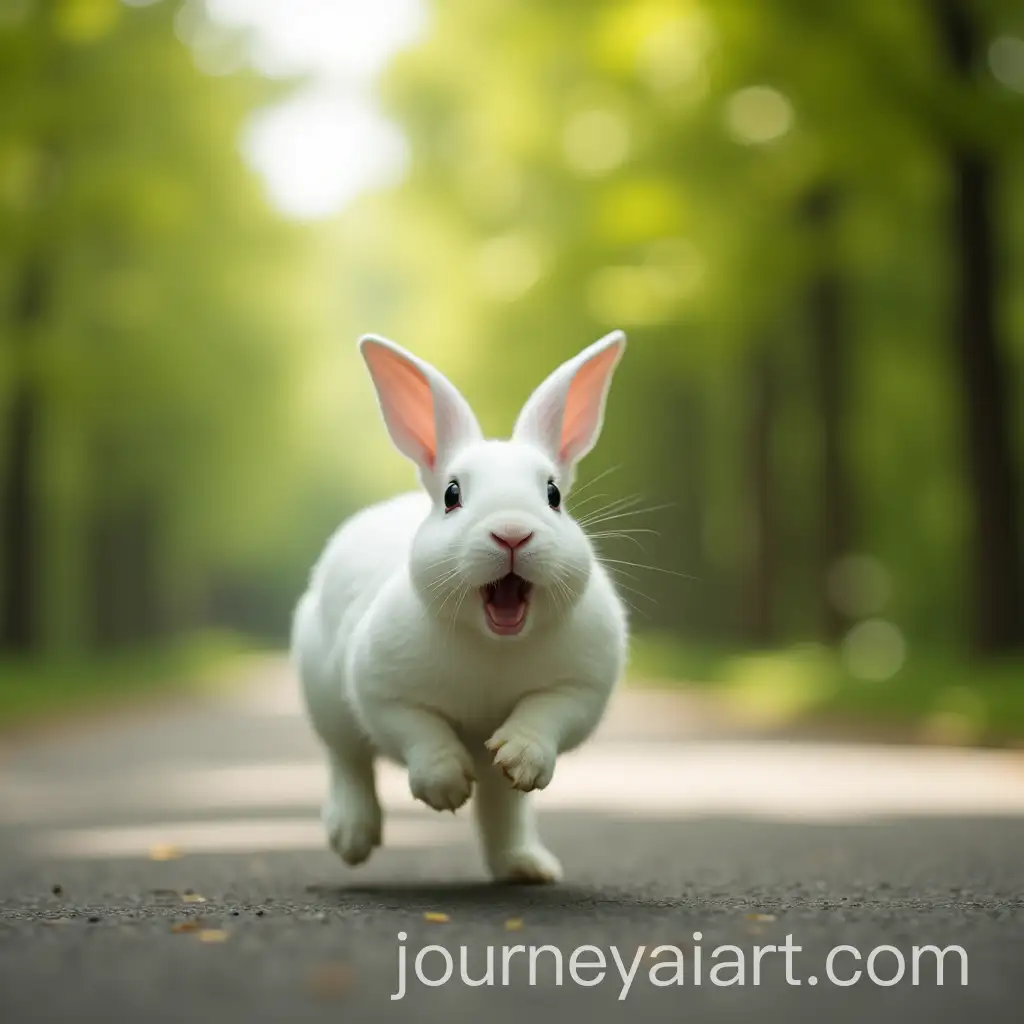
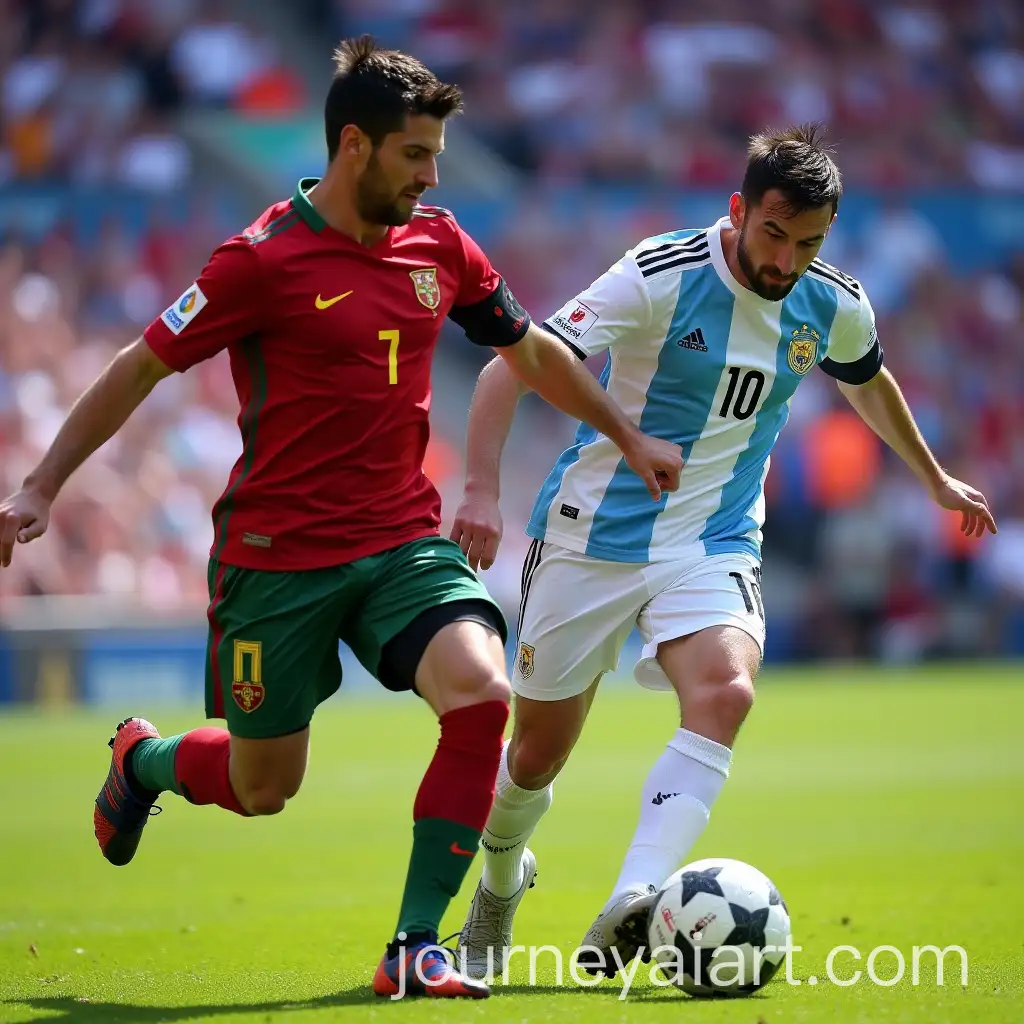
Motion blur is a visual effect that occurs when a subject moves during the capture of an image, resulting in a streaked or blurred appearance. In photography, it's achieved by using slower shutter speeds or panning techniques. Artists and designers often employ motion blur to convey a sense of speed, energy, or movement in still images. This effect is widely used in sports photography, automotive advertising, and abstract art to create dynamic and visually engaging compositions. In the context of AI-generated images, motion blur can be simulated to add realism and excitement to various scenes, from cityscapes to action shots.
Understanding Motion Blur: Definition and Applications in Photography and Art
Creating motion blur in digital art and AI-generated images involves several techniques. One common method is the use of directional blur filters, which simulate the streaking effect of movement. Another approach is to create multiple layers with varying degrees of transparency and offset positions, mimicking the trail left by a moving object. For AI-generated images, motion blur can be incorporated into the prompt by specifying terms like 'fast movement,' 'long exposure,' or 'speed lines.' Advanced AI models can interpret these prompts to generate realistic motion blur effects, adding depth and dynamism to the final image. Artists and designers can further refine these AI-generated images using post-processing tools to enhance or modify the motion blur effect as needed.
Techniques for Creating Motion Blur in Digital Art and AI-Generated Images
Motion blur plays a crucial role in visual storytelling by enhancing the perception of speed, action, and time passage. In film and animation, it helps create smoother transitions between frames, making movement appear more natural. In still images, motion blur can evoke a range of emotions, from the excitement of a fast-paced sports event to the frenetic energy of a bustling city. AI-generated images with motion blur can capture these emotional nuances, allowing creators to convey complex narratives within a single frame. The strategic use of motion blur can guide the viewer's eye, emphasize key elements, and create a sense of immersion in the depicted scene. This technique has become an essential tool for visual artists seeking to create impactful and memorable images across various mediums.
The Impact of Motion Blur on Visual Storytelling and Emotional Response
As technology advances, the application of motion blur is evolving beyond traditional static images. In virtual reality (VR) and augmented reality (AR) environments, motion blur is being used to reduce motion sickness and create more realistic experiences. AI-generated art is also pushing the boundaries of motion blur, with some systems capable of creating interactive pieces where the blur effect responds to user input or real-time data. Future developments may include AI models that can generate motion blur effects that adapt to different viewing devices or personalized visual preferences. As AI continues to advance, we may see more sophisticated and nuanced applications of motion blur, blending the line between computer-generated and real-world visual experiences.
Future Trends: Motion Blur in Virtual Reality and Interactive AI Art