305 Free Islamic Art Midjourney AI images
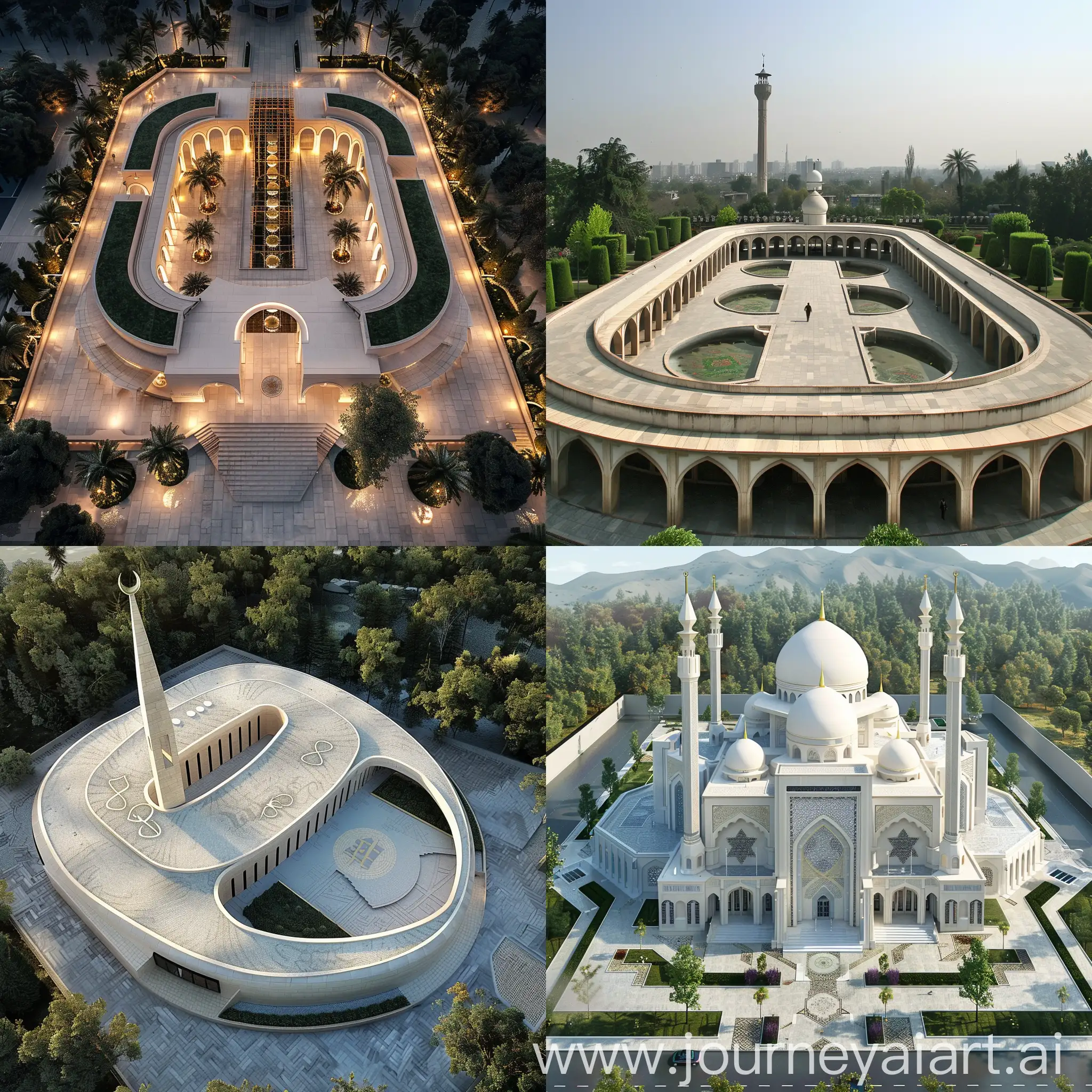
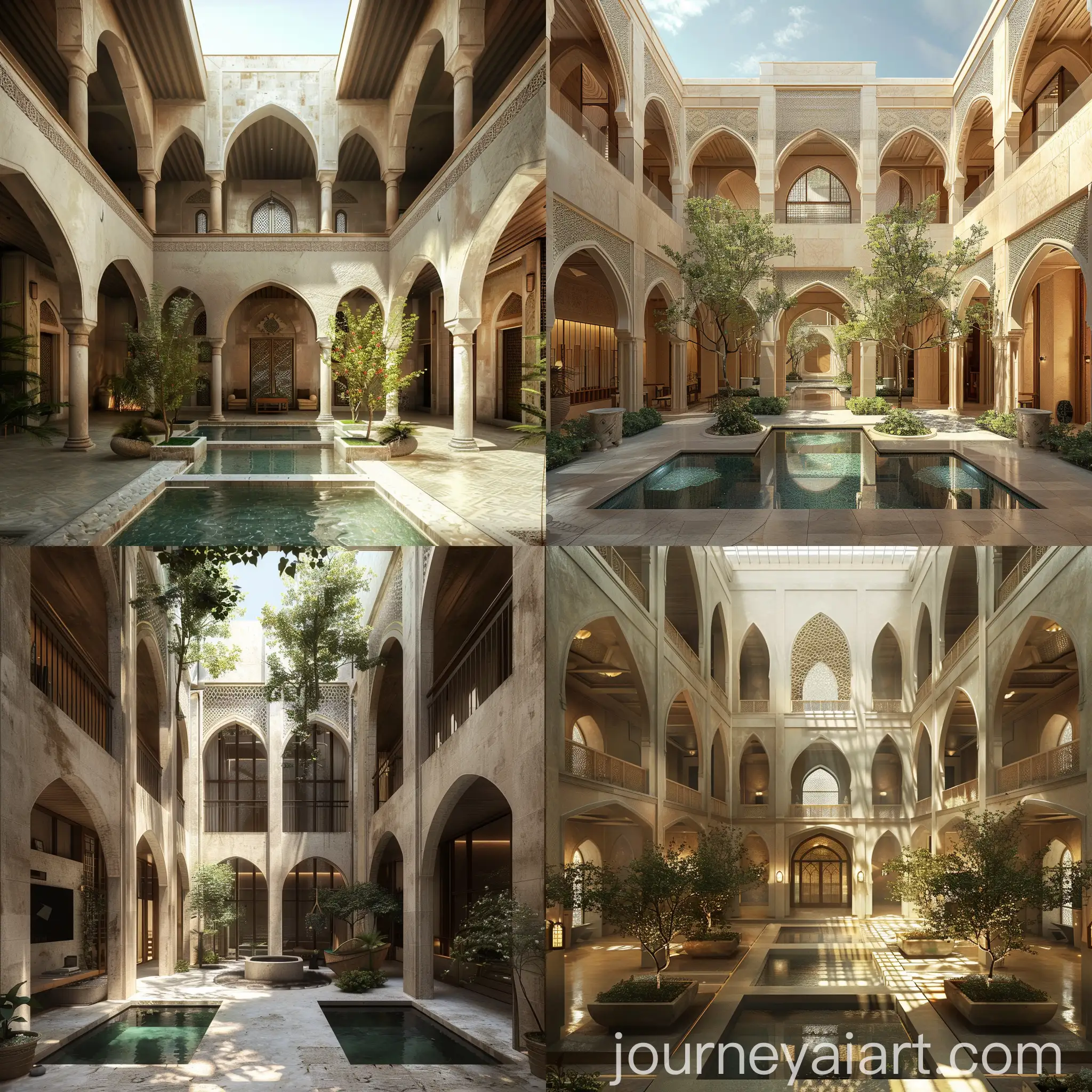
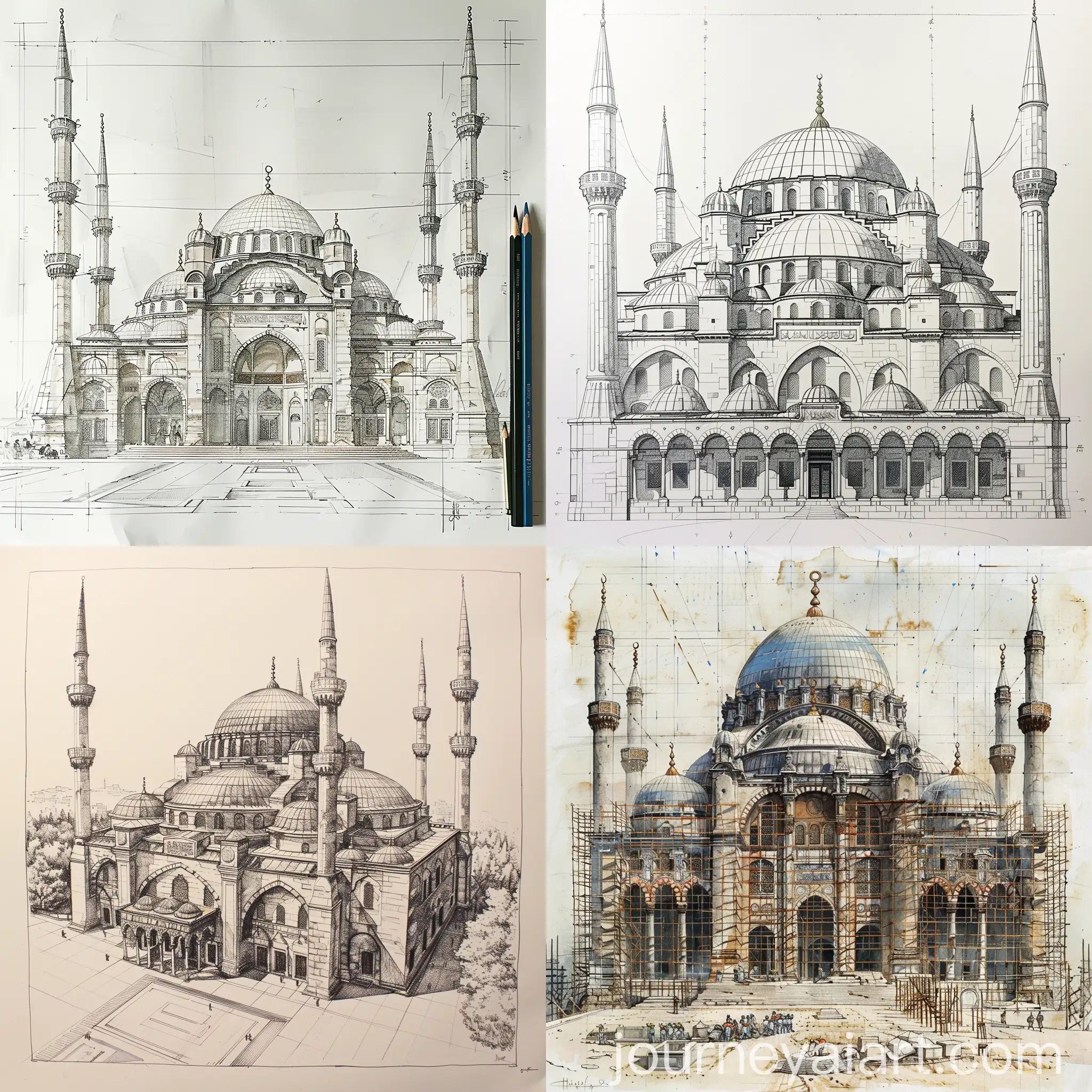
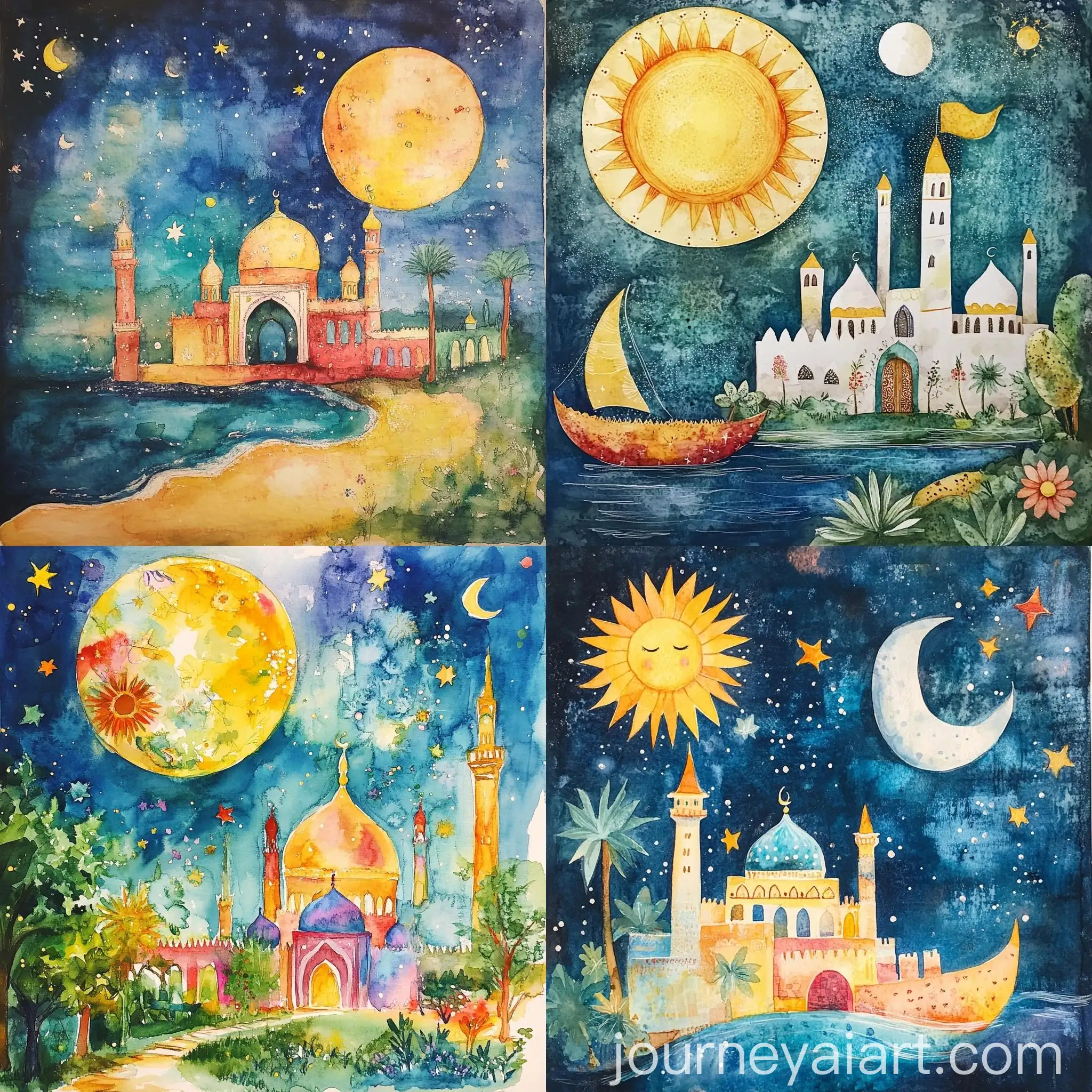
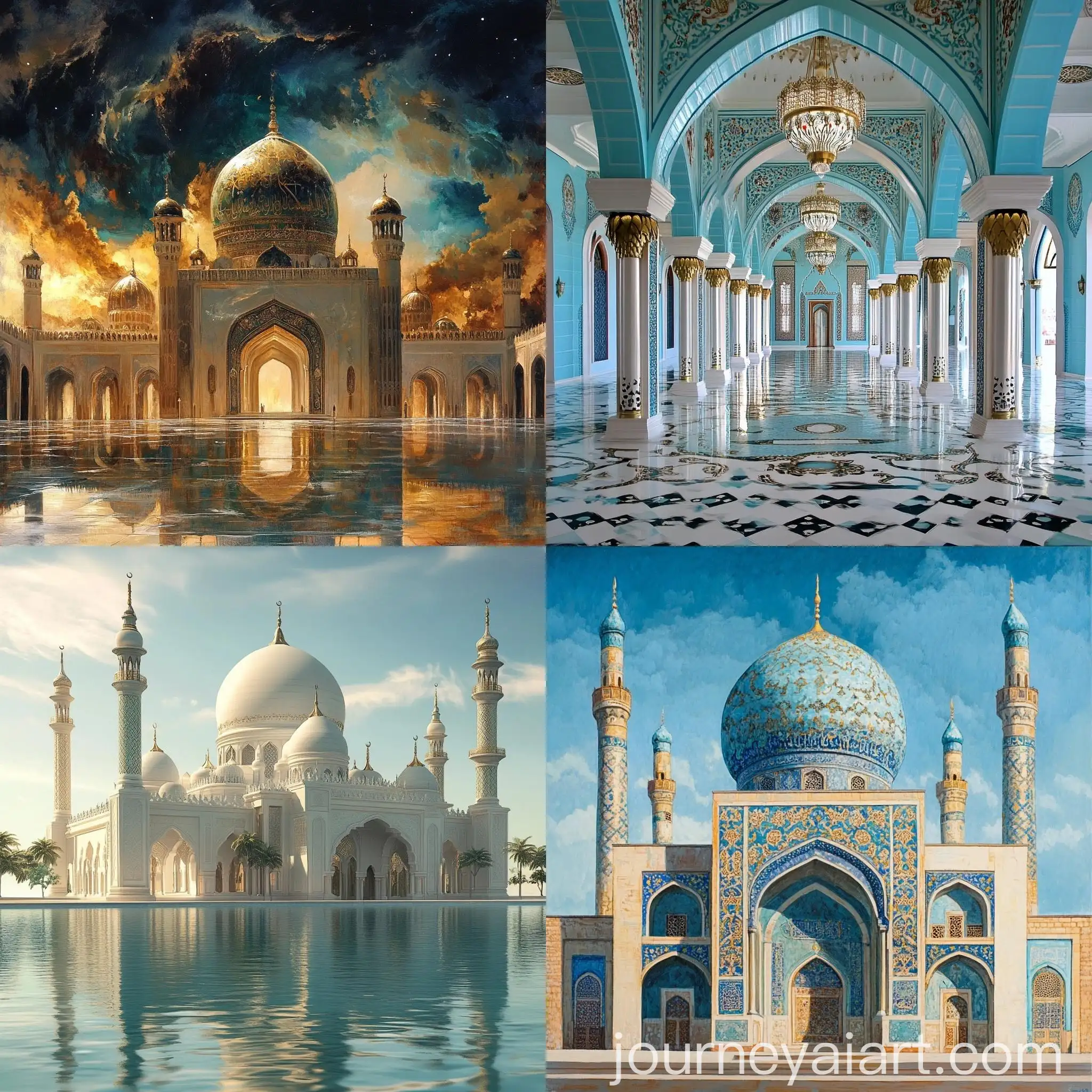
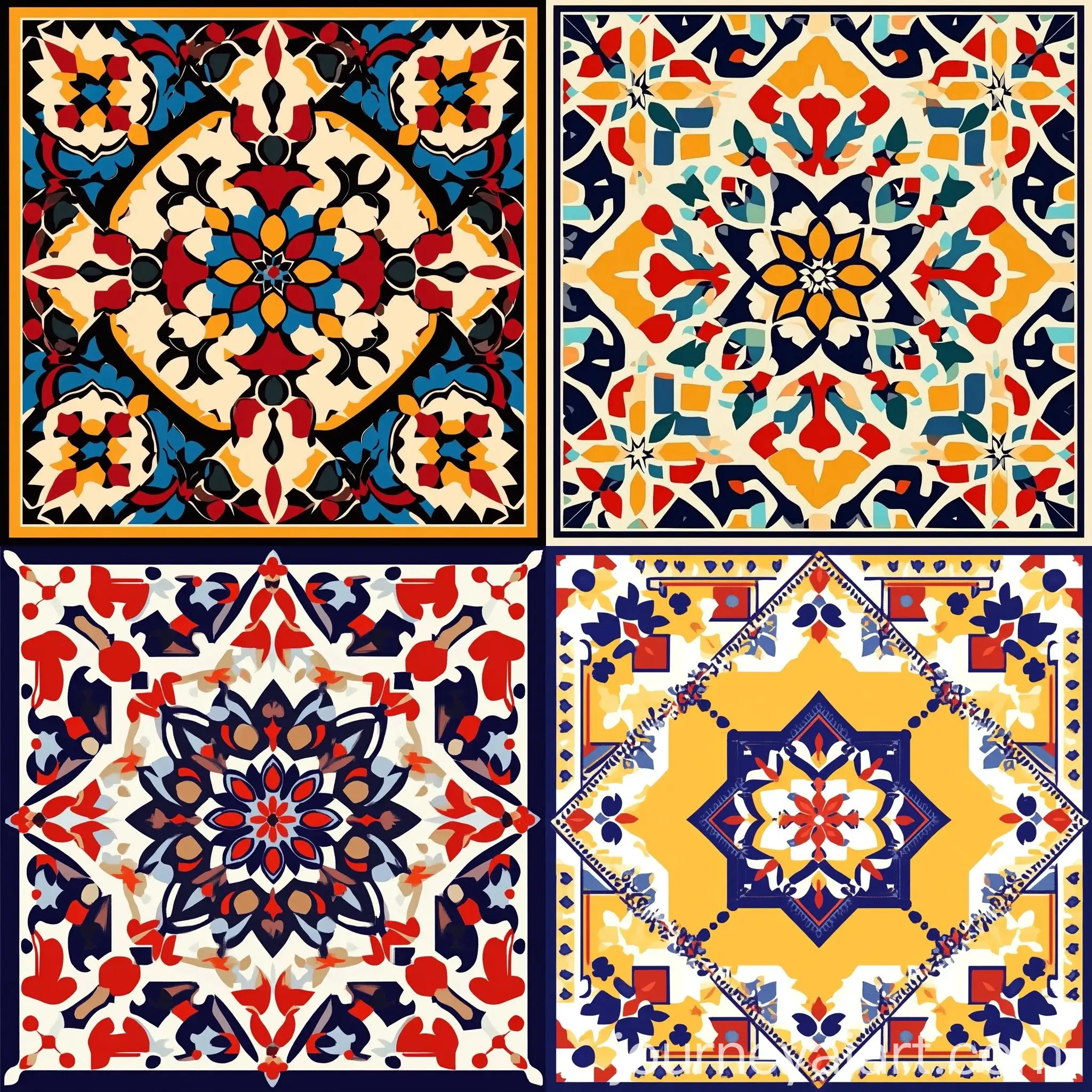
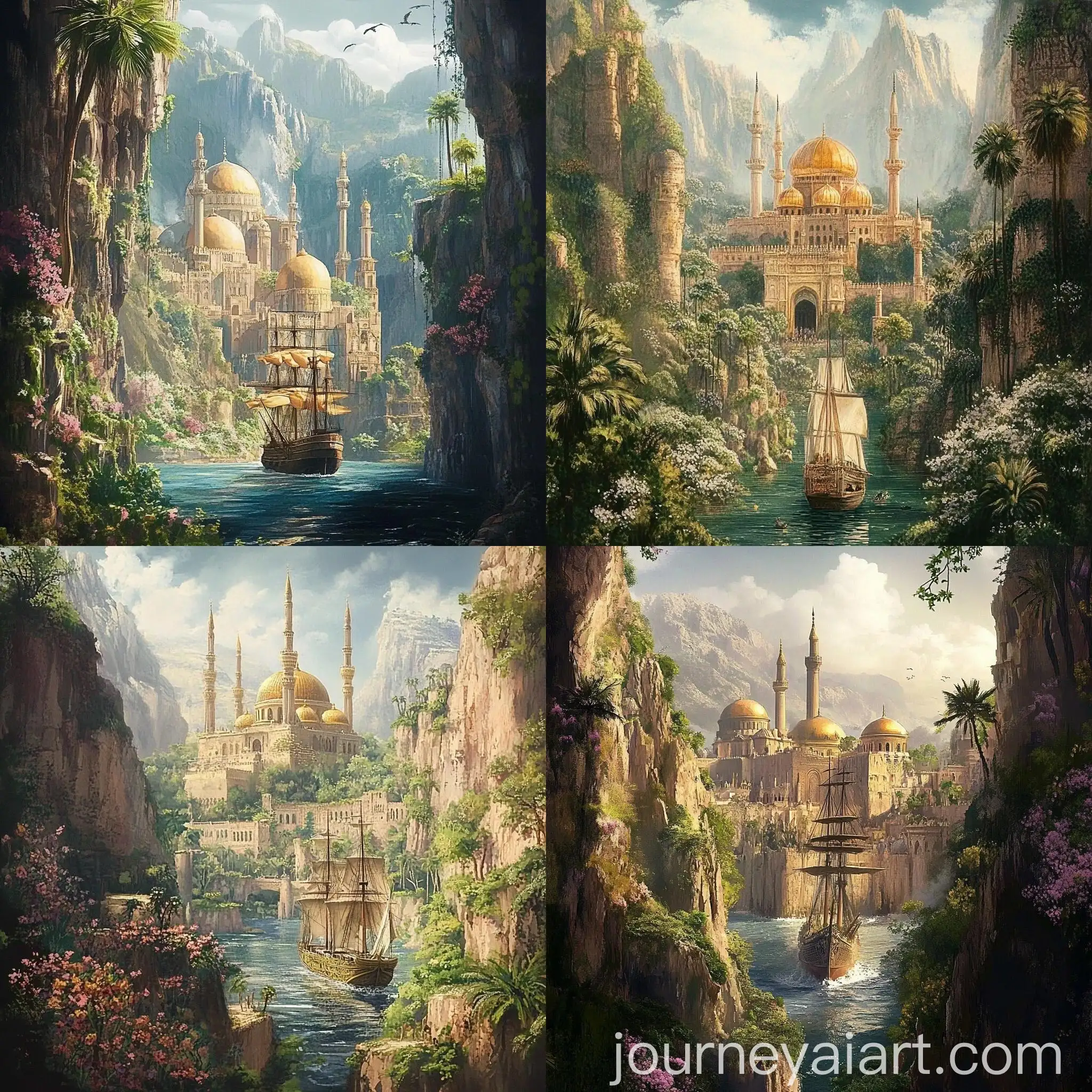
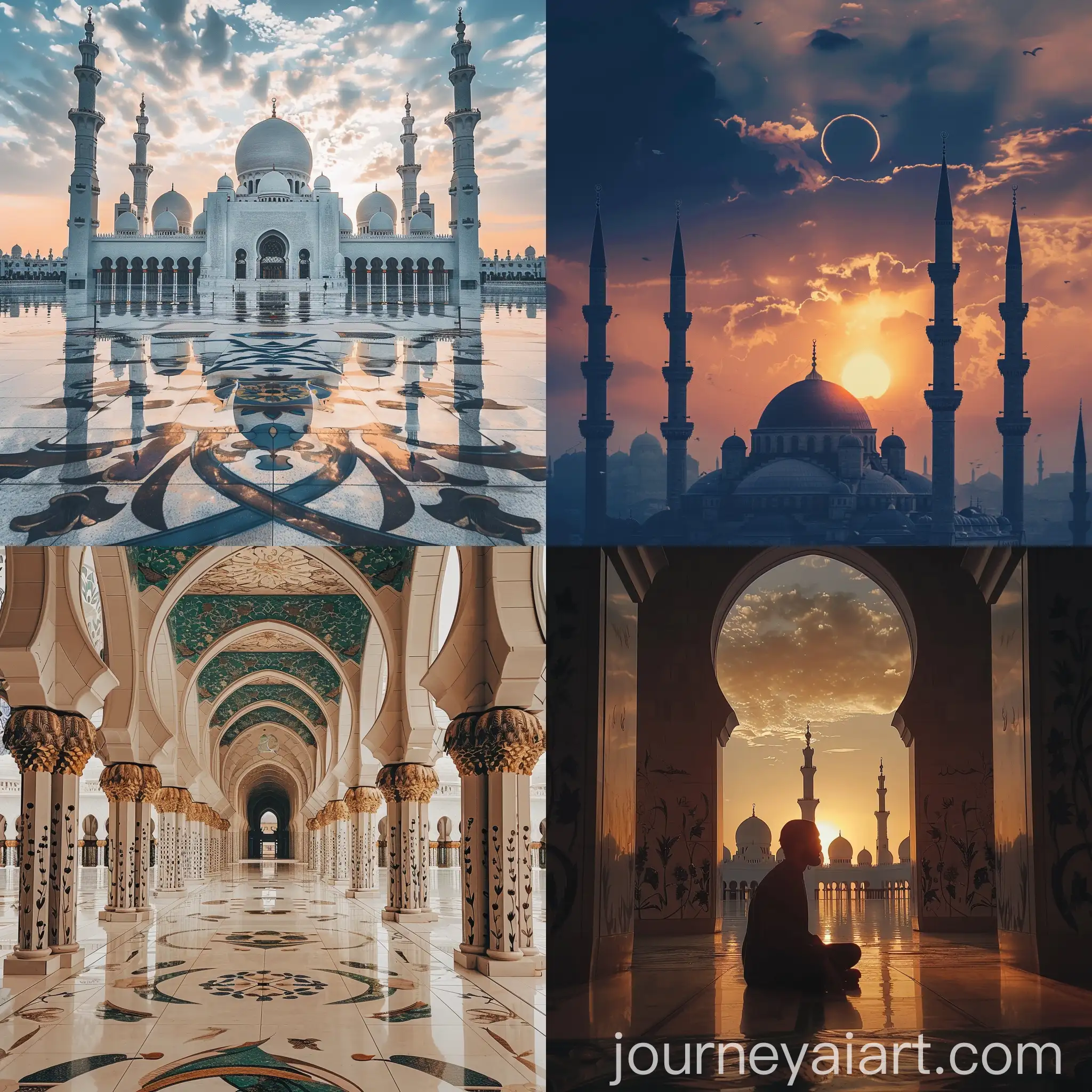
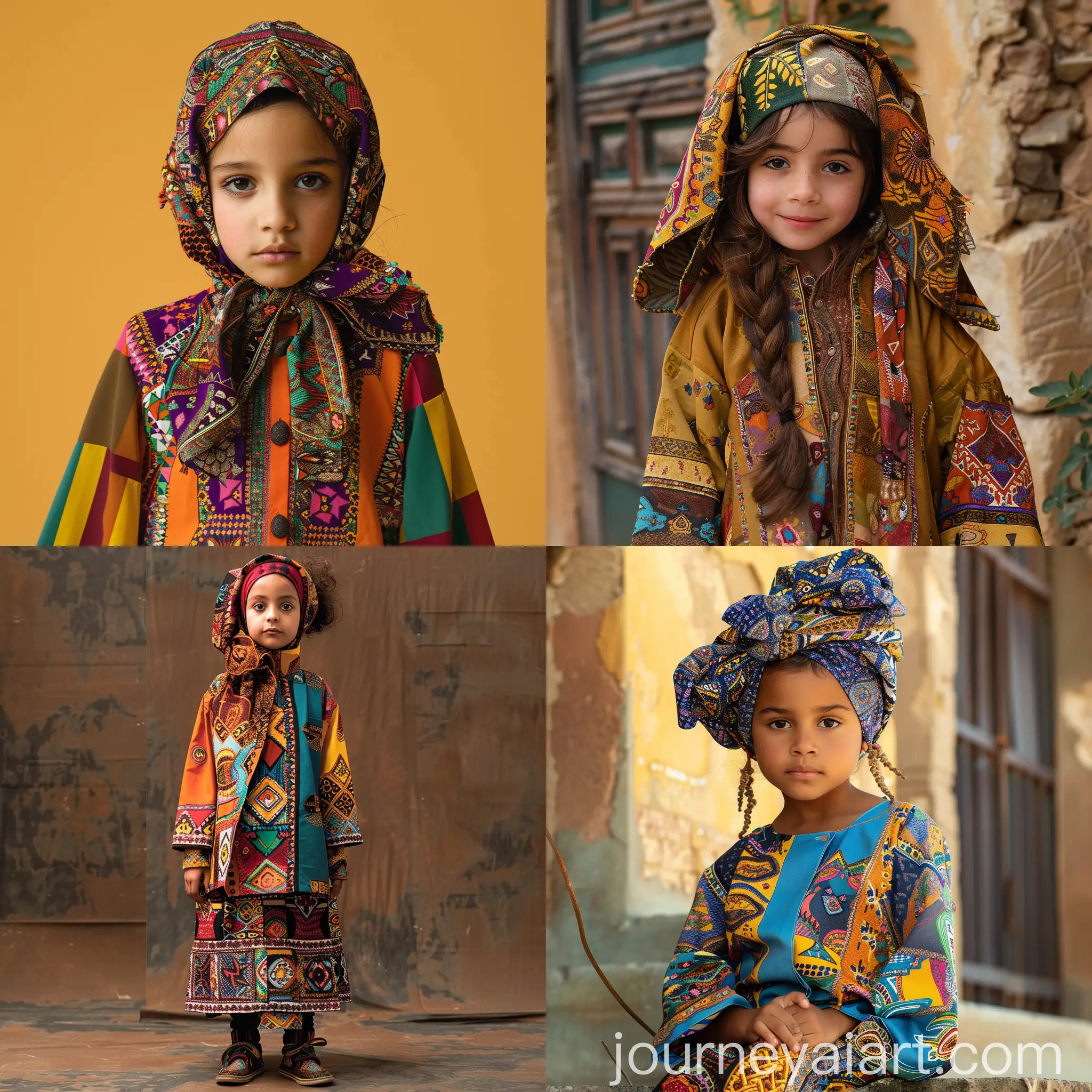
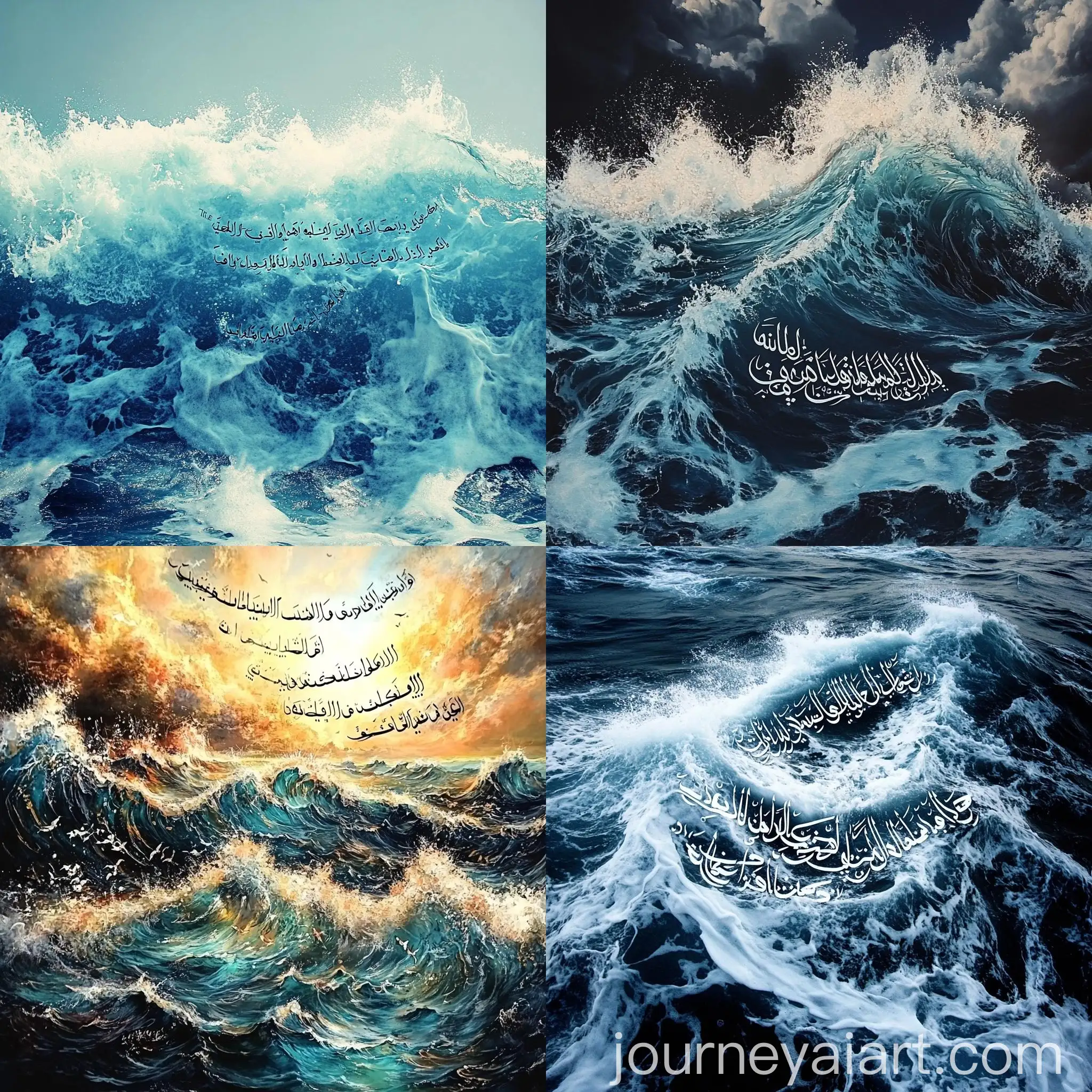
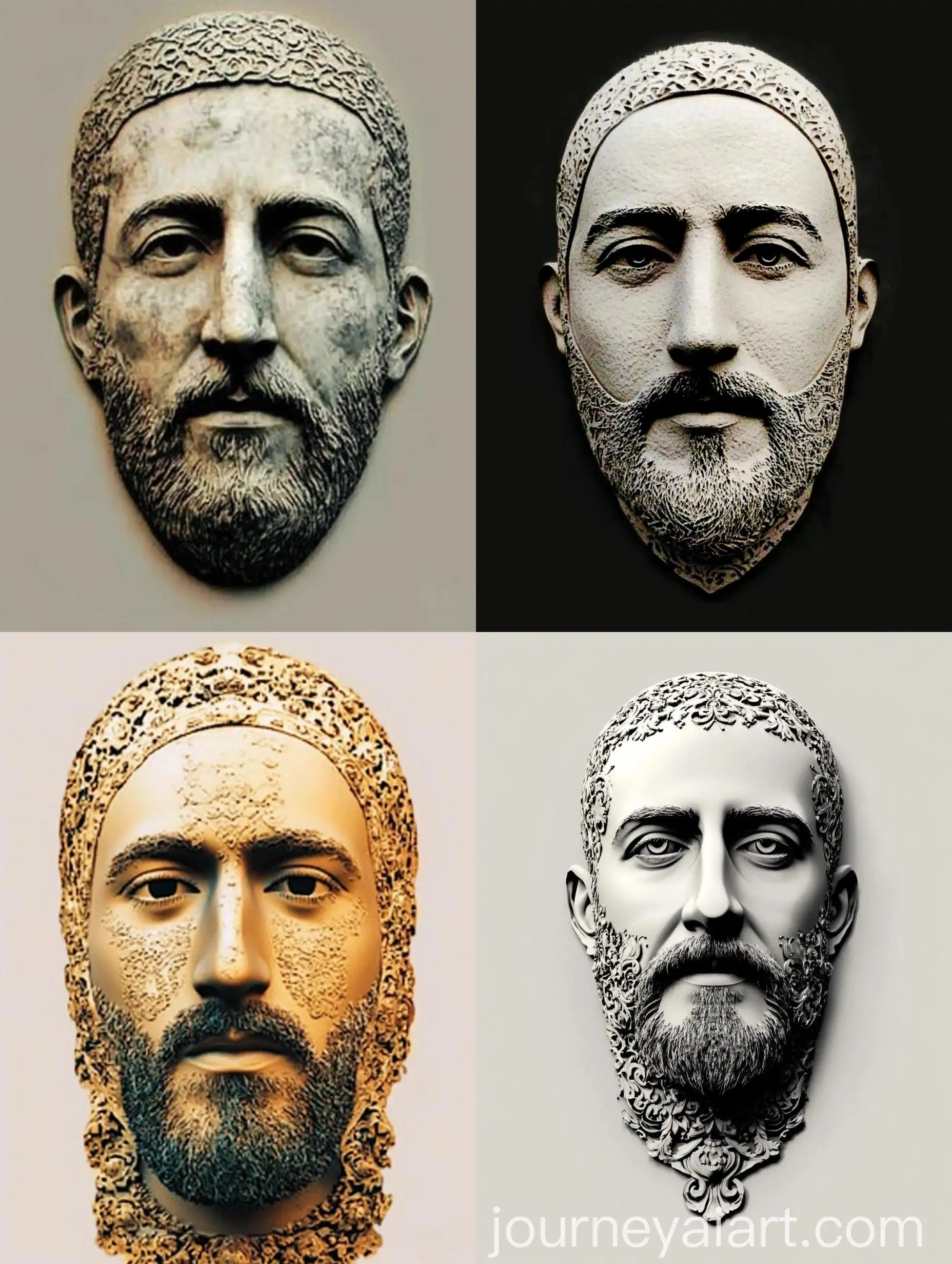
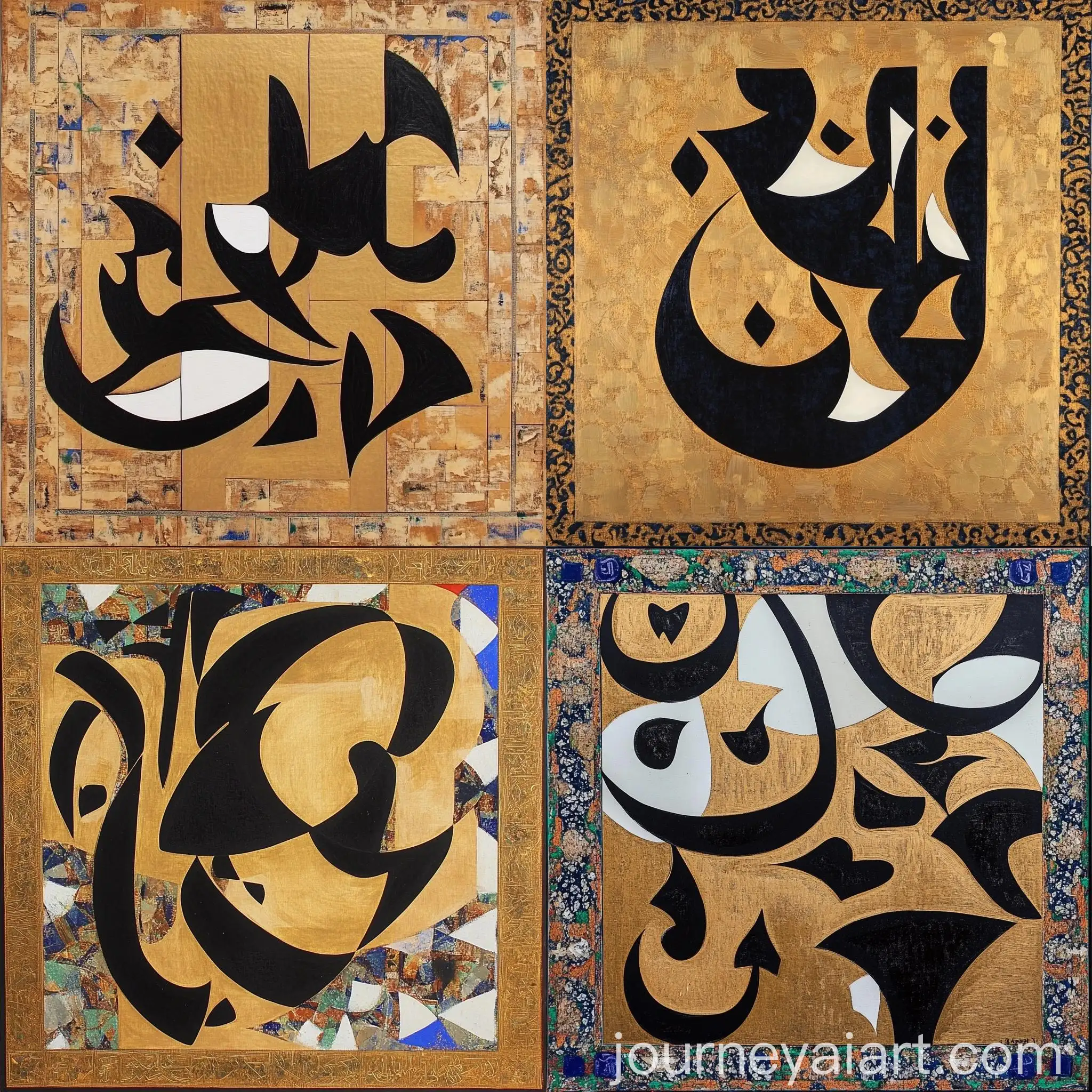
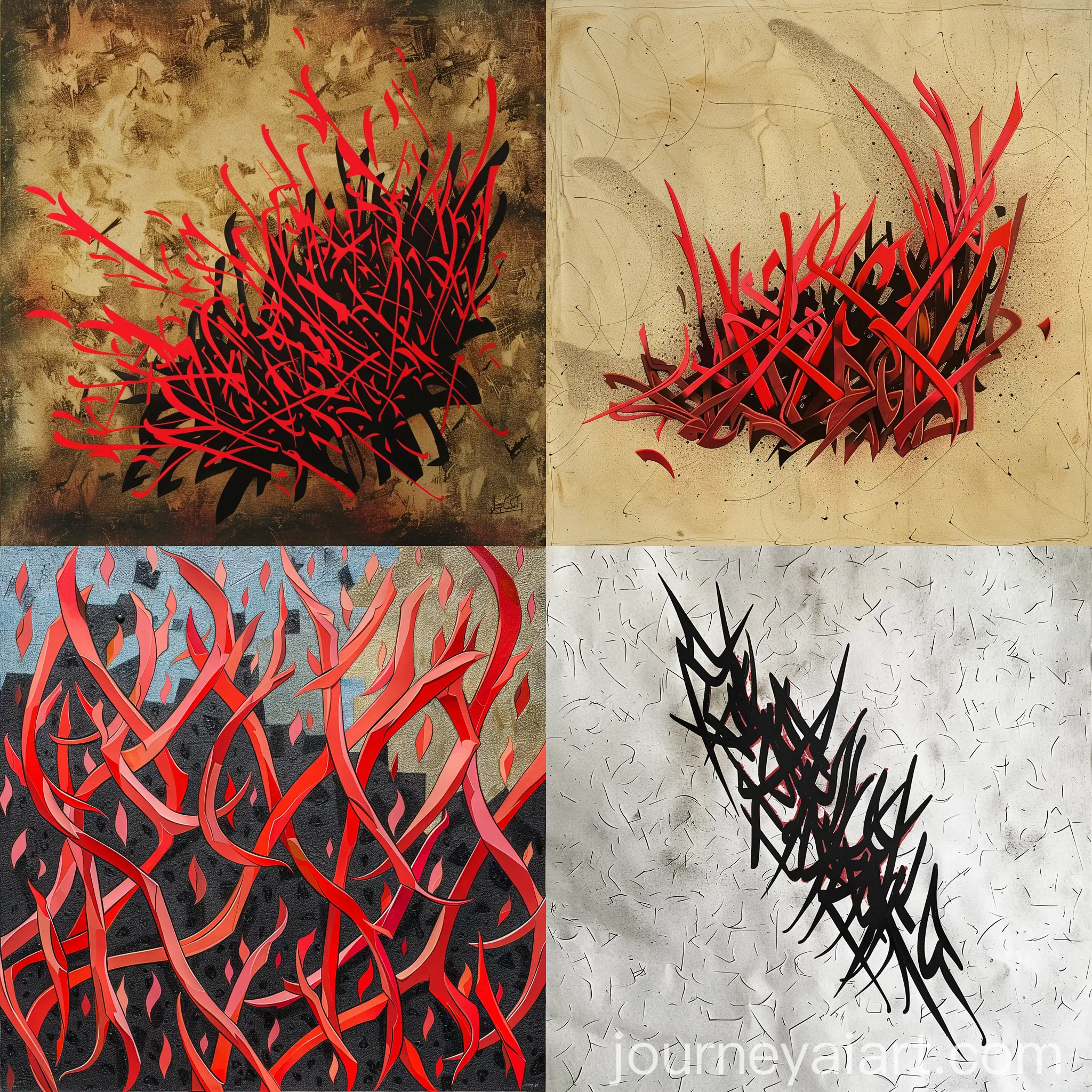
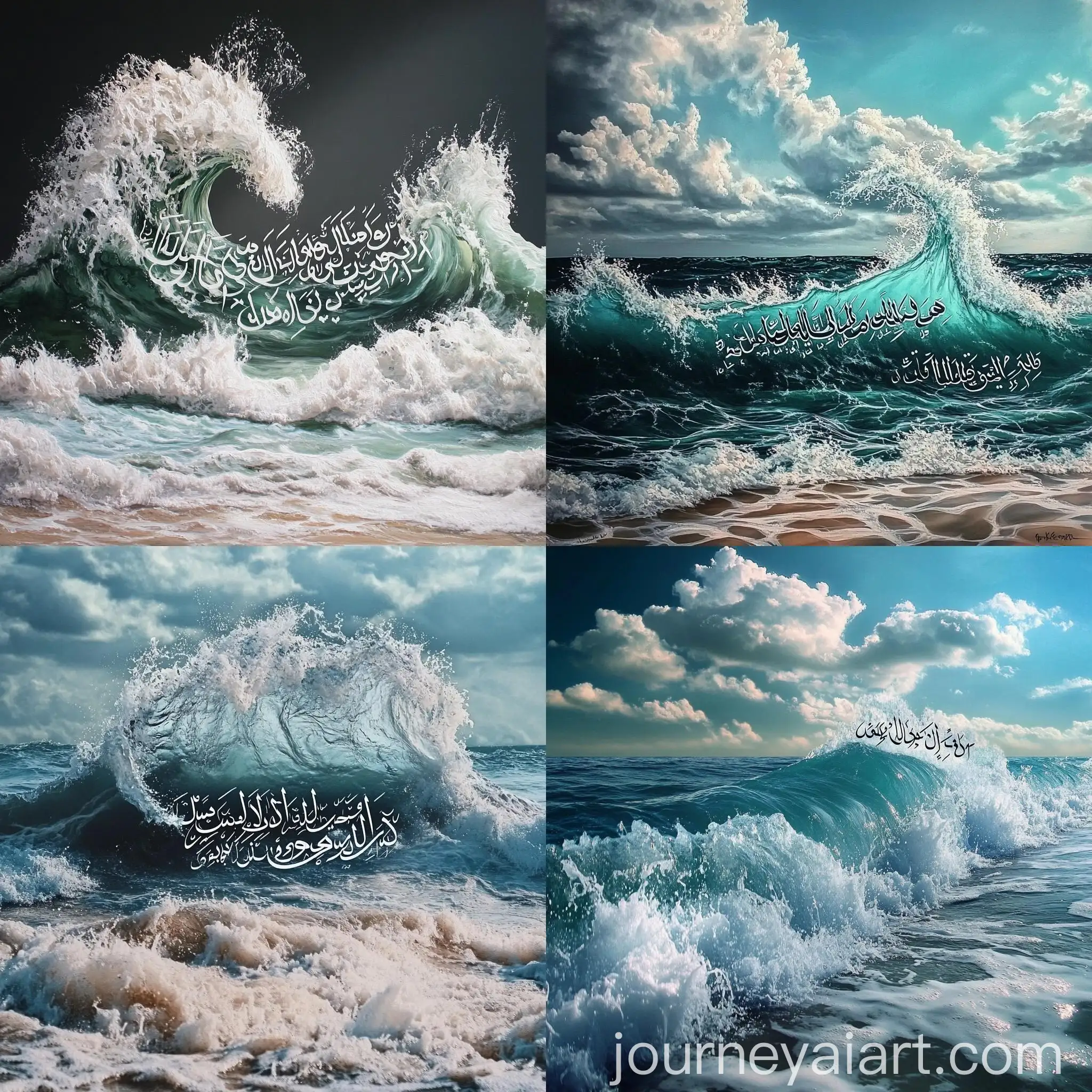
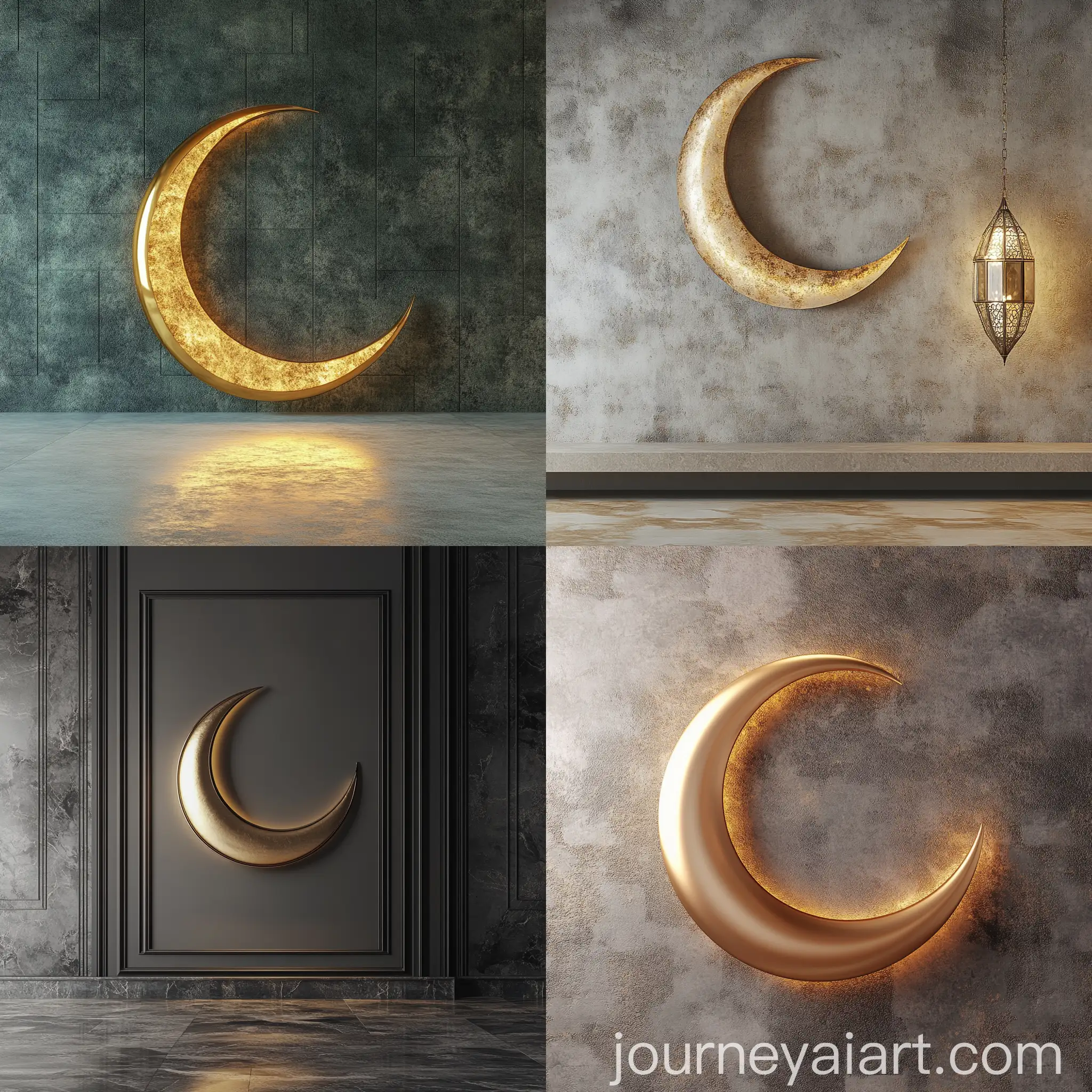
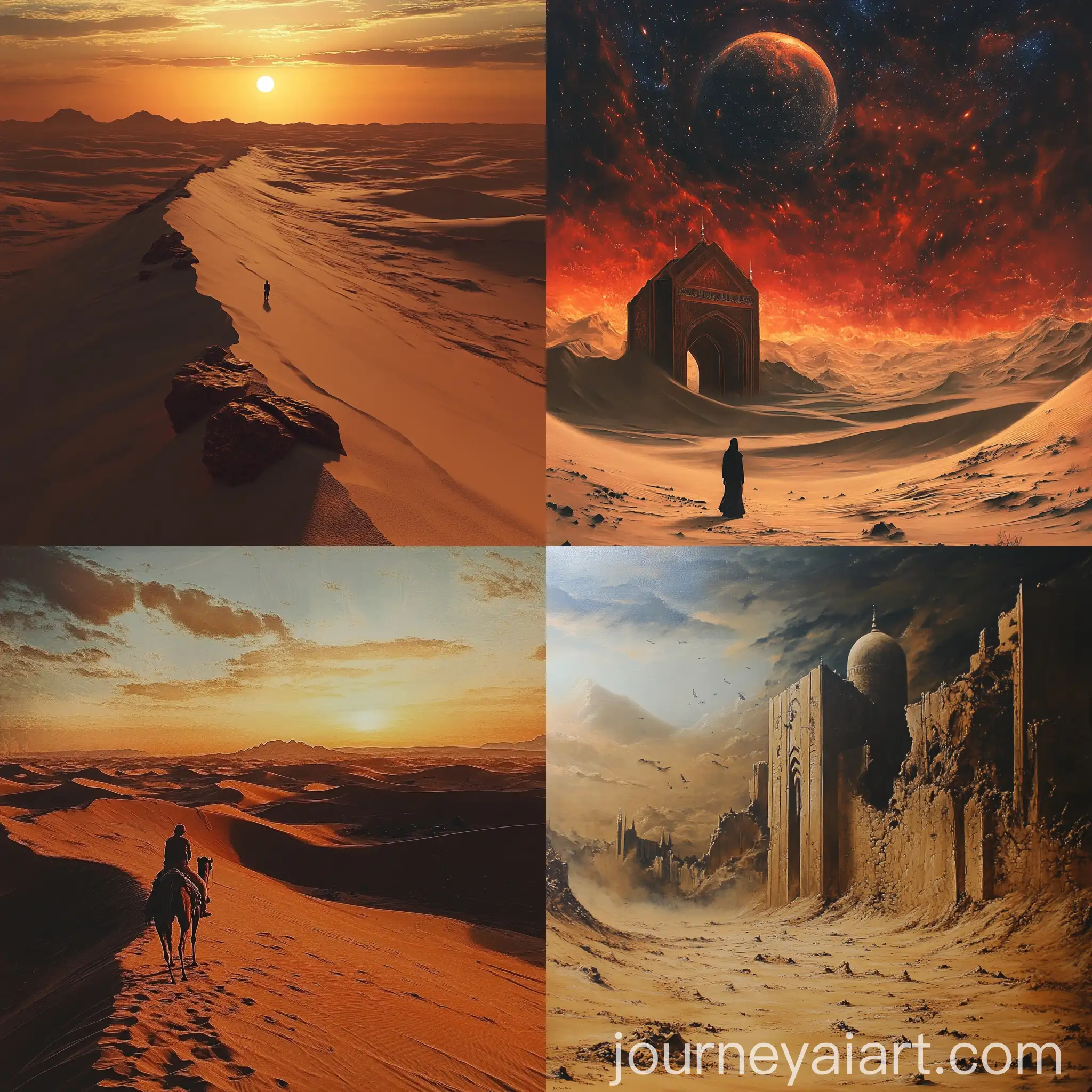
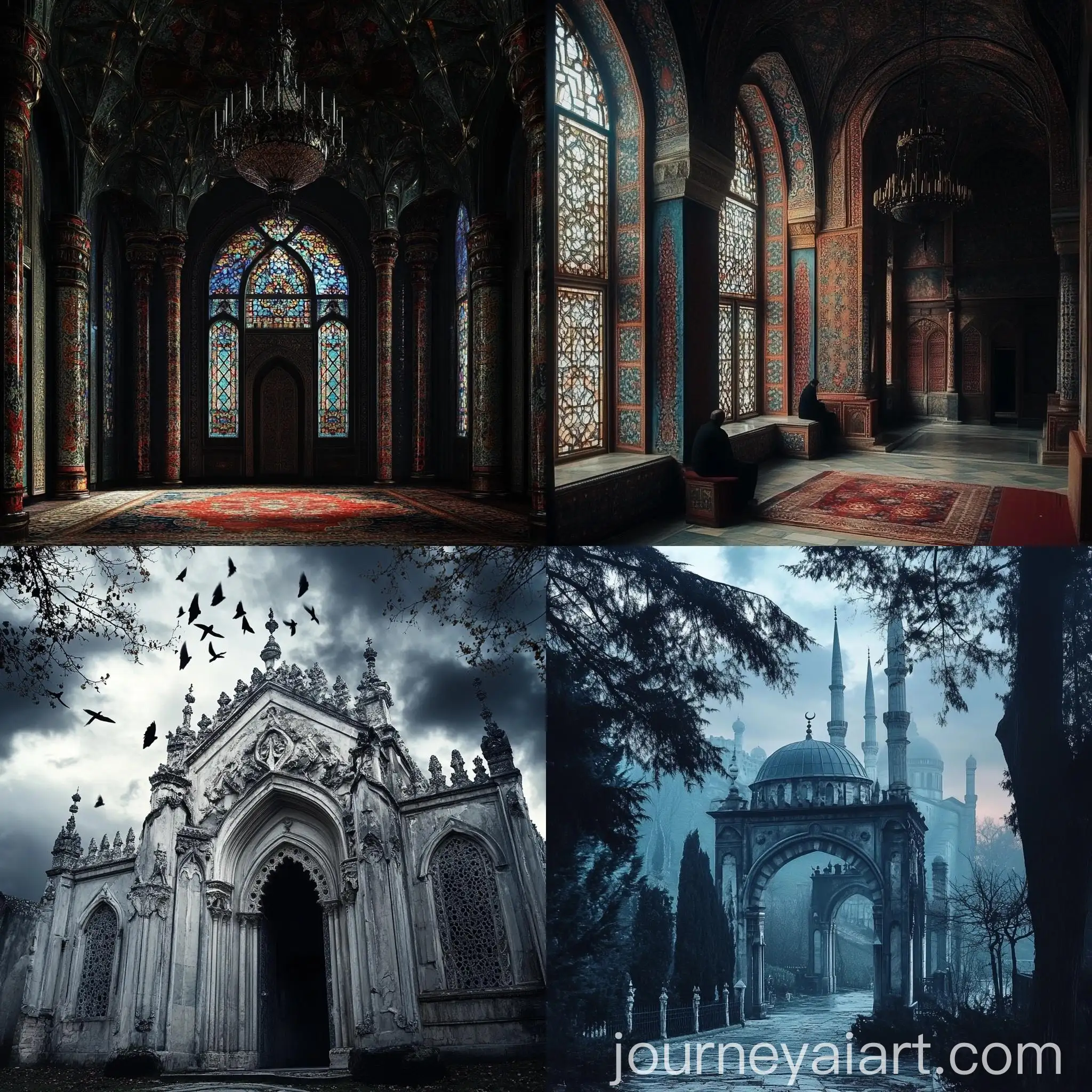
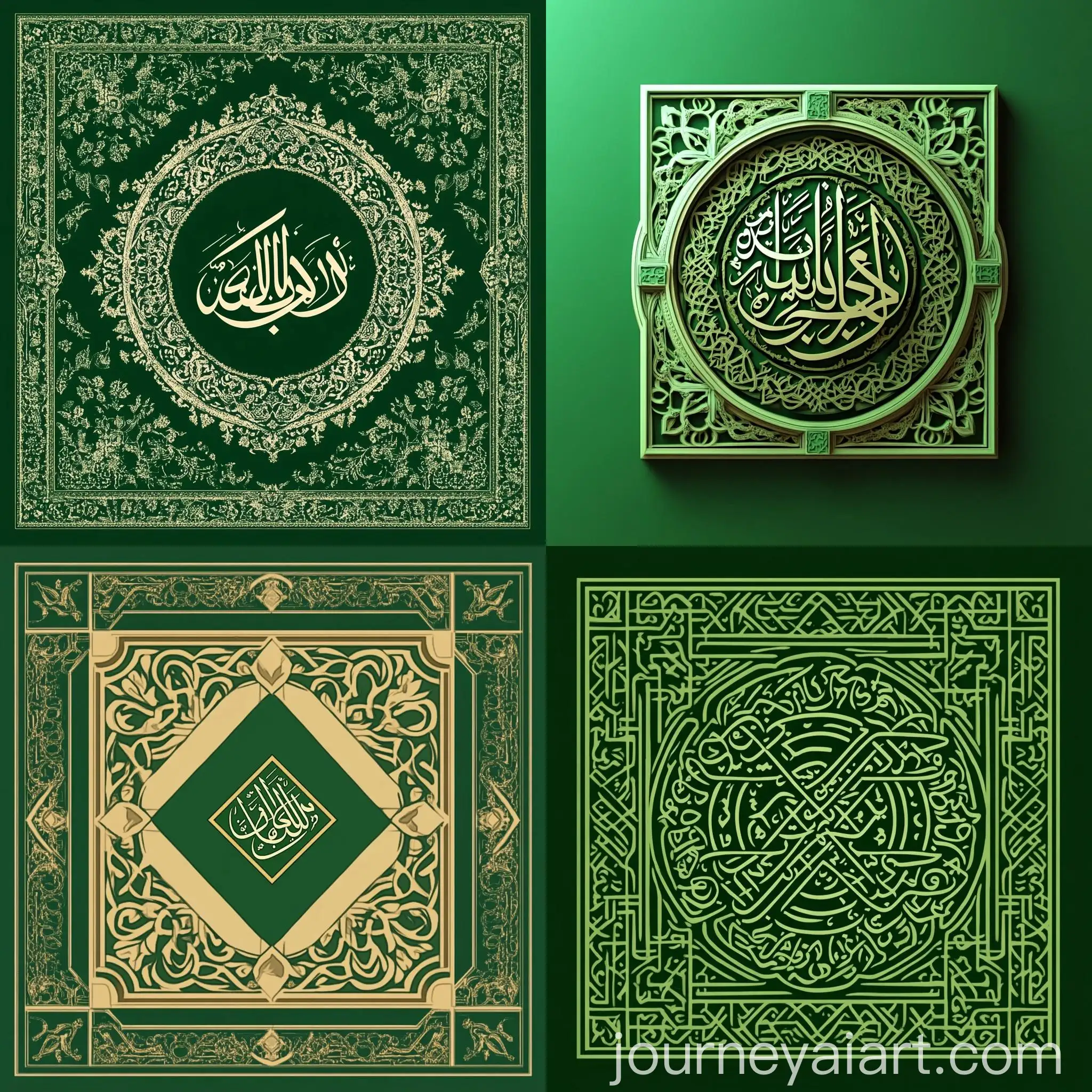
Welcome to our Islamic Art image collection, featuring 305 free AI-generated images. Explore a diverse array of stock photos, 3D objects, vectors, and illustrations. Enjoy high-resolution downloads and use our 'open in editor' feature to customize prompts for your perfect image.

Related Tags
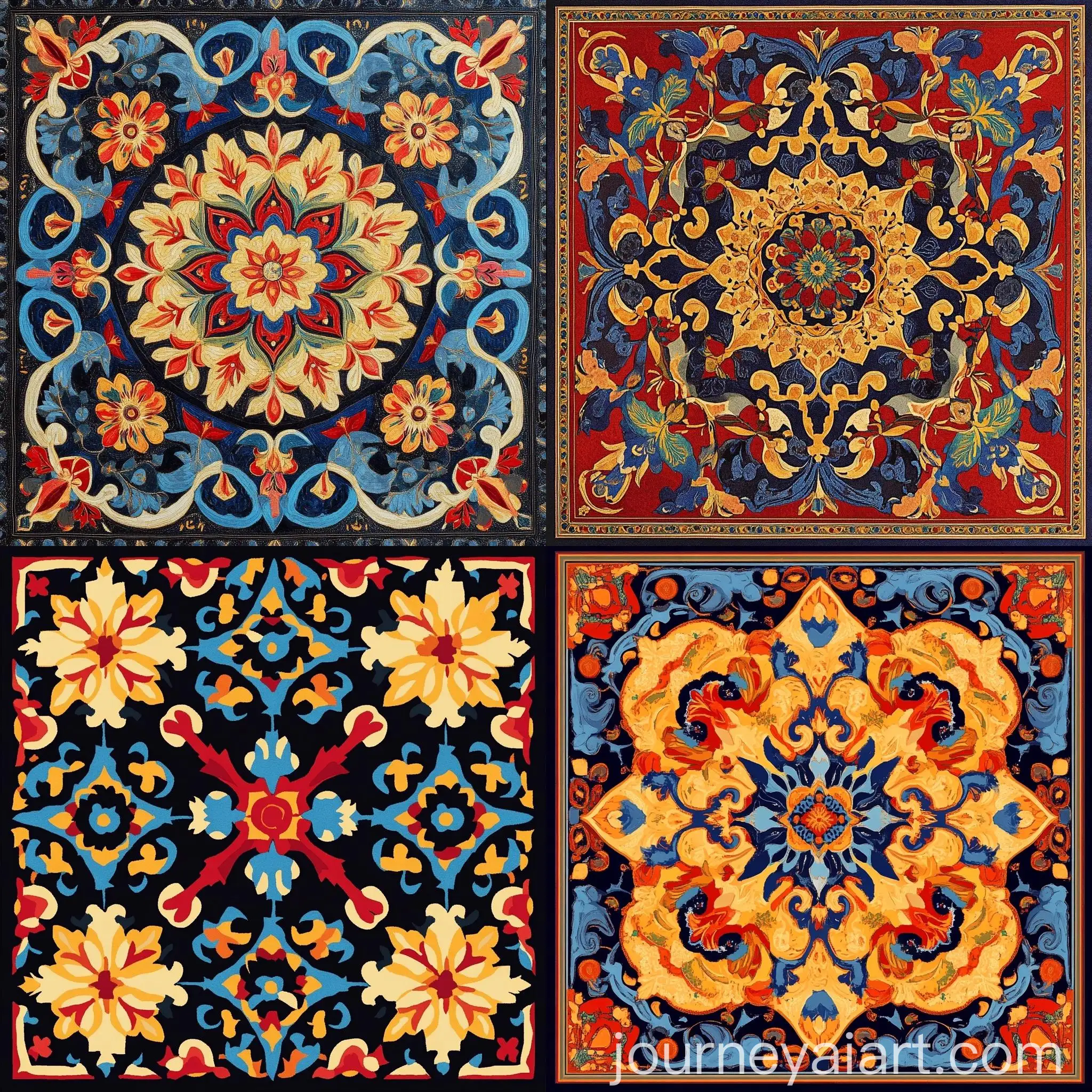
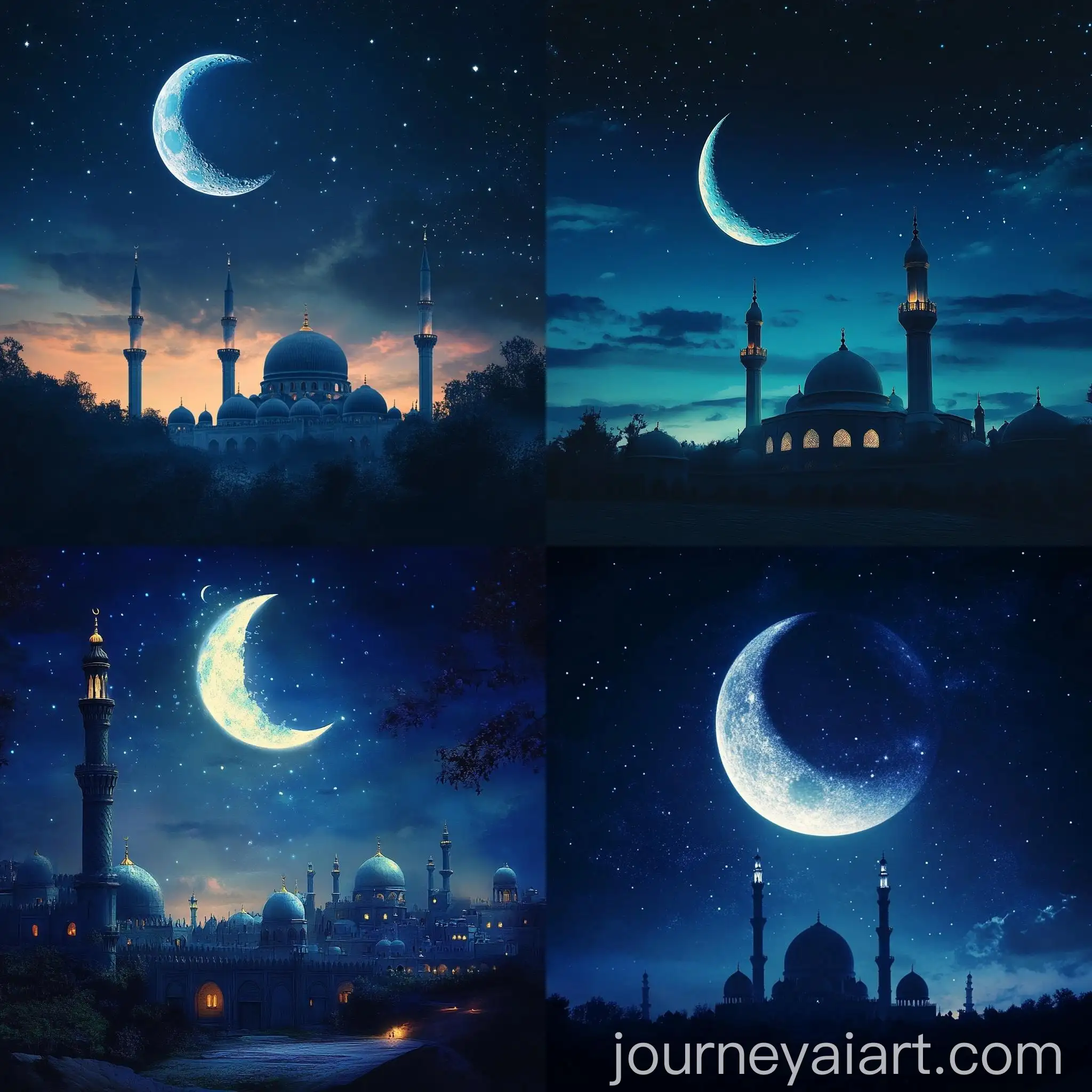
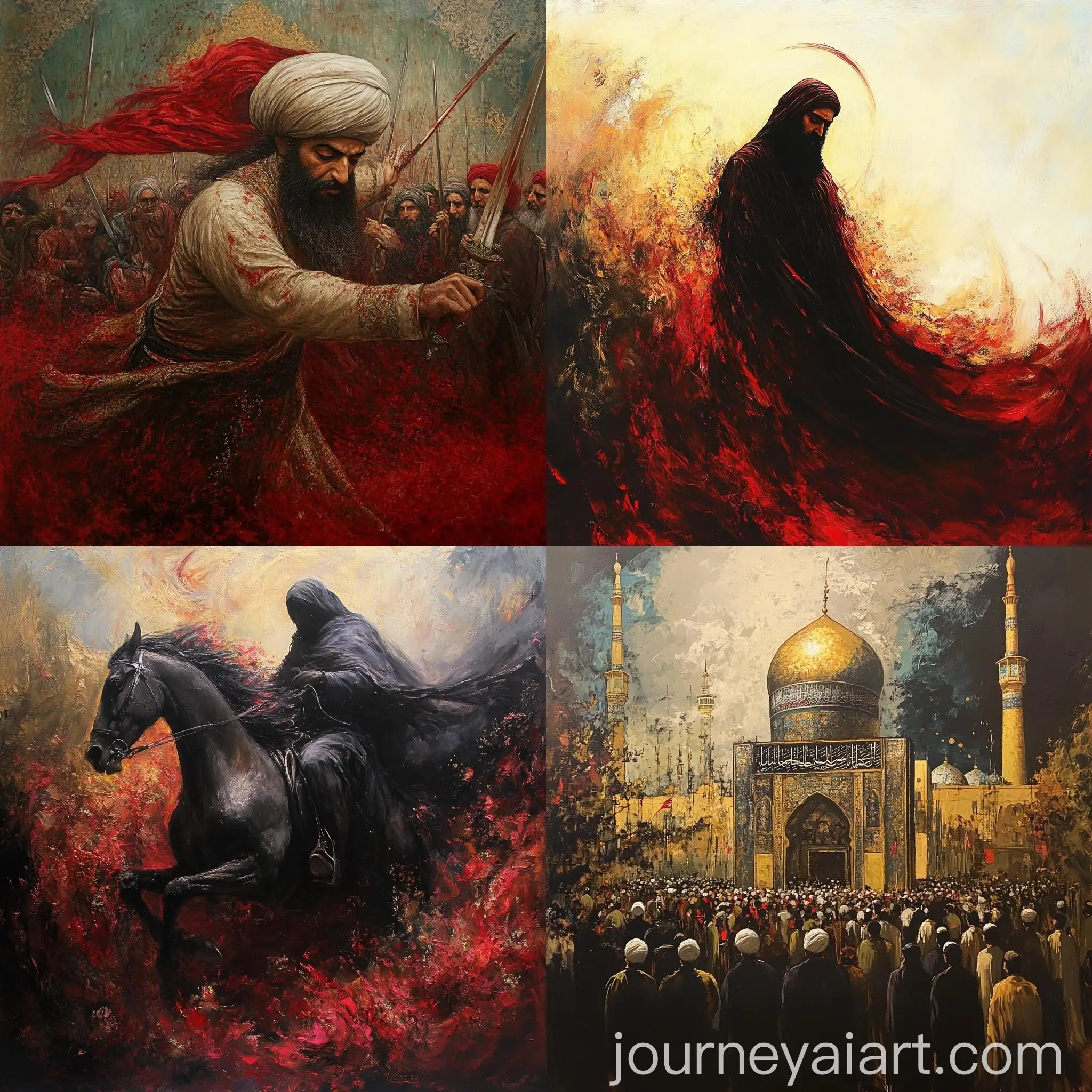
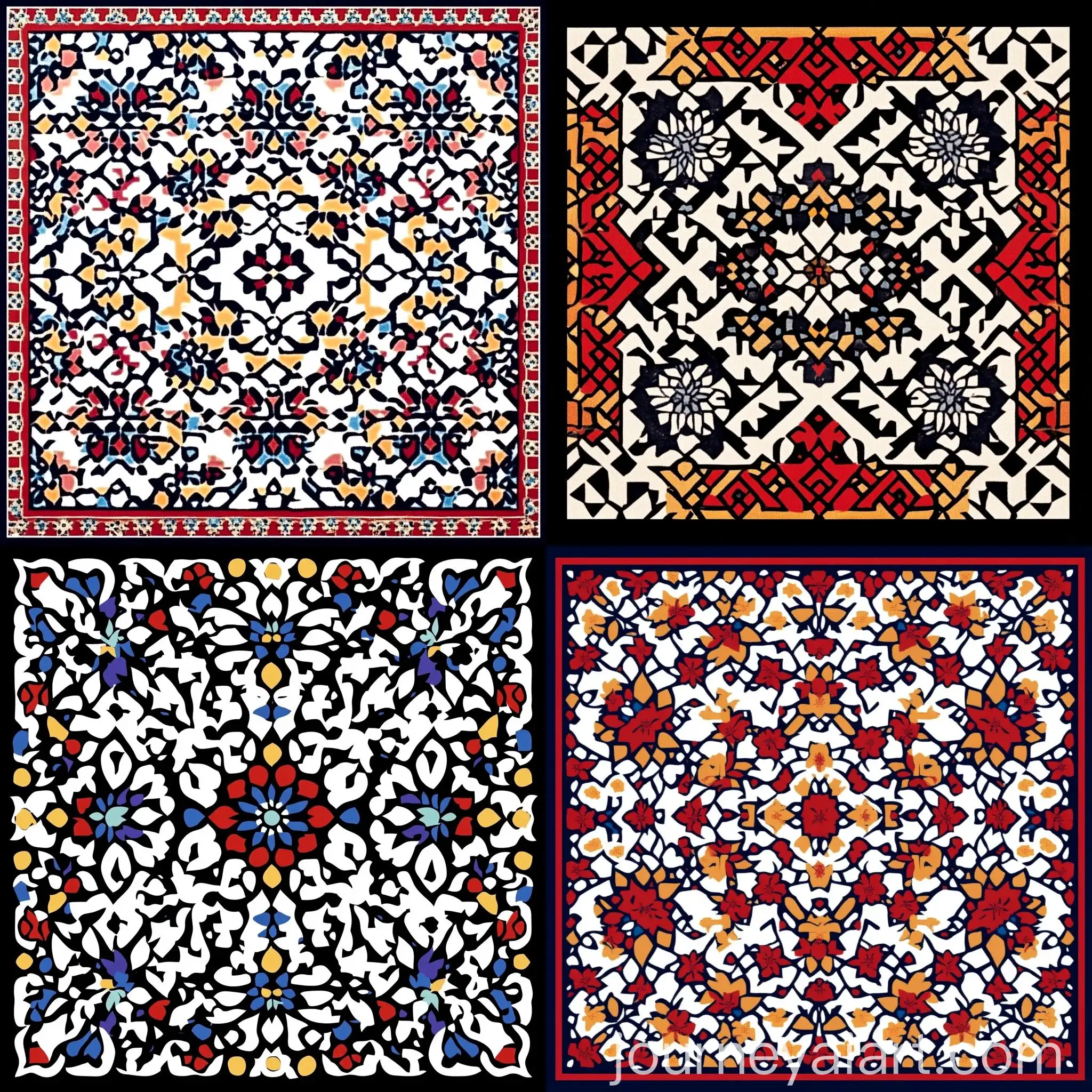
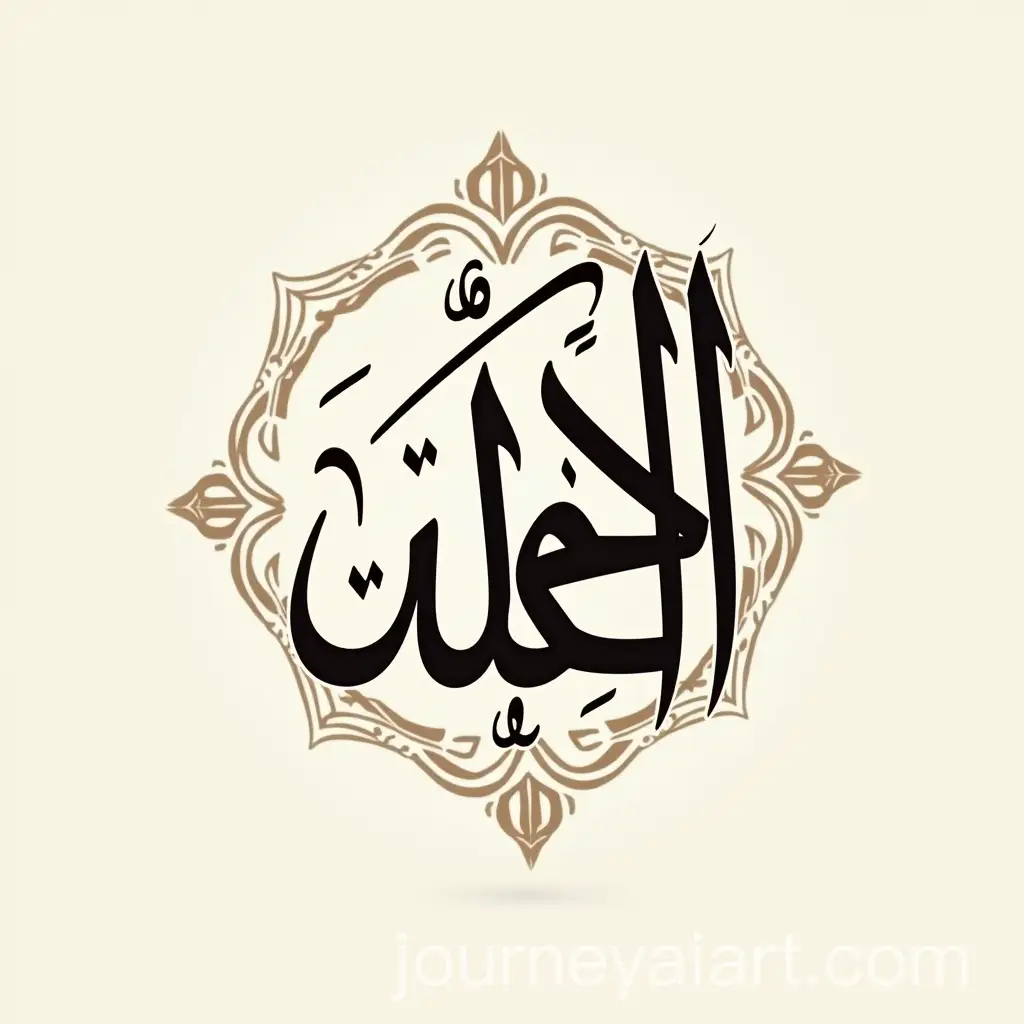
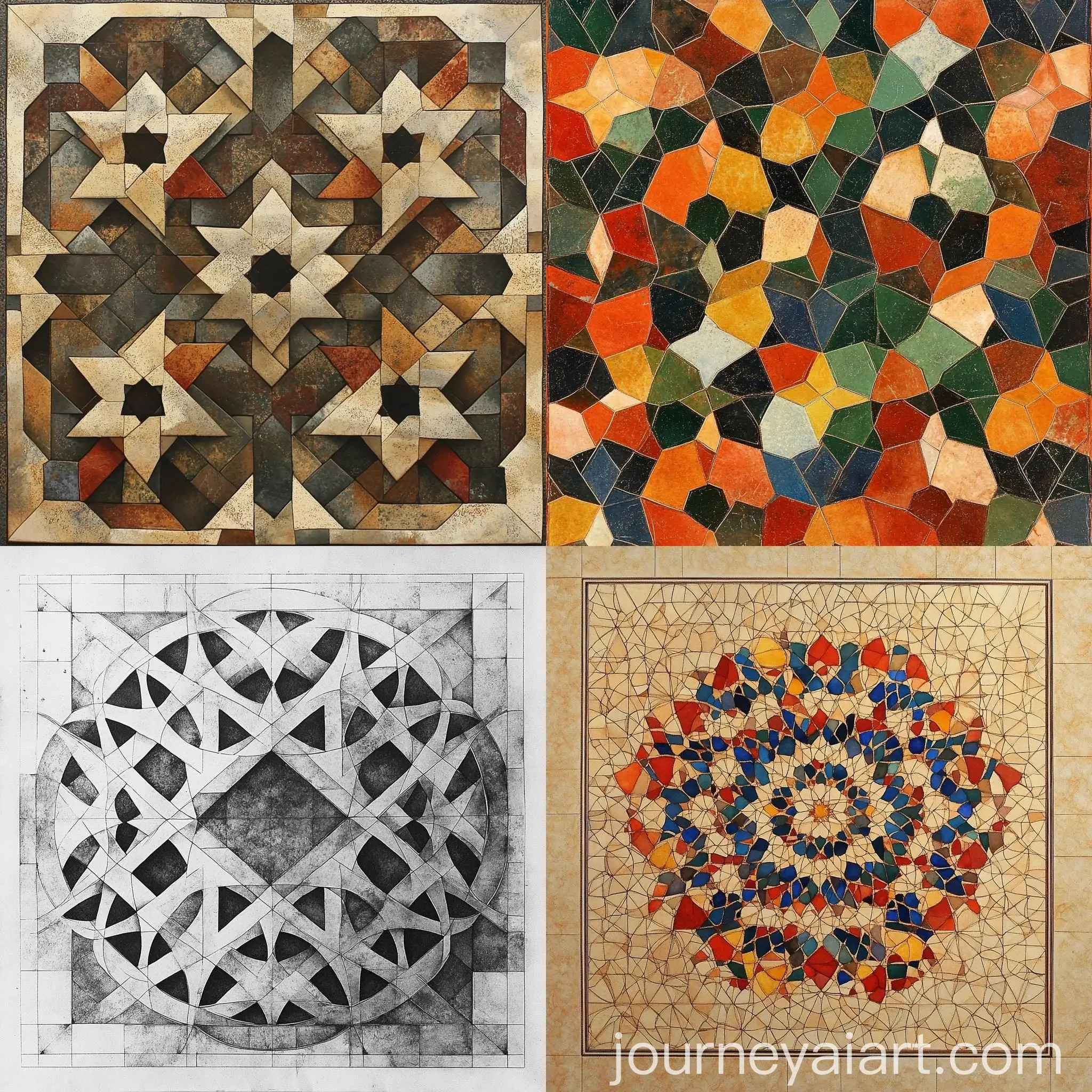
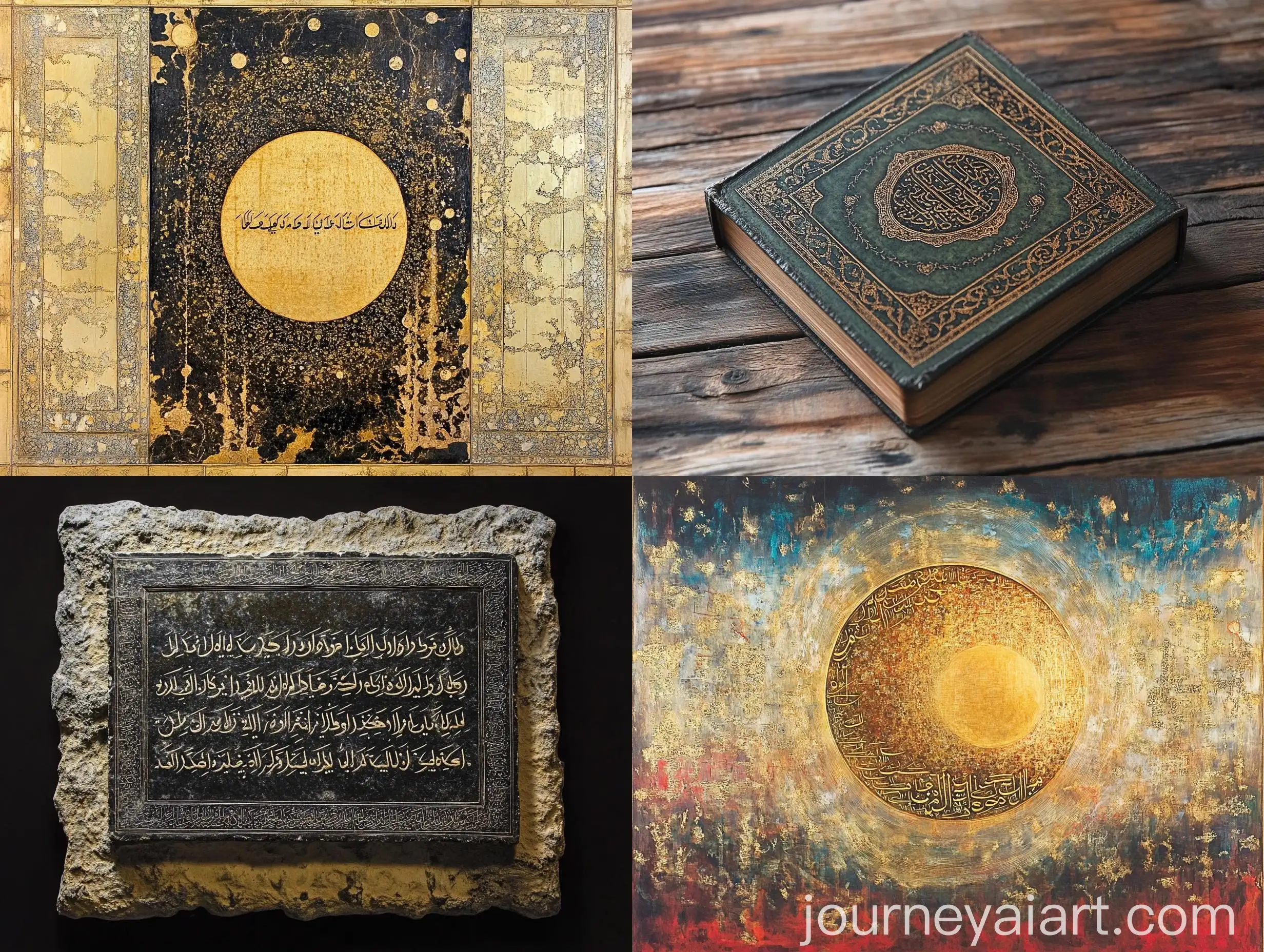
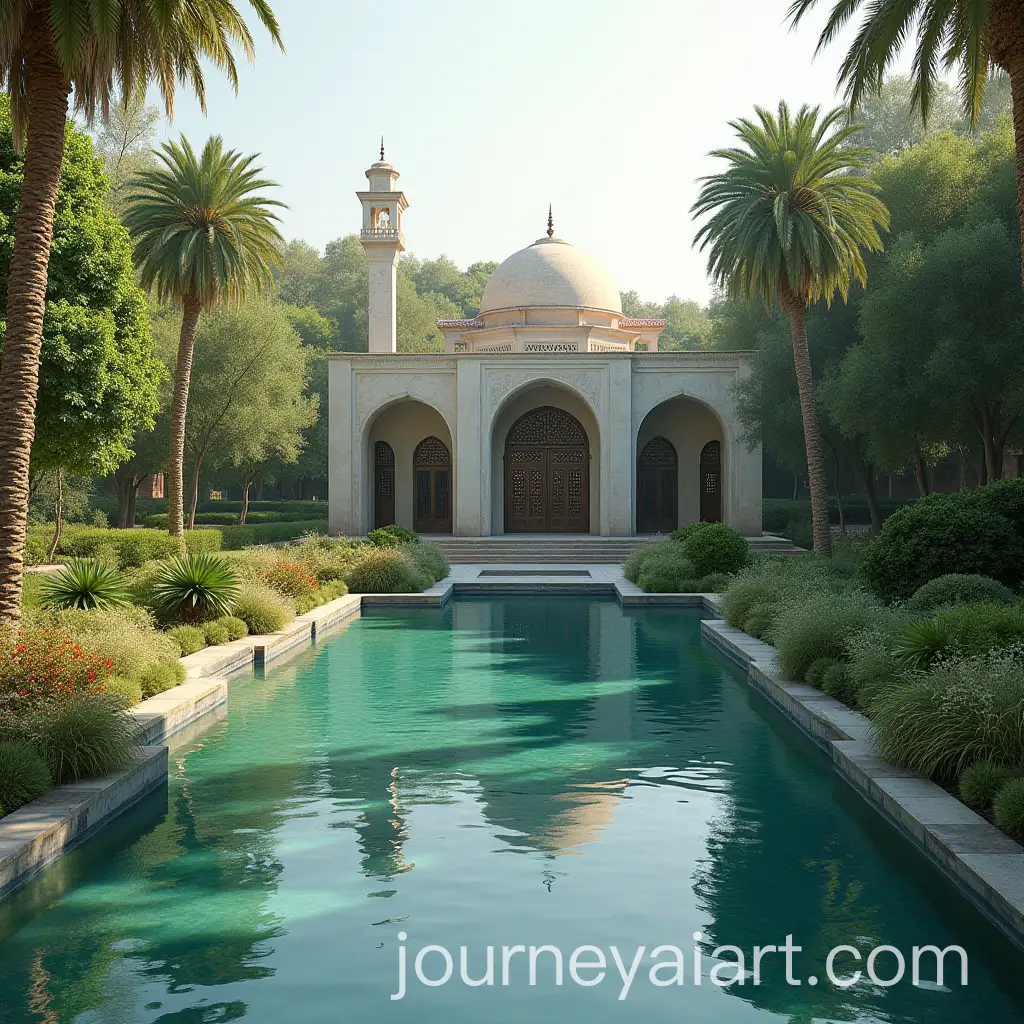
Islamic Art encompasses a wide range of visual arts produced from the 7th century onwards by people who lived within territories inhabited by or ruled by culturally Islamic populations. This includes architecture, calligraphy, painting, glass, ceramics, and textiles, among others. The art is characterized by its vibrant use of color, intricate patterns, and a focus on geometric shapes and calligraphic design, reflecting the artistic diversity and rich cultural heritage of the Islamic world.
Definition and Background of Islamic Art
Islamic Art is known for its intricate designs and patterns, often featuring arabesques, geometric patterns, and calligraphy. These elements are used in a variety of applications, from architectural decorations in mosques and palaces to everyday objects like pottery and textiles. The art form emphasizes aniconism, the avoidance of figural representation, which is why much of Islamic Art focuses on abstract, floral, and geometric motifs. These designs not only serve aesthetic purposes but also carry spiritual and cultural significance.
Characteristics and Applications of Islamic Art
Islamic Art has significantly influenced modern design and architecture. Its principles can be seen in contemporary art, interior design, and even fashion. Modern architects and designers draw inspiration from the intricate patterns and harmonious proportions of Islamic Art to create visually striking and culturally rich spaces. This influence extends to graphic design and digital art, where the timeless appeal of Islamic patterns is adapted for modern audiences.
Impact of Islamic Art on Modern Culture
The future of Islamic Art lies in its fusion with modern technology and digital mediums. AI-generated art is pushing the boundaries of traditional Islamic patterns and designs, creating new possibilities for innovation while respecting cultural heritage. As artists and designers explore the potential of AI, we can expect to see more interactive and immersive art experiences that incorporate augmented reality and virtual reality, allowing users to engage with Islamic Art in dynamic and novel ways.
Future Development Trends in Islamic Art