192 Free High-tech design Midjourney AI images
Welcome to our High-Tech Design image collection, featuring 192 free AI-generated images. Explore a diverse array of stock photos, 3D objects, vectors, and illustrations. Enjoy high-resolution downloads and use our 'open in editor' feature to customize prompts for your perfect image.
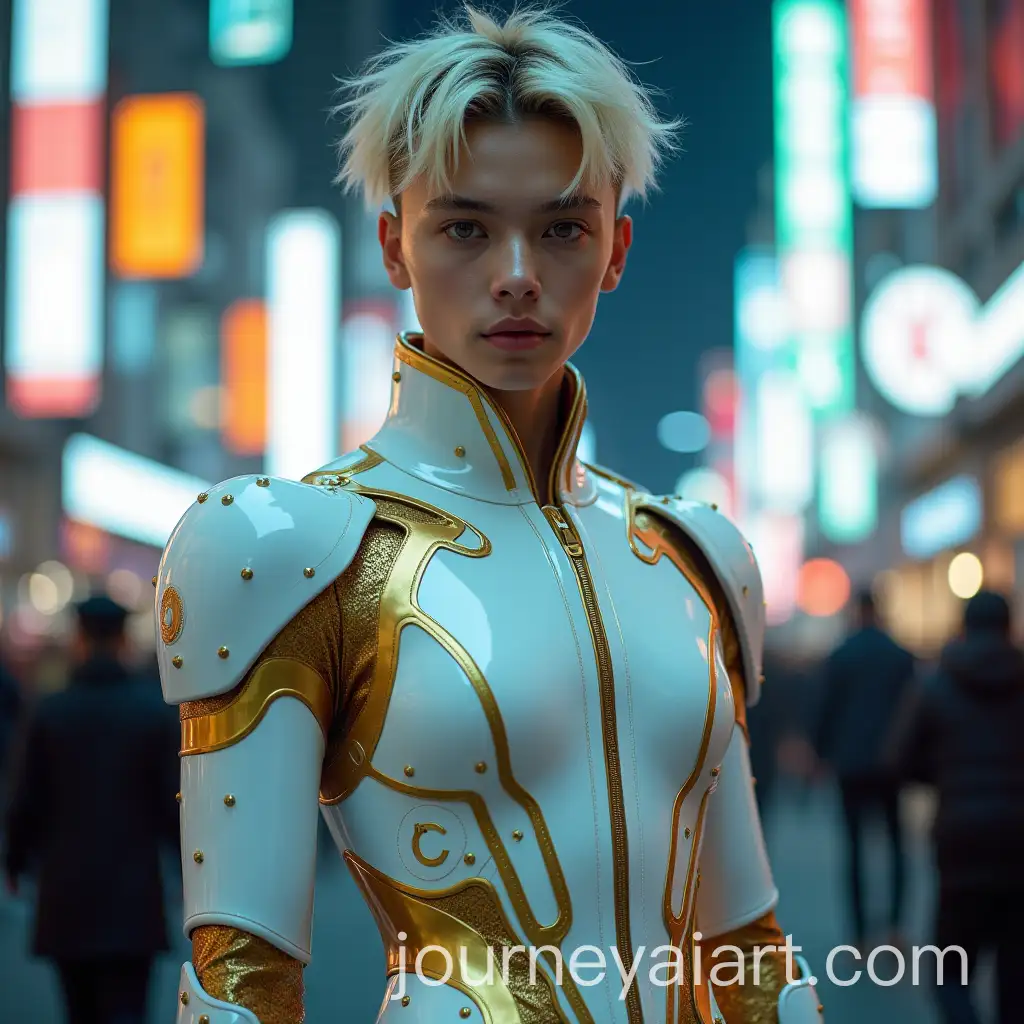

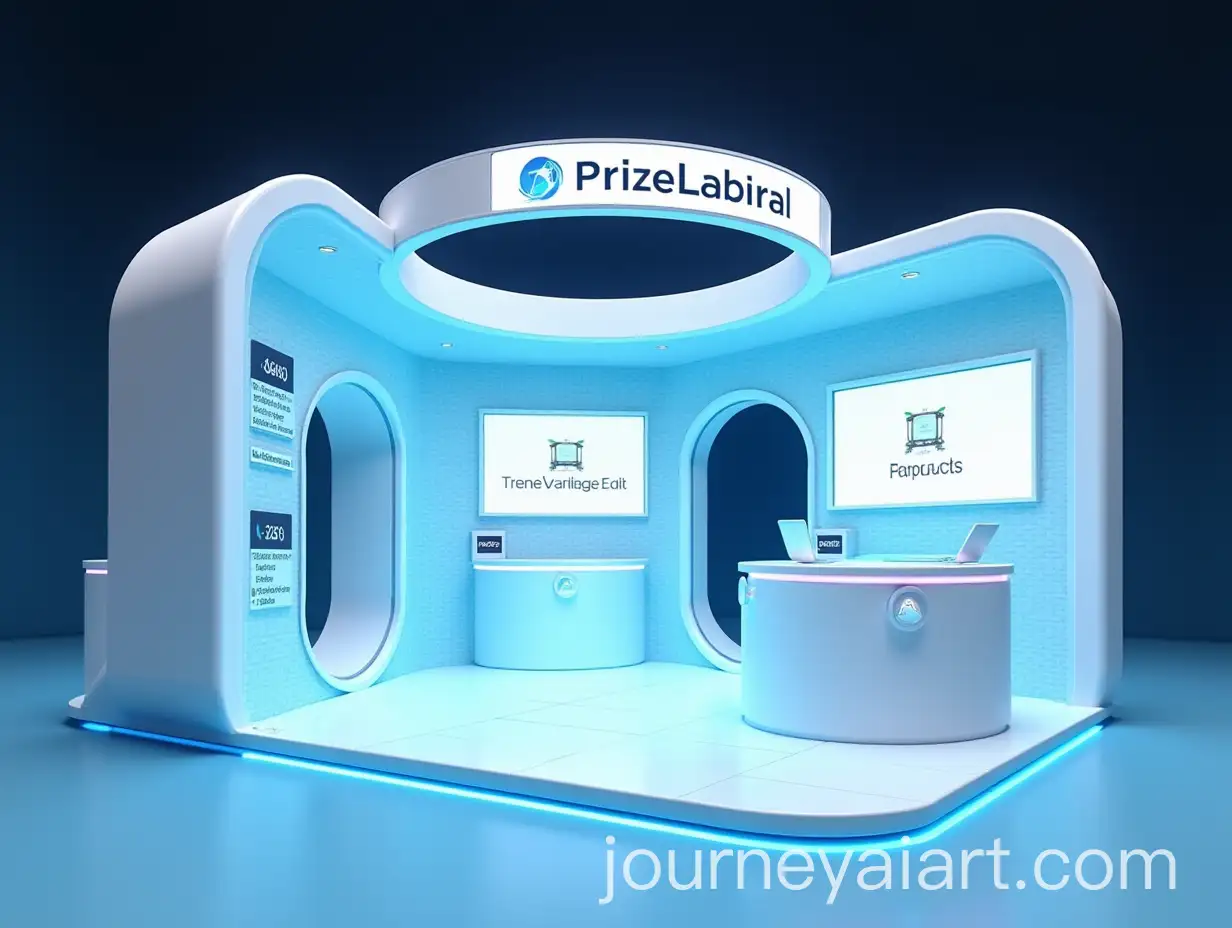





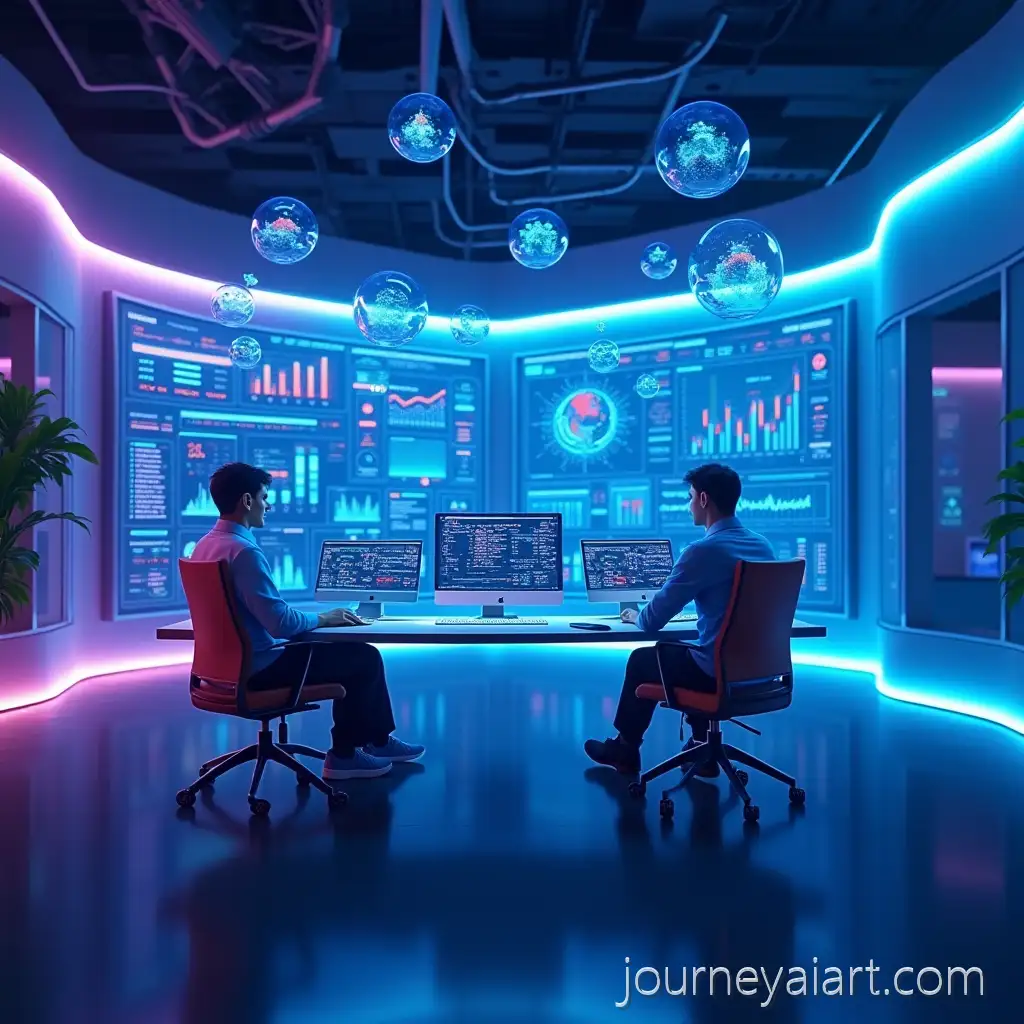
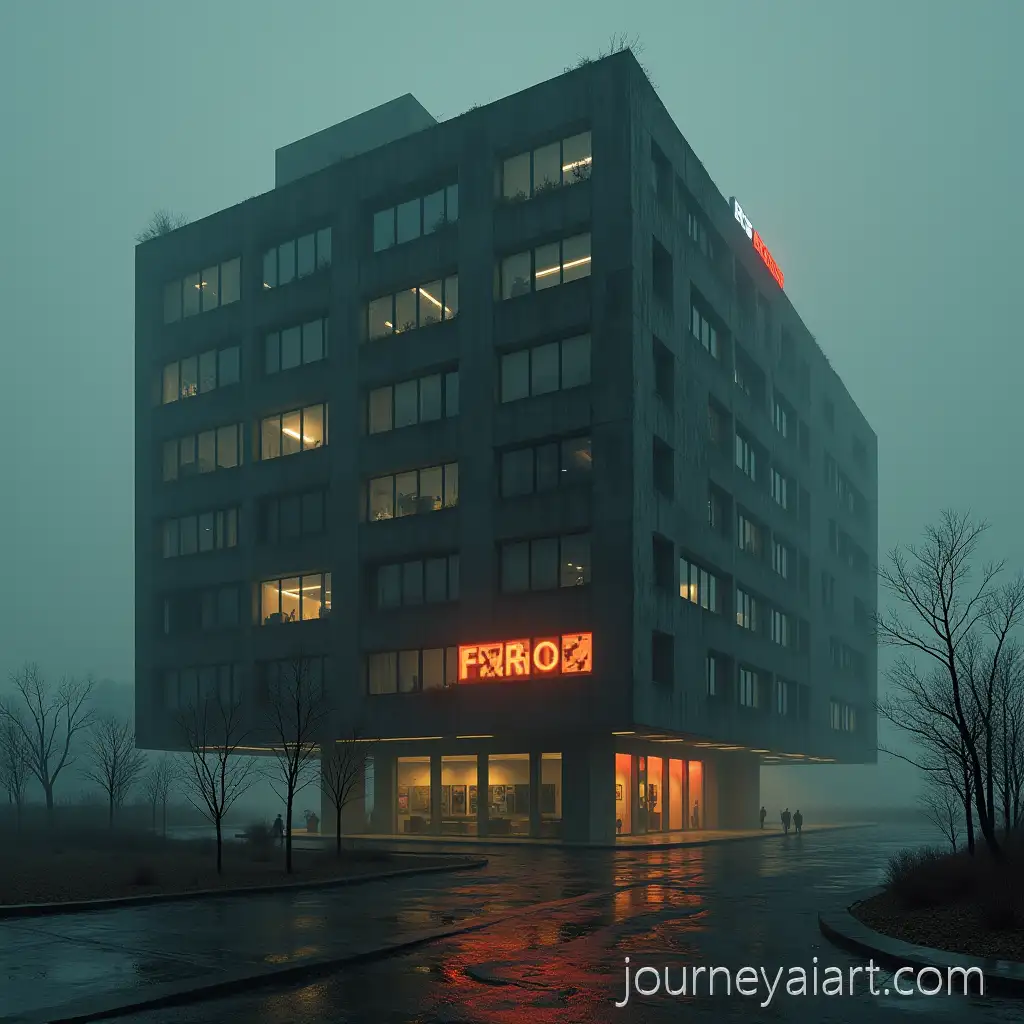

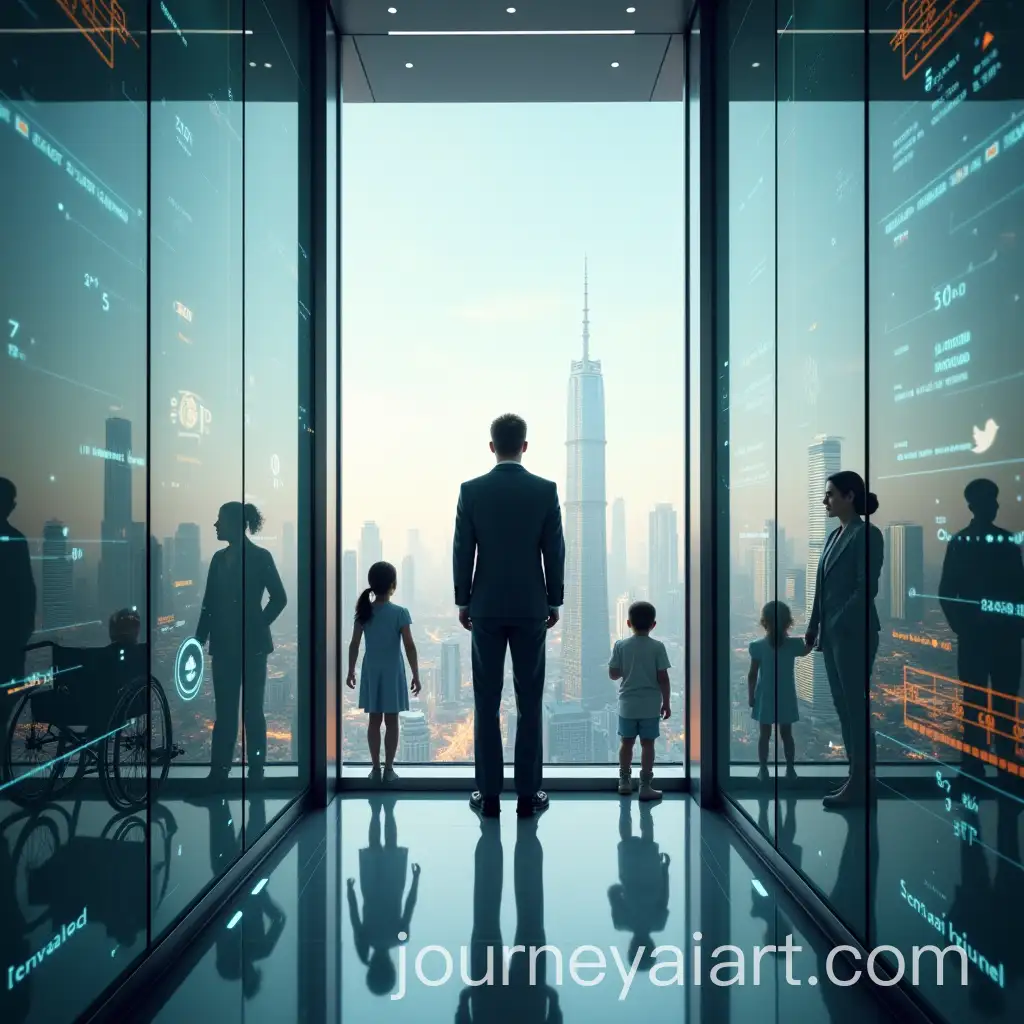





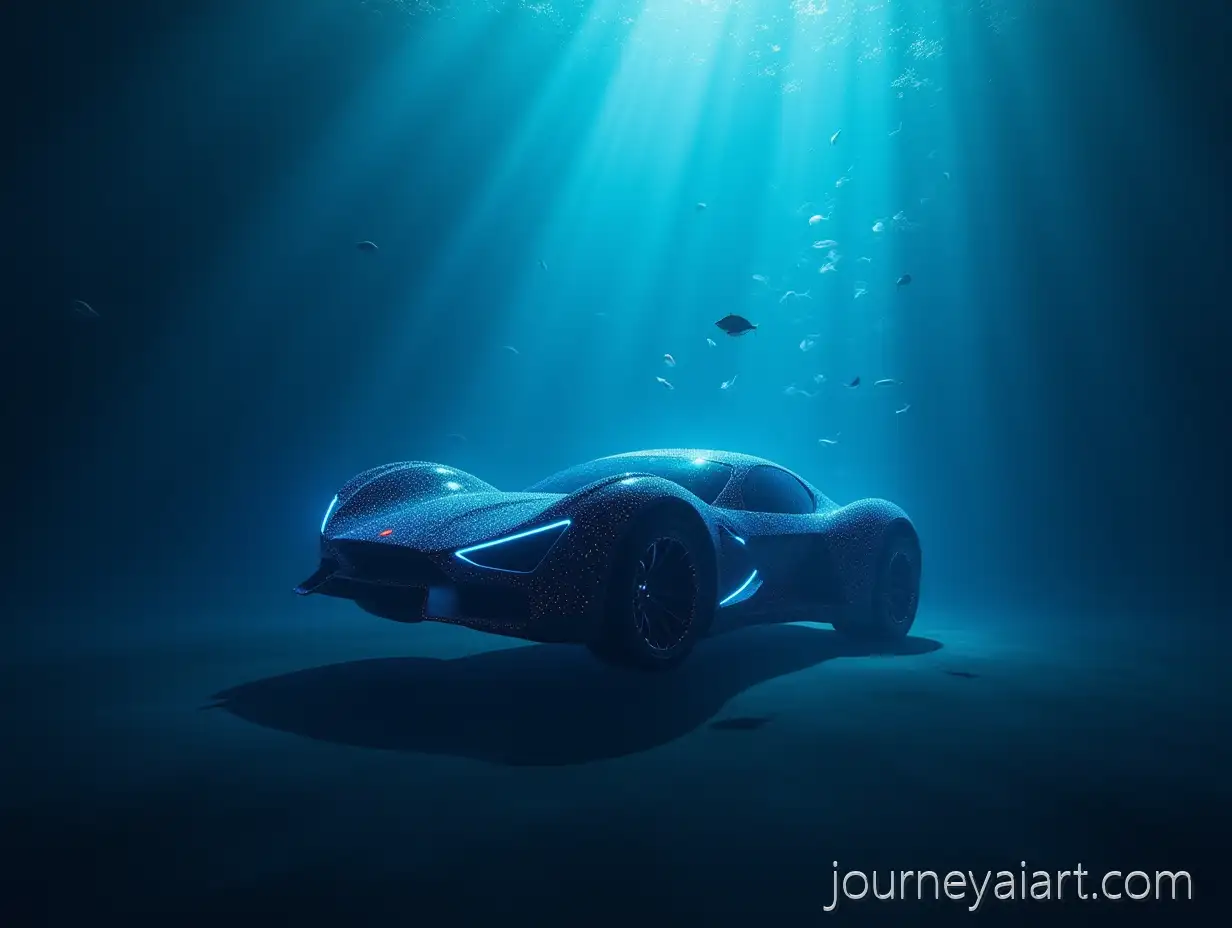
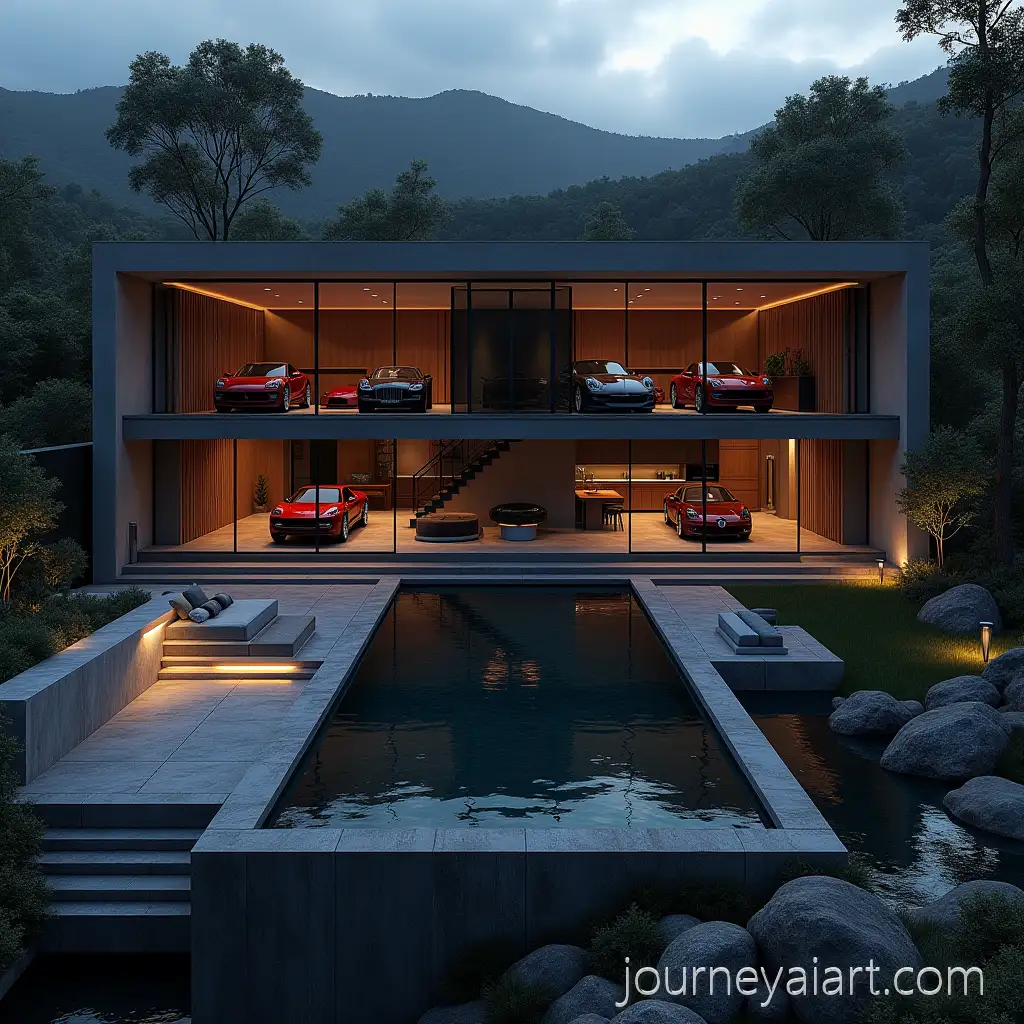

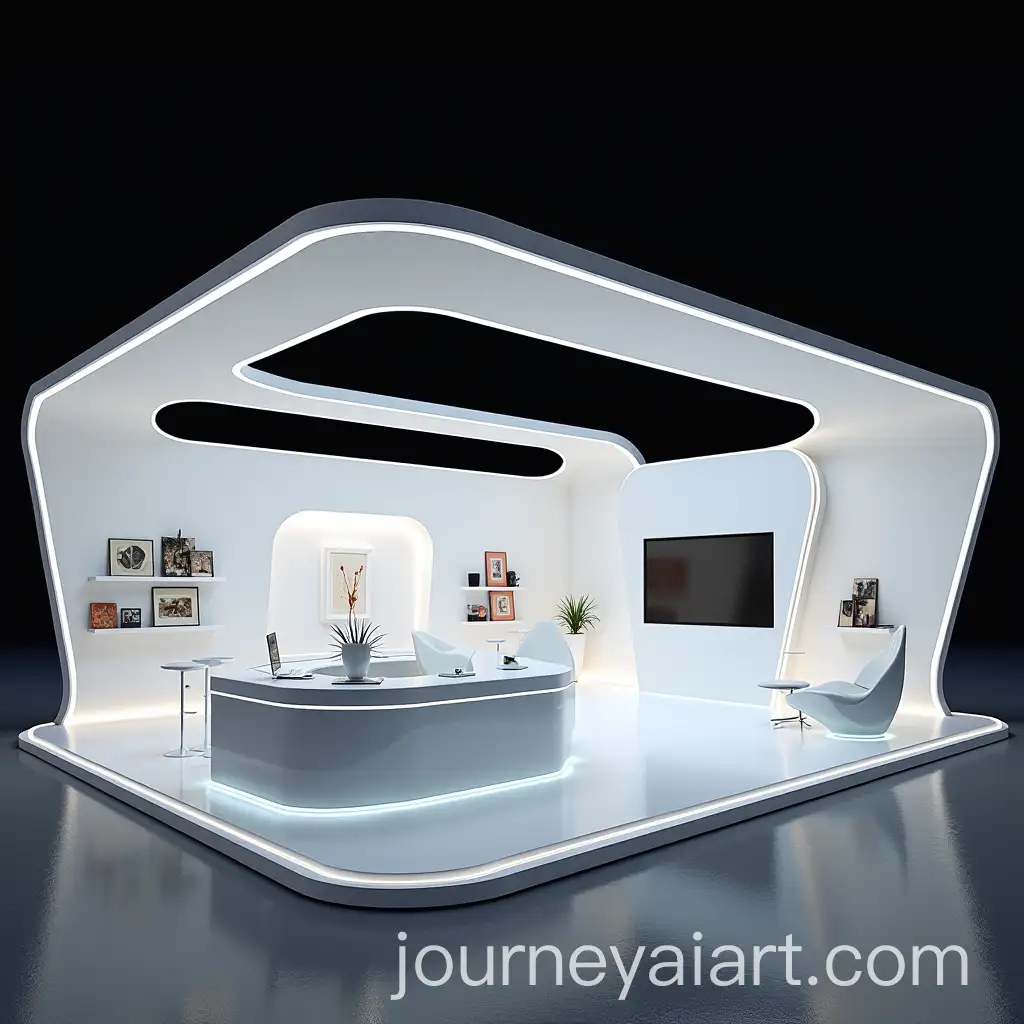

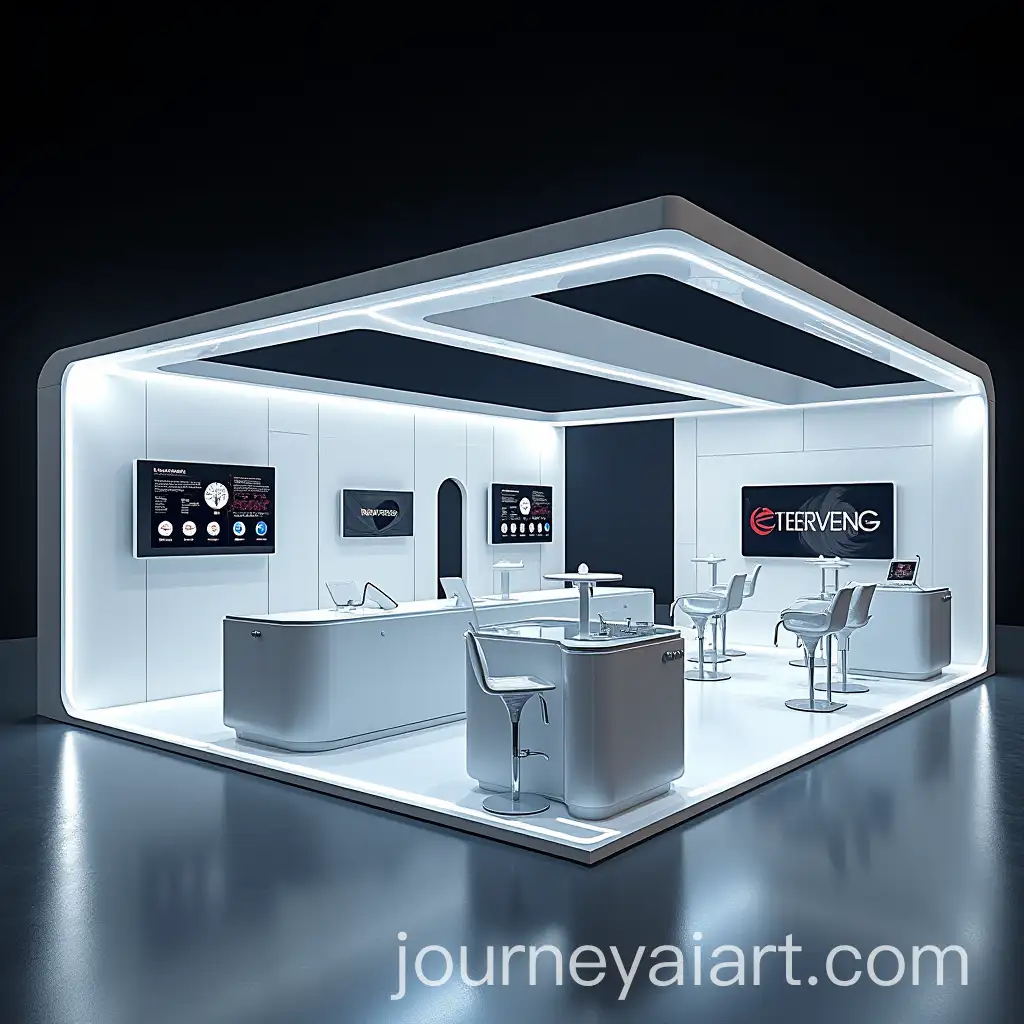


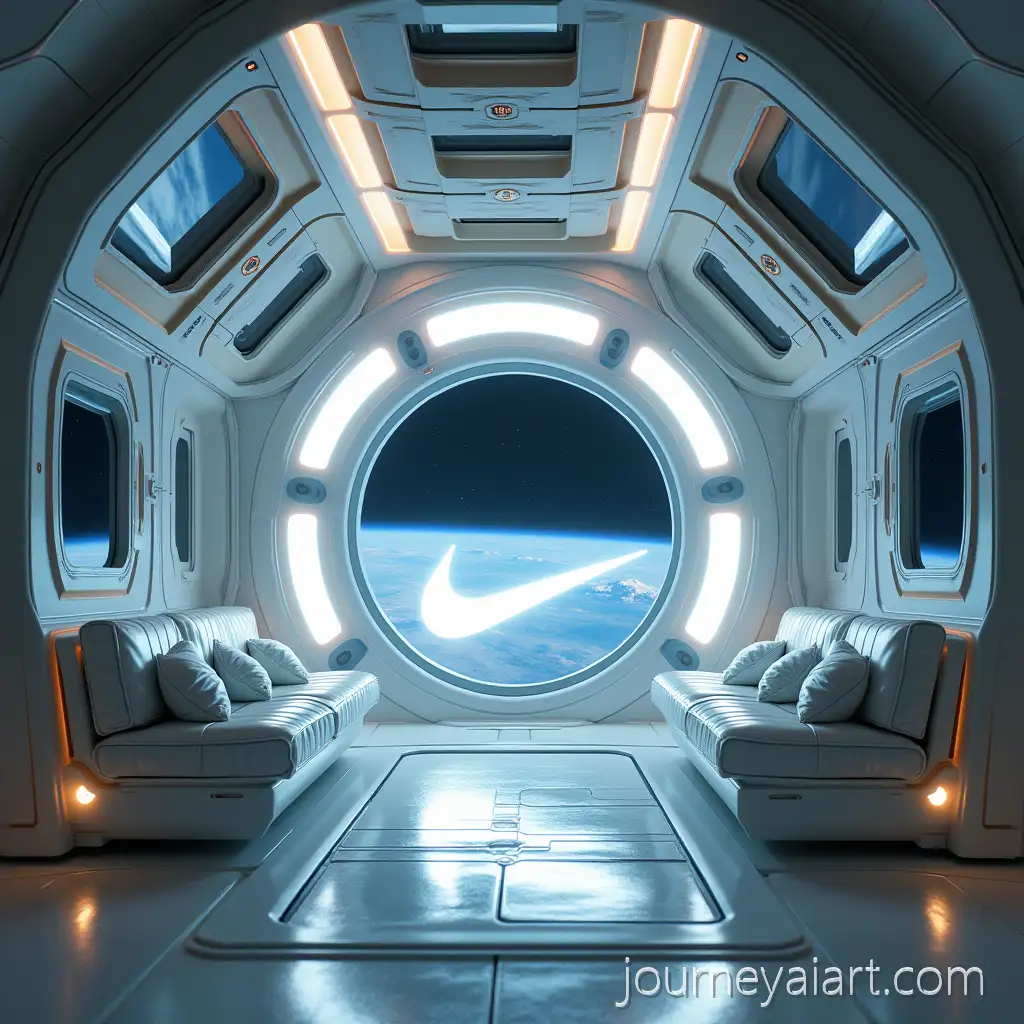









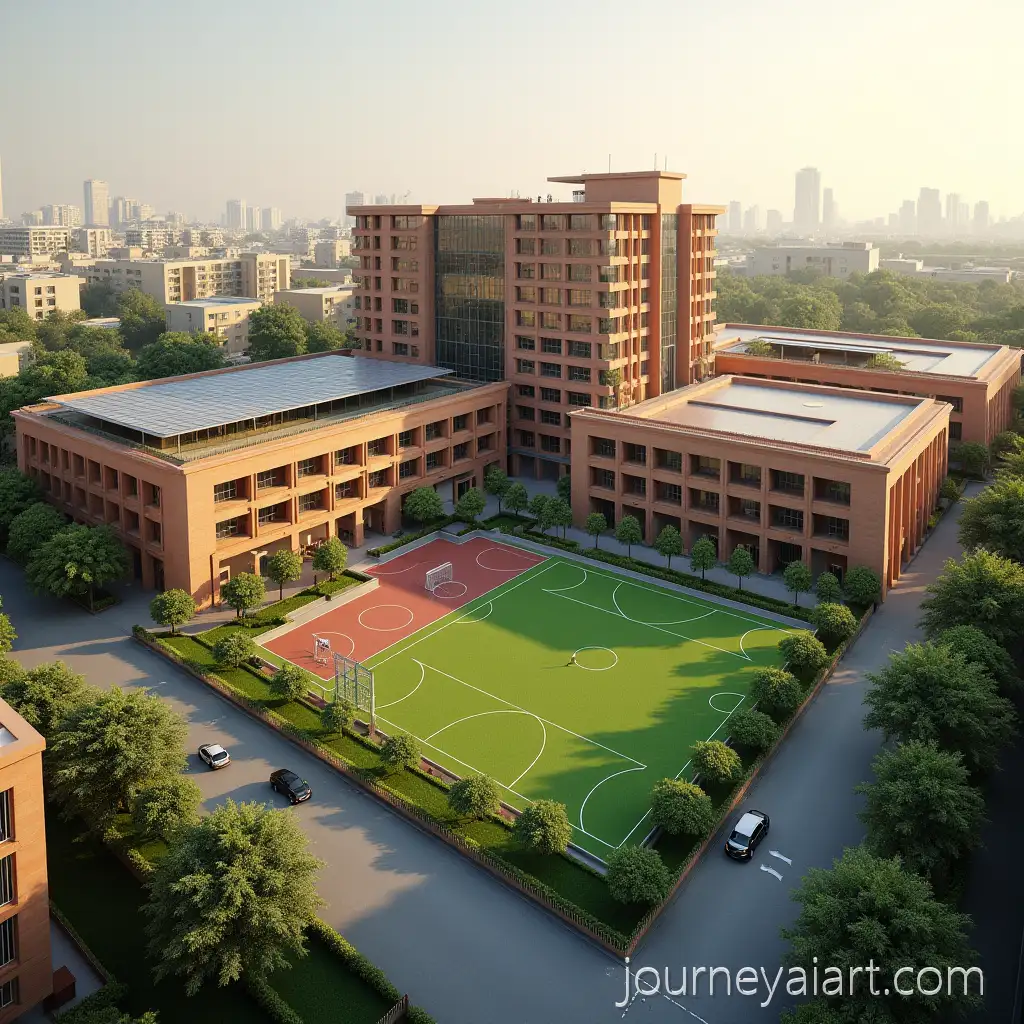
High-Tech Design, also known as high-technology architecture, emerged in the late 20th century, characterized by the use of advanced technologies and industrial materials. This design style emphasizes a futuristic aesthetic, often incorporating elements such as steel, glass, and high-tech components. The movement has roots in modernism and is influenced by the rapid technological advancements of the time. Iconic examples include the Pompidou Centre in Paris and the Lloyd's building in London, which showcase the integration of technology with architectural beauty.
The Essence of High-Tech Design: Definition and Background
High-Tech Design is marked by its clean lines, minimalistic approach, and the visible use of structural and mechanical components. Key features include open floor plans, extensive use of glass for natural light, and exposed ductwork and piping. This design philosophy is applied in various fields, from architecture and interior design to product design and digital media. In architecture, it creates innovative, energy-efficient buildings. In product design, it leads to sleek, user-friendly gadgets and tools. High-Tech Design also influences UI/UX design in creating futuristic and efficient digital interfaces.
Key Features and Applications of High-Tech Design
Prominent figures in High-Tech Design include architects like Norman Foster and Richard Rogers, whose works have become synonymous with the movement. Norman Foster's work, such as the HSBC Building in Hong Kong, demonstrates the fusion of technology and design excellence. Richard Rogers' Pompidou Centre, with its exposed structural elements, redefined the conventional aesthetics of buildings. Their contributions have set a benchmark for integrating advanced technology seamlessly into design, inspiring new generations of designers and architects.
Influential Figures and Iconic Works in High-Tech Design
The future of High-Tech Design looks promising with the advent of smart technologies and sustainable practices. Emerging trends include the use of AI and machine learning to create responsive and adaptive environments. Green technologies, such as solar panels and energy-efficient systems, are becoming integral to high-tech architecture. The fusion of virtual reality (VR) and augmented reality (AR) with design processes offers new possibilities for interactive and immersive spaces. As technology continues to evolve, High-Tech Design will likely push the boundaries of innovation, creating smarter and more sustainable environments.
Future Trends in High-Tech Design