14 Free Computer Hacker Midjourney AI images
Welcome to our Computer Hacker image collection, featuring about 14 free AI-generated images. Discover a wide variety of stock photos, 3D objects, vectors, and illustrations. Enjoy high-resolution downloads and take advantage of our 'open in editor' feature to customize prompts and regenerate images tailored to your needs.

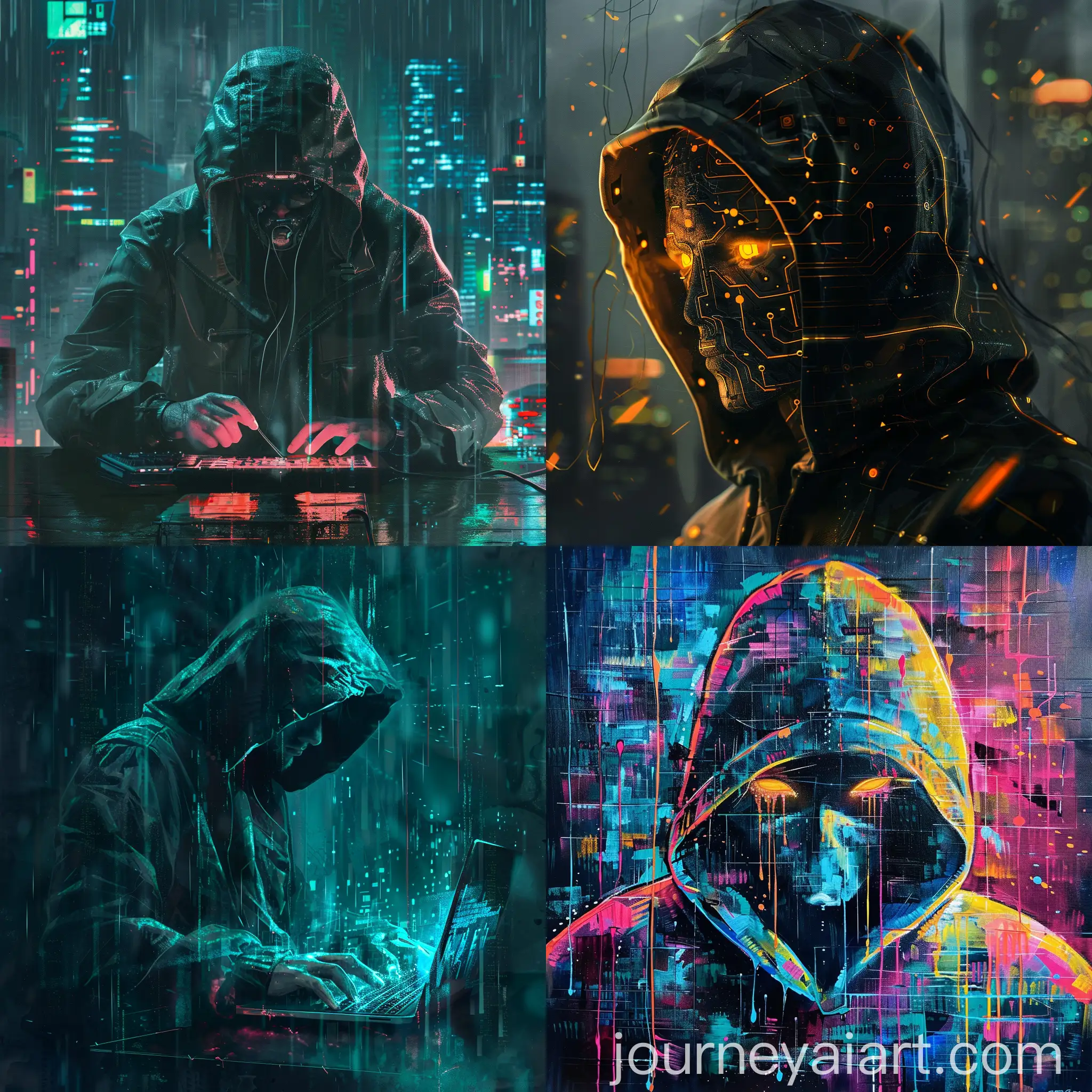












Computer hackers are individuals skilled in manipulating and breaking into computer systems and networks. Originally, the term 'hacker' referred to enthusiastic programmers who used their skills to experiment and improve software. However, in modern times, it often carries a negative connotation, associated with unauthorized access and cybercrime. Hackers play significant roles in cybersecurity, with ethical hackers (white hats) working to identify and fix security vulnerabilities, while malicious hackers (black hats) exploit them for personal gain.
Understanding the Concept of Computer Hackers
Hackers possess a deep understanding of computer systems, programming languages, and network protocols. They are adept at problem-solving and think creatively to bypass security measures. In cybersecurity, ethical hackers are crucial in identifying weaknesses before malicious hackers can exploit them. Penetration testing, vulnerability assessments, and incident response are some of the critical tasks performed by ethical hackers to protect sensitive data and maintain system integrity.
Key Characteristics and Roles of Hackers in Cybersecurity
Several hackers have made significant impacts on the field of cybersecurity. Kevin Mitnick, once known as the 'most wanted hacker in the world,' later became a leading security consultant. Adrian Lamo, famous for breaking into high-profile networks, also contributed to cybersecurity as a threat analyst. Additionally, organizations like Anonymous have used hacking for social and political activism, demonstrating the diverse motivations and impacts of hacking activities.
Influential Hackers and Their Notable Contributions
As technology evolves, so do the methods and techniques of hacking. The rise of artificial intelligence and machine learning introduces new challenges and opportunities in cybersecurity. Automated systems can both detect and exploit vulnerabilities faster than ever. The increasing interconnectivity of devices through the Internet of Things (IoT) expands the attack surface, requiring more robust security measures. Future trends include enhanced encryption methods, advanced threat detection systems, and the continuous need for skilled cybersecurity professionals to combat emerging threats.
The Future of Hacking and Cybersecurity Trends