56 Free Color Scheme Midjourney AI images
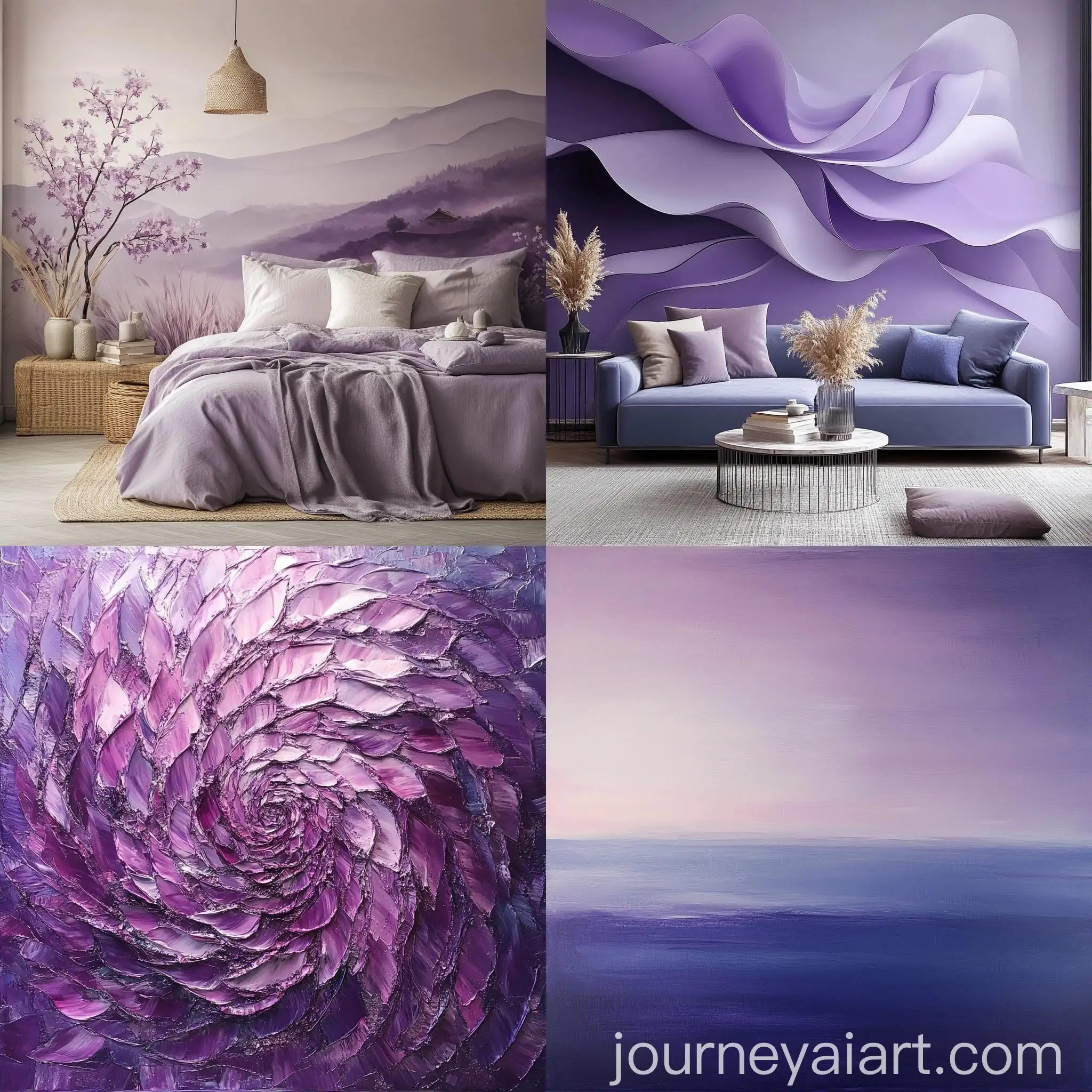
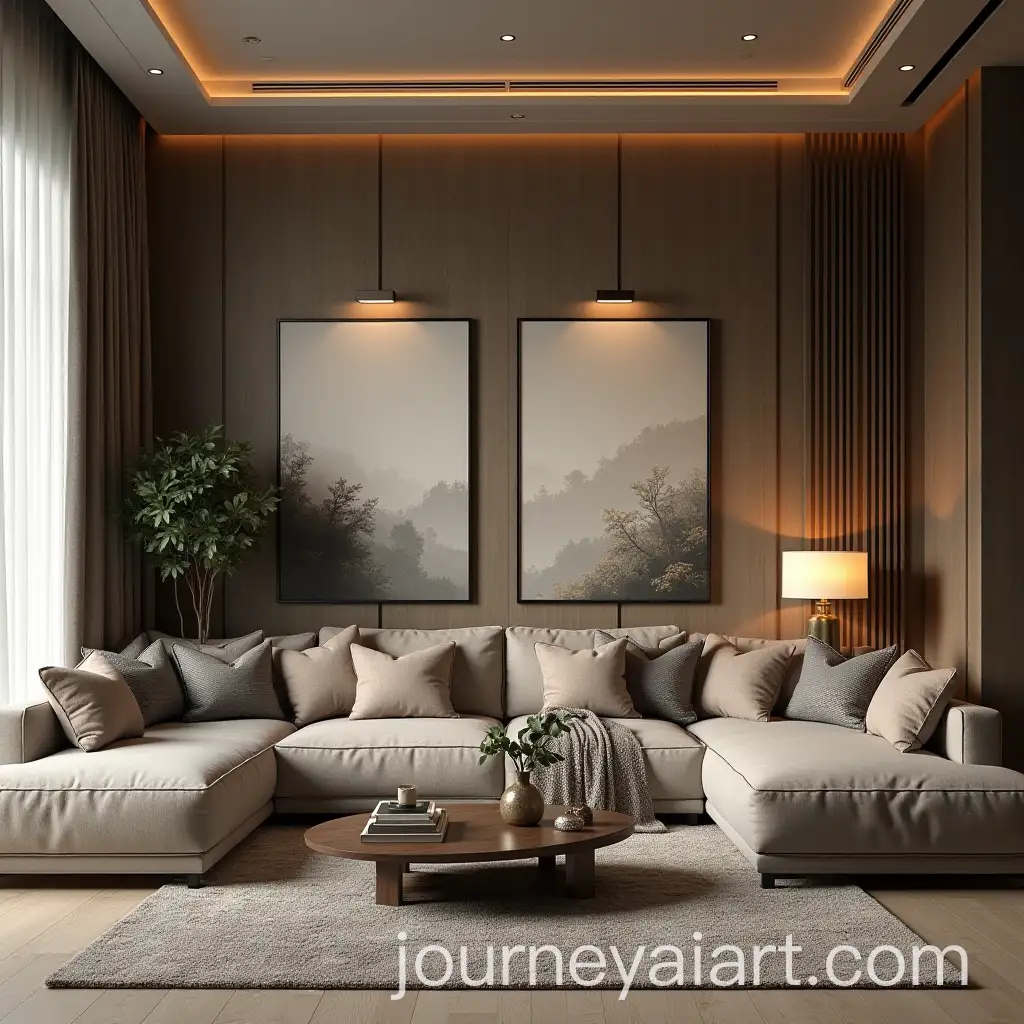
Welcome to our Color Scheme image collection, featuring 56 free AI-generated images. Dive into a vibrant array of stock photos, 3D objects, vectors, and illustrations that showcase various color palettes and combinations. Enjoy high-resolution downloads and use our 'open in editor' feature to customize prompts for your perfect color-themed image.
















Related Tags
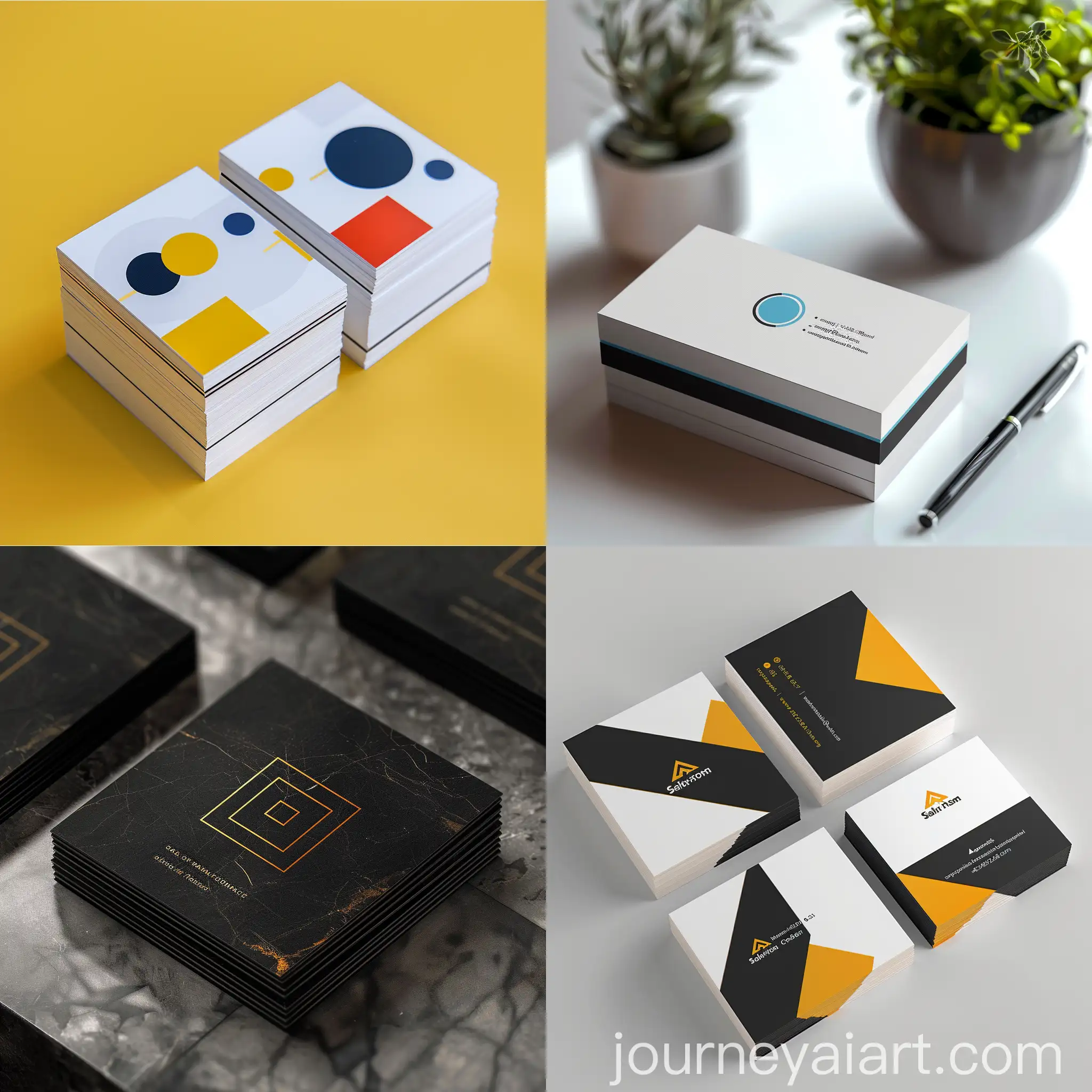
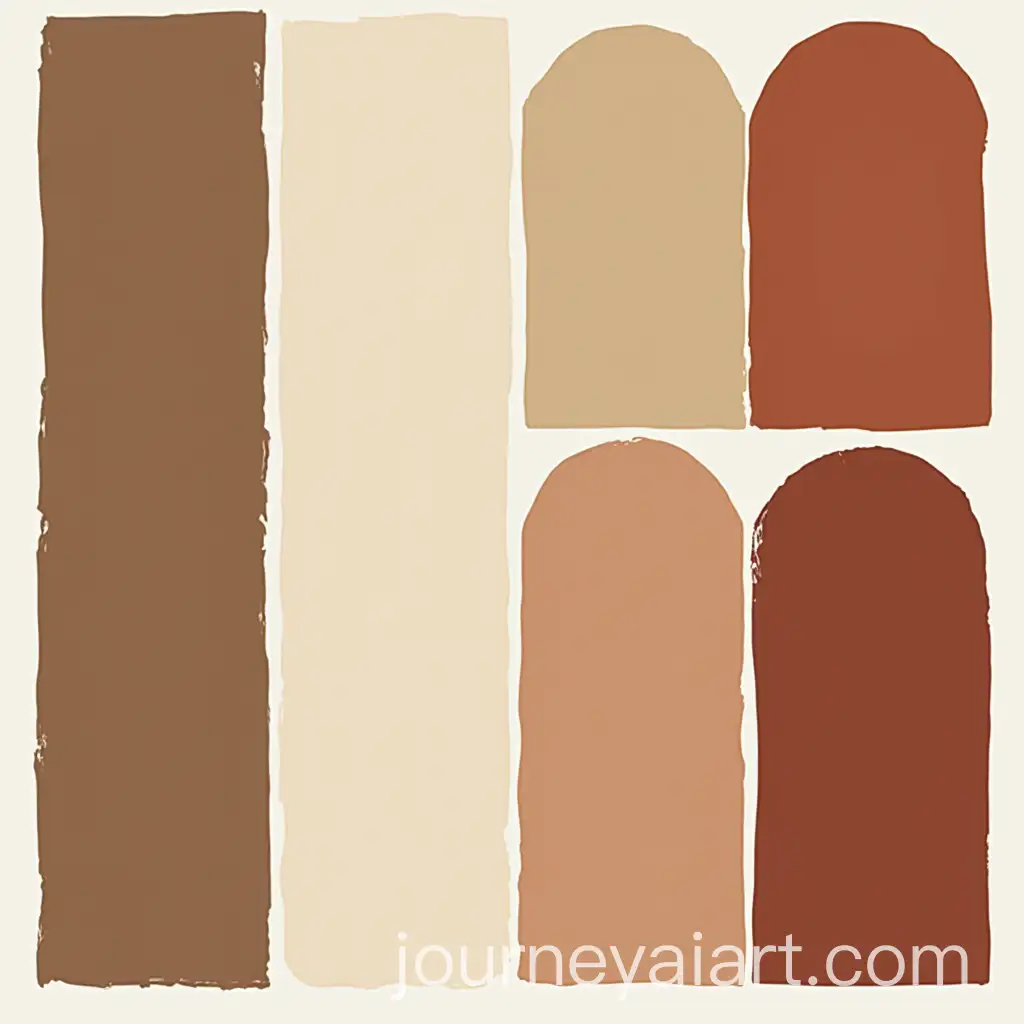
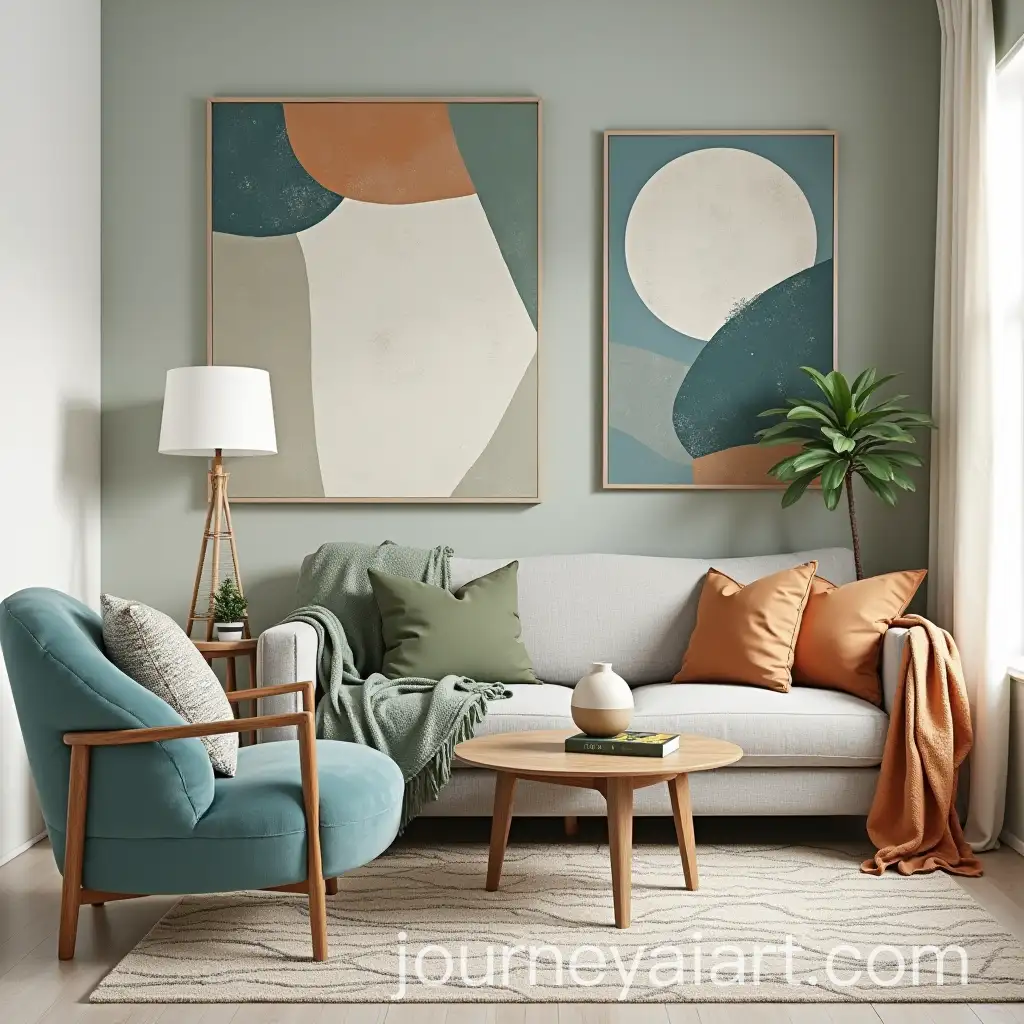
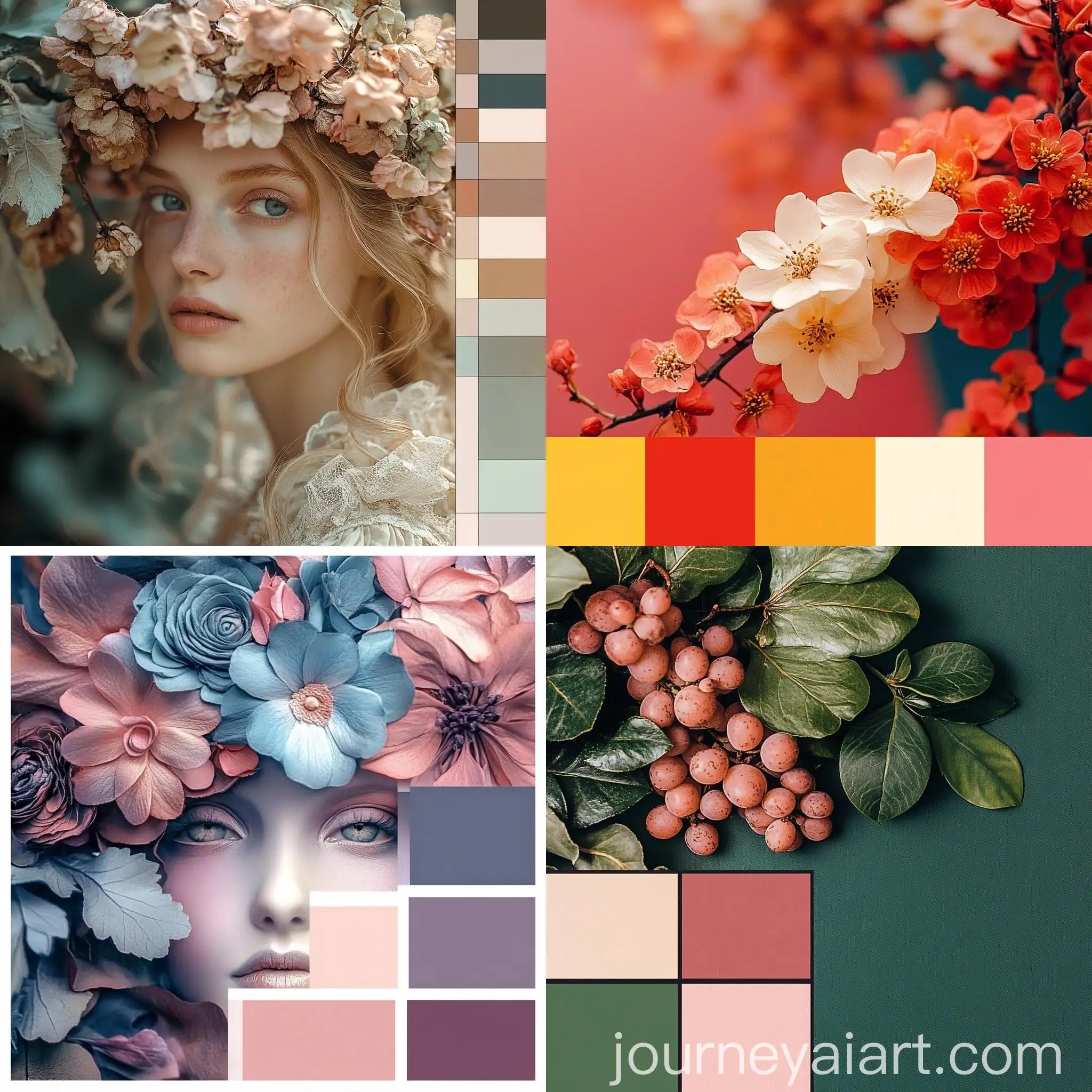
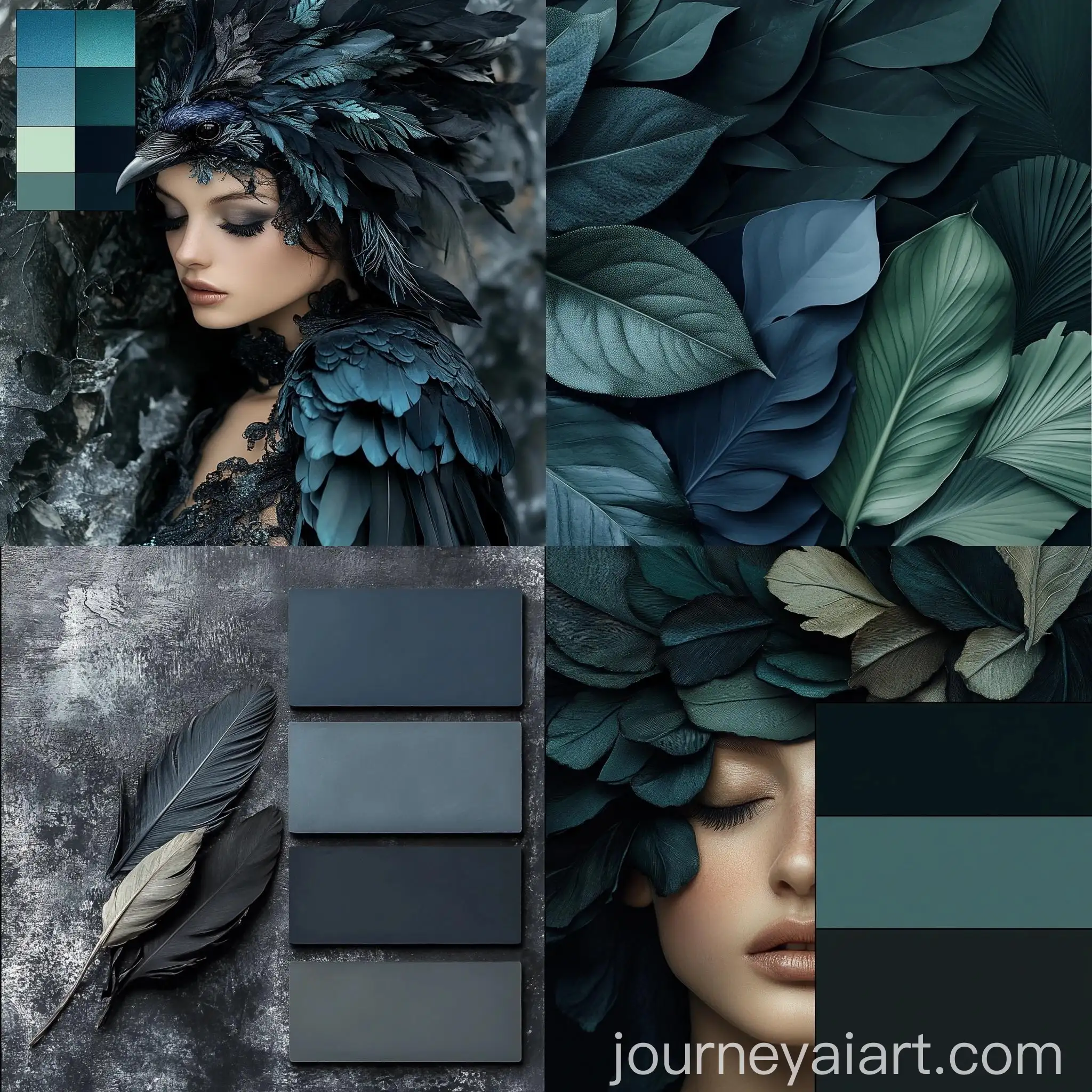
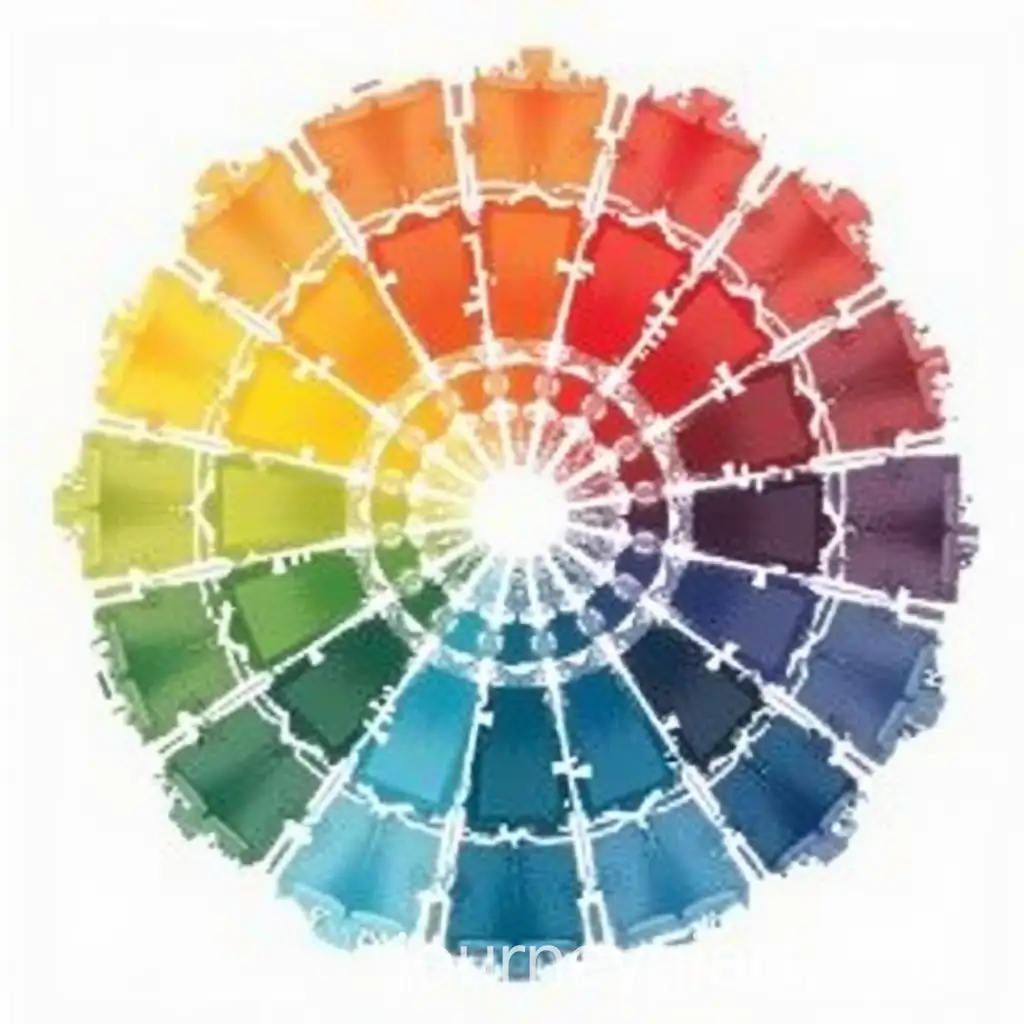
Color schemes are organized combinations of colors used in design to create aesthetic appeal and convey messages. The most common types include monochromatic (variations of a single color), analogous (colors adjacent on the color wheel), complementary (opposite colors on the color wheel), and triadic (three evenly spaced colors on the color wheel). Each scheme type evokes different emotions and serves various purposes in design. For instance, monochromatic schemes create a harmonious, sophisticated look, while complementary schemes offer high contrast and visual impact.
Understanding Color Schemes: Definitions and Types
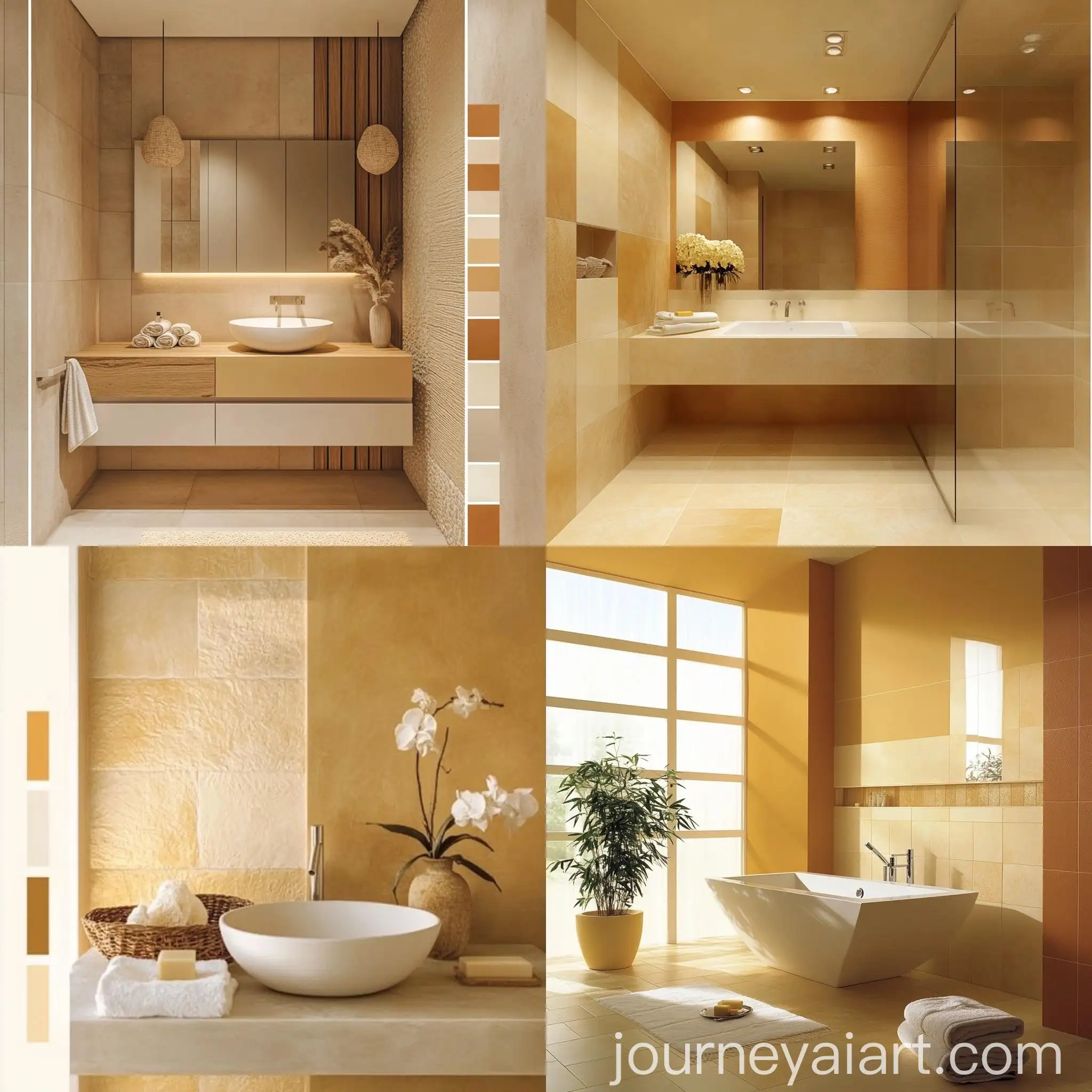
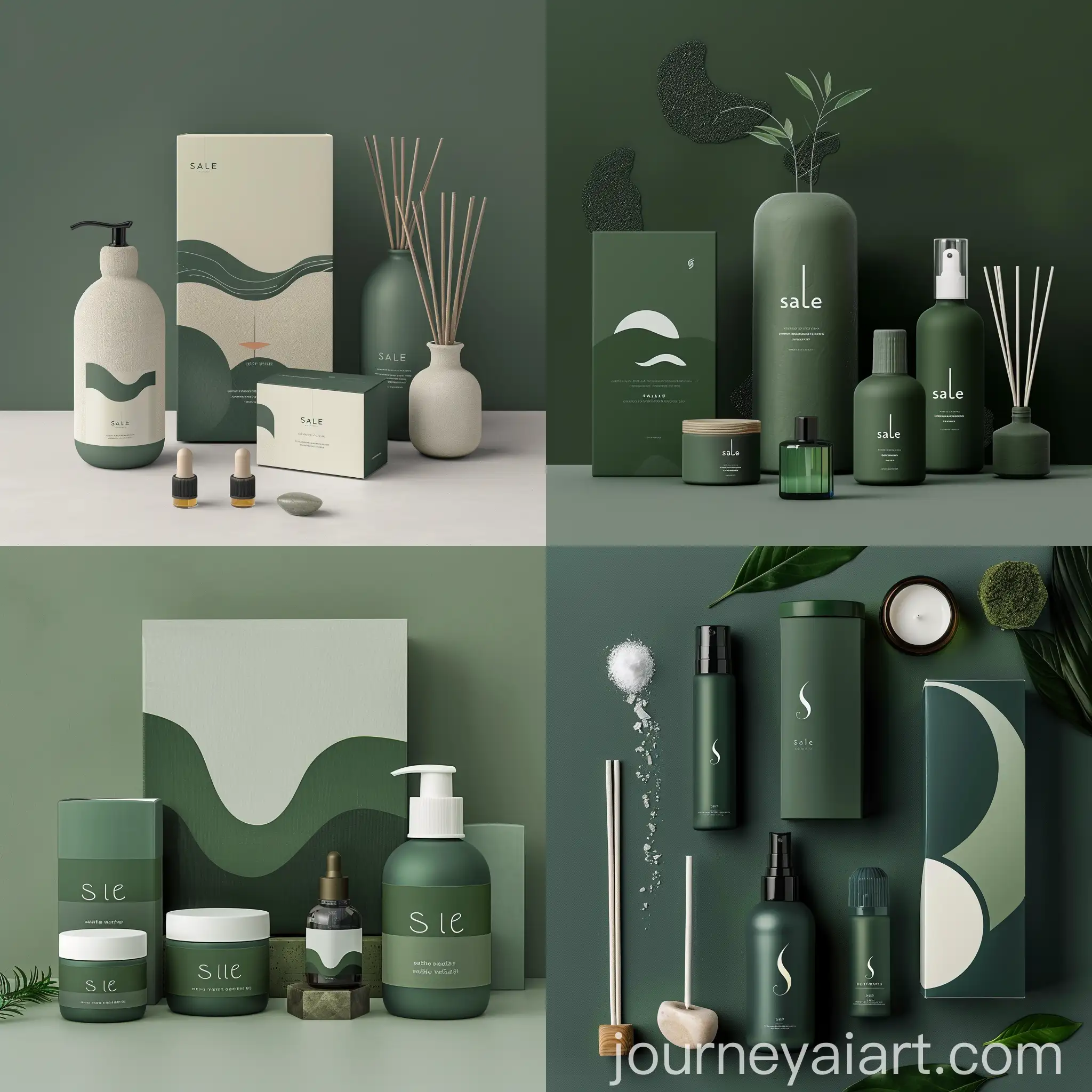
Color schemes play a crucial role in various design fields, including graphic design, interior design, fashion, and digital media. In branding, carefully chosen color schemes help establish brand identity and evoke specific emotions. For example, blue often represents trust and professionalism, while green is associated with nature and growth. In web design, color schemes influence user experience by guiding attention, improving readability, and creating visual hierarchy. Interior designers use color schemes to set moods in spaces, such as using cool colors for a calming effect or warm colors for a cozy atmosphere.
Applications of Color Schemes in Design and Visual Communication
Designers use various tools and techniques to create effective color schemes. Color wheel tools help visualize relationships between colors, while online color palette generators offer inspiration and ready-made schemes. The 60-30-10 rule is a popular technique, suggesting using a dominant color for 60% of the design, a secondary color for 30%, and an accent color for 10%. Another approach is the use of nature-inspired palettes, drawing colors from photographs of landscapes or natural objects. When creating color schemes, designers consider factors such as color psychology, cultural associations, and accessibility for color-blind individuals.
Creating Effective Color Schemes: Tools and Techniques
The future of color schemes is being shaped by artificial intelligence and personalization trends. AI-powered tools are emerging that can generate custom color palettes based on user preferences, brand guidelines, or even emotional goals. These tools analyze vast datasets of successful designs to suggest optimal color combinations. Additionally, dynamic color schemes that adapt to user behavior or environmental factors are gaining popularity in digital interfaces. As technology advances, we may see more personalized color experiences, where websites and apps adjust their color schemes based on individual user preferences or even physiological responses.
The Future of Color Schemes: AI and Personalization