100 Free Book Cover Art Midjourney AI images
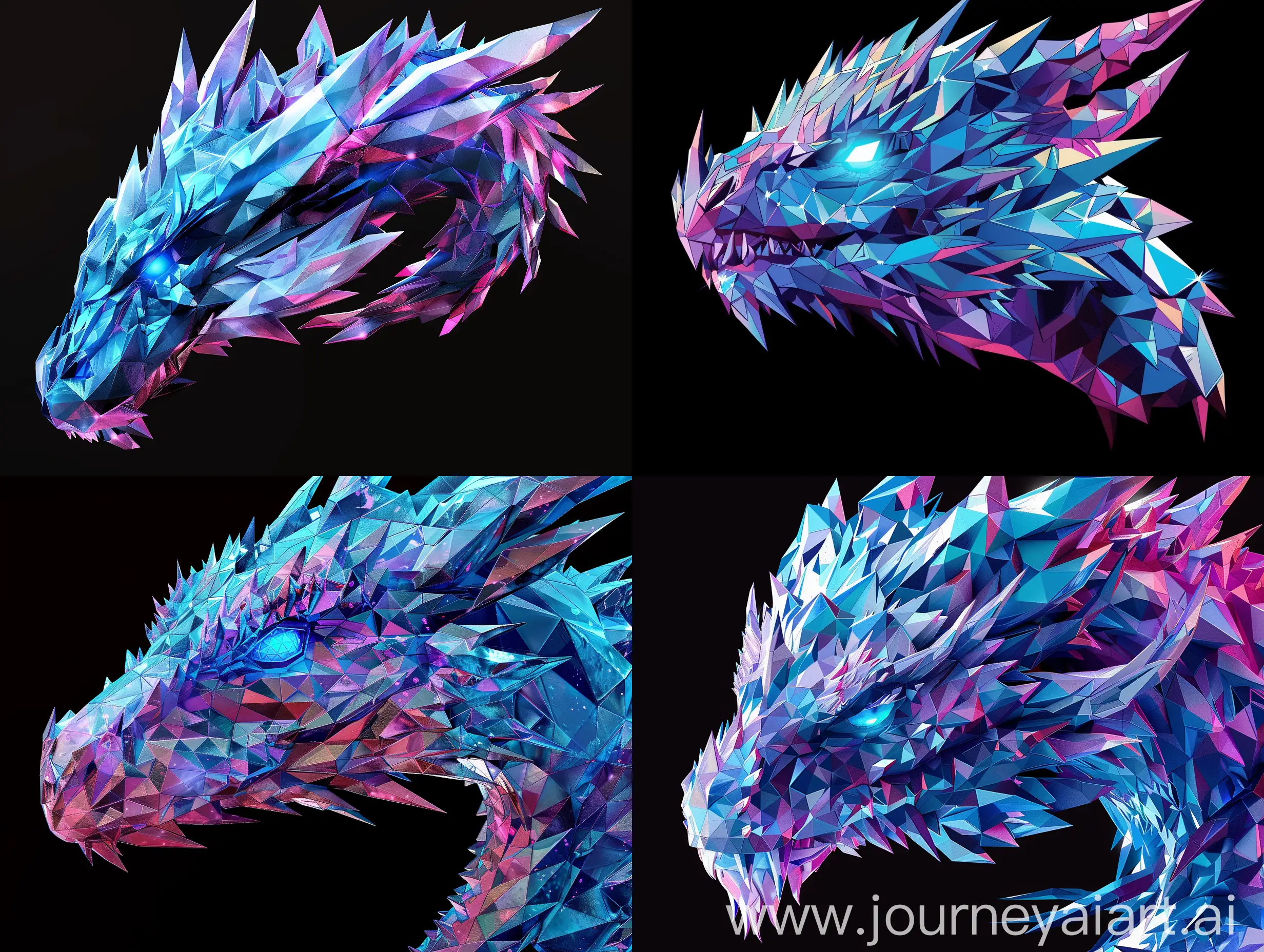
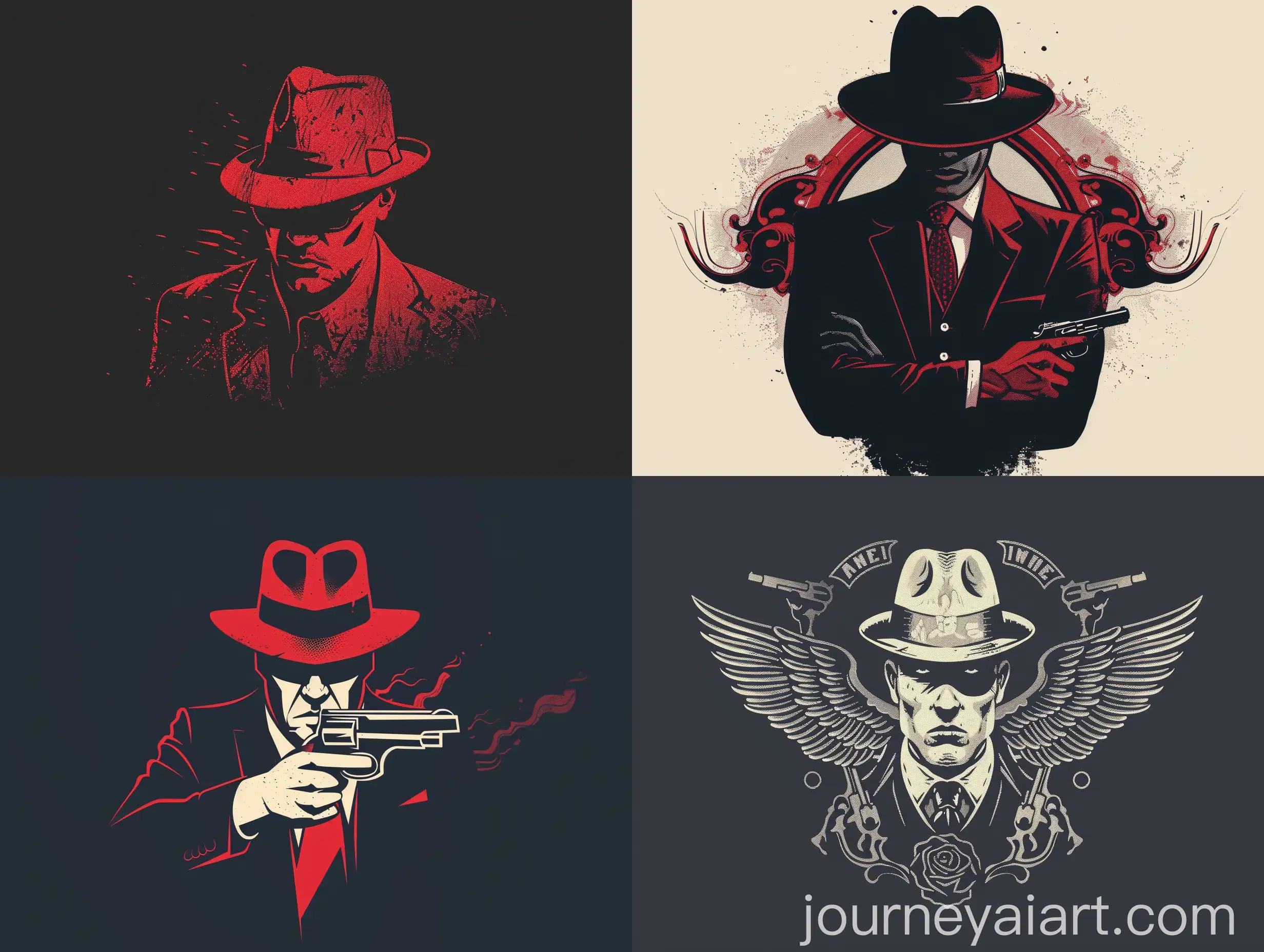
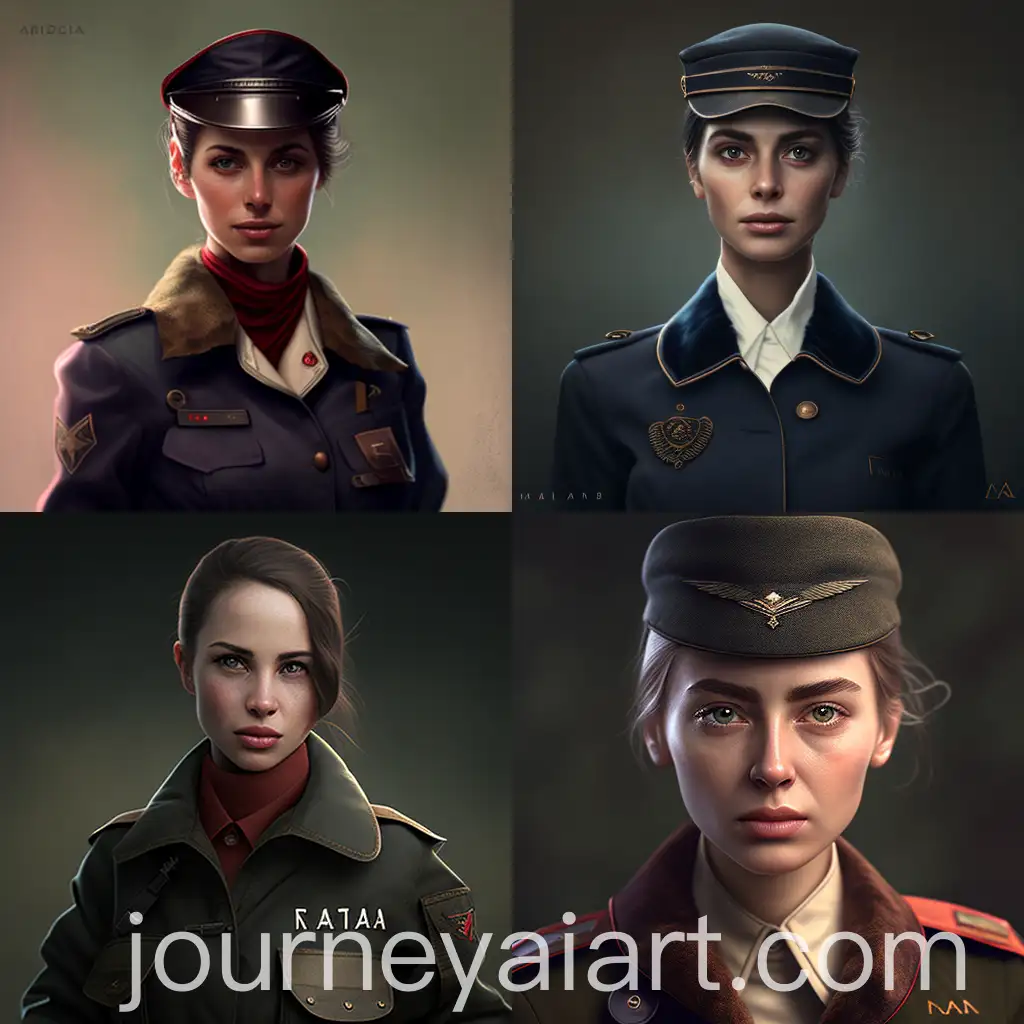
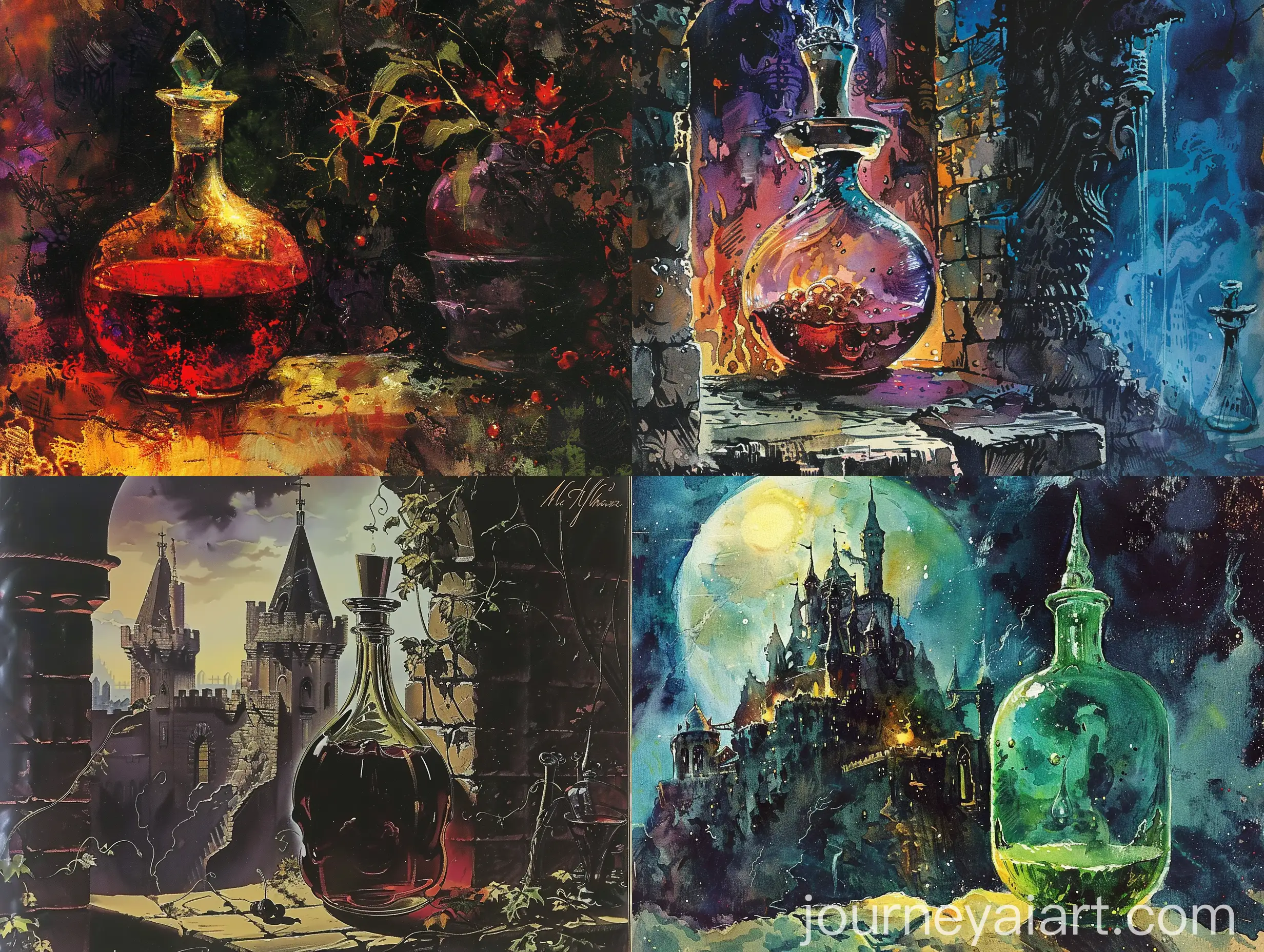
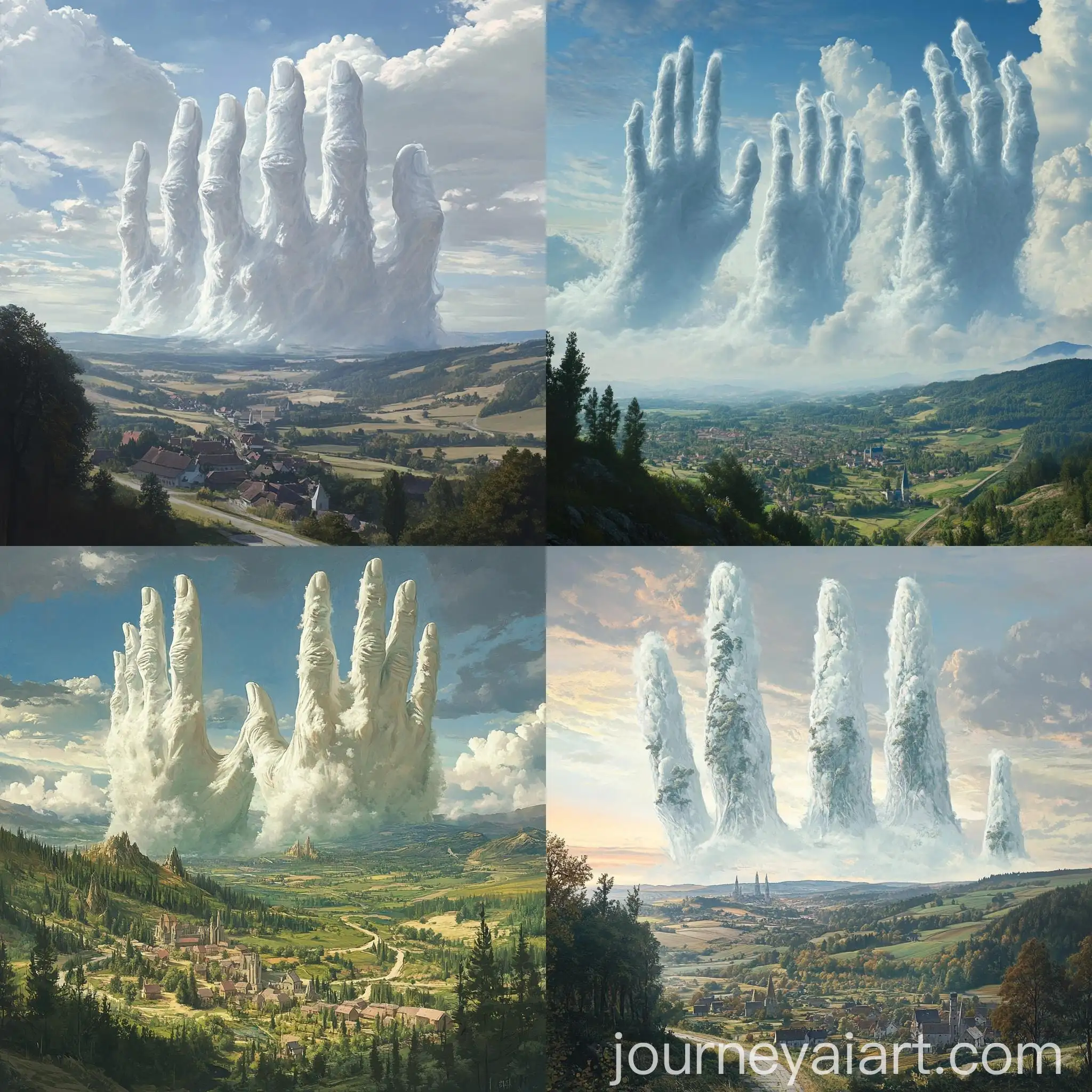
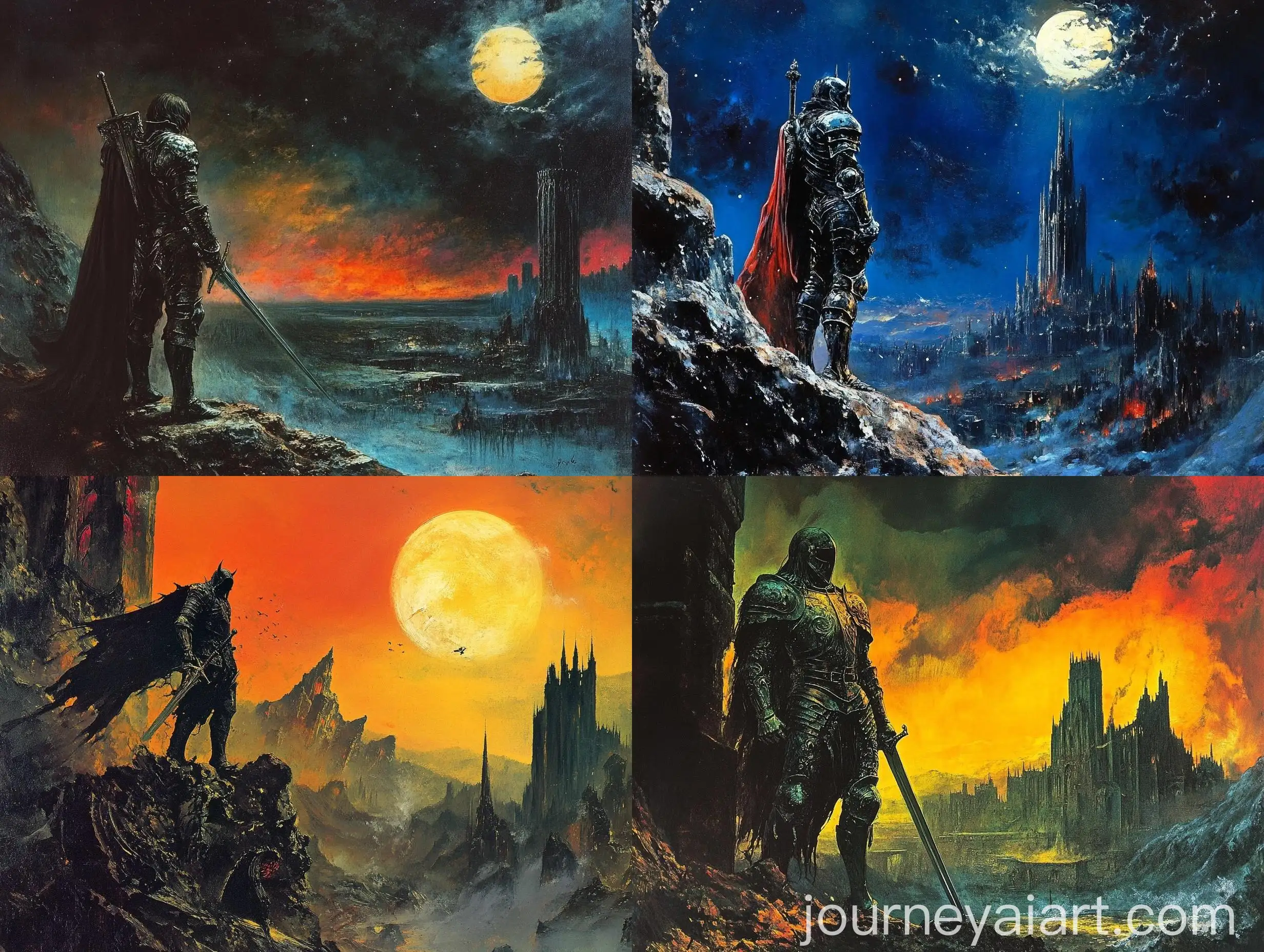
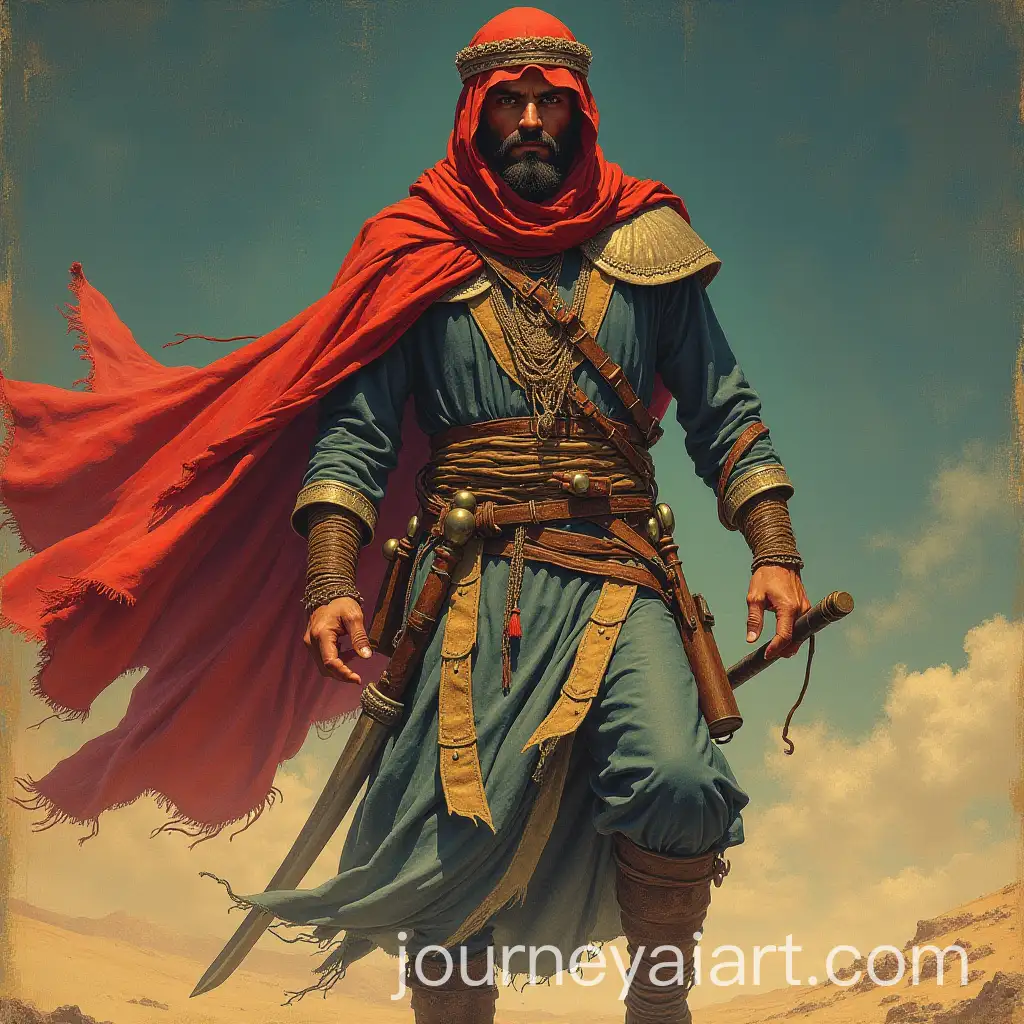
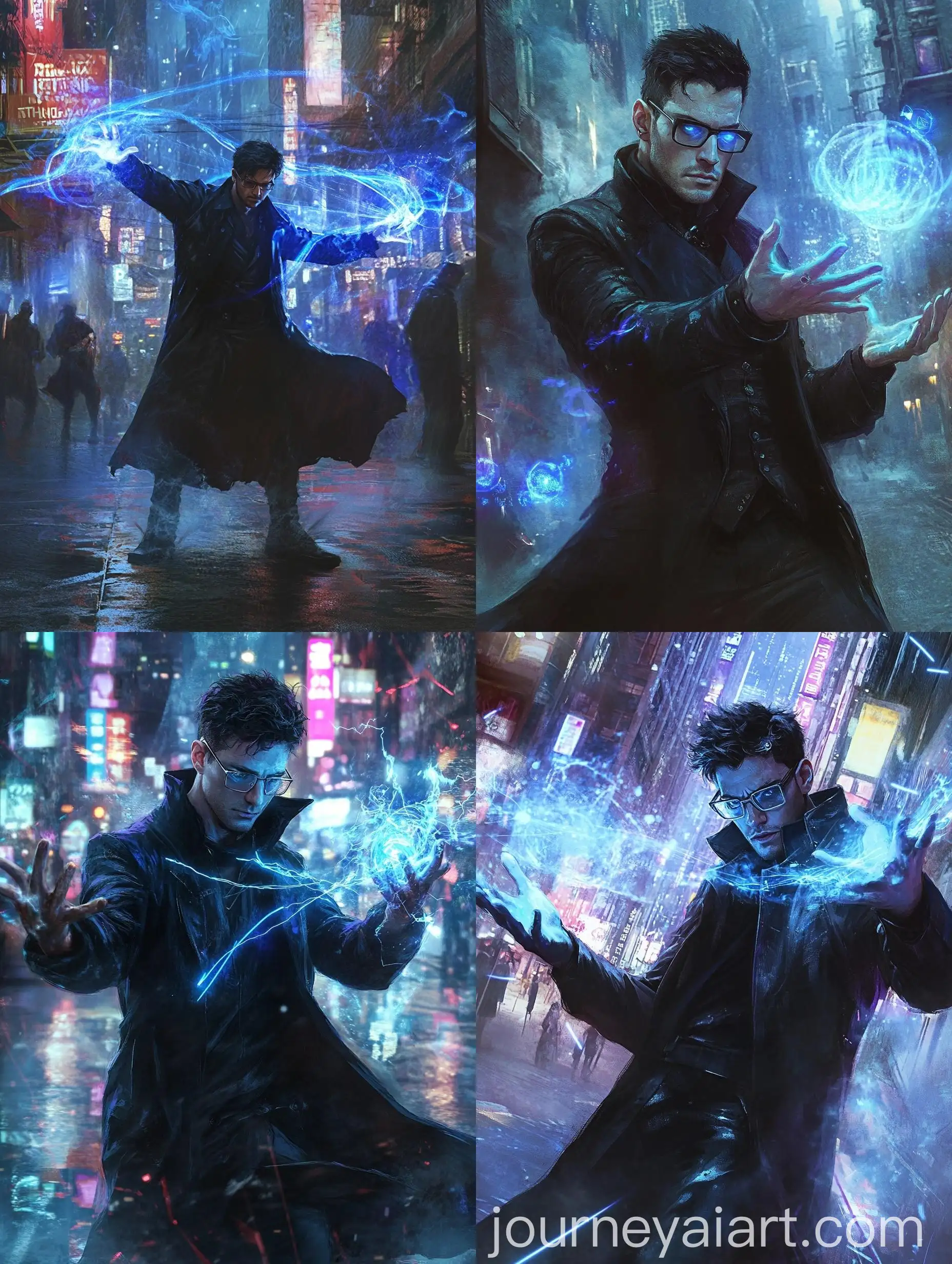
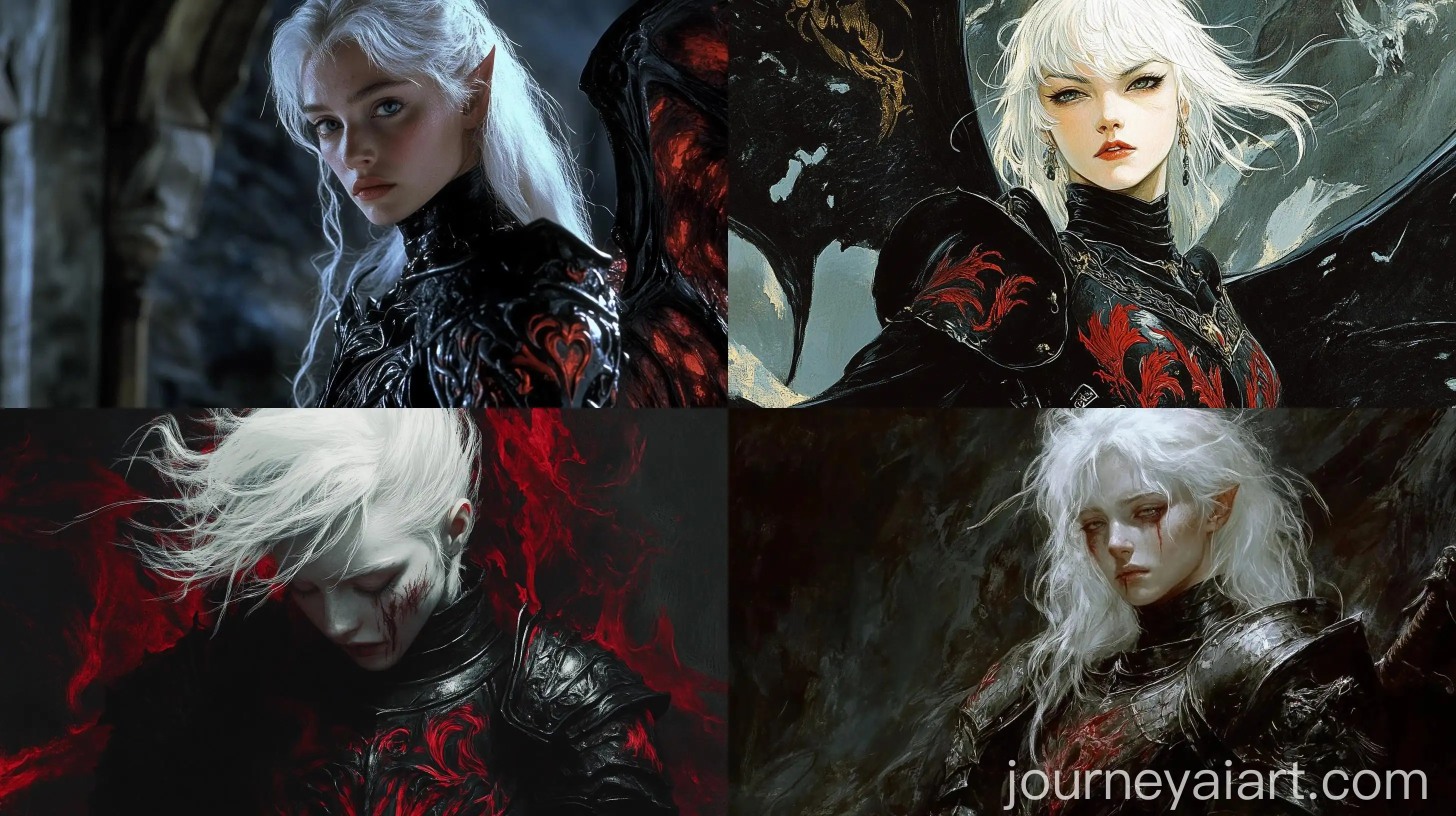
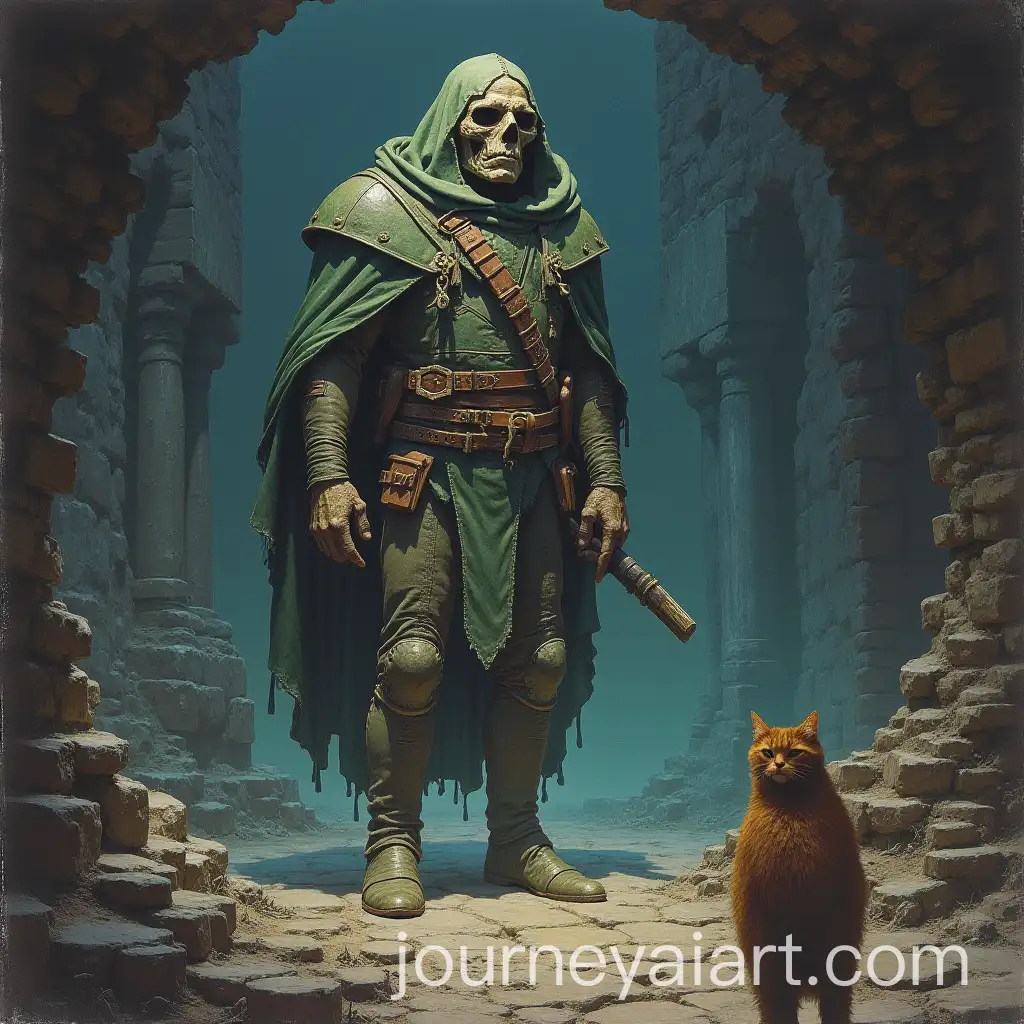
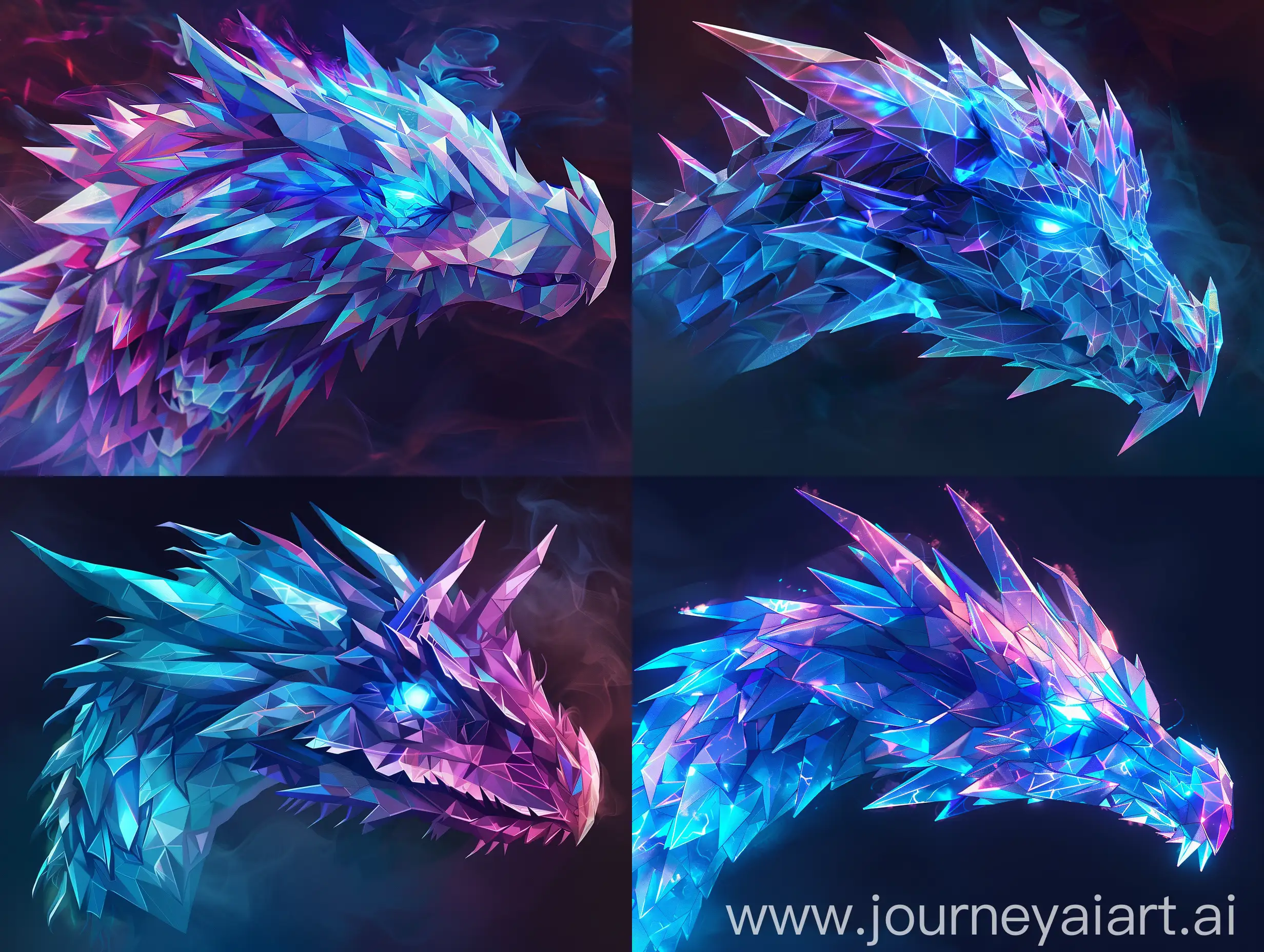
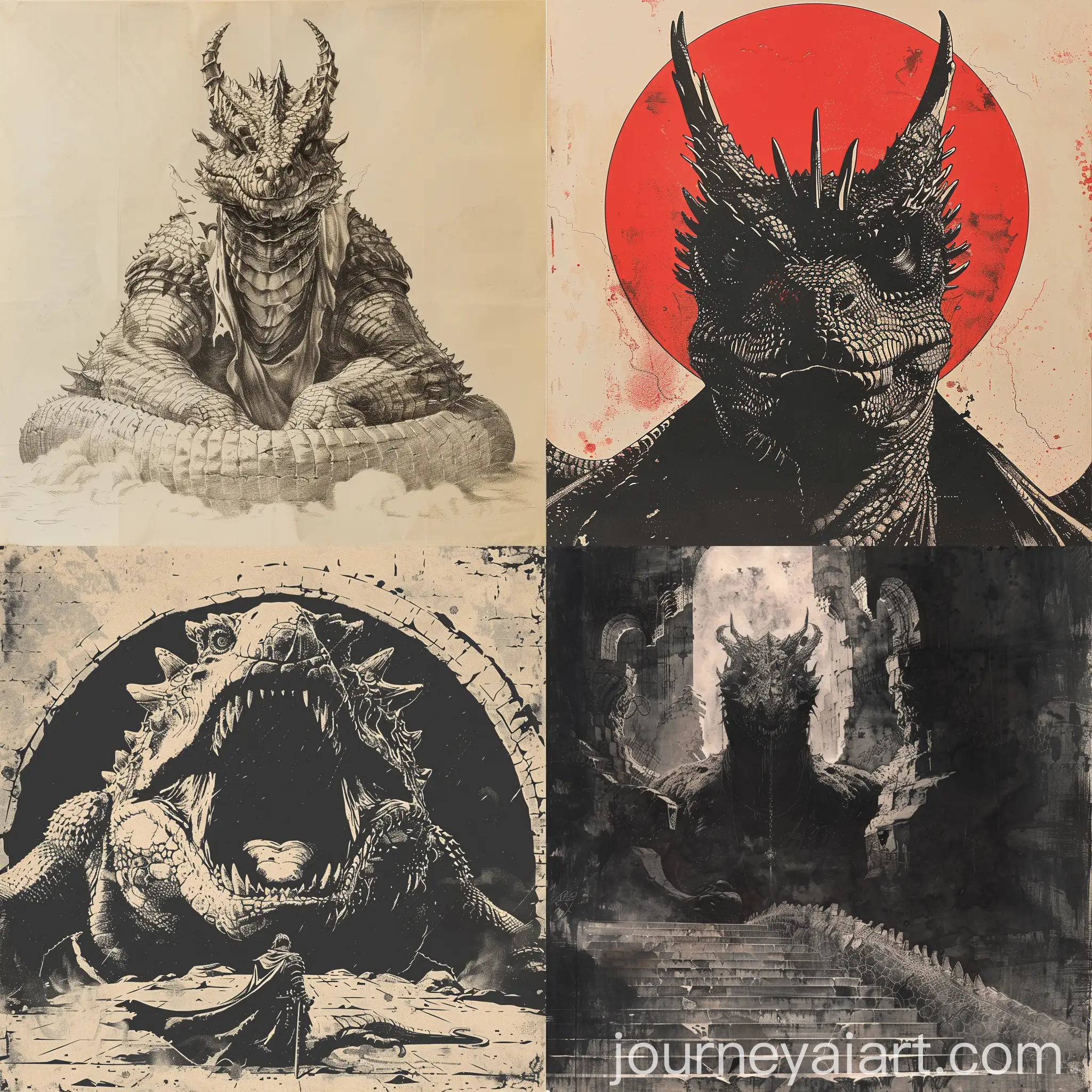
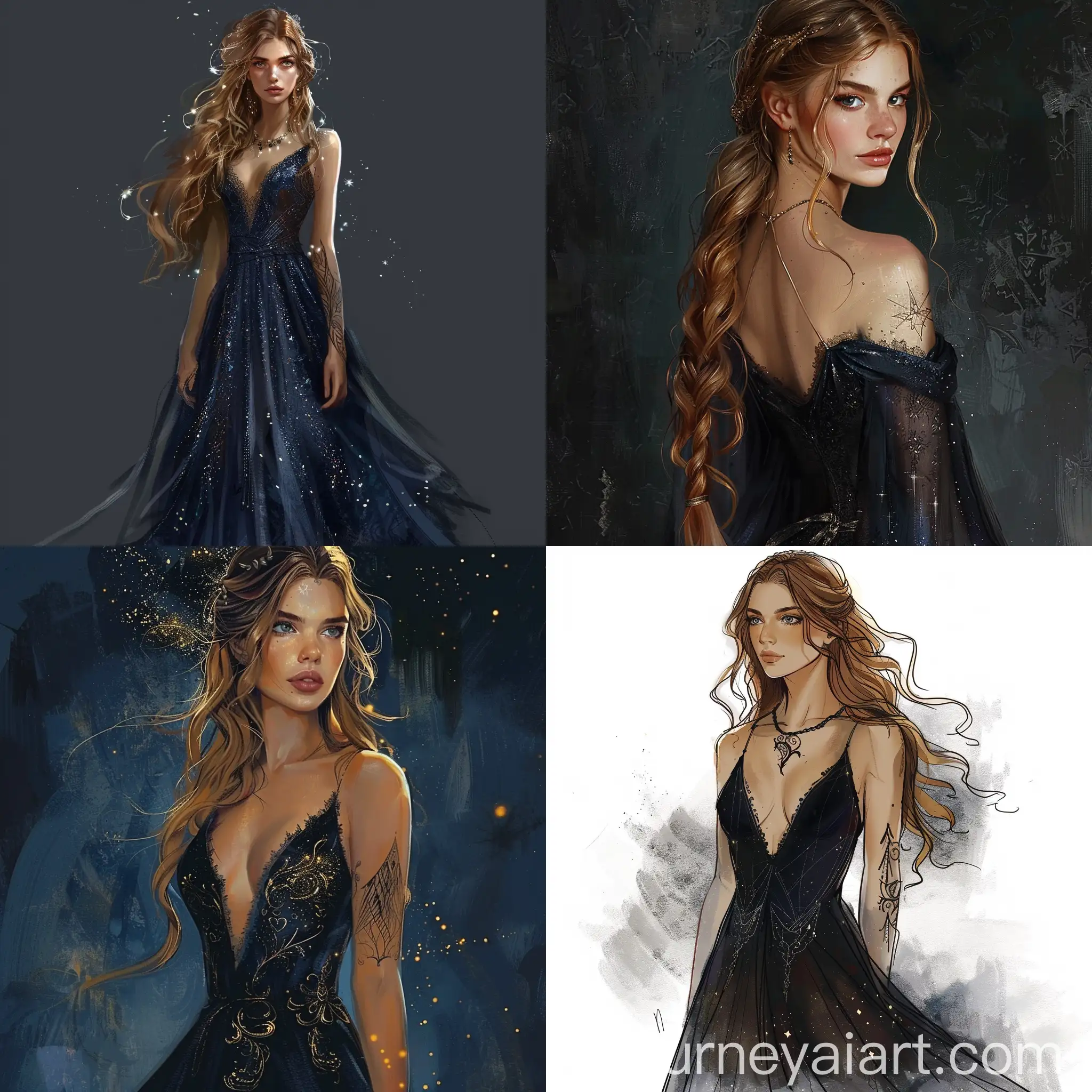
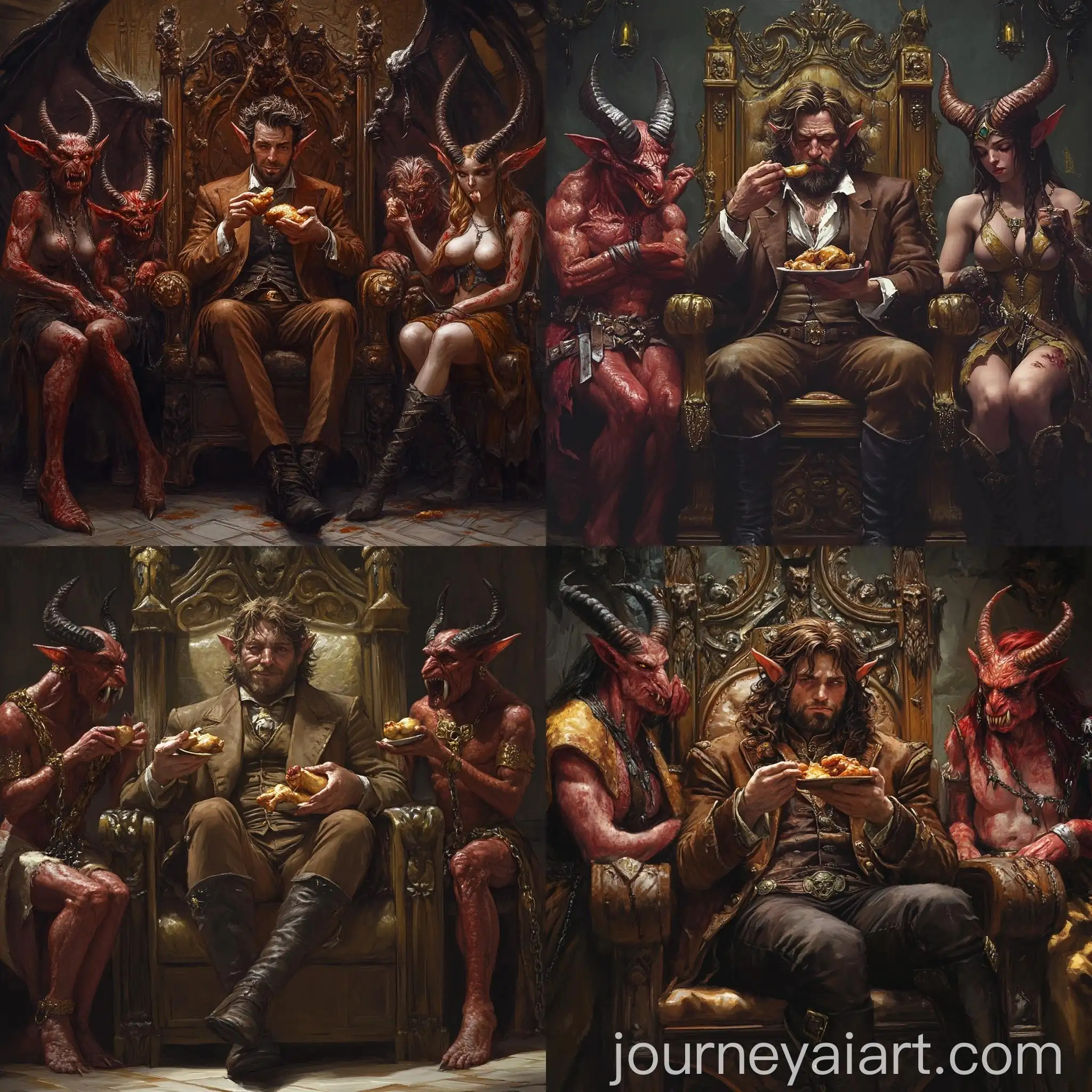
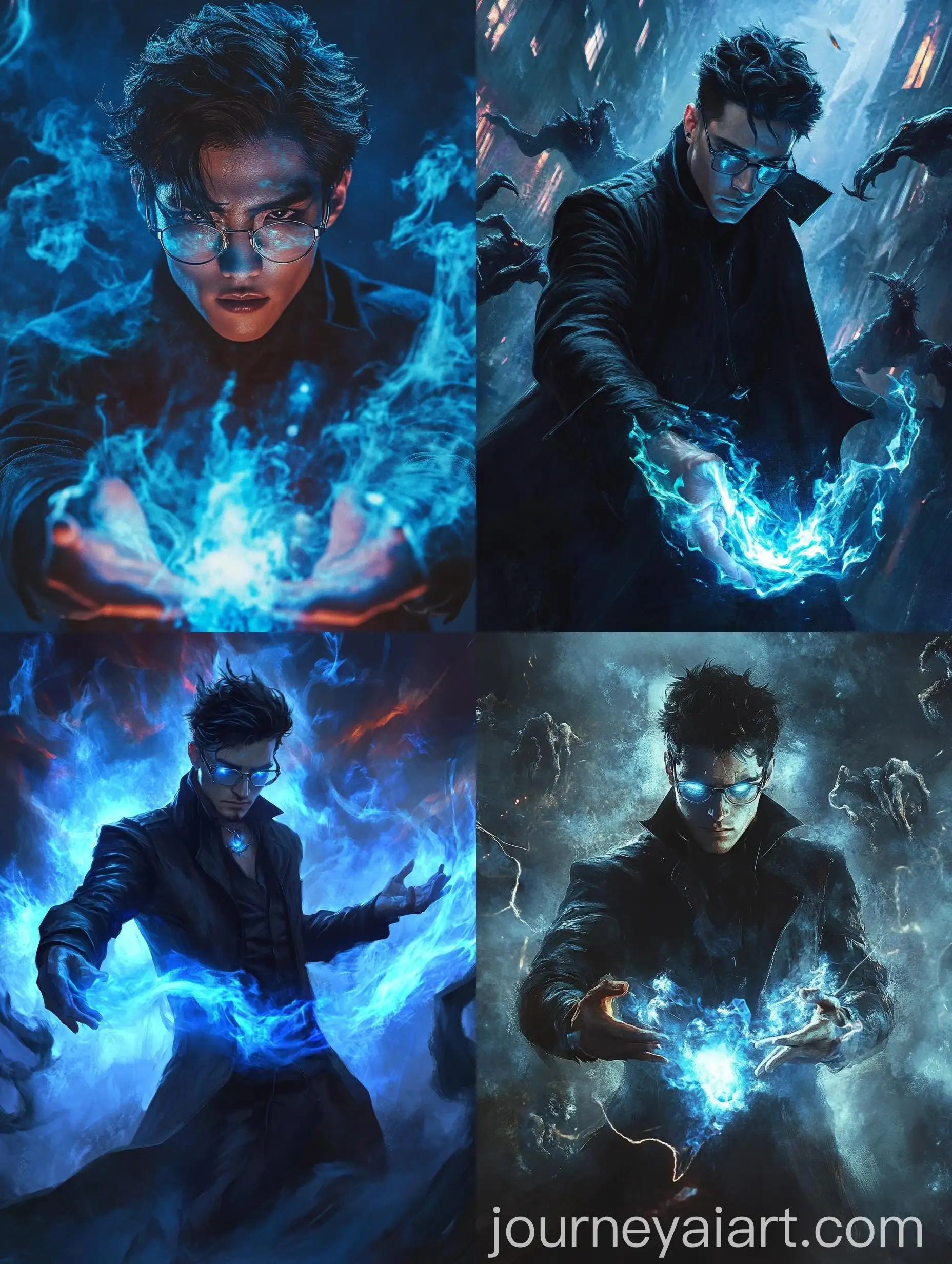
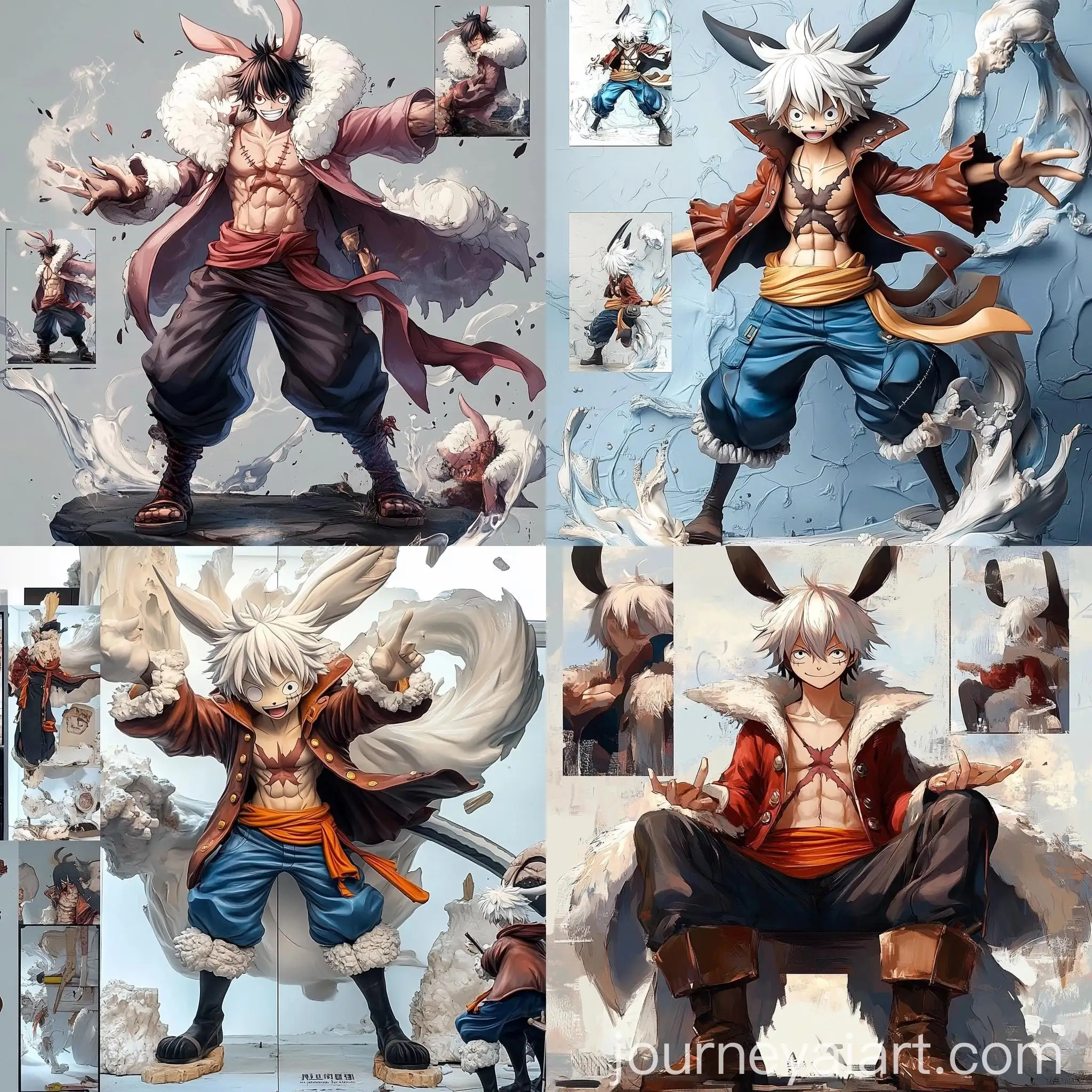
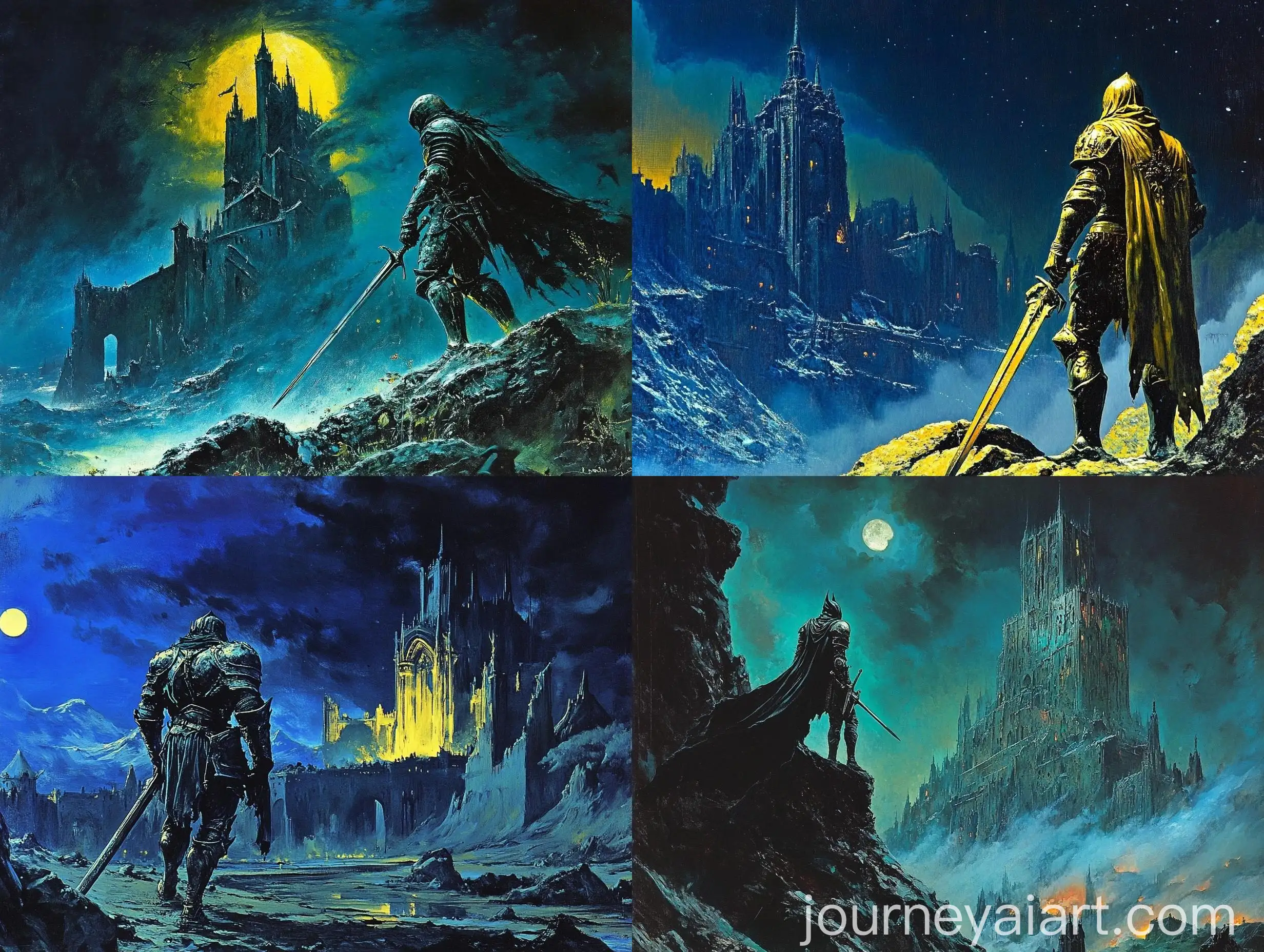
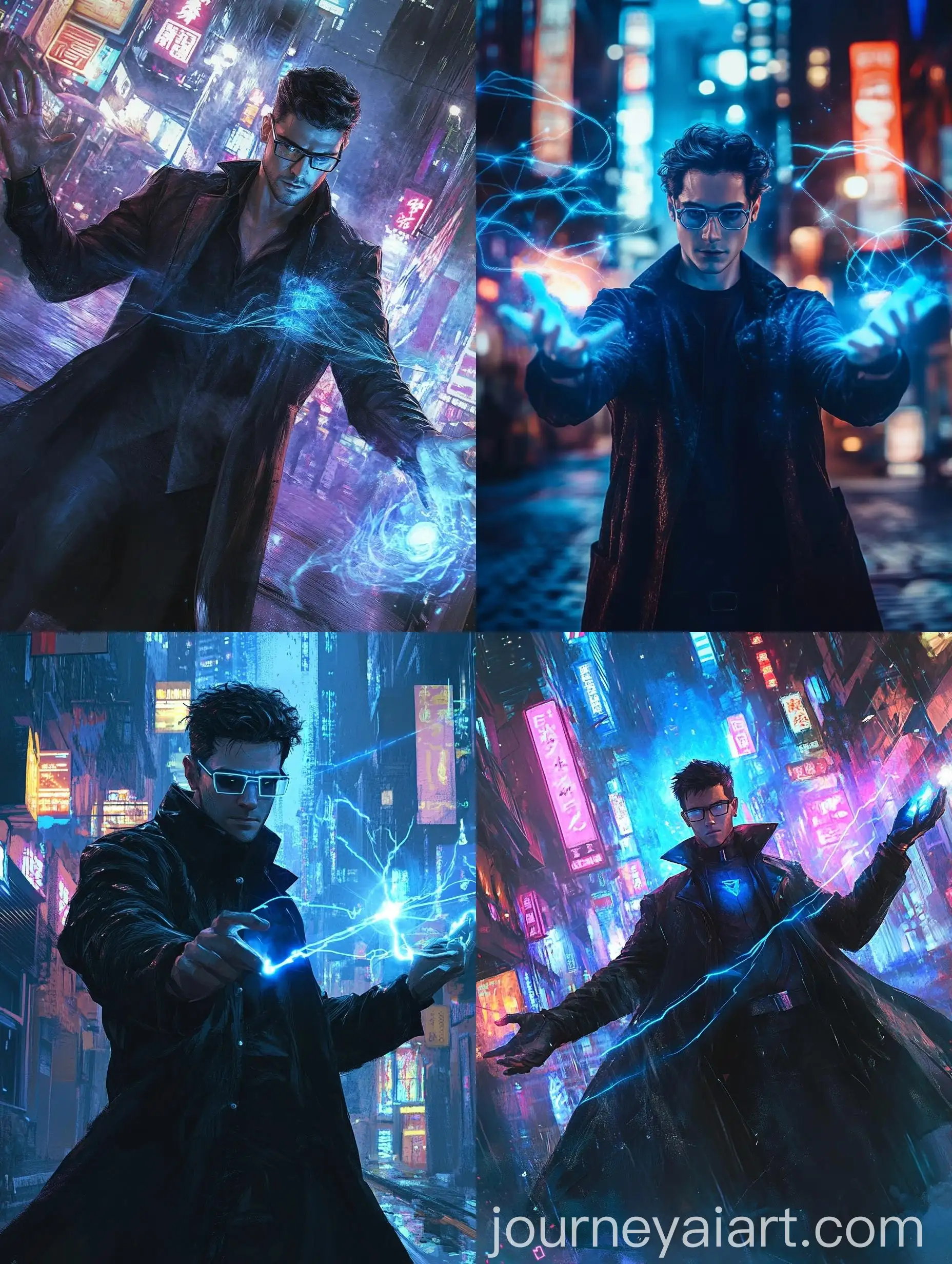
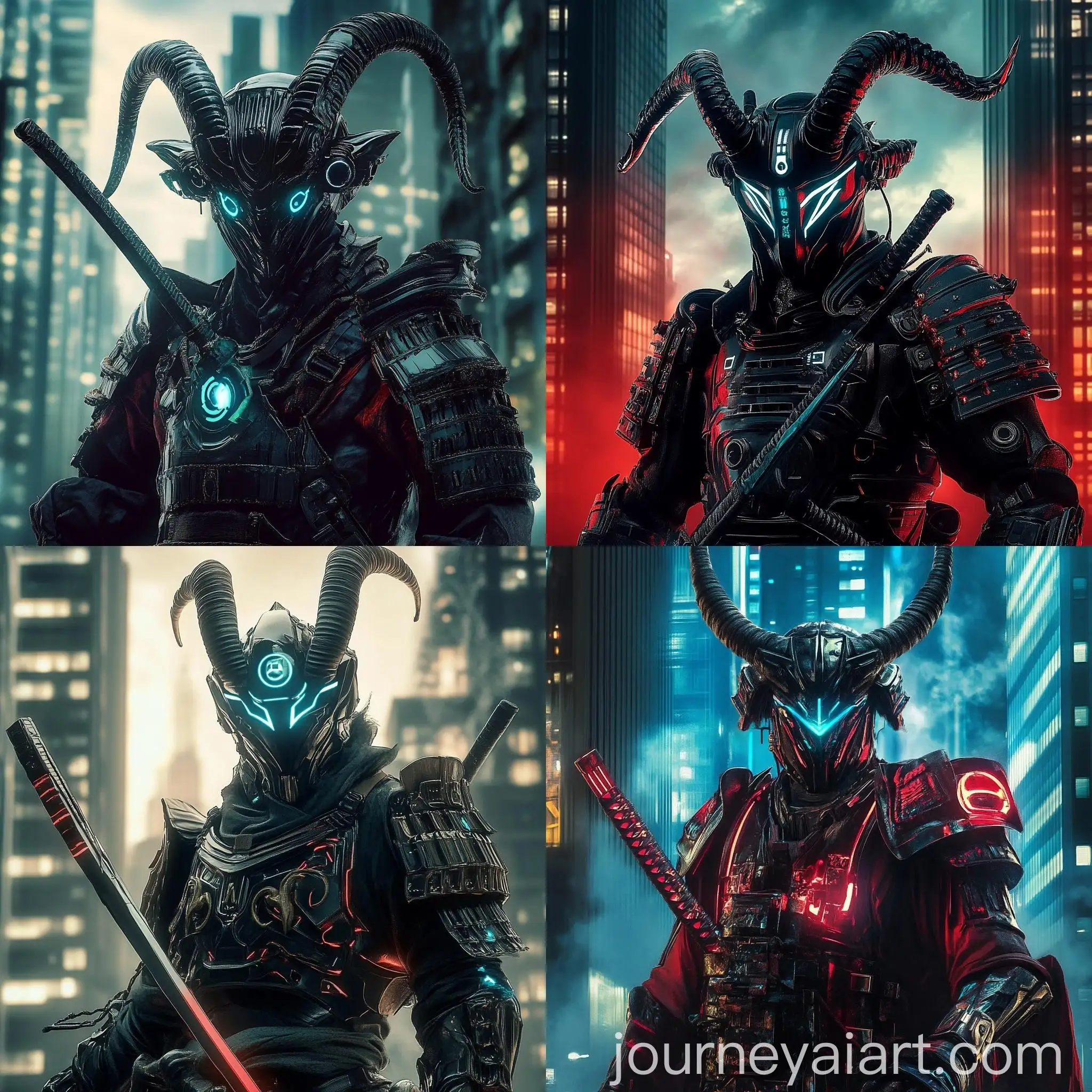
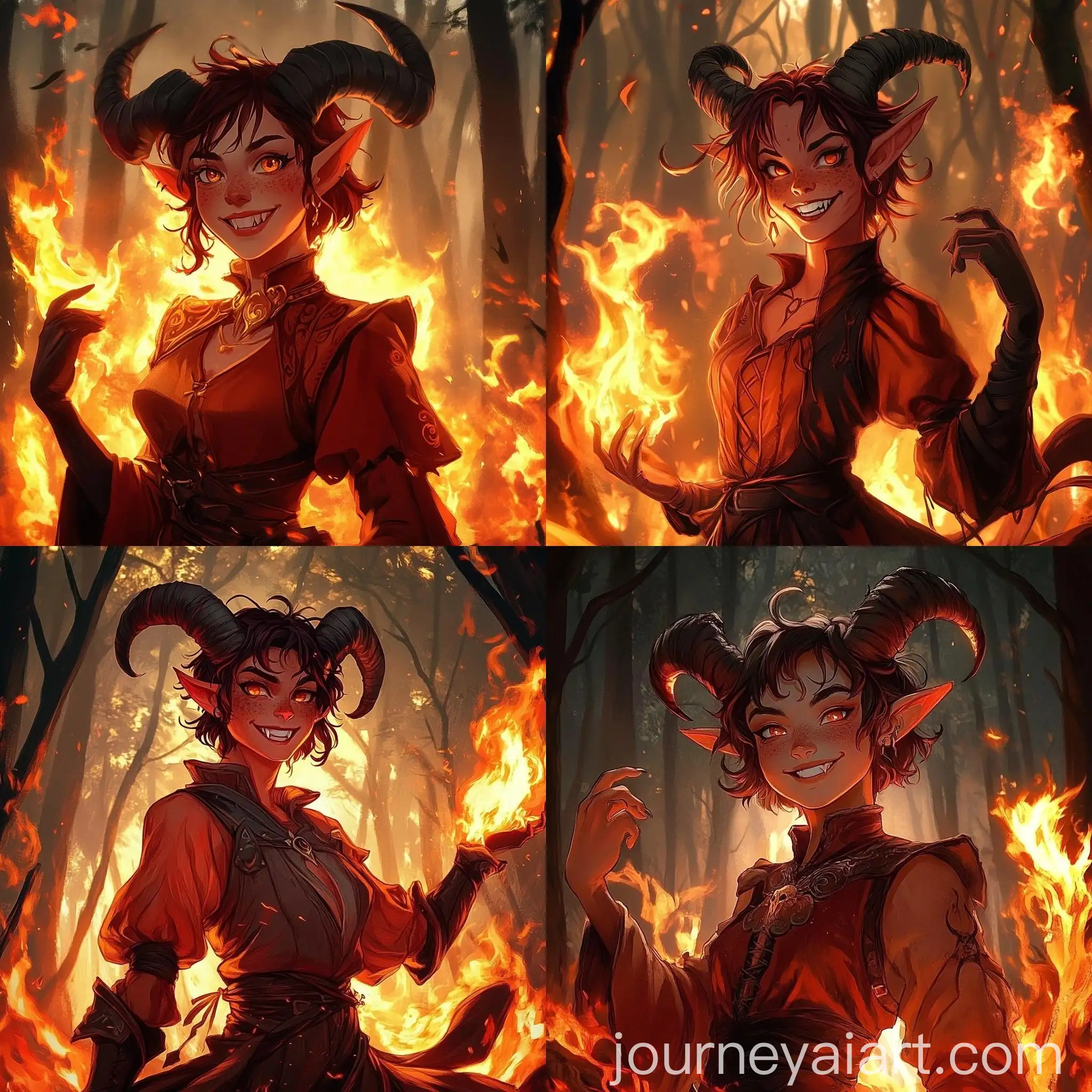
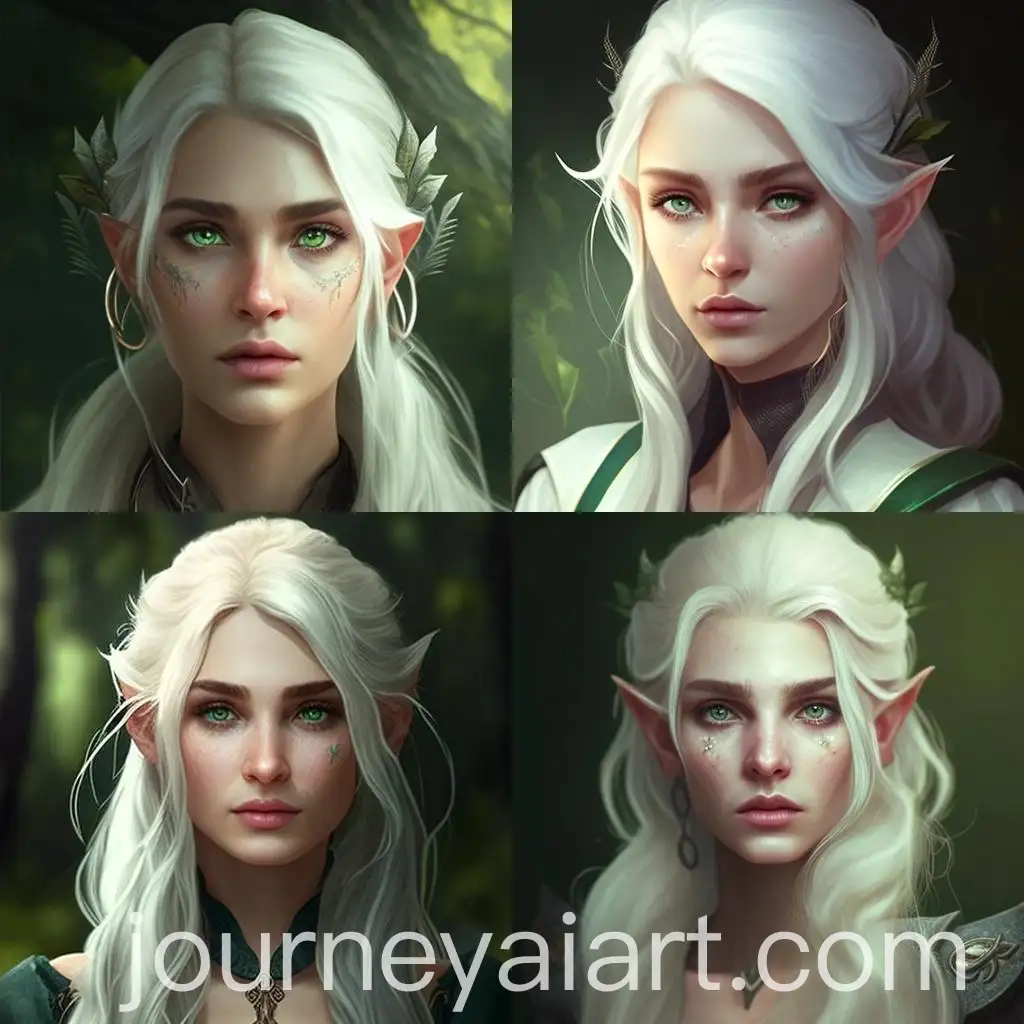
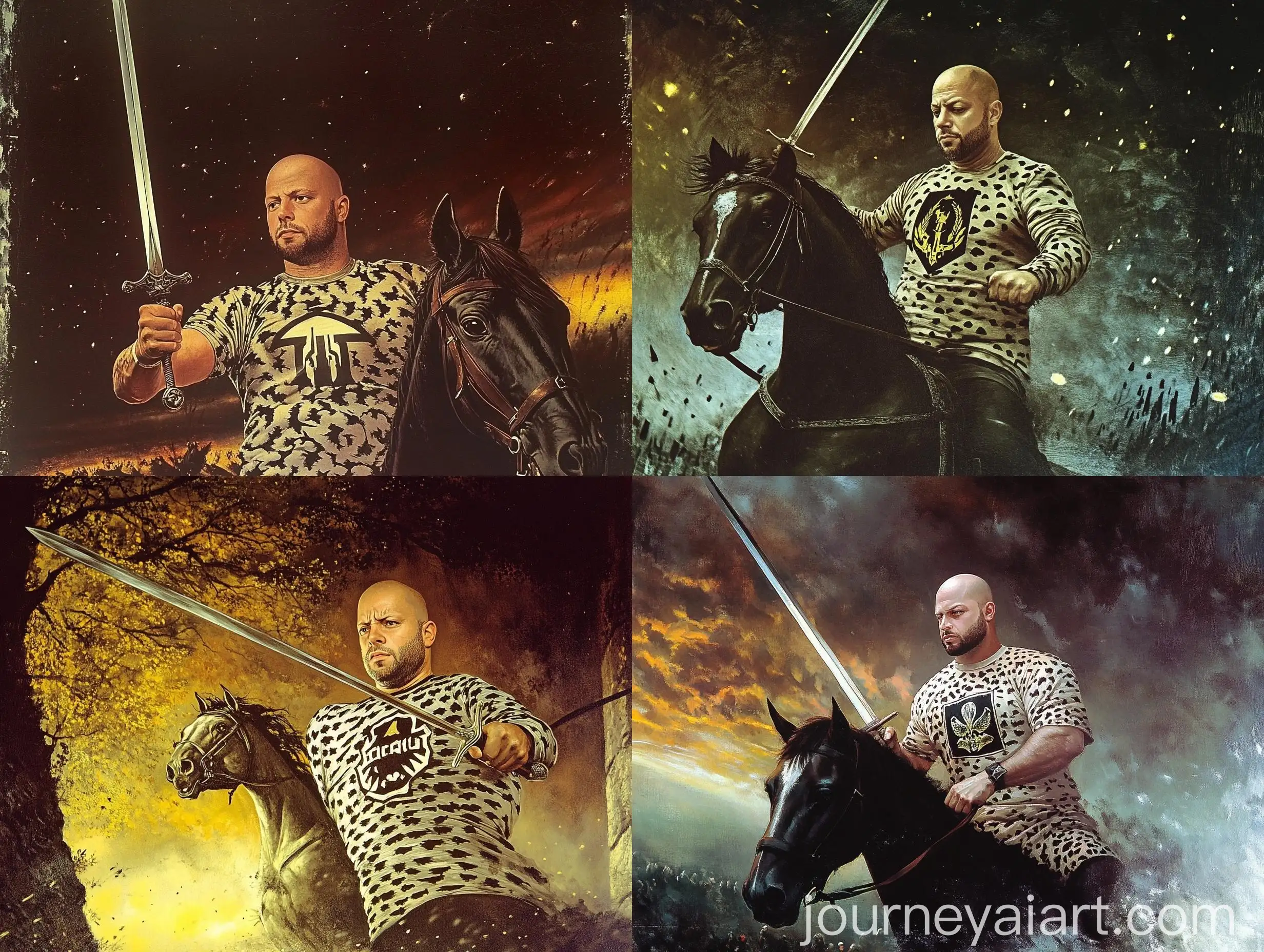
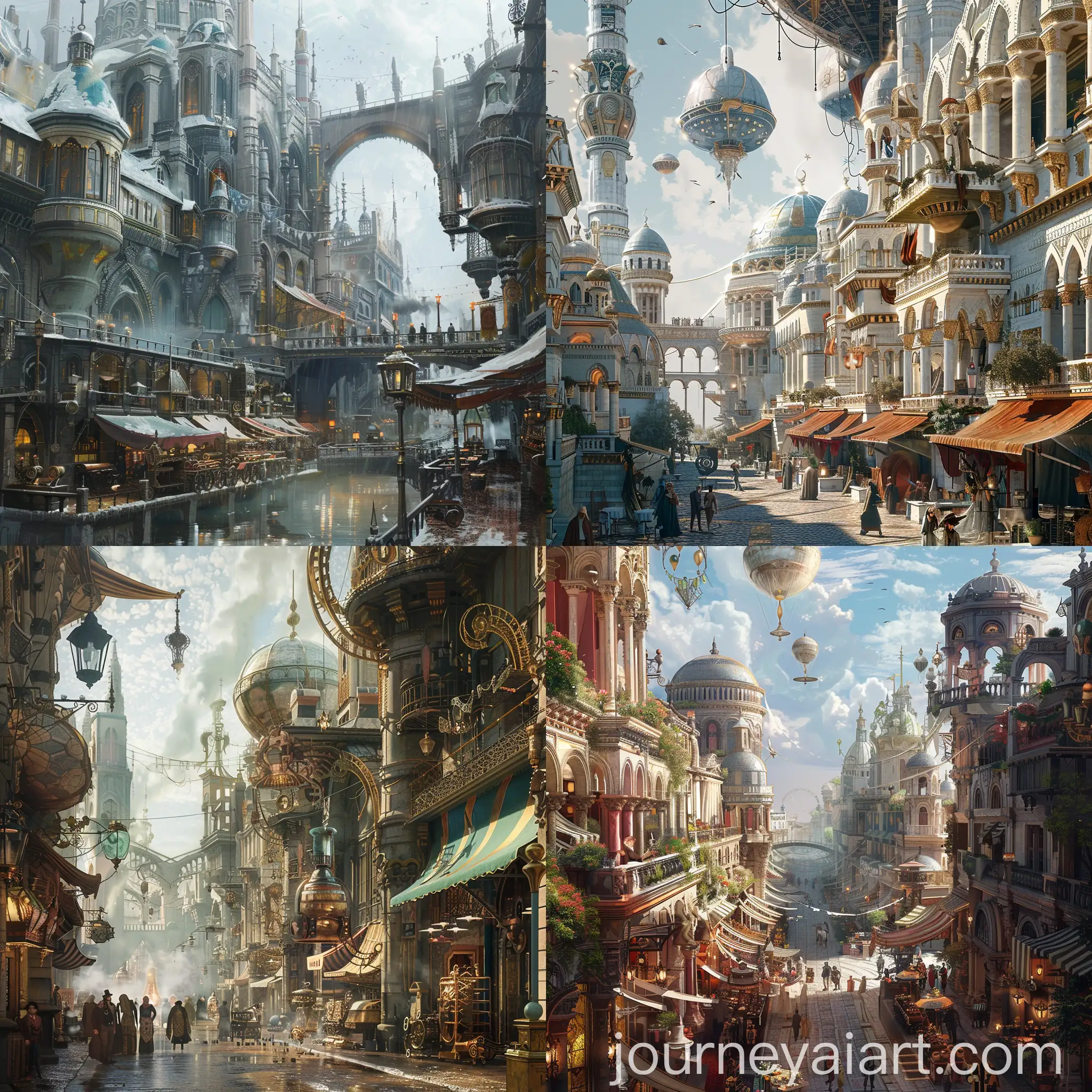
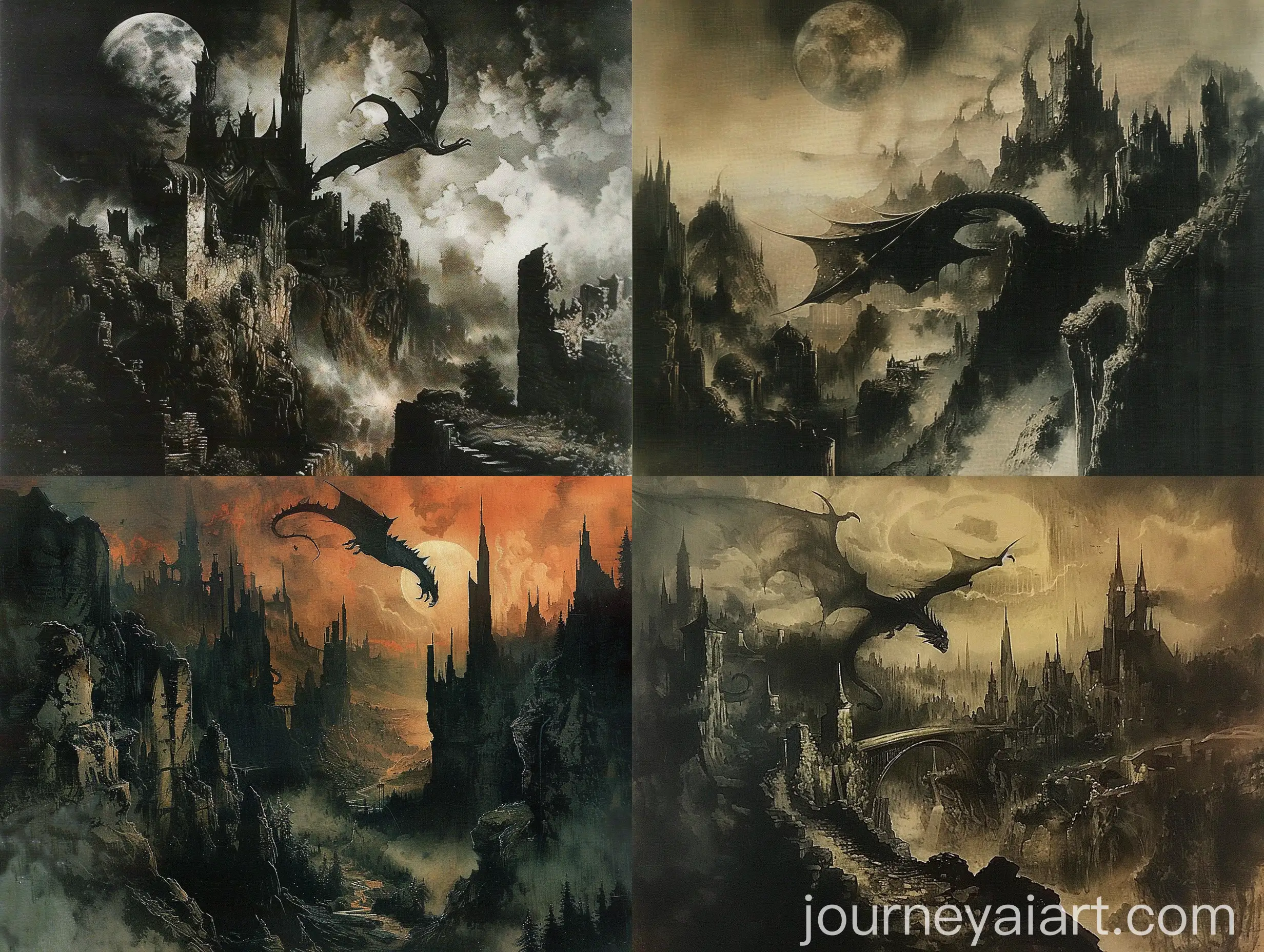
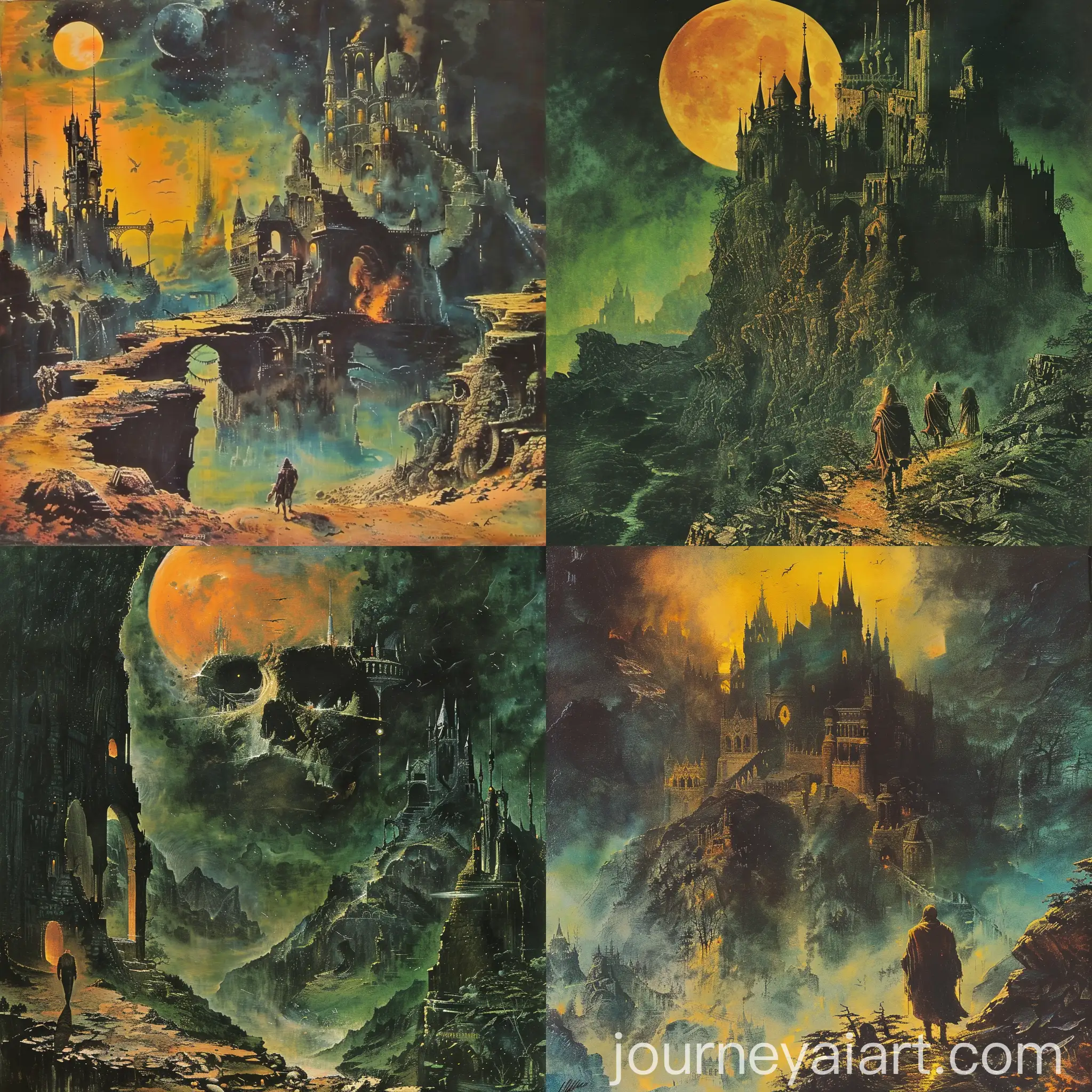
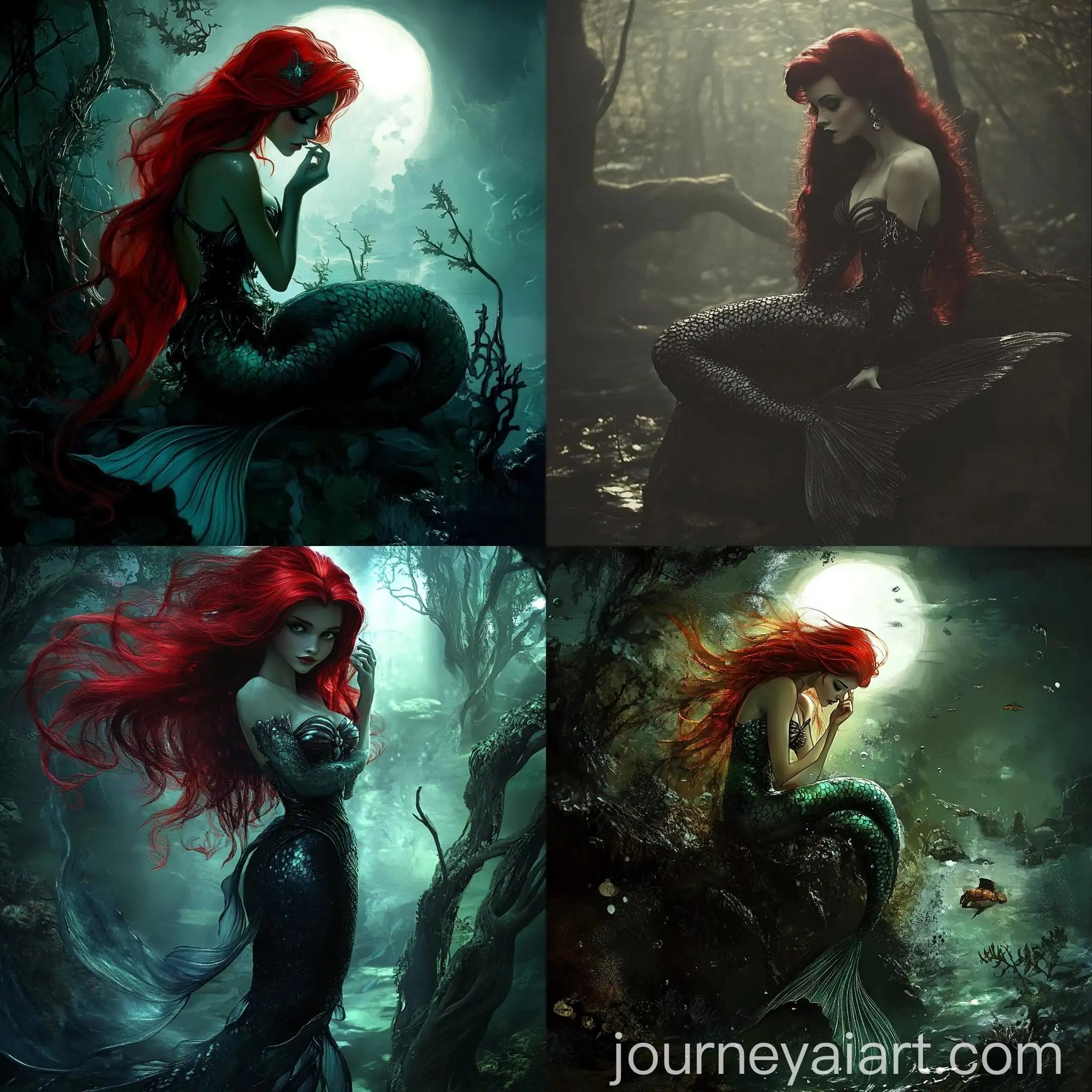
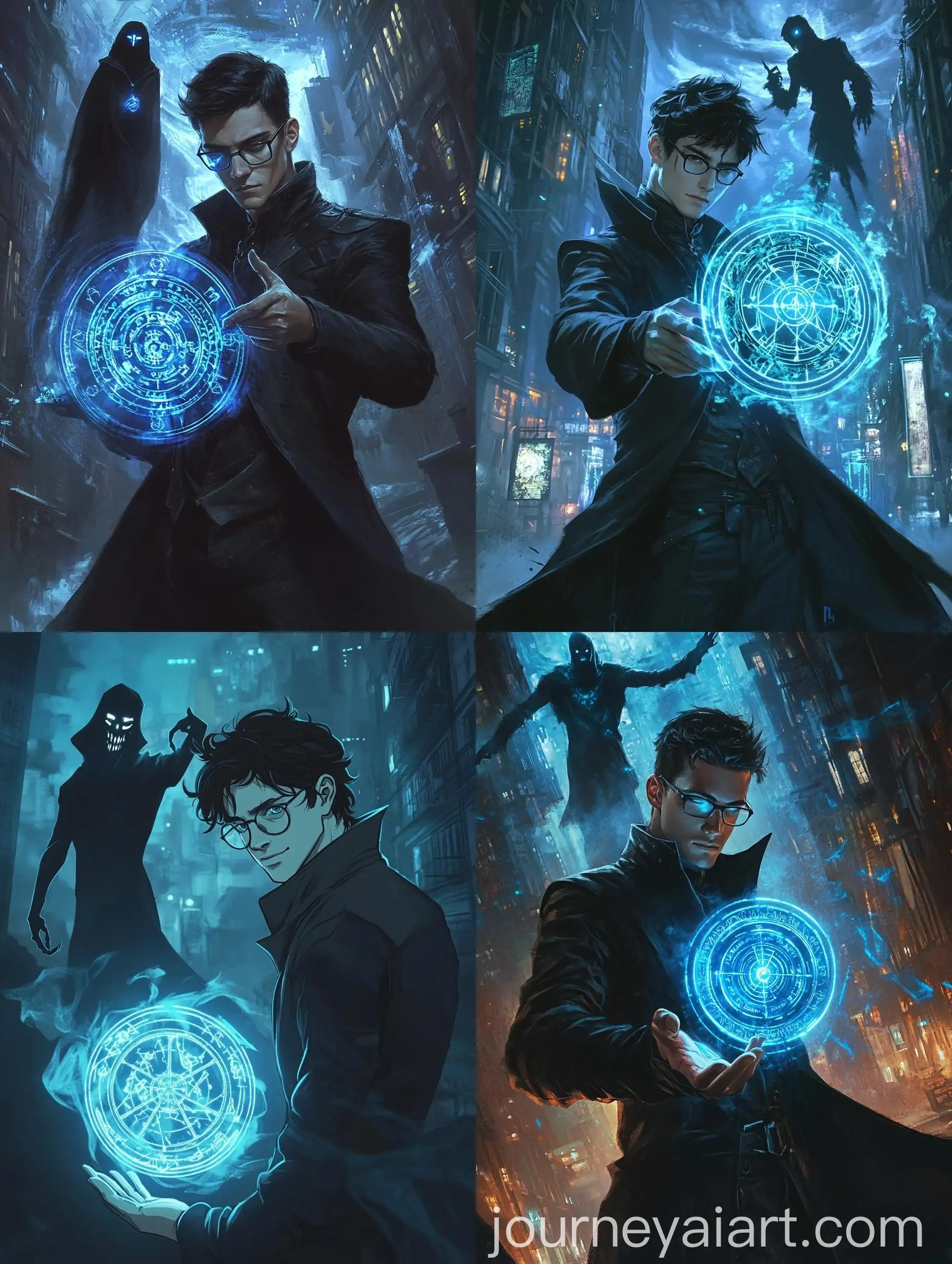
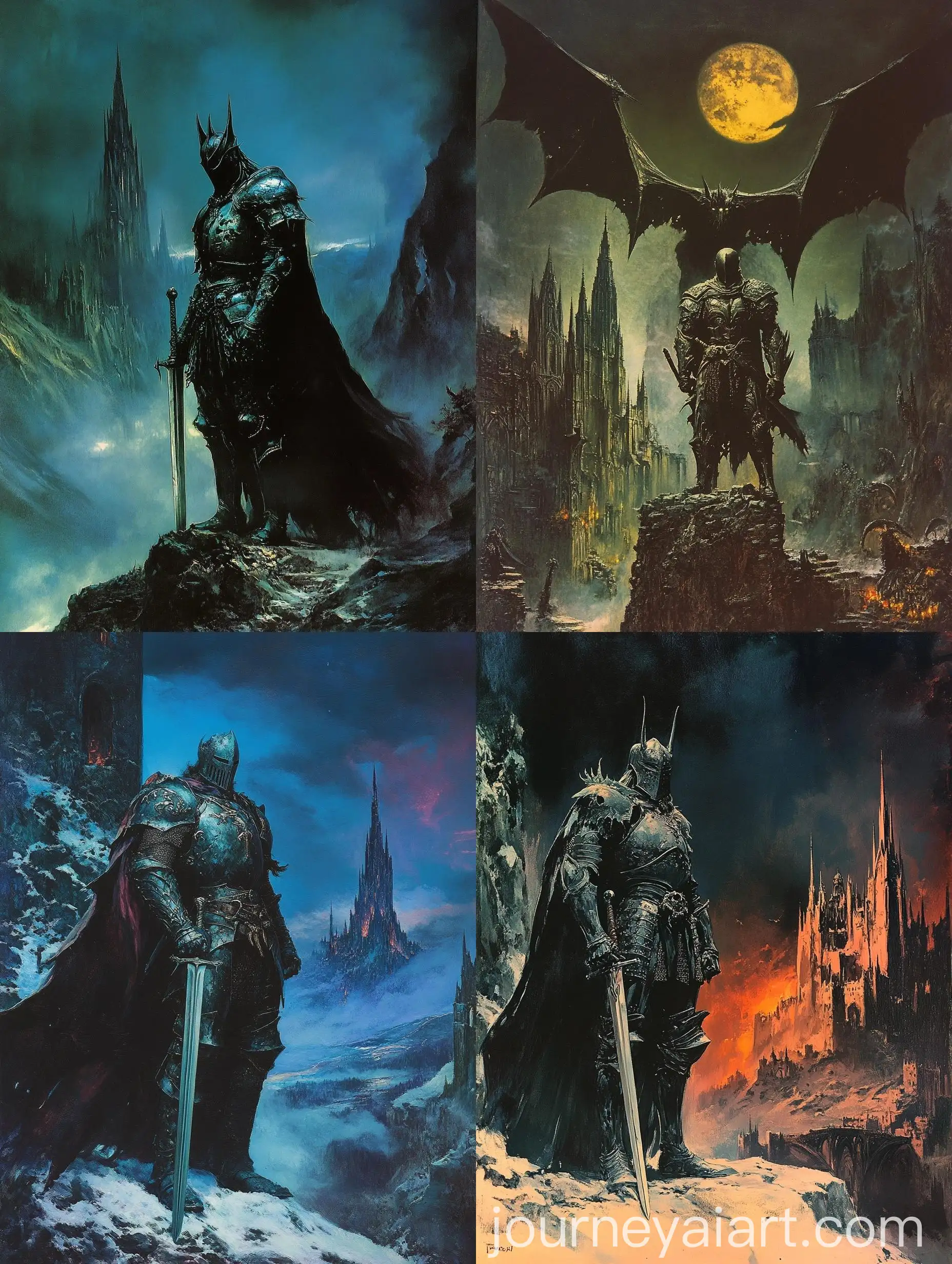
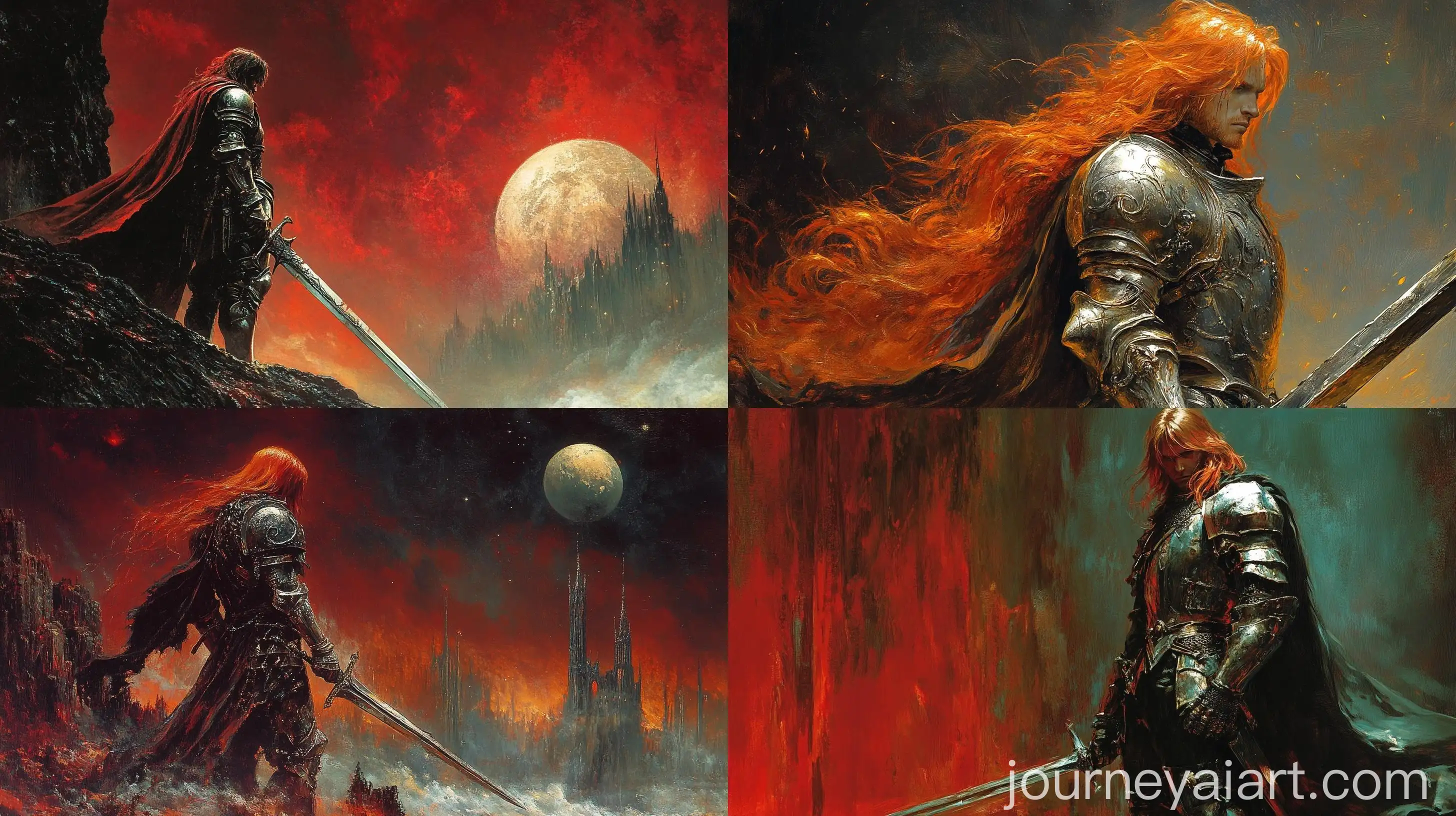
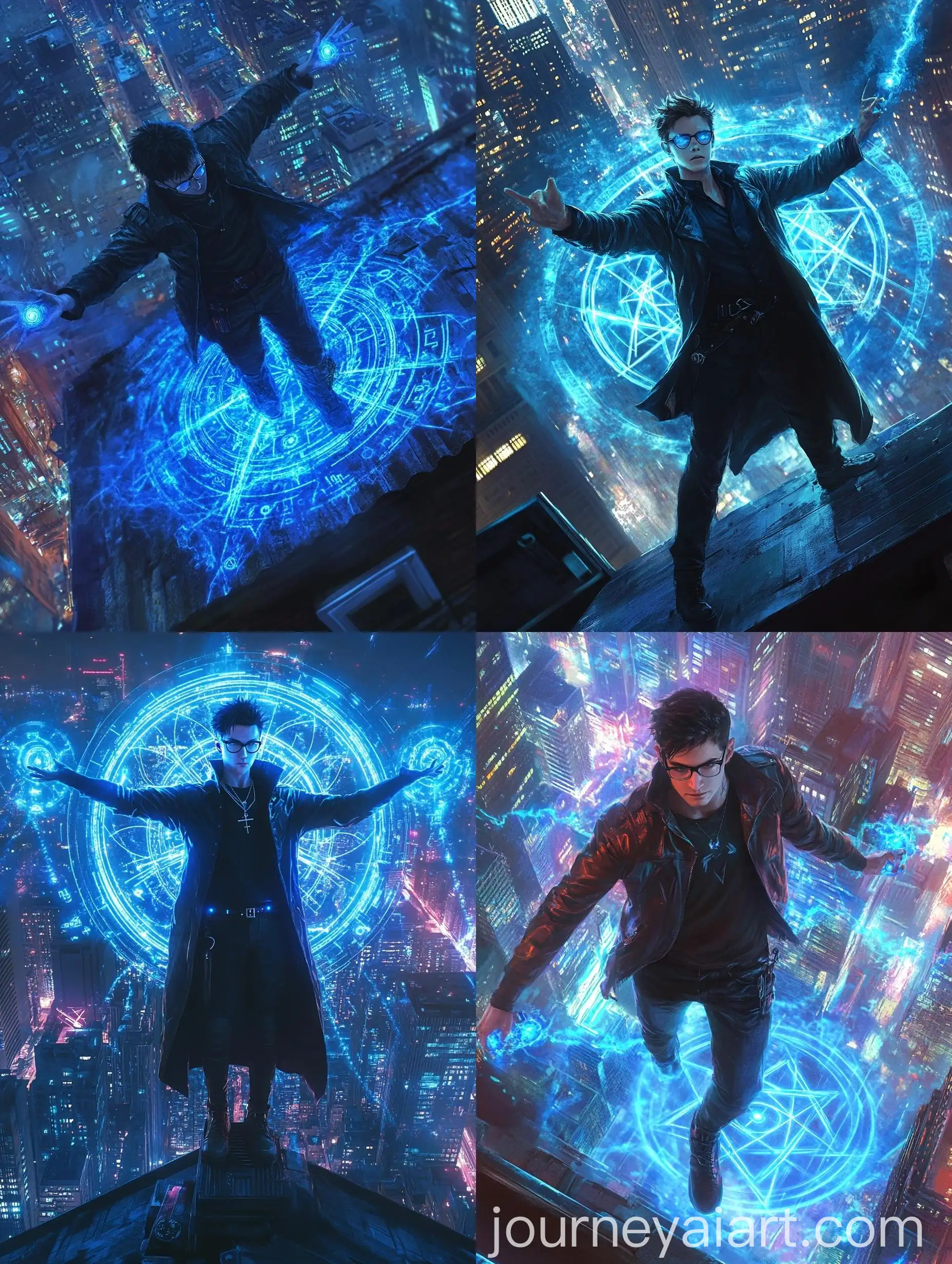
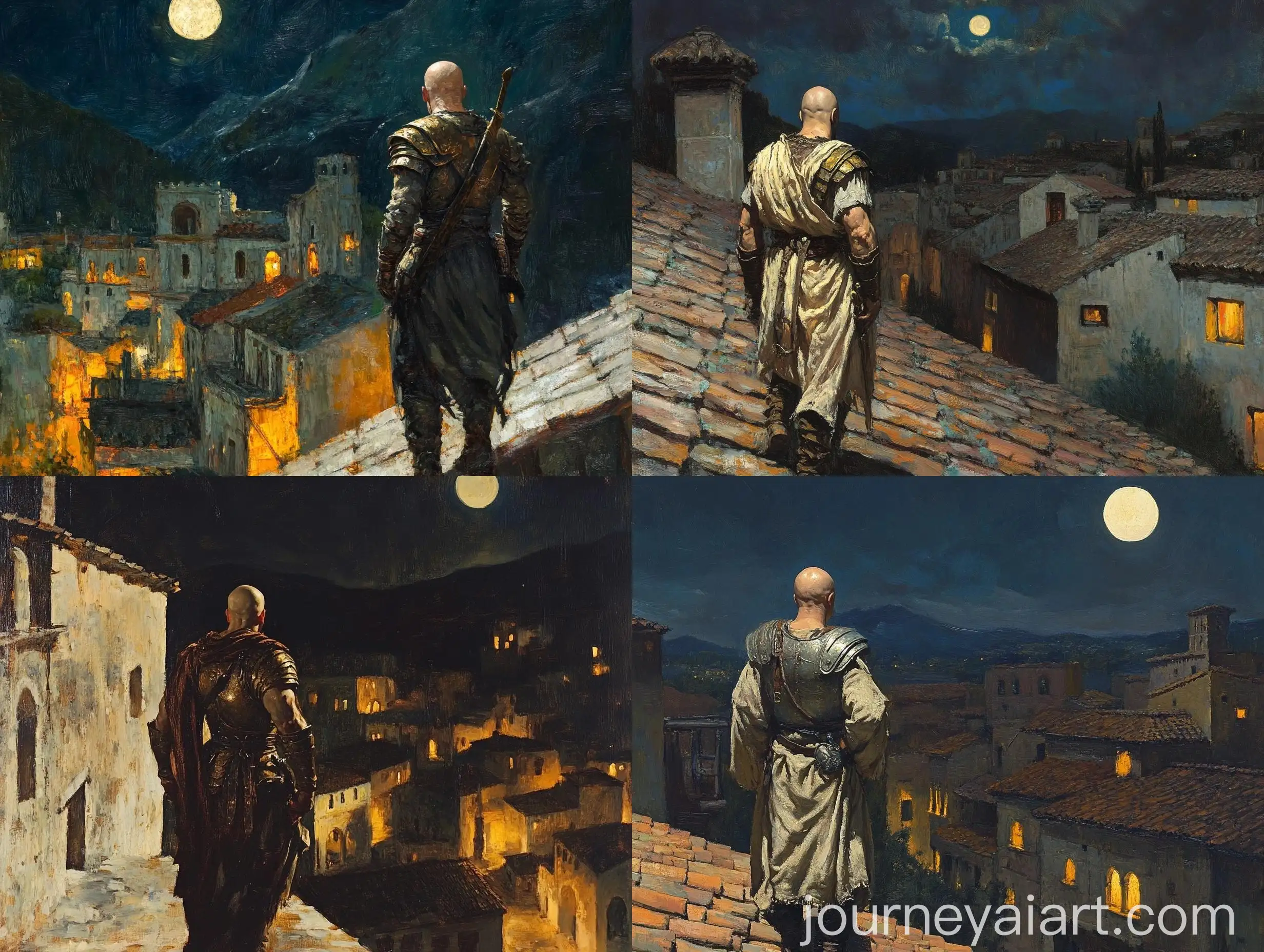
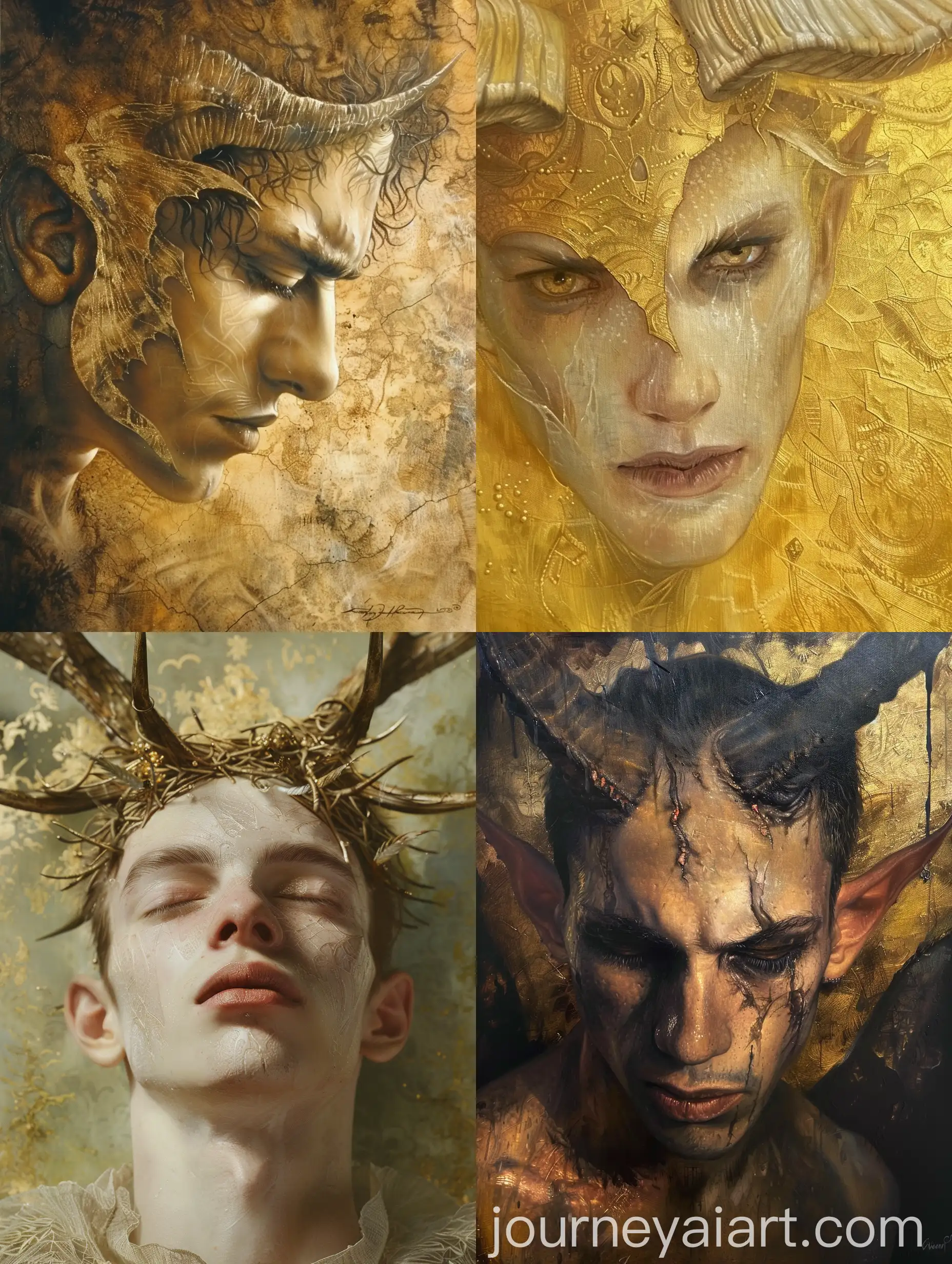
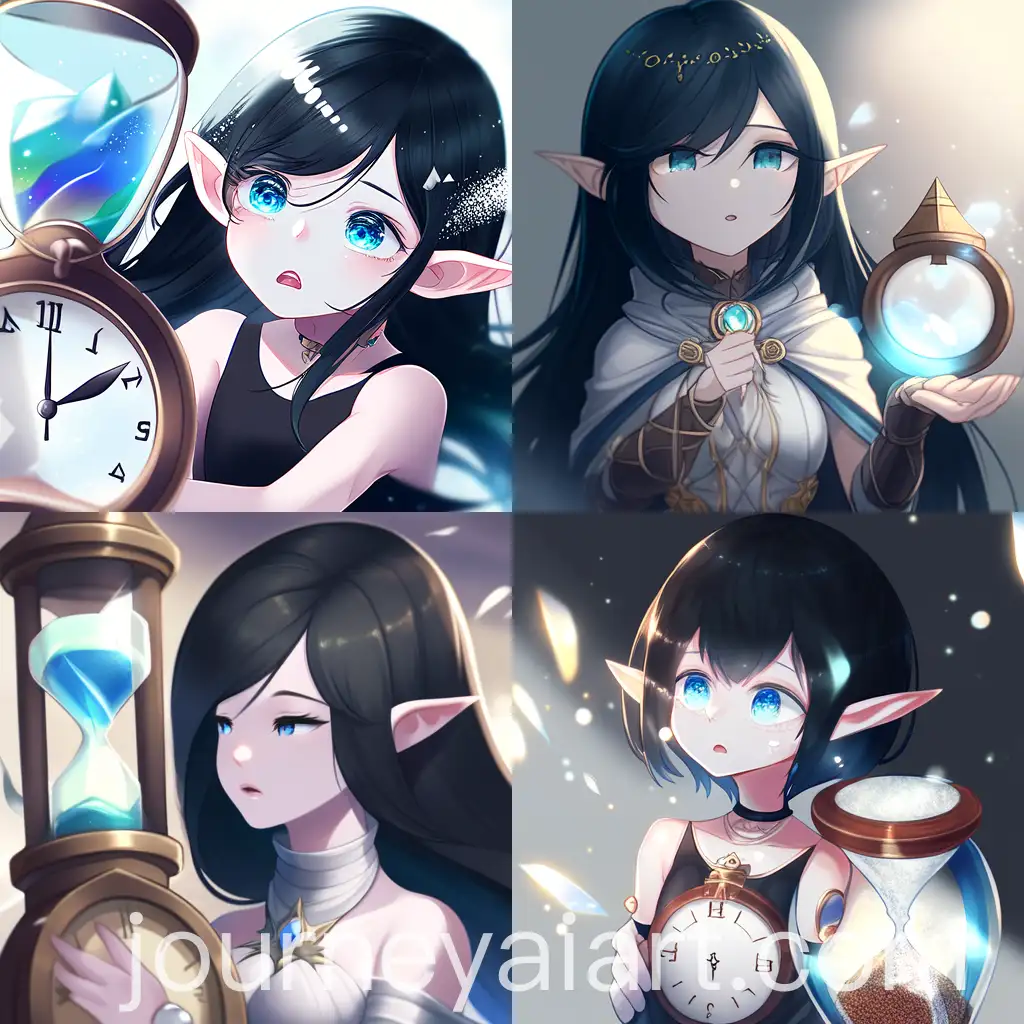
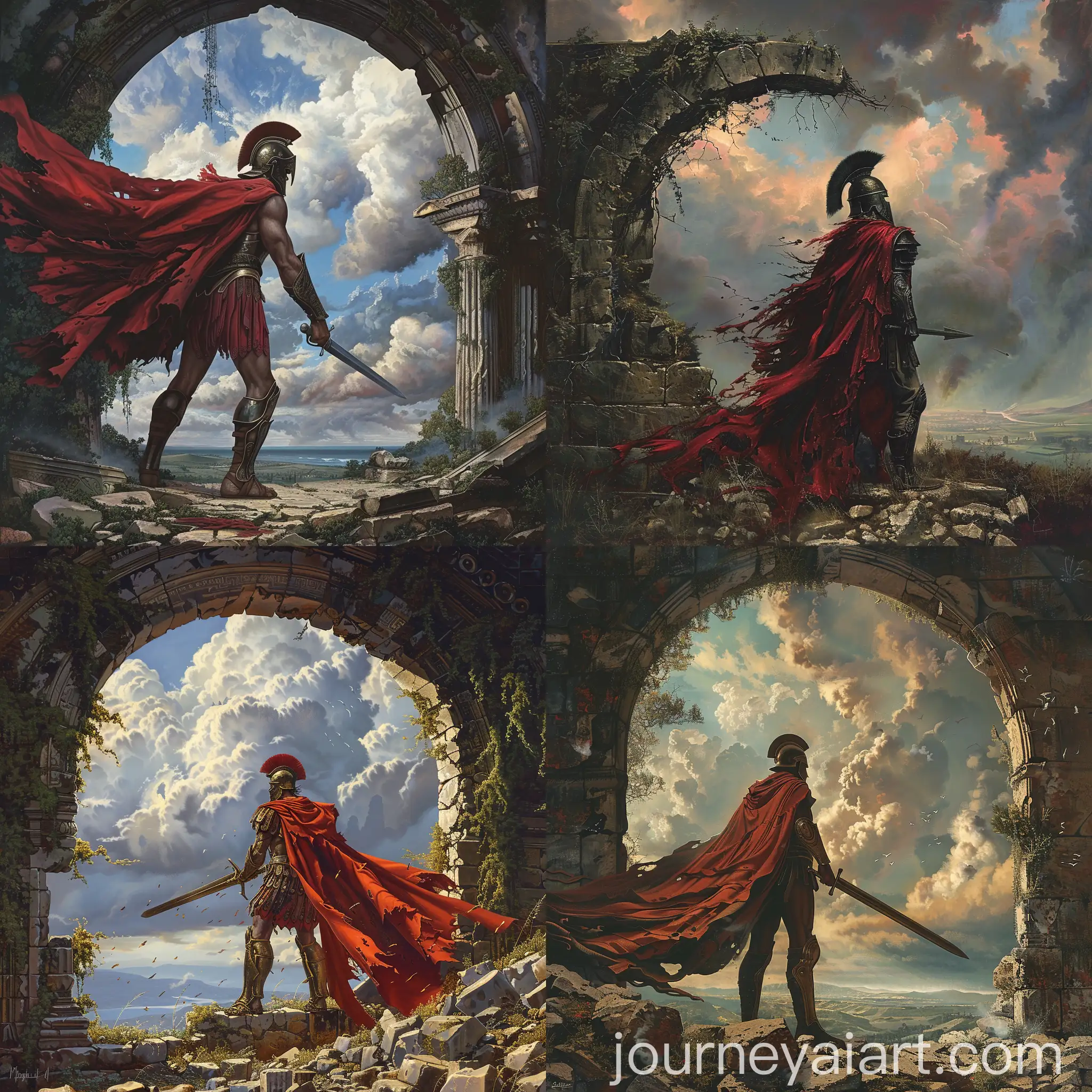
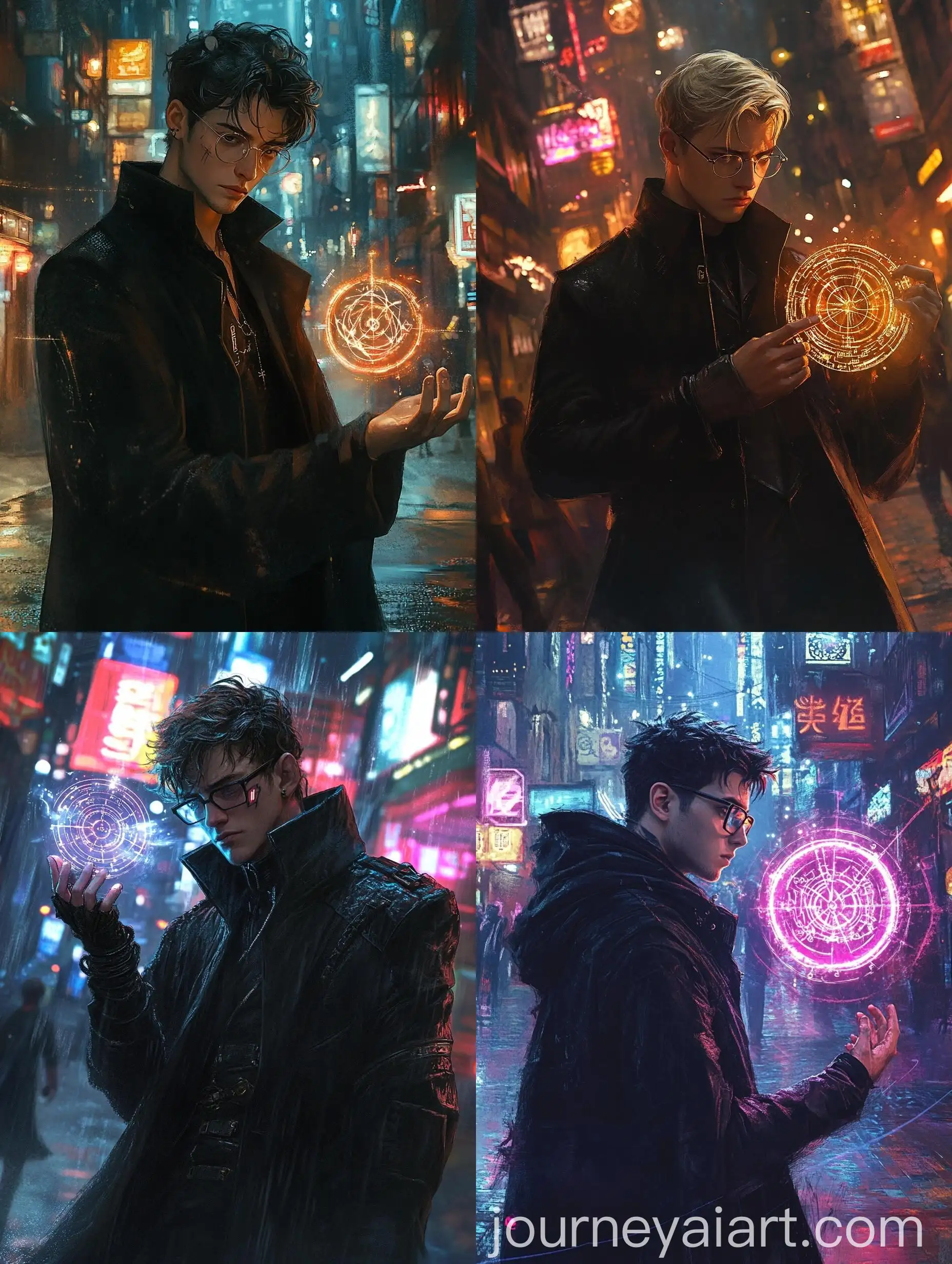
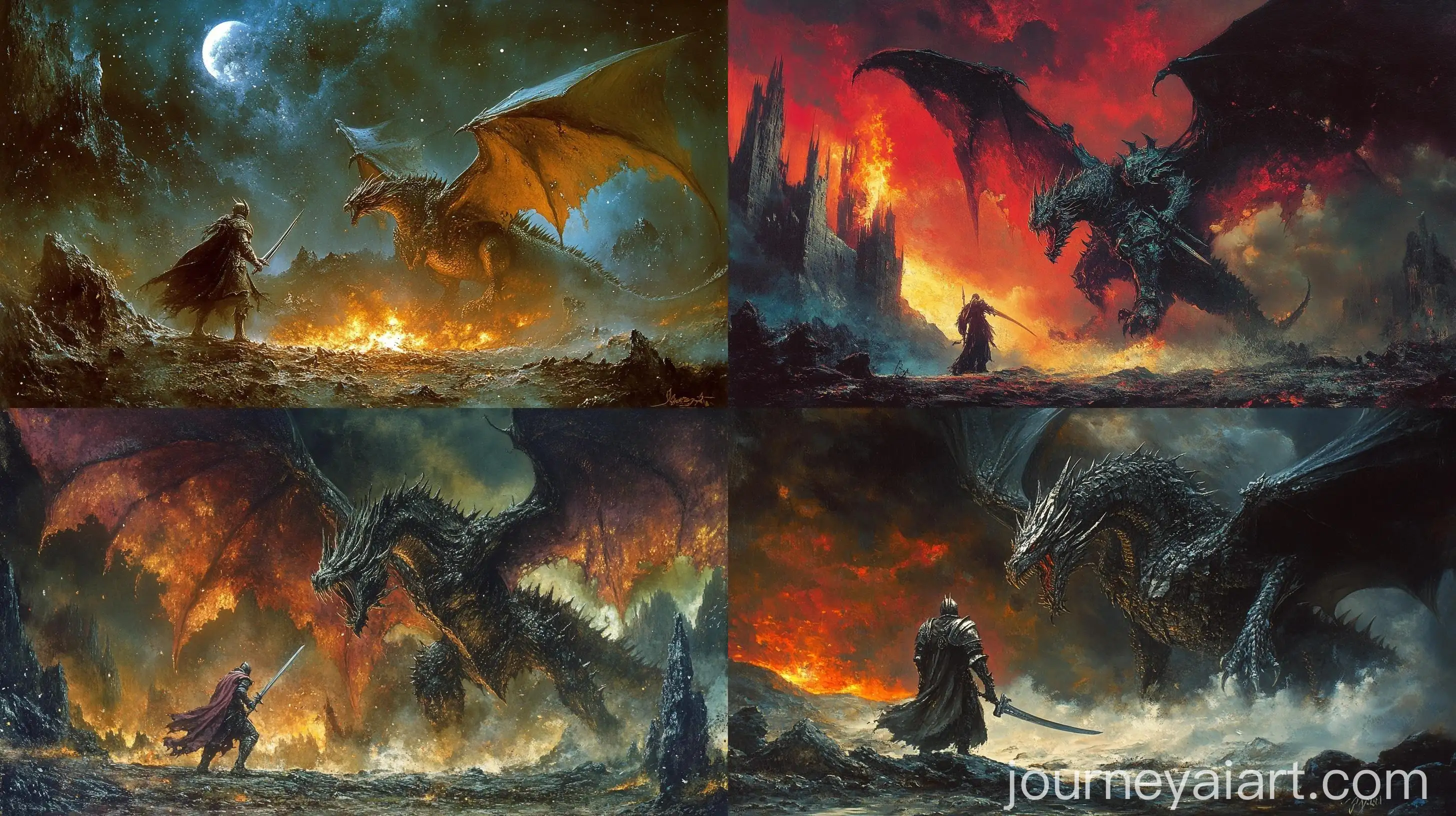
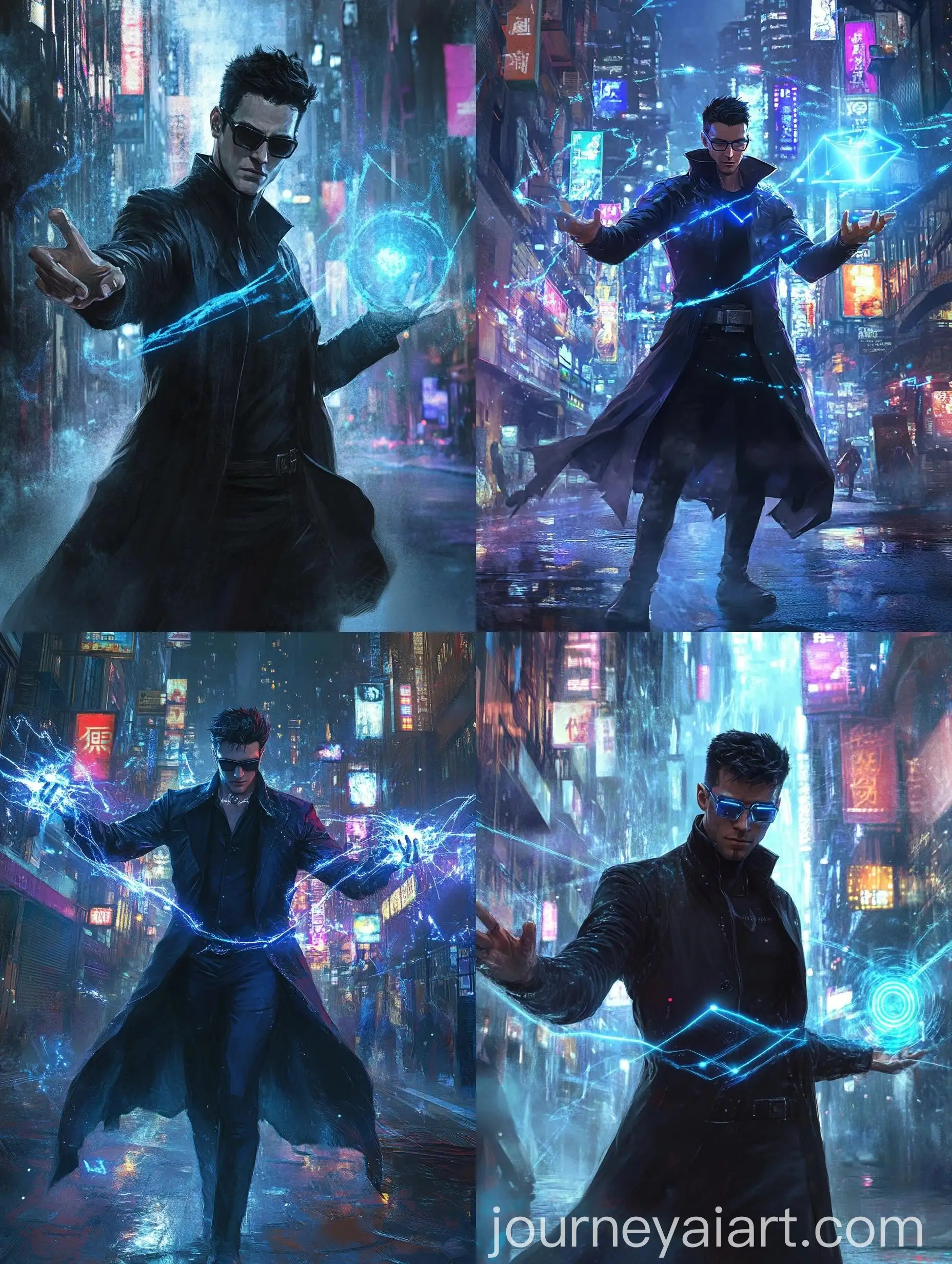
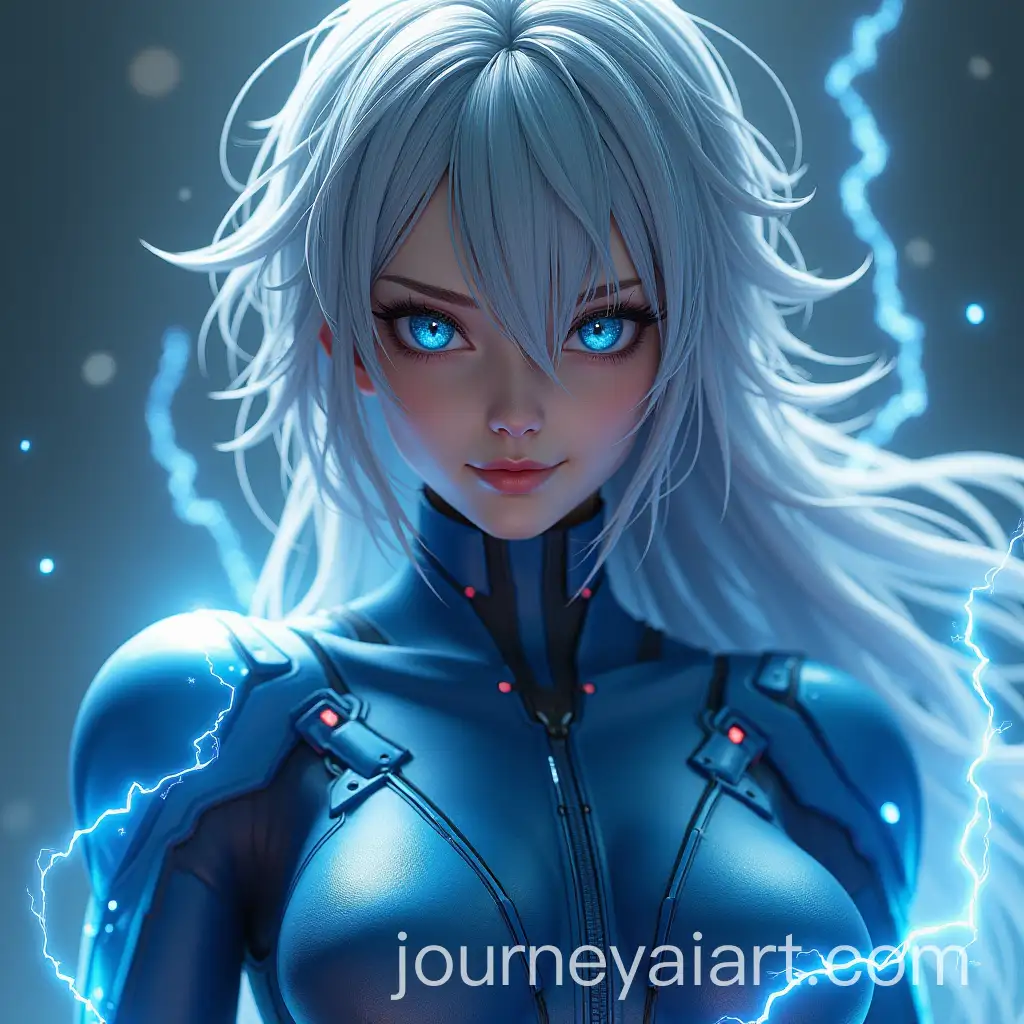
Dive into our Book Cover Art collection, showcasing 100 free AI-generated images. This diverse gallery features an array of stock photos, 3D objects, vectors, and illustrations perfect for your next literary project. Enjoy high-resolution downloads and utilize our 'open in editor' feature to fine-tune prompts and create your ideal book cover image.












Related Tags
Book cover art has undergone a significant transformation since the advent of printed books. Initially, covers were simple and functional, often just leather-bound with minimal decoration. As printing technologies advanced, cover designs became more elaborate, incorporating illustrations and typography. The 20th century saw a boom in creative cover designs, with artists like Chip Kidd and Peter Mendelsund revolutionizing the field. Now, with AI-generated imagery, we're entering a new era of book cover design. AI tools offer unprecedented creative possibilities, allowing for rapid iteration and unique visual concepts that were previously difficult or time-consuming to produce manually.
Evolution of Book Cover Art: From Traditional to AI-Generated
Successful book cover art typically incorporates several key elements: eye-catching imagery, legible typography, appropriate color schemes, and a design that reflects the book's genre and content. Popular styles vary by genre - minimalist designs for literary fiction, bold typography for thrillers, and intricate illustrations for fantasy novels. The cover should create intrigue and convey the book's tone at a glance. With AI-generated imagery, designers can quickly explore various visual concepts, from photorealistic scenes to abstract patterns, allowing for more experimental and unique cover designs. However, the challenge lies in ensuring that AI-generated elements blend seamlessly with traditional design principles to create cohesive and marketable covers.
Key Elements and Styles in Effective Book Cover Design
The introduction of AI-generated imagery in book cover design is reshaping the publishing industry. It offers several advantages: cost-effectiveness for small publishers and self-published authors, rapid prototyping of design ideas, and the ability to create visuals that might be challenging to produce through traditional means. This democratization of design tools could lead to more diverse and innovative cover art. However, it also raises questions about the role of human designers and the potential for market oversaturation with similar AI-generated styles. The industry is still adapting to this new technology, with some embracing its potential while others are cautious about maintaining the unique artistic vision that hand-crafted covers provide.
Impact of AI-Generated Book Cover Art on the Publishing Industry
The future of book cover art likely lies in a harmonious blend of AI-generated imagery and human creativity. We can expect to see more sophisticated AI tools that can understand and interpret complex themes and emotions from book synopses, generating tailored imagery. However, human designers will remain crucial in curating these AI outputs, ensuring they align with marketing strategies and resonate with target audiences. There might be a trend towards interactive or animated e-book covers, where AI could generate dynamic elements that respond to user interaction. As AI technology evolves, we may also see more personalized book covers, where the art adapts based on reader preferences or even changes as the story progresses in digital formats.
Future Trends: AI and Human Collaboration in Book Cover Design