114 Free 3D design Midjourney AI images
Welcome to our 3D Design image collection, showcasing over 114 free AI-generated images. Delve into a variety of high-resolution stock photos, 3D objects, vectors, and illustrations. Enjoy the convenience of downloading these images and utilize our unique 'open in editor' feature to modify prompts and regenerate images that suit your specific needs.
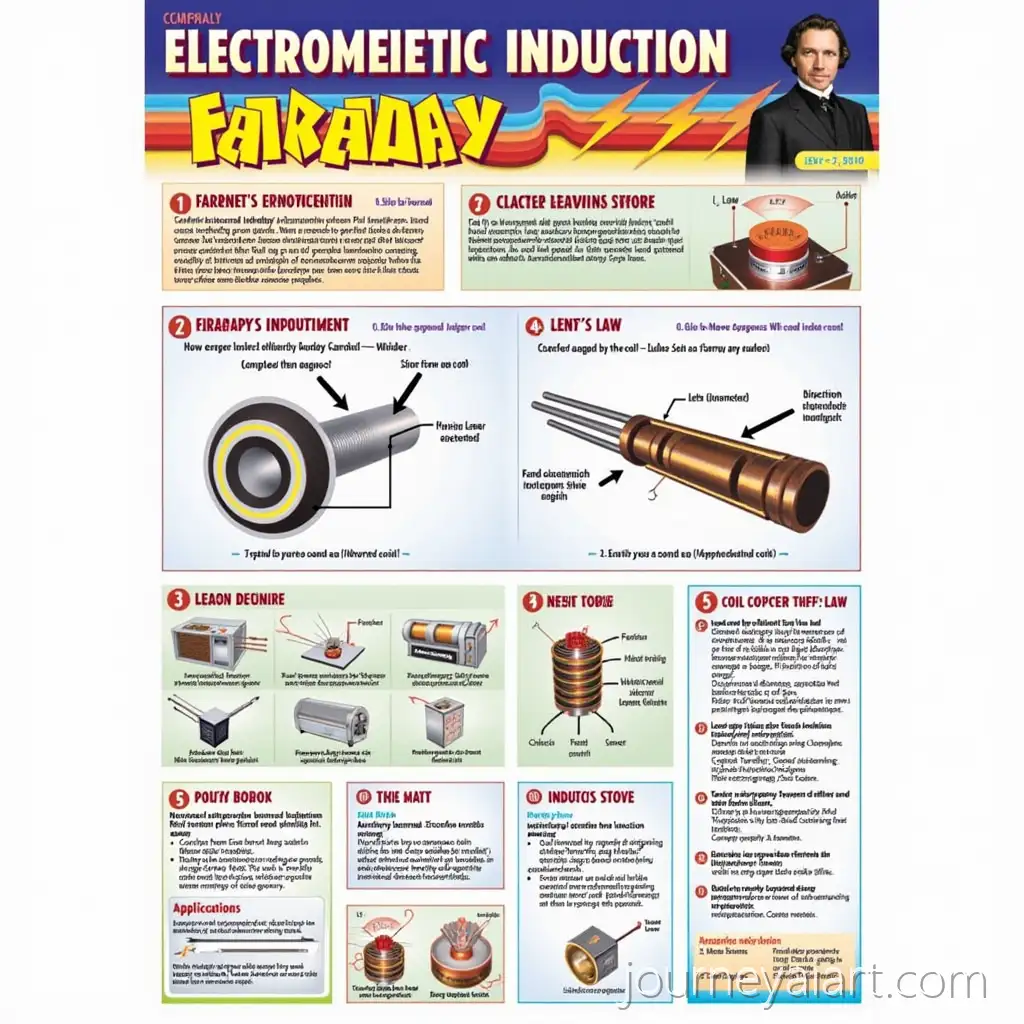
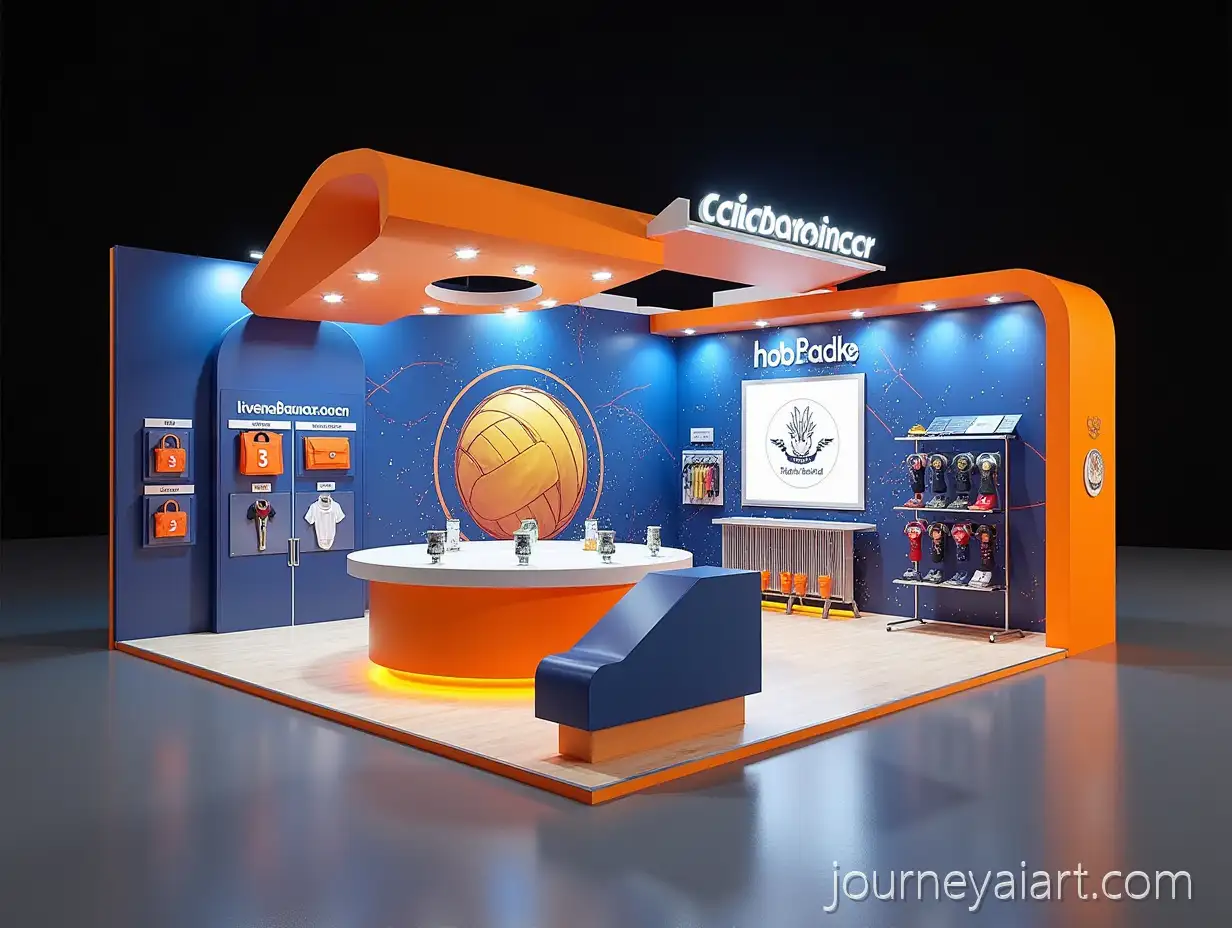
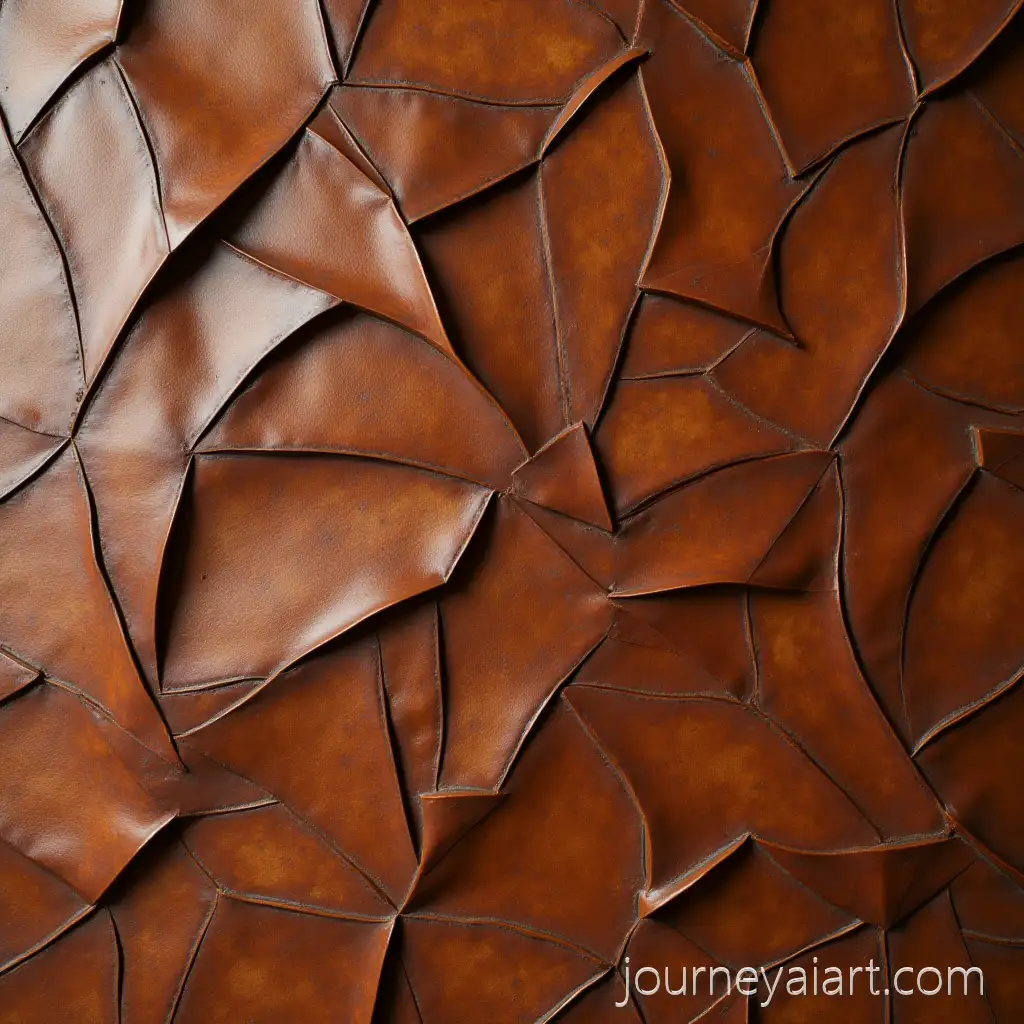

3D Design refers to the process of creating three-dimensional models and environments using specialized software. This form of design plays a crucial role in various industries, from architecture and engineering to entertainment and gaming. The history of 3D design dates back to the 1960s, with the development of early computer graphics technologies. Over the decades, advancements in software and hardware have transformed 3D design into an accessible and versatile tool for professionals and hobbyists alike. Today, 3D design is integral to creating realistic simulations, animations, and interactive experiences, making it a cornerstone of modern digital content creation.
Understanding 3D Design: Definition and Background
3D Design is characterized by its ability to create lifelike representations of objects, scenes, and animations. This realism is achieved through techniques such as rendering, texturing, and lighting, which allow designers to mimic real-world physics and materials. Applications of 3D design are vast, impacting fields like architecture, where it aids in visualizing building projects before construction begins. In the entertainment industry, 3D design is used to create stunning visual effects for movies and immersive environments for video games. The automotive industry benefits from 3D modeling for prototyping and testing vehicle designs. Additionally, 3D design has found its place in healthcare, where it assists in creating accurate anatomical models for educational and surgical planning purposes. The versatility and precision of 3D design make it a vital tool across multiple sectors, driving innovation and efficiency.
Key Characteristics and Applications of 3D Design in Various Industries
3D Design encompasses a wide range of styles and types, each with its unique characteristics and applications. Some popular styles include photorealistic rendering, where the goal is to create images indistinguishable from real photographs. This style is commonly used in architectural visualizations and product design. Another style is stylized 3D design, often seen in animated films and games, where exaggerated features and vibrant colors create a distinct artistic look. Low-poly design is a style characterized by its simplicity and efficiency, often used in video games and virtual reality applications where performance is crucial. Additionally, procedural modeling is a technique that involves creating complex structures algorithmically, allowing for the generation of vast and intricate environments. These diverse styles and techniques showcase the creative potential of 3D design, catering to various artistic and functional needs.
Exploring Different Styles and Types of 3D Design
The future of 3D Design is poised for significant advancements driven by emerging technologies and innovative practices. One prominent trend is the integration of artificial intelligence and machine learning, which enhances the efficiency and capabilities of 3D design software. AI-powered tools are increasingly being used to automate complex tasks such as modeling, animation, and rendering, allowing designers to focus on creativity and innovation. The rise of virtual reality (VR) and augmented reality (AR) also presents new opportunities for 3D design, as these technologies demand realistic and immersive content for interactive experiences. Furthermore, advancements in 3D printing technology are bridging the gap between digital design and physical production, enabling rapid prototyping and manufacturing across various industries. As technology continues to evolve, 3D design will become more accessible, intuitive, and powerful, driving its adoption and application in new and exciting ways.
The Future of 3D Design: Trends and Technological Advancements