14 Free traditional manga style Midjourney AI images
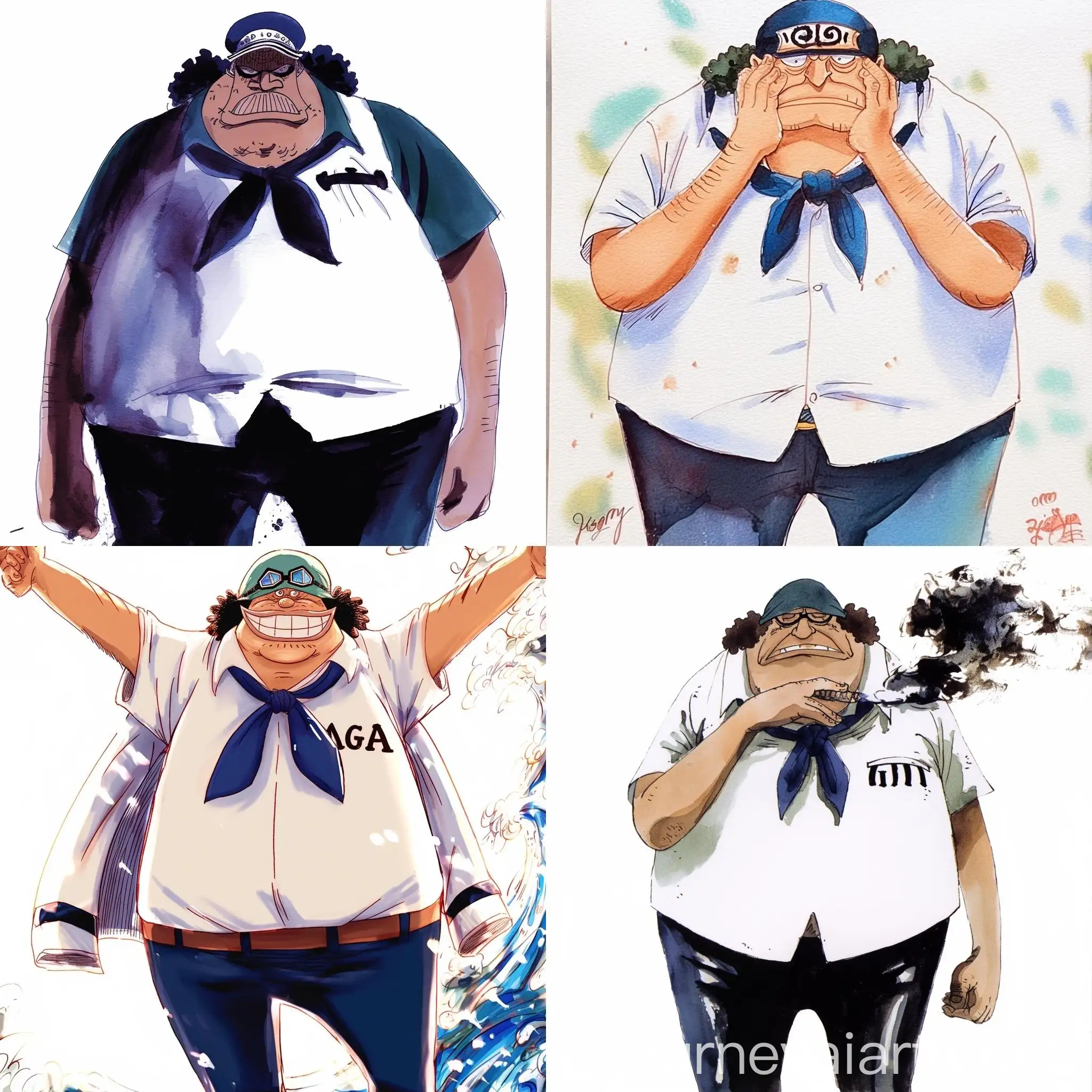
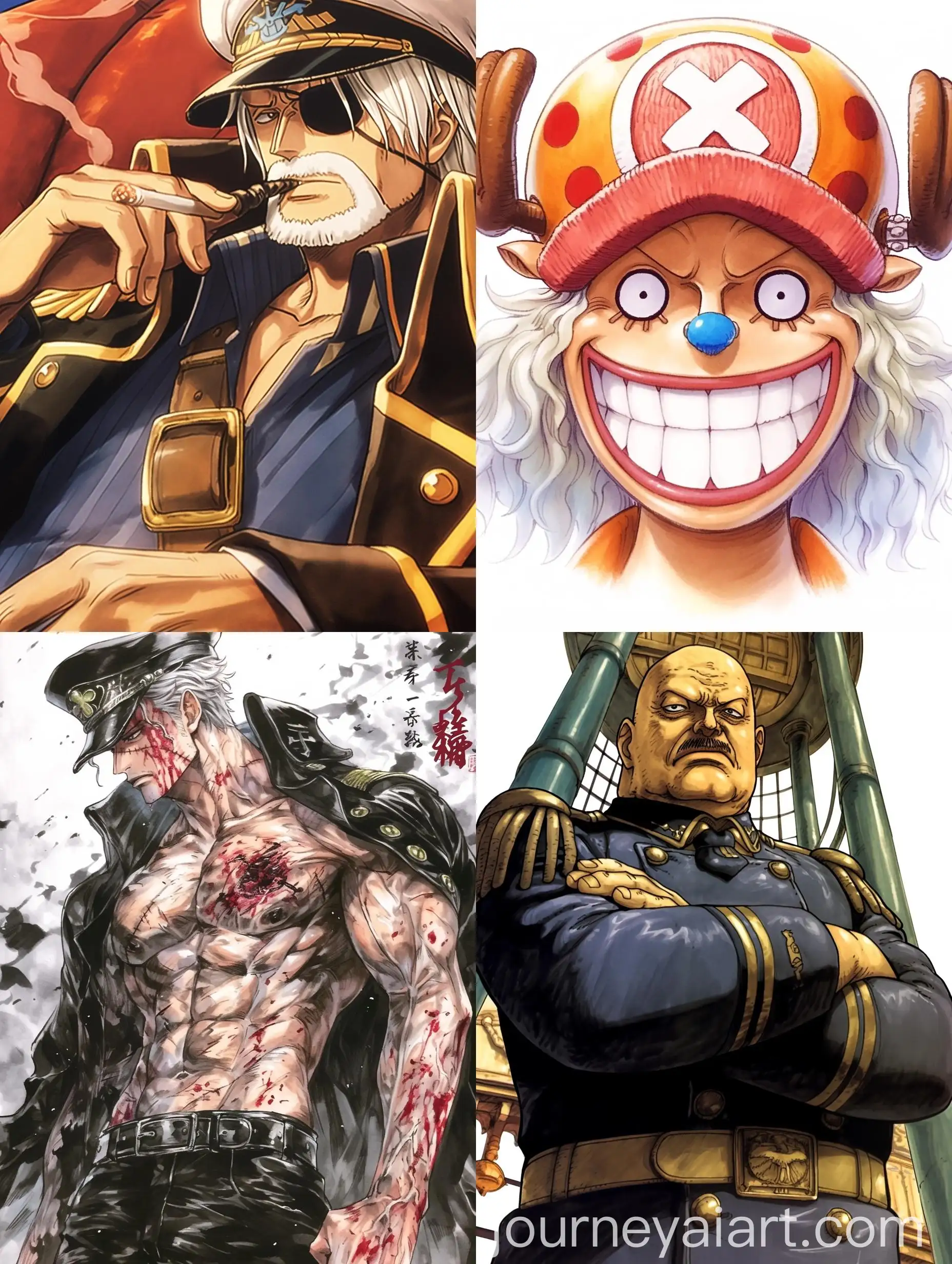
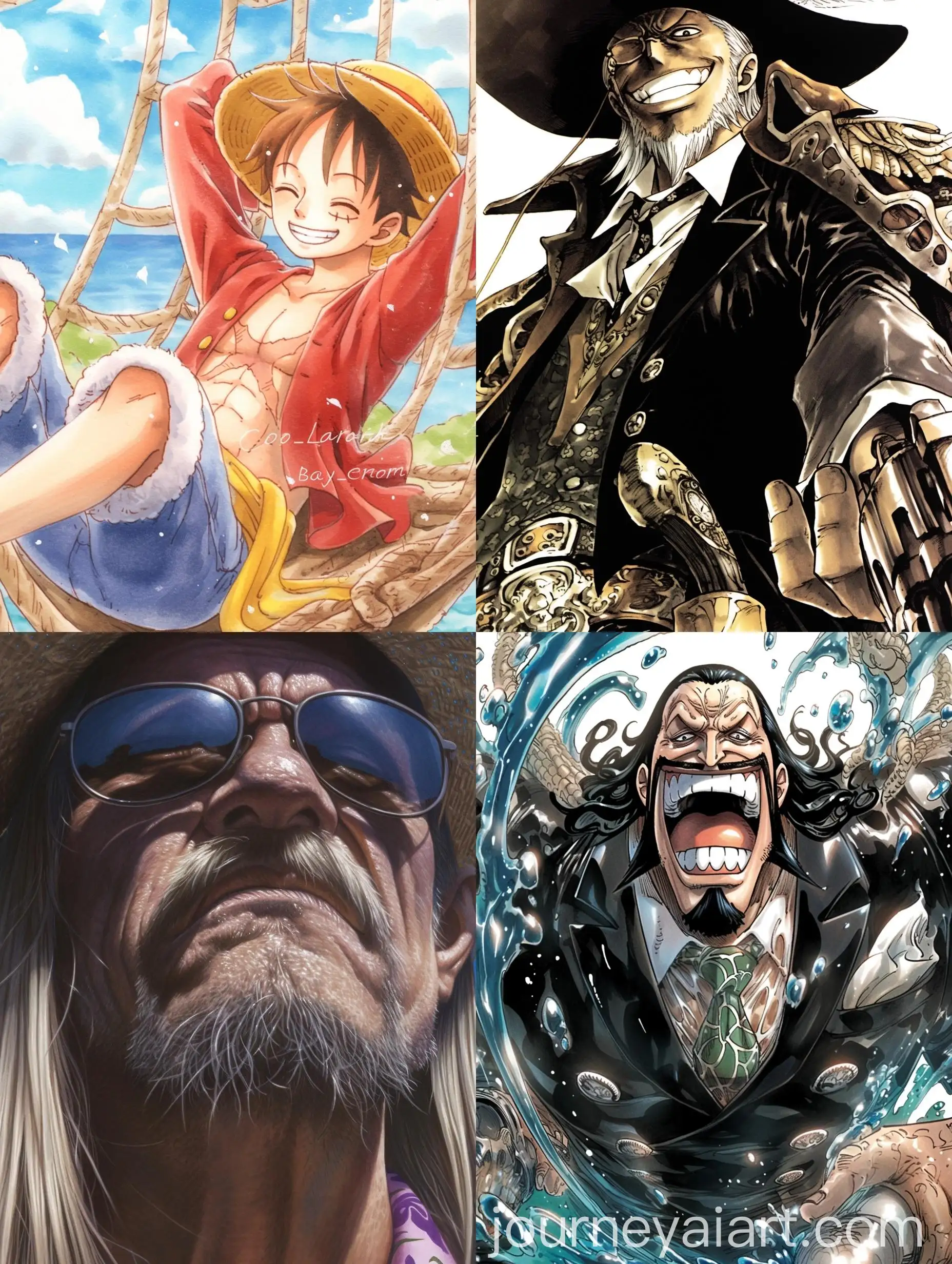
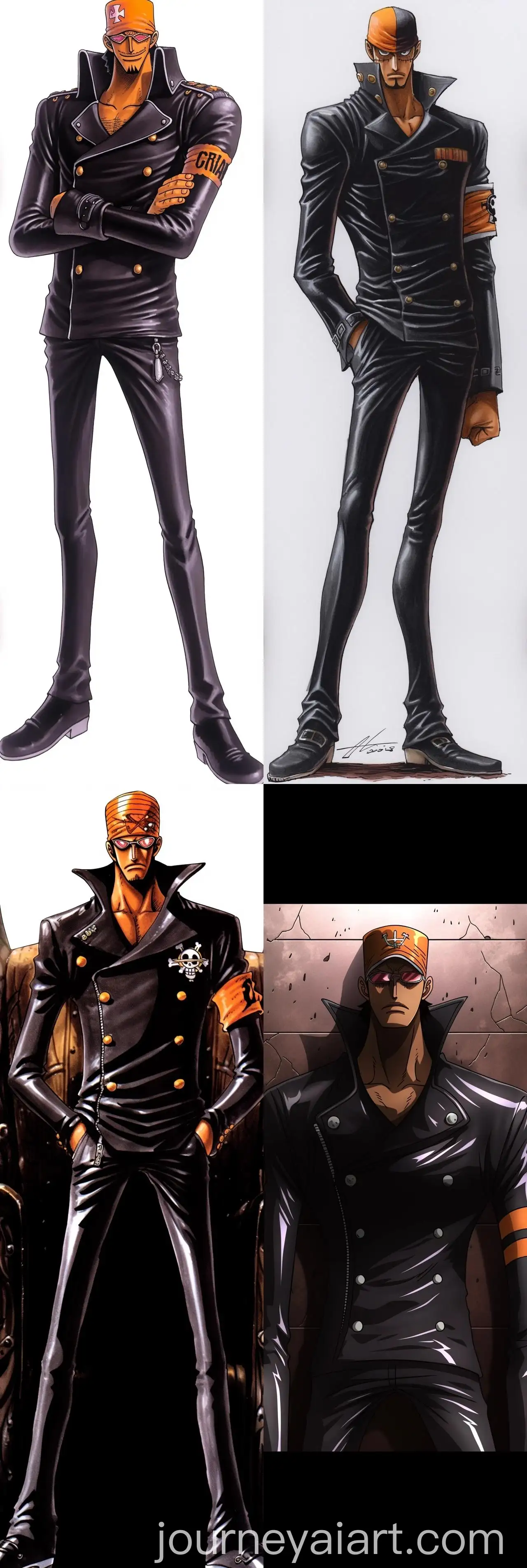
Explore our Traditional Manga Style collection, featuring 14 free AI-generated images. These include a diverse range of high-quality stock photos, 3D objects, vectors, and illustrations, all available for high-resolution download. Additionally, our unique 'open in editor' feature allows you to adjust prompts on the image detail page to regenerate custom images based on your preferences.
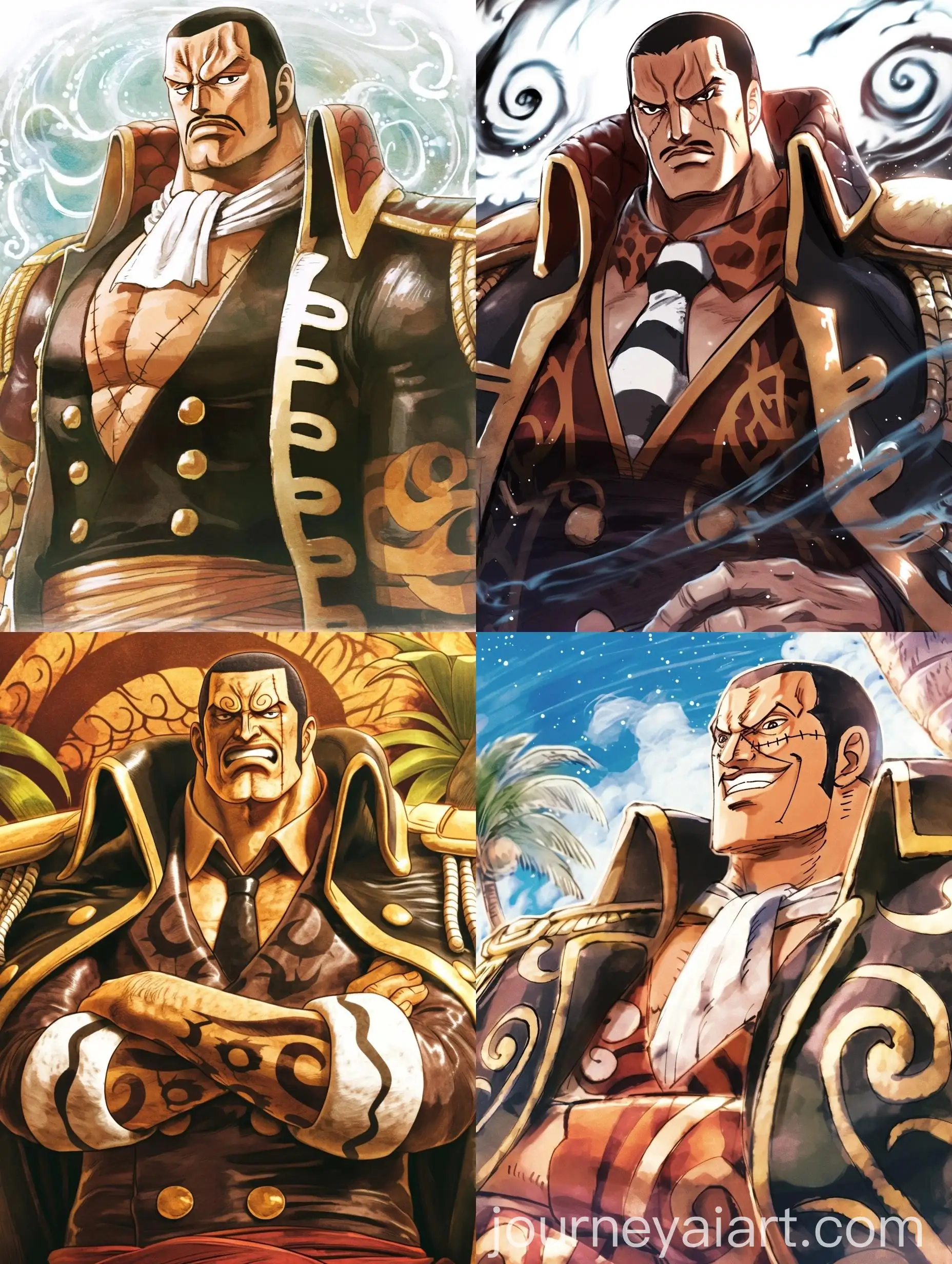
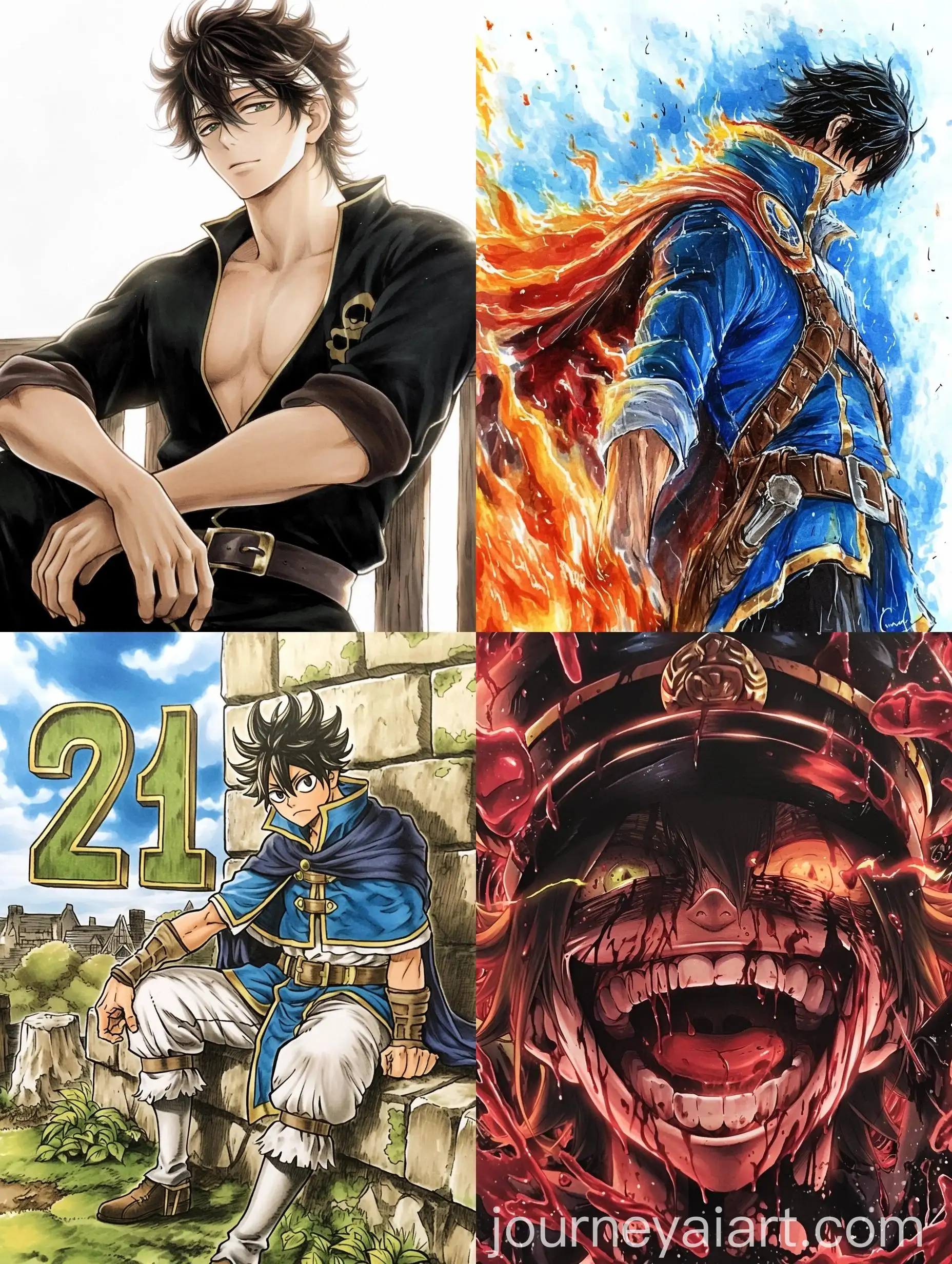
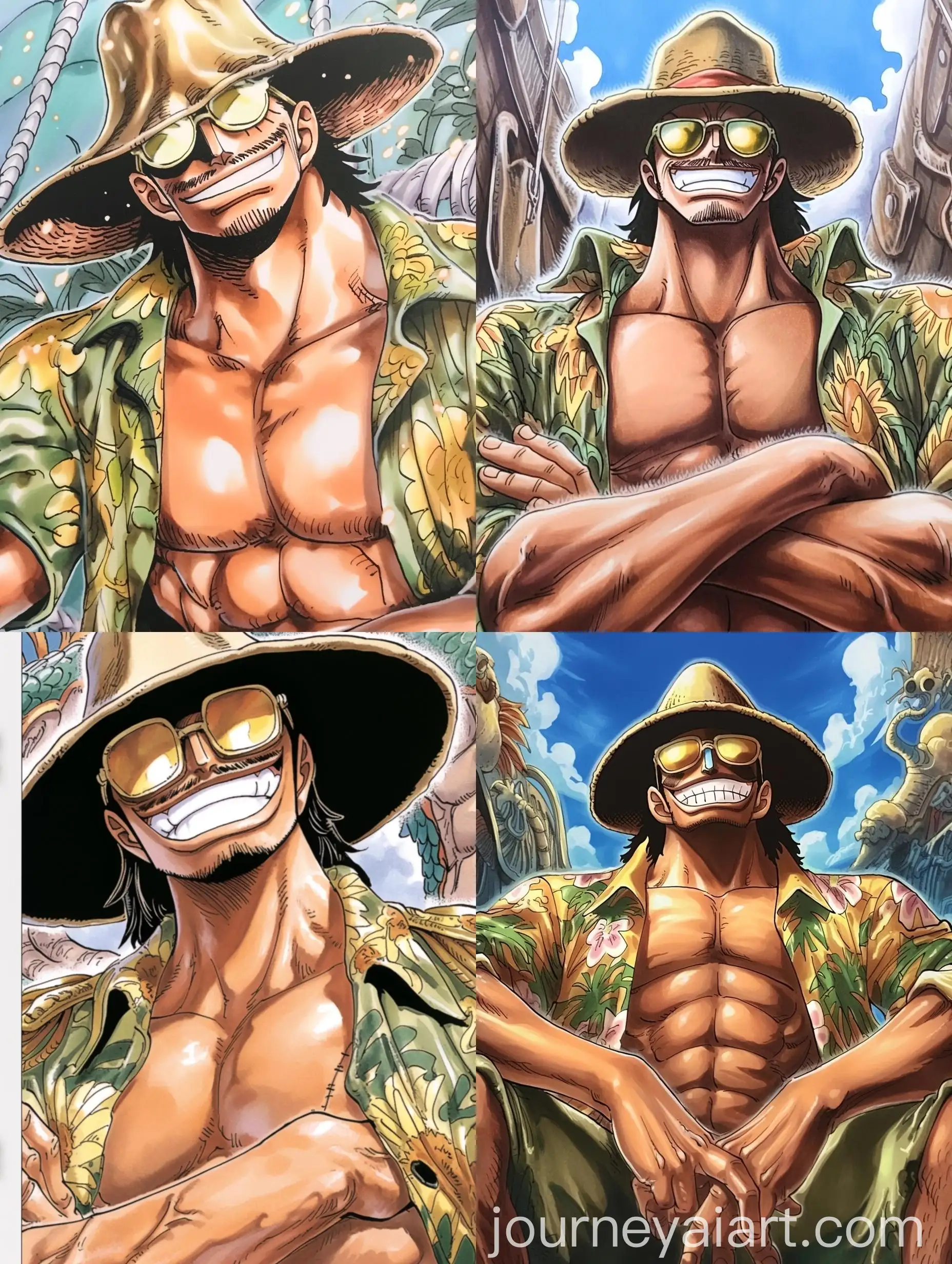
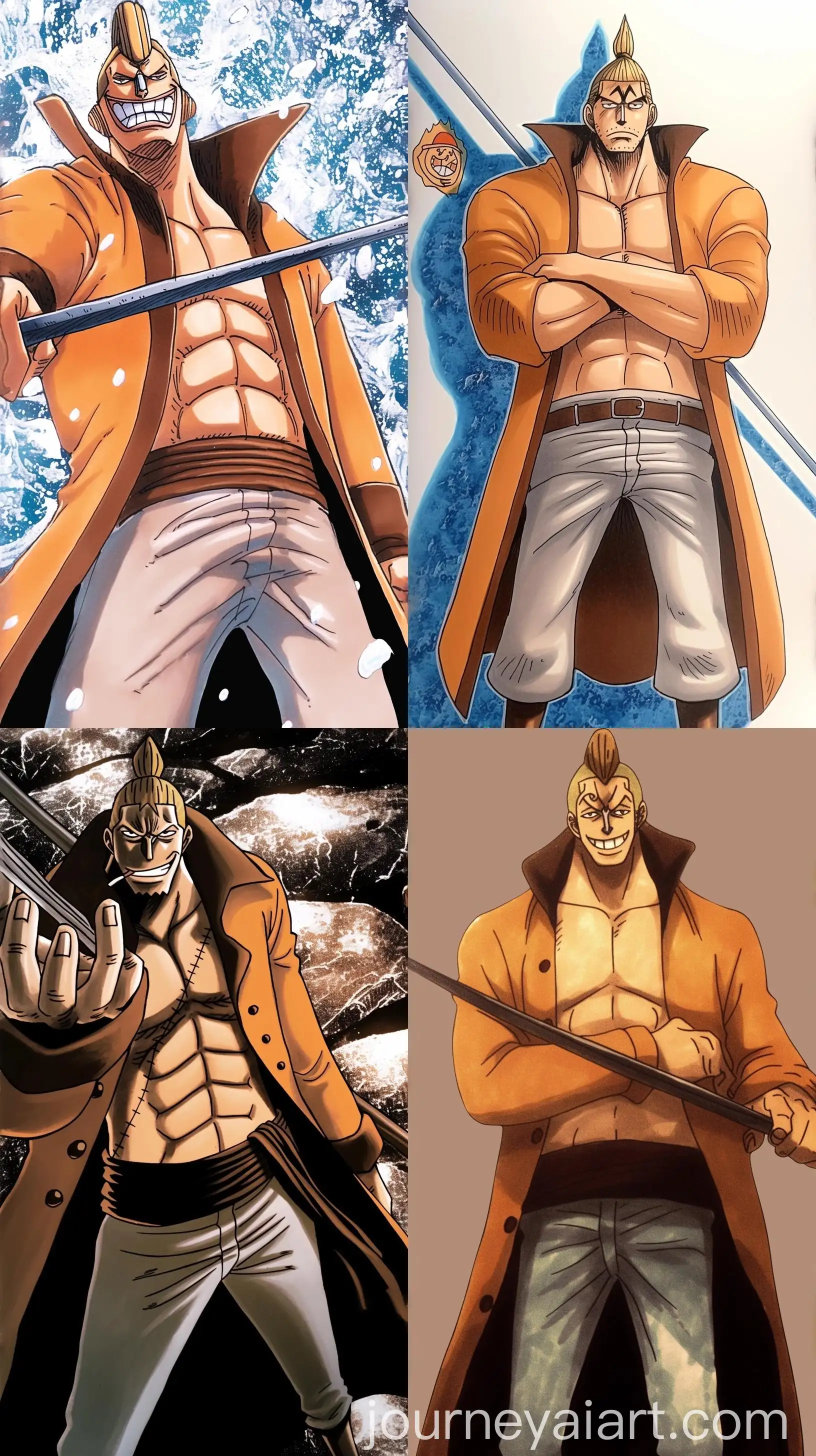
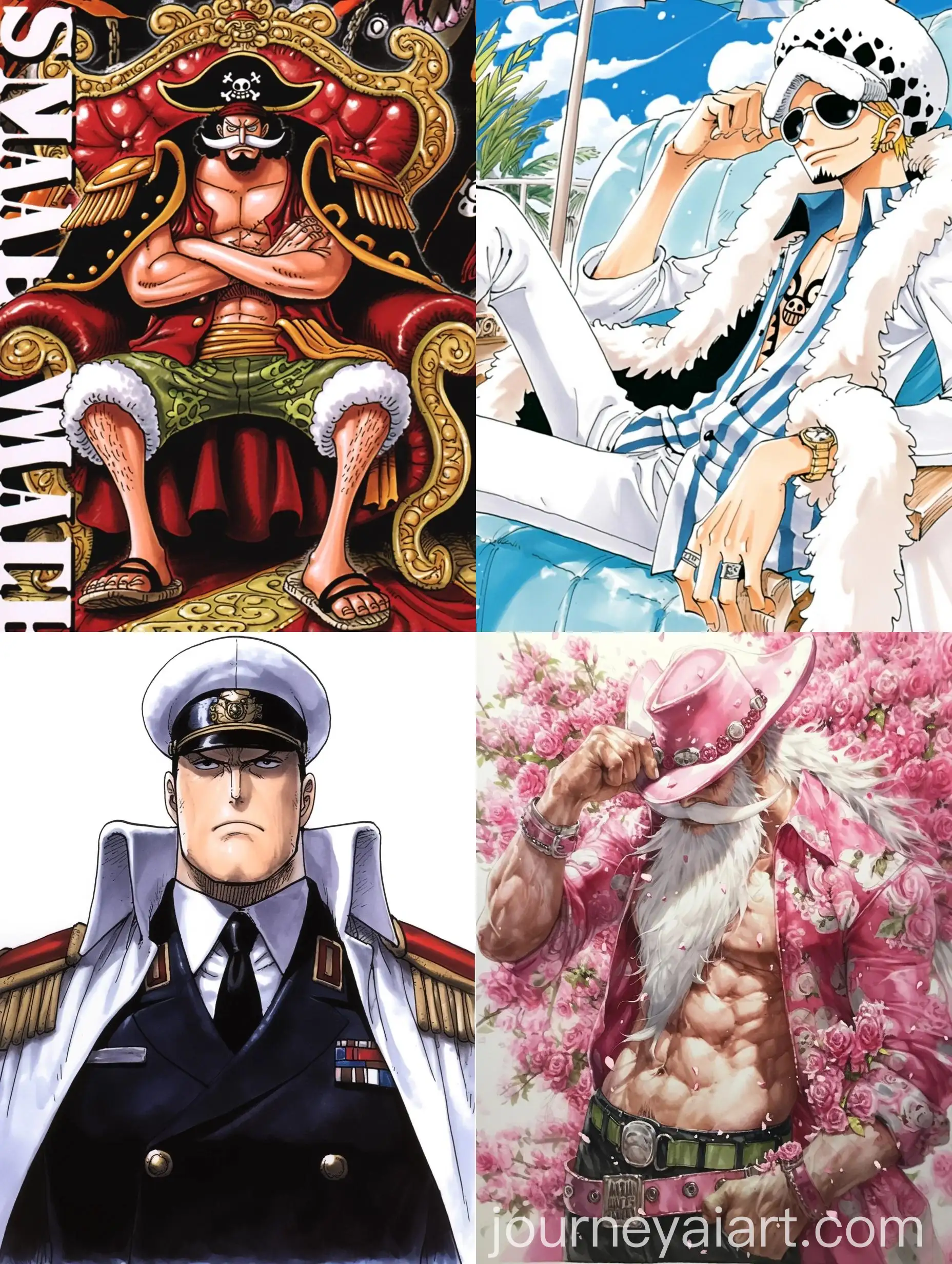
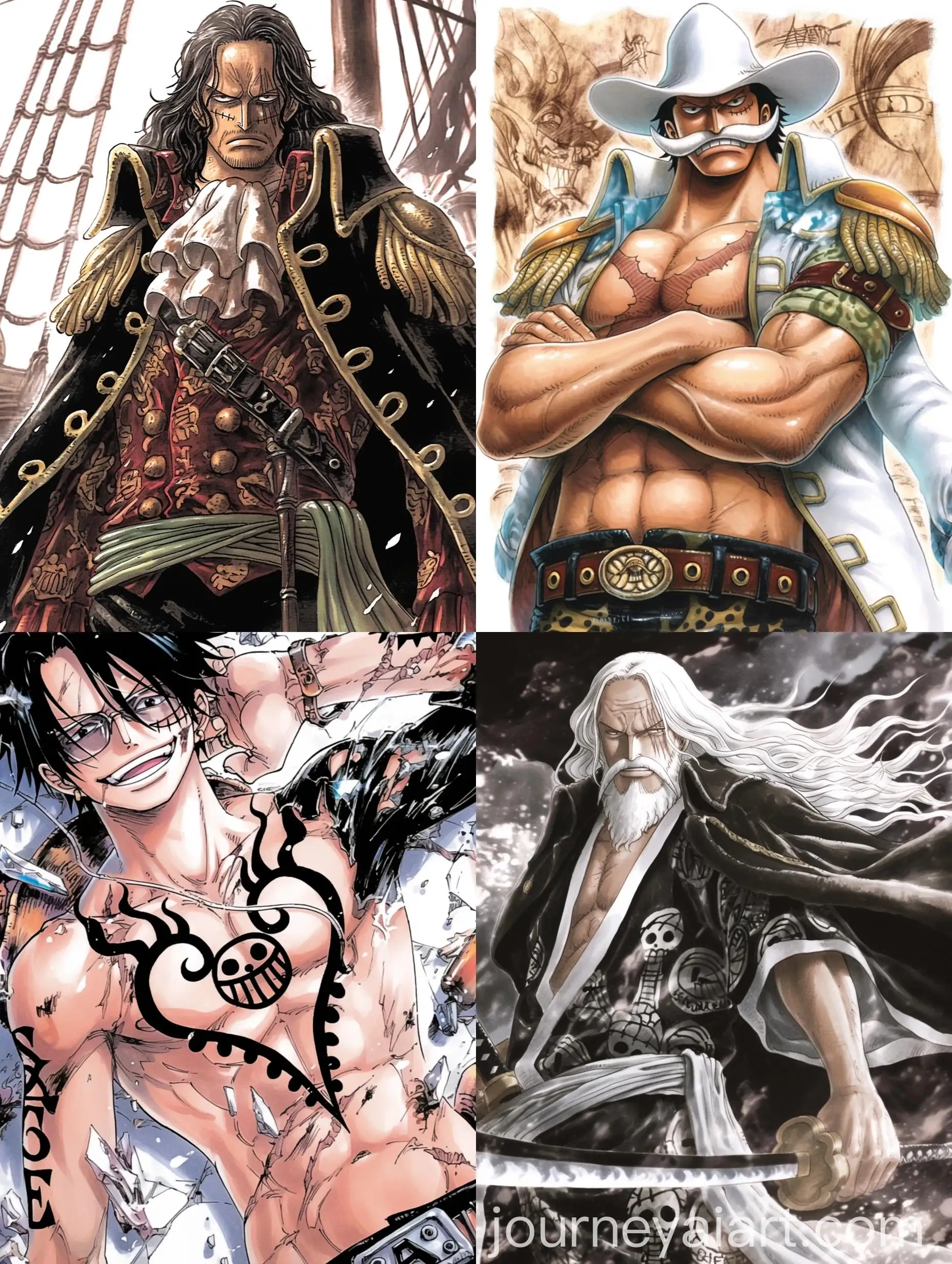
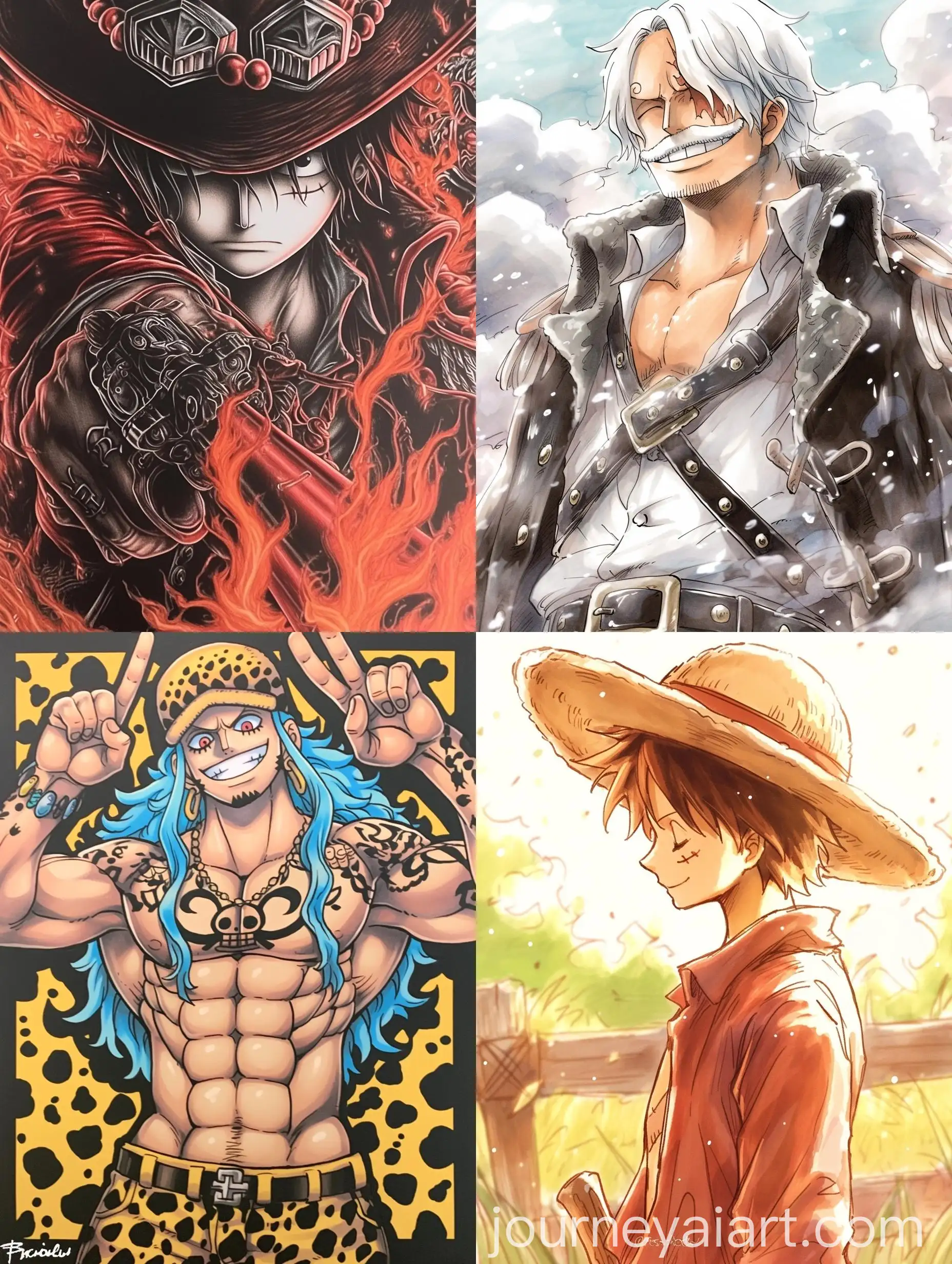
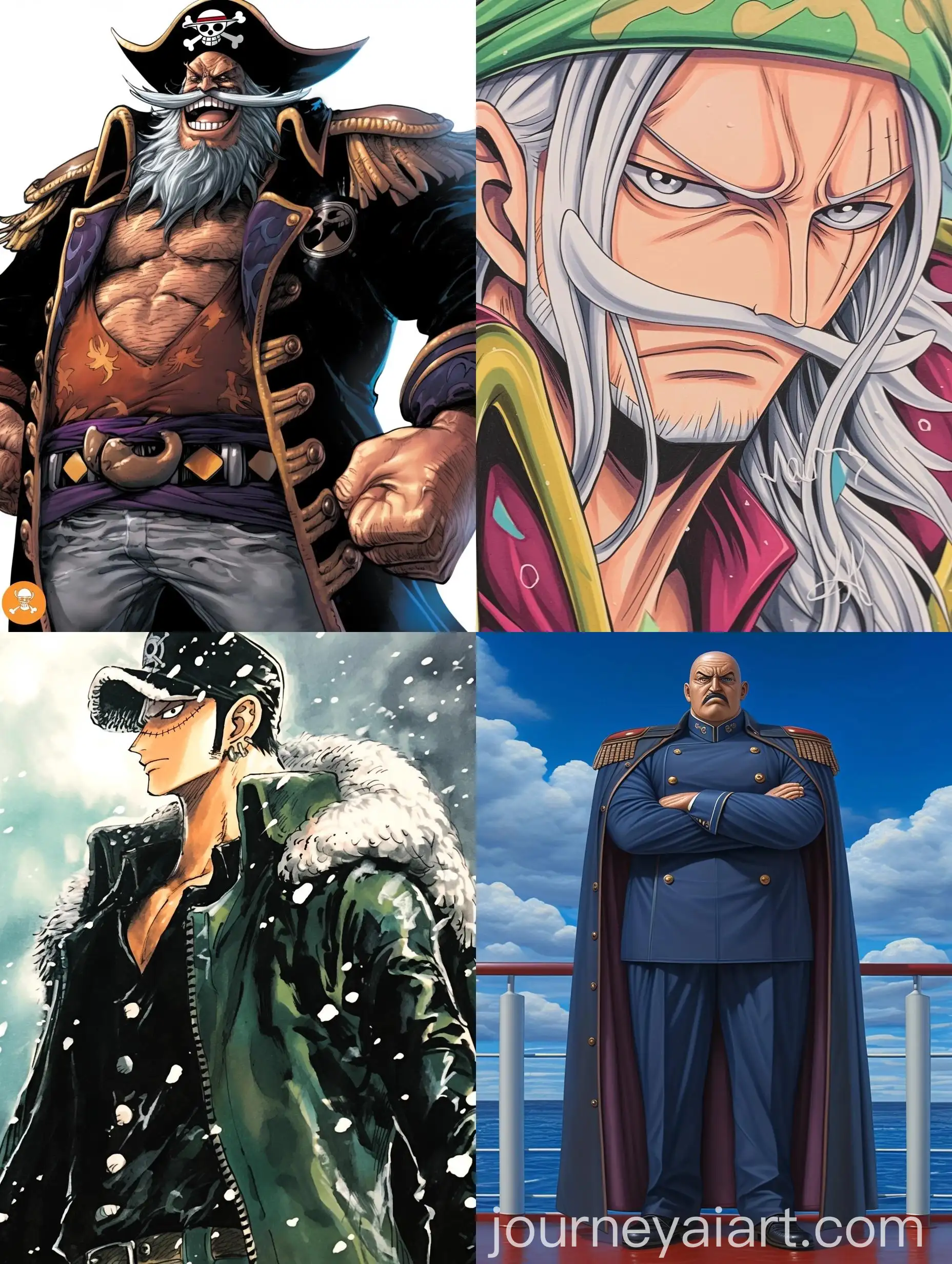
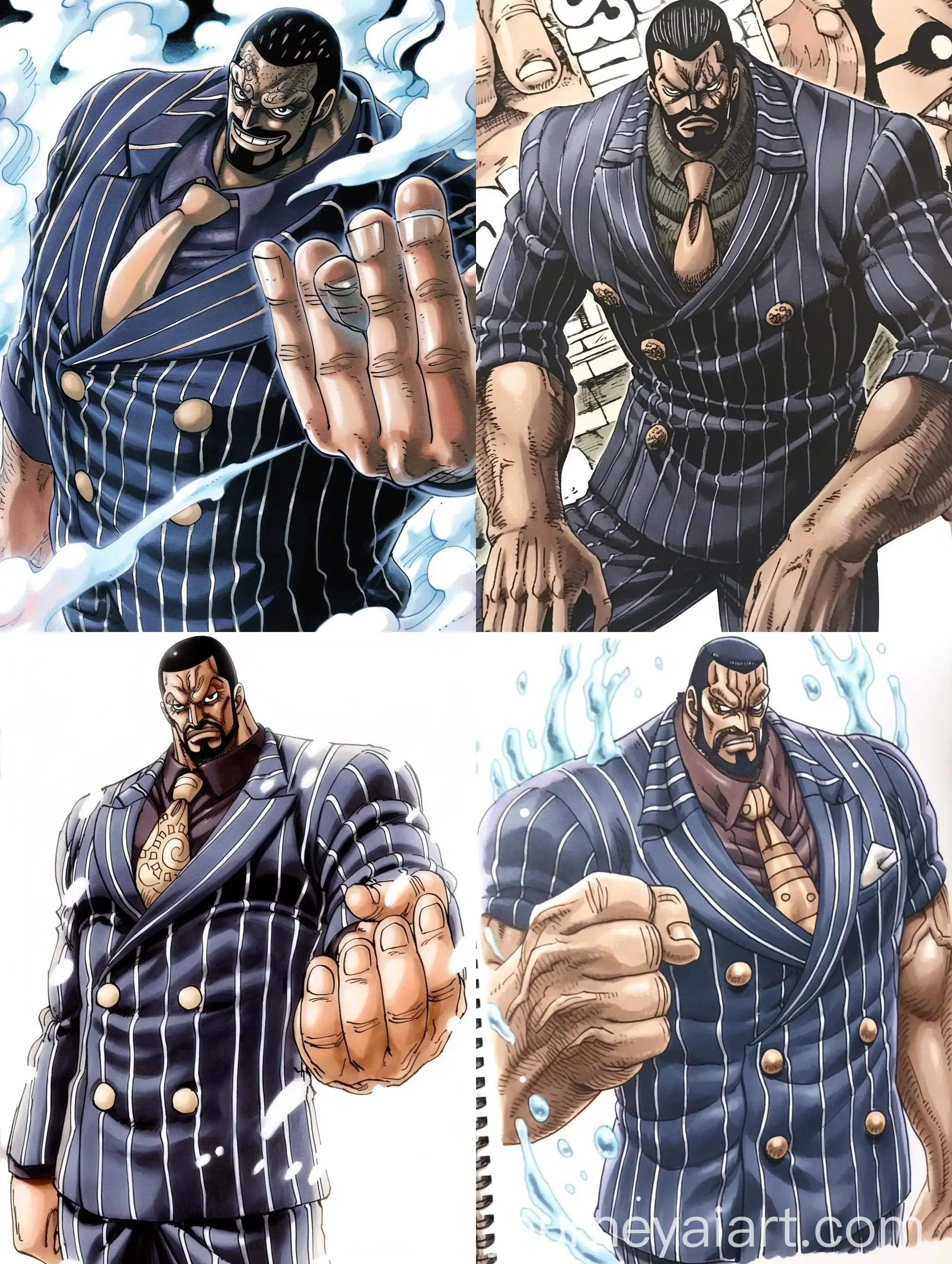
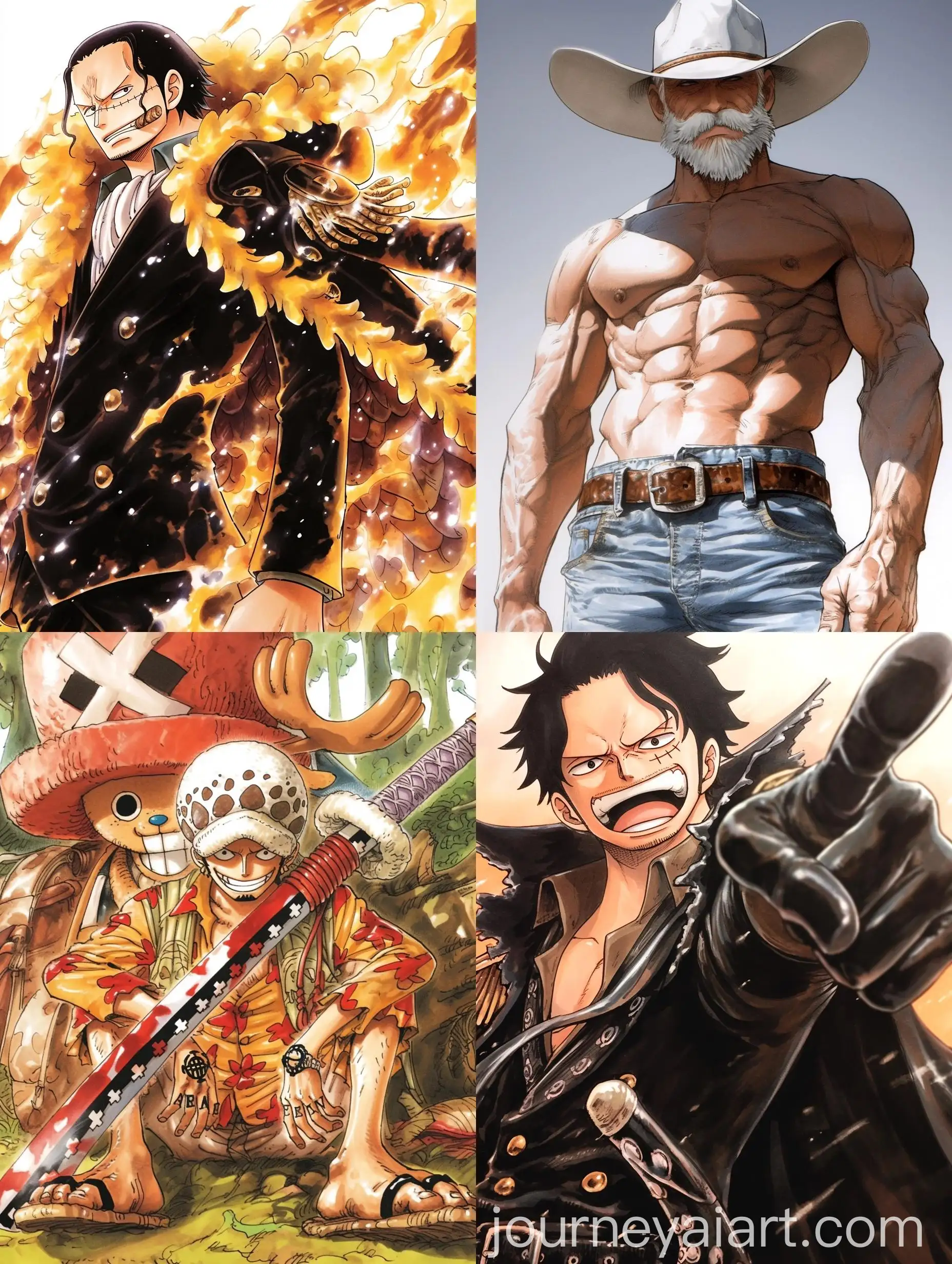
Related Tags
Traditional manga style is deeply rooted in Japanese art and culture. It began in the early 20th century and has evolved through various eras, blending storytelling with unique visual elements like exaggerated expressions, bold lines, and intricate background work. The style's origins are influenced by Japan’s ukiyo-e woodblock printing and Western comic book aesthetics, resulting in a hybrid art form that appeals to readers and artists worldwide.
Understanding Traditional Manga Style and Its Origins
Manga art is characterized by its clean, black-and-white illustrations, often with dramatic shading and highly stylized characters. Typical elements include large, expressive eyes, simplified facial features, and dynamic action lines that give a sense of movement. This style is known for its ability to convey intense emotions and detailed action sequences, making it a staple in both storytelling and artistic expression.
Key Characteristics of Traditional Manga Art
Many famous manga artists, known as 'mangaka,' have made significant contributions to the development of the traditional manga style. For instance, Osamu Tezuka, often called the 'Father of Manga,' revolutionized the art form with his work on 'Astro Boy' and 'Black Jack.' Other influential artists include Akira Toriyama of 'Dragon Ball' fame and Rumiko Takahashi, known for 'Inuyasha.' These creators helped define the stylistic choices and narrative structures we associate with traditional manga today.
Notable Traditional Manga Artists and Their Contributions
Traditional manga style has had a profound impact on global pop culture. It has expanded beyond Japan, influencing graphic novels, animation, and digital media worldwide. The popularity of manga continues to rise, inspiring fan art, cosplay communities, and adaptations into anime. Its storytelling techniques and unique visual elements are now part of mainstream entertainment, shaping everything from Western comic art to contemporary animation studios.
The Growing Influence of Traditional Manga on Global Pop Culture