3 Free traditional Iranian house Midjourney AI images
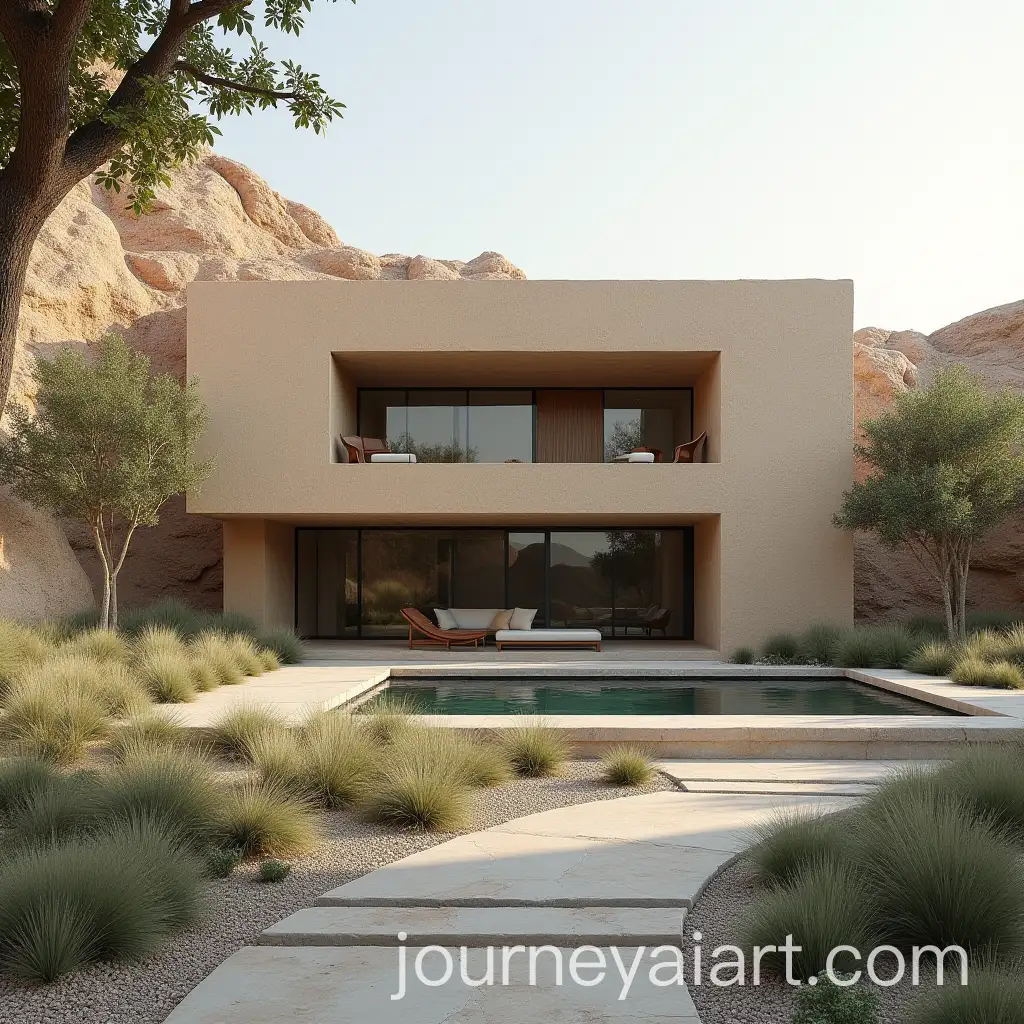
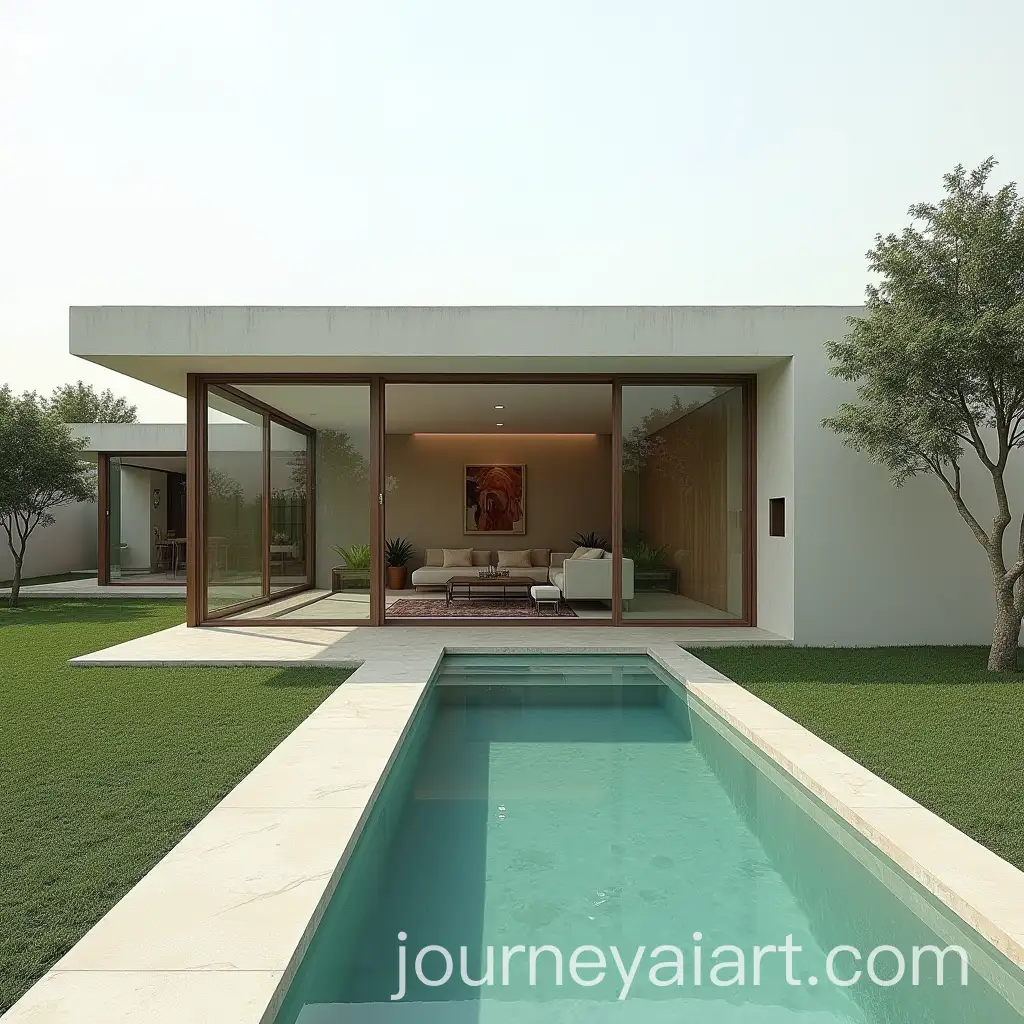
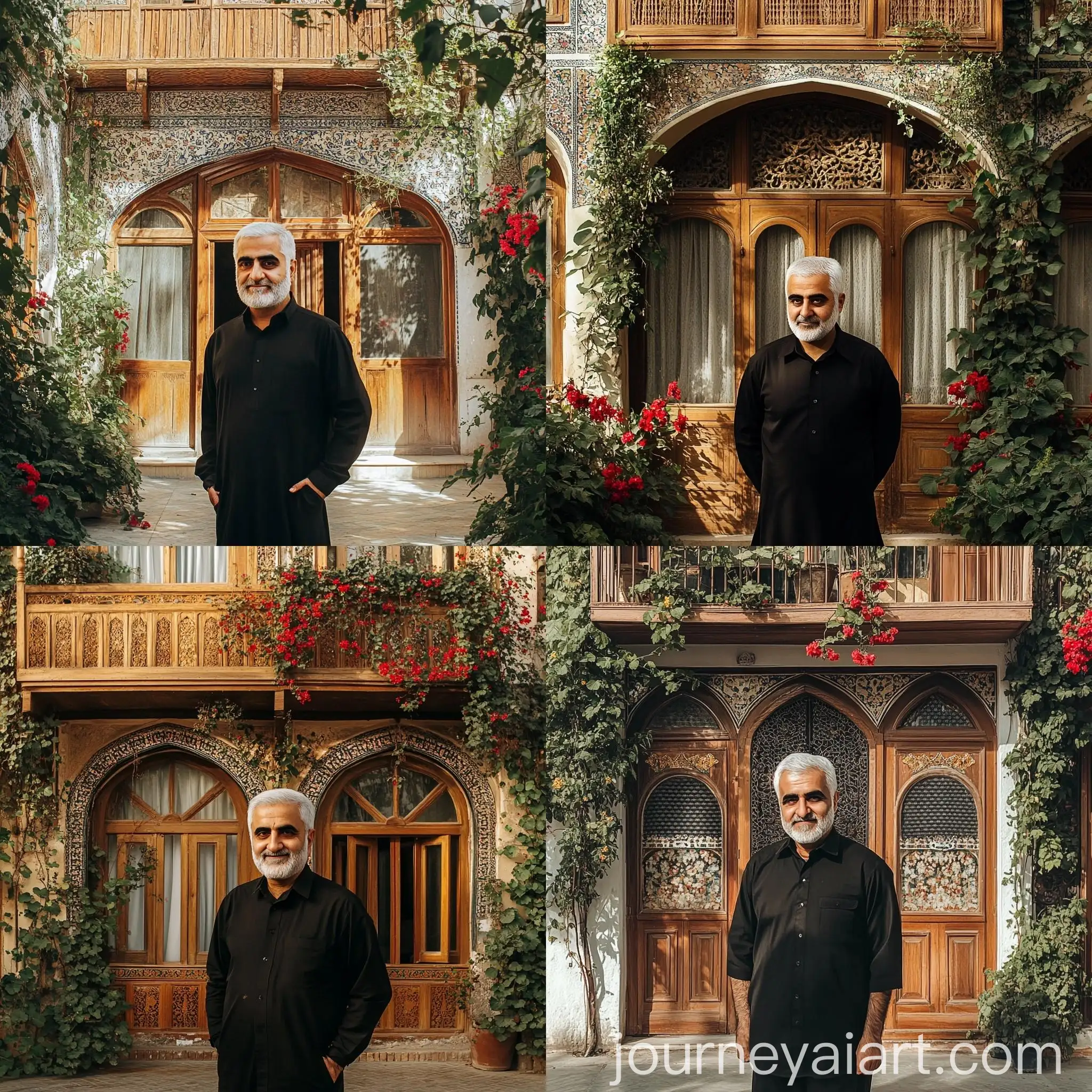
Welcome to our collection of Traditional Iranian house images, featuring 3 free AI-generated visuals. Explore a variety of image types, including stock photos, 3D objects, vectors, and illustrations, all available for high-resolution download. Use our 'open in editor' feature to adjust prompts and customize your perfect image.
Related Tags
Traditional Iranian houses are a testament to the country's rich cultural heritage, with architectural designs deeply rooted in centuries-old Persian traditions. These houses are often characterized by features such as courtyards, windcatchers (badgirs), and intricate tile work. The historical significance of these houses lies in their ability to adapt to the local climate, providing natural ventilation and cooling. Many of these homes date back to the Qajar and Safavid eras, reflecting the social and cultural values of the time. Today, they are preserved as cultural landmarks, offering a glimpse into Iran's architectural evolution.
The Historical and Architectural Significance of Traditional Iranian Houses
Traditional Iranian houses are designed with a focus on harmony with nature and functionality. Common design elements include central courtyards surrounded by living spaces, providing privacy and a serene environment. Windcatchers are another distinctive feature, acting as natural cooling systems in the hot, arid climate. The use of geometric patterns and vibrant tile work is prevalent, often seen on walls, ceilings, and floors, reflecting the artistic craftsmanship of the region. These houses also incorporate thick walls made from mud bricks, which help regulate temperature, ensuring comfort in both summer and winter.
Key Characteristics and Design Elements of Traditional Iranian Houses
Traditional Iranian houses are more than just architectural structures; they are a reflection of the social and cultural practices of the time. These homes were designed to accommodate large extended families, with multiple rooms and separate quarters for men and women. The central courtyard served as a gathering place for family members, fostering a sense of community and togetherness. The design of these houses also reflects the importance of privacy and modesty in Iranian culture. Today, many of these homes have been converted into museums, boutique hotels, and cultural centers, preserving their legacy for future generations.
The Cultural and Social Impact of Traditional Iranian Houses
As urbanization continues to spread across Iran, the preservation of traditional Iranian houses has become a significant focus for architects and cultural preservationists. There is a growing trend toward restoring these historical homes, integrating modern amenities while maintaining their original charm. Adaptive reuse of these houses, turning them into boutique hotels, cafes, and cultural spaces, is becoming increasingly popular, ensuring their relevance in the modern era. This trend highlights a broader movement towards sustainable architecture that values heritage and cultural identity. As interest in traditional Iranian houses grows, we can expect to see innovative approaches to their preservation and adaptation in the future.
Future Trends in the Preservation and Adaptation of Traditional Iranian Houses