10 Free halation effect Midjourney AI images
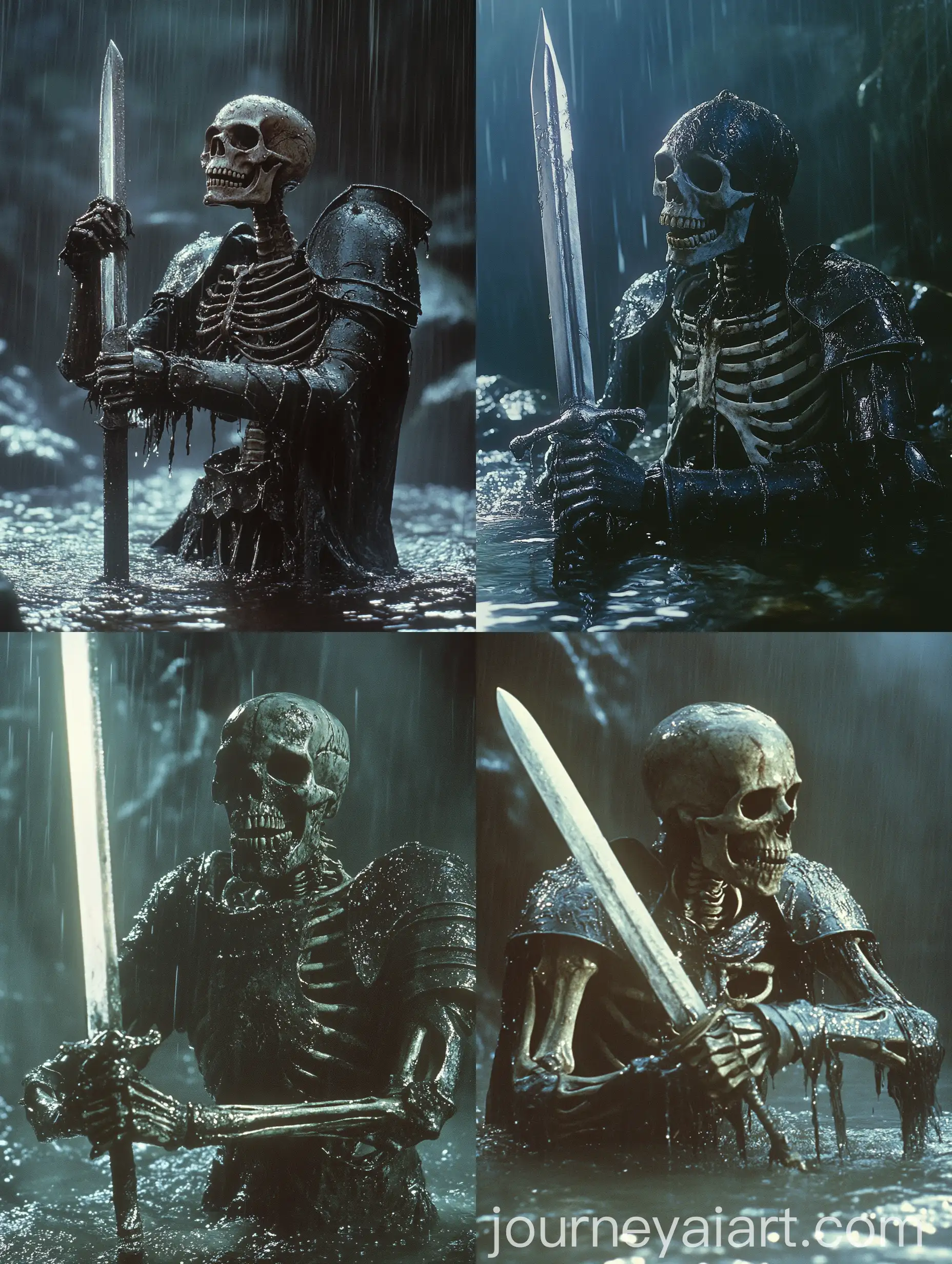
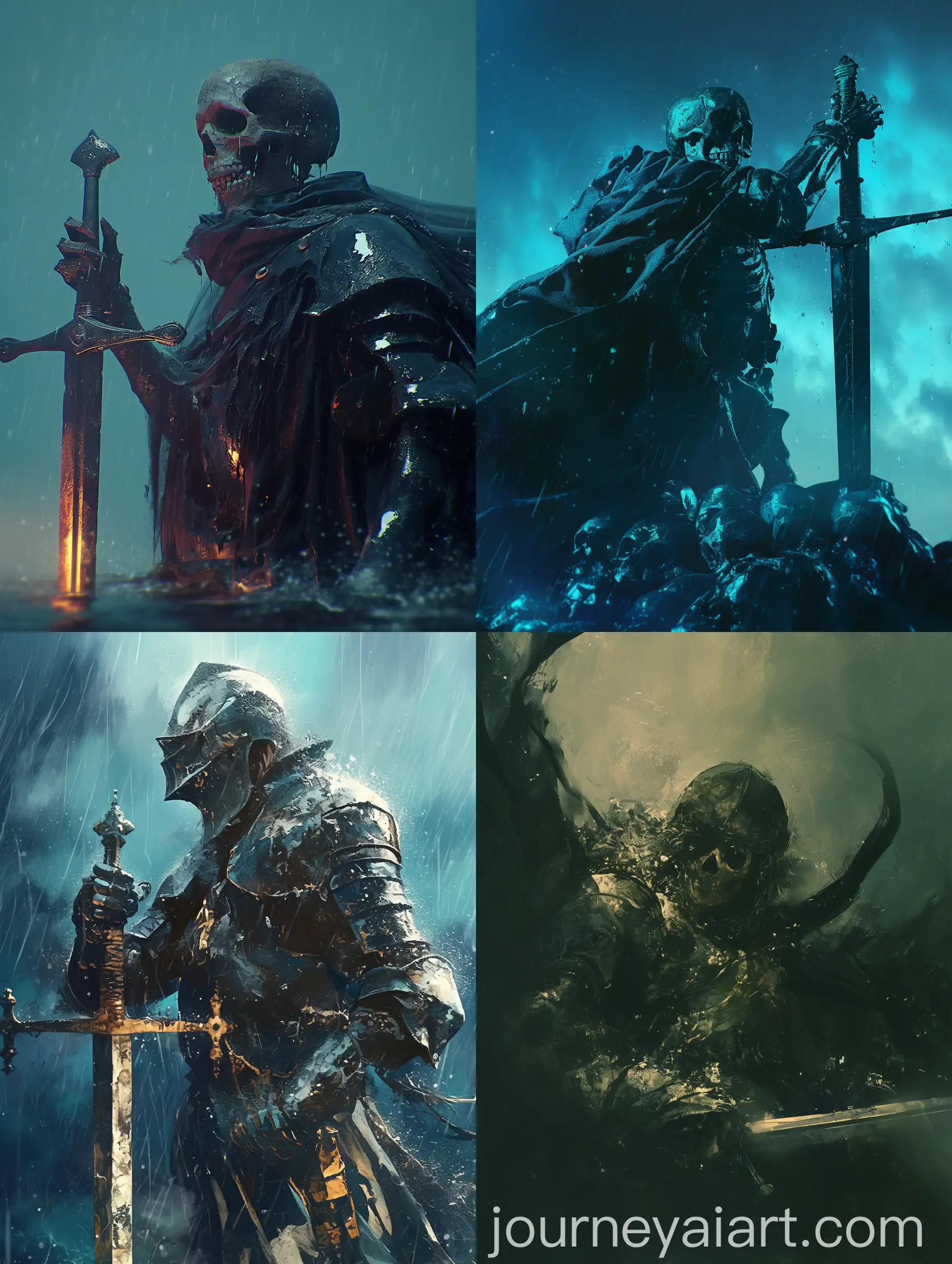
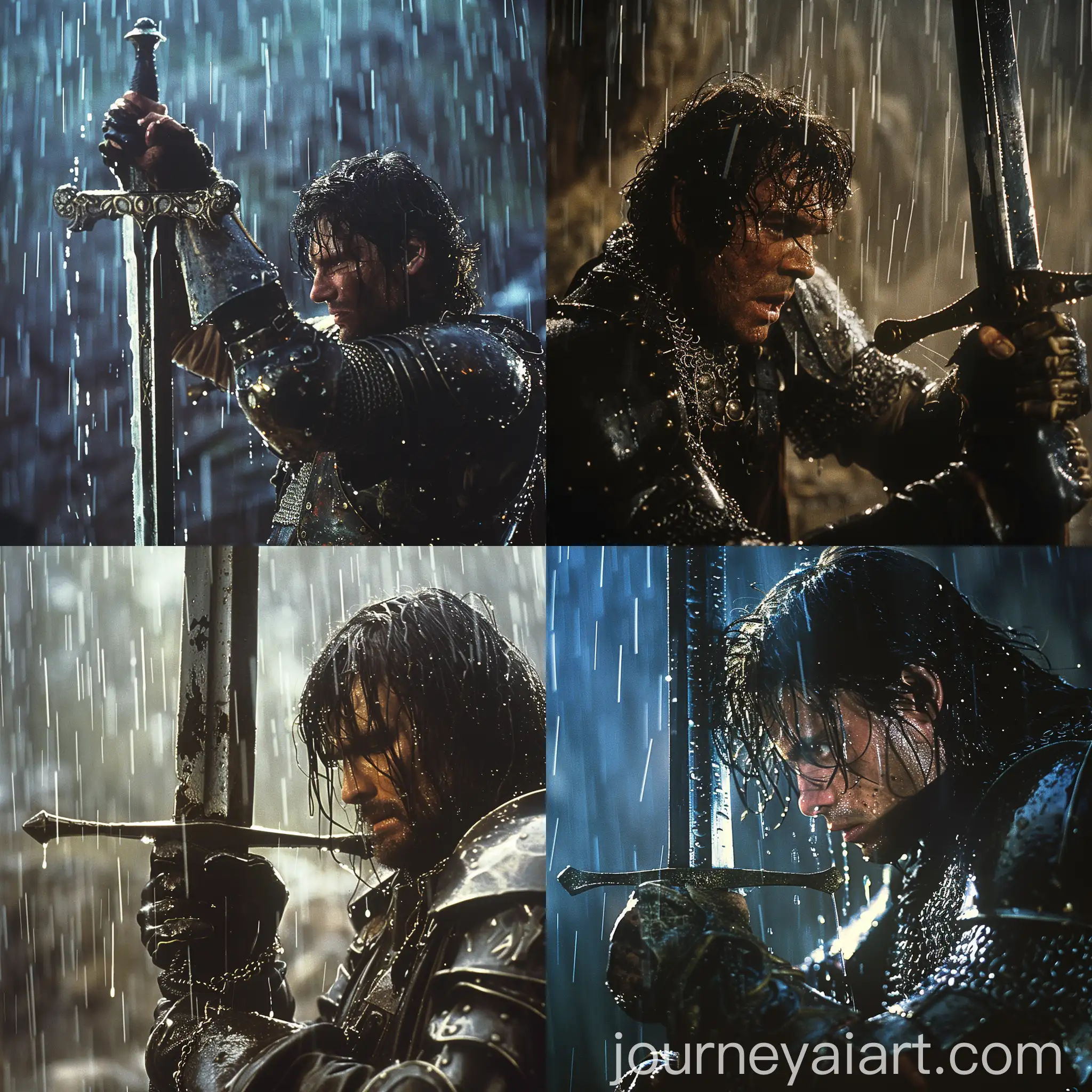
Welcome to our Halation Effect image collection, featuring about 10 free AI-generated images. Explore a diverse array of stock photos, 3D objects, vectors, and illustrations. Enjoy high-resolution downloads and use our 'open in editor' feature to customize prompts for your perfect image.
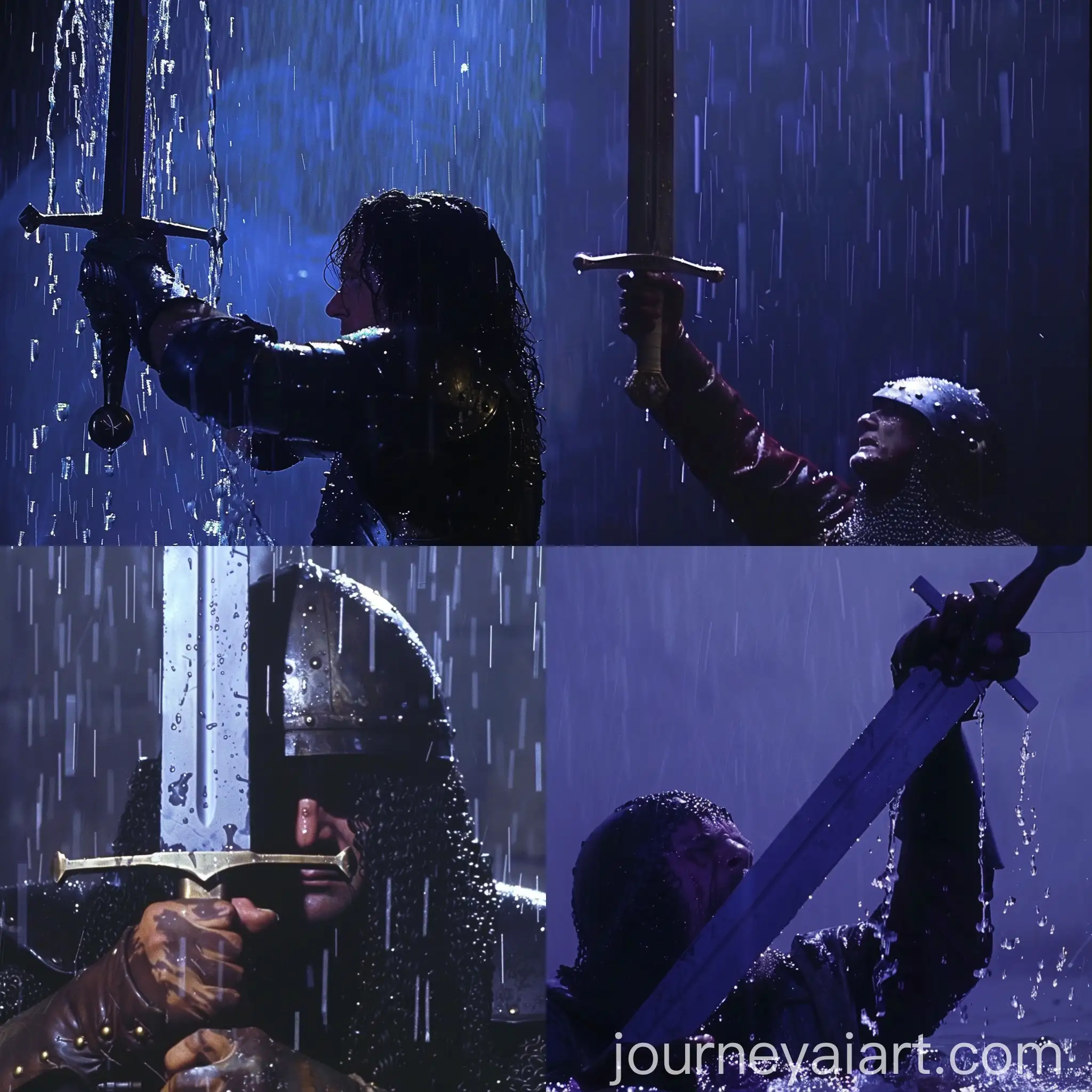

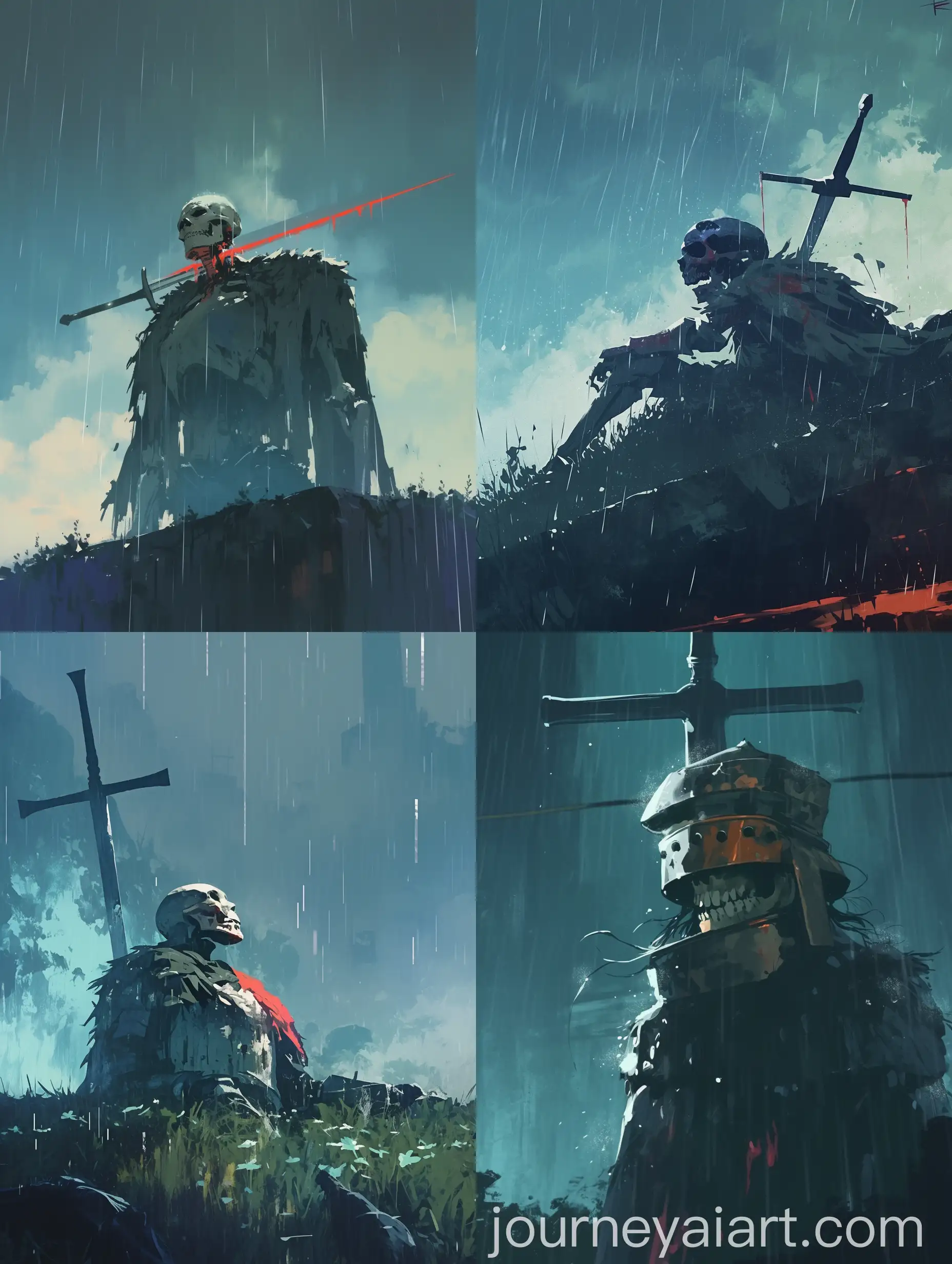
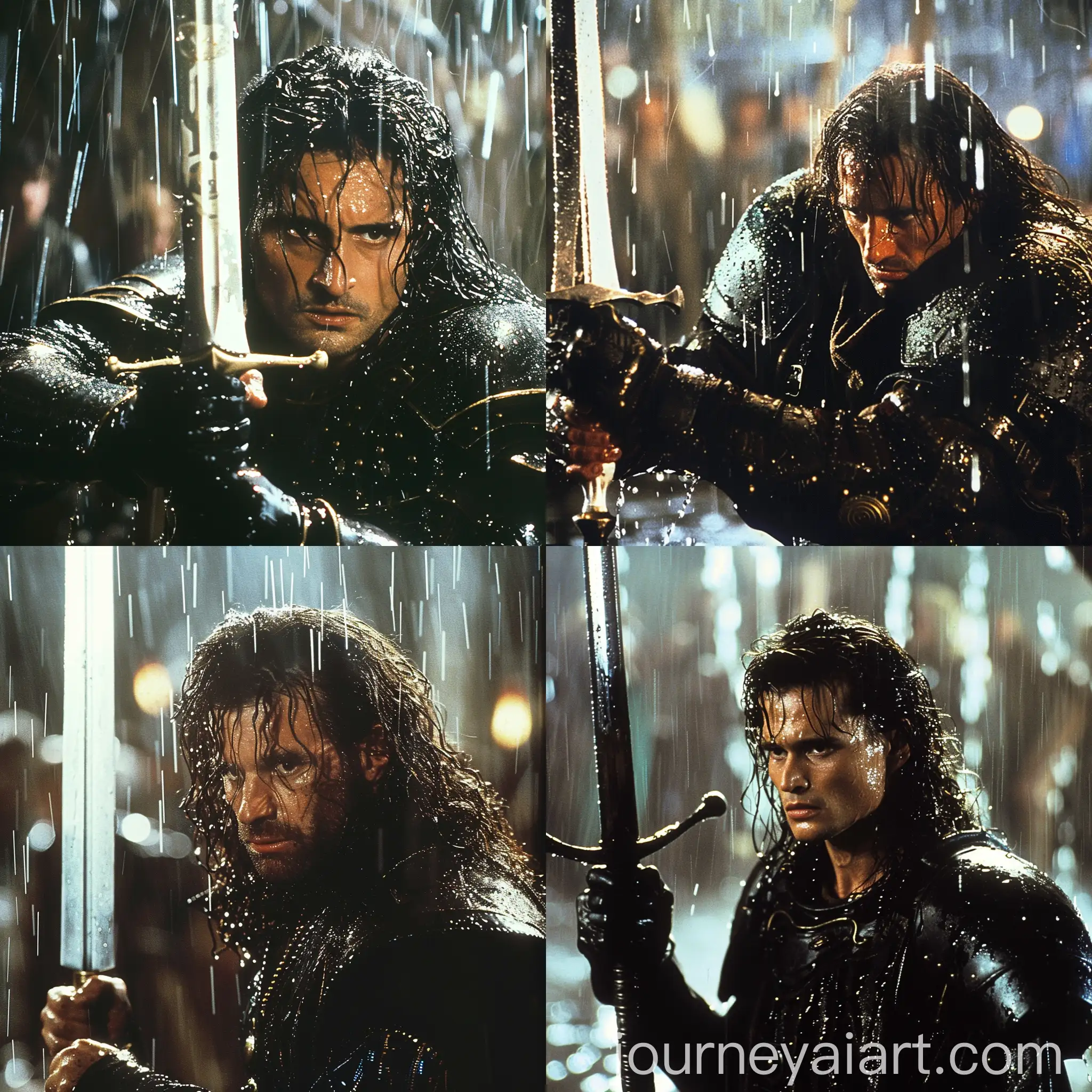
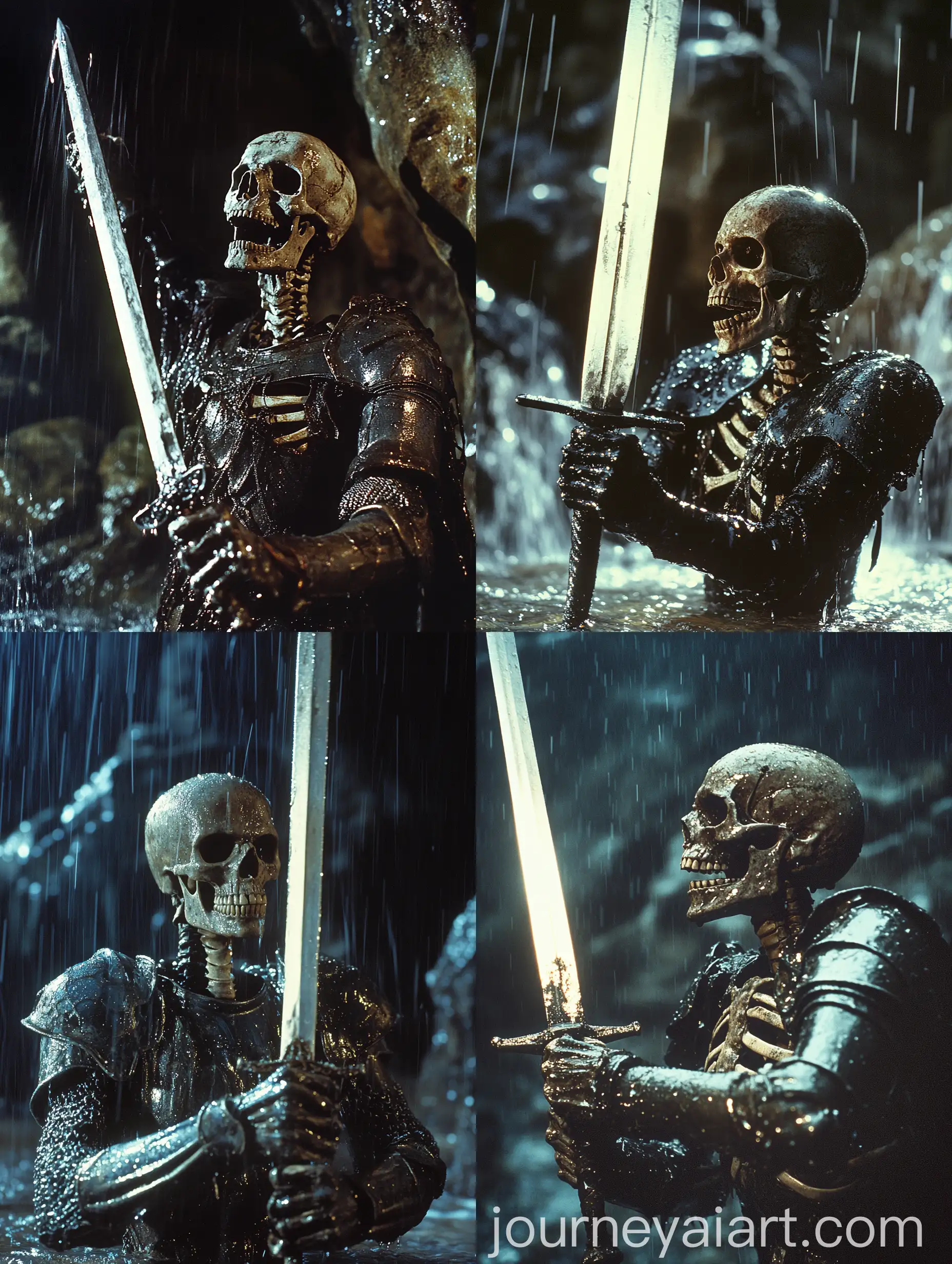


Related Tags
The Halation Effect is a visual phenomenon that occurs when bright light spreads into surrounding areas, creating a glowing halo. This effect can be seen in photography, film, and digital art, where intense light sources produce a soft, diffused glow around the edges. The halation effect is often used to create a dreamy, ethereal atmosphere in visual media, adding a sense of warmth and luminosity.
What is the Halation Effect?
The halation effect is widely used in various forms of visual media. In photography, it can enhance portraits by adding a soft, romantic glow. In film, it is often employed to highlight bright light sources and create a magical or otherworldly ambiance. Digital artists use the halation effect to give their creations a distinctive, luminous quality. This effect is also popular in advertising and design, where it can draw attention to specific elements and create a visually appealing contrast.
Applications and Uses of the Halation Effect
Creating the halation effect in digital art involves using software tools to simulate the spread of light. Programs like Photoshop and Illustrator offer various filters and techniques to achieve this look. Artists can adjust the intensity, color, and spread of the light to create the desired halo effect. Understanding light dynamics and experimenting with different settings can help artists perfect this effect and incorporate it seamlessly into their work.
Creating the Halation Effect in Digital Art
As technology advances, the halation effect continues to evolve in its applications and techniques. Future trends may include more sophisticated algorithms for creating realistic light diffusion in real-time rendering, particularly in video games and virtual reality. Additionally, AI-driven tools are likely to offer new ways to generate and customize the halation effect, making it more accessible to artists and designers. The continued blending of art and technology will undoubtedly bring new and exciting developments in the use of the halation effect.
Future Trends in the Halation Effect