6 Free Wood Surface Midjourney AI images
Explore our collection of 6 free AI-generated images under the tag 'Wood surface.' These images range from stock photos, 3D objects, vectors, to illustrations, capturing a variety of wood textures and patterns. All images are available in high resolution, ready for download, and can be customized by using the 'open in editor' feature, allowing users to regenerate their desired image by tweaking the prompt.
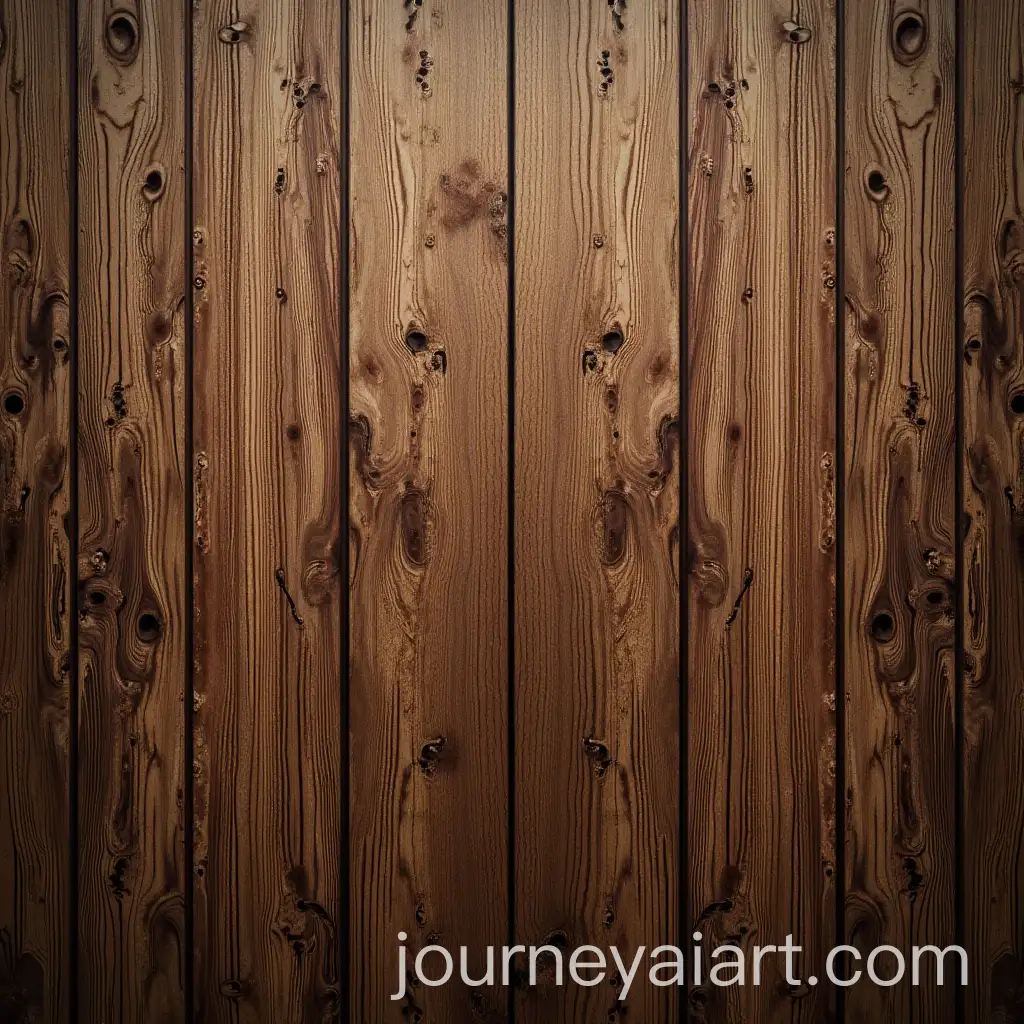

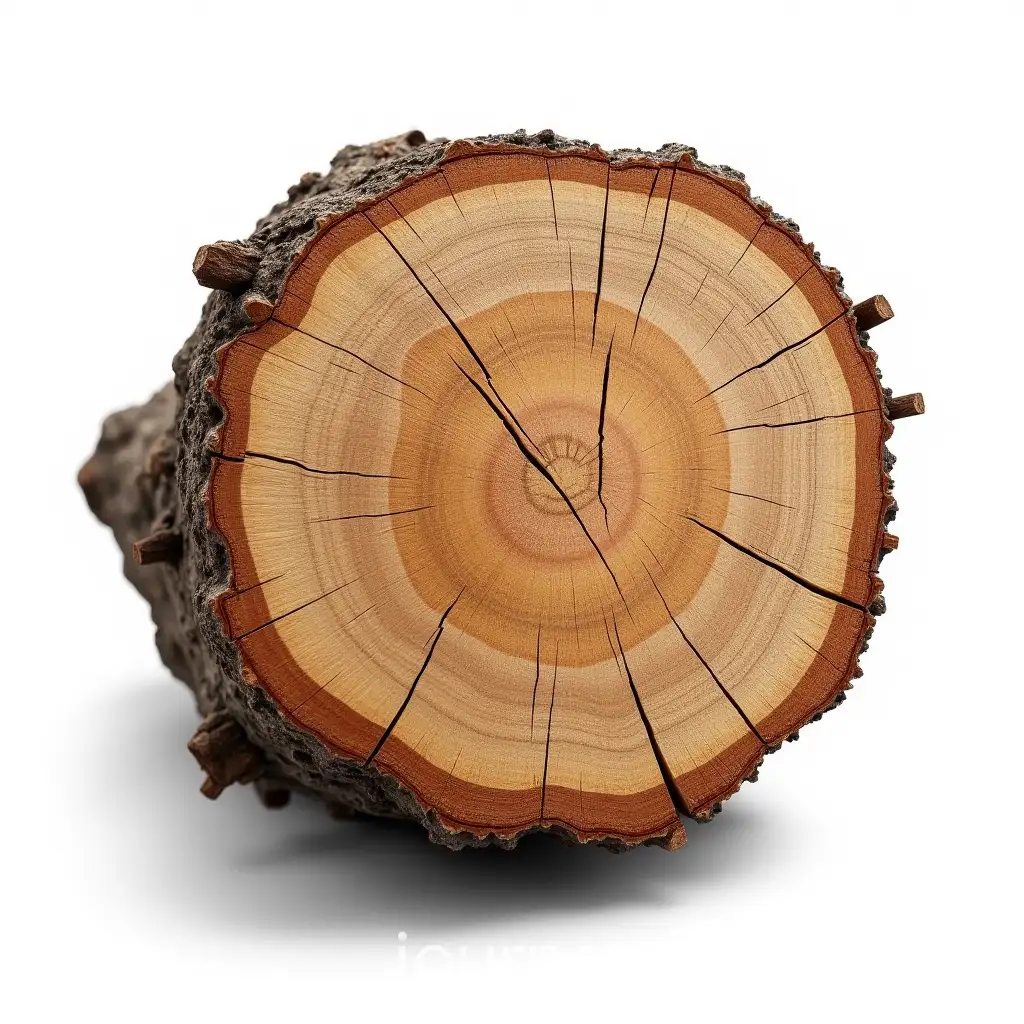
Wood surfaces are integral to both digital and physical design, offering natural textures that evoke warmth and rustic charm. In design, they are used to add organic elements, whether in interior design renderings, packaging mockups, or digital artwork. The variety of wood surfaces—smooth, grainy, polished, or rough—enables designers to match the aesthetic to various themes, from modern minimalism to traditional, earthy vibes.
Understanding the Versatility of Wood Surfaces in Design
Wood surface textures find widespread use in digital media, from 3D architectural visualizations to game design, where they are used to enhance realism. In branding, wood textures are popular in eco-friendly packaging designs, emphasizing sustainability. Website backgrounds, product advertisements, and even digital art portfolios often feature wood surfaces to create an inviting and tactile feel, bridging the gap between the digital and the tangible.
Common Applications of Wood Surface Textures in Digital Art and Media
AI-generated wood textures come in various styles, mimicking natural wood types such as oak, mahogany, pine, and birch. Each type has distinct grain patterns and color palettes that serve different design needs. For example, darker woods like mahogany provide a sense of luxury and depth, while lighter woods such as pine evoke simplicity and brightness. The ability to generate these textures digitally offers artists an endless variety of surfaces for creative experimentation.
Different Styles and Types of Wood Textures in AI-Generated Images
AI tools are revolutionizing the way textures like wood surfaces are created, making it faster and easier for designers to generate high-quality, customizable textures. With AI, users can modify aspects like the grain pattern, color, or finish of a wood surface with a simple prompt adjustment, cutting down on the time and resources needed for manual creation. As the technology evolves, we can expect even more realistic and versatile texture outputs, further bridging the gap between artificial and natural design elements.
How AI is Shaping the Future of Texture Generation