19 Free Ukiyo-e style Midjourney AI images
Discover our captivating collection of 19 free AI-generated images under the 'Ukiyo-e Style' tag. Immerse yourself in a diverse array of stock photos, 3D objects, vectors, and illustrations inspired by this iconic Japanese art form. Enjoy high-resolution downloads and utilize our innovative 'open in editor' feature on each image's detail page to fine-tune prompts and regenerate your ideal Ukiyo-e-inspired creation.
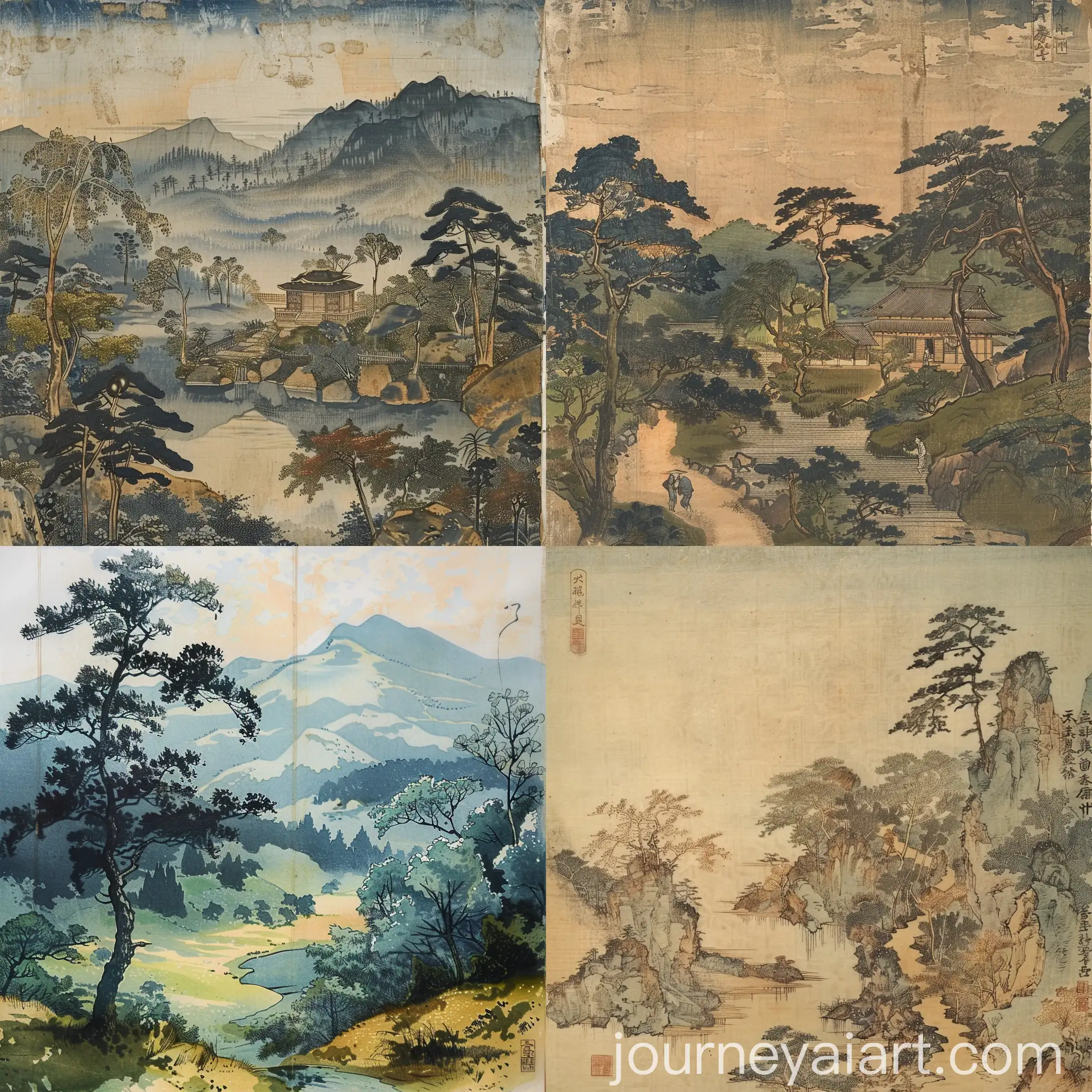
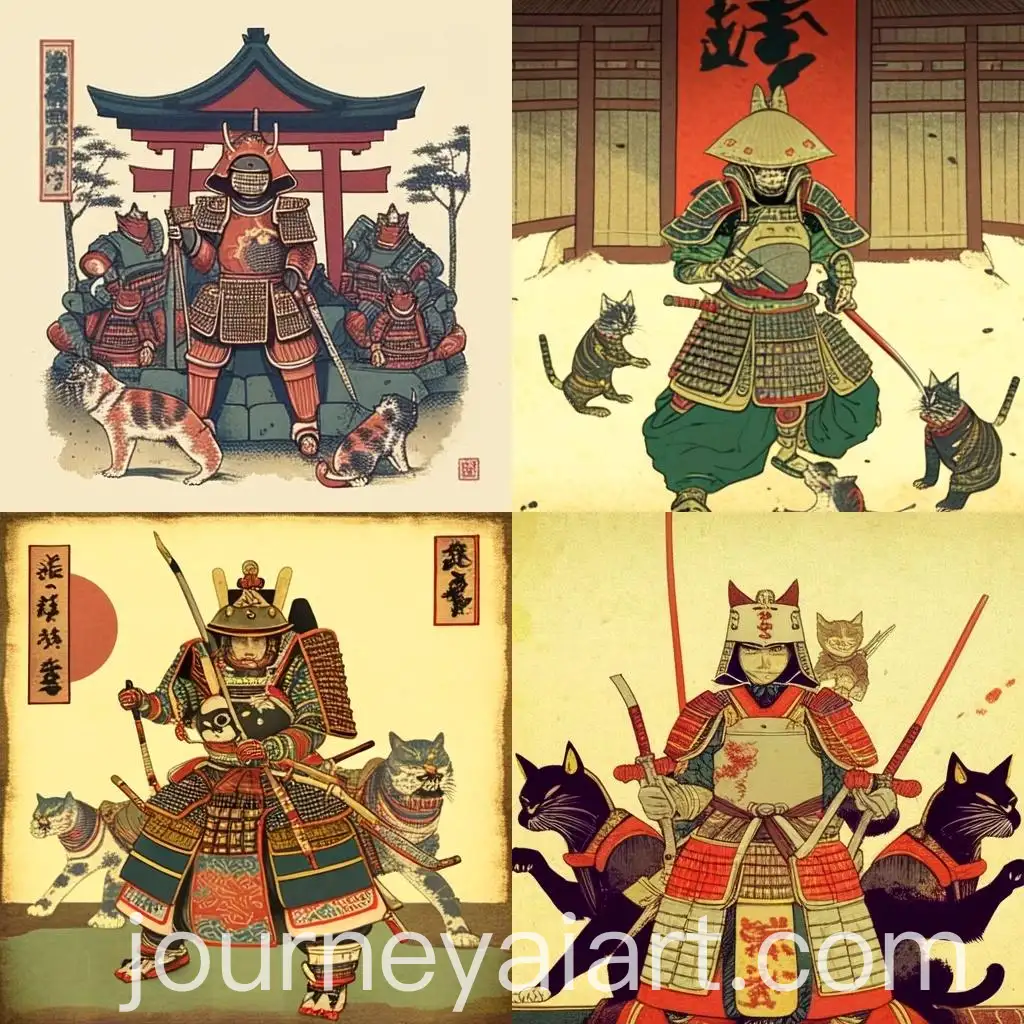
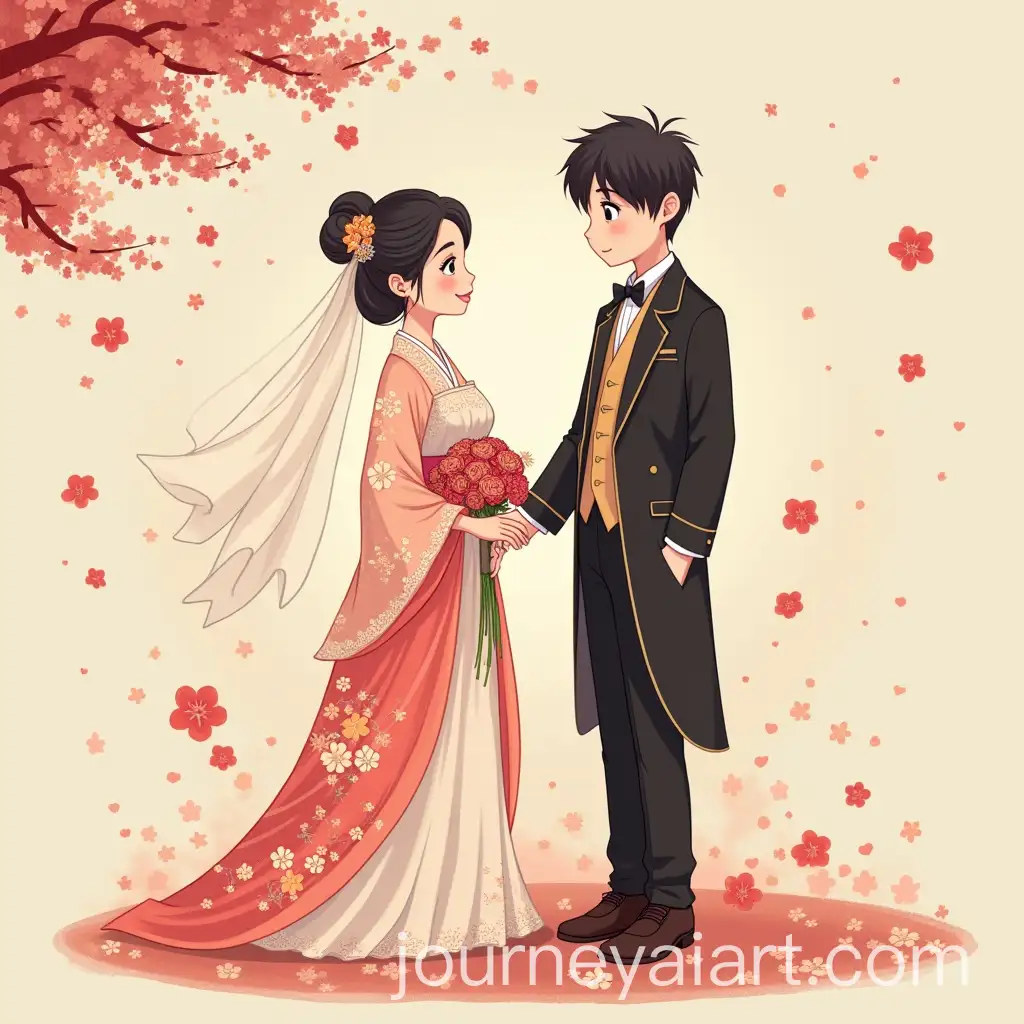
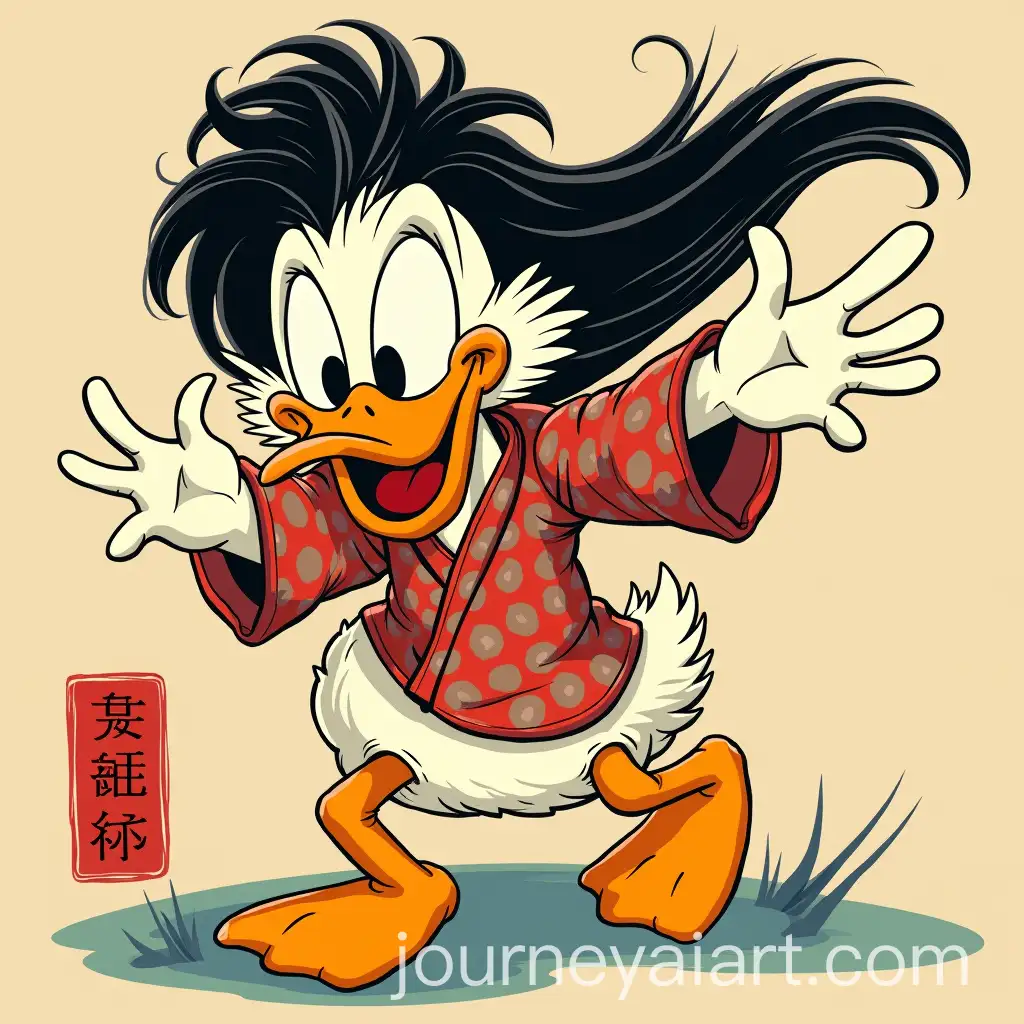
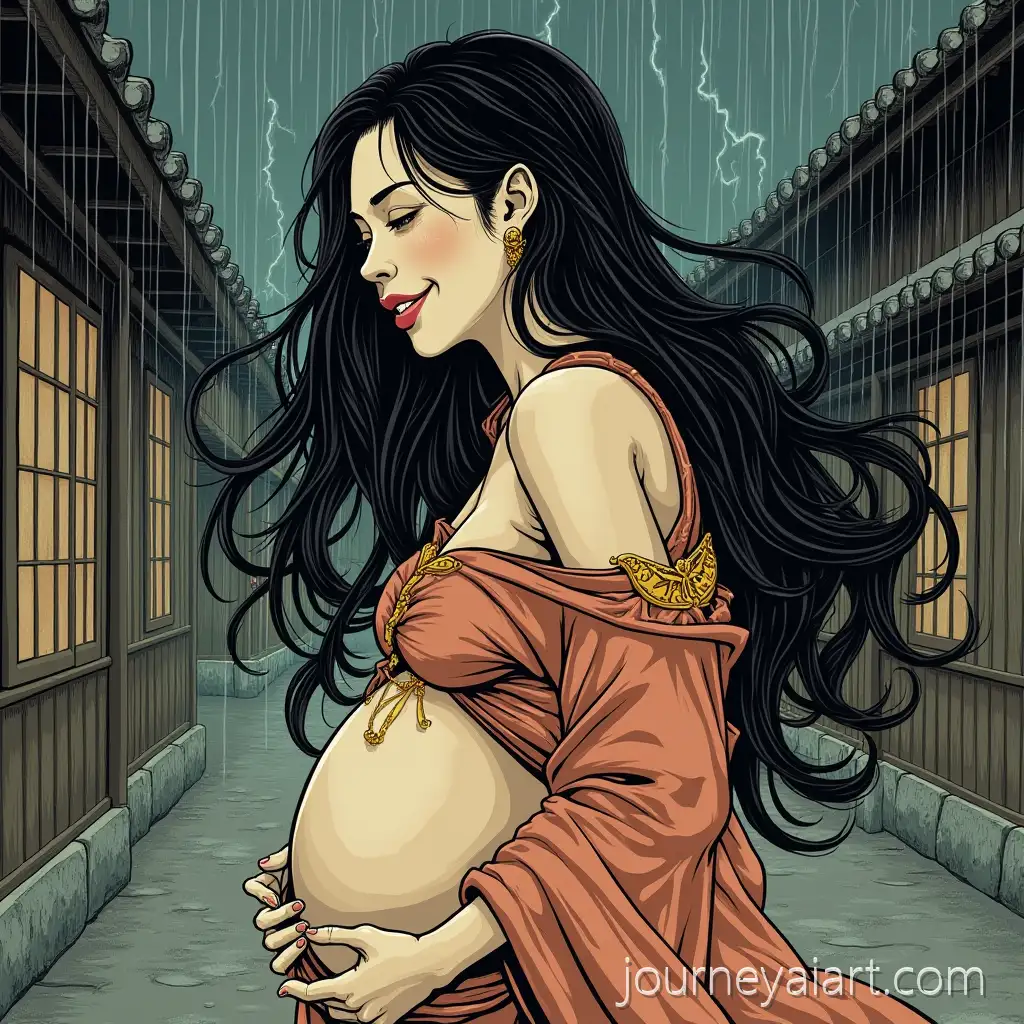
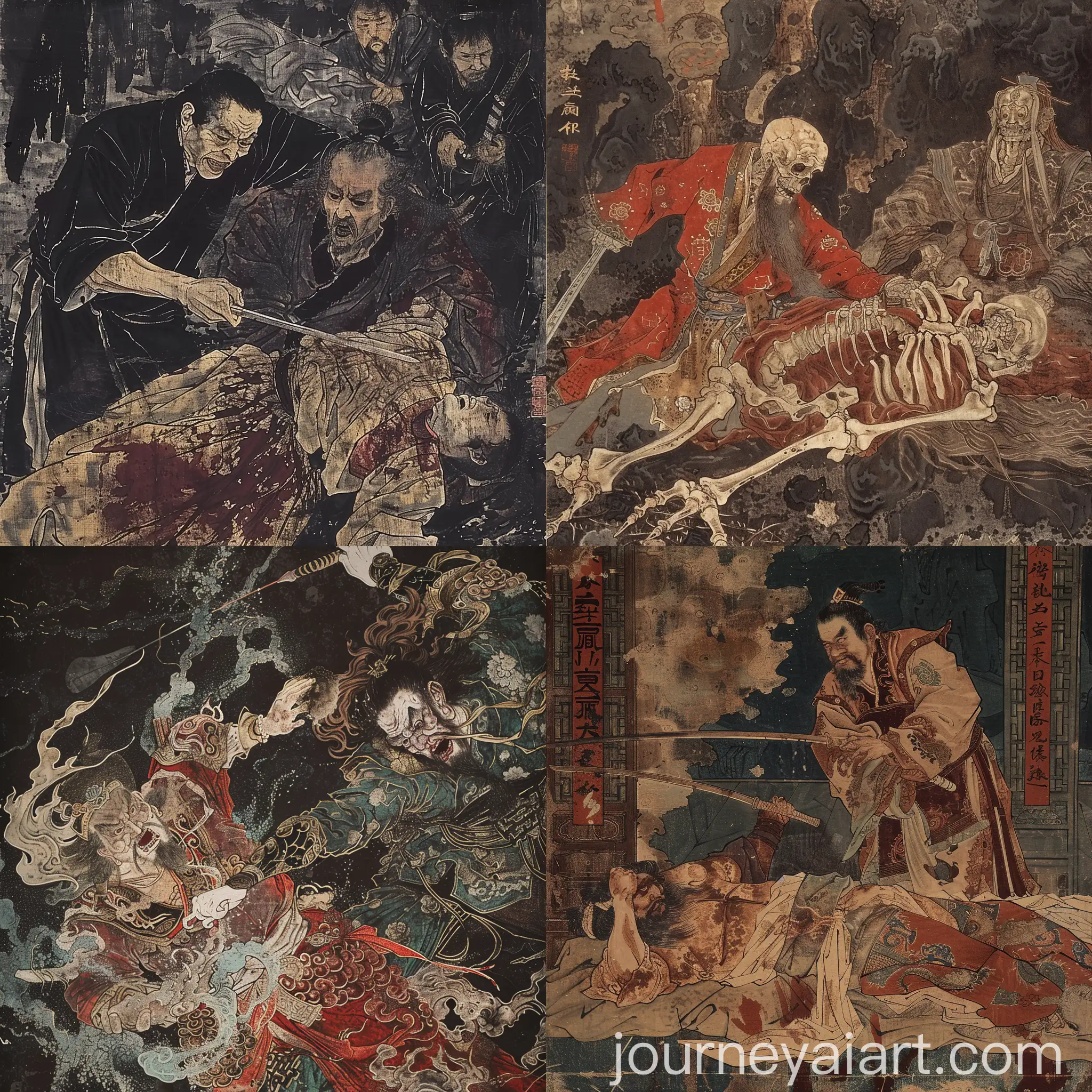
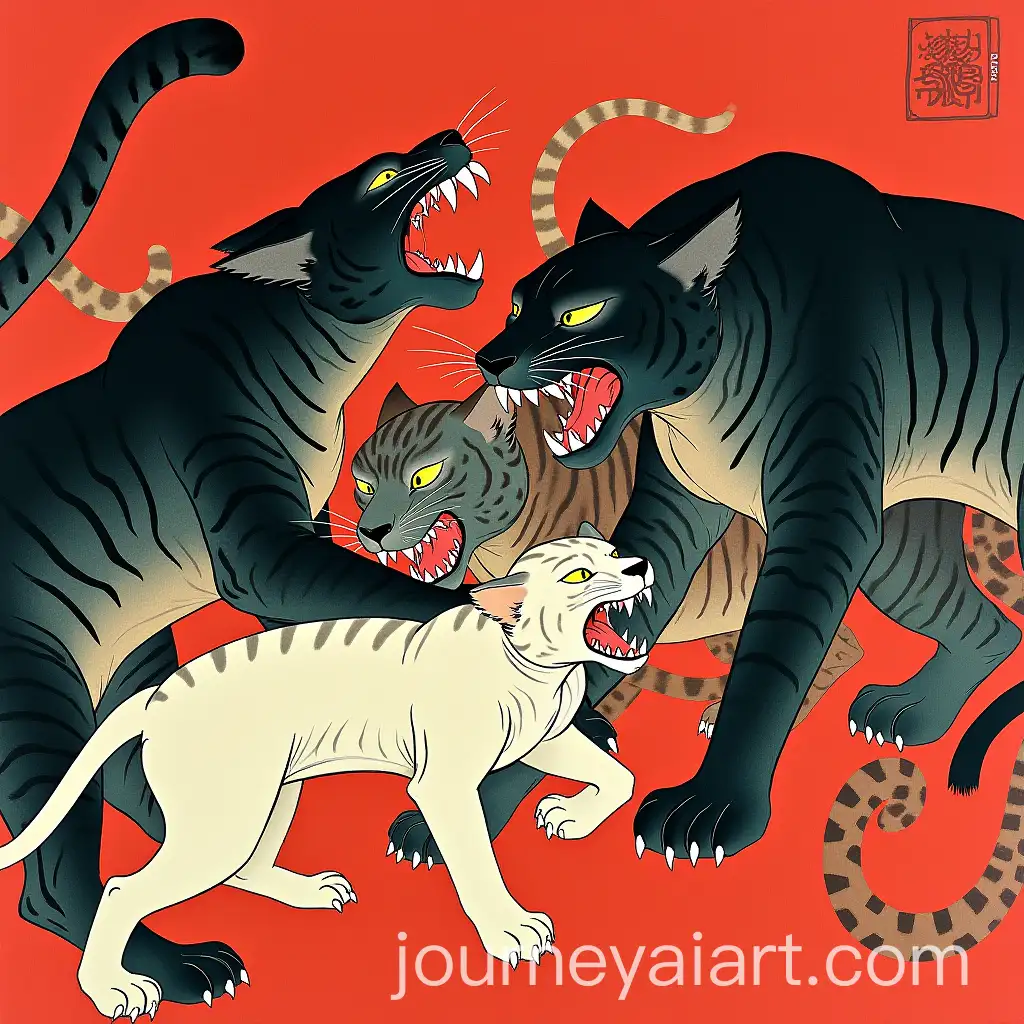
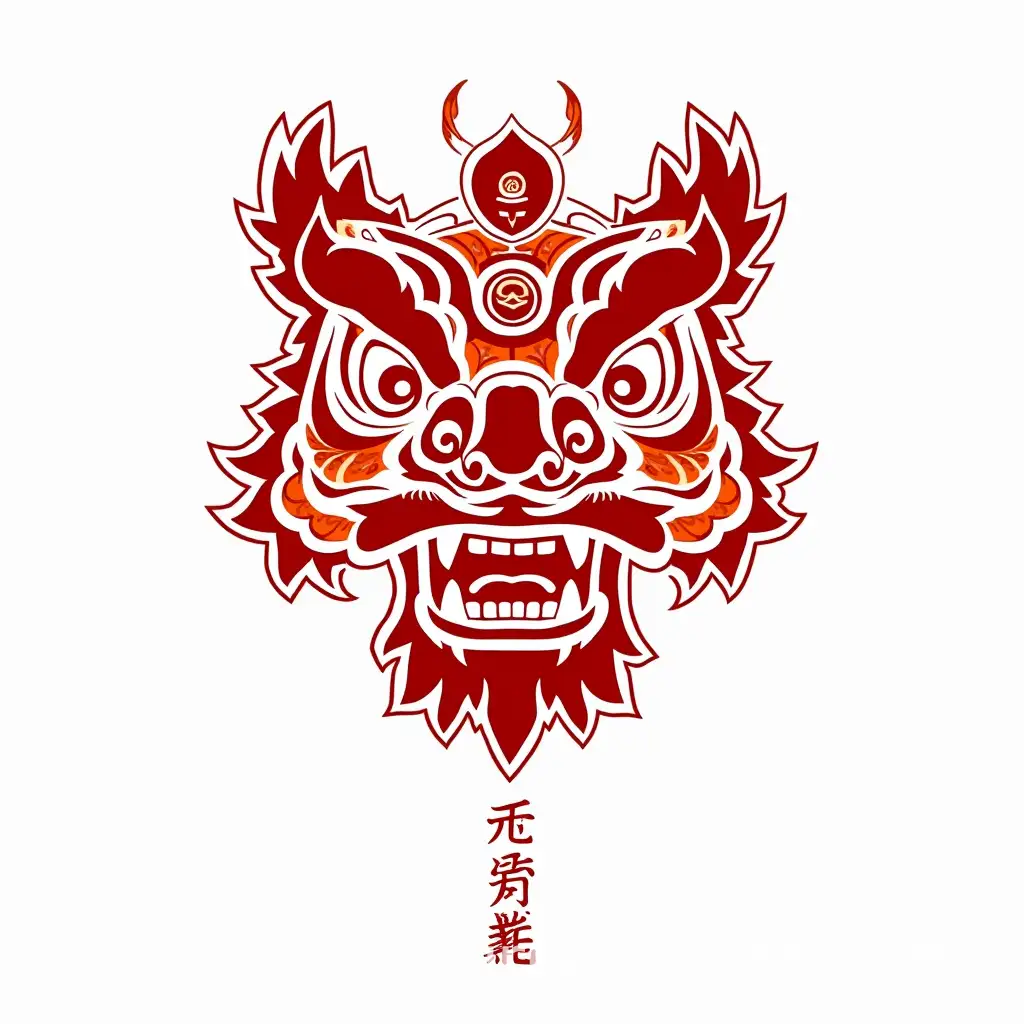
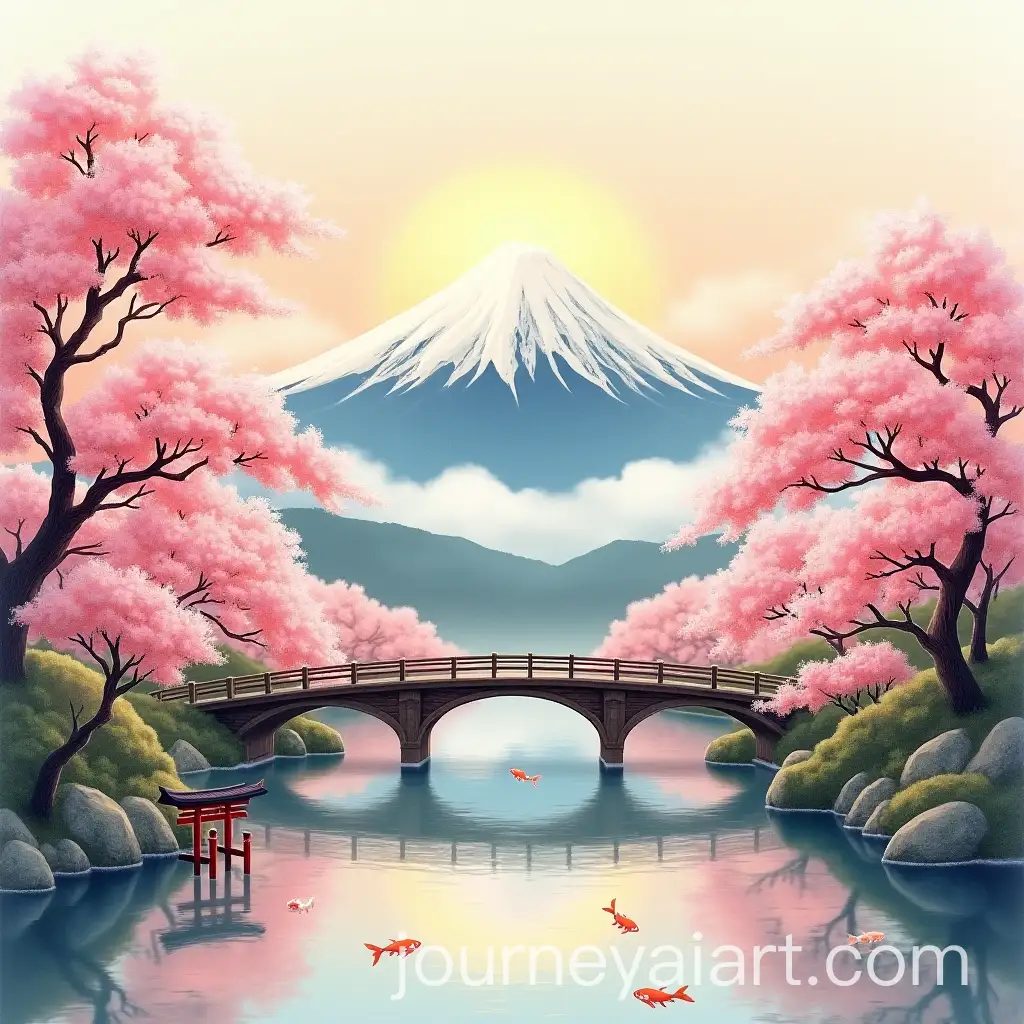
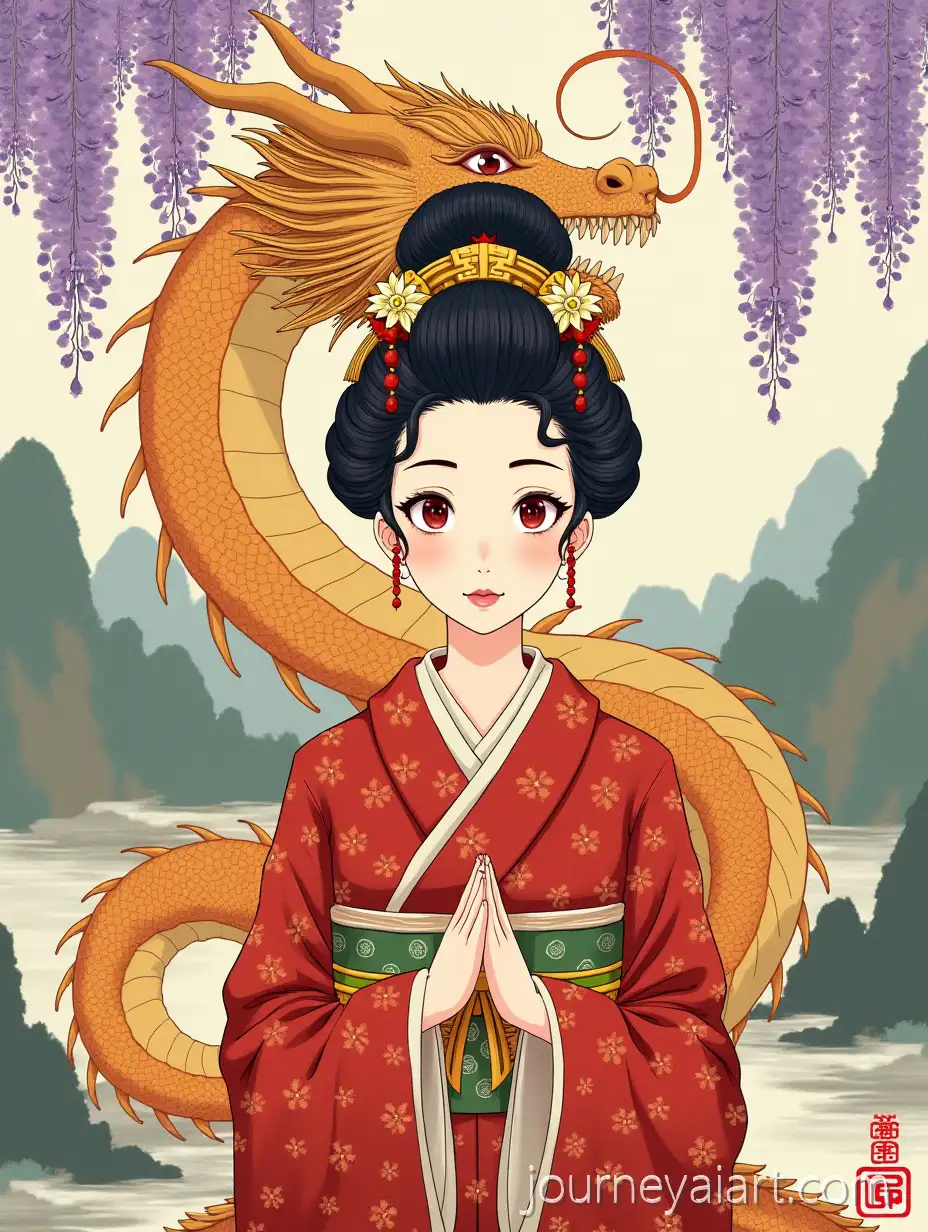
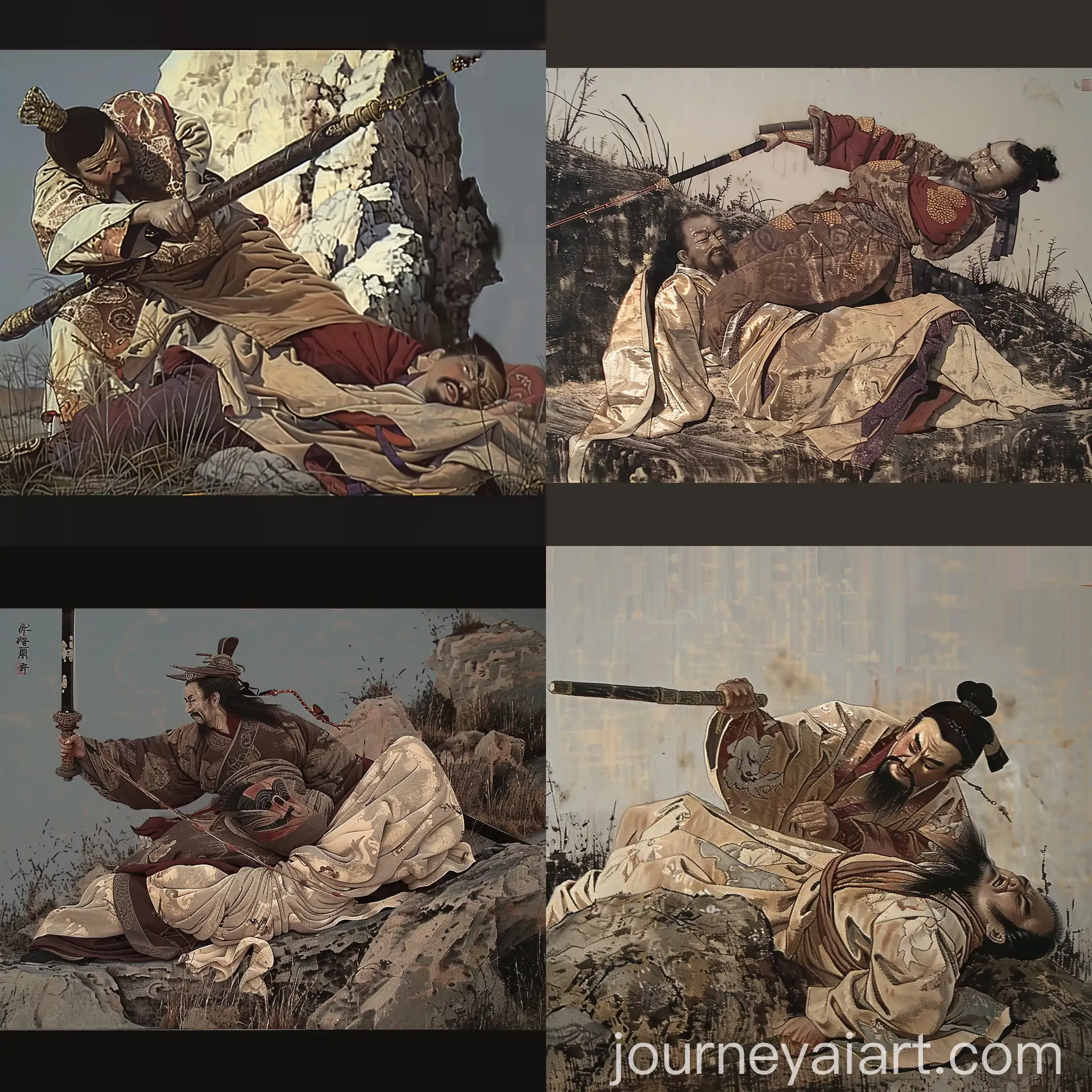
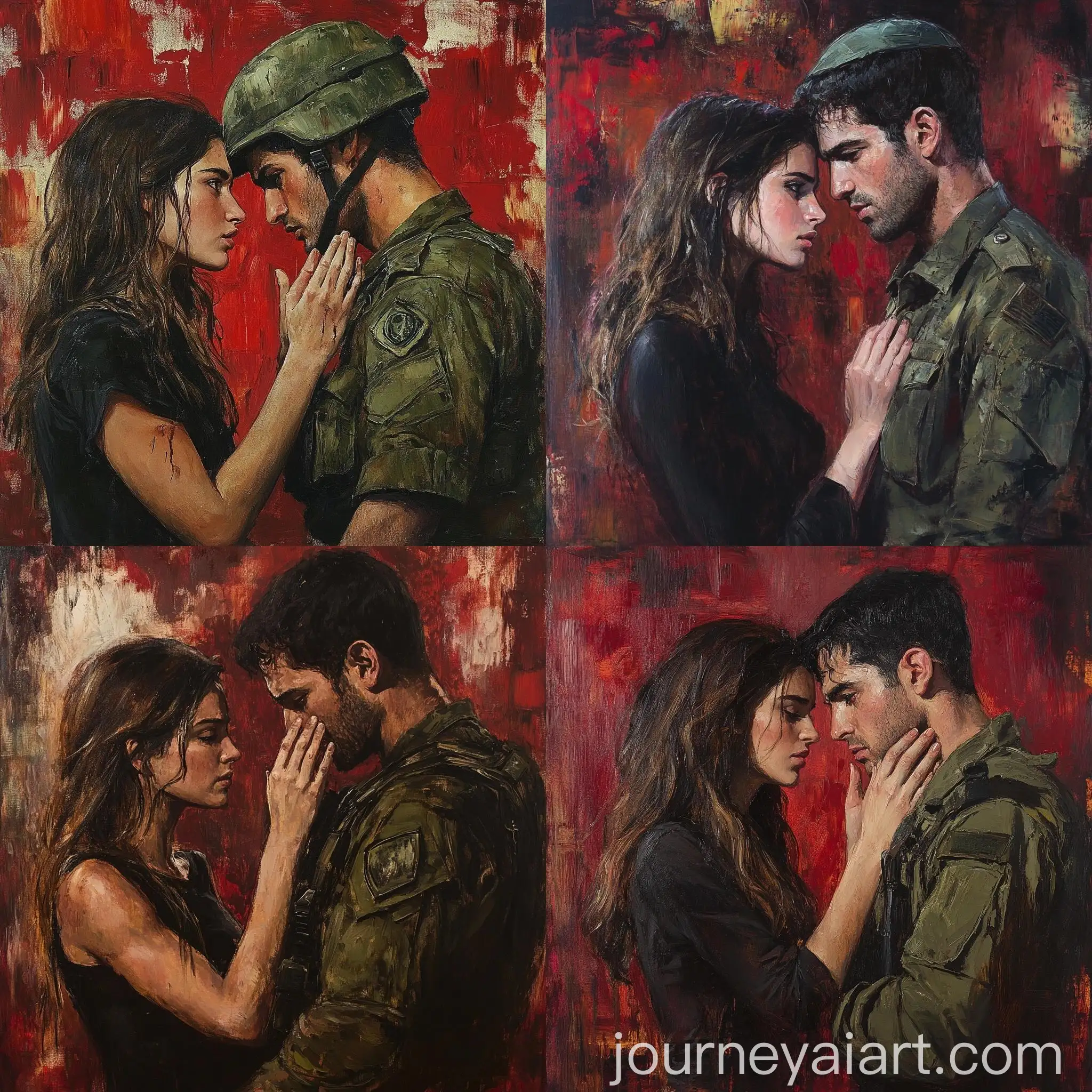
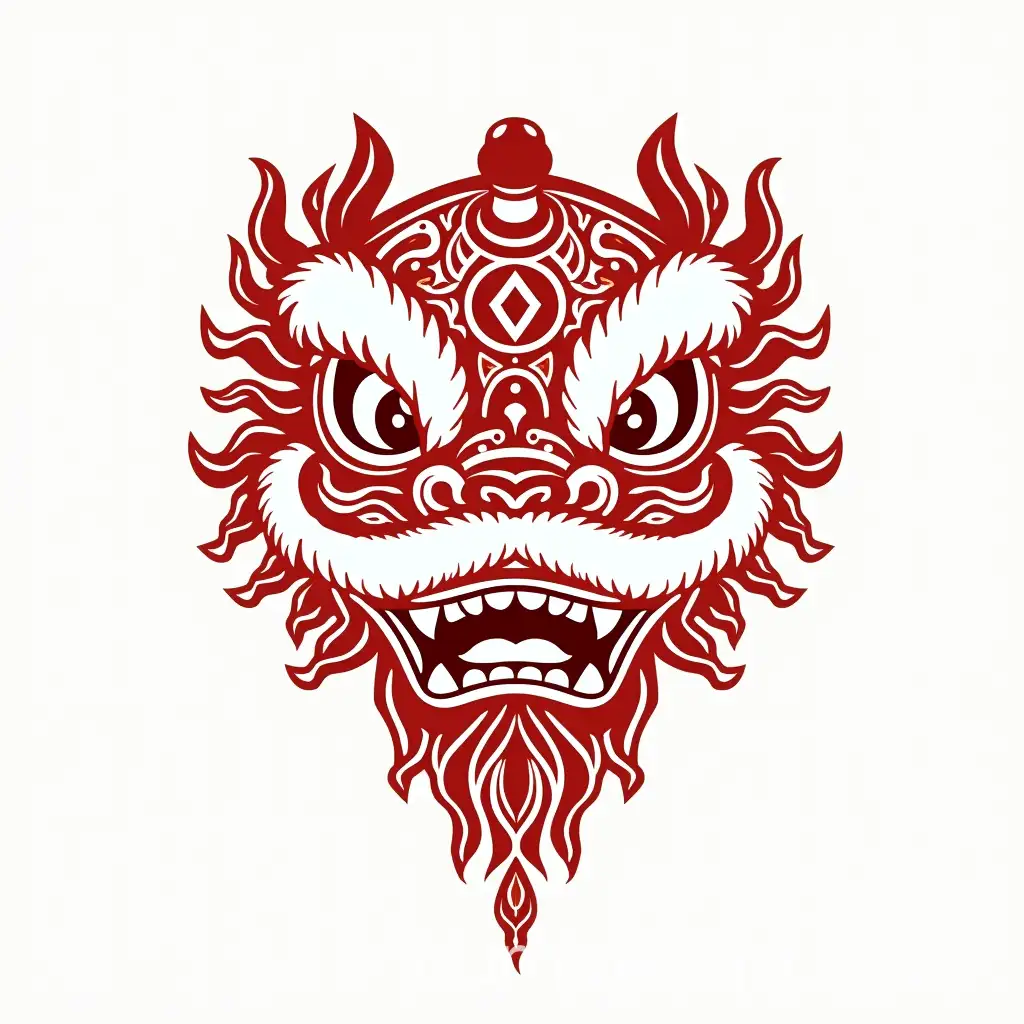
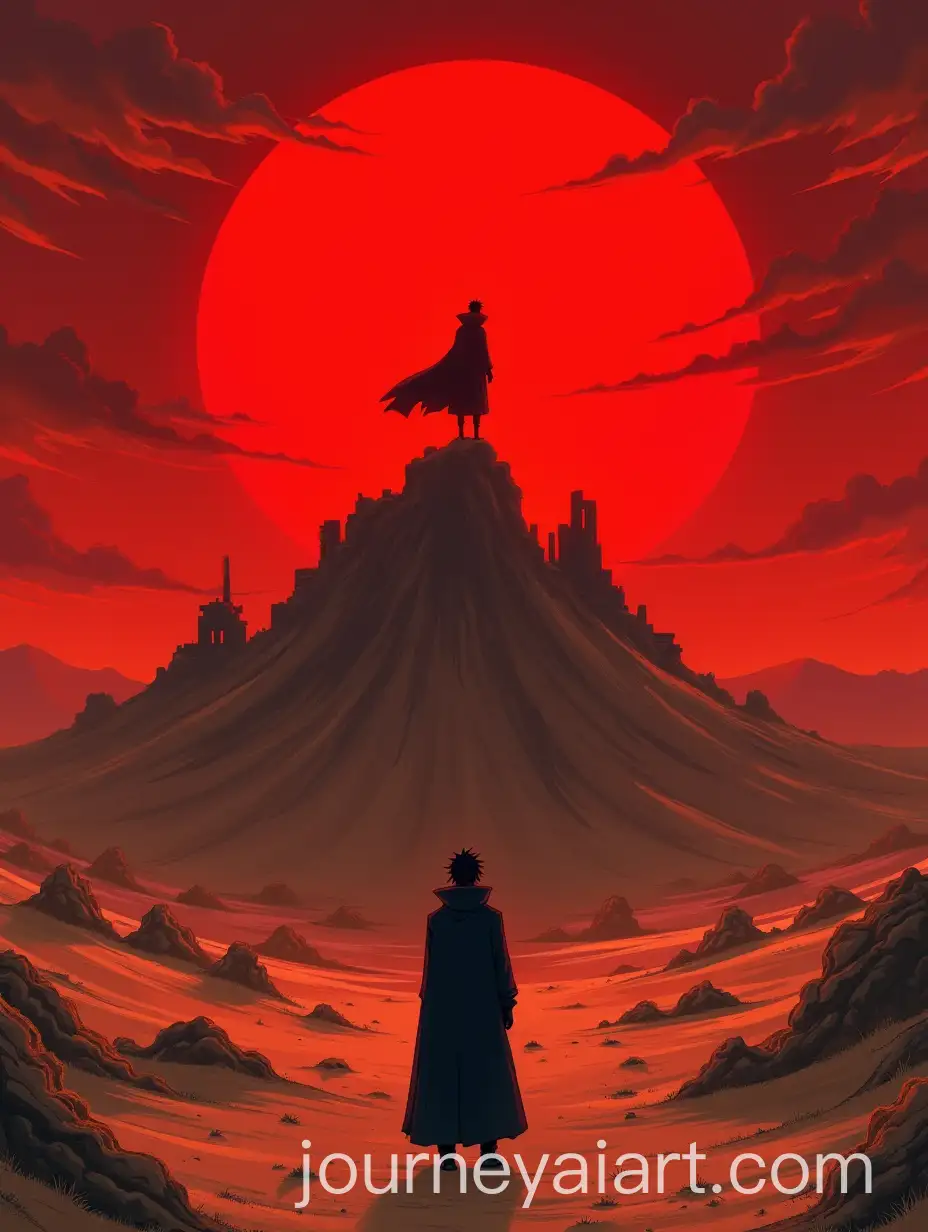
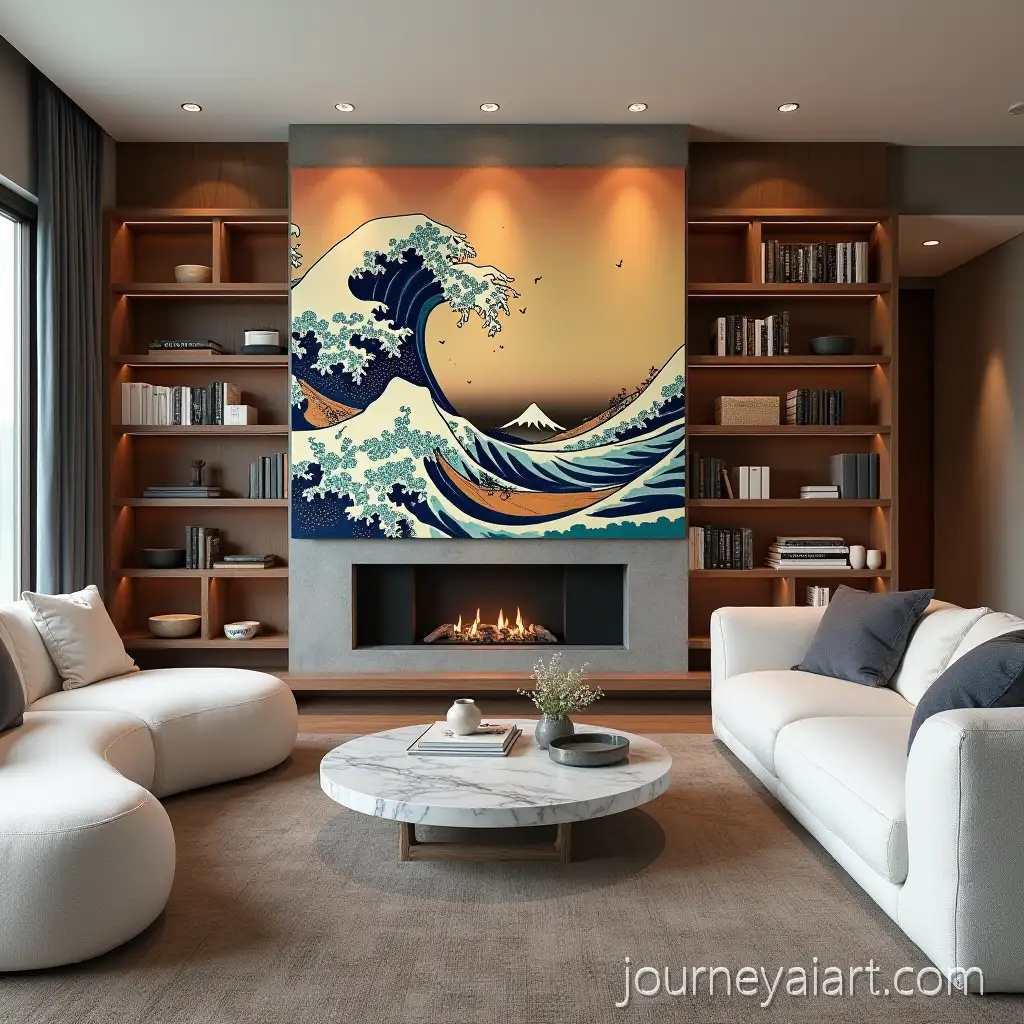
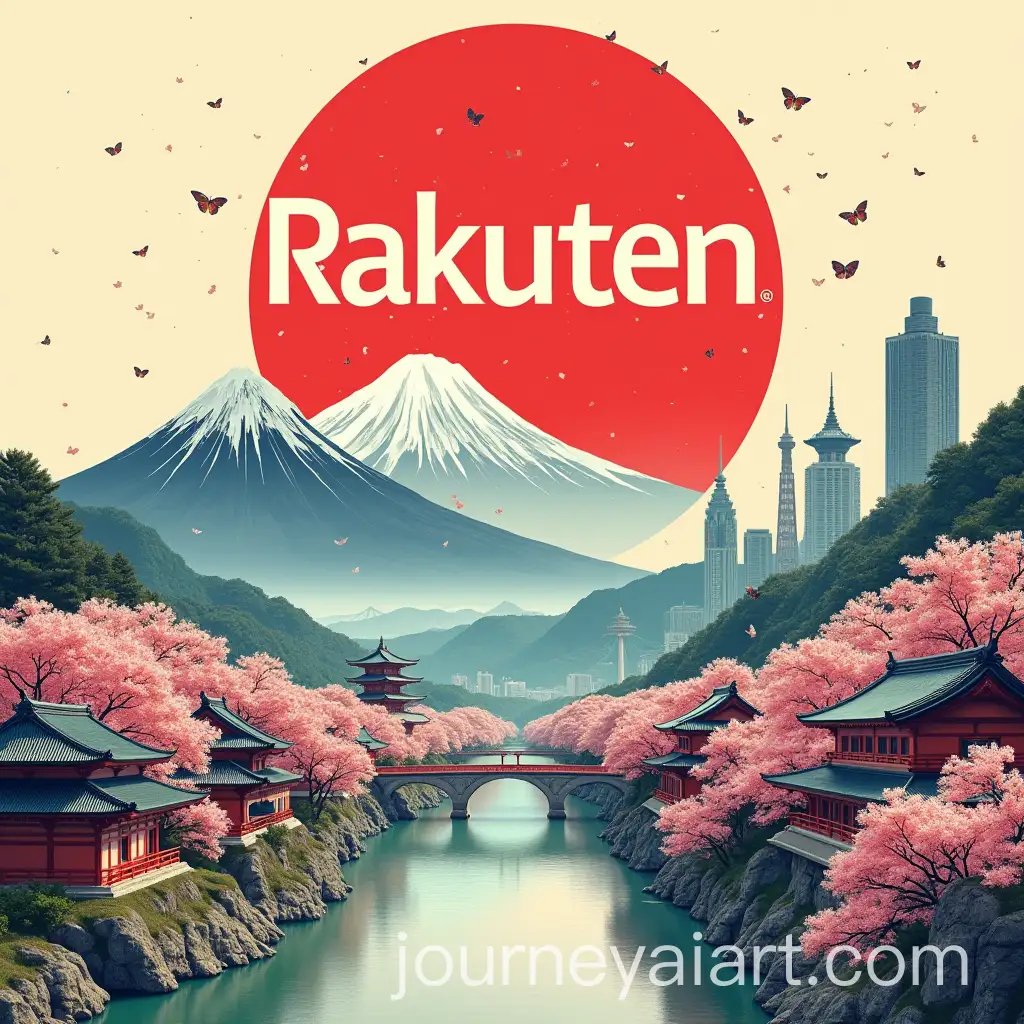

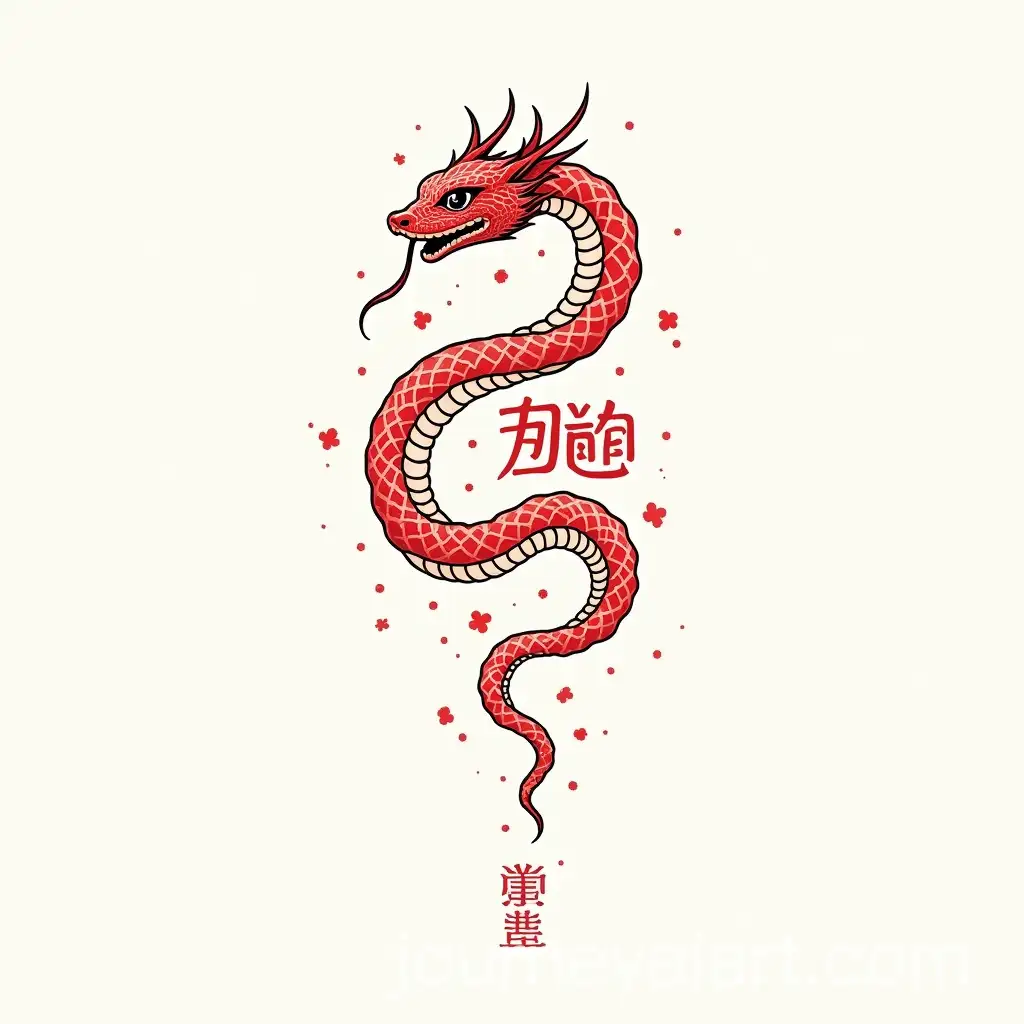
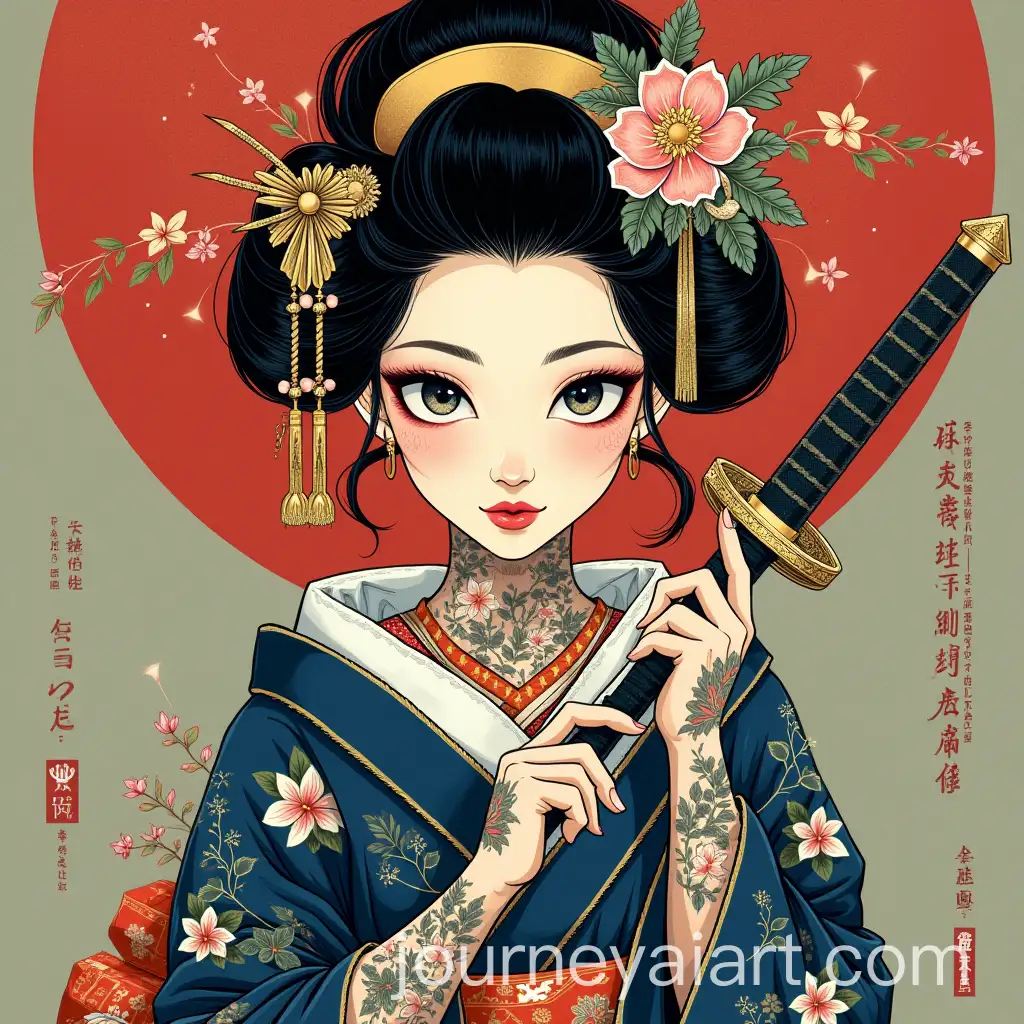
Ukiyo-e, which translates to 'pictures of the floating world,' is a genre of Japanese art that flourished from the 17th to 19th centuries. This art style depicted scenes from the everyday life of the merchant class, kabuki actors, sumo wrestlers, and landscapes. Ukiyo-e artists used woodblock printing techniques to create vibrant, detailed images that were both affordable and accessible to the general public. The term 'floating world' referred to the hedonistic lifestyle of the urban population, particularly the pleasure districts of Edo (modern-day Tokyo). Ukiyo-e's influence extended beyond Japan, inspiring many European artists and giving rise to the Japonisme movement in the late 19th century.
Ukiyo-e: The Art of the Floating World
Ukiyo-e style is characterized by several distinctive features. First, it employs bold outlines and flat areas of color, creating a striking visual impact. The compositions often feature asymmetry and unusual perspectives, such as bird's-eye views or close-ups of subjects. Ukiyo-e artists were masters of capturing fleeting moments and atmospheric effects, particularly evident in landscape prints. The use of vibrant colors, especially the famous 'Prussian blue,' became a hallmark of later Ukiyo-e works. The woodblock printing technique allowed for mass production, but required great skill in both the carving of the blocks and the application of colors. Modern AI-generated Ukiyo-e style images often emulate these characteristics, creating a fusion of traditional aesthetics with contemporary subjects and digital techniques.
Distinctive Features and Techniques of Ukiyo-e Style
Several Ukiyo-e artists have left an indelible mark on art history. Katsushika Hokusai, perhaps the most famous, created the iconic 'The Great Wave off Kanagawa,' part of his series 'Thirty-six Views of Mount Fuji.' Utagawa Hiroshige, known for his atmospheric landscape prints, produced the celebrated series 'The Fifty-three Stations of the Tōkaidō.' Kitagawa Utamaro gained fame for his bijin-ga (pictures of beautiful women), capturing the essence of feminine beauty in Edo-period Japan. Tōshūsai Sharaku, despite his brief career, revolutionized the portrayal of kabuki actors with his psychologically intense portraits. These masters' works continue to inspire contemporary artists and AI image generators, influencing the creation of modern Ukiyo-e style digital art.
Iconic Ukiyo-e Artists and Their Masterpieces
The impact of Ukiyo-e on modern art and popular culture is profound and far-reaching. In the late 19th century, Ukiyo-e prints found their way to Europe, influencing Impressionist and Post-Impressionist artists like Van Gogh, Monet, and Toulouse-Lautrec. This influence, known as Japonisme, led to a revolution in Western art, inspiring new approaches to composition, color, and subject matter. In the 20th and 21st centuries, Ukiyo-e's influence expanded to graphic design, fashion, and even tattoo art. The style's bold lines and flat colors have made it particularly adaptable to modern mediums, including digital art and AI-generated images. Ukiyo-e motifs and techniques continue to appear in manga, anime, and video game art, cementing its place in contemporary visual culture. The enduring popularity of Ukiyo-e style in AI-generated art demonstrates its timeless appeal and versatility in capturing both traditional and modern subjects.
Ukiyo-e's Influence on Modern Art and Pop Culture