17 Free Traditional Japanese Architecture Midjourney AI images
Explore our curated collection of 17 free AI-generated images under the tag 'Traditional Japanese Architecture'. This collection features a diverse range of content, including stock photos, 3D objects, vectors, and illustrations, all available for high-resolution download. Use our 'open in editor' feature on the image detail page to adjust prompts and regenerate your perfect image.










Related Tags
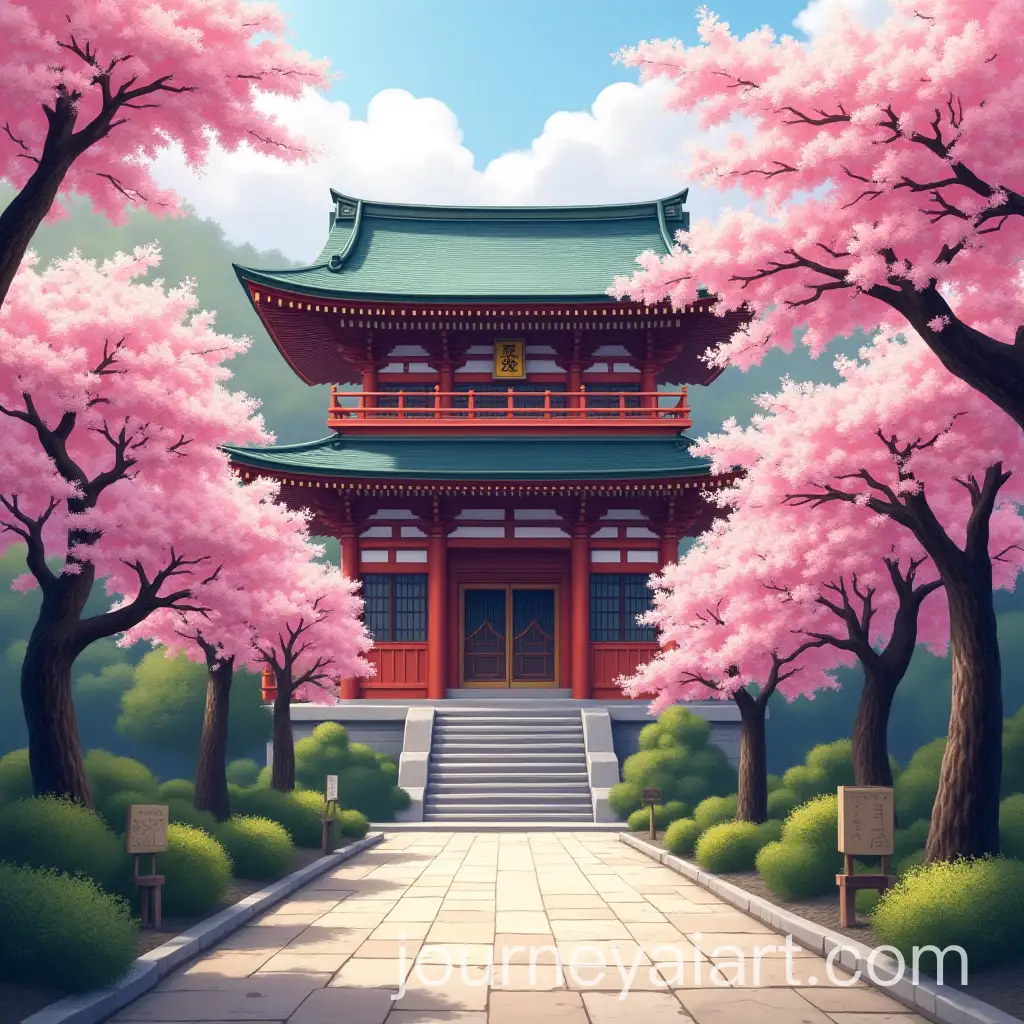
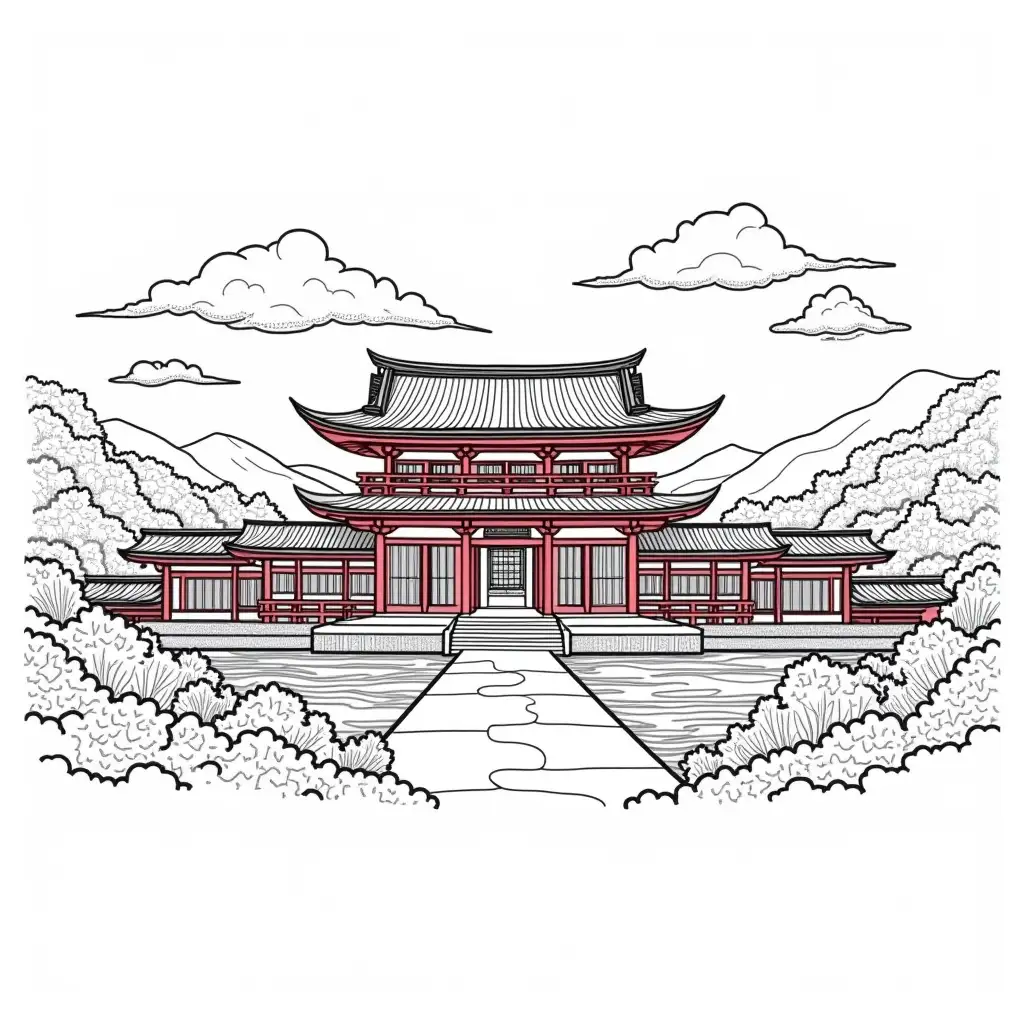
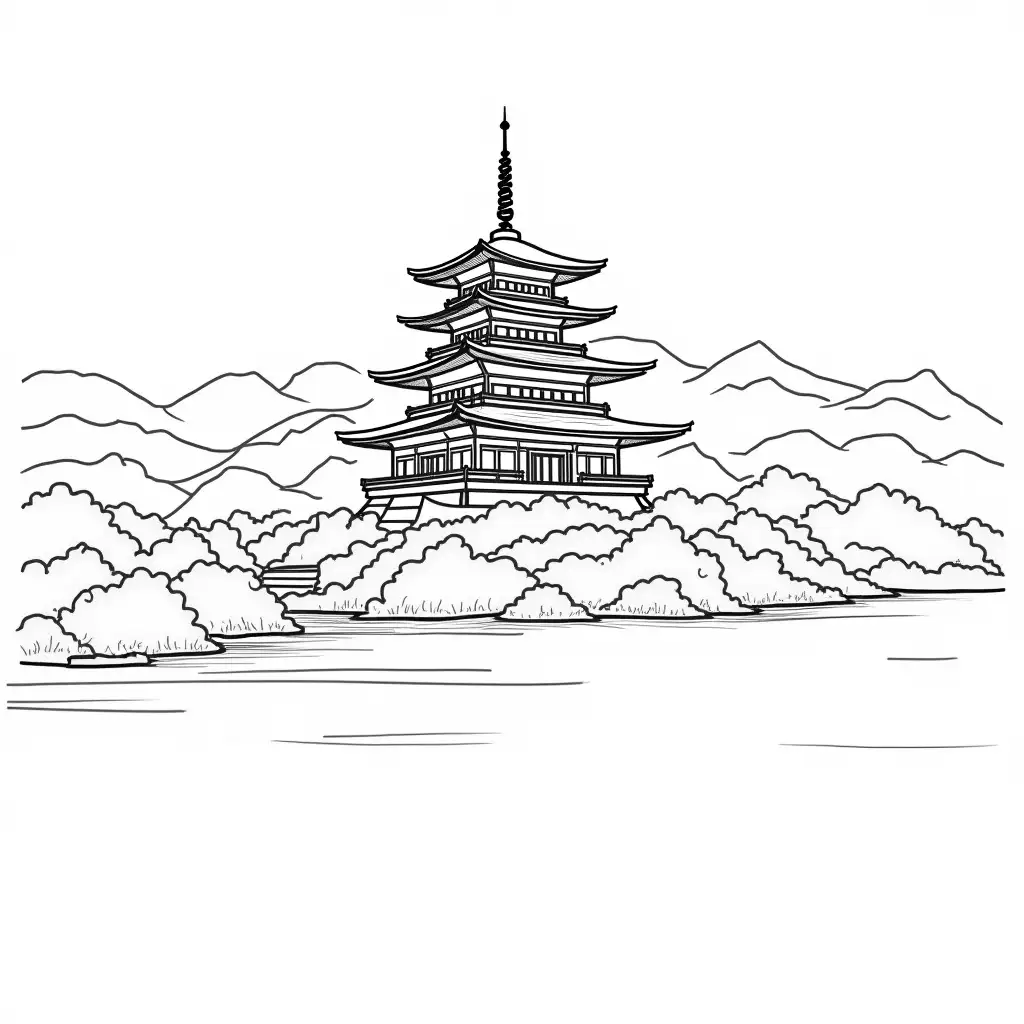
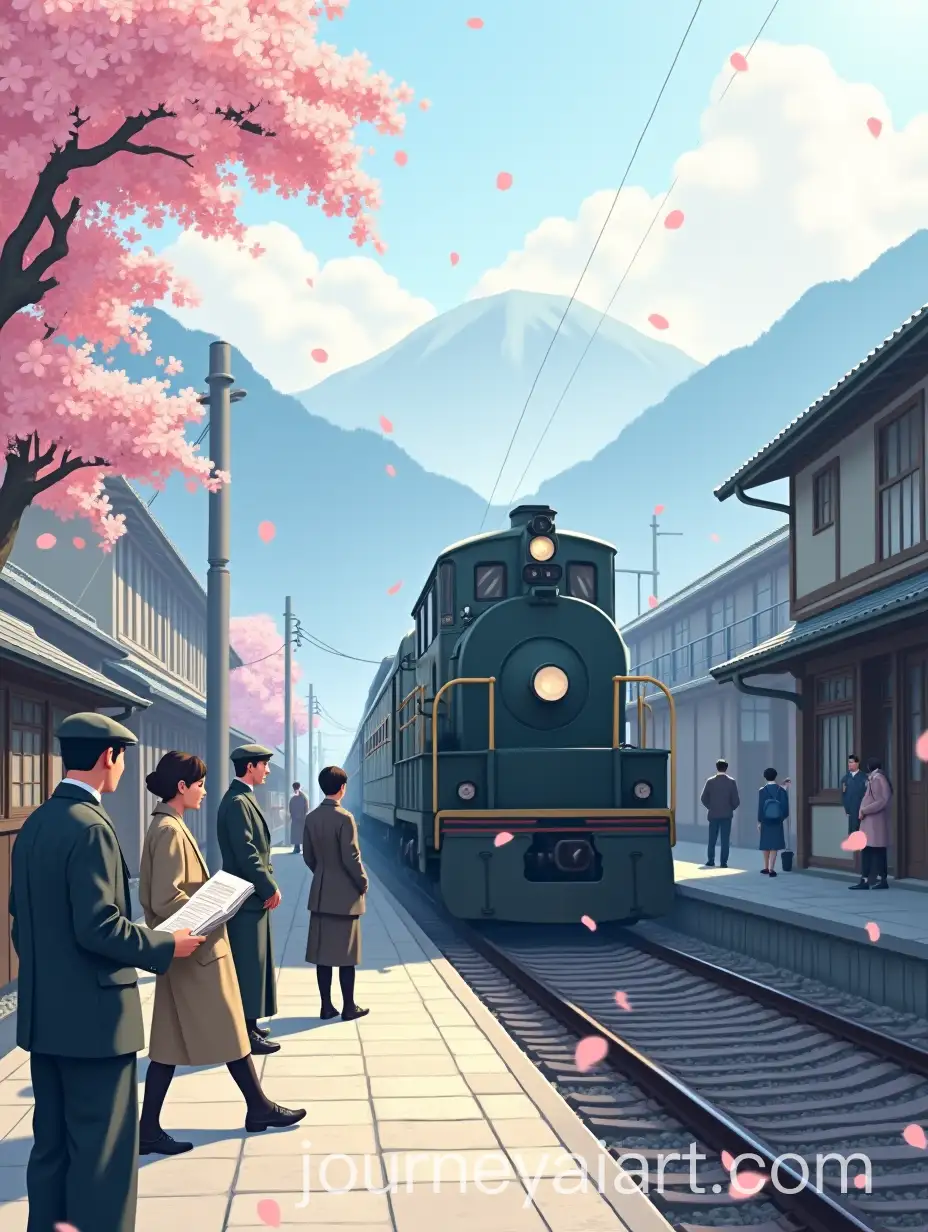
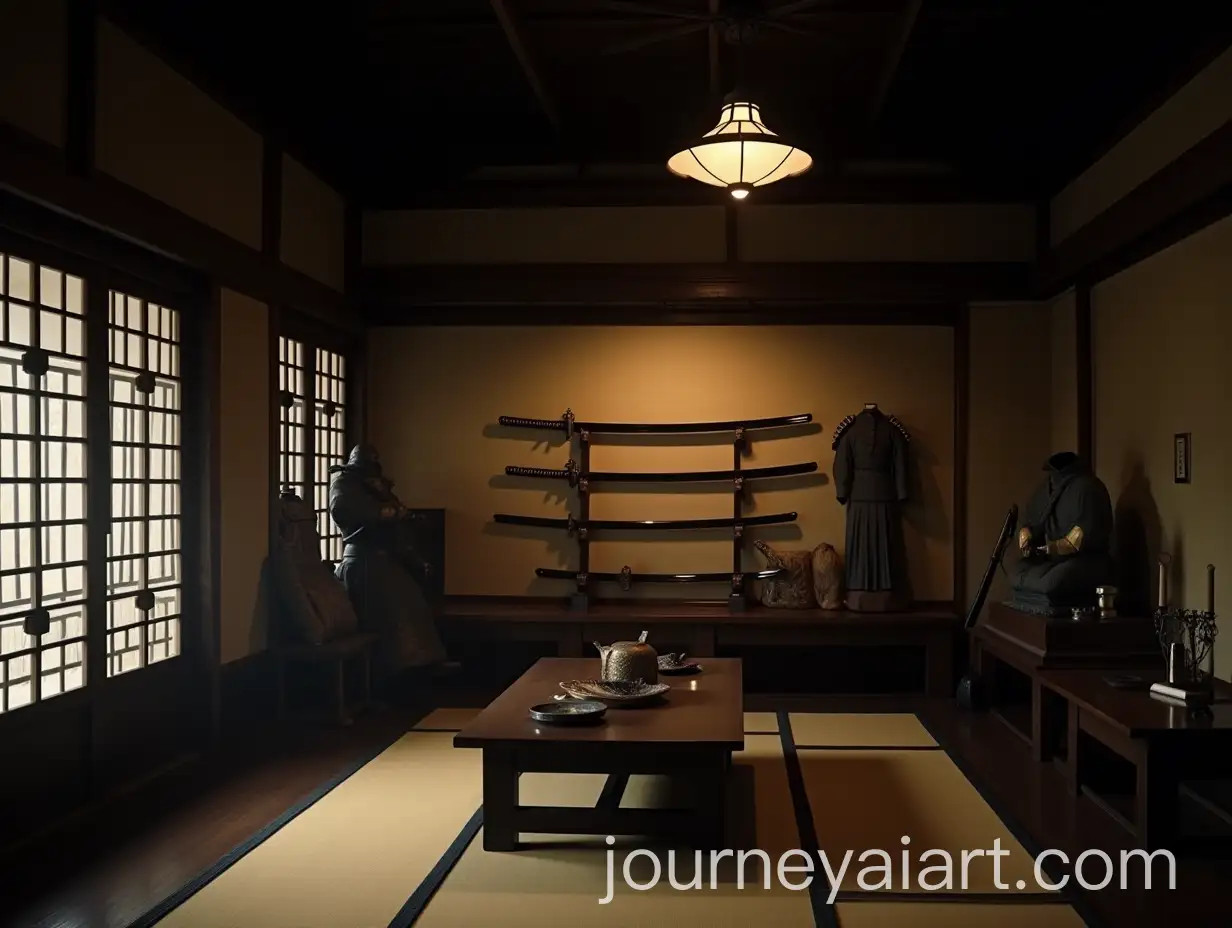
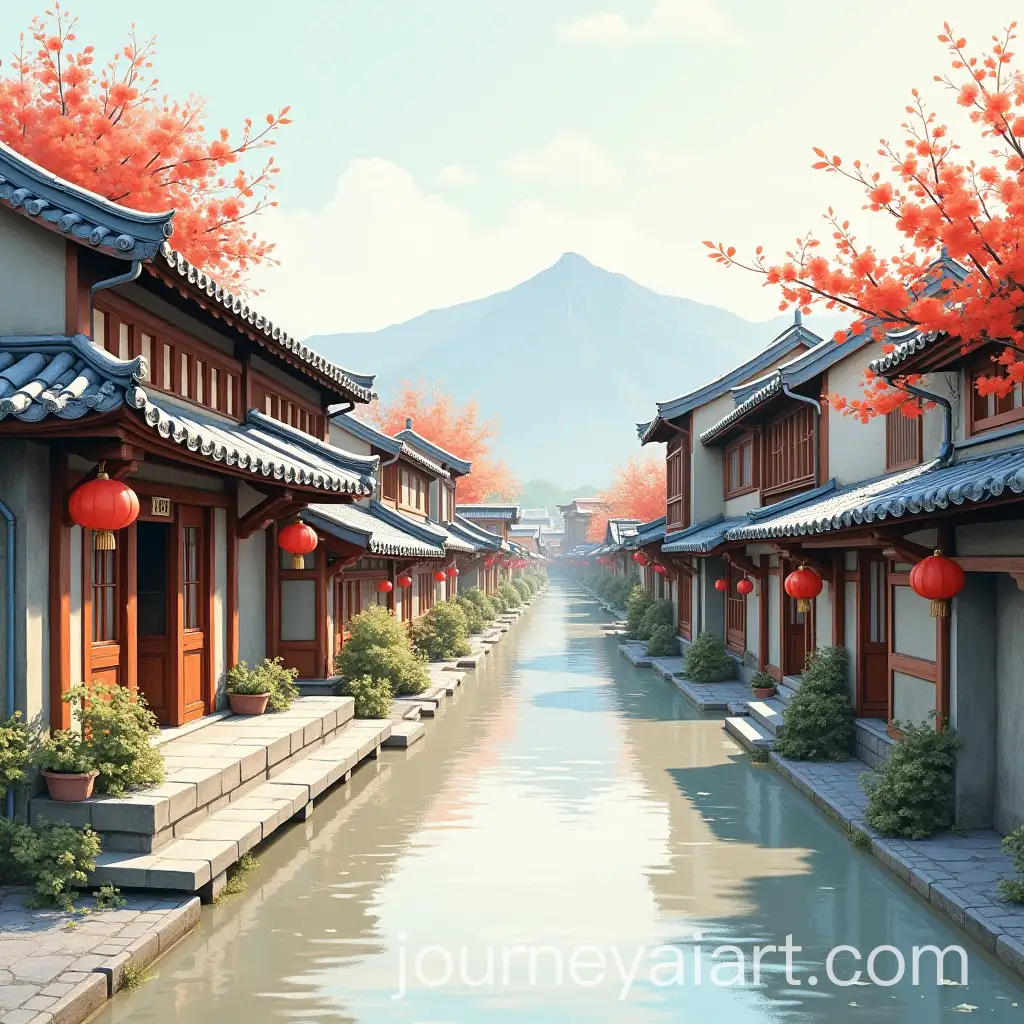
Traditional Japanese Architecture is characterized by its harmonious relationship with nature, use of natural materials, and minimalist design principles. This style often features wooden structures, sliding doors (fusuma), and thatched or tiled roofs. Notable elements include the use of tatami mats, shoji screens, and the emphasis on asymmetry and simplicity. Traditional Japanese Architecture is deeply influenced by Shinto and Buddhist philosophies, which emphasize balance, tranquility, and the impermanence of life.
Understanding Traditional Japanese Architecture: Definition and Key Elements
Traditional Japanese Architecture continues to inspire modern design, particularly in the realms of minimalism and sustainable architecture. The principles of simplicity, functionality, and the use of natural materials are echoed in contemporary interior and exterior designs. In modern homes, elements such as open floor plans, natural lighting, and integration with outdoor spaces reflect the influence of Japanese aesthetics. The enduring appeal of this architectural style lies in its timeless beauty and its ability to create serene, contemplative spaces.
Applications and Significance of Traditional Japanese Architecture in Modern Design
Iconic examples of Traditional Japanese Architecture include ancient temples such as Kyoto's Kinkaku-ji (Golden Pavilion) and Tokyo's Senso-ji Temple. These structures showcase the intricate craftsmanship and spiritual significance that define the style. In contrast, modern interpretations like the Koshino House by Tadao Ando blend traditional elements with contemporary design, demonstrating the versatility and ongoing relevance of Japanese architectural principles. These examples highlight the adaptability of Traditional Japanese Architecture across different eras.
Notable Examples of Traditional Japanese Architecture: From Ancient Temples to Modern Interpretations
As sustainability becomes a global priority, Traditional Japanese Architecture is gaining renewed interest for its eco-friendly practices. Architects are exploring innovative ways to incorporate traditional methods, such as passive cooling and the use of local materials, into modern structures. Additionally, there is a growing trend of using AI and digital tools to recreate and preserve traditional designs, ensuring that the beauty of this architectural style can be experienced by future generations. The fusion of old and new is setting the stage for a revival of interest in Japanese architectural traditions.
The Future of Traditional Japanese Architecture: Trends and Innovations