31 Free Traditional Indian Attire Photos Midjourney AI images
Welcome to our Traditional Indian Attire Photos collection, featuring 31 free AI-generated images. This collection showcases a variety of stock photos, 3D objects, vectors, and illustrations, highlighting the beauty and diversity of traditional Indian clothing. All images are available for high-resolution download, and with the 'open in editor' feature, you can adjust prompts to regenerate the perfect image for your needs.







Related Tags
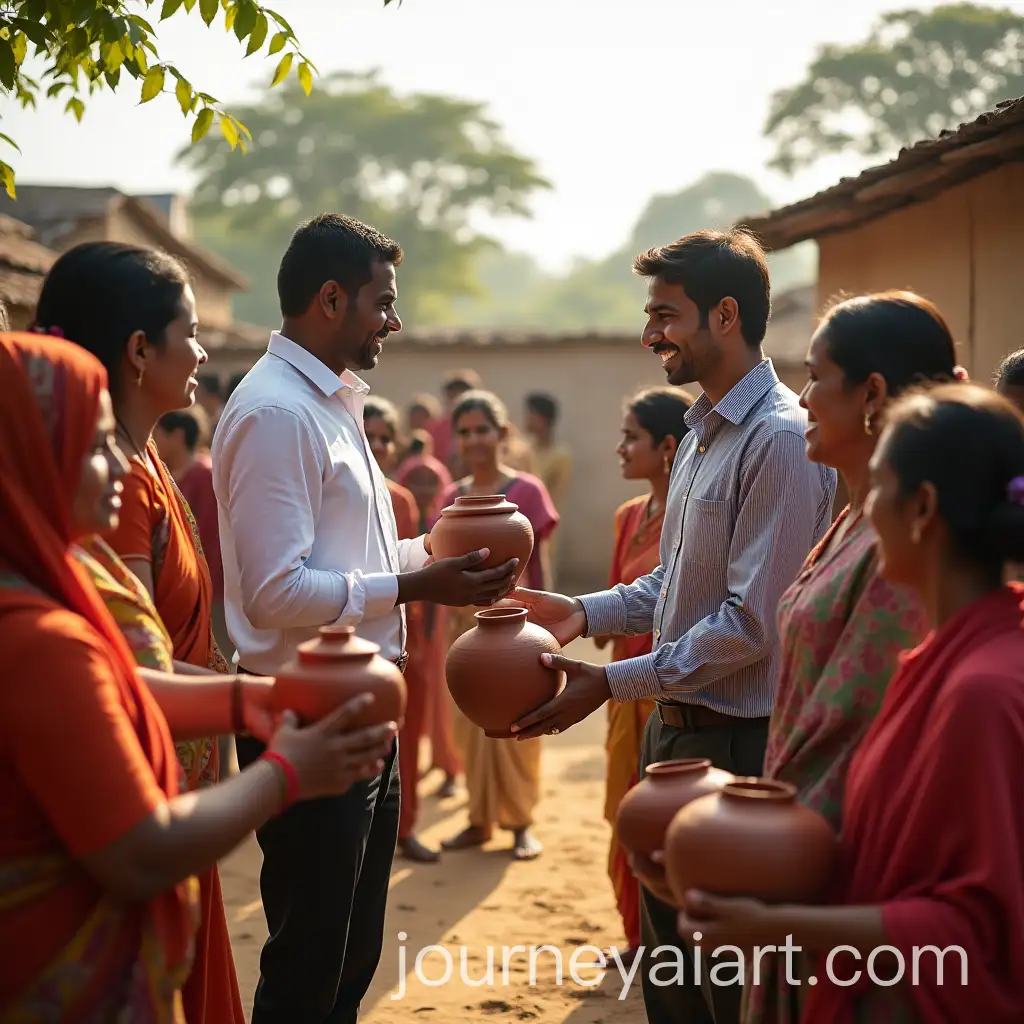
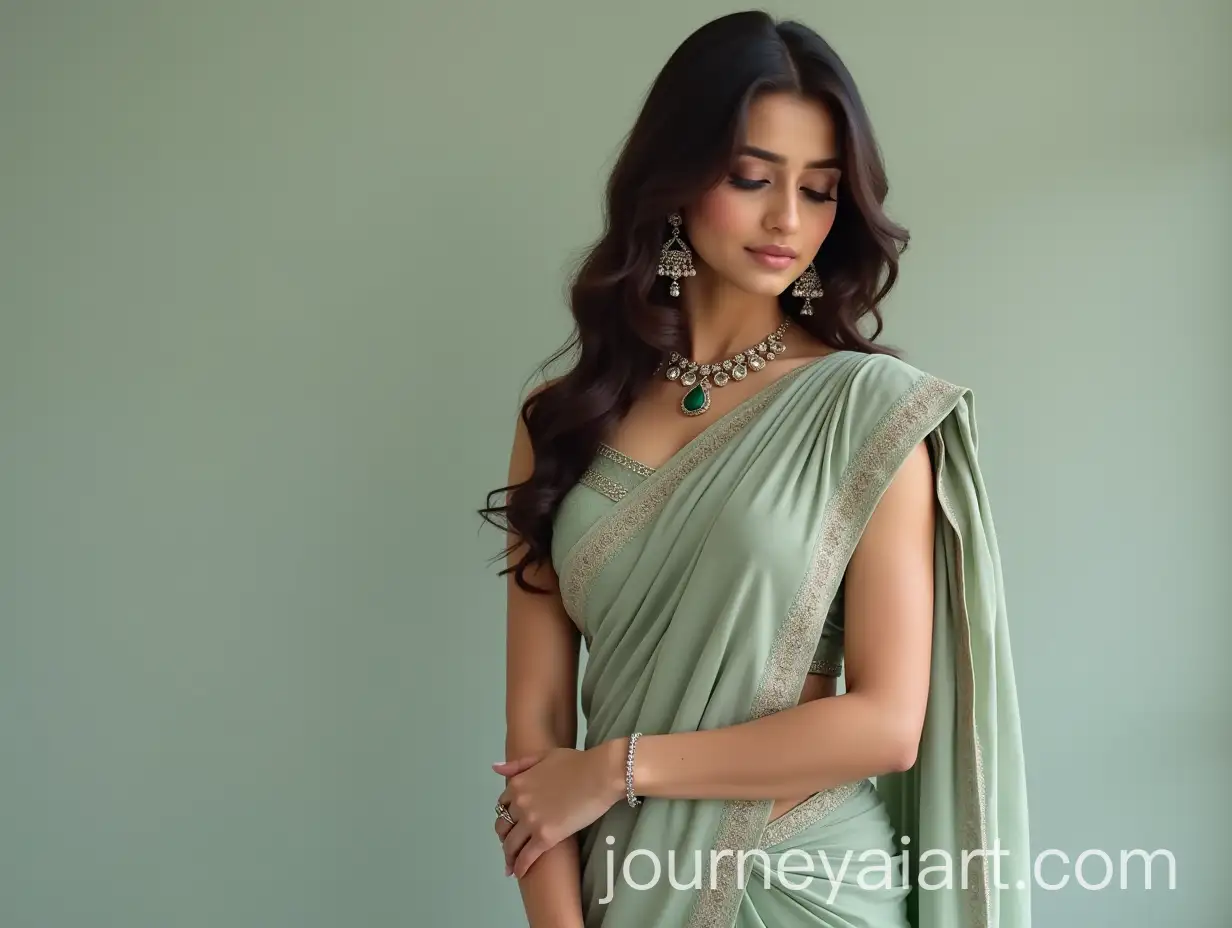
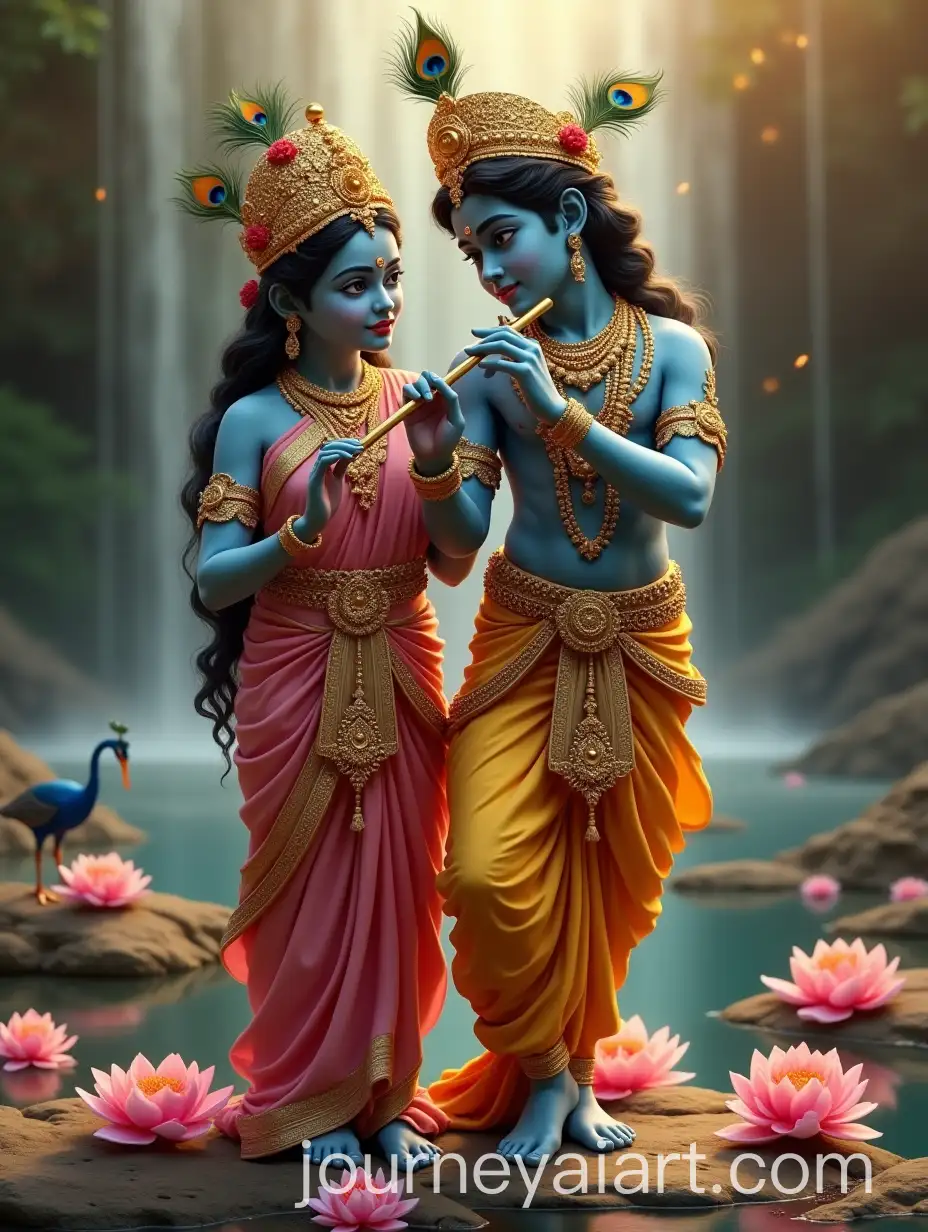
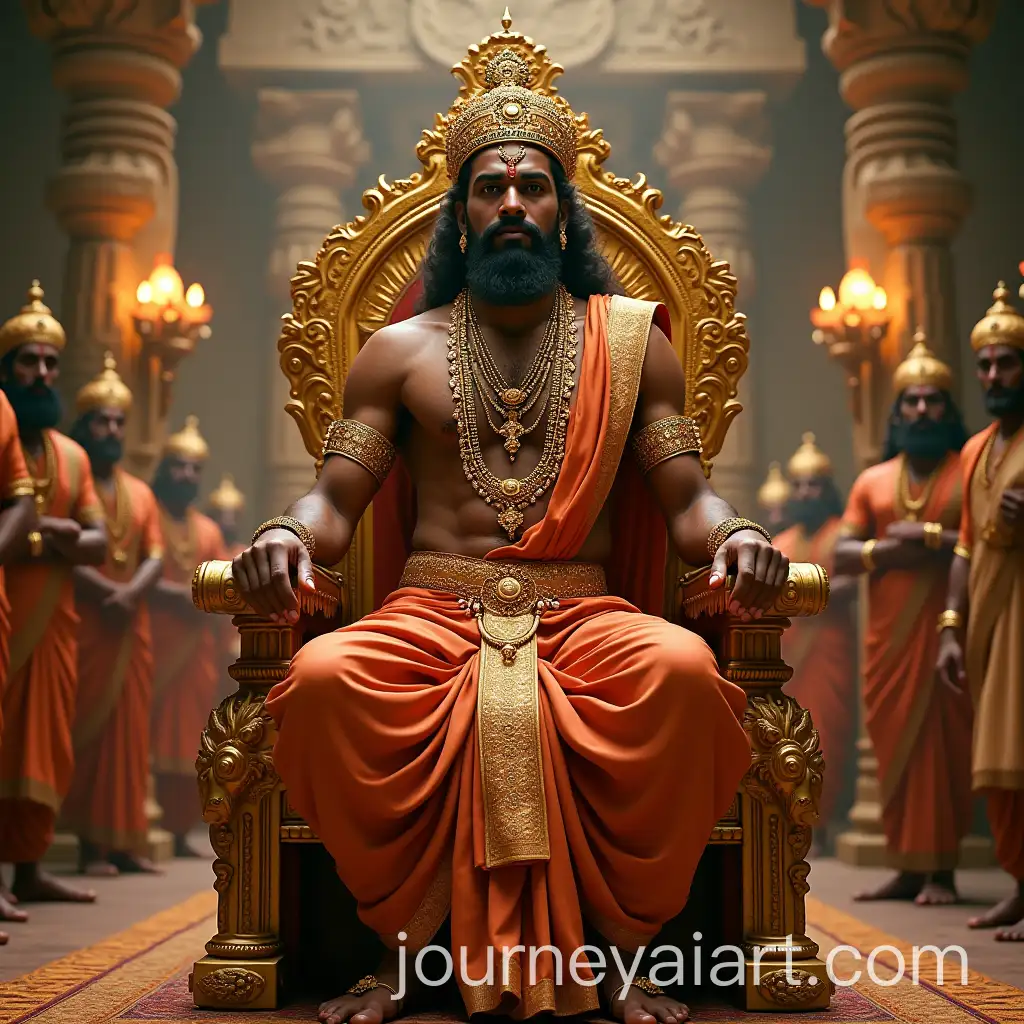
Traditional Indian attire reflects the rich cultural diversity and historical significance of India's regions. Clothing varies widely across different states, communities, and occasions, yet each garment is rooted in centuries-old practices and customs. From the iconic saree and salwar kameez to the majestic sherwani and lehenga, each outfit tells a story of India's heritage. Many garments are made from luxurious fabrics like silk, cotton, and wool, often adorned with intricate embroidery, beadwork, or block prints. Understanding these traditional garments provides a deeper connection to India's vibrant cultural legacy.
Traditional Indian Attire: A Cultural Legacy
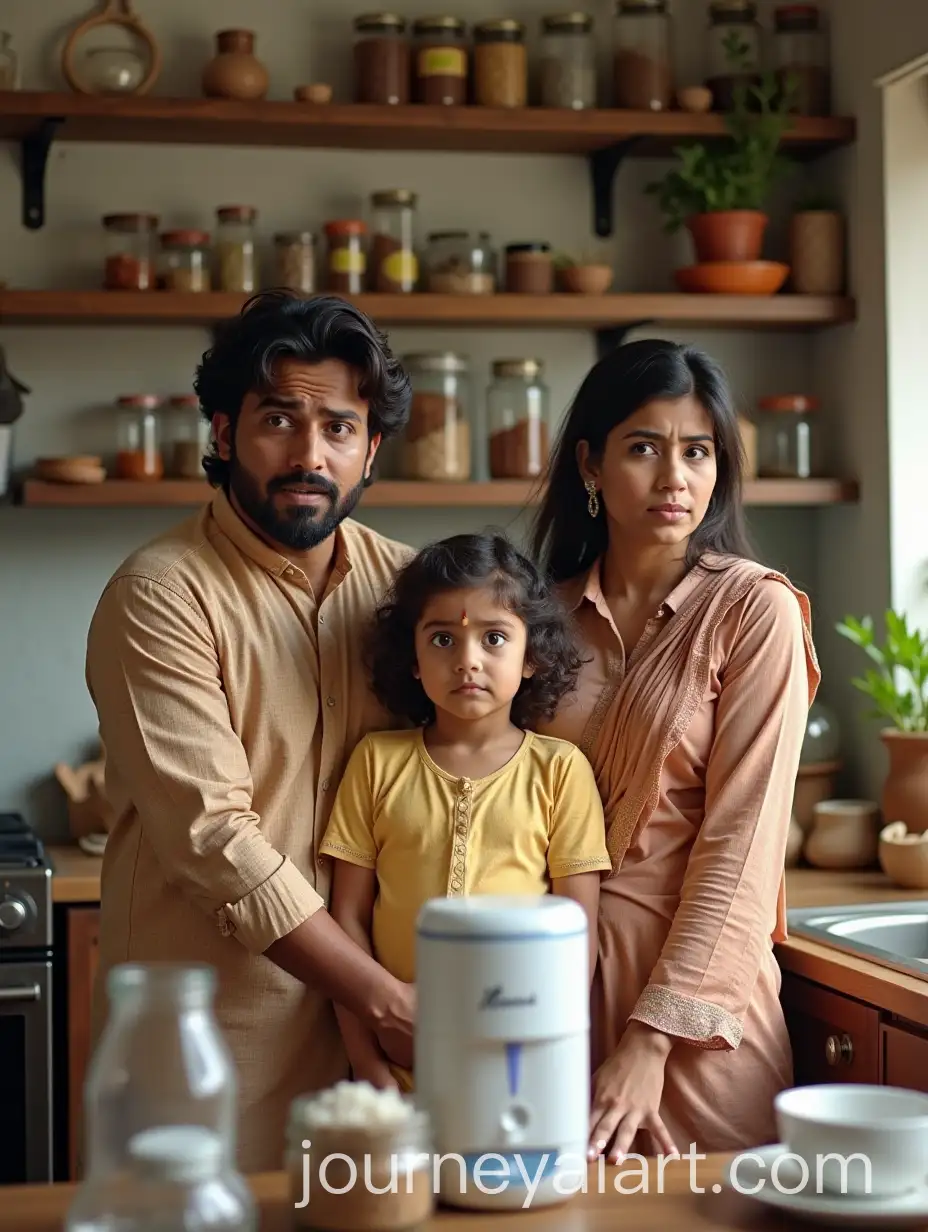
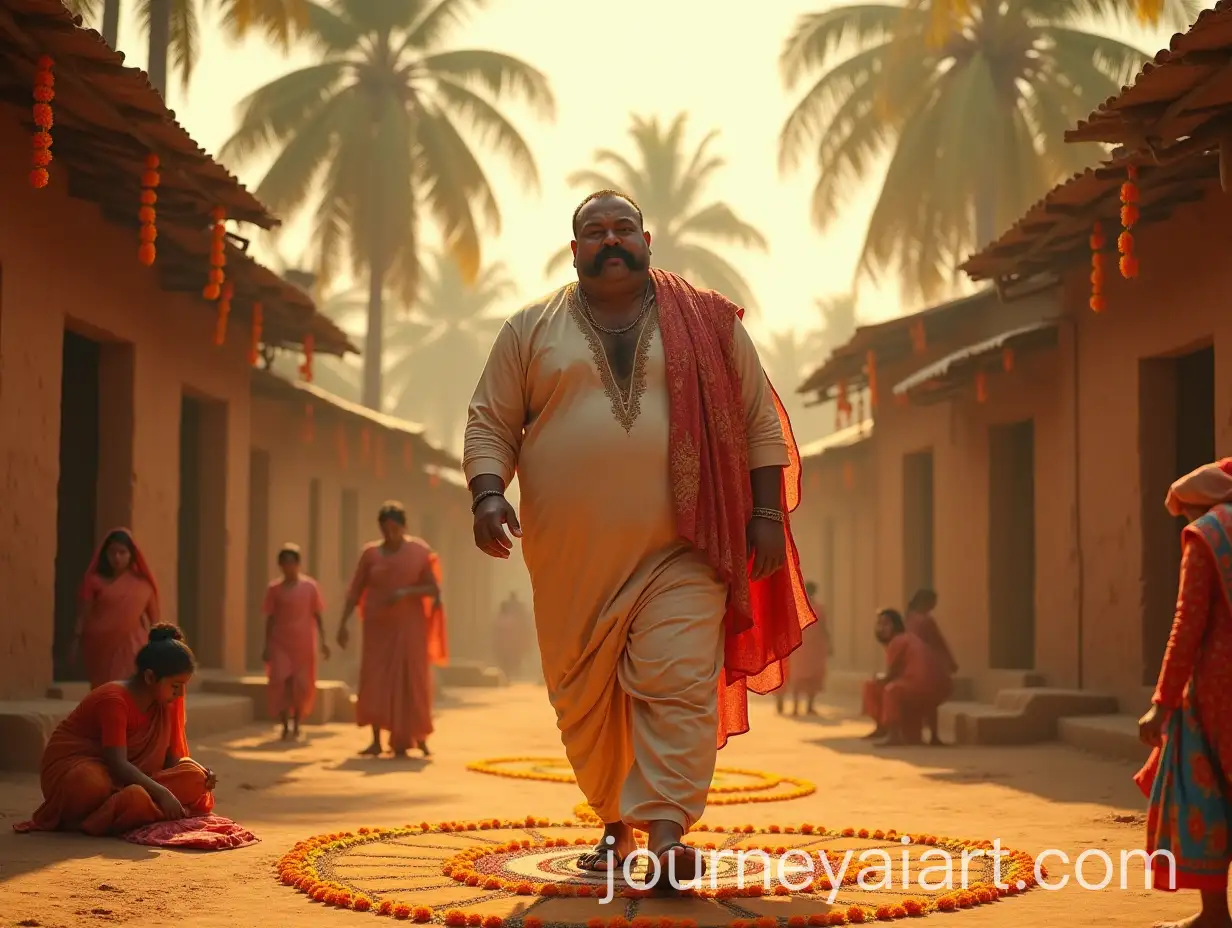
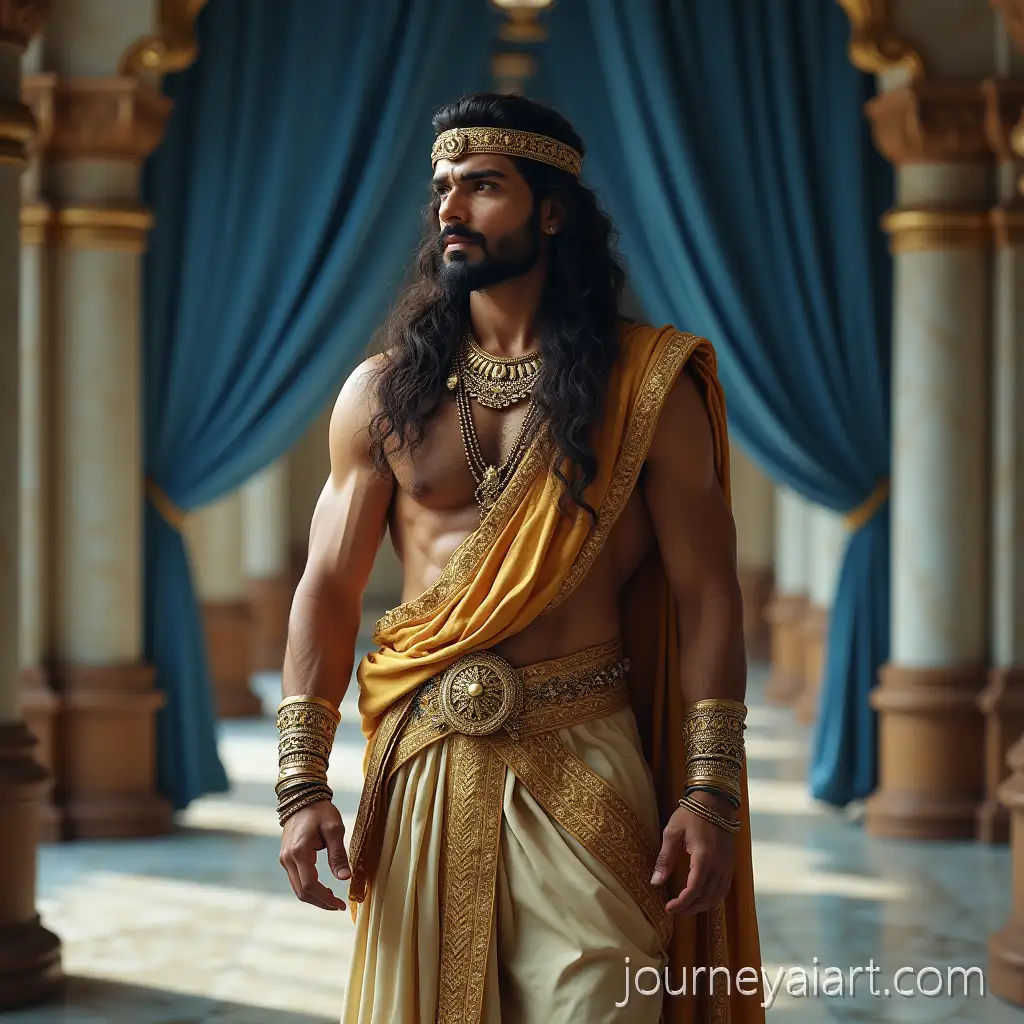
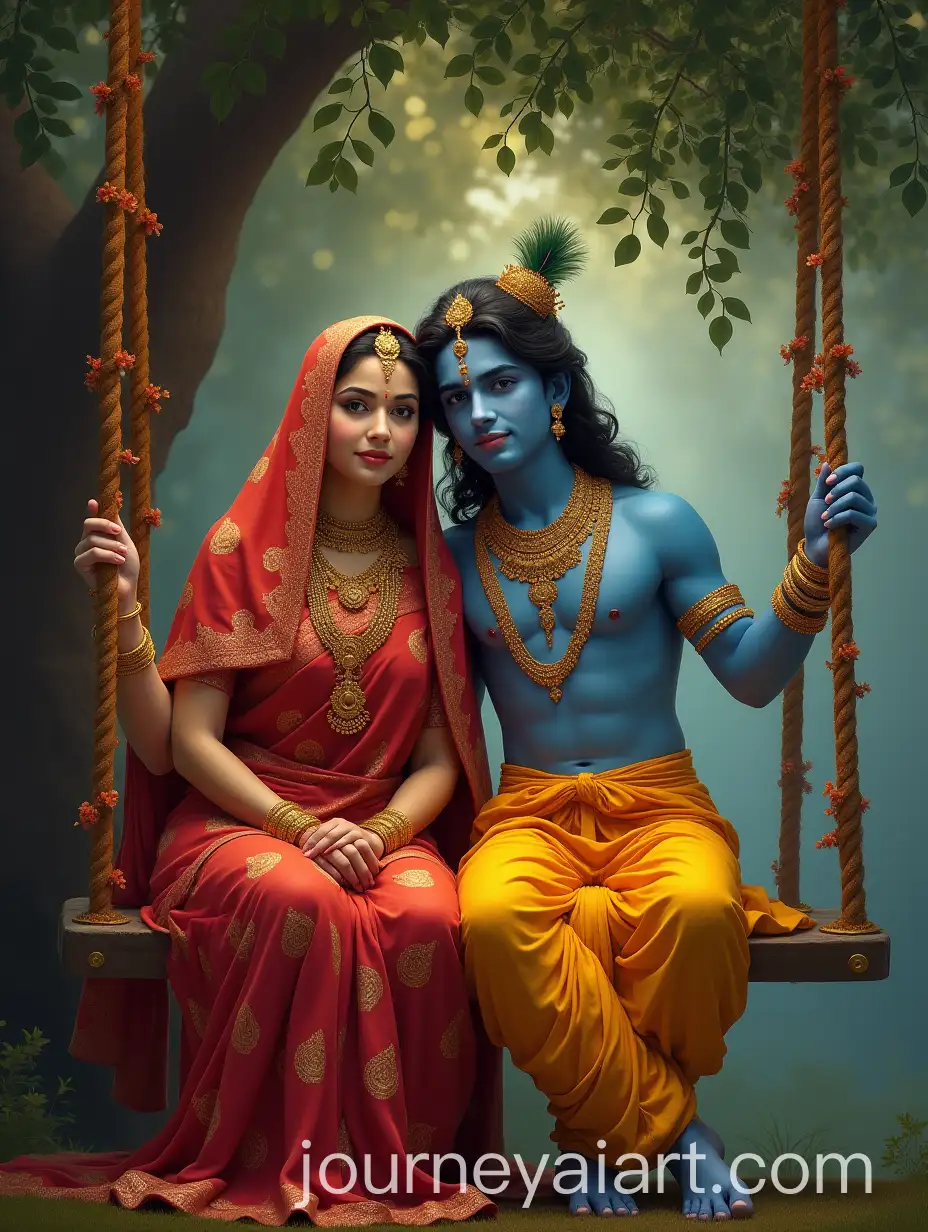
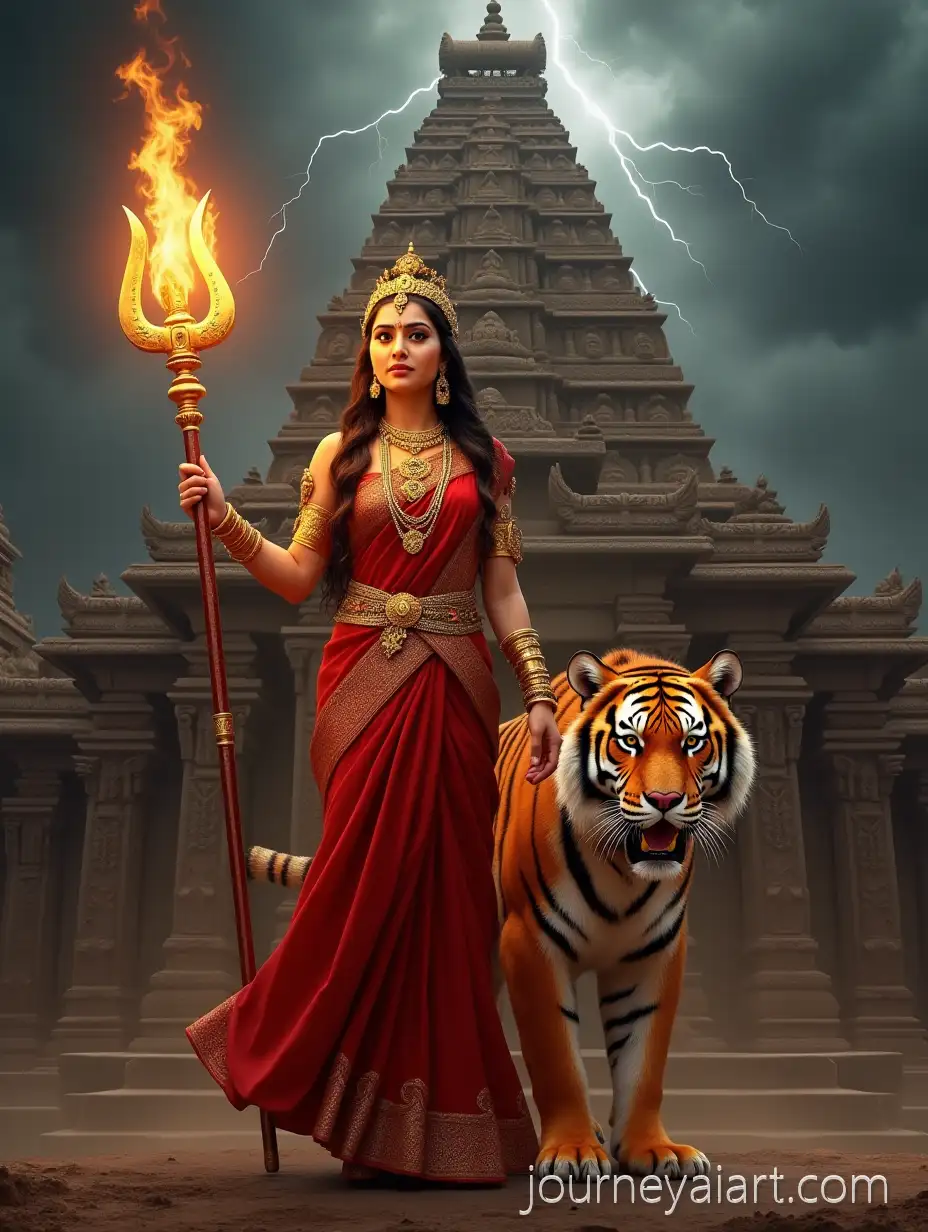
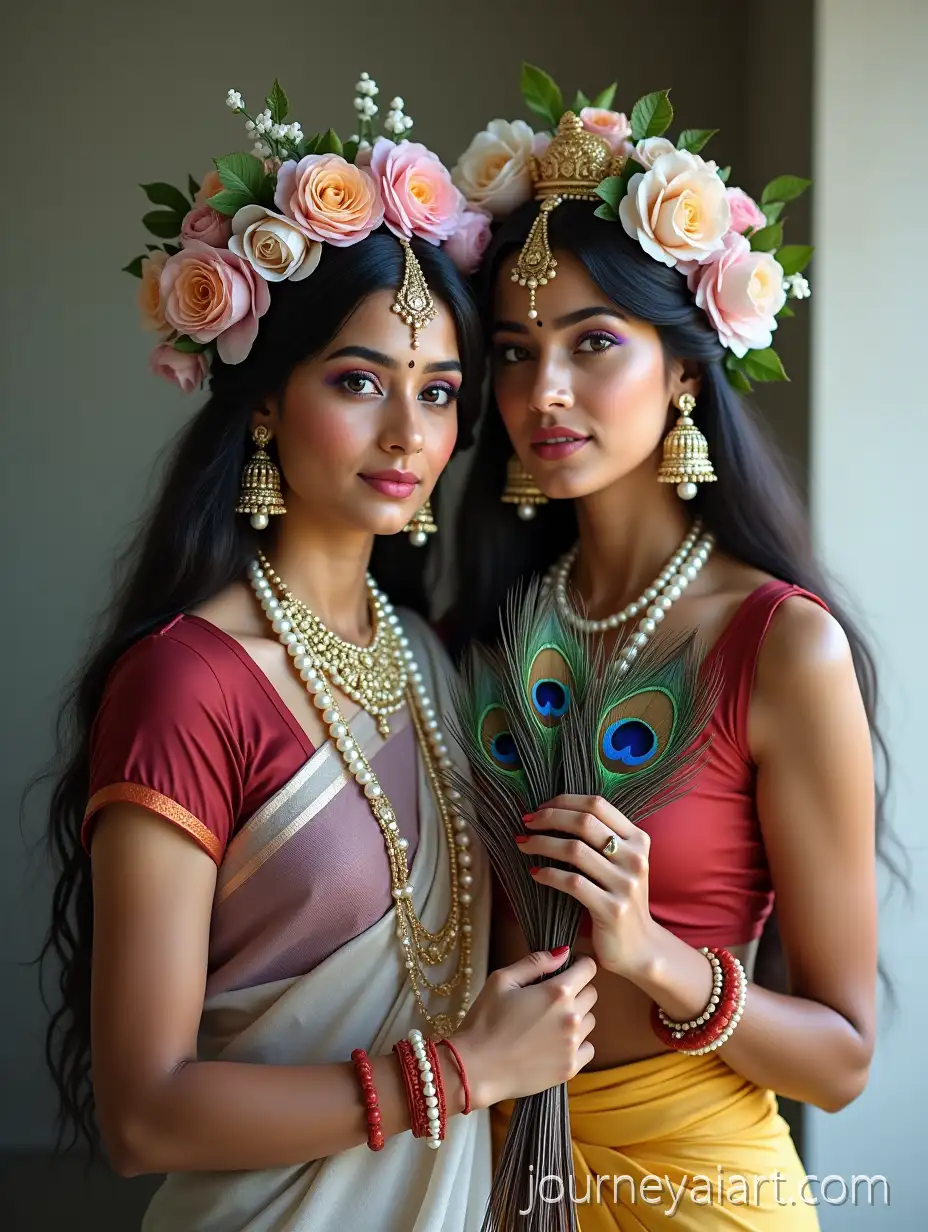
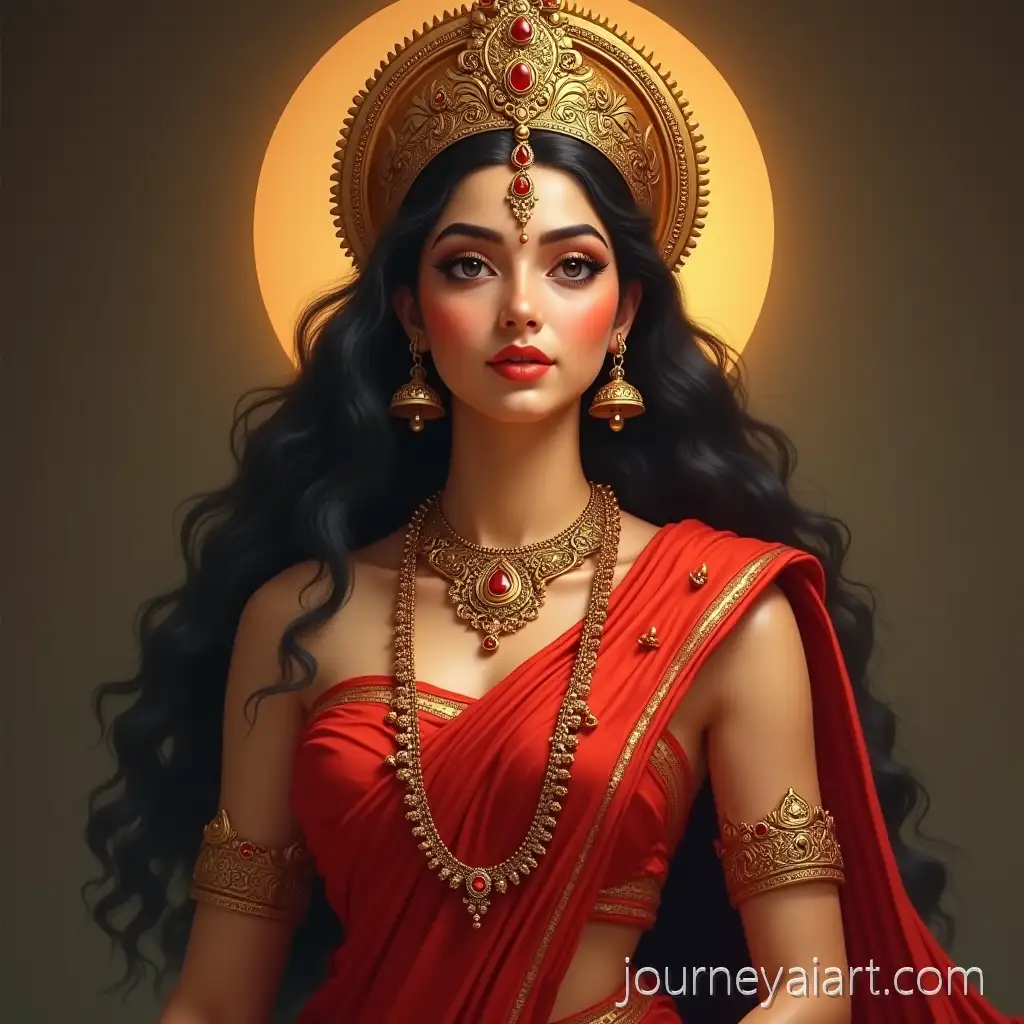
Indian traditional attire can be categorized into various styles based on region, occasion, and cultural significance. The saree, a long piece of cloth draped around the body, is one of the most recognizable garments, especially in South India. In North India, the salwar kameez, consisting of a tunic and loose-fitting pants, is a popular choice for women. For men, the kurta-pajama or sherwani is commonly worn for festivals and weddings. Additionally, the lehenga choli is a favorite for weddings and formal occasions, known for its rich fabrics and elaborate designs. Each of these styles is unique in its construction, presentation, and historical roots.
Distinct Styles of Traditional Indian Clothing
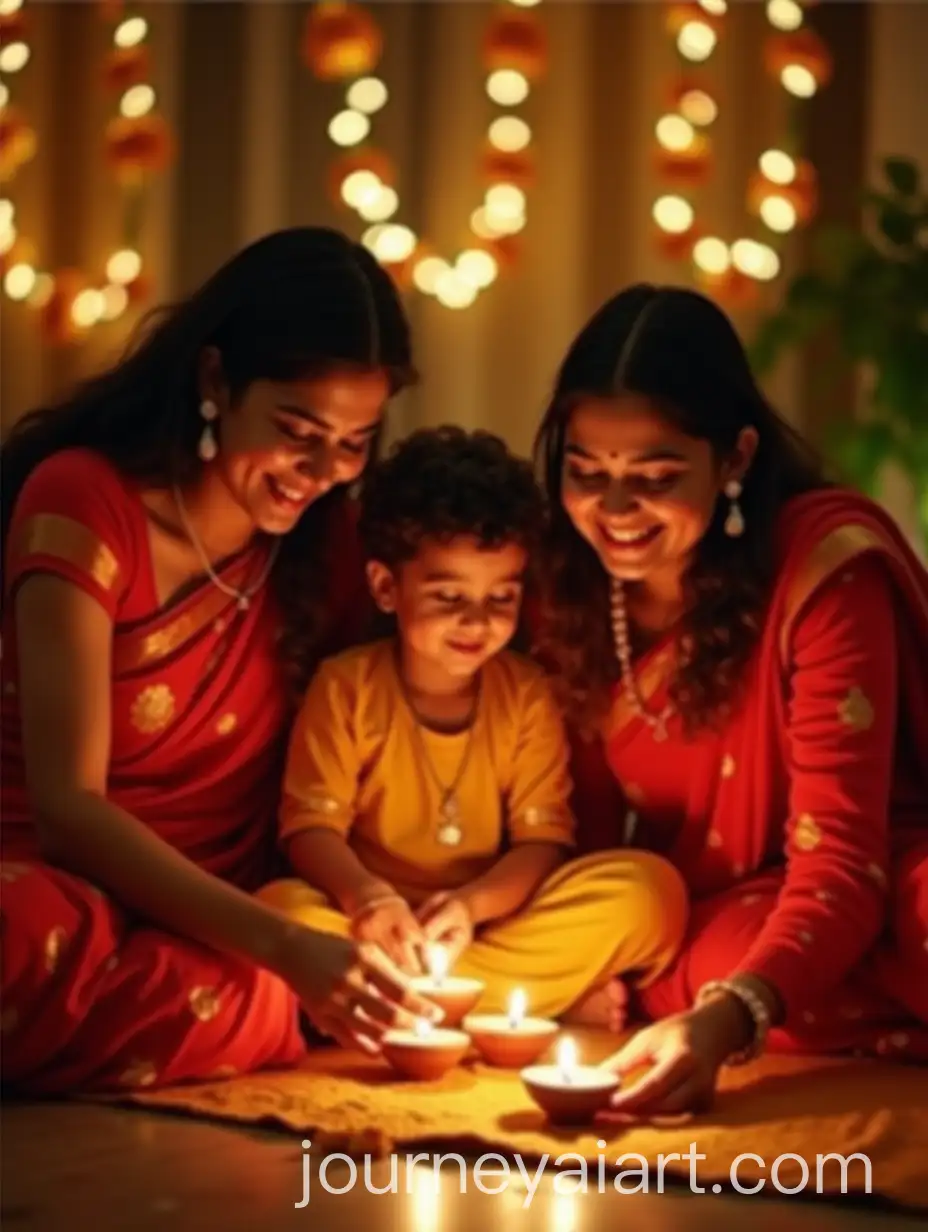
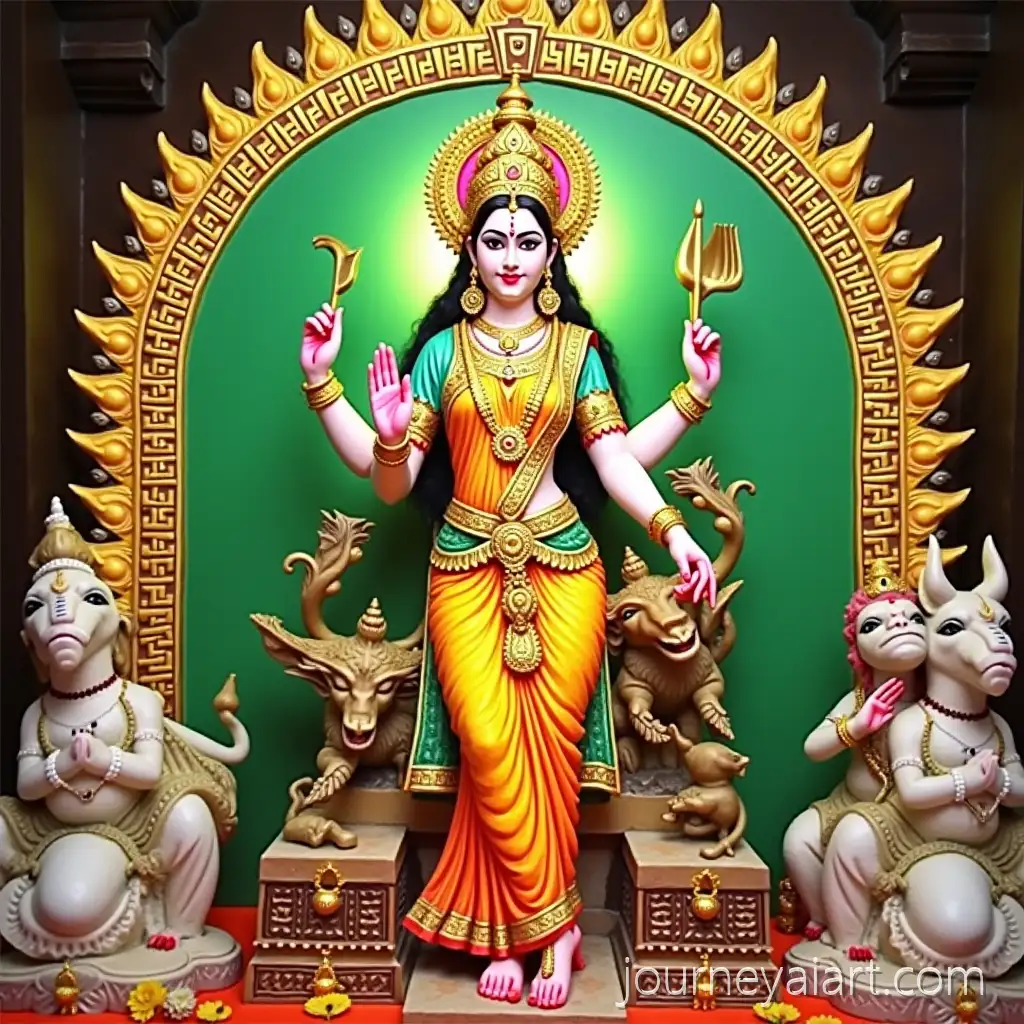
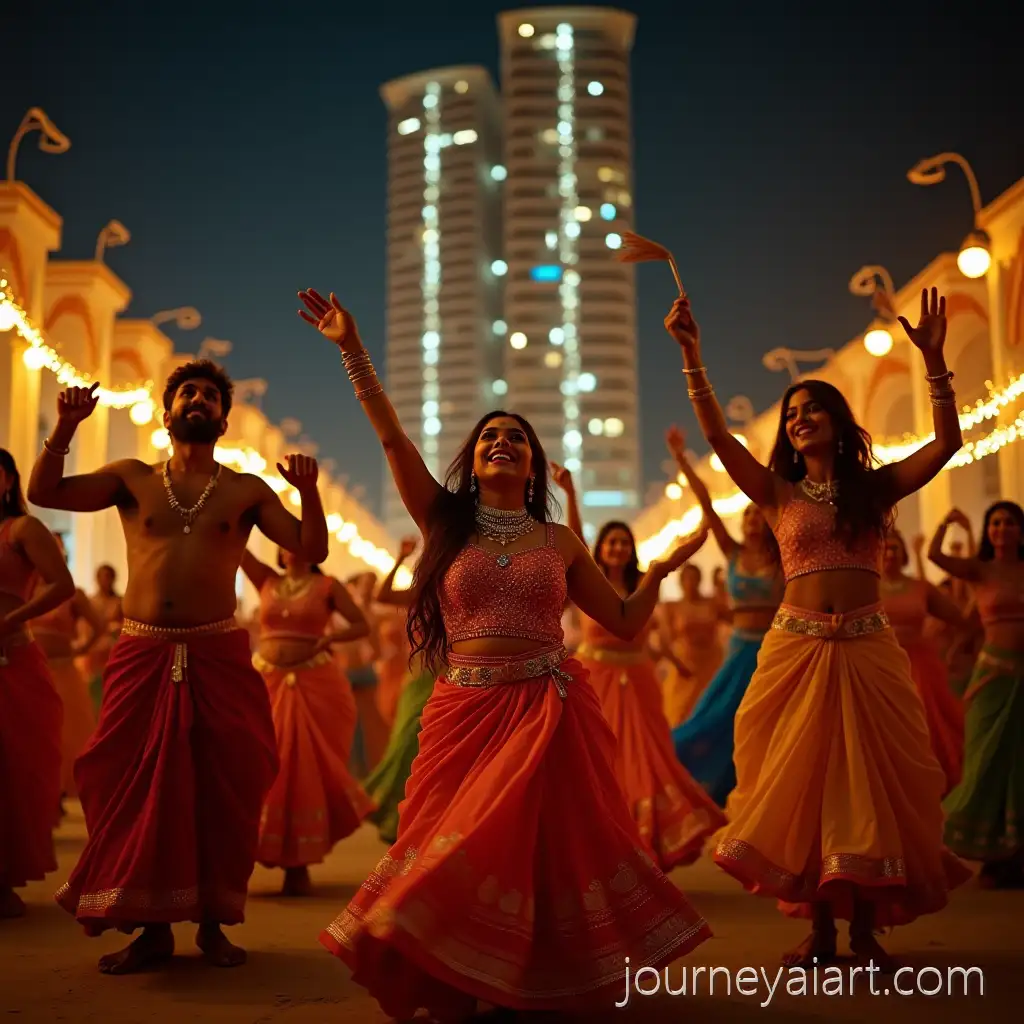
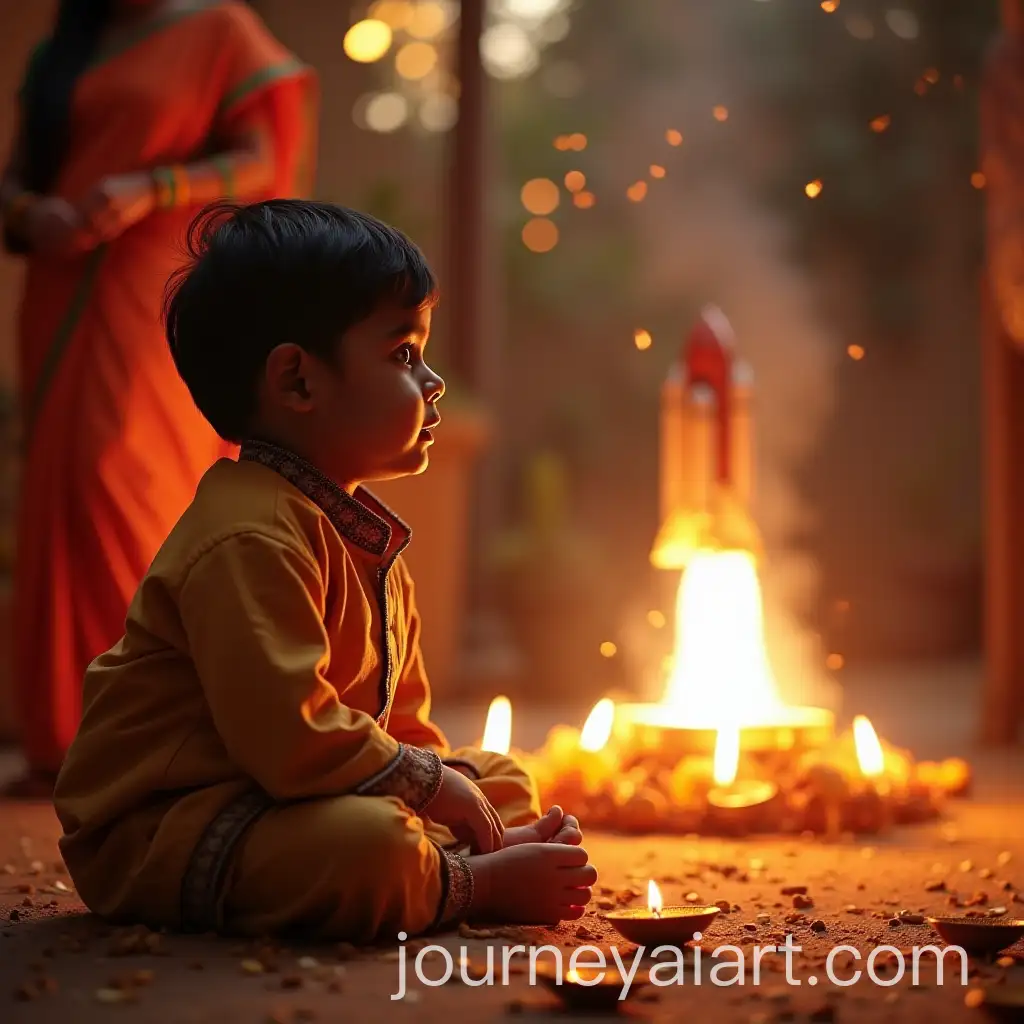
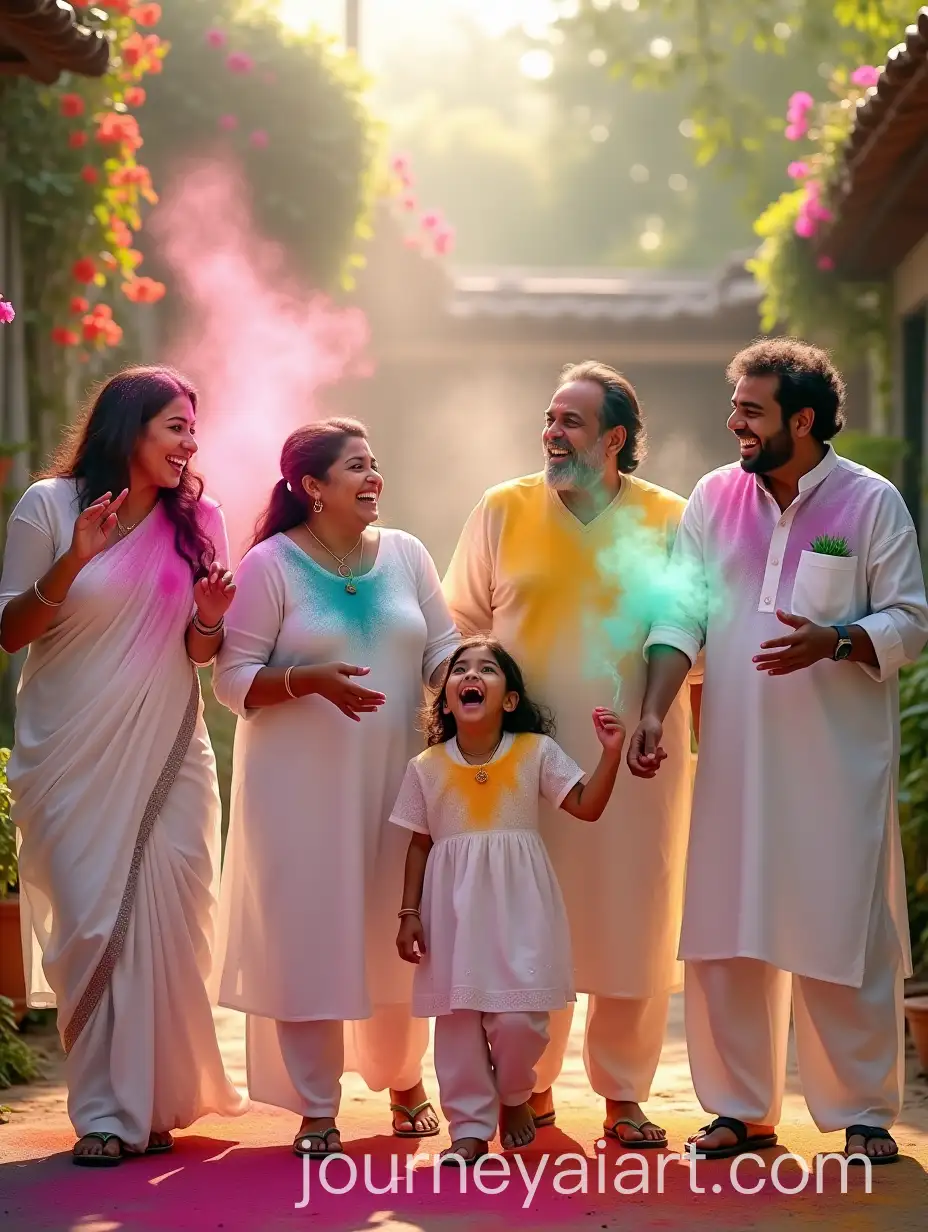
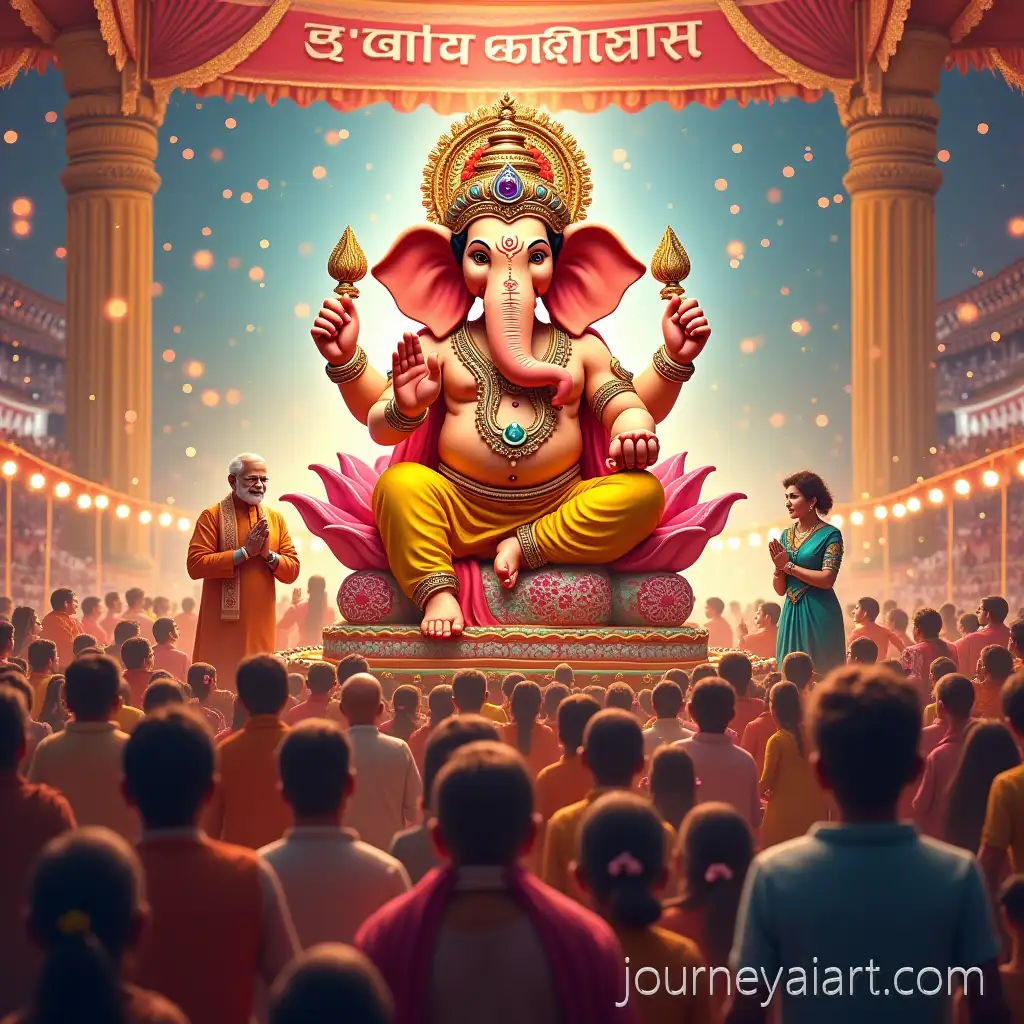
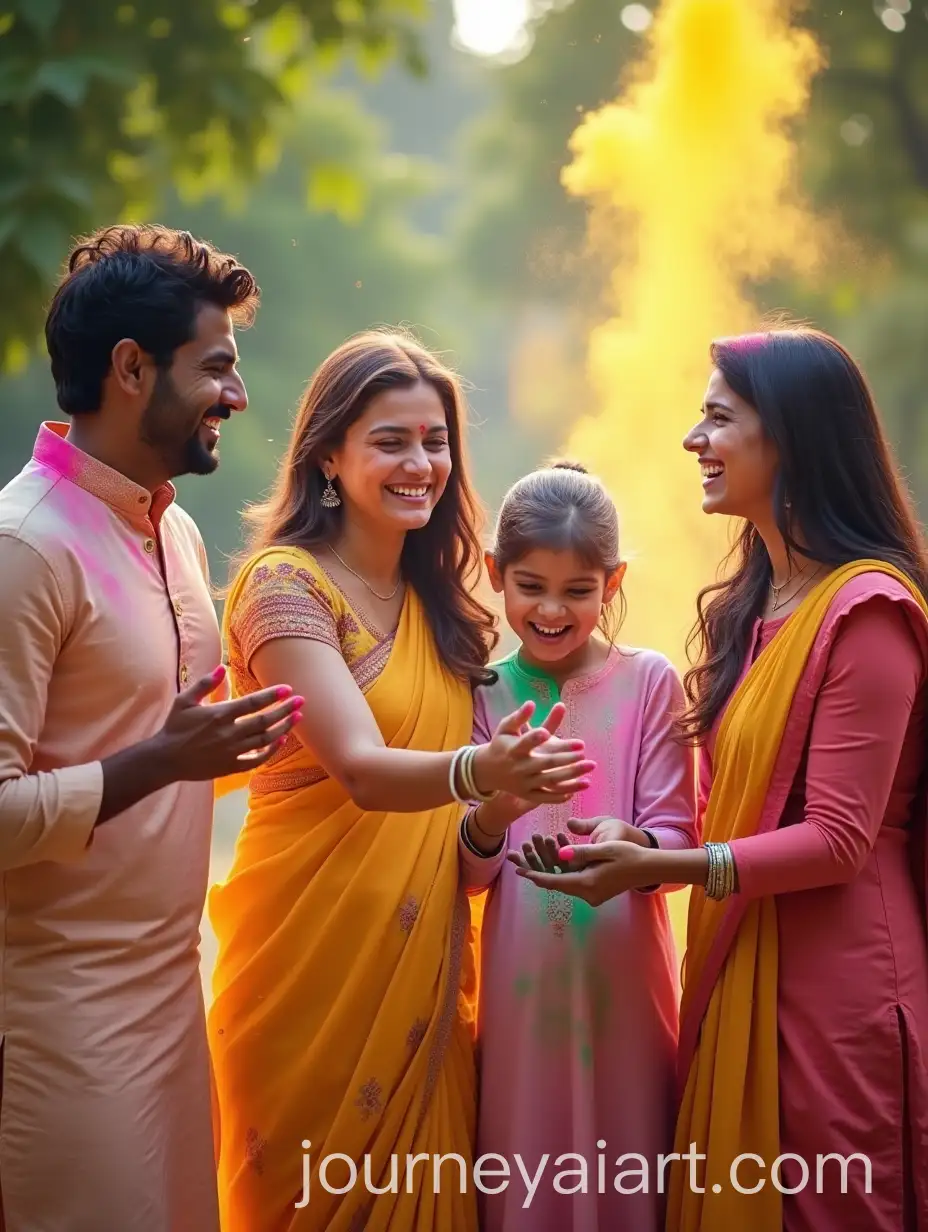
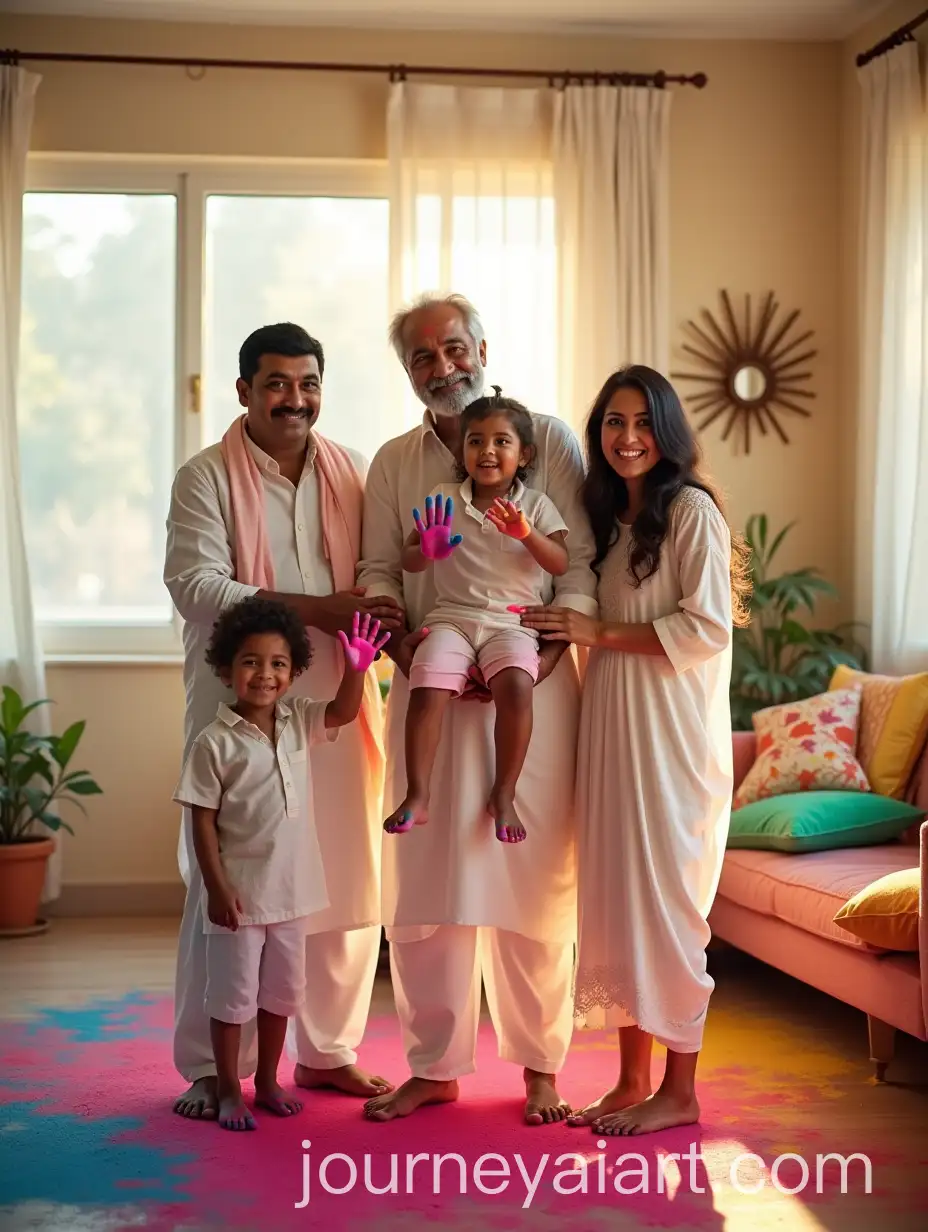
Traditional Indian attire plays a significant role in the celebrations of festivals and weddings, which are an integral part of Indian life. During festivals like Diwali, Holi, and Durga Puja, people often wear new clothes that symbolize prosperity, purity, and devotion. For weddings, traditional garments like the bridal saree, lehenga, or sherwani are essential, often chosen to reflect the family’s cultural background and the significance of the ceremony. These outfits are typically rich in color and embellished with gold and silver threads, creating a luxurious and celebratory atmosphere.
The Role of Traditional Indian Attire in Festivals and Weddings
Modern fashion trends have significantly influenced traditional Indian attire. Over the past few decades, traditional garments have been reinterpreted with contemporary elements to suit modern tastes. Designers have incorporated western styles like skirts, jackets, and gowns into traditional Indian wear, creating fusion outfits that are popular in urban areas. Additionally, innovations in textile design, printing, and dyeing techniques have modernized the fabrics used for traditional clothing, while still honoring cultural aesthetics. The rise of Indian fashion designers, such as Sabyasachi Mukherjee and Manish Malhotra, has helped traditional attire gain international recognition, blending traditional and modern elements seamlessly.
The Influence of Modern Fashion on Traditional Indian Clothing