15 Free Teal Midjourney AI images
Discover our vibrant collection of Teal-themed AI-generated images, featuring 15 free, high-quality visuals. This diverse assortment includes stock photos, 3D objects, vectors, and illustrations, all centered around the soothing teal color palette. Enjoy high-resolution downloads and take advantage of our 'open in editor' feature on each image's detail page to fine-tune the prompt and regenerate your perfect teal-inspired image.
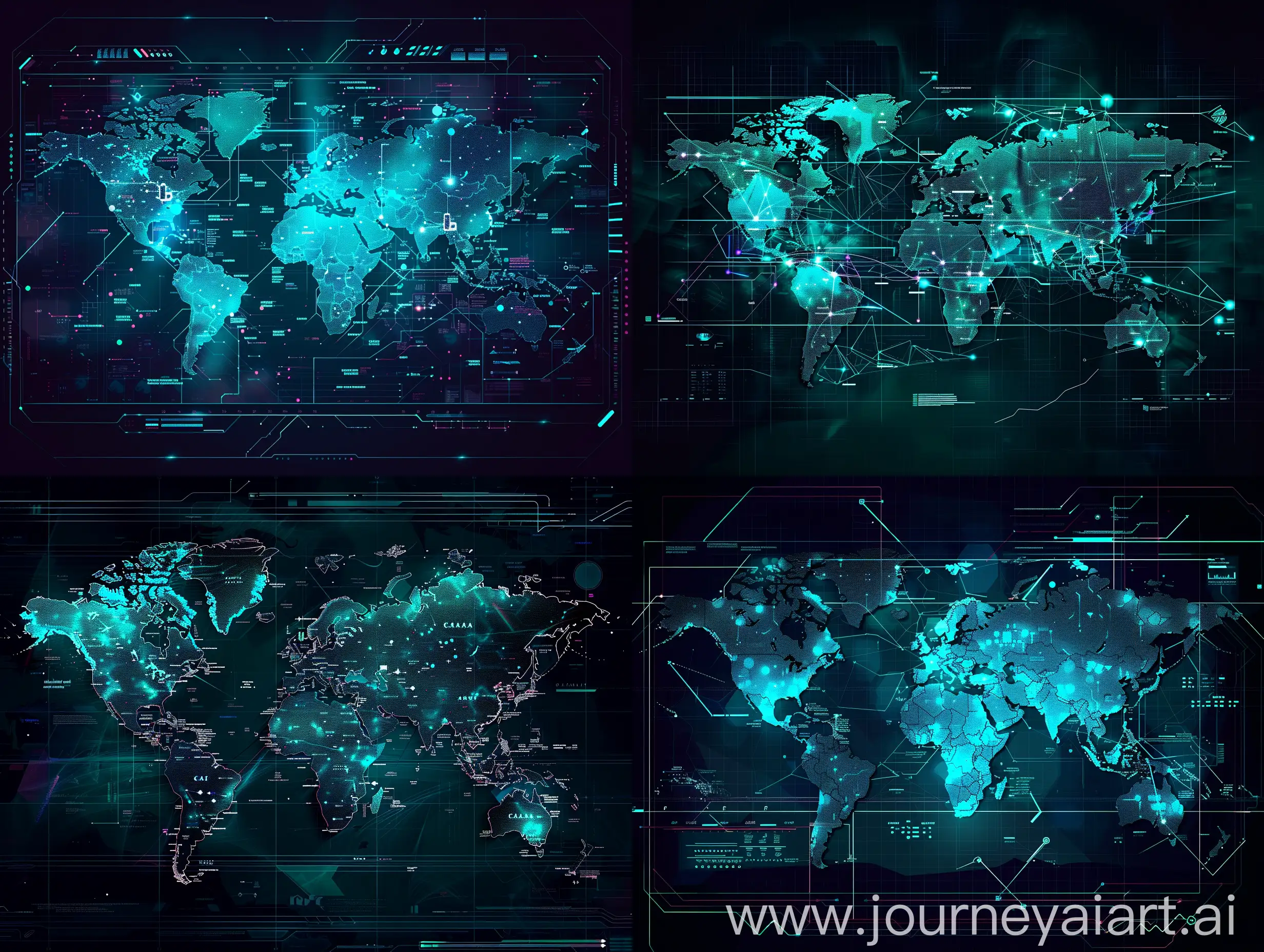

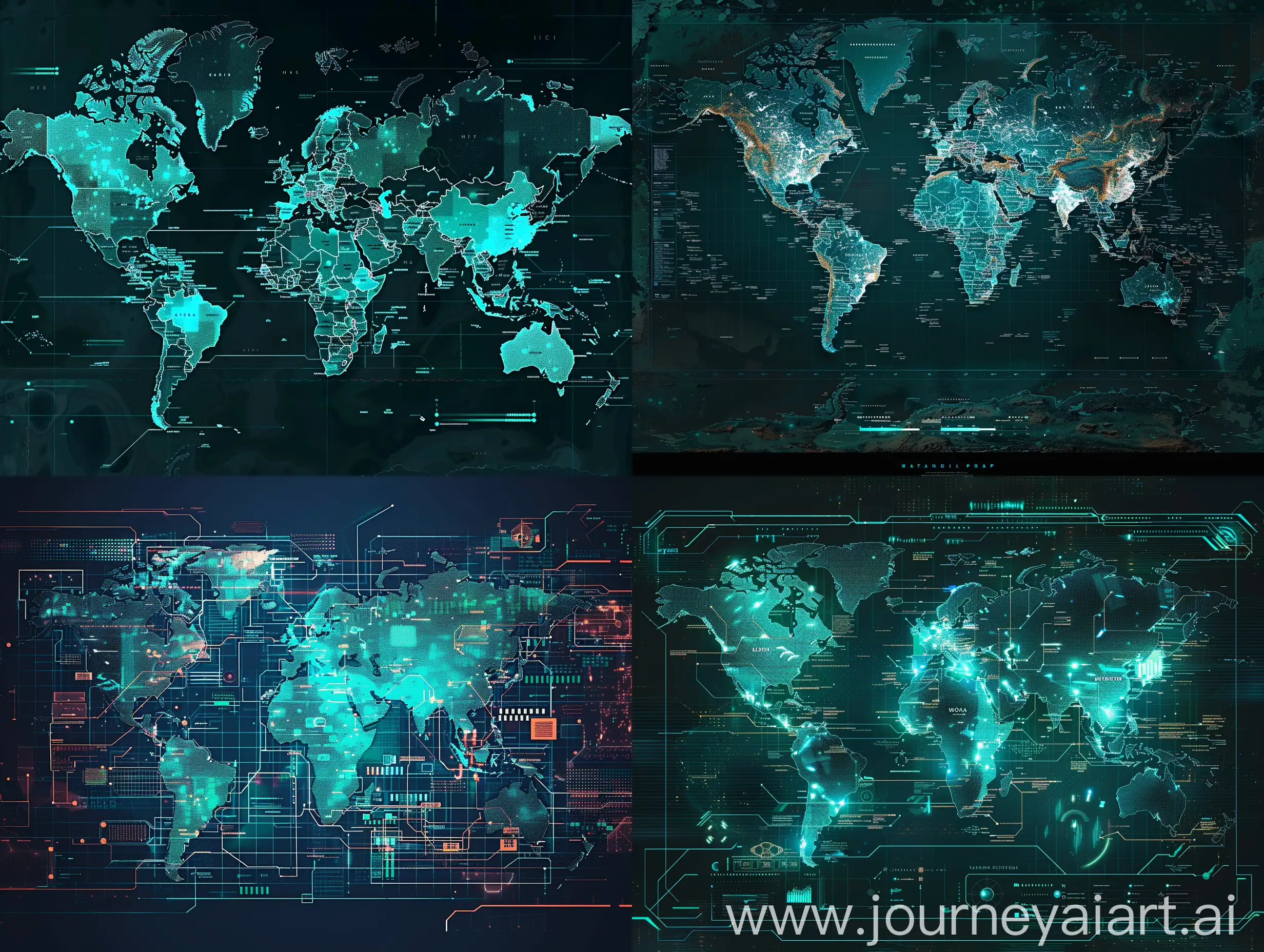
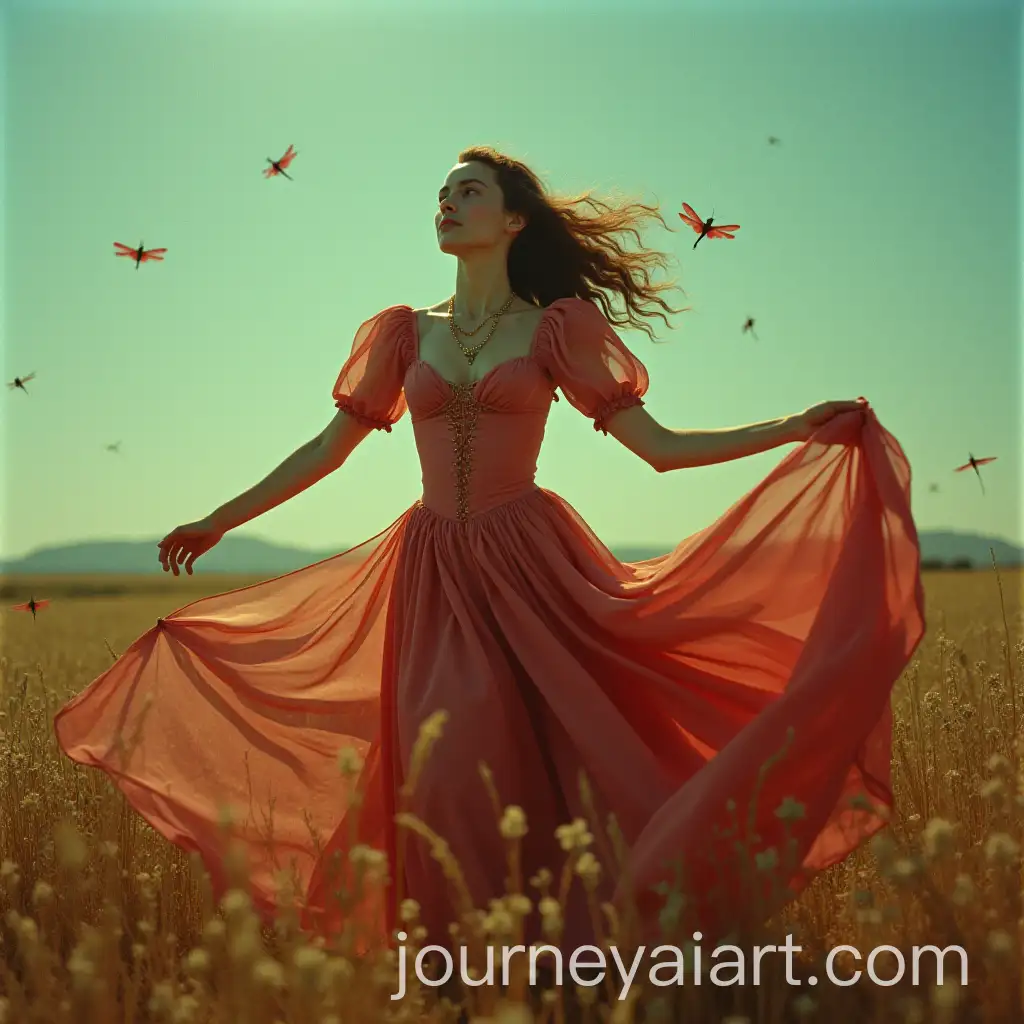


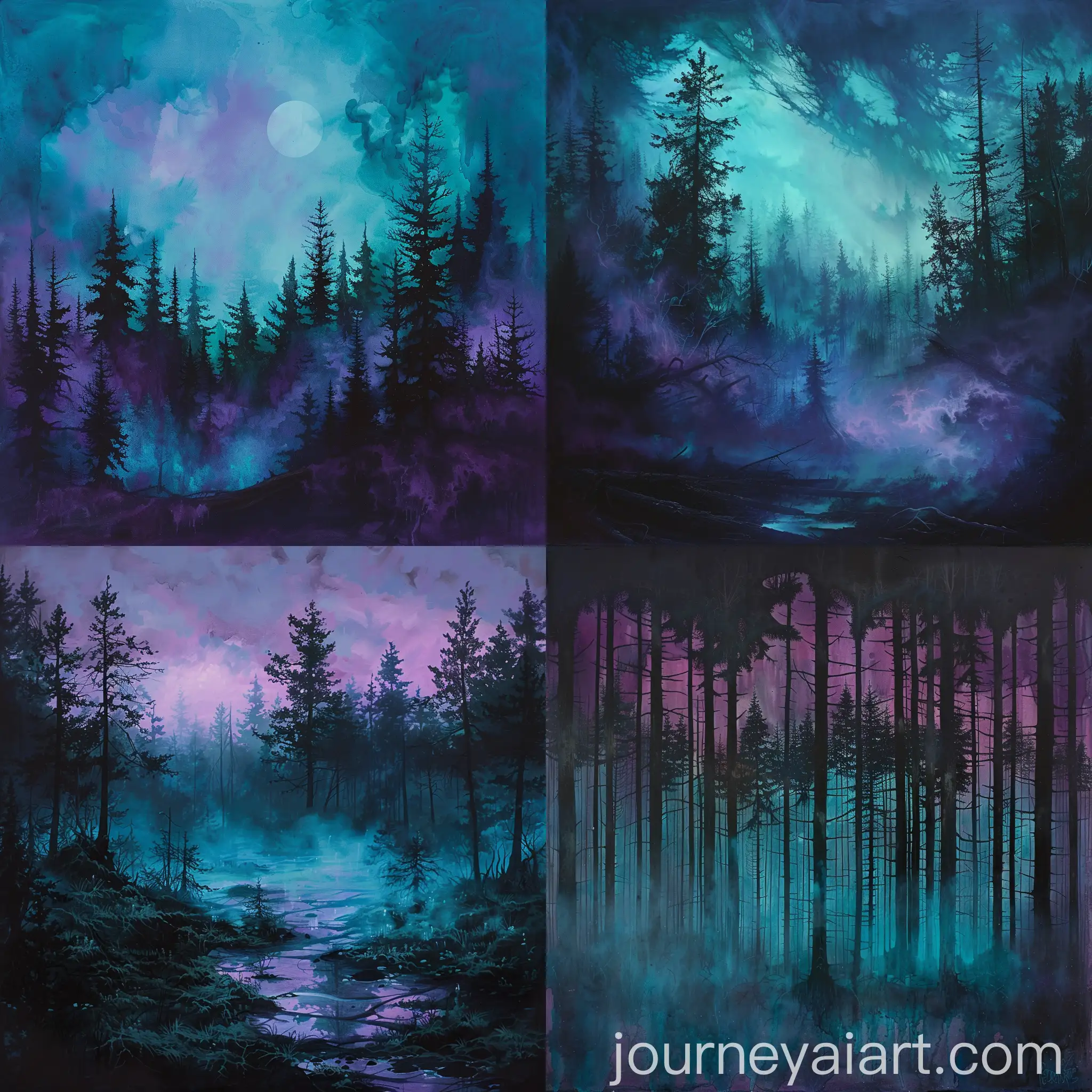

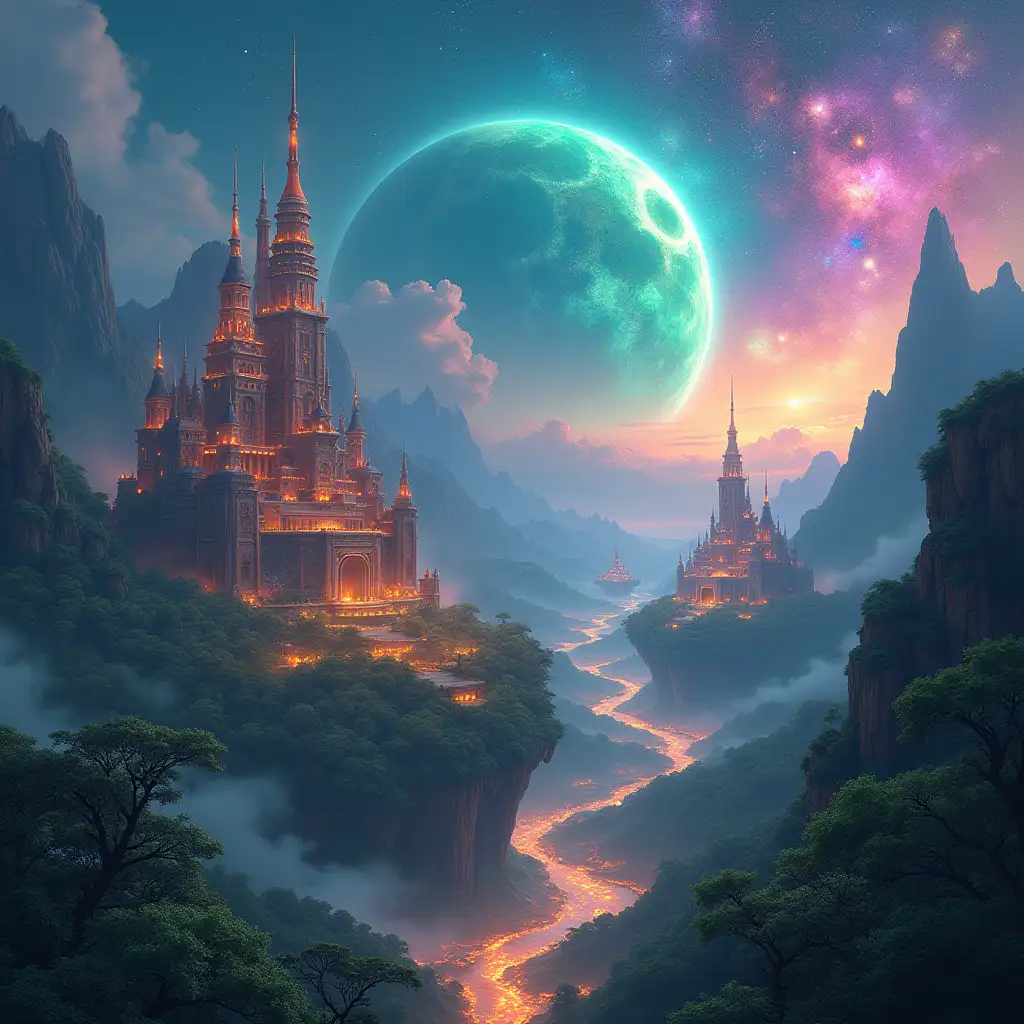
Teal is a medium blue-green color that combines the calming properties of blue with the renewal qualities of green. It's named after the Eurasian teal, a common freshwater duck known for the striking color around its eyes. In color psychology, teal is associated with restfulness, mental and spiritual balance, and clarity of thought. It's often described as sophisticated, soothing, and refreshing, making it a popular choice in various design applications. The hex code for a standard teal color is #008080, although variations can range from lighter aqua tones to deeper blue-greens.
Teal: Definition, Characteristics, and Color Psychology
Teal has gained significant popularity in design and digital art due to its versatility and visual appeal. In interior design, teal is often used as an accent color to add depth and interest to neutral spaces. In graphic design, it's frequently employed in logos and branding to convey trust, professionalism, and creativity. Web designers often use teal for call-to-action buttons or highlighted text, as it stands out without being overly aggressive. In digital illustrations and AI-generated art, teal can create serene underwater scenes, futuristic cityscapes, or abstract compositions that evoke a sense of calm and balance. Its ability to work well with both warm and cool color palettes makes it a valuable tool in an artist's digital color arsenal.
Applications of Teal in Design and Digital Art
When creating teal-themed AI-generated images, consider the following techniques: 1) Use specific color descriptors in your prompts, such as 'turquoise', 'aquamarine', or 'peacock blue' to achieve various teal shades. 2) Combine teal with complementary colors like coral or peach for striking contrasts, or analogous colors like blue and green for harmonious compositions. 3) Experiment with lighting effects - teal can create interesting atmospheres in both bright, sunlit scenes and moody, low-light environments. 4) Incorporate teal into various elements like water, sky, foliage, or futuristic technology for diverse applications. 5) Use teal as a background color or as a key element in the foreground to create depth and focus. Remember to iterate on your prompts, adjusting the intensity and application of teal to achieve your desired aesthetic.
Creating Teal-Themed AI-Generated Images: Tips and Techniques
As AI-generated art continues to evolve, we can expect to see innovative applications of teal in digital creations. One emerging trend is the use of teal in generative art that responds to data inputs, creating dynamic visualizations that shift between various teal shades. Another exciting development is the integration of teal in AI-driven virtual reality environments, where its calming properties can enhance user experience in immersive settings. We may also see AI algorithms that can generate entire color palettes based on teal, helping designers create cohesive visual identities more efficiently. As AI becomes more sophisticated in understanding color theory and emotional responses to color, we can anticipate more nuanced and contextually appropriate uses of teal in various digital art forms, from interactive installations to personalized digital content.
Future Trends: Teal in Emerging Digital Art and AI Innovations