44 Free Studio photo Midjourney AI images
Welcome to our Studio Photo image collection, featuring 44 free AI-generated images. Explore a diverse array of stock photos, 3D objects, vectors, and illustrations that capture the essence of professional studio photography. Enjoy high-resolution downloads and use our 'open in editor' feature to customize prompts for your perfect studio-style image.
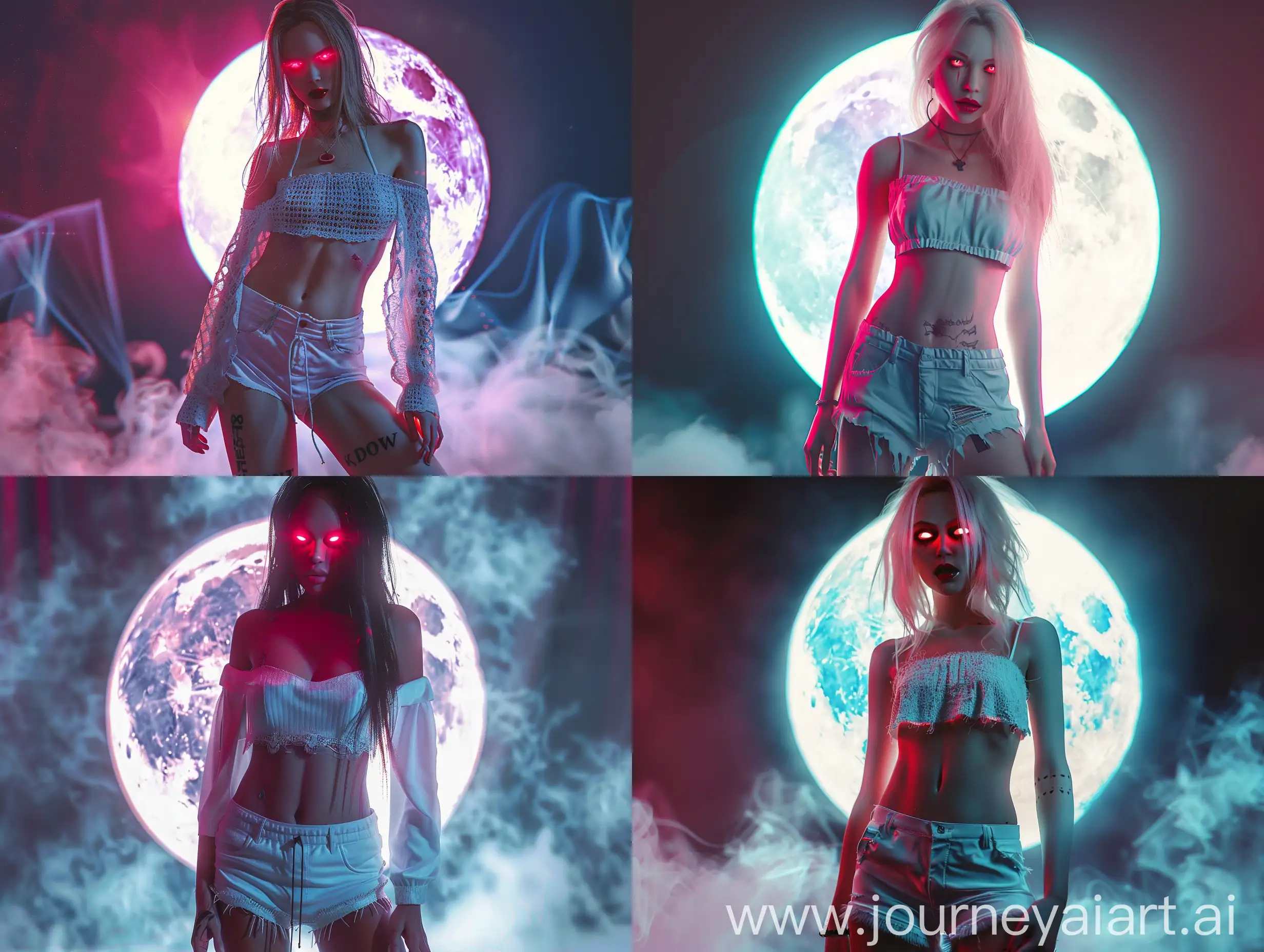
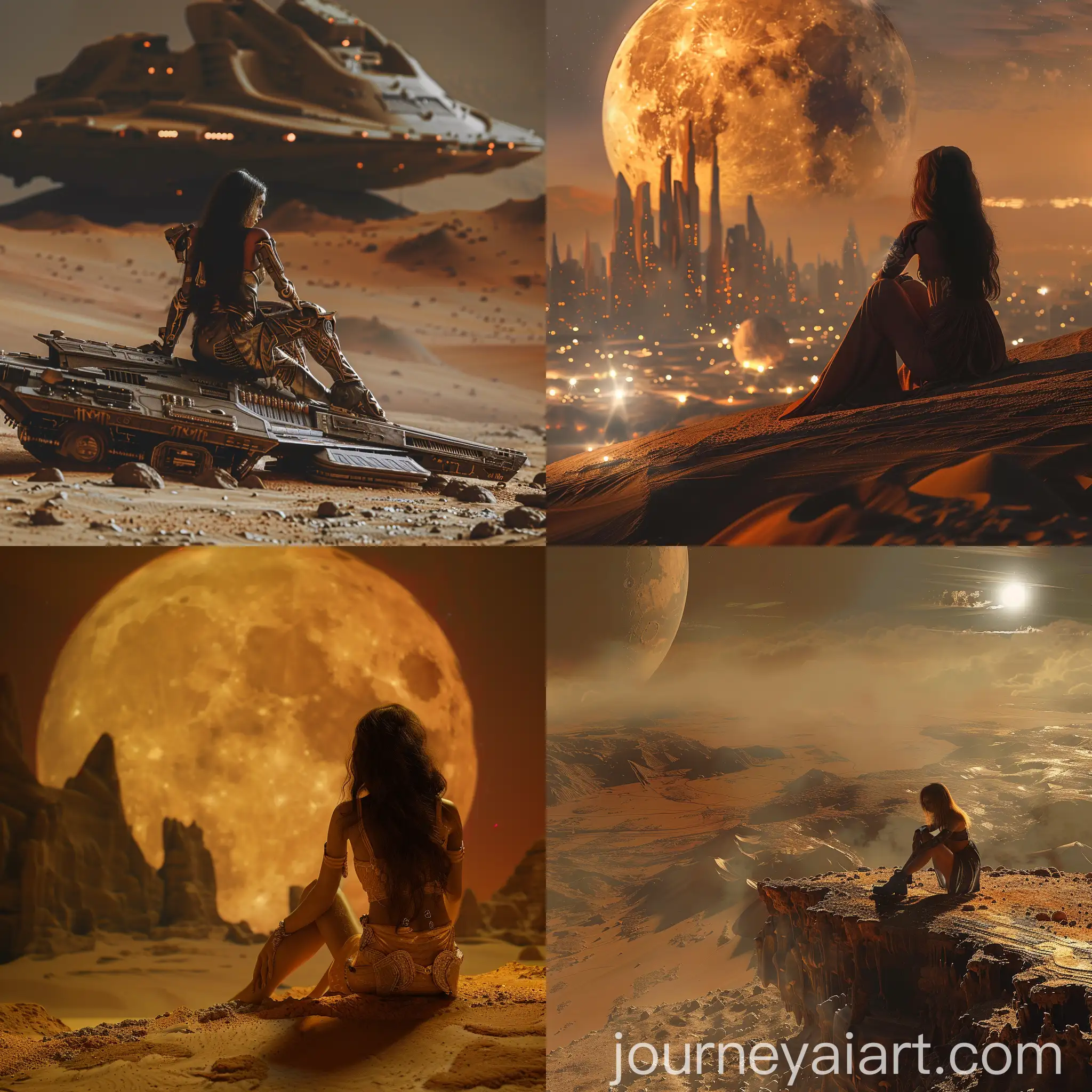
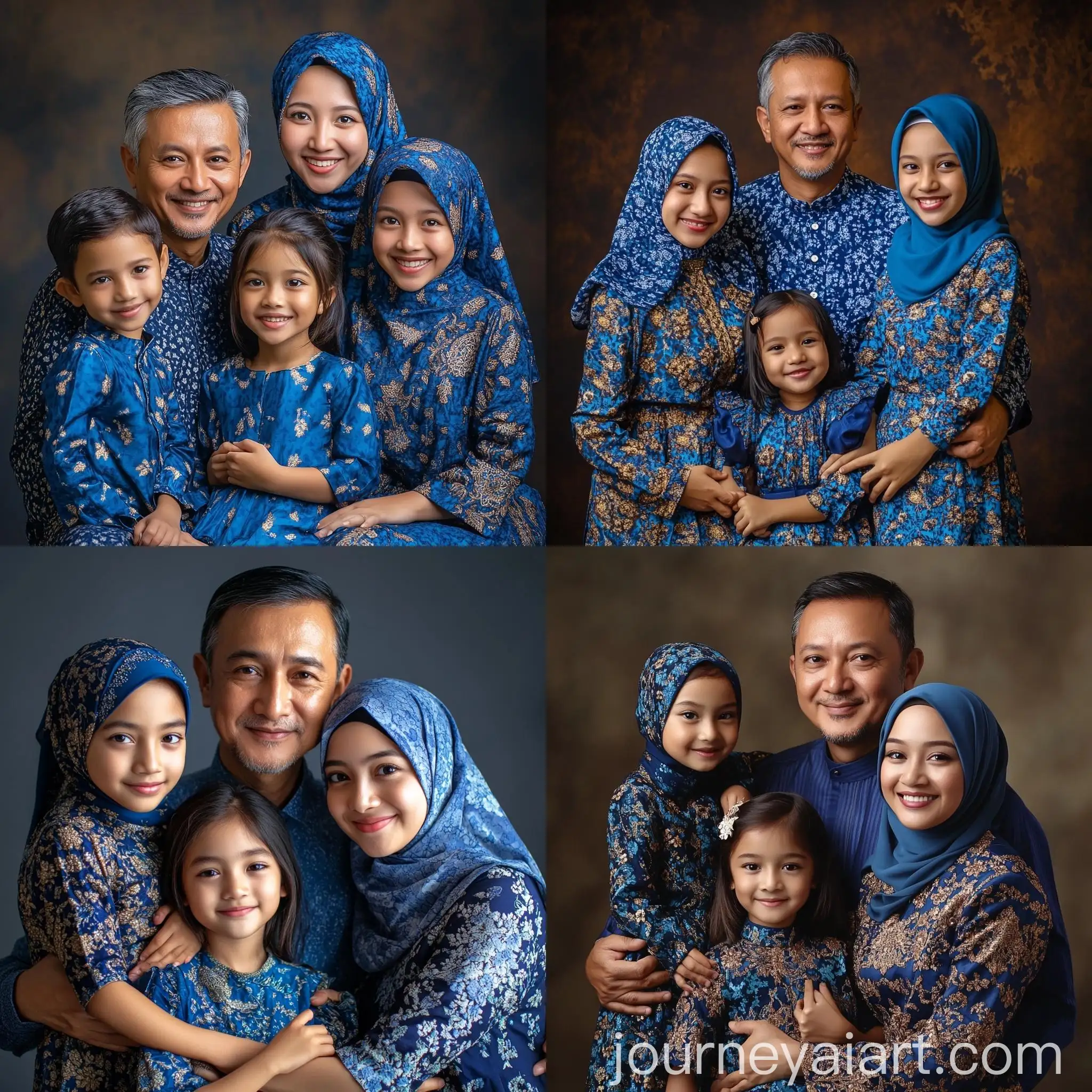
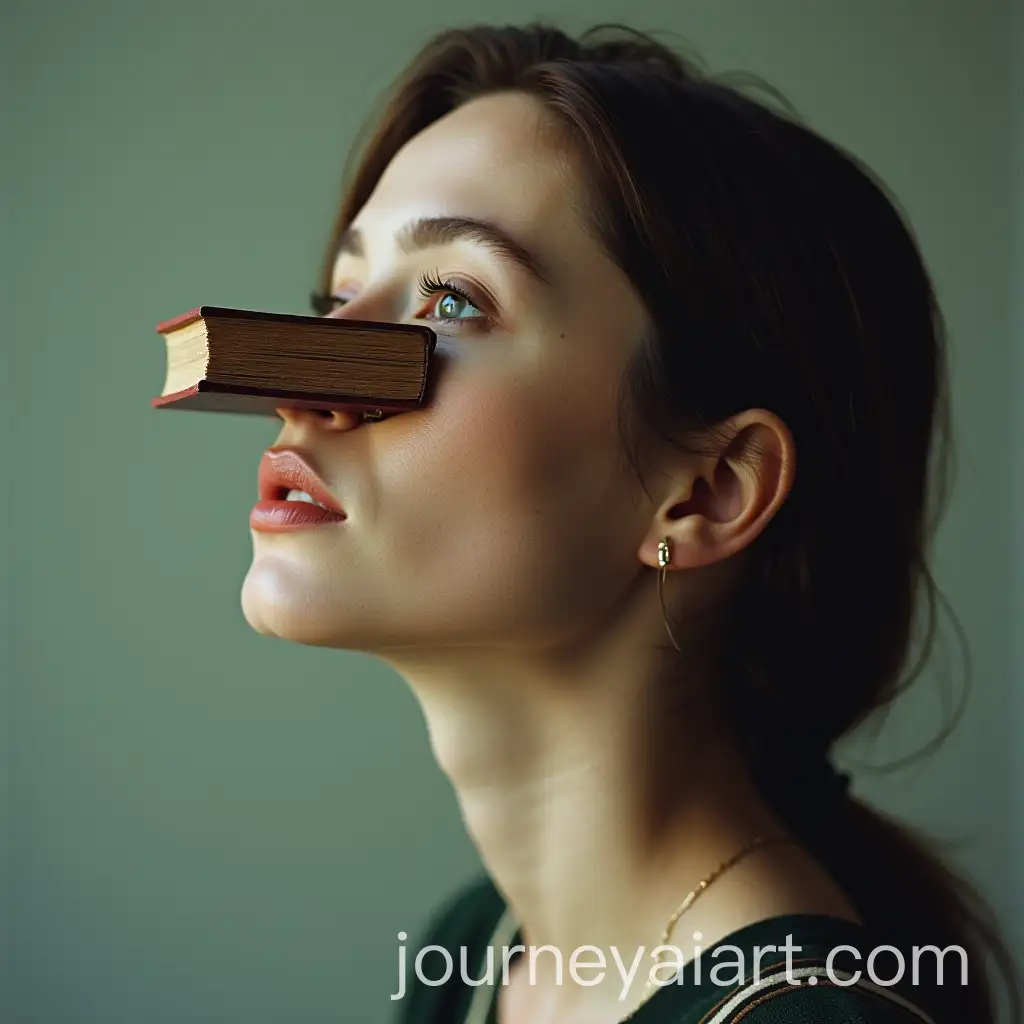
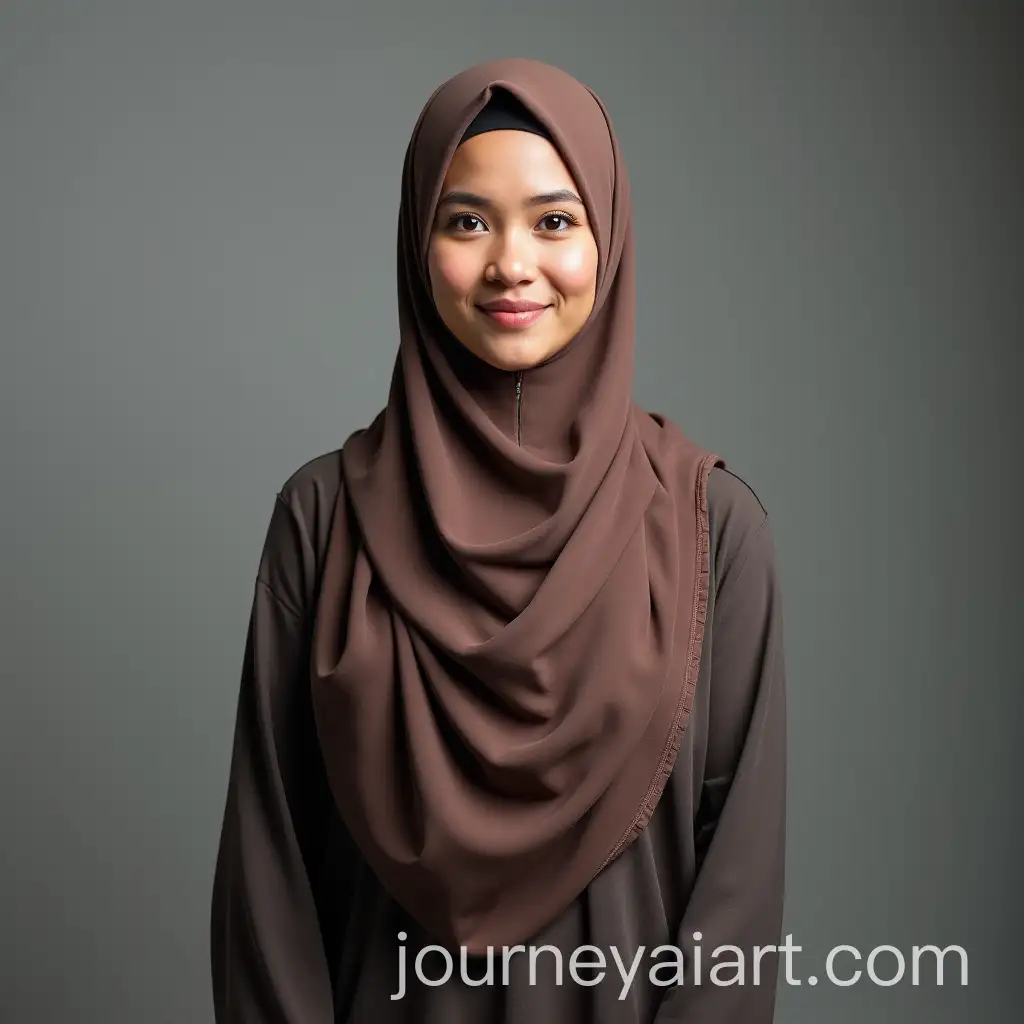
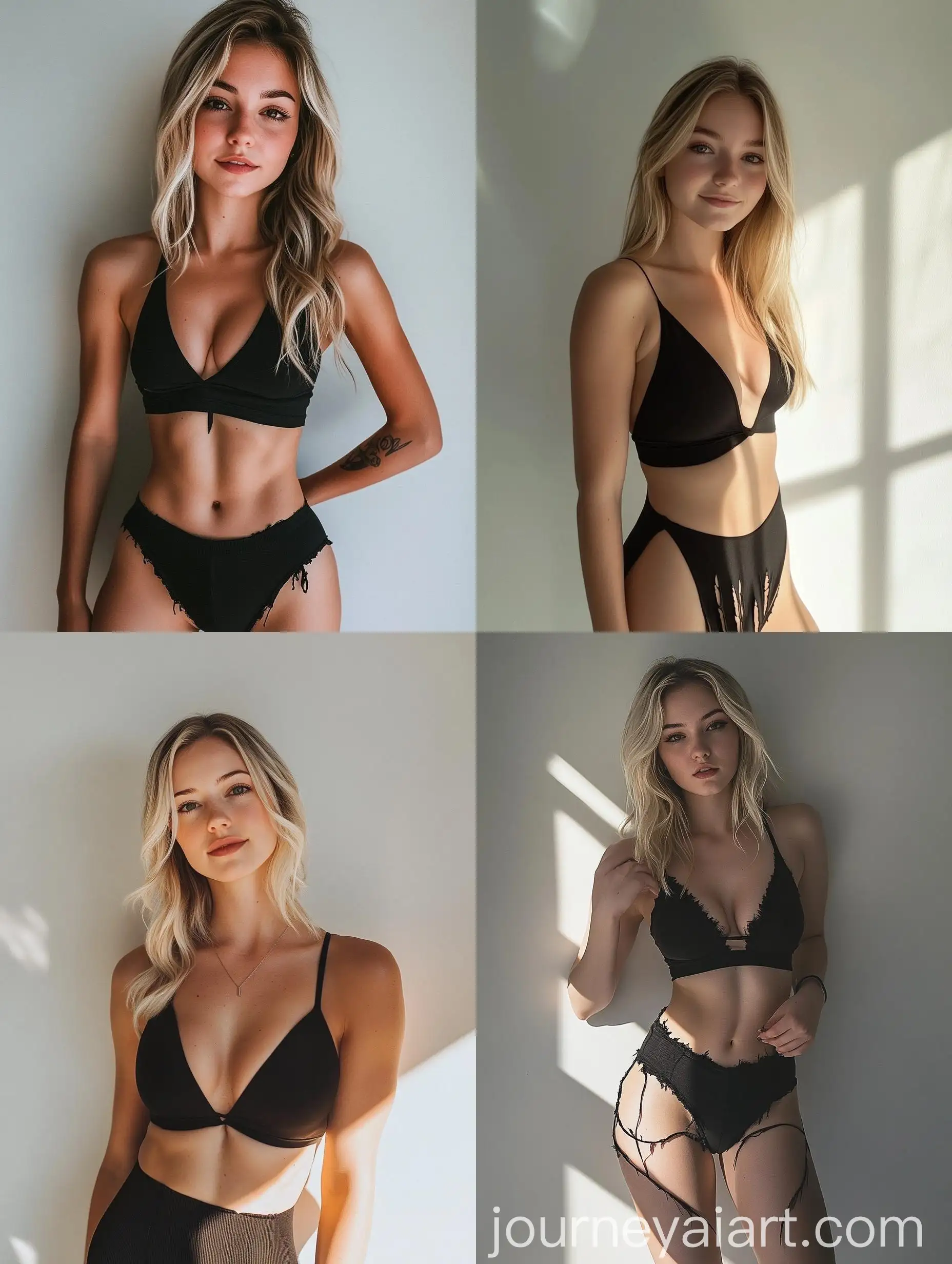
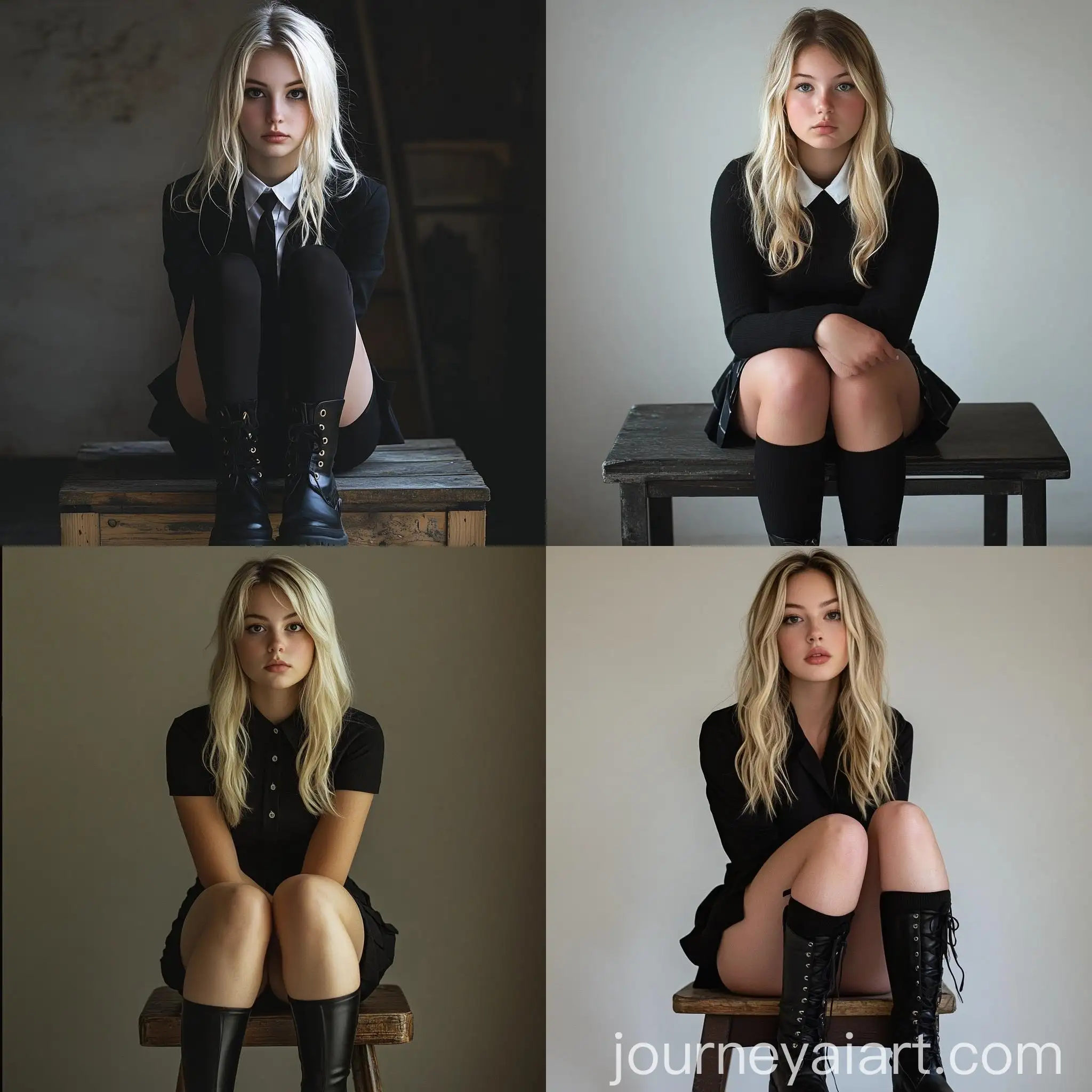
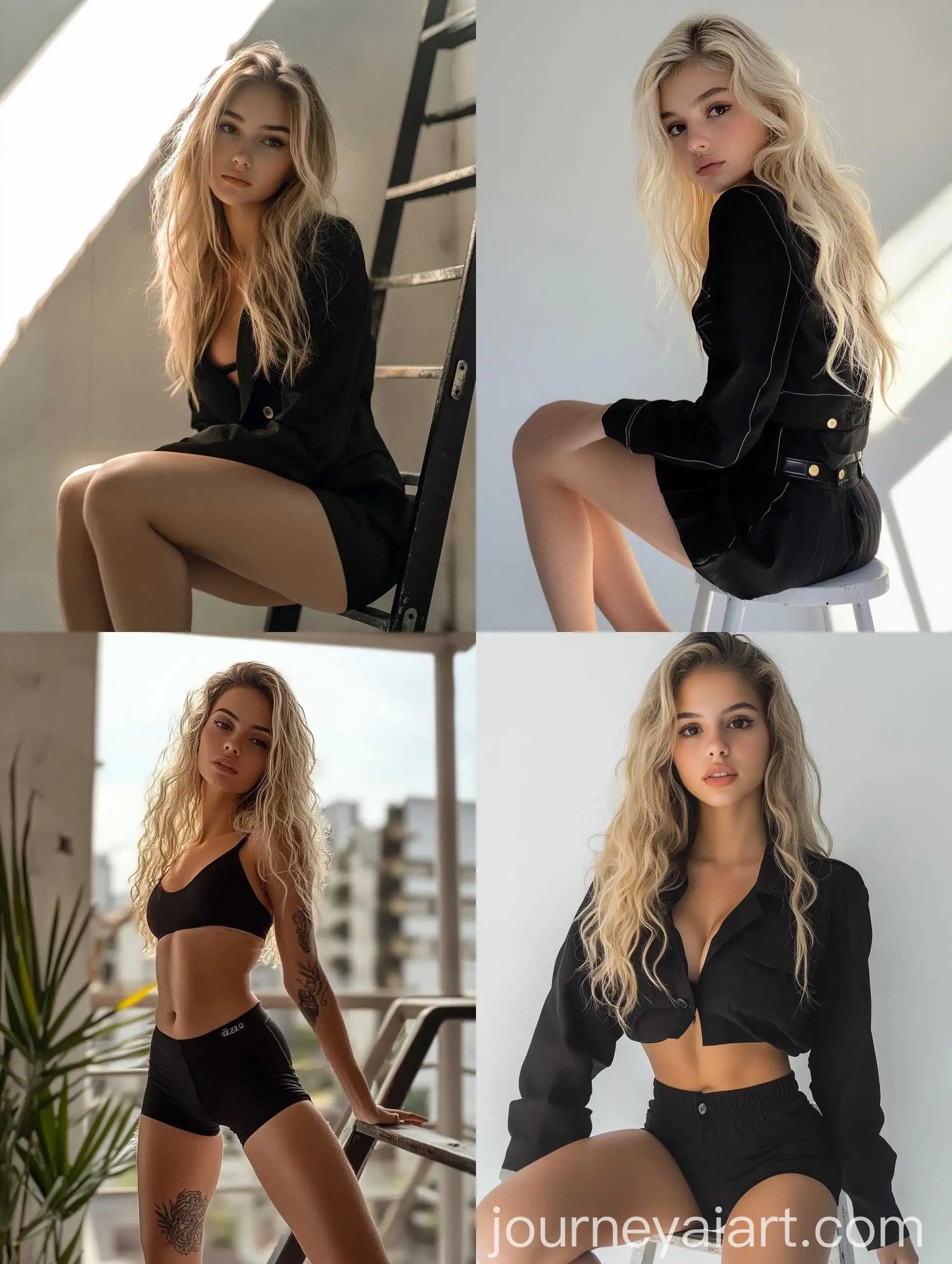
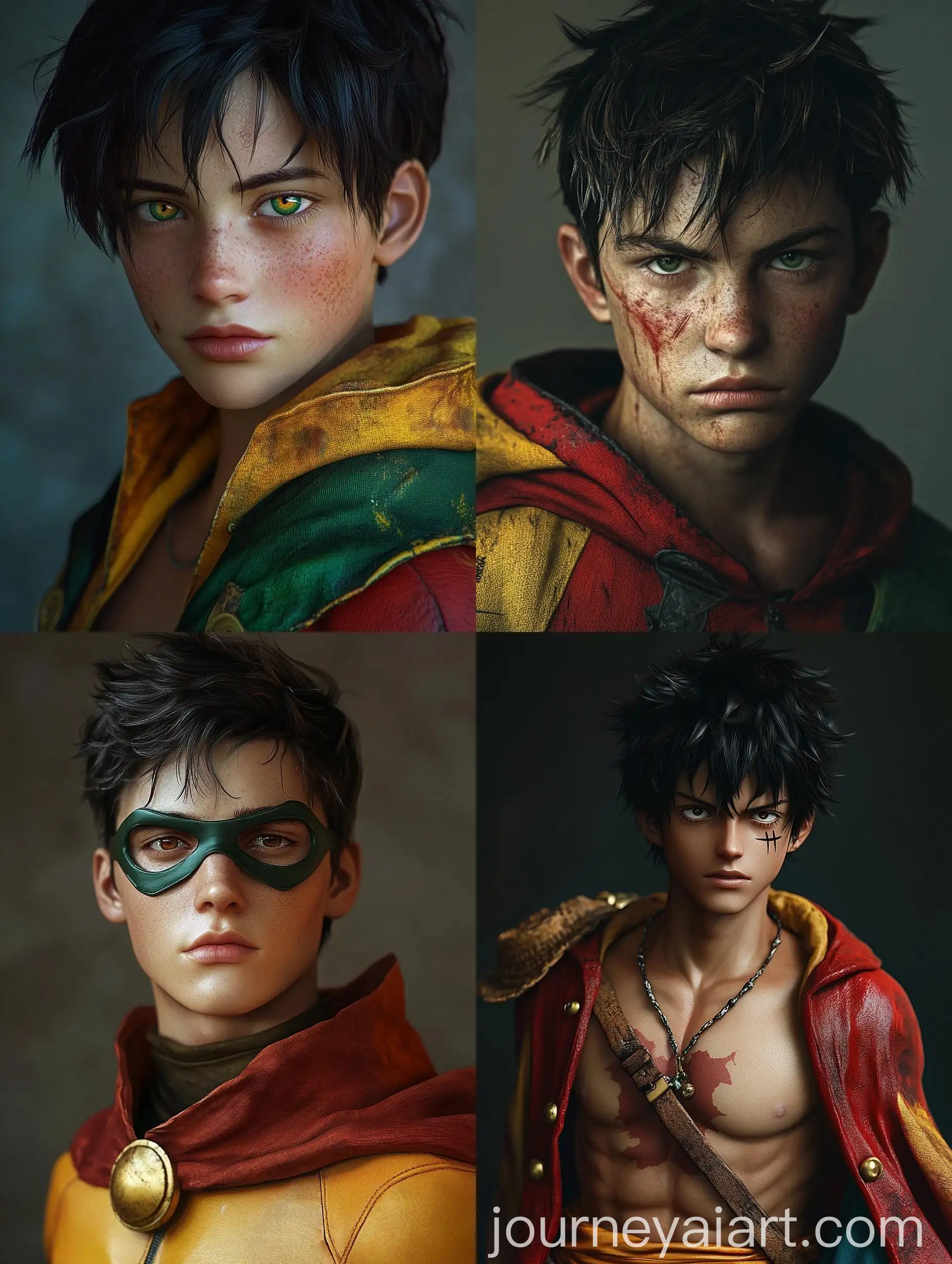

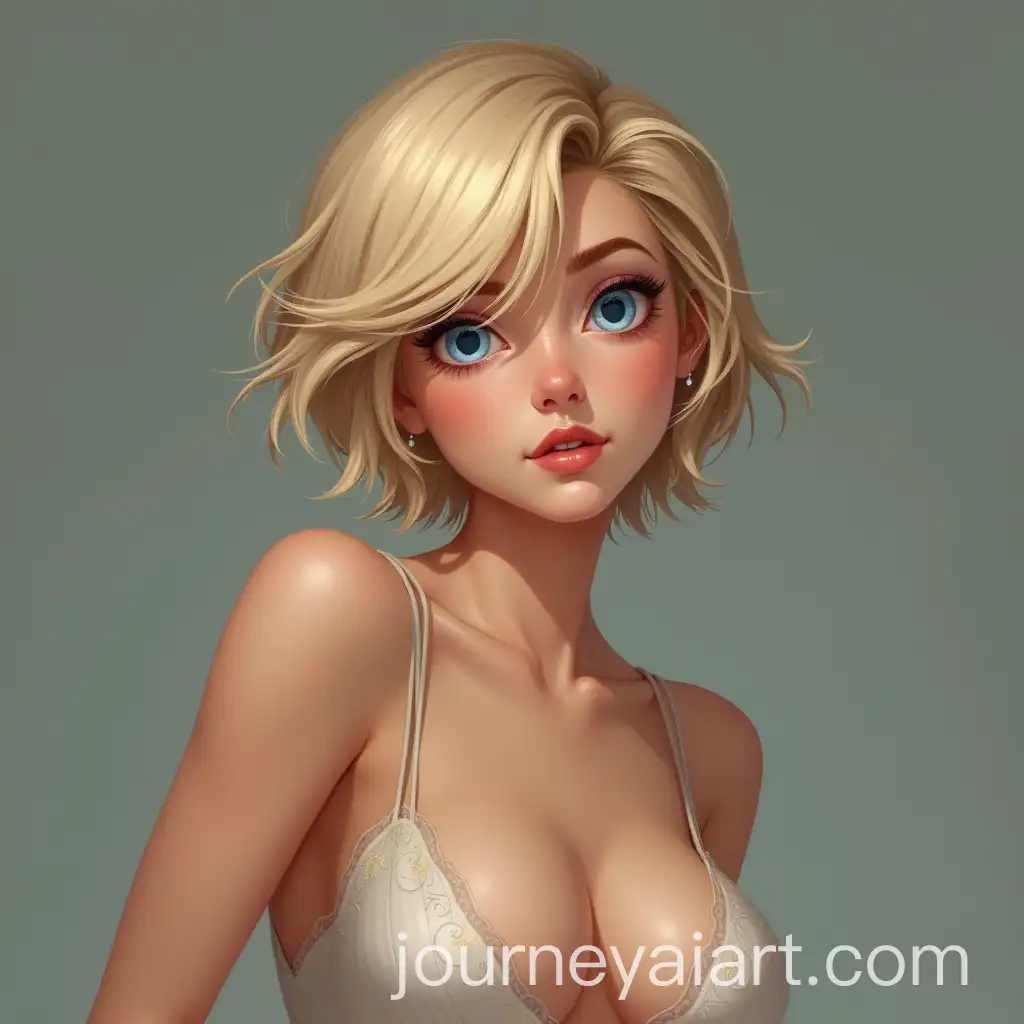
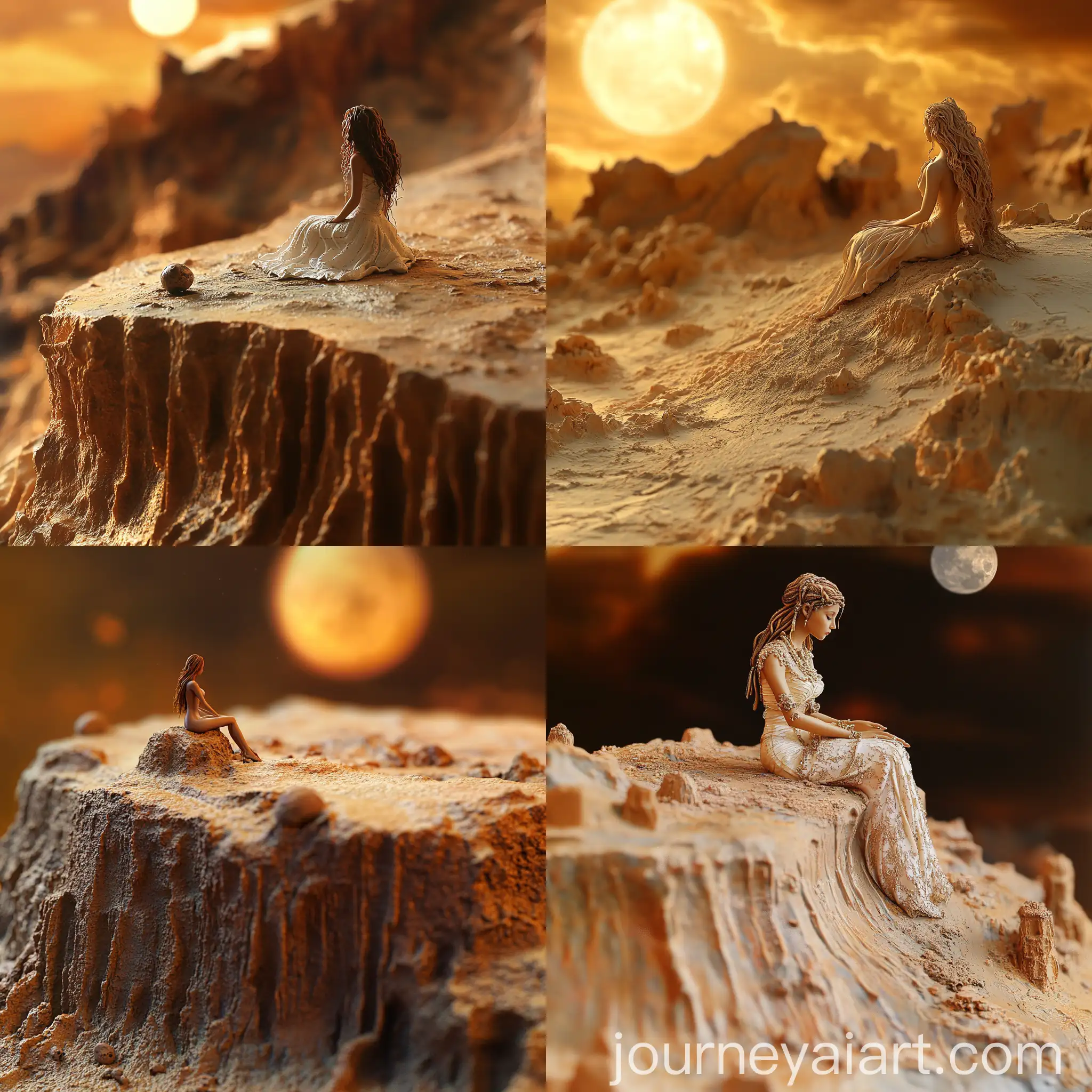
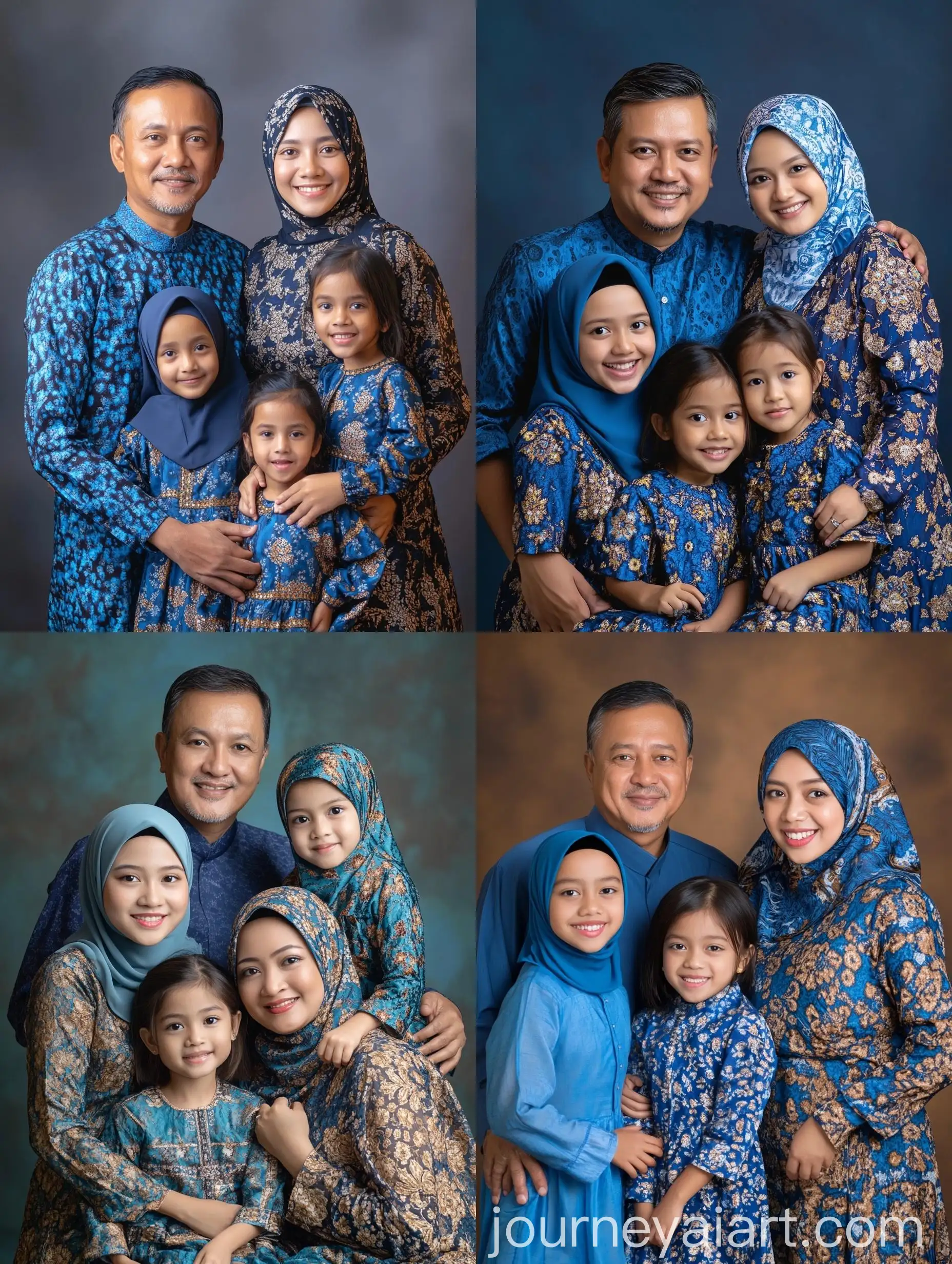

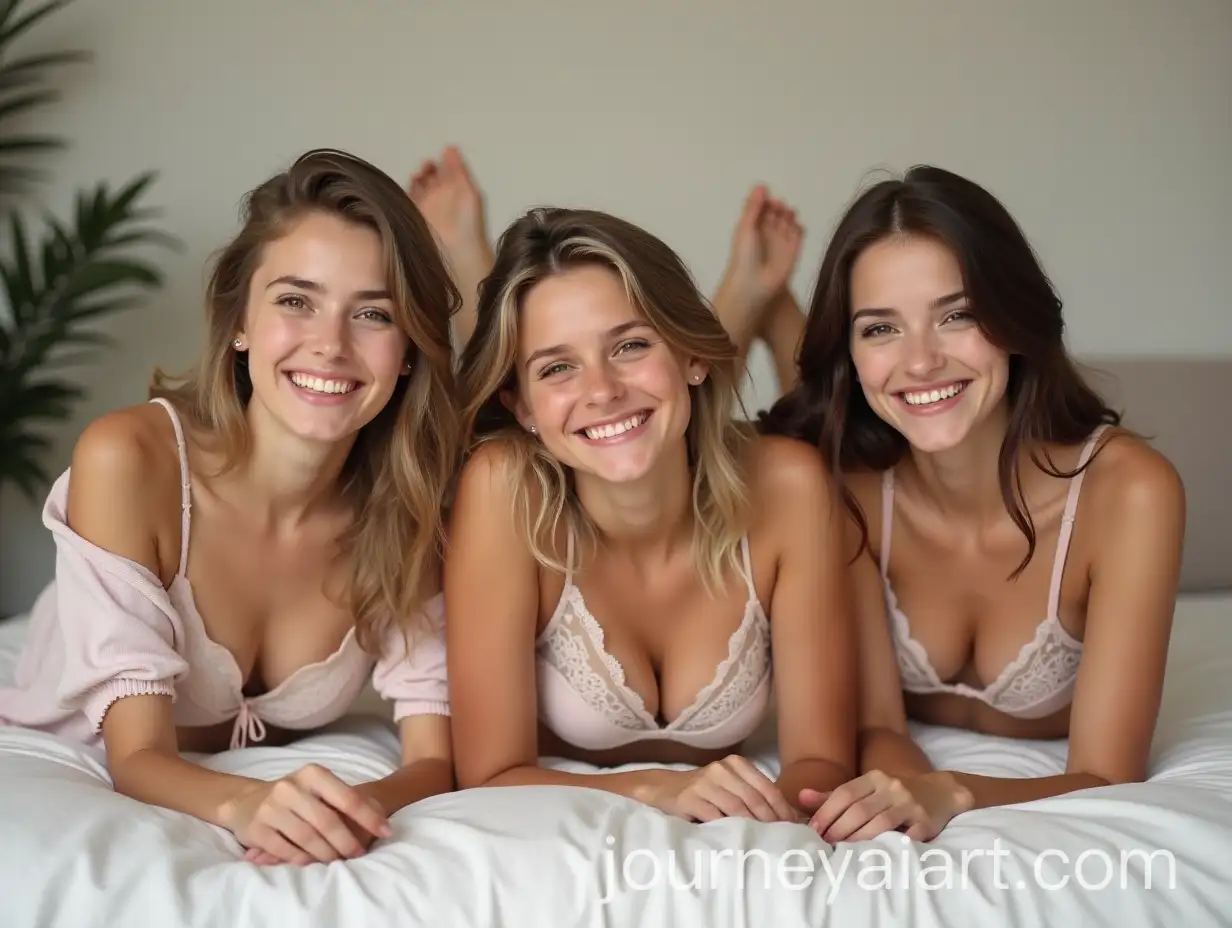
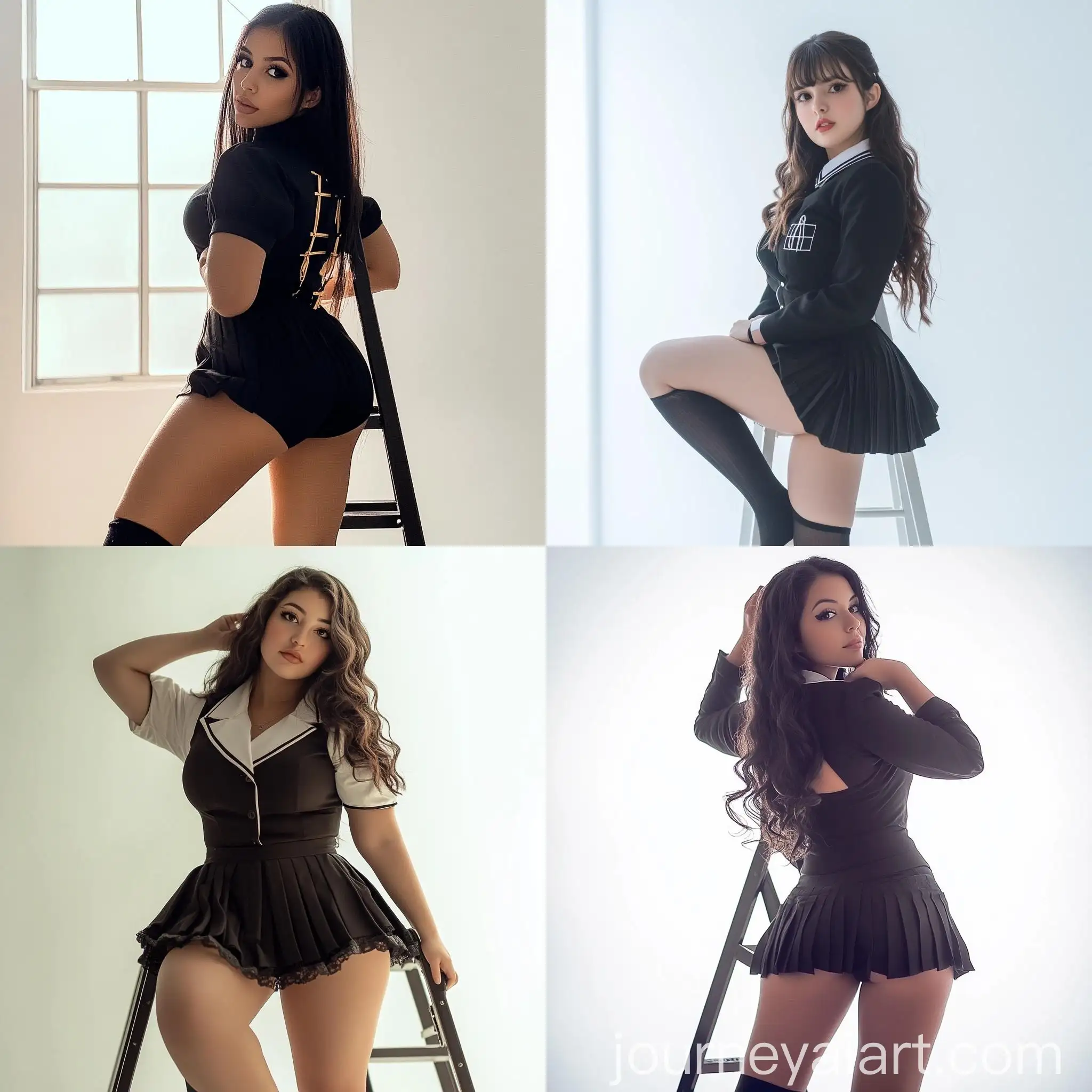
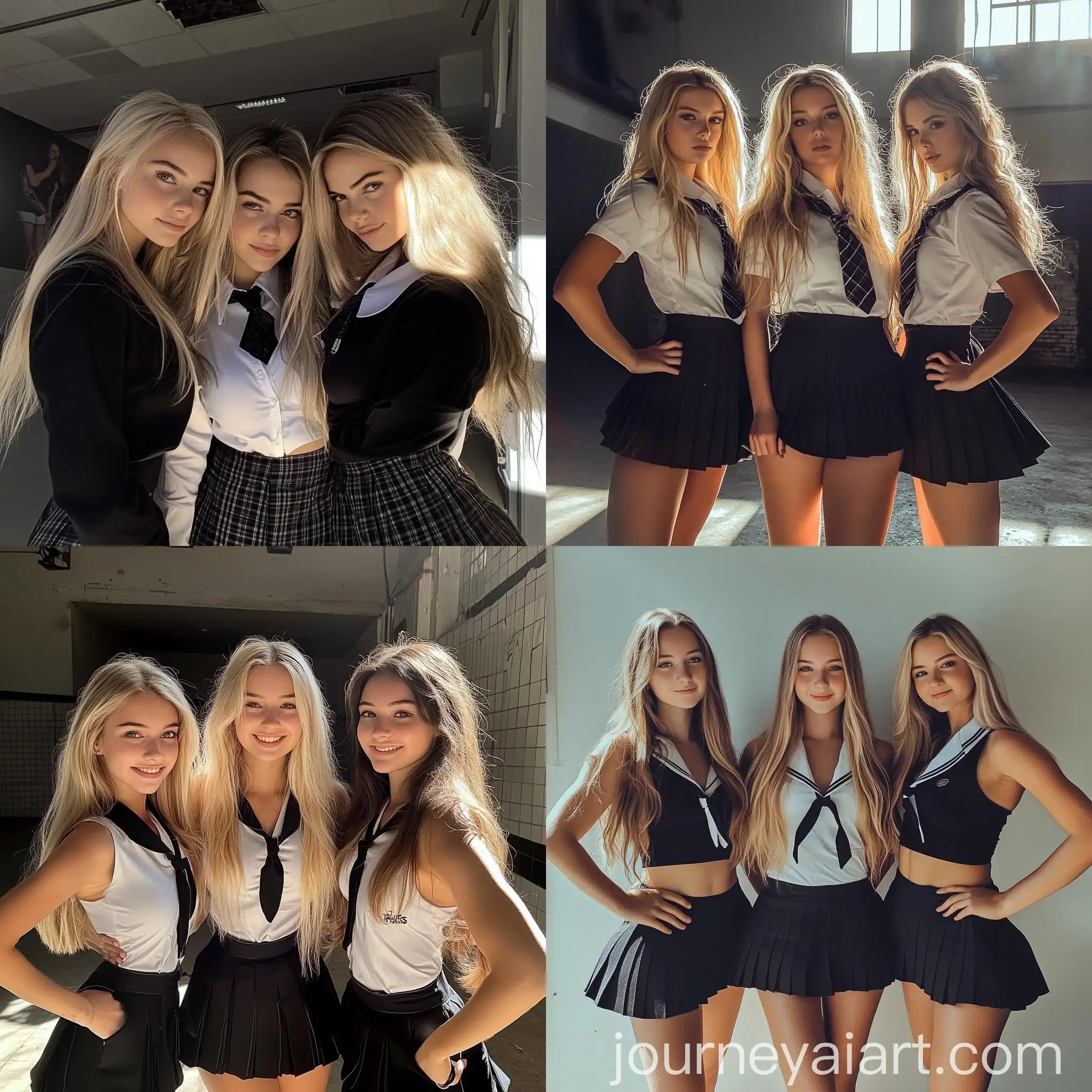
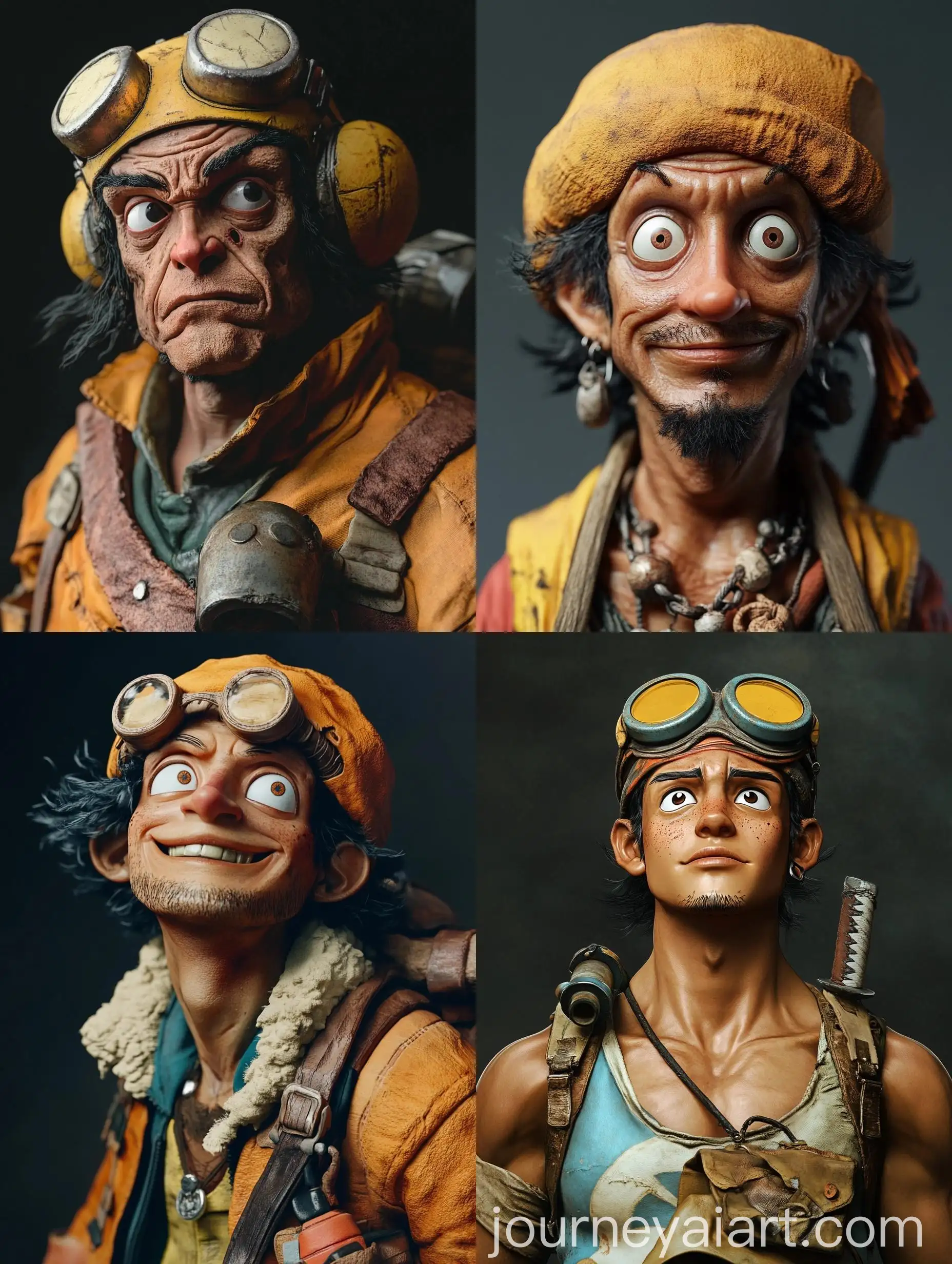
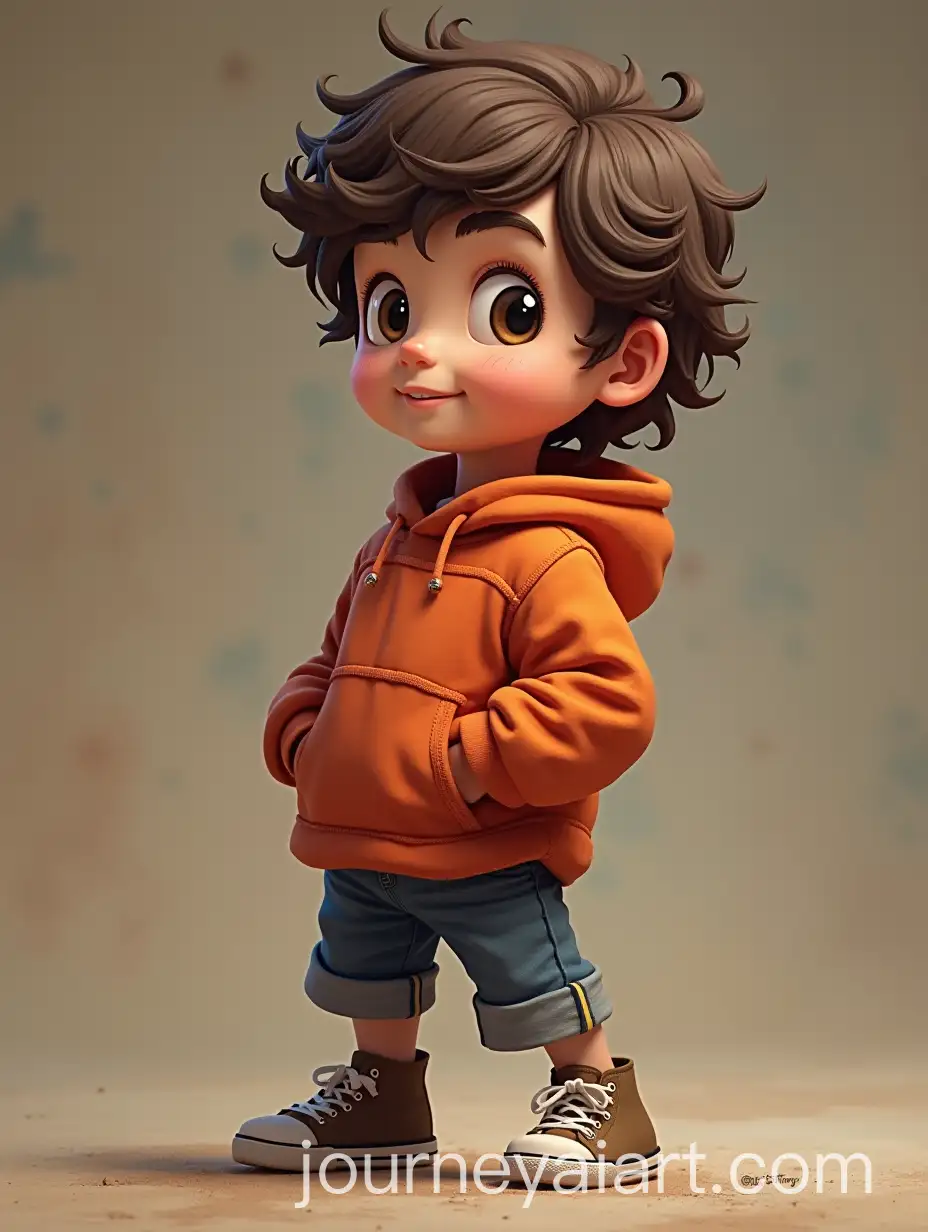
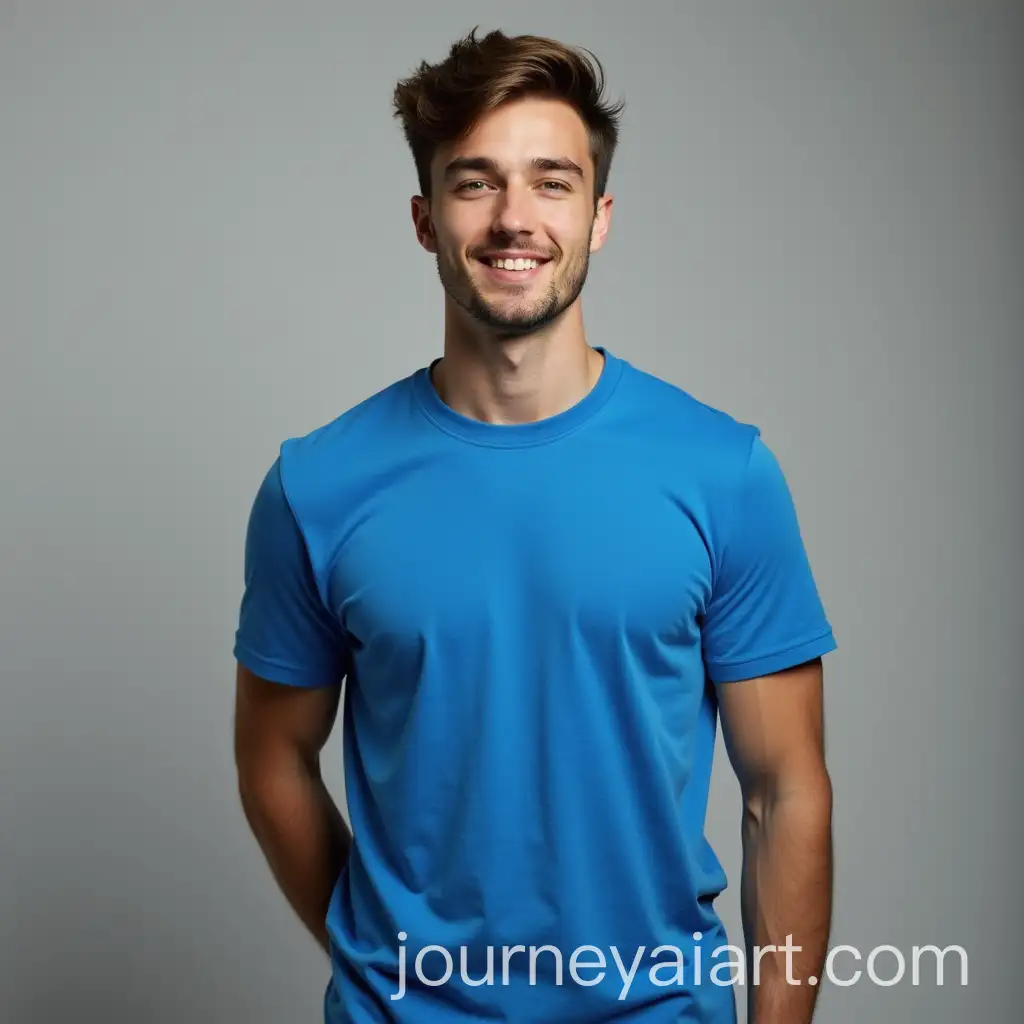
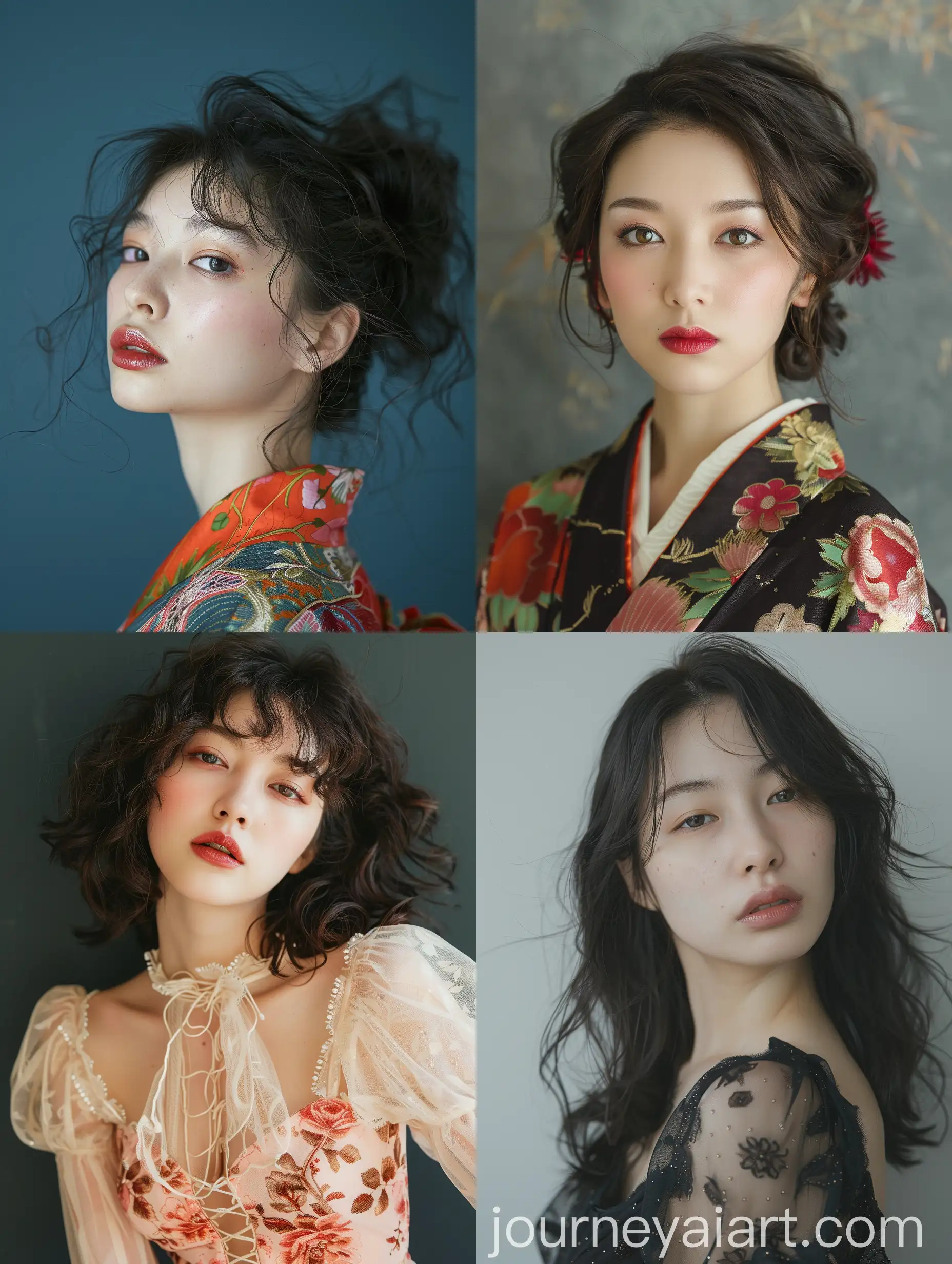
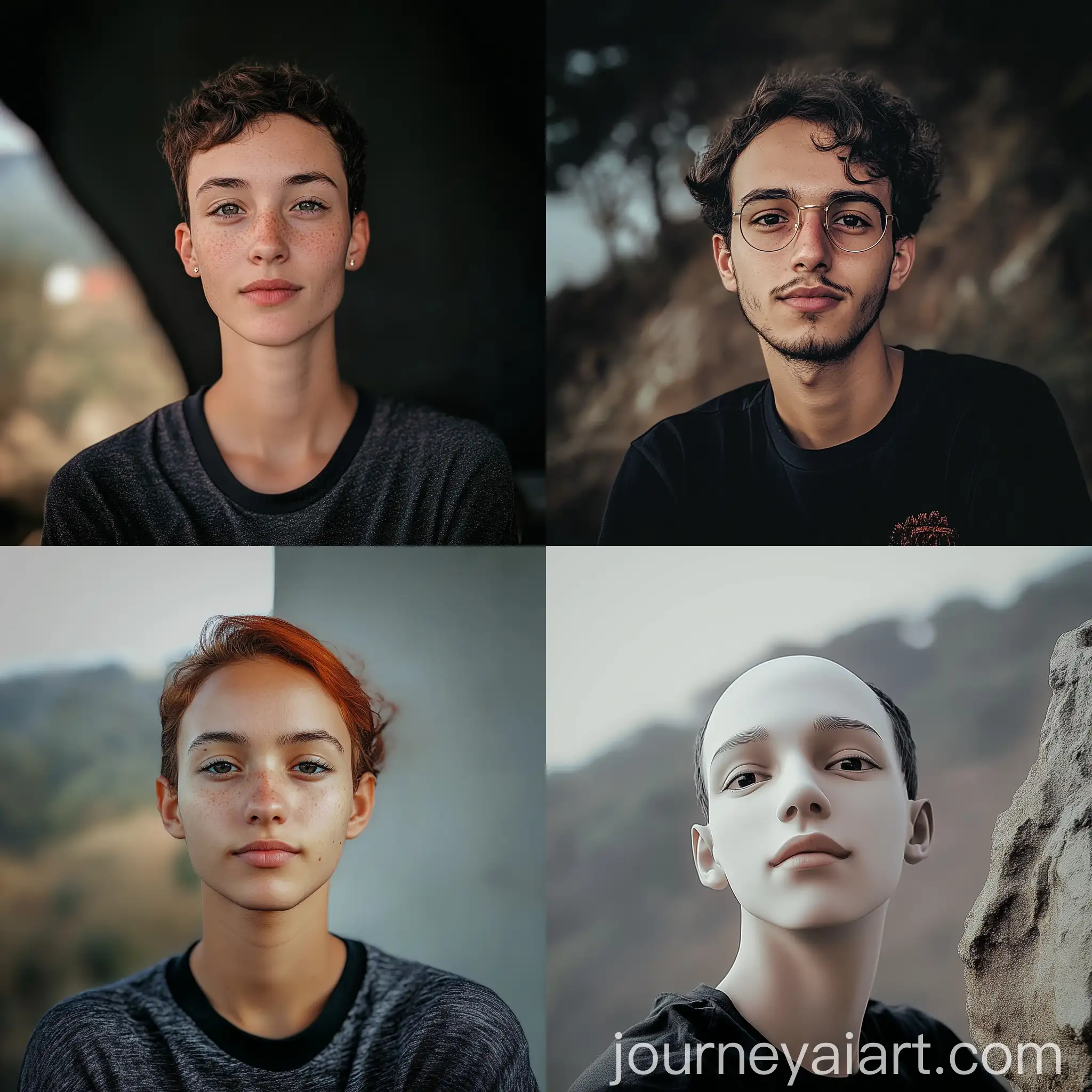
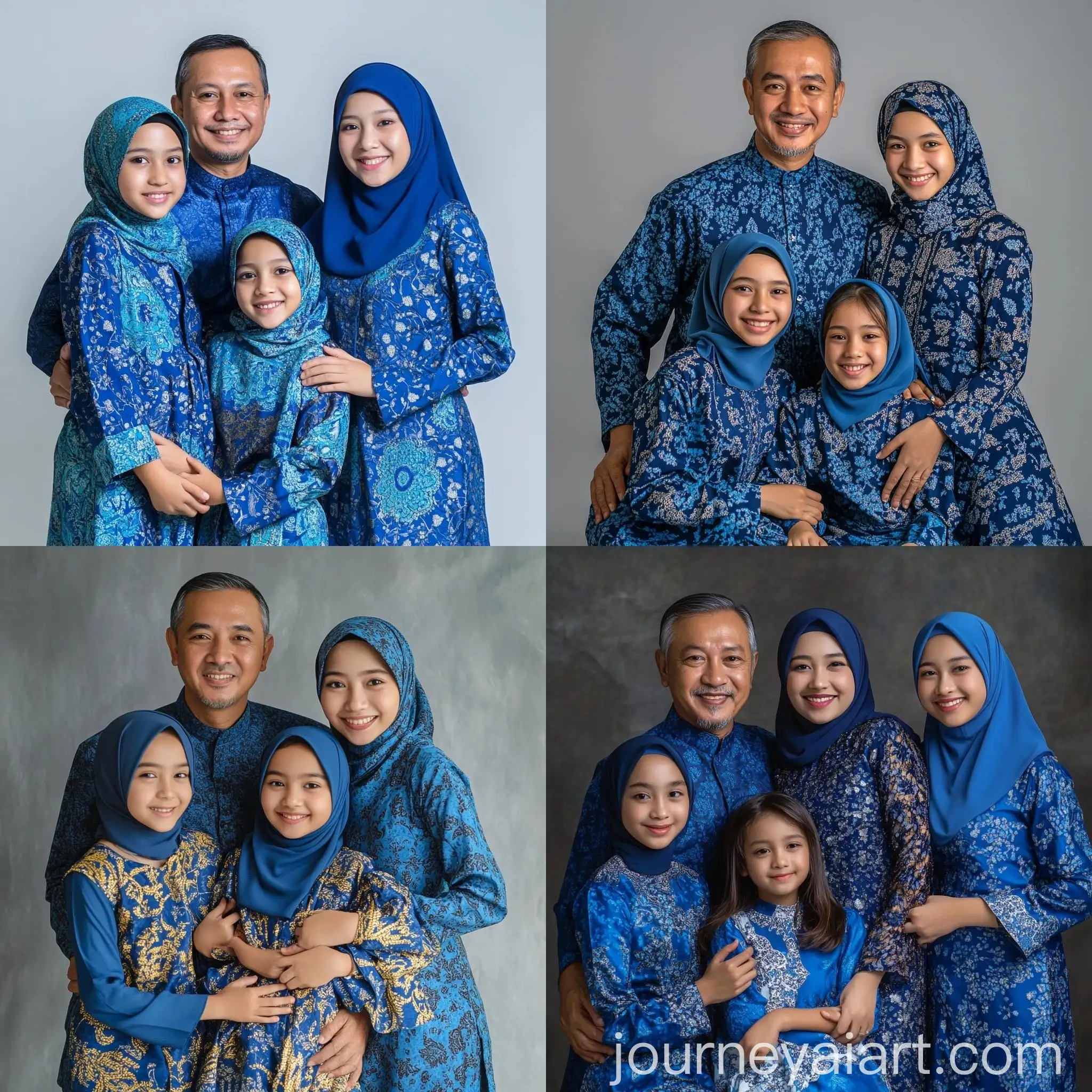
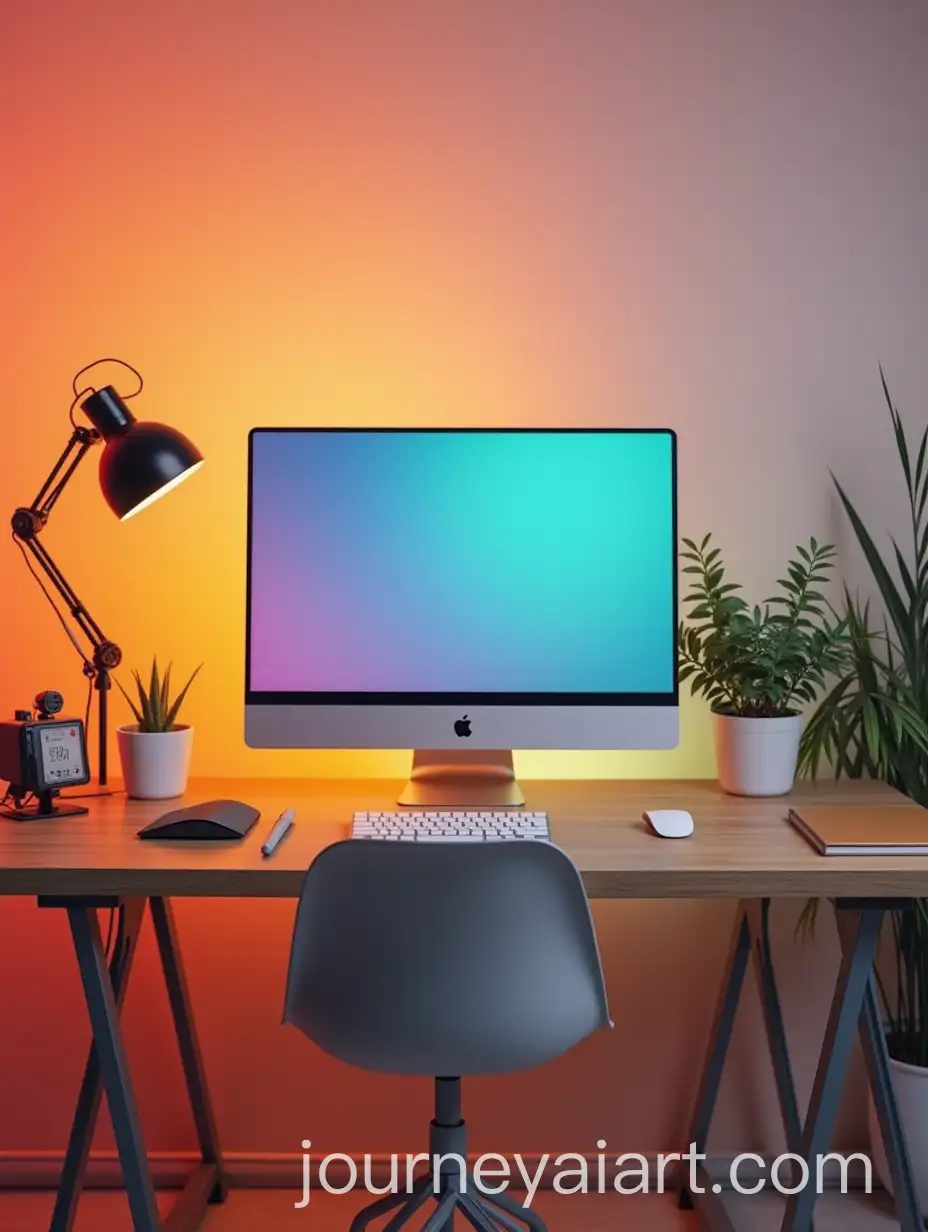
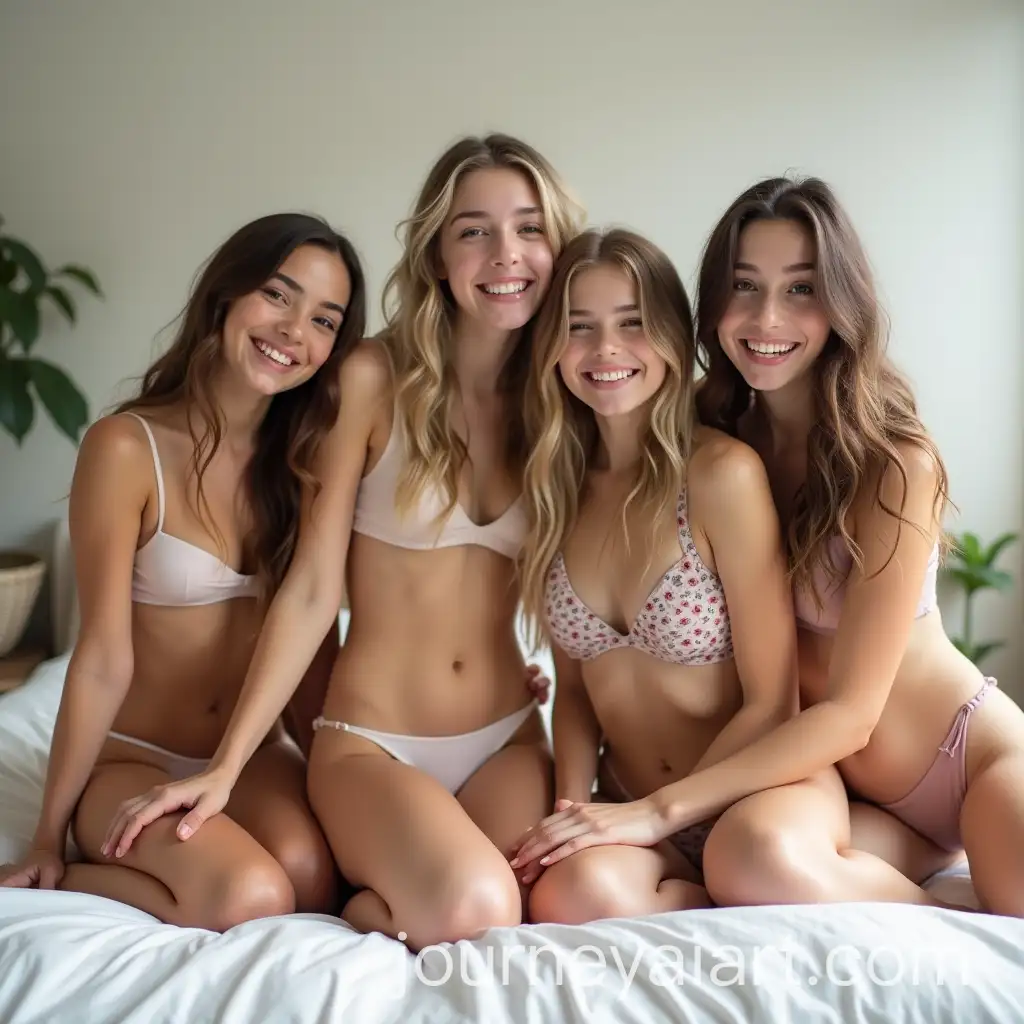
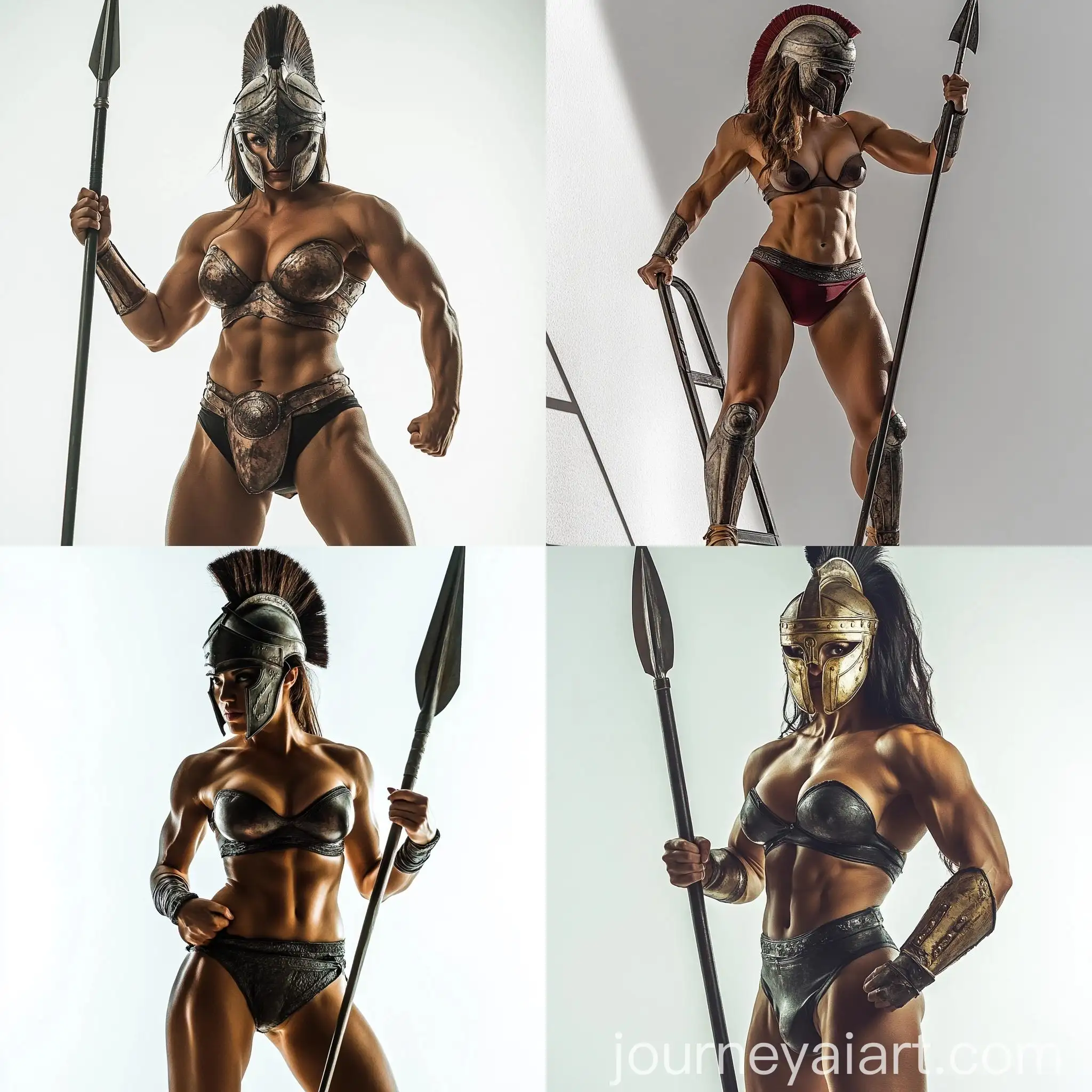
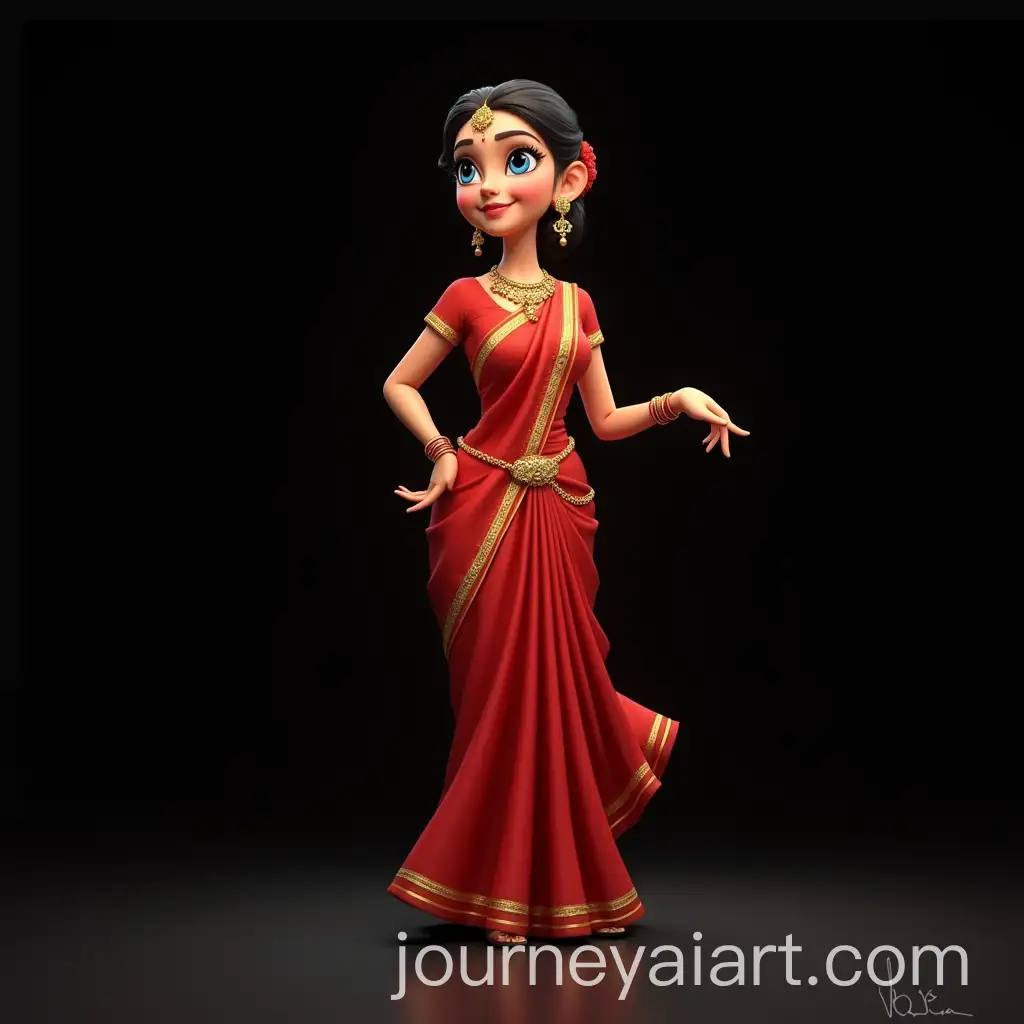
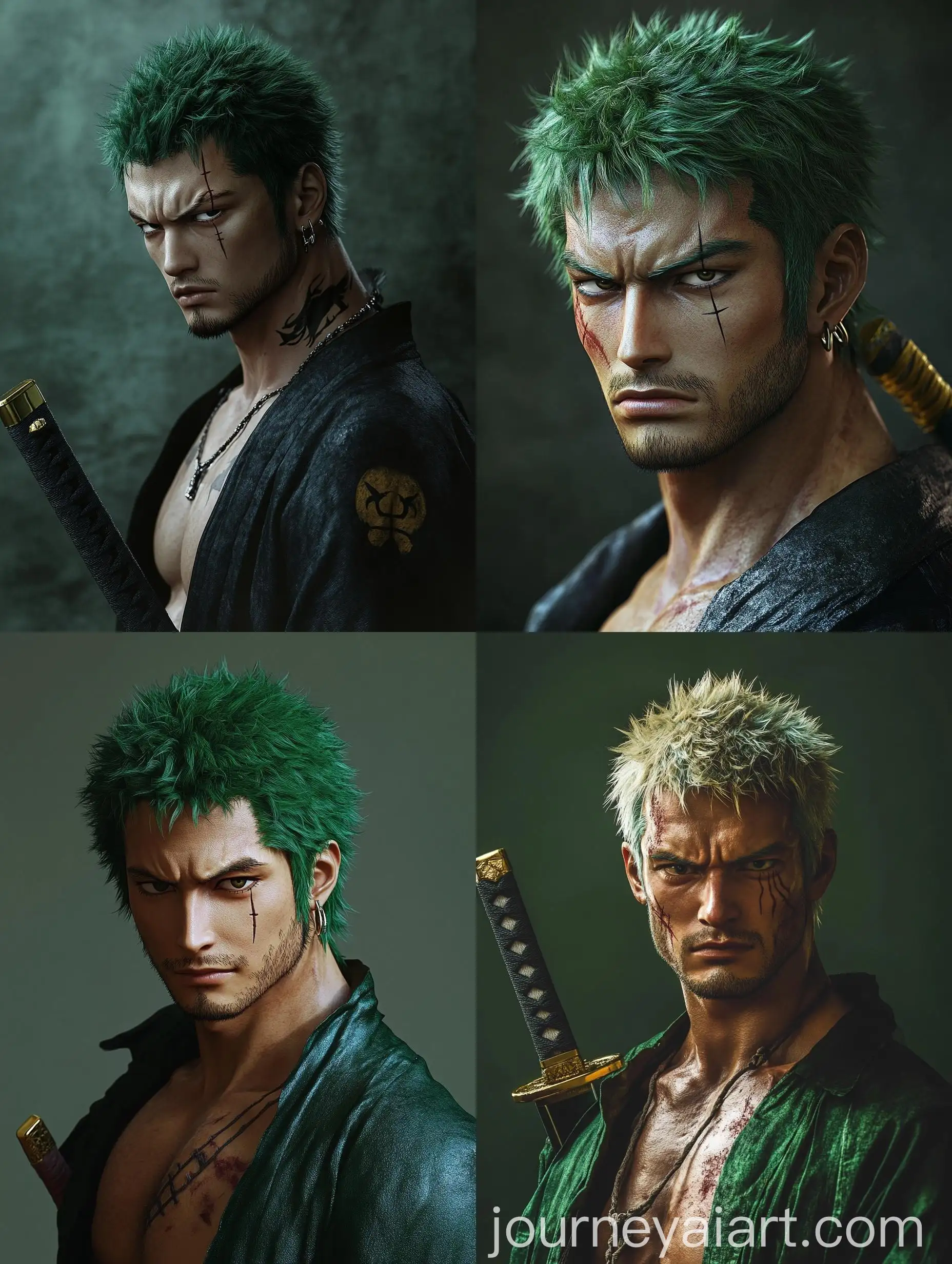

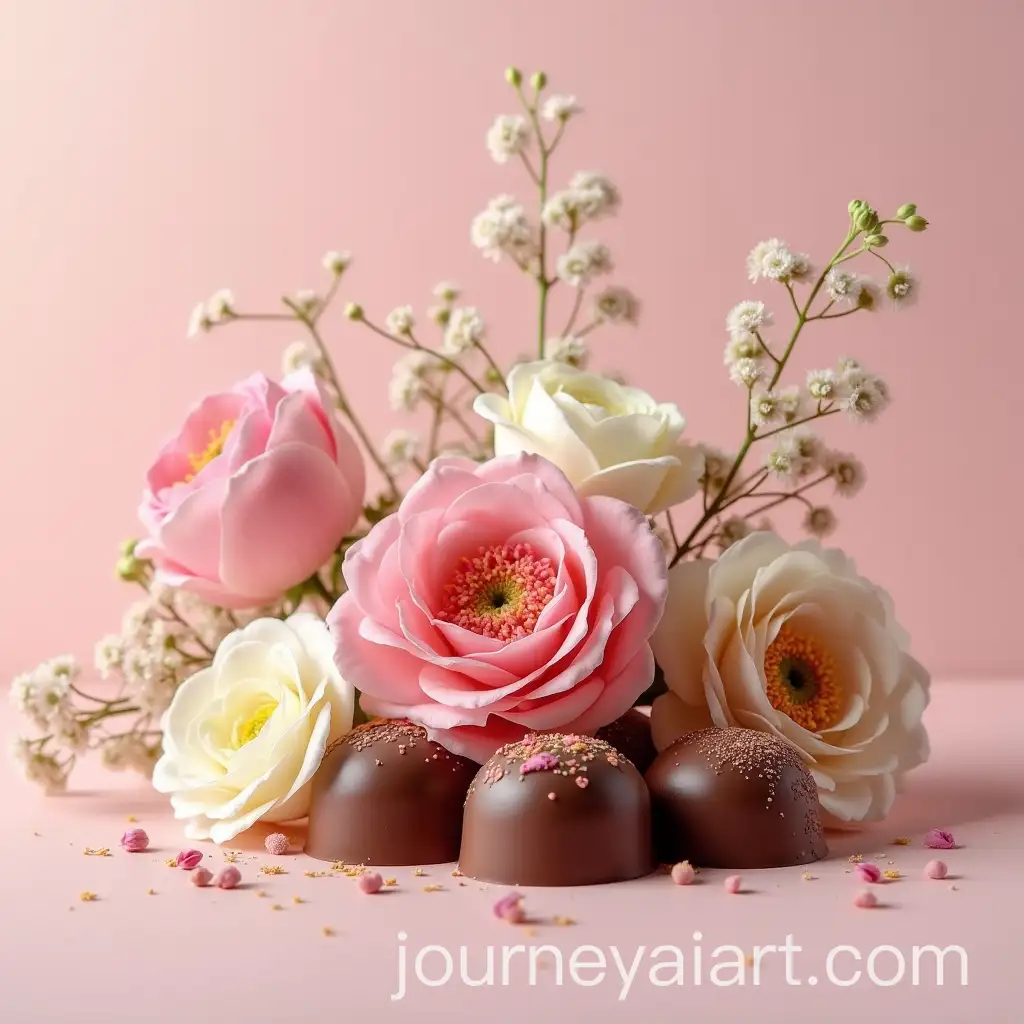
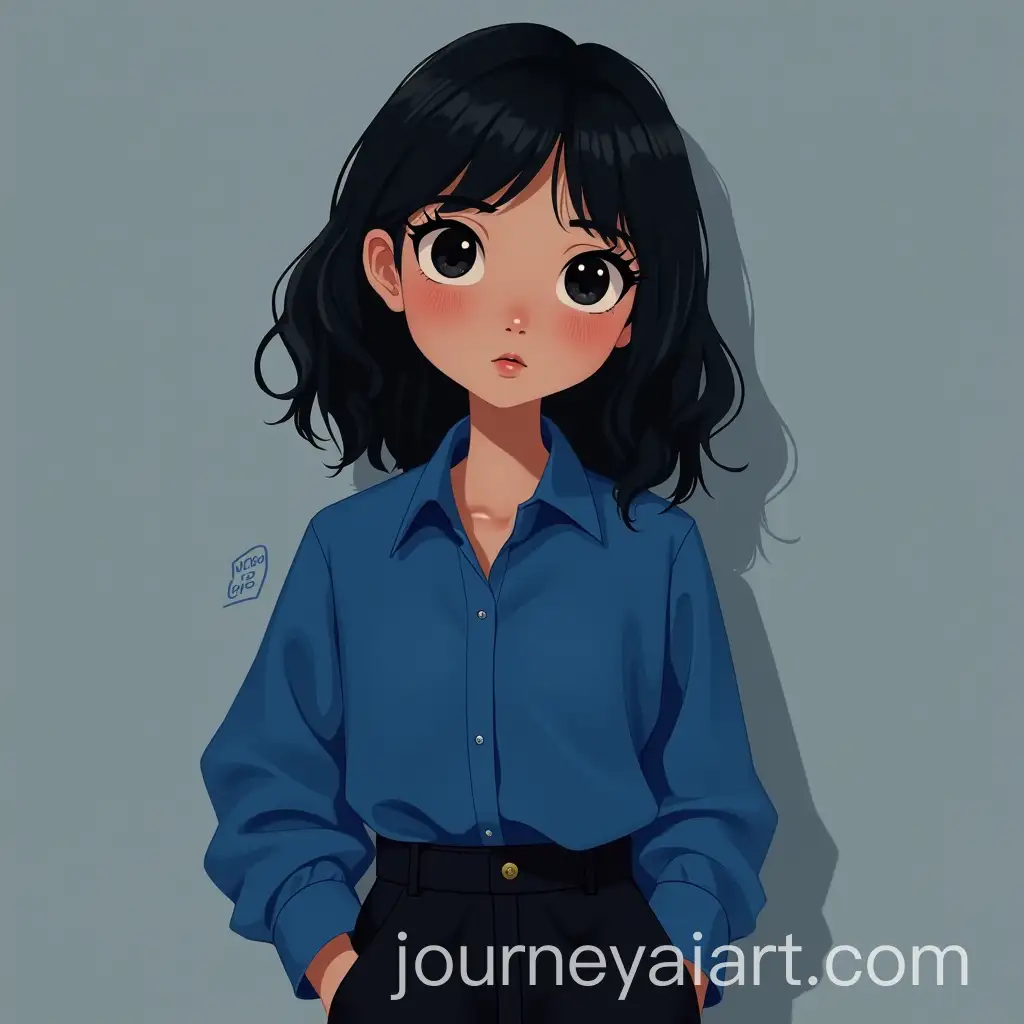
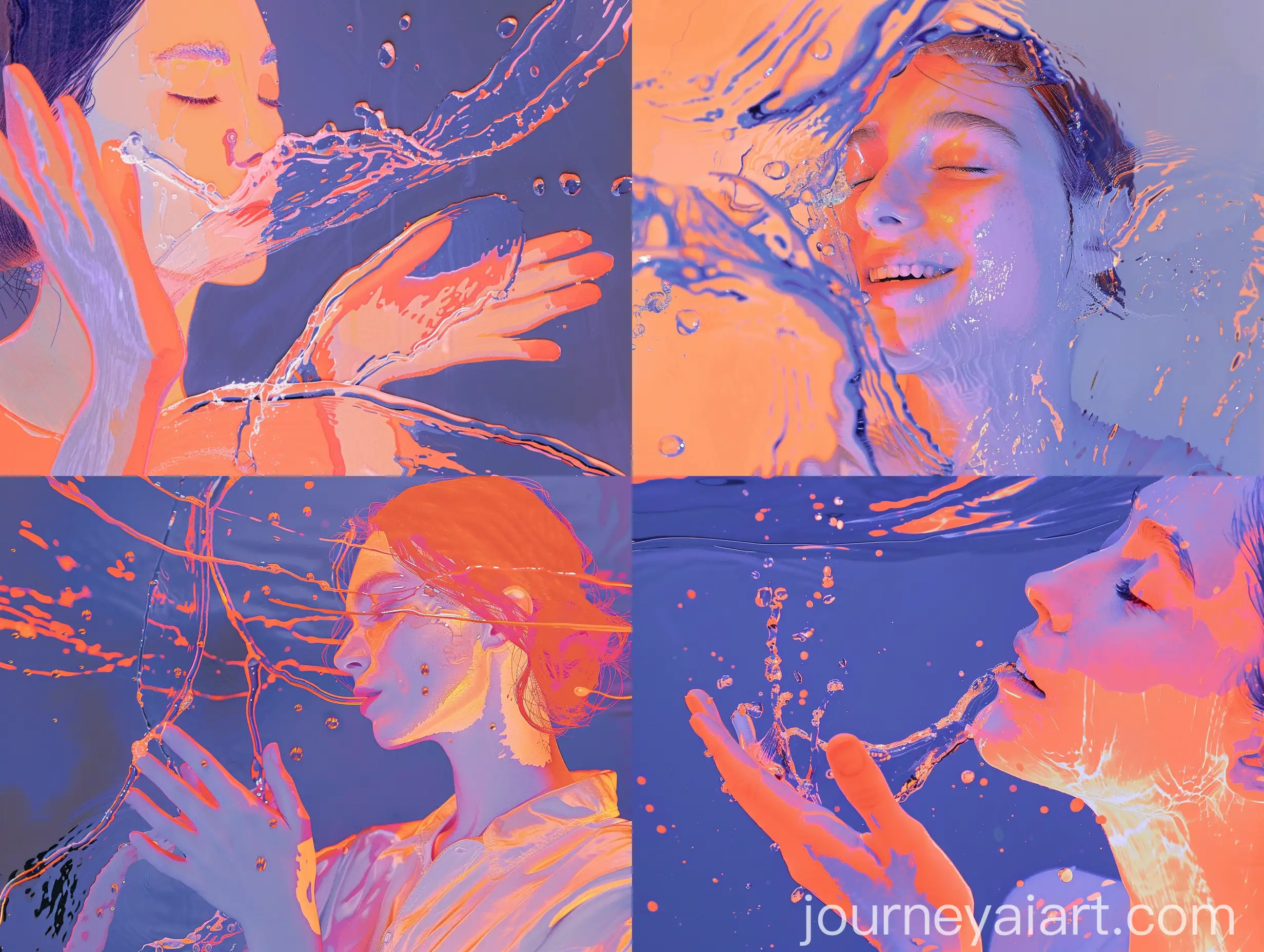
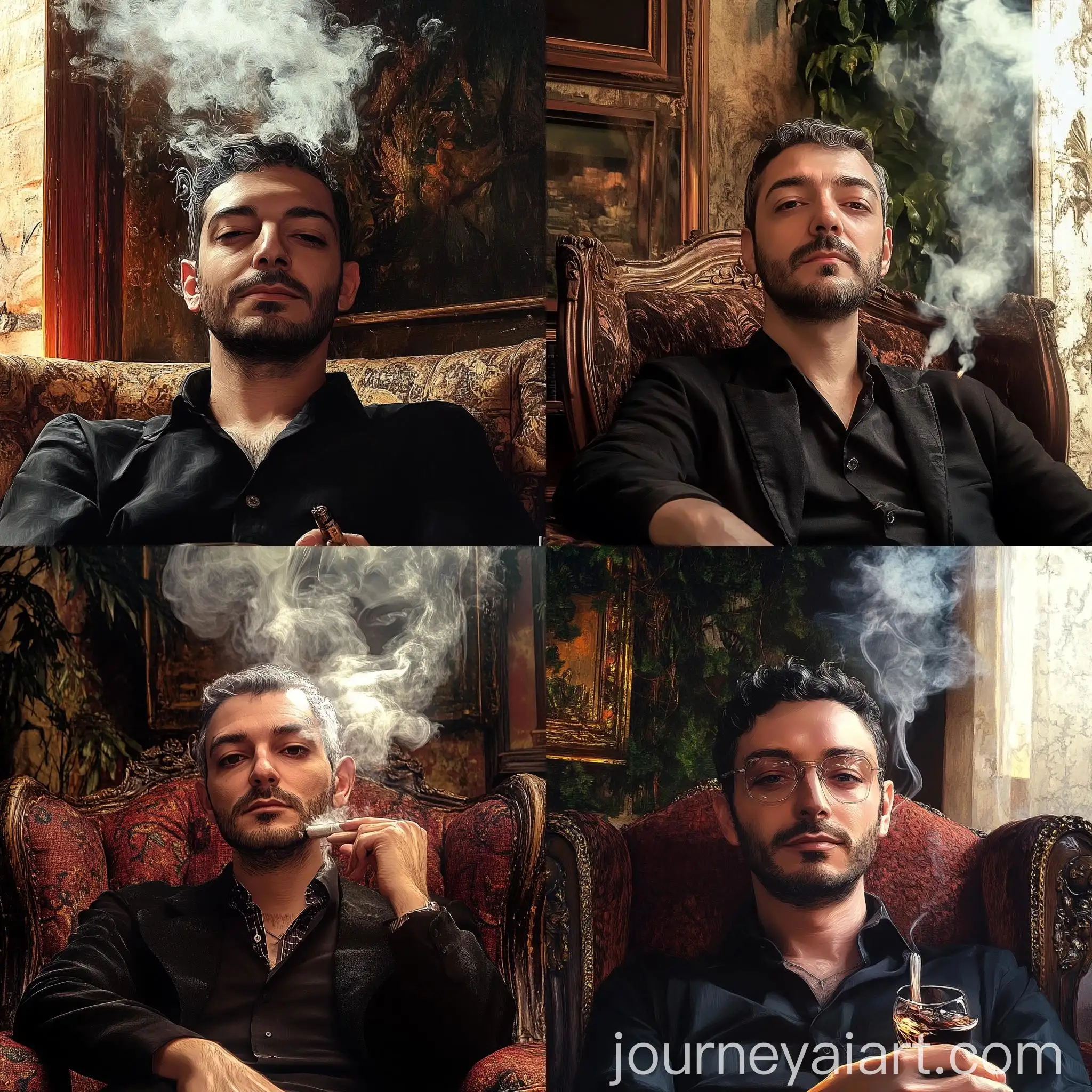

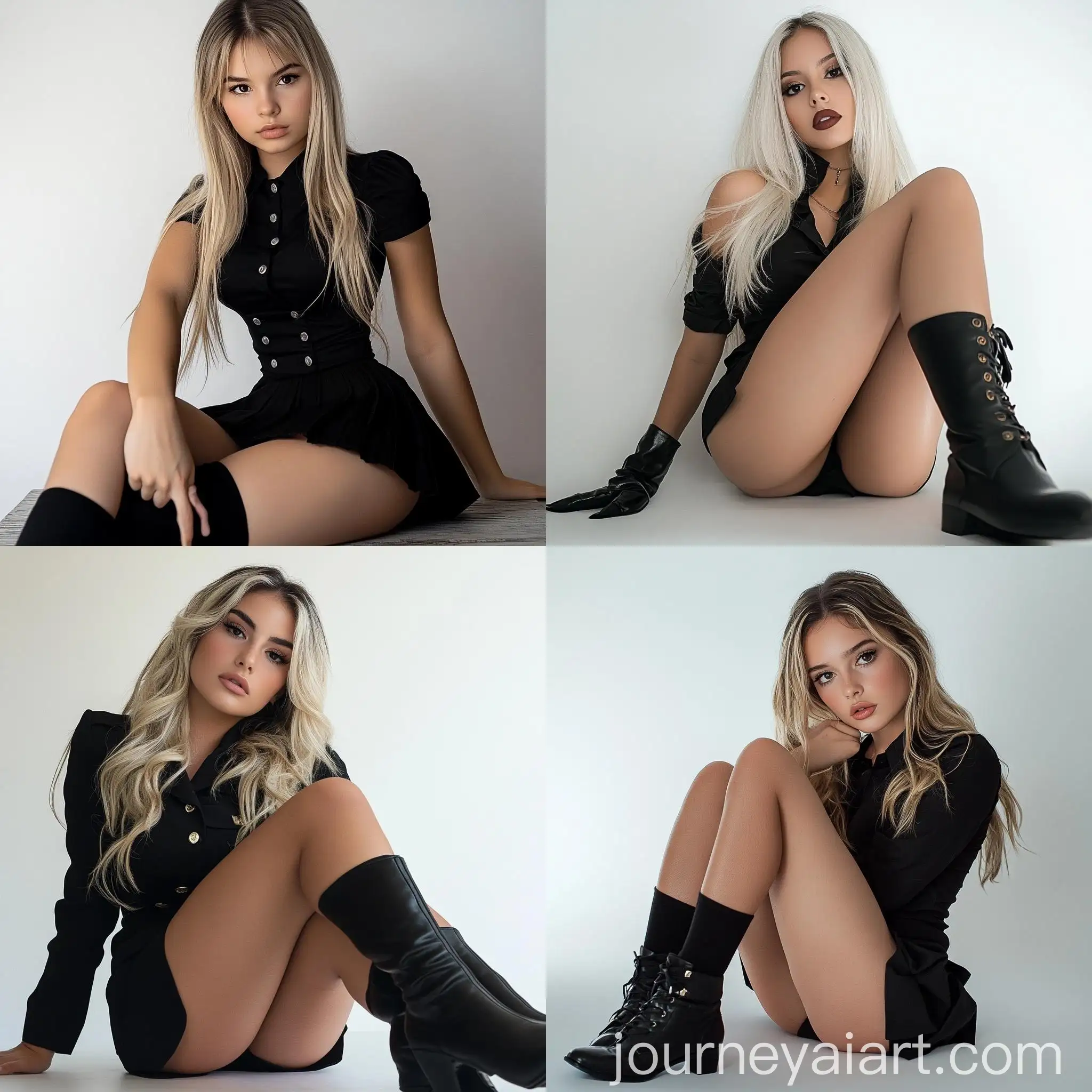
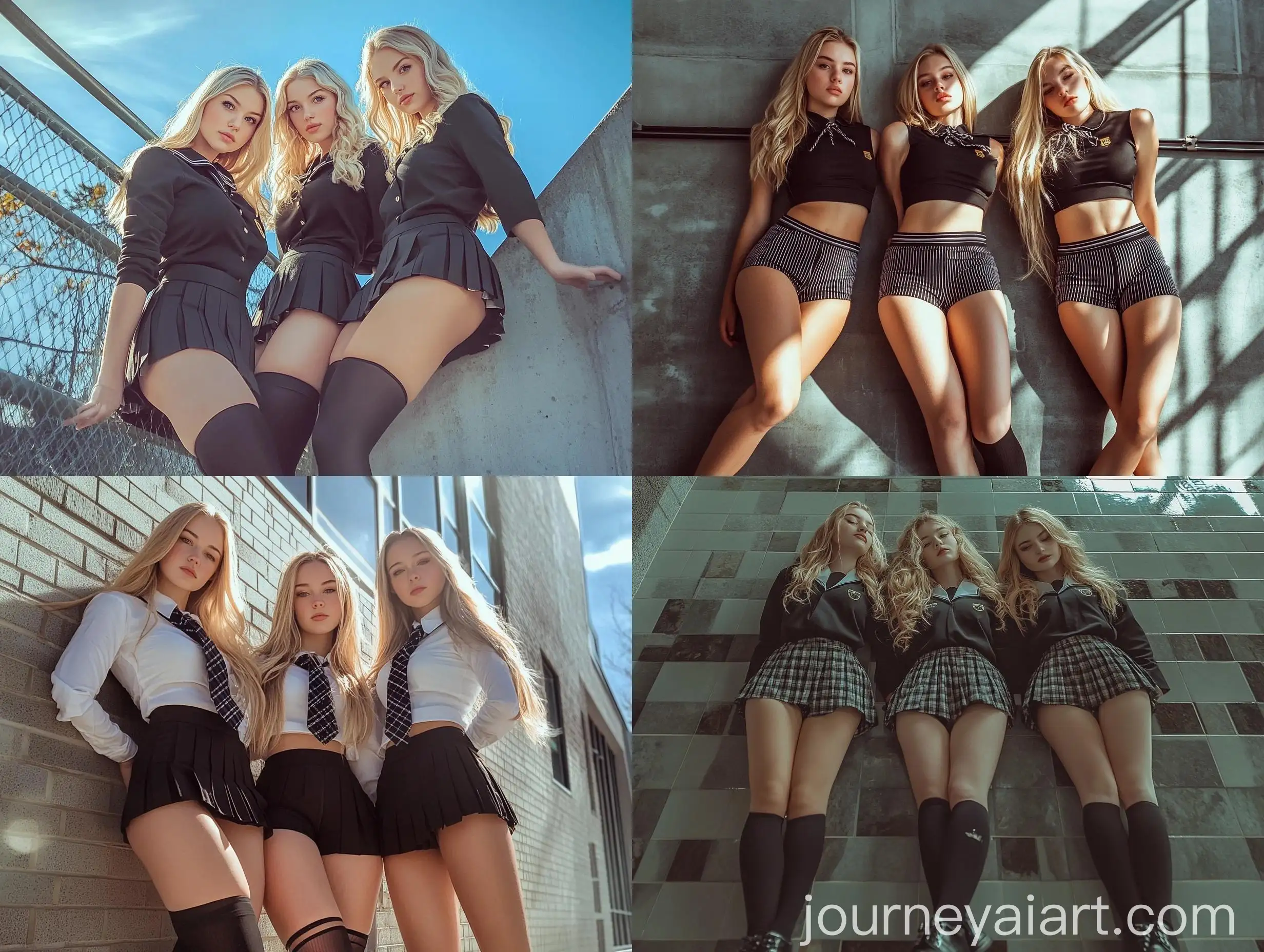

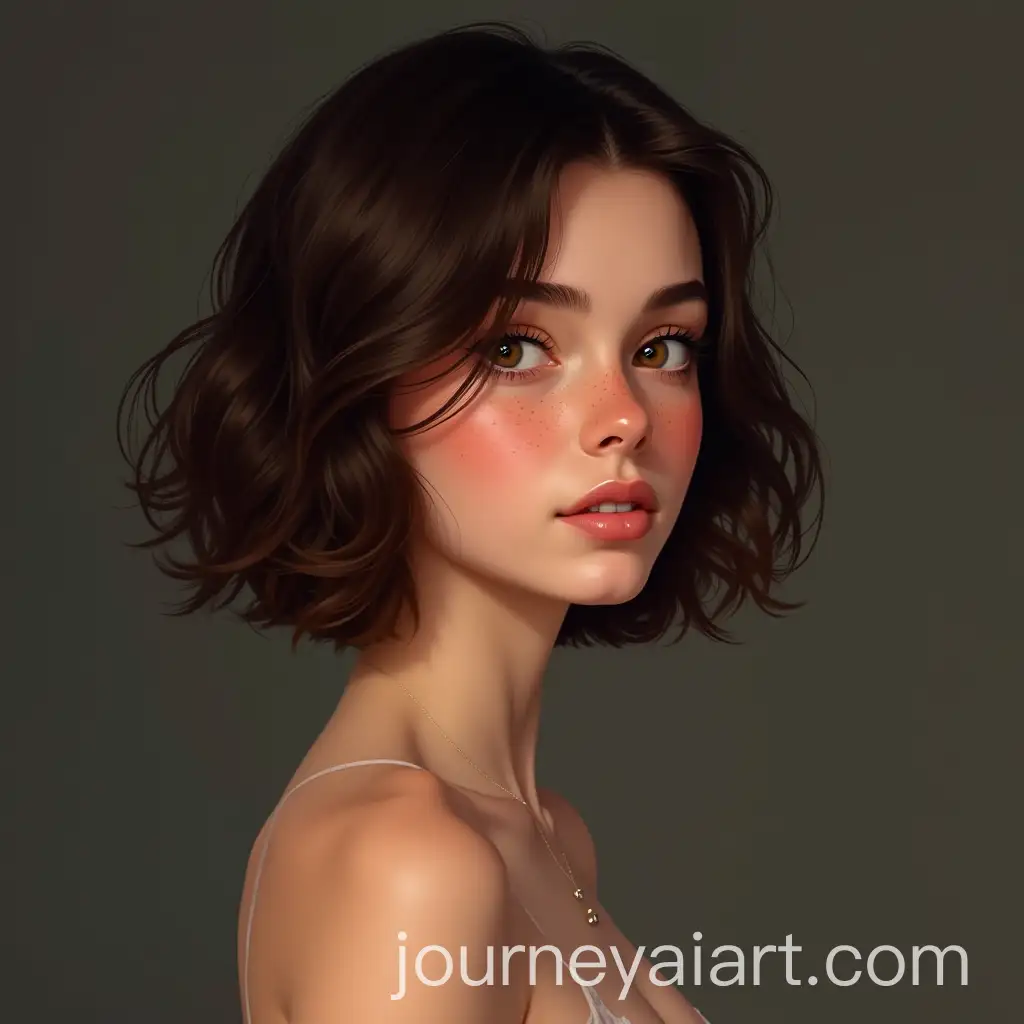
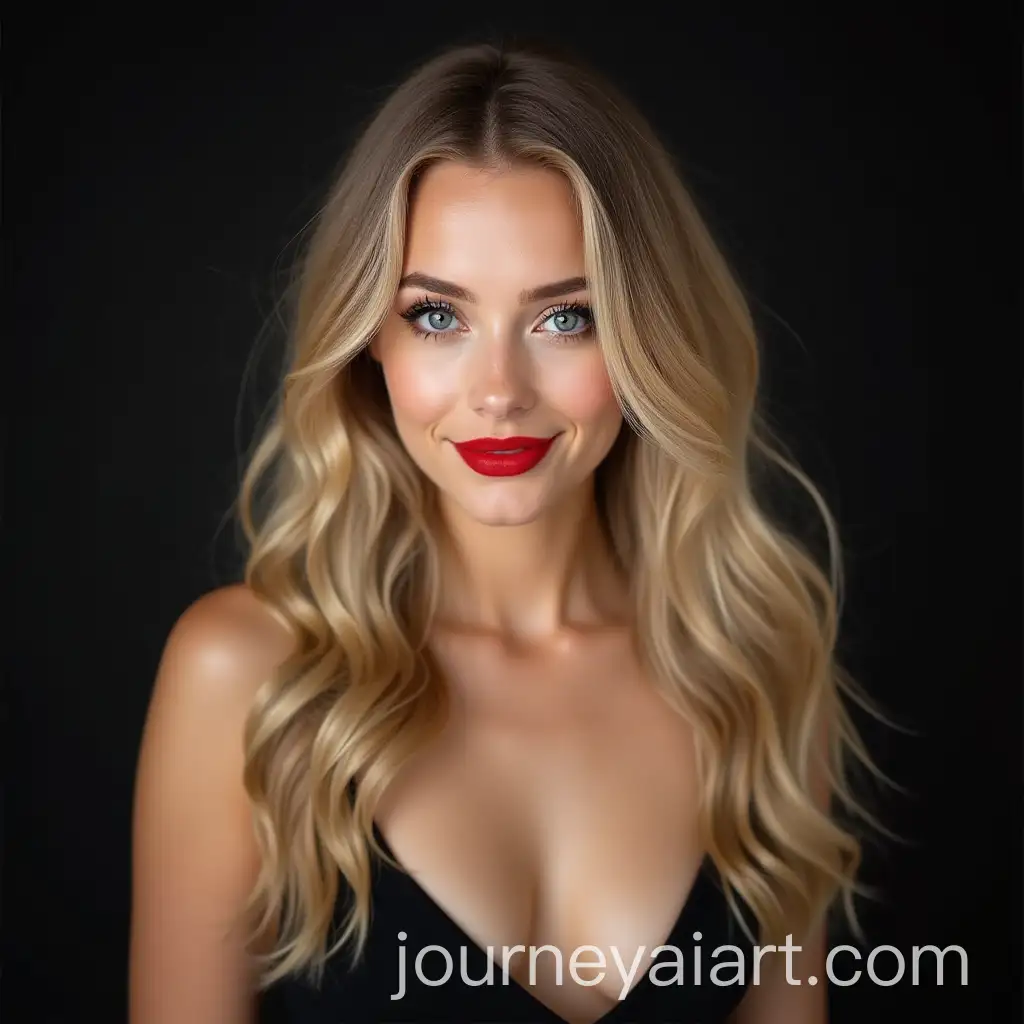
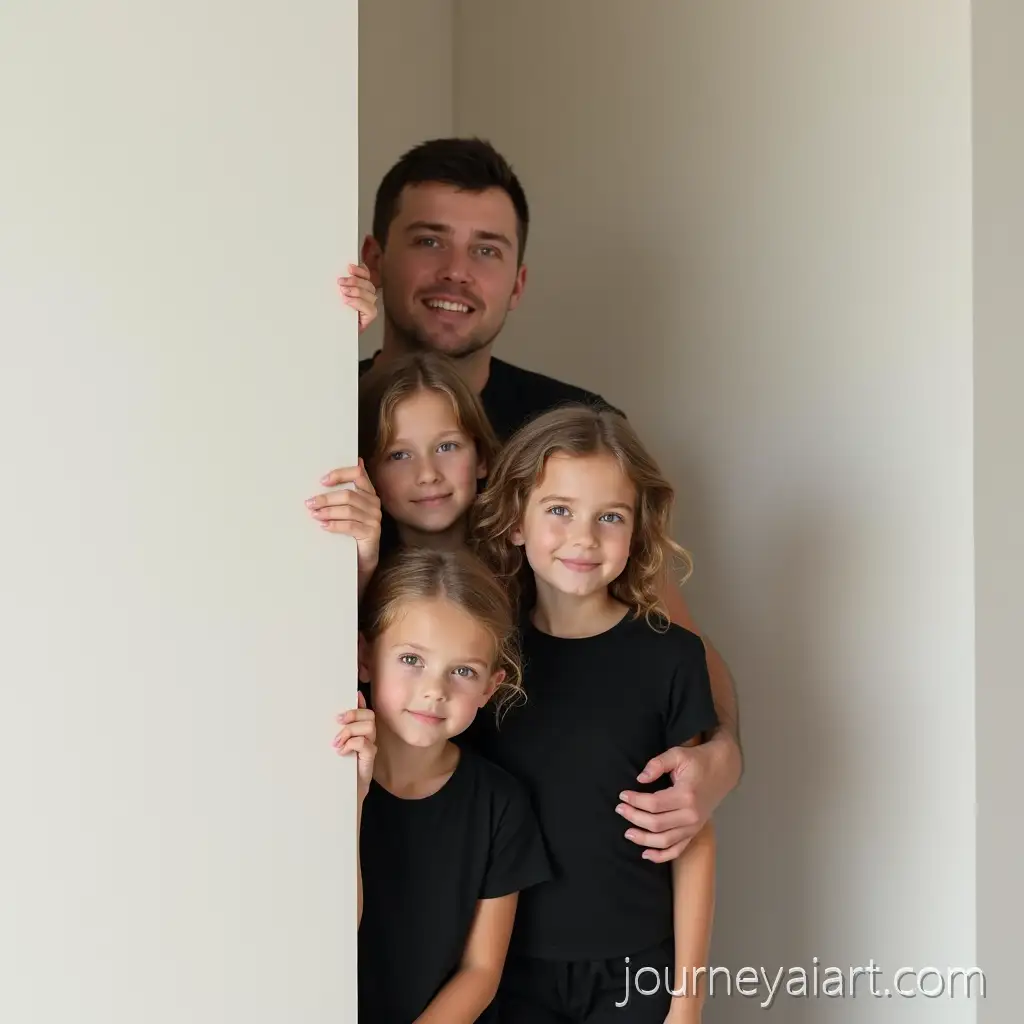
Studio photography is a controlled art form that involves capturing images in a specially designed space. It typically uses artificial lighting setups, backdrops, and various props to create specific looks. Essential equipment includes studio strobe lights, softboxes, reflectors, and backdrops. Photographers manipulate these elements to achieve desired effects, from dramatic high-contrast portraits to clean, evenly-lit product shots. Studio photography allows for precise control over lighting, composition, and subject positioning, enabling photographers to create consistent, high-quality images for various purposes, including fashion, product, and portrait photography.
Understanding Studio Photography: Techniques and Equipment
Studio photography has wide-ranging applications in both commercial and fine art sectors. In the commercial world, it's essential for product photography, where items need to be presented in the best possible light, often against clean, simple backgrounds. Fashion photography heavily relies on studio setups to showcase clothing and accessories in controlled environments. Corporate headshots and portraits are typically shot in studios to maintain a professional look. In fine art, photographers like Irving Penn and Richard Avedon have used studio settings to create iconic portraits and still life images. The controlled environment of a studio allows artists to experiment with light, shadow, and composition to create striking, conceptual works.
Applications of Studio Photography in Commercial and Fine Art
The digital revolution has significantly impacted studio photography. Traditional film cameras have largely been replaced by digital cameras, offering immediate feedback and greater flexibility in post-processing. Lighting technology has advanced, with LED lights providing more control over color temperature and intensity. Software developments have enhanced post-production capabilities, allowing for extensive retouching and manipulation of studio-shot images. The rise of AI in photography is also transforming the field, with AI-powered tools assisting in everything from lighting setup suggestions to automated retouching. These advancements have made studio photography more accessible to a broader range of photographers, from professionals to enthusiasts.
Evolution of Studio Photography in the Digital Age
To create effective studio photos, start by understanding the principles of lighting. Use key lights, fill lights, and backlights to shape your subject and create depth. Experiment with different light modifiers like softboxes, umbrellas, and reflectors to control the quality of light. Choose appropriate backgrounds that complement your subject without distracting from it. When photographing people, guide them with clear posing instructions to achieve natural, flattering results. For product photography, pay attention to details like reflections and shadows. Post-processing is crucial in studio photography; learn to use editing software to fine-tune exposure, color, and contrast. Remember that simplicity often leads to powerful images – sometimes a single light source and a plain background can create the most impactful studio photos.
Creating Effective Studio Photos: Tips and Best Practices