19 Free Skyscraper Design Midjourney AI images
Explore our comprehensive collection of Skyscraper design images, featuring 19 free AI-generated visuals. This diverse array includes stock photos, 3D objects, vectors, and illustrations. All images are available for high-resolution download, and users can also utilize the 'open in editor' feature to customize image prompts and generate their perfect skyscraper design image.

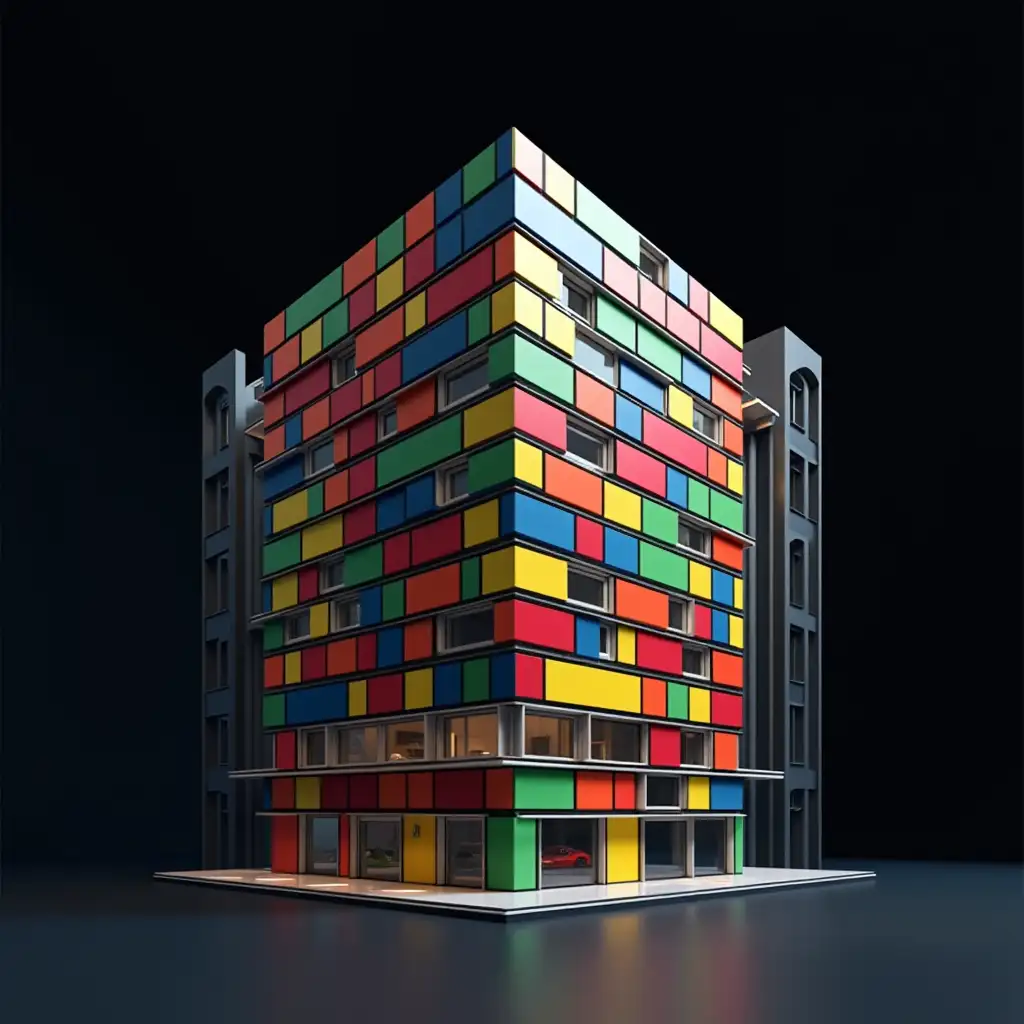
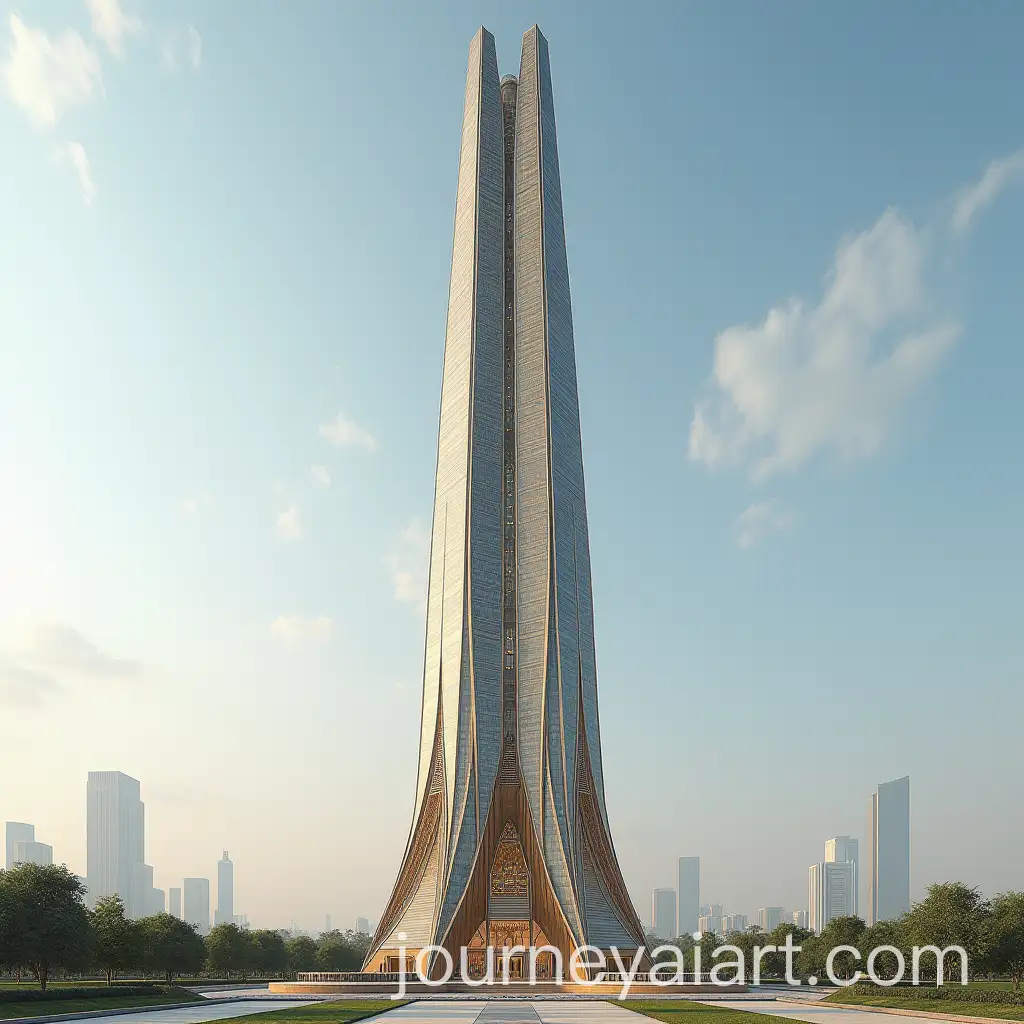

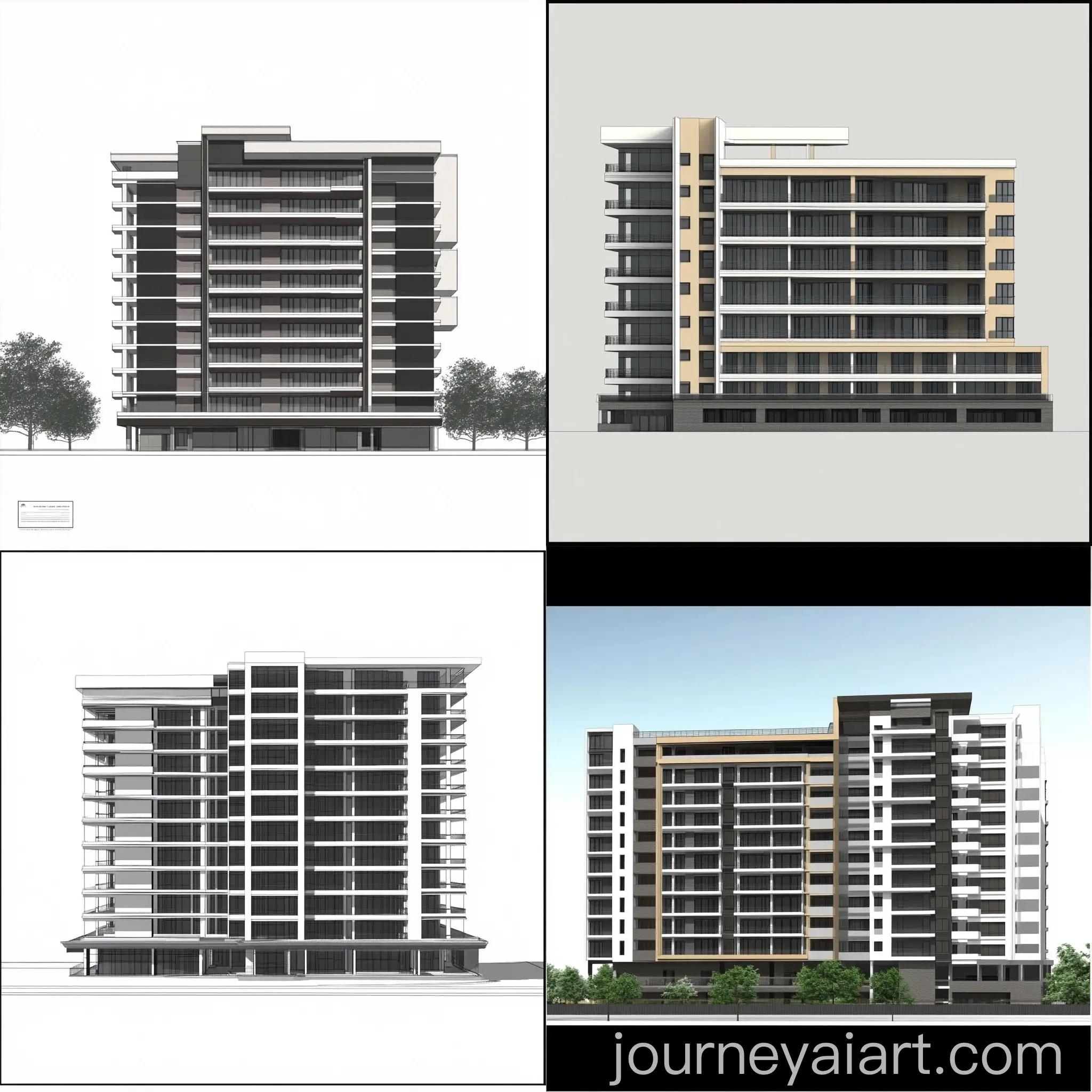
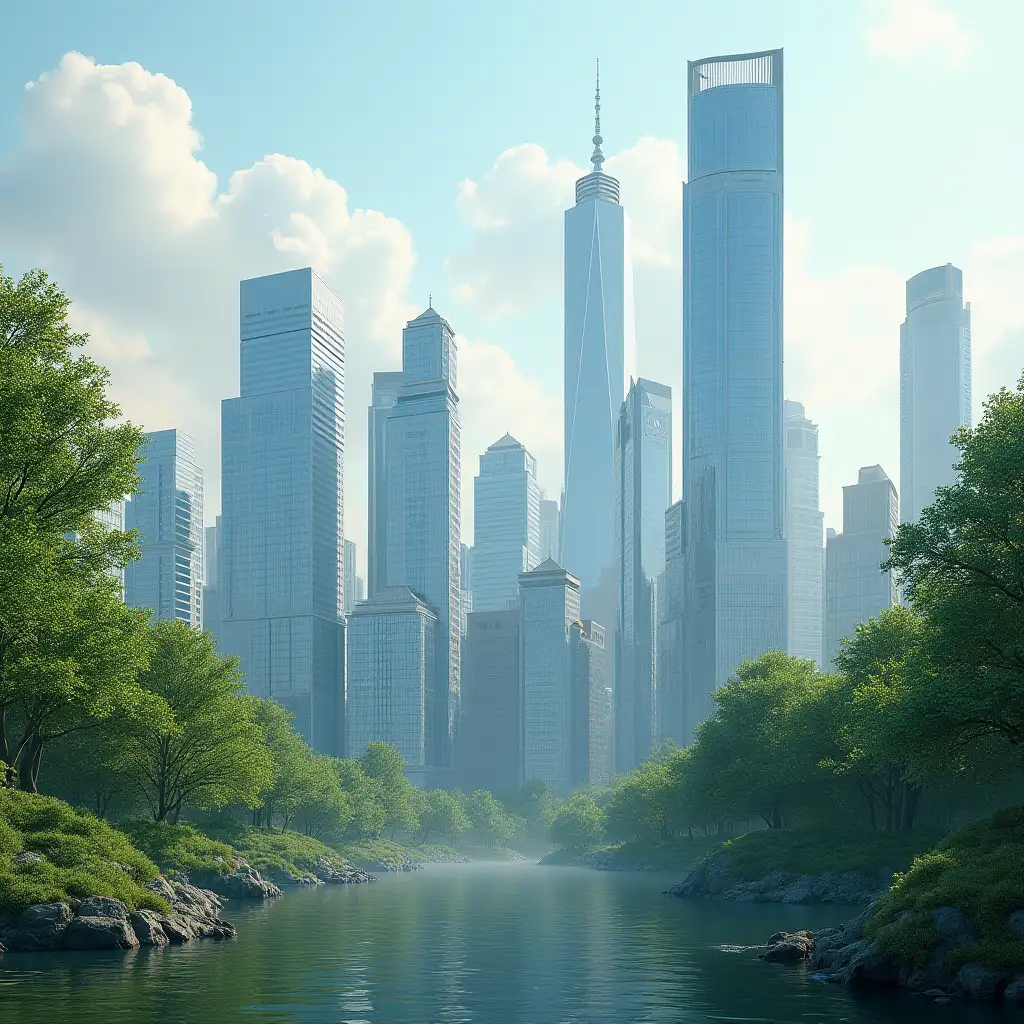
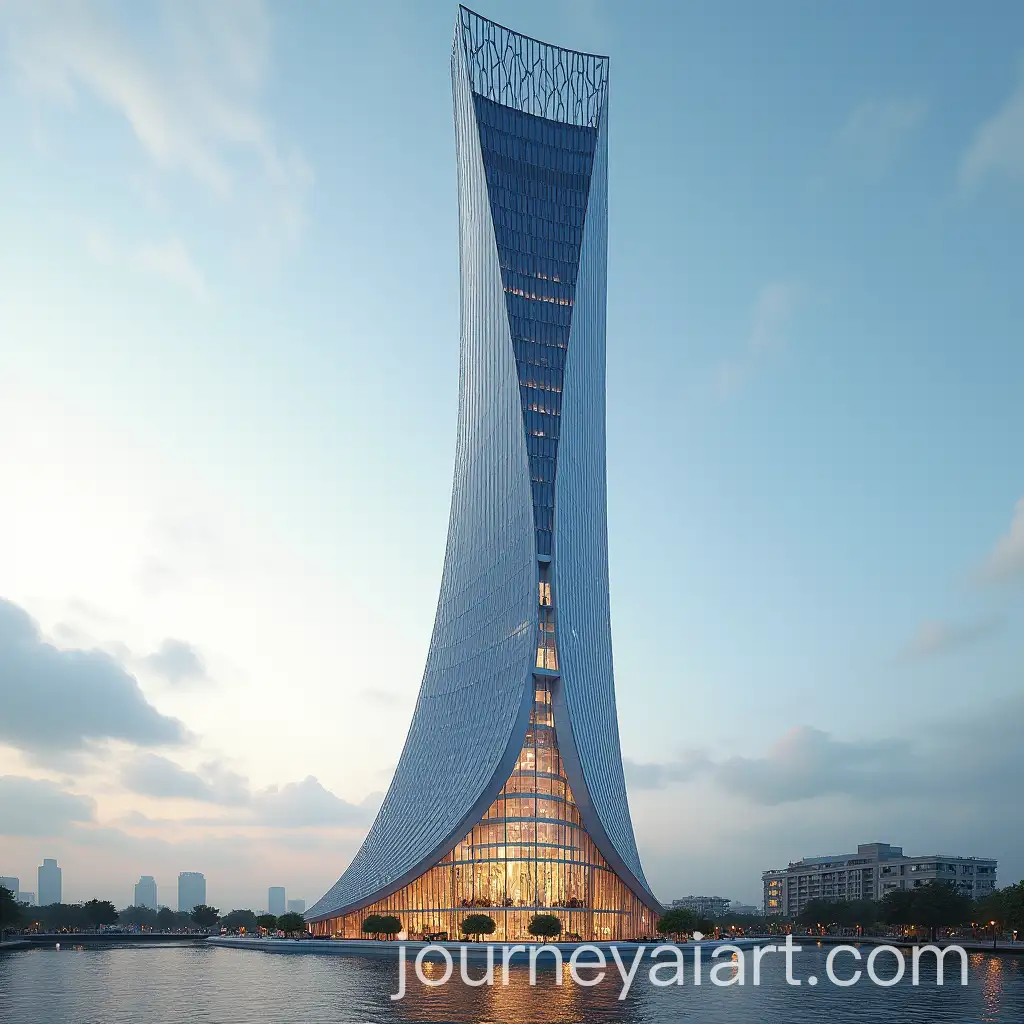
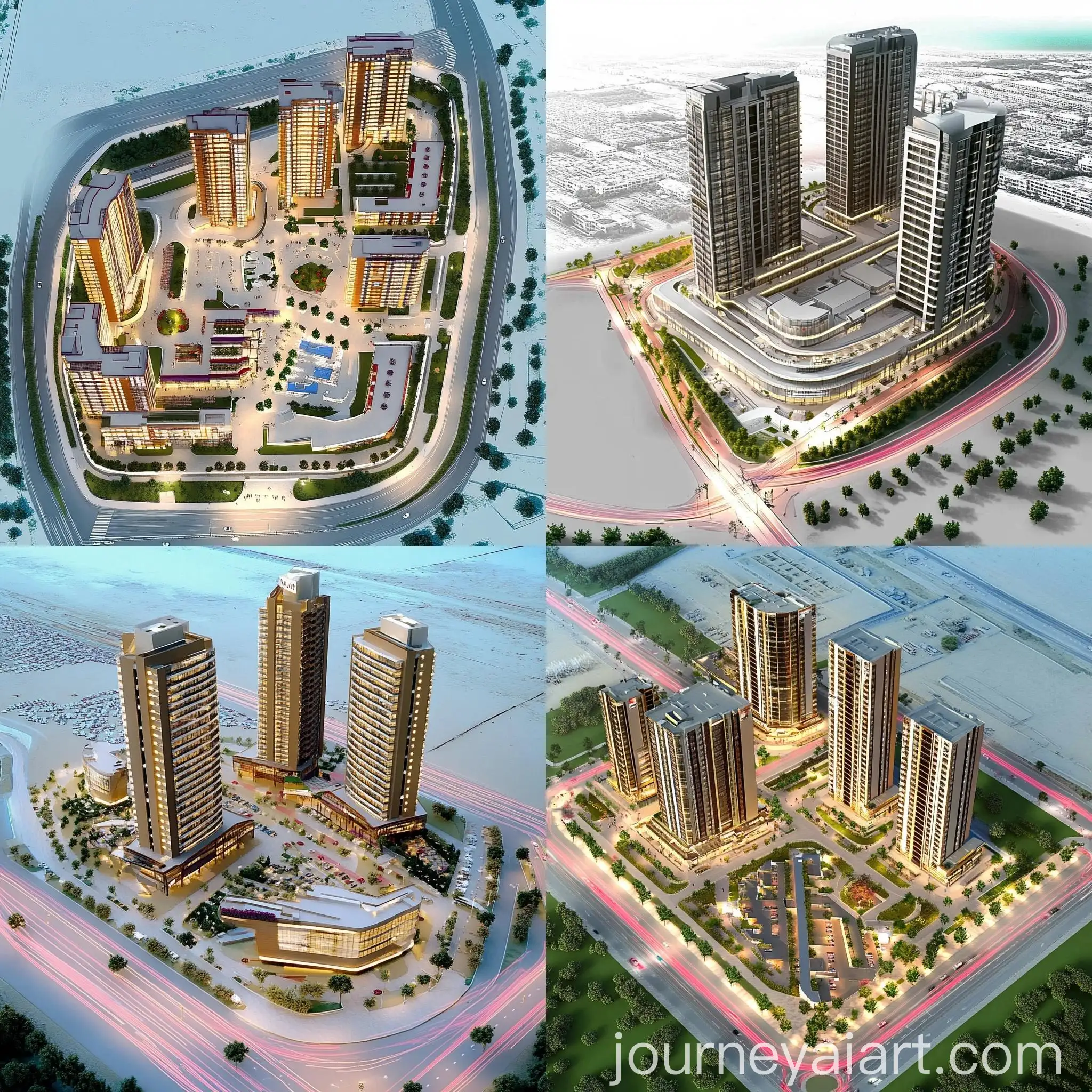
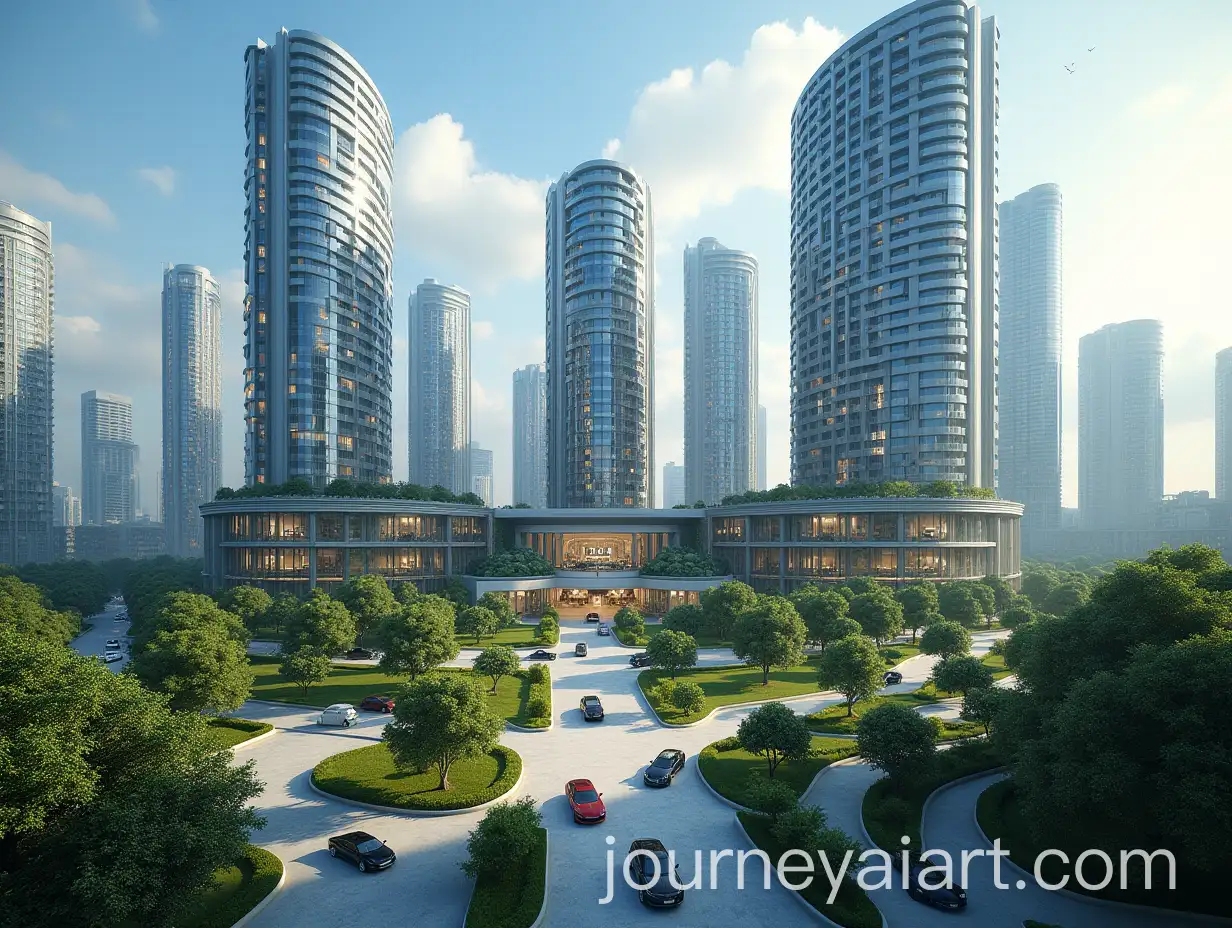
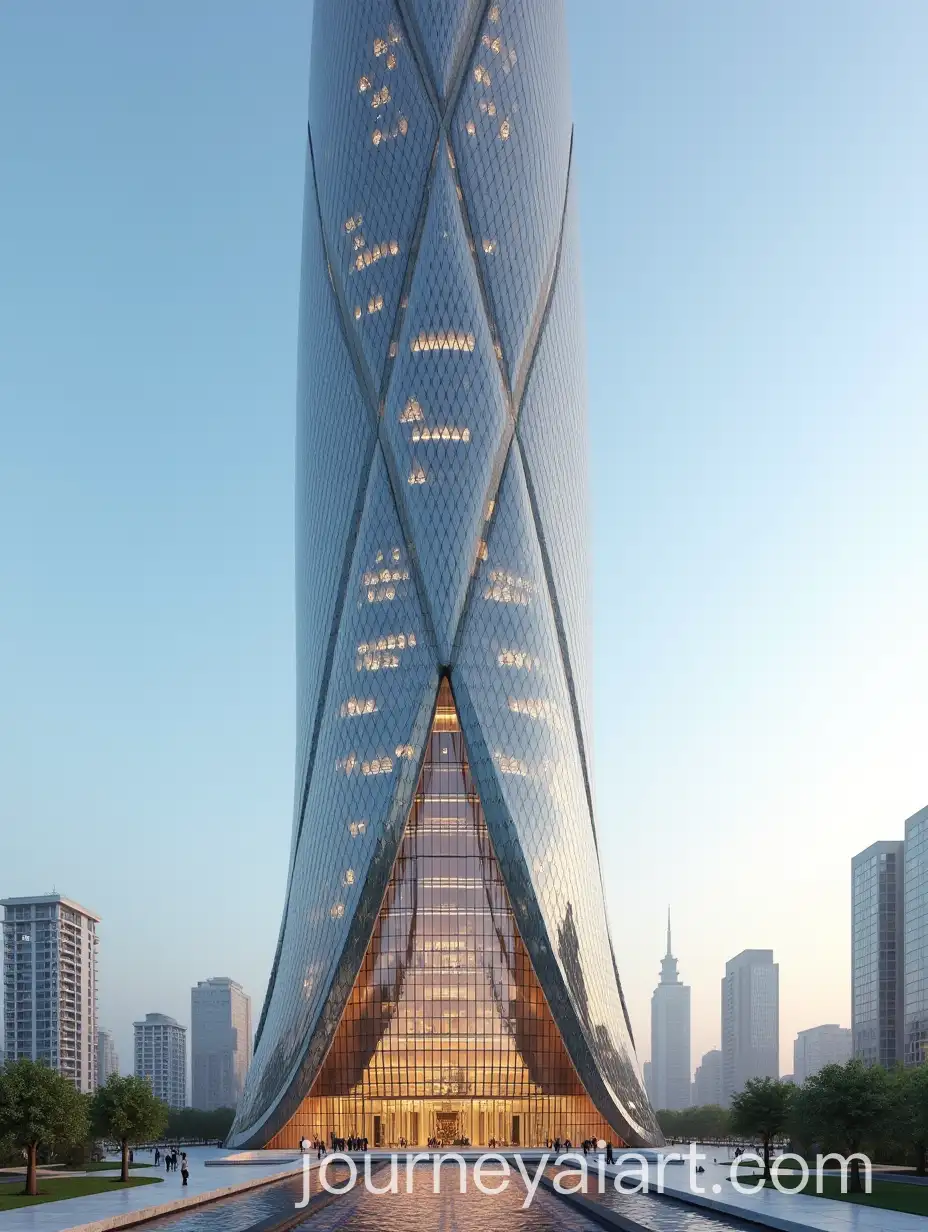
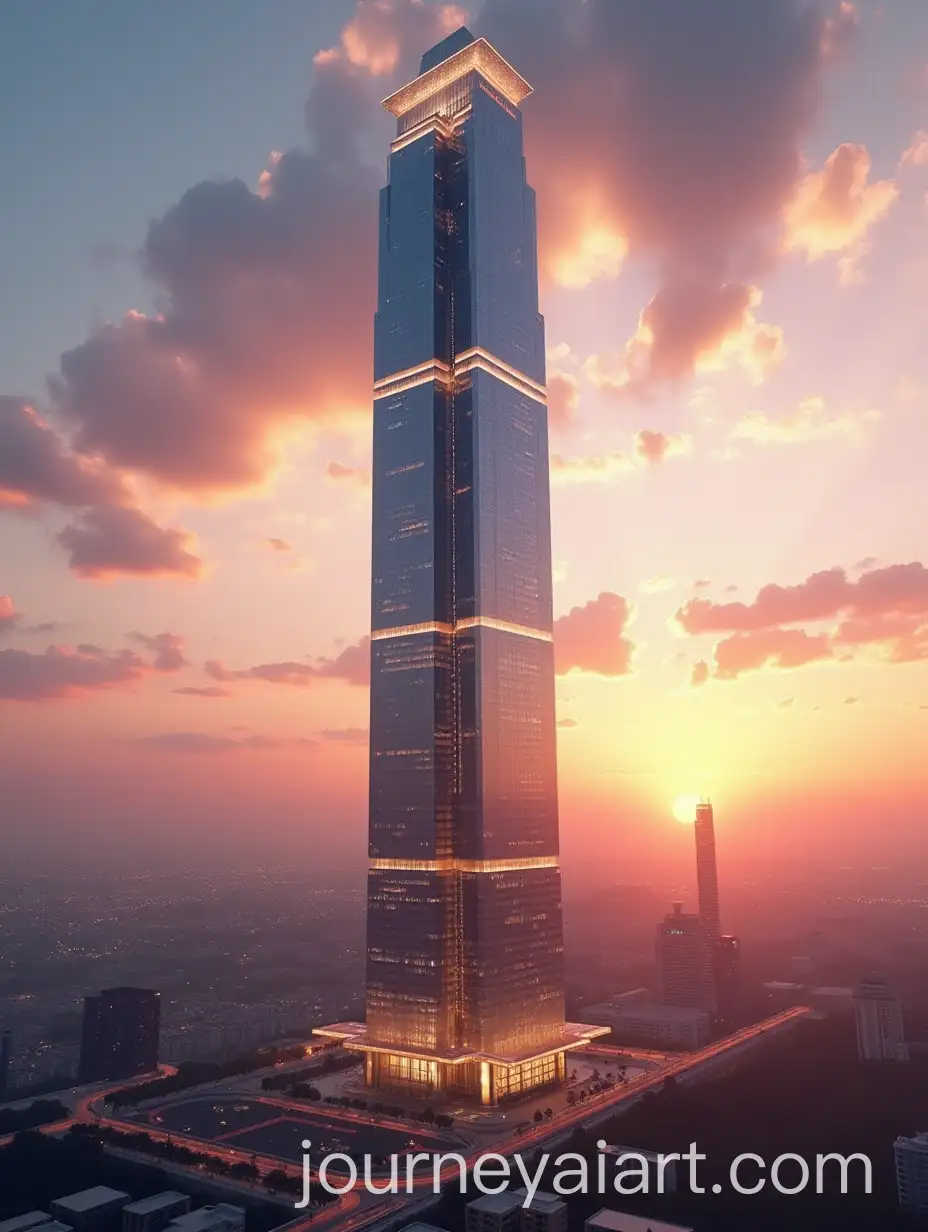
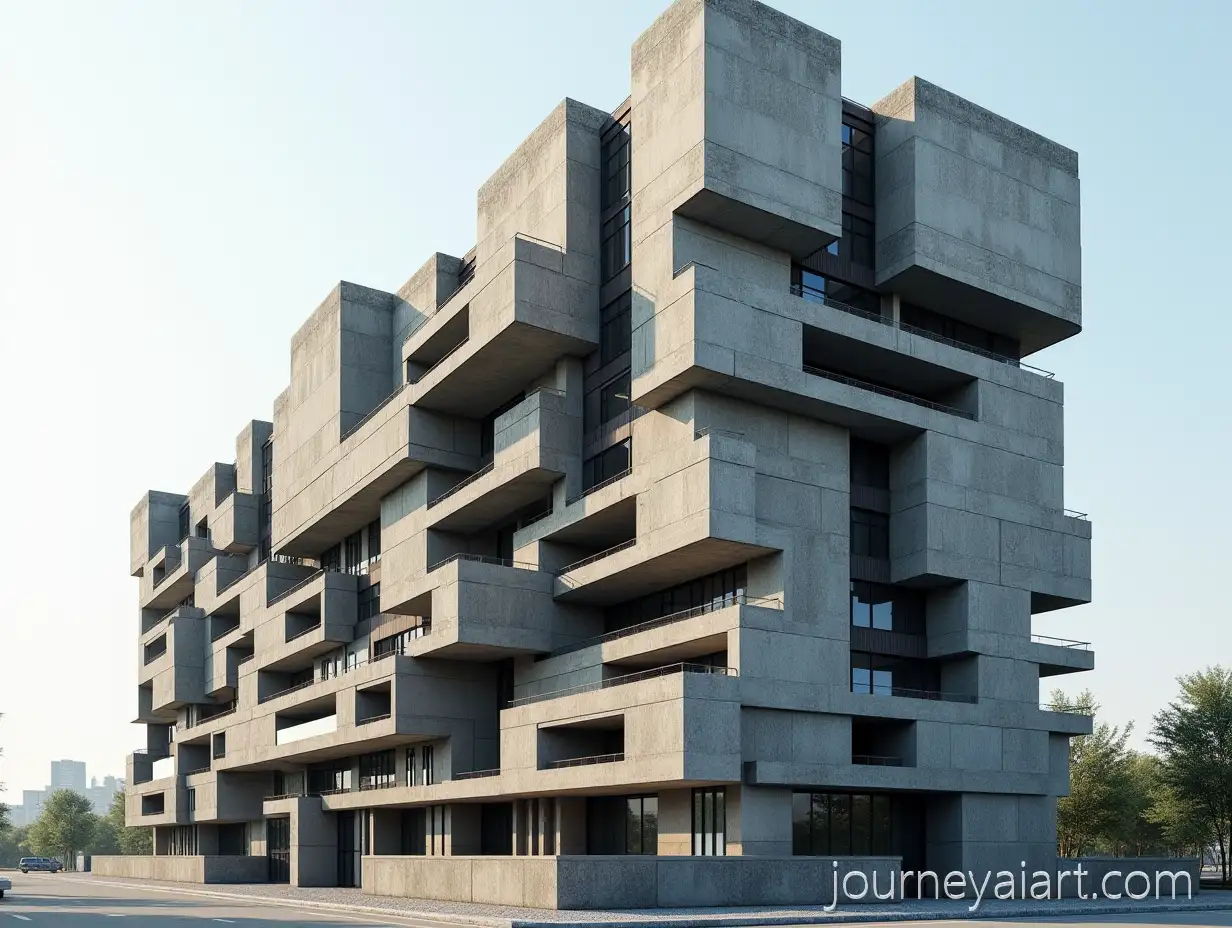
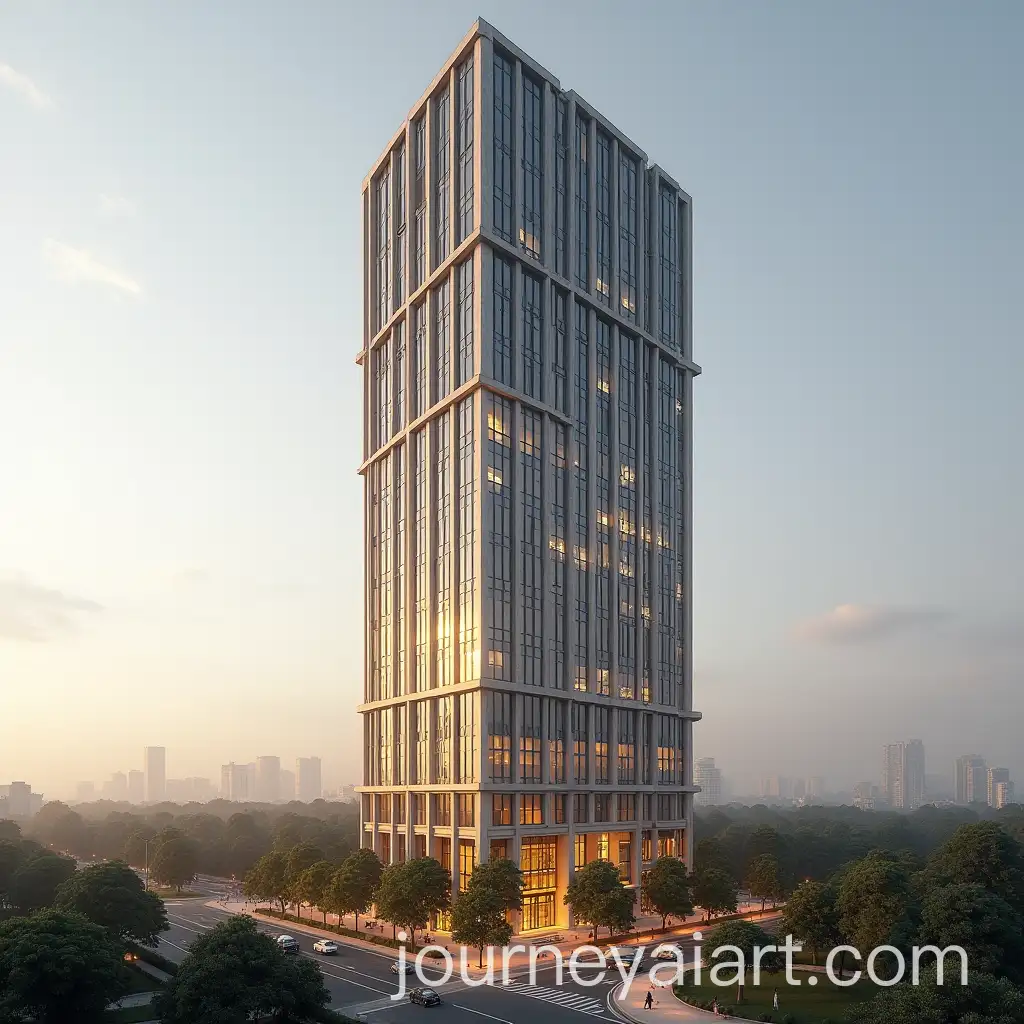
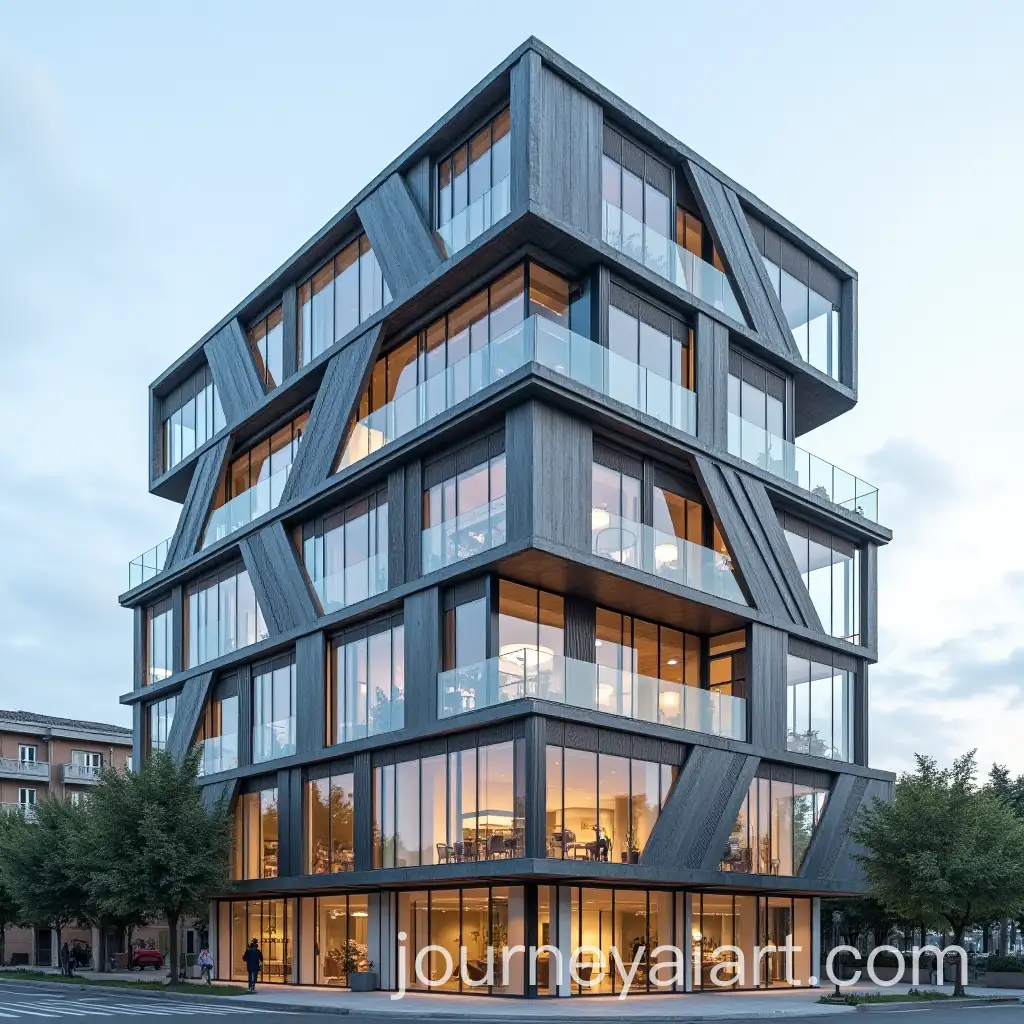
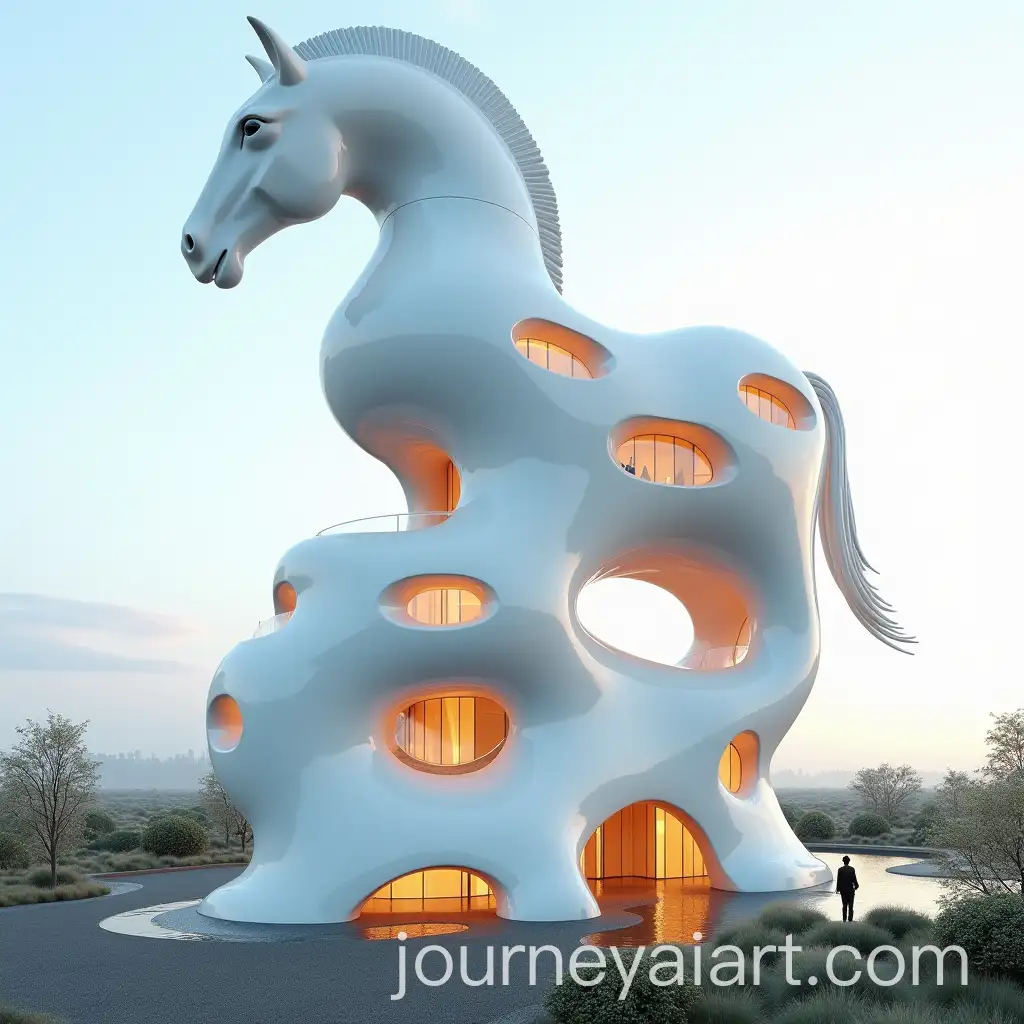
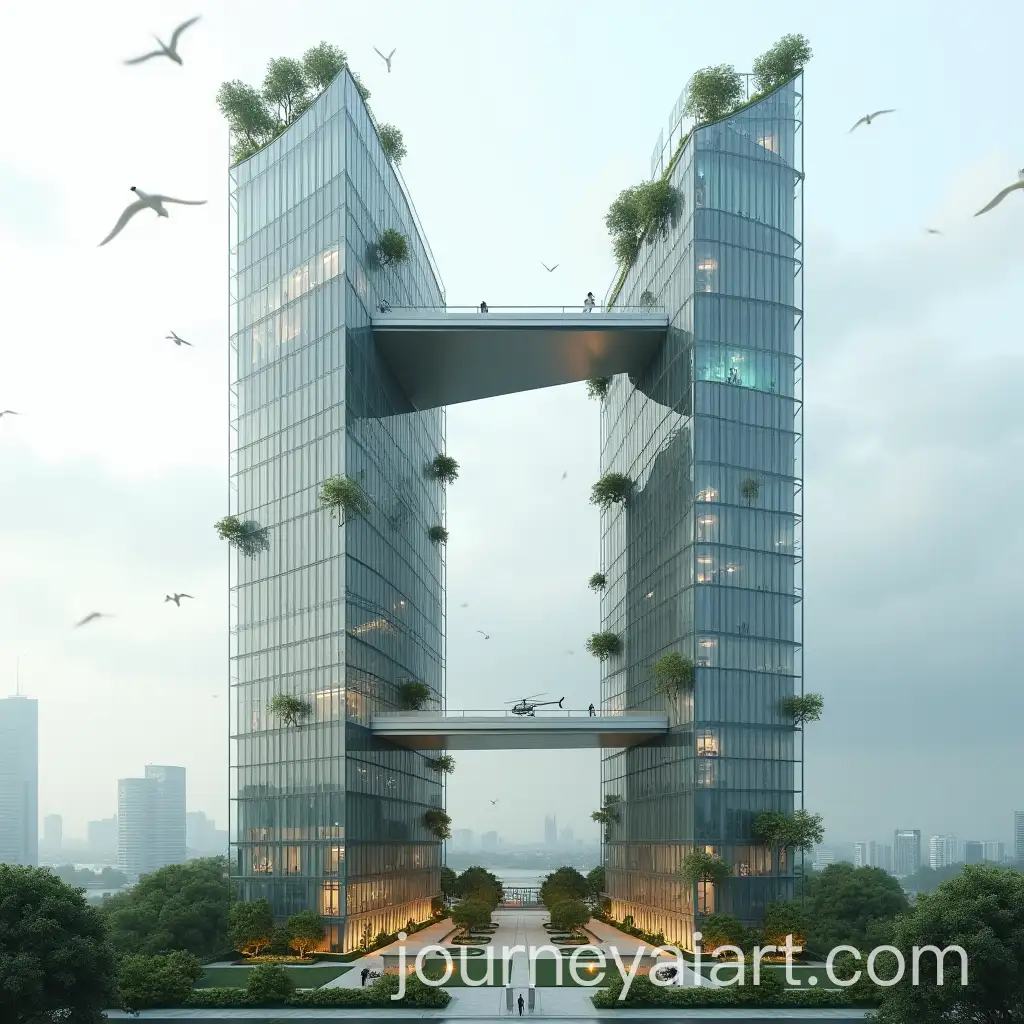
Skyscraper design refers to the architectural and structural planning behind high-rise buildings, typically those exceeding 150 meters in height. Originally developed in the late 19th century, skyscrapers transformed urban landscapes, particularly in major cities like New York and Chicago. Advances in materials like steel and concrete, as well as innovations in elevator technology, allowed buildings to reach unprecedented heights. Over time, skyscraper design has evolved from functional, boxy structures to include more artistic and sustainable features, reflecting the changing priorities of cities and architects.
What is Skyscraper Design and How Has It Evolved?
Modern skyscraper designs often emphasize verticality, sleek glass facades, and innovative structural elements like steel frames and reinforced concrete cores. These towering structures are used for various purposes, including commercial offices, residential spaces, and mixed-use complexes. Additionally, modern skyscrapers often integrate energy-efficient systems, sustainable materials, and smart technologies to reduce their environmental impact while meeting the growing demands of urban living. Famous examples include the Burj Khalifa in Dubai and One World Trade Center in New York.
Key Characteristics and Applications of Modern Skyscrapers
Skyscraper architecture encompasses various styles, ranging from the Art Deco designs of early 20th-century buildings, like the Empire State Building, to more contemporary, glass-covered minimalism. Some skyscrapers are designed with futuristic, fluid forms, such as Zaha Hadid’s works, while others prioritize eco-friendly solutions, like Bosco Verticale in Milan, which integrates greenery within its structure. These different styles reflect cultural, economic, and environmental considerations, shaping how cities develop vertically.
Different Styles and Types of Skyscraper Architecture
The future of skyscraper design is increasingly shaped by sustainability and technological innovation. Architects are incorporating renewable energy solutions, such as solar panels and wind turbines, directly into skyscraper structures. Vertical gardens and green rooftops are becoming common features, as cities seek to combat urban heat islands and improve air quality. Moreover, advancements in smart technology allow skyscrapers to adapt dynamically to environmental changes, optimizing energy use and enhancing occupant comfort. The integration of AI-driven design tools is also making it easier to conceptualize and construct these complex buildings efficiently.
The Future of Skyscraper Design: Trends and Innovations