9 Free Reflective Materials Midjourney AI images
Welcome to our Reflective Materials image collection, showcasing 9 free AI-generated images. This collection includes a wide variety of image types, such as stock photos, 3D objects, vectors, and illustrations, all focused on the captivating qualities of reflective materials. Each image is available for high-resolution download, and you can easily customize any image by using the 'open in editor' feature on the image detail page to adjust the prompt and create your perfect visual.
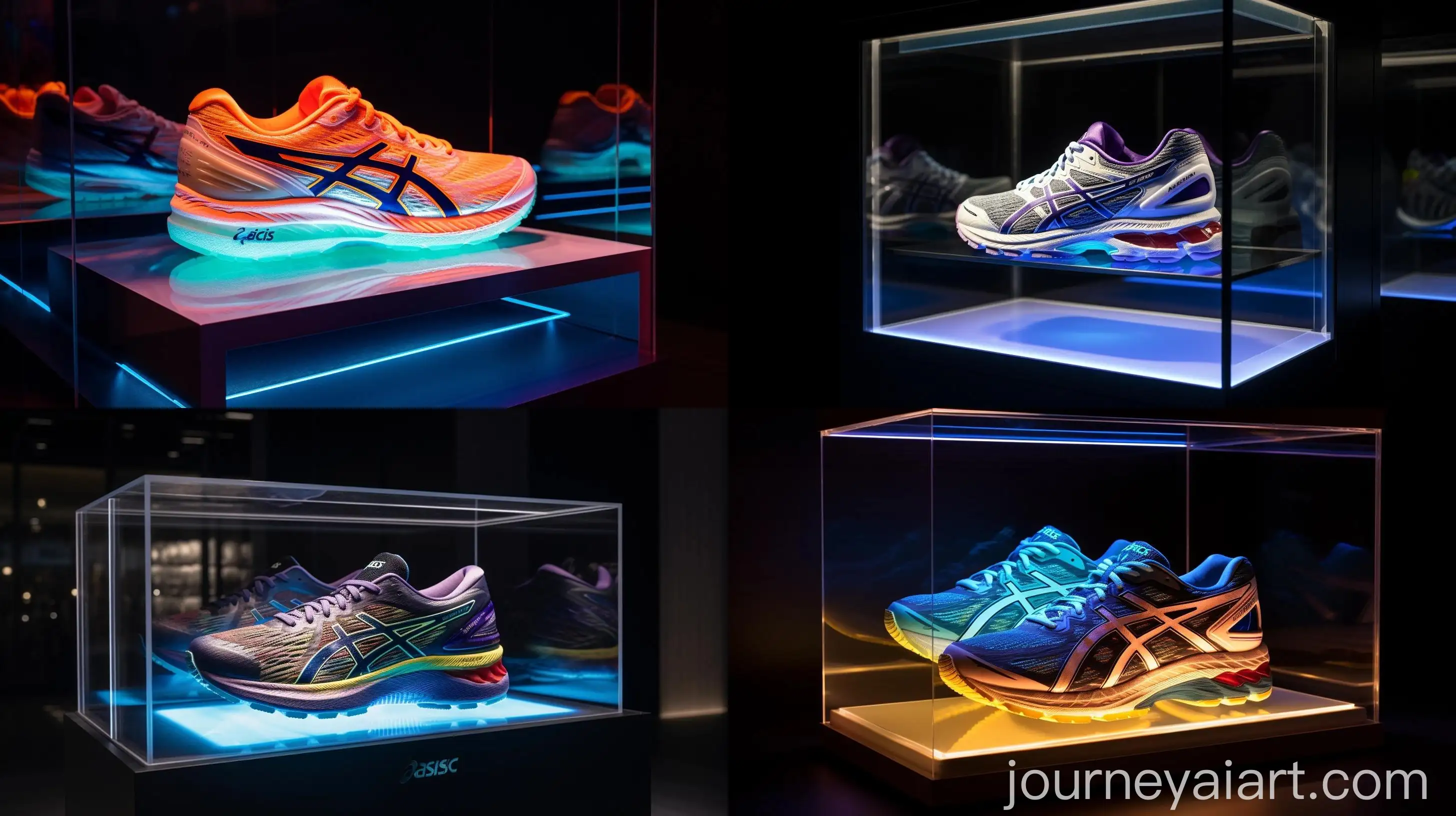

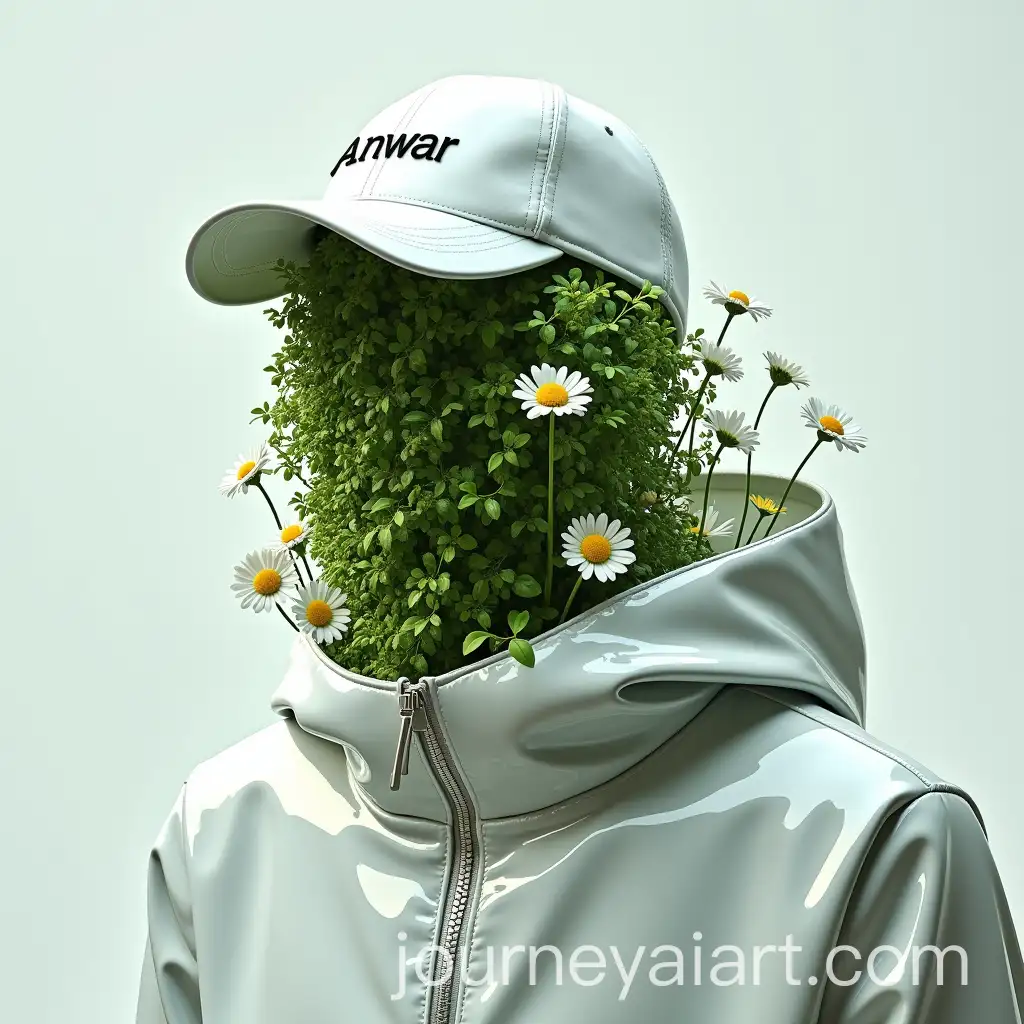
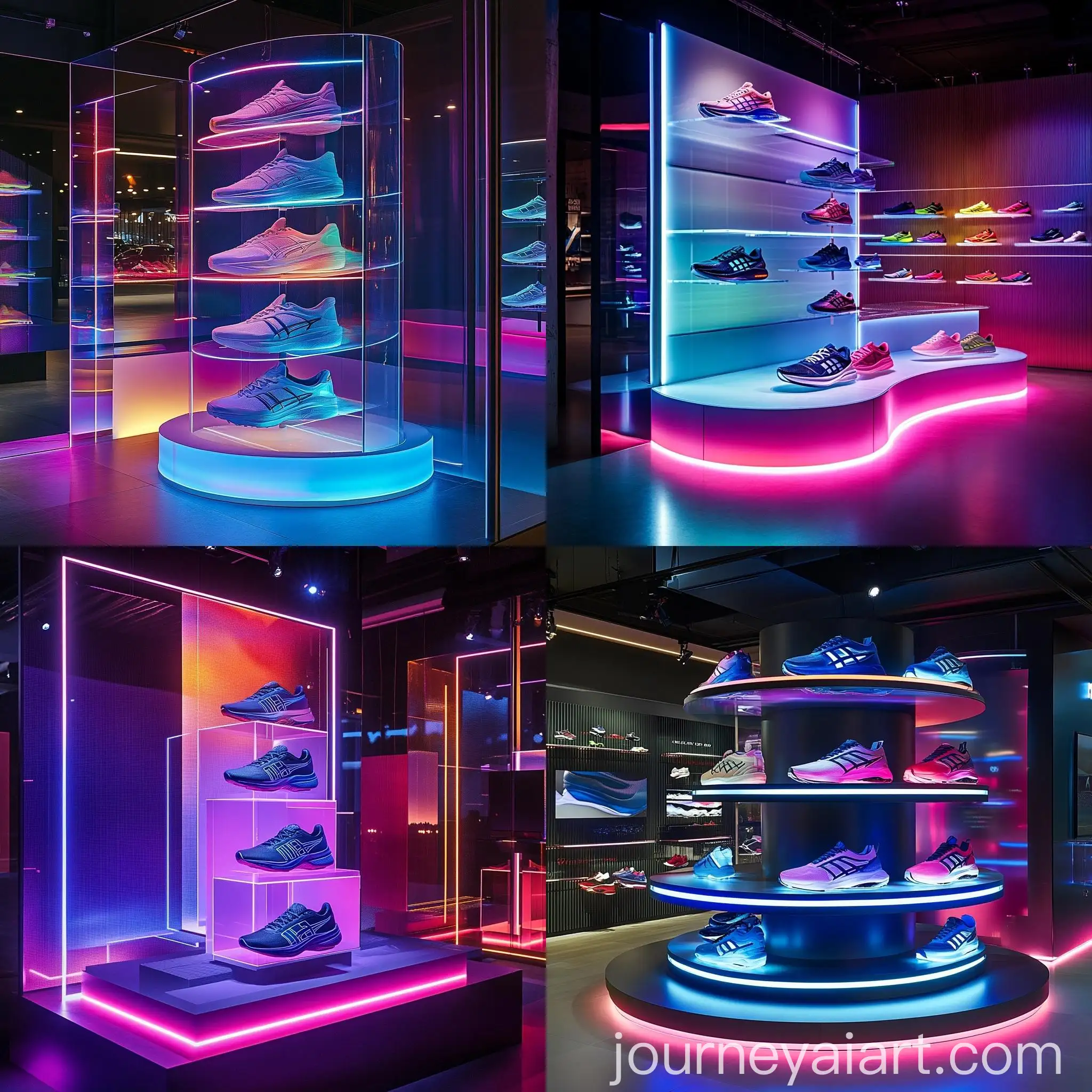
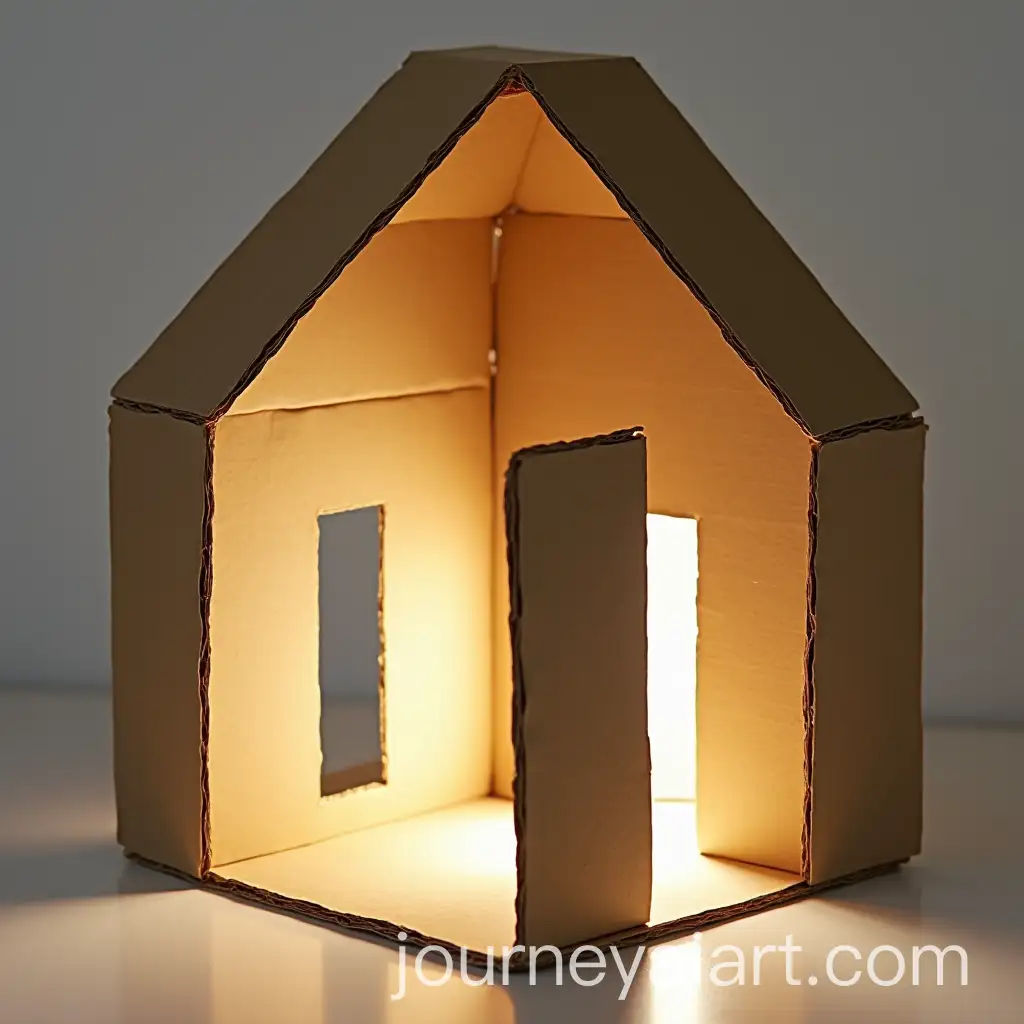
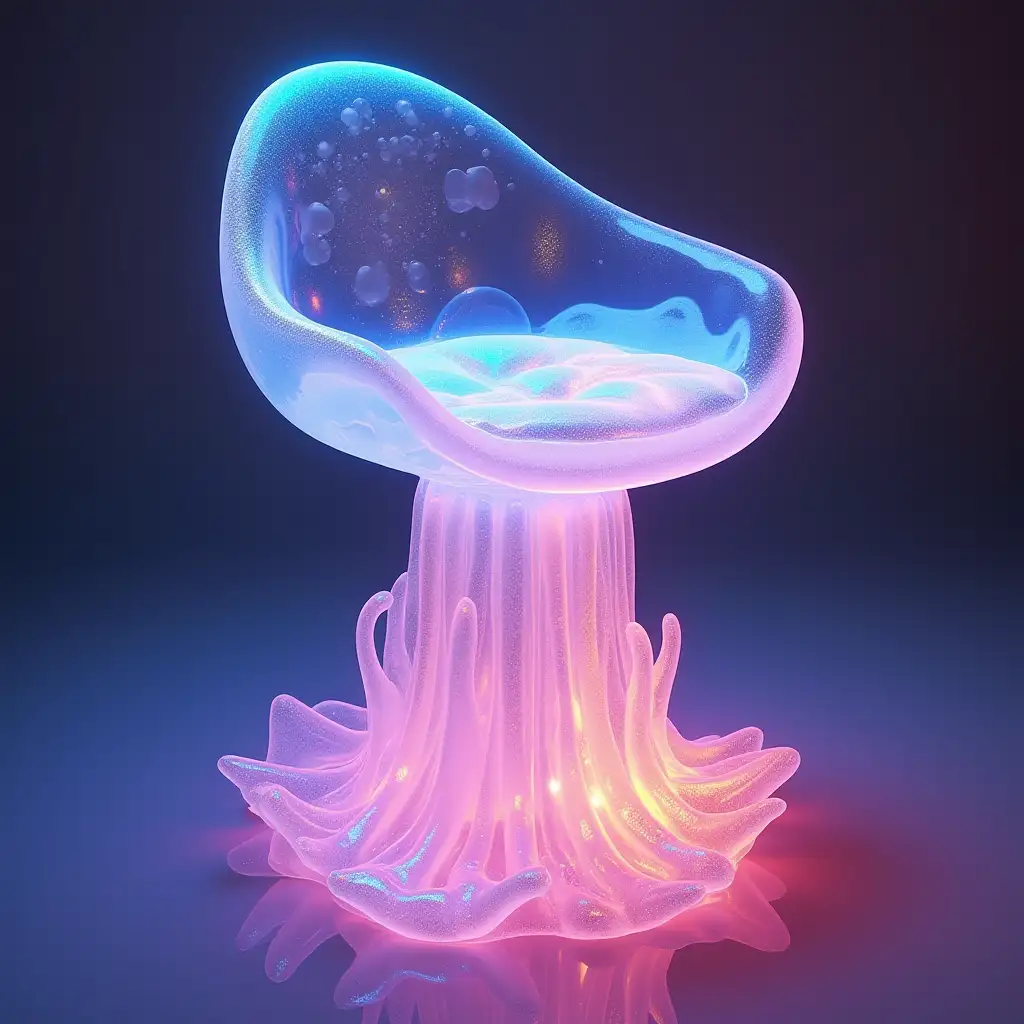



Reflective materials are substances that bounce light off their surfaces, creating stunning visual effects that range from mirror-like reflections to subtle gleams. Common examples include metals, glass, and water surfaces, all of which can dramatically influence the aesthetics of an image. In digital art, these materials are often used to create depth, highlight textures, and add a sense of realism or surrealism, depending on the intended effect. The interaction between light and reflective surfaces is a key element in creating visually striking compositions.
Understanding Reflective Materials and Their Unique Qualities
Reflective materials are widely used in various fields of visual art and design. In photography, they can enhance compositions by adding reflections that create symmetry or emphasize subjects. In digital art, reflective surfaces are essential for achieving realistic renderings of objects, particularly in 3D modeling where light behavior must be meticulously simulated. Additionally, reflective materials are popular in interior design and architecture, where they are used to manipulate light within spaces, create illusions of greater space, and add a modern, sleek aesthetic.
Applications of Reflective Materials in Visual Art and Design
When creating AI-generated images that feature reflective materials, attention to detail in light manipulation is crucial. AI models like DALL·E or Midjourney can be guided to produce accurate reflections by carefully crafting prompts that specify the type of reflective material, the light source, and the surrounding environment. The 'open in editor' feature allows users to tweak these parameters, ensuring that the final image meets their specific requirements. Techniques such as adjusting brightness, contrast, and saturation further refine the realism and artistic quality of the reflections.
Techniques for Creating Reflective Surfaces in AI-Generated Images
Reflective materials have had a significant impact on the development of modern digital art. Their ability to transform simple compositions into complex, multi-layered visuals makes them a favorite among artists and designers. Reflective surfaces are used not only to achieve photorealism but also to explore abstract concepts, such as reflections of the mind or distorted realities. The versatility of these materials has led to their widespread adoption in everything from commercial advertising to experimental art, making them a cornerstone of contemporary digital creativity.
The Influence of Reflective Materials on Modern Digital Art