33 Free Realistic Textures Photos Midjourney AI images
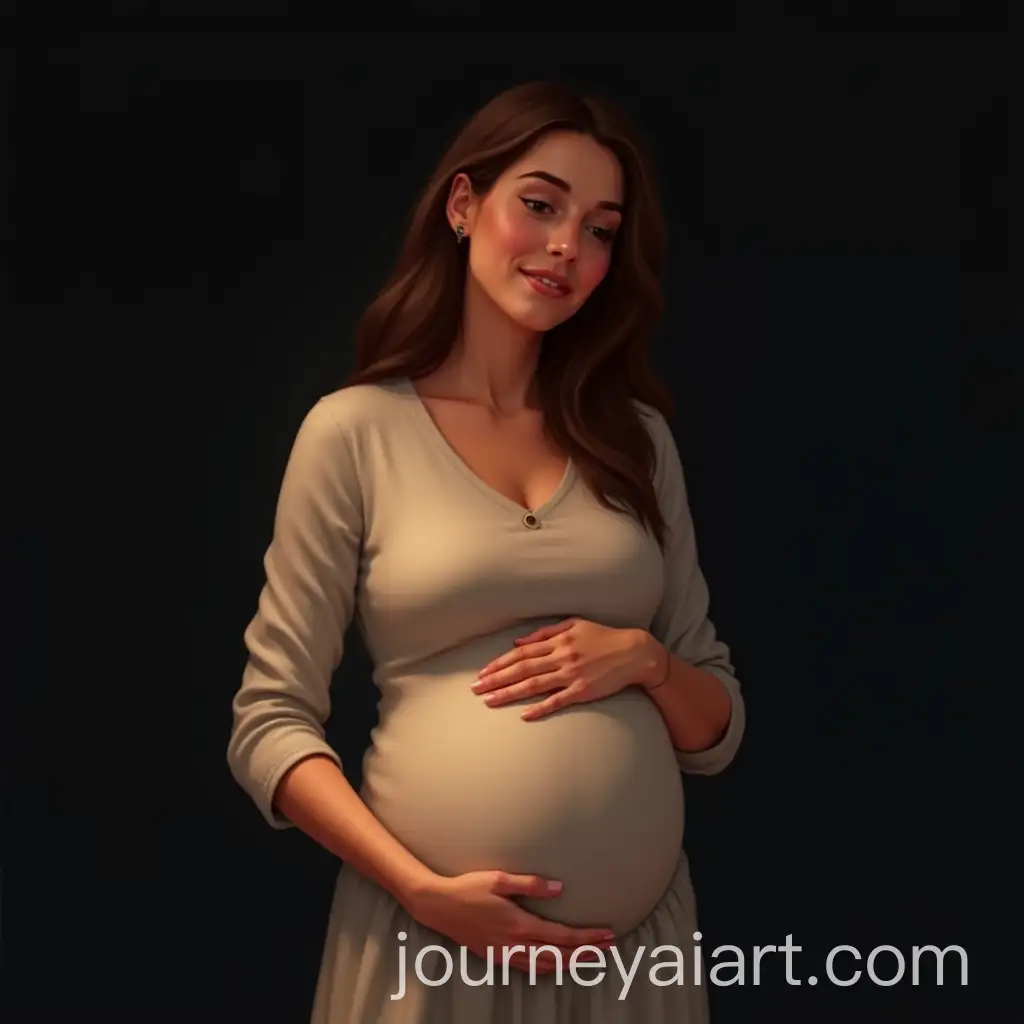
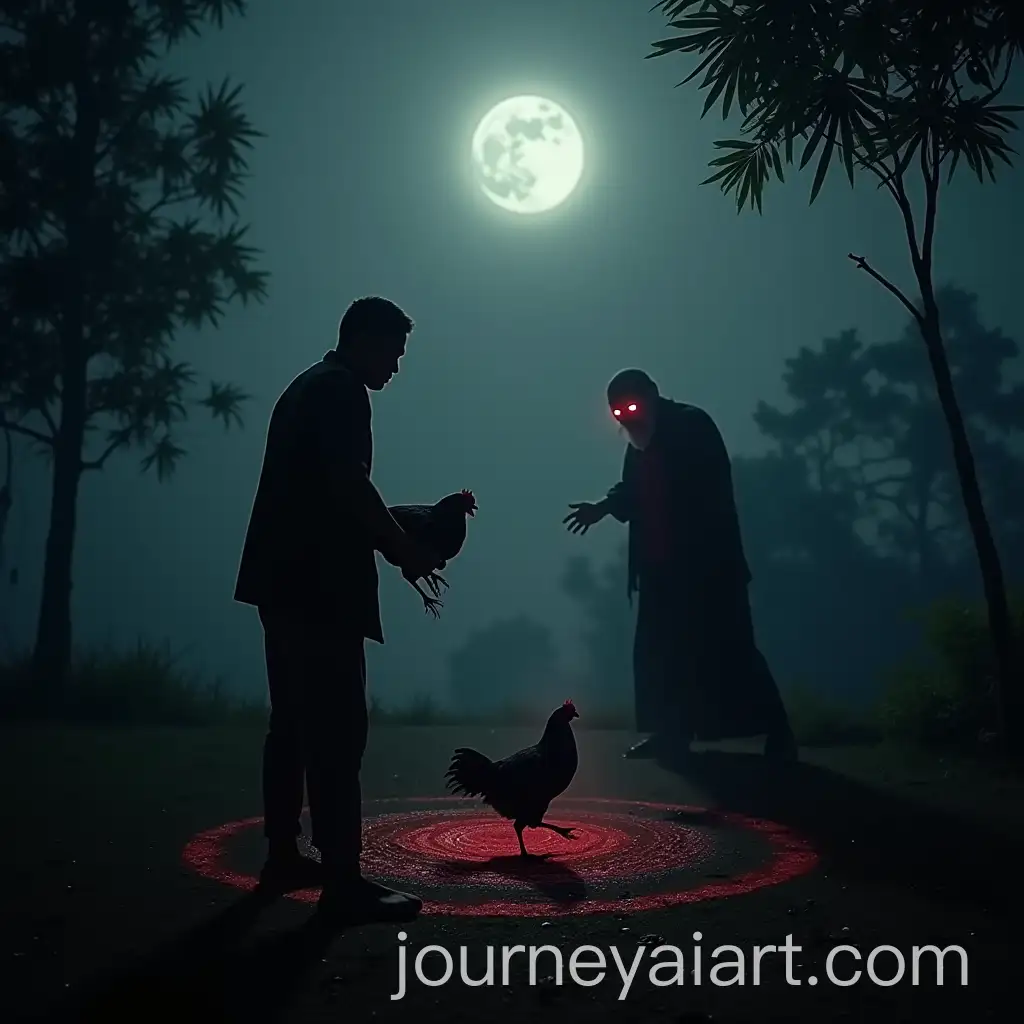
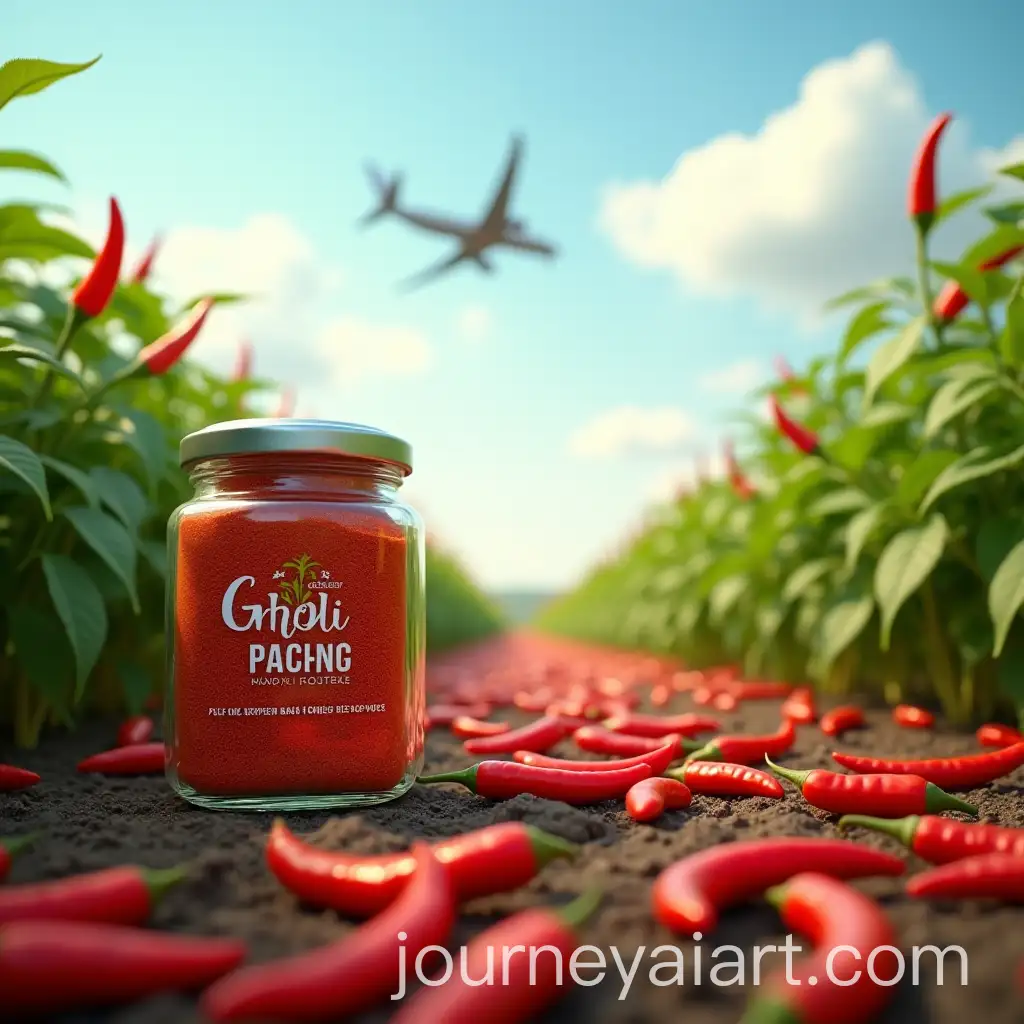
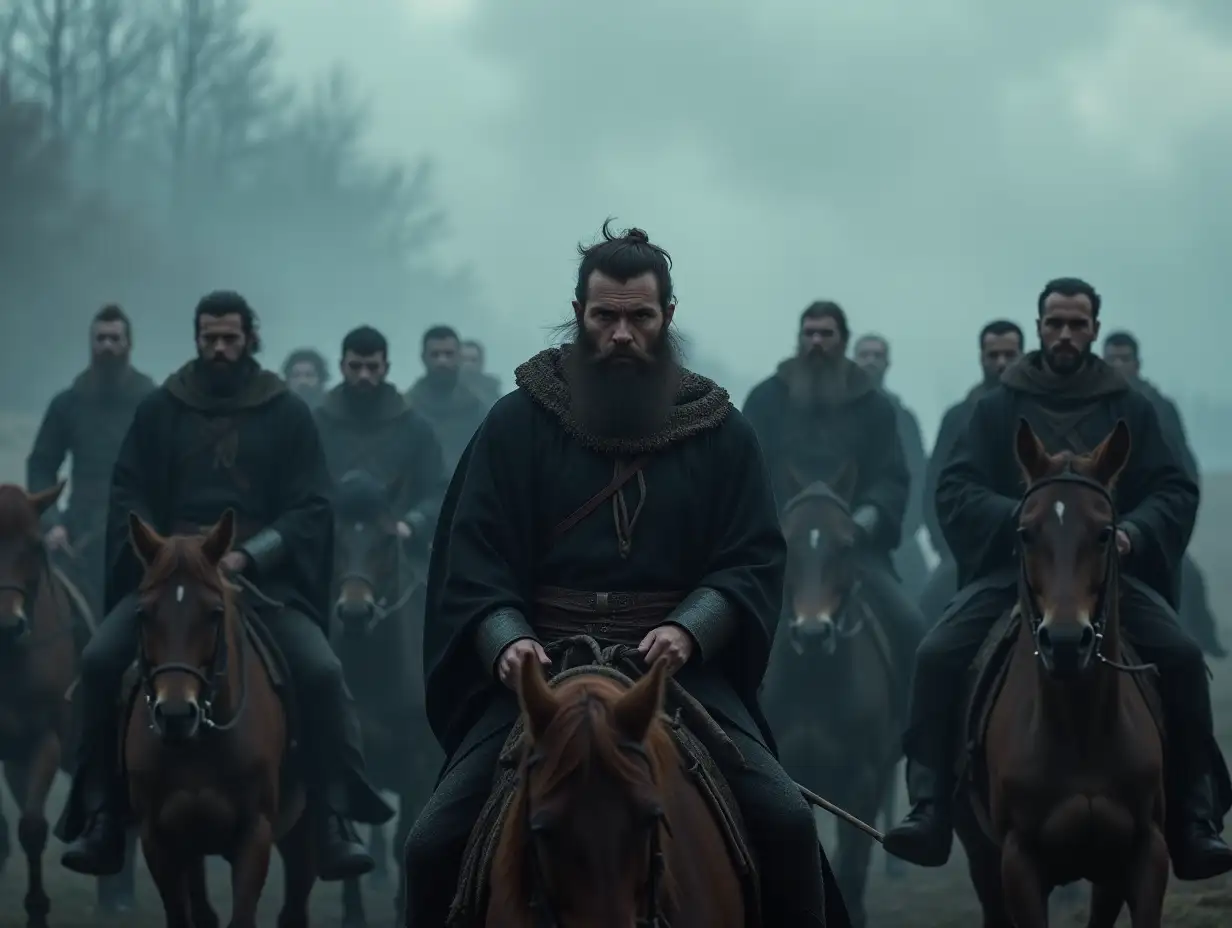
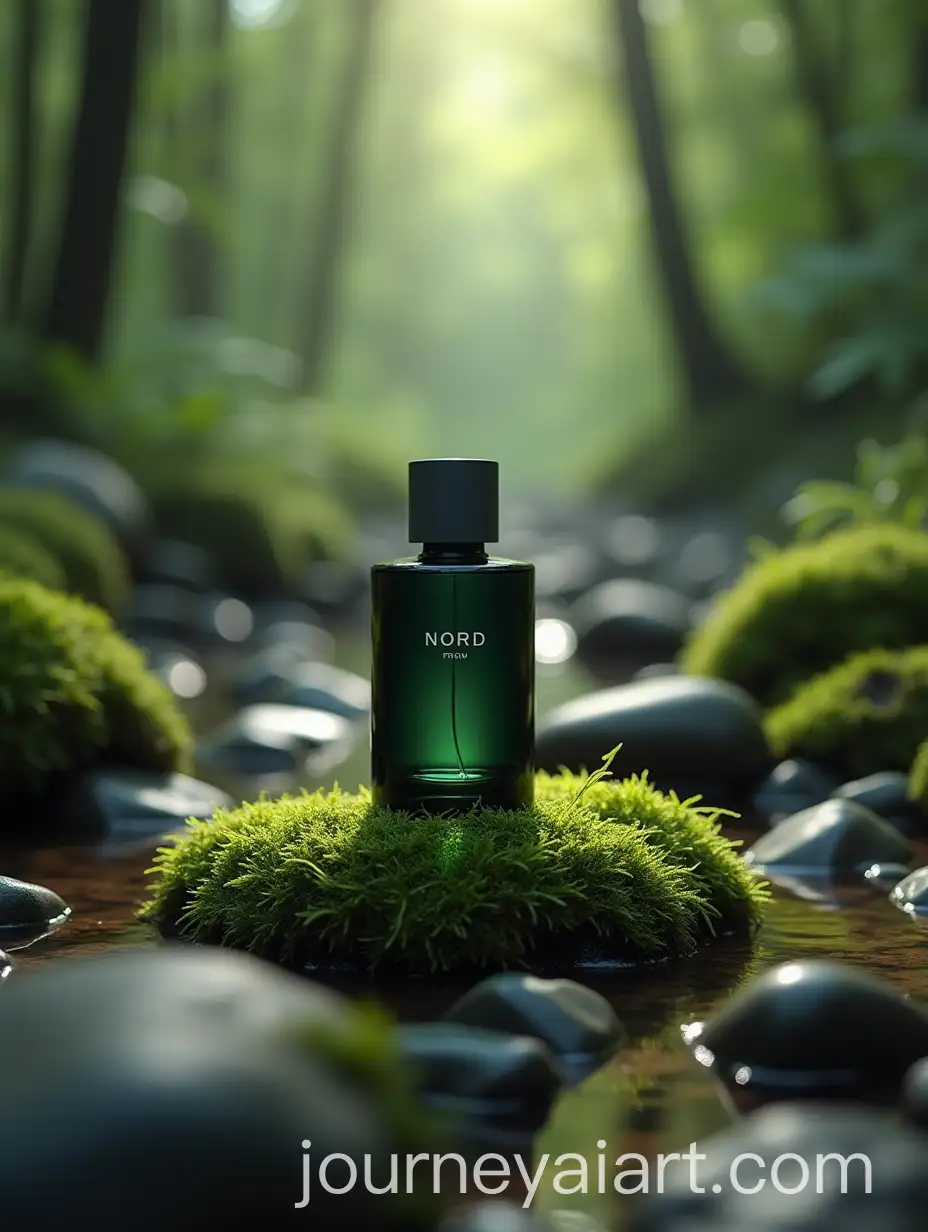
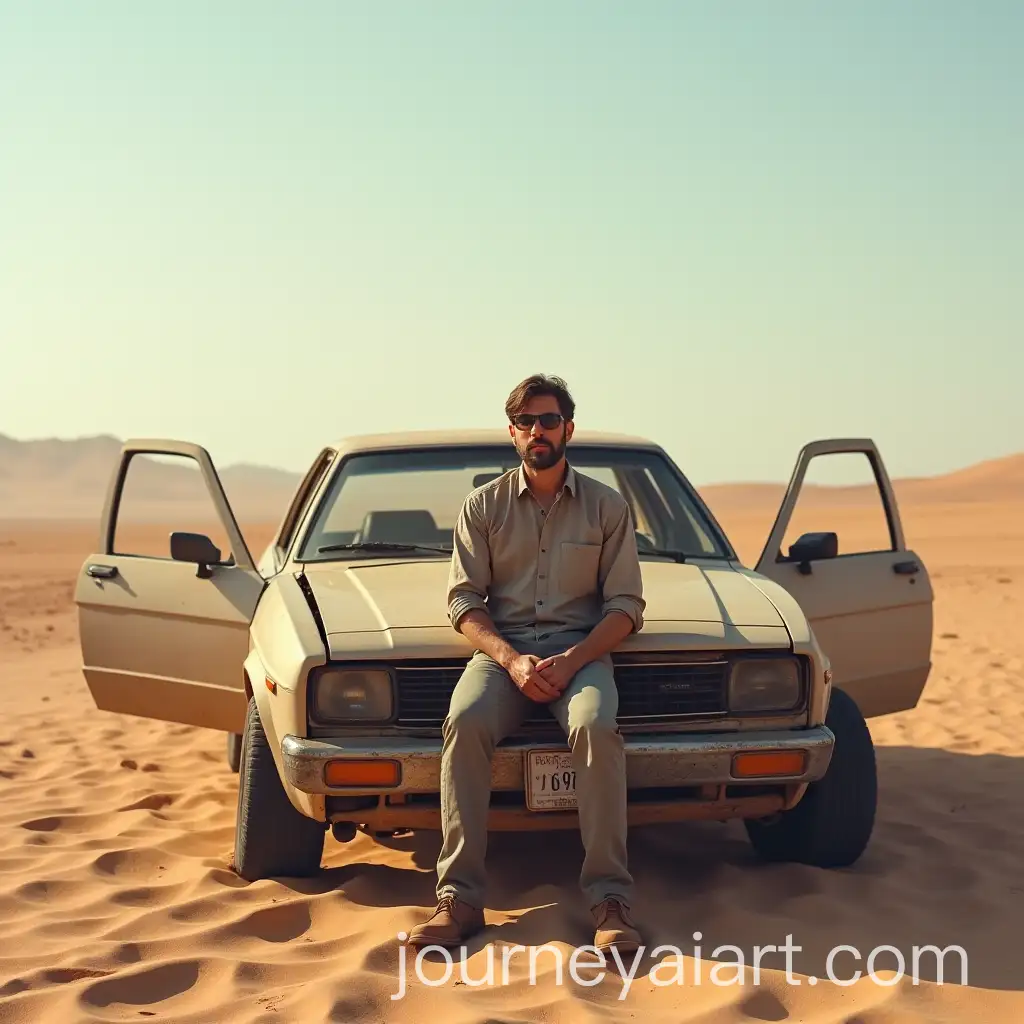
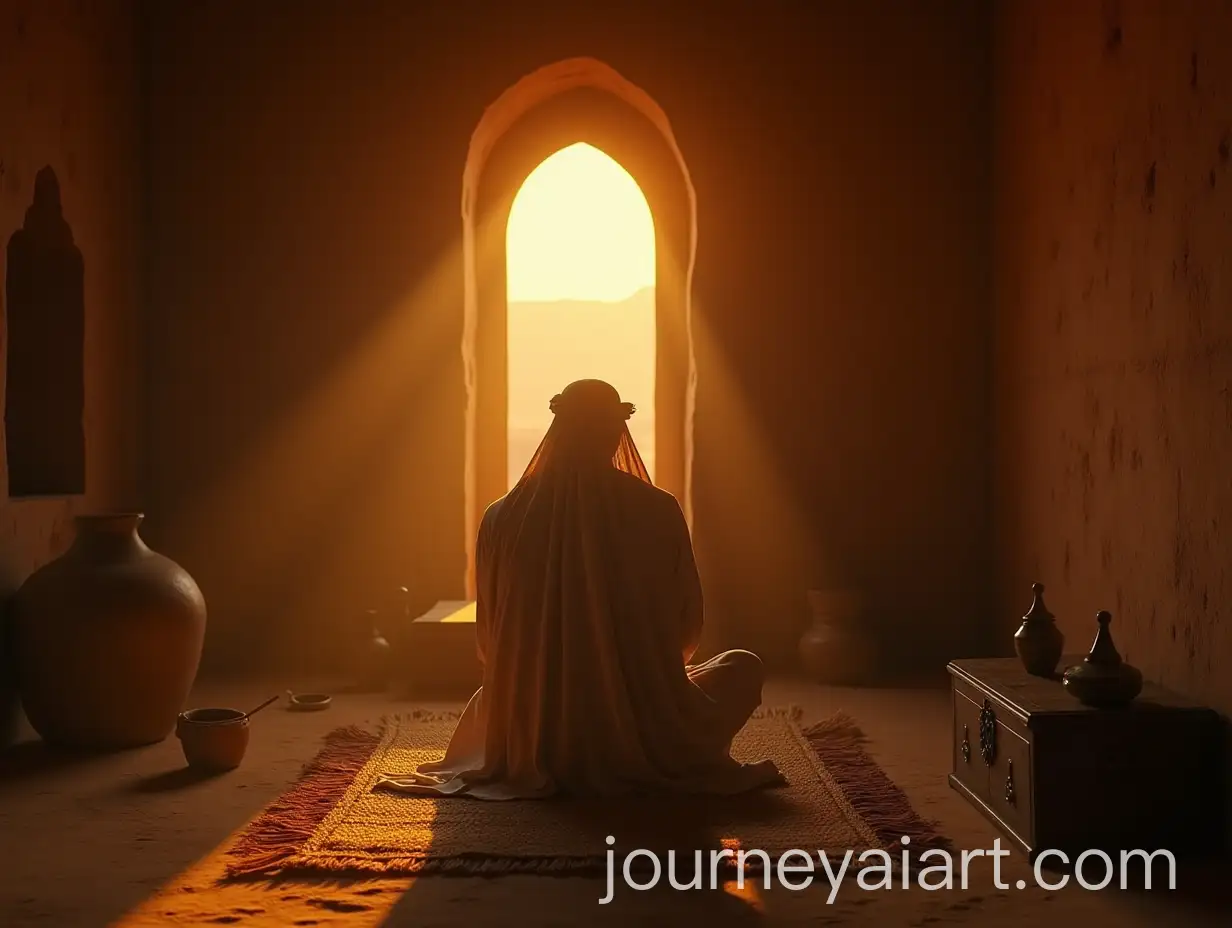
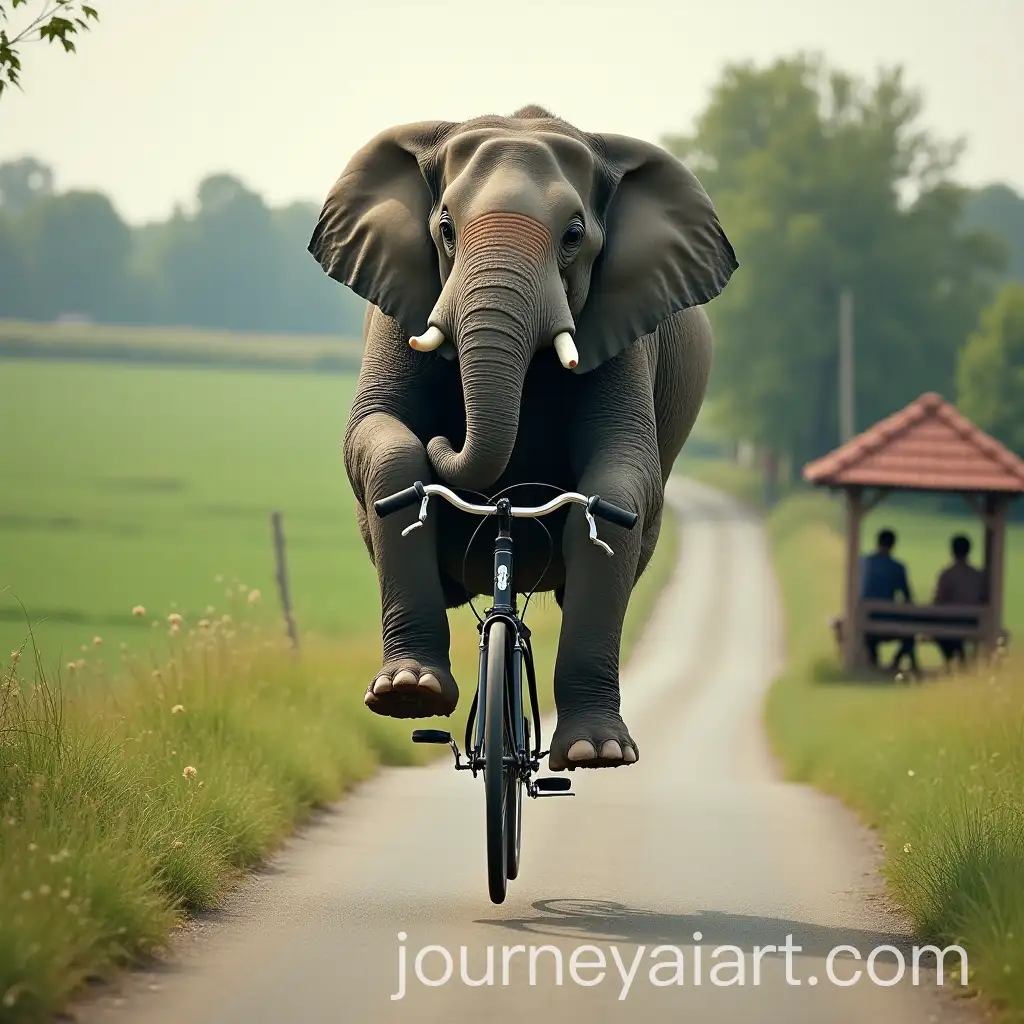
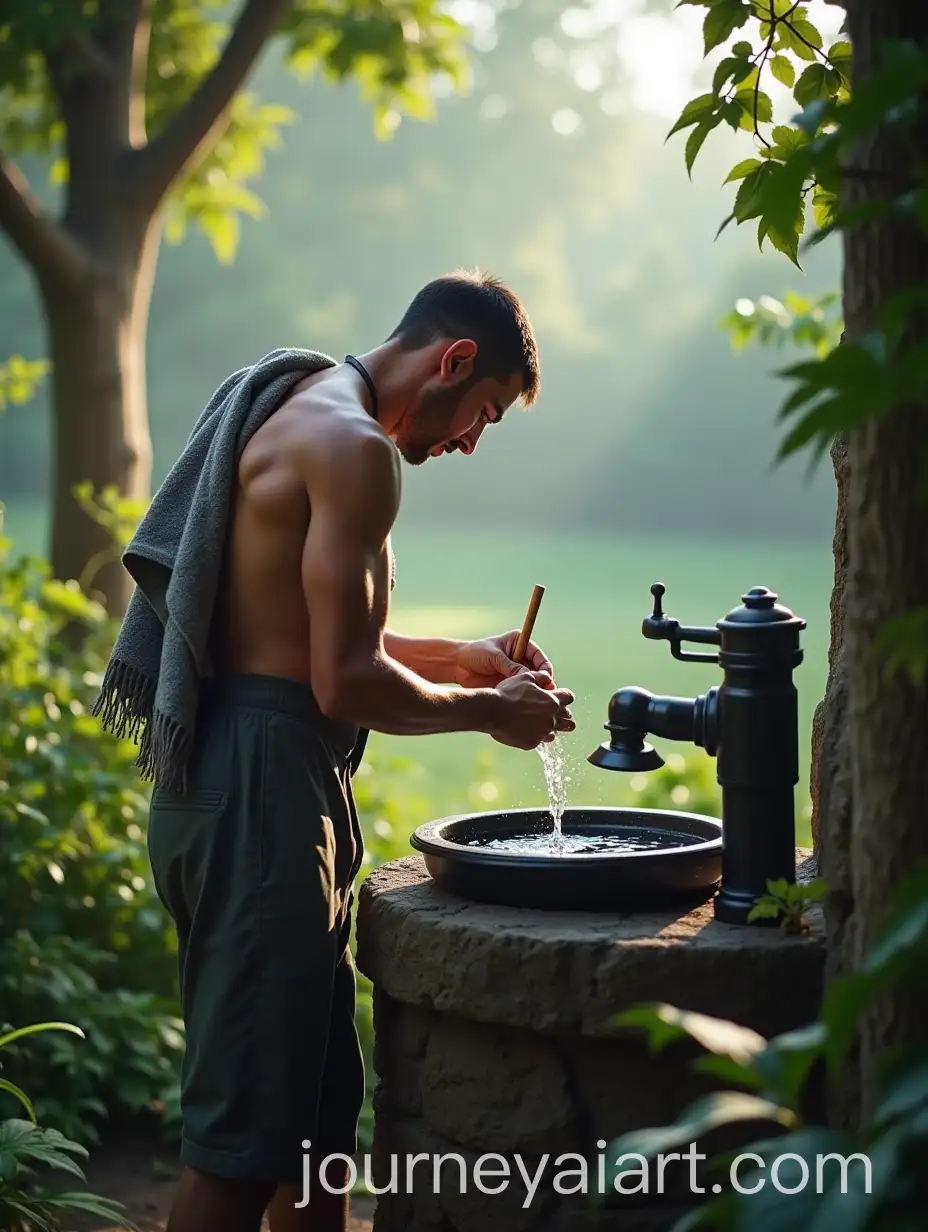
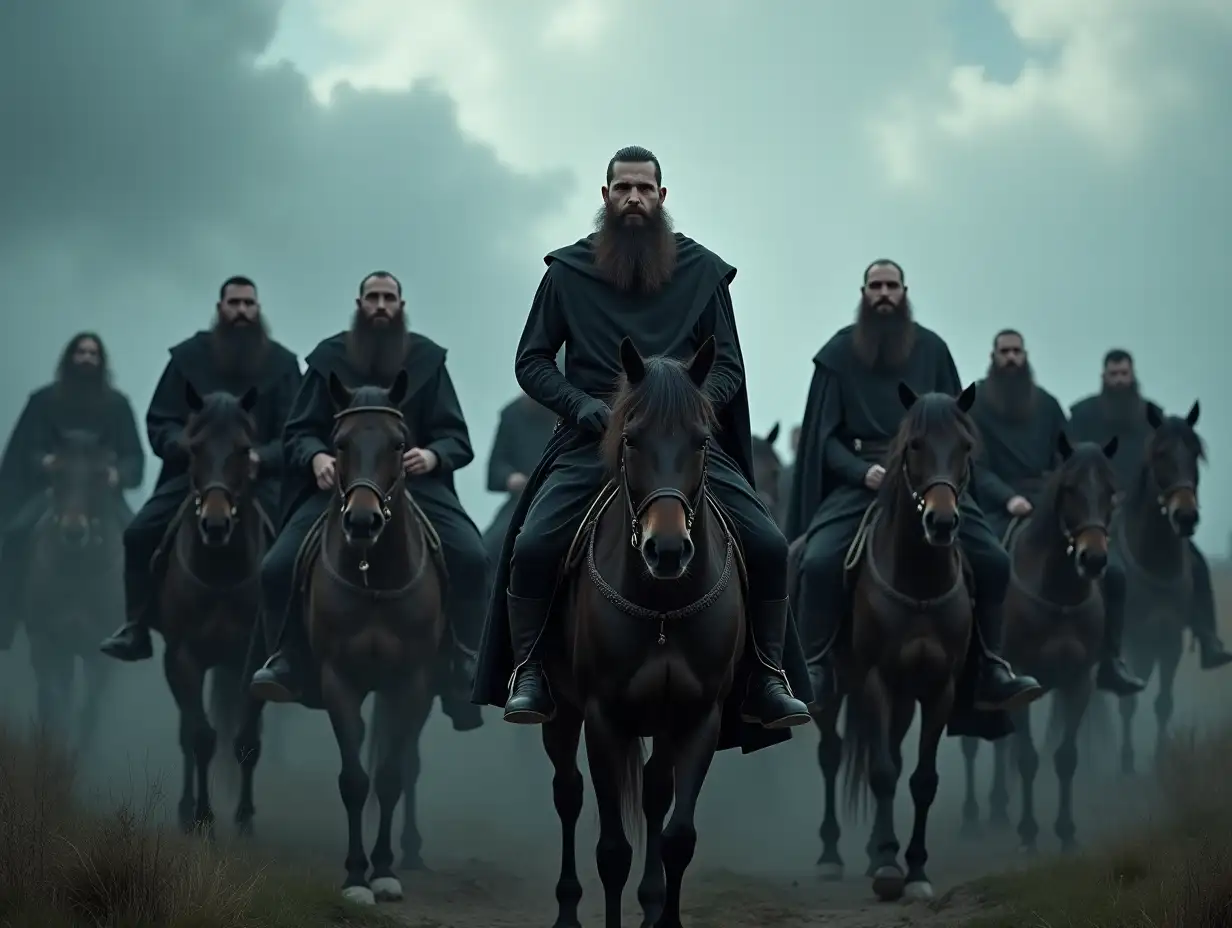
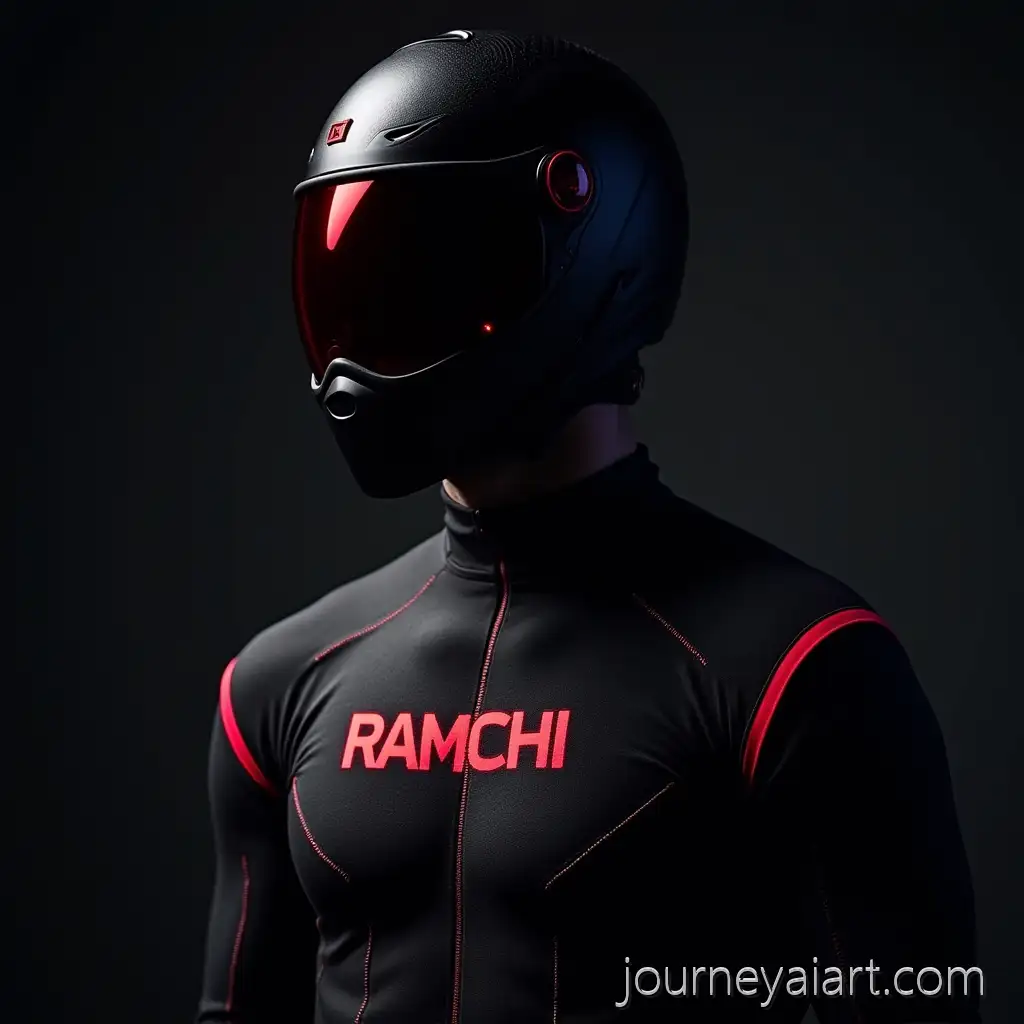
Welcome to our collection of Realistic Textures Photos, featuring 33 free AI-generated images. This diverse collection includes stock photos, 3D objects, vectors, and illustrations with realistic textures. All images are available for high-resolution downloads, and you can use the 'open in editor' feature on the image detail page to customize prompts and regenerate the image to suit your needs.


















Related Tags
Realistic textures in AI-generated images represent an important convergence of technology and artistry. Textures can include anything from the rough surface of weathered stone to the smooth sheen of polished metal. AI algorithms, trained on vast datasets of real-world textures, are able to mimic these surfaces with remarkable accuracy. The results are often indistinguishable from actual photographs, which opens up new possibilities in various creative industries such as design, architecture, gaming, and more. By using tools like the 'open in editor' feature, users can further refine the prompts to generate textures that meet their specific needs, from fine details to broader textures.
The Art and Science Behind Realistic Textures in AI-Generated Imagery
Realistic textures play a vital role in digital art and design by adding depth, authenticity, and believability to virtual environments. Designers and artists use these textures for everything from 3D modeling and game design to product visualizations and animation. In architecture, realistic textures help visualize how a building’s materials will look in real life, while in gaming, they contribute to immersive environments. These AI-generated images offer an immense range of high-quality textures, from rough natural surfaces like wood and stone to synthetic materials like fabric and metal, allowing creators to bring their visions to life with stunning detail.
Applications of Realistic Textures in Digital Art and Design
The creation of realistic textures has evolved alongside advances in AI technology. Earlier methods, such as procedural texture generation, could create textures based on mathematical patterns but lacked the nuance and unpredictability found in real-world materials. With deep learning models and neural networks, AI can now analyze and replicate textures from real-world images with incredible precision. This shift has dramatically improved the quality of AI-generated textures, allowing artists and designers to use textures that not only look real but also behave realistically in different contexts (e.g., lighting, shadows, and interaction with other objects). As AI technology continues to advance, we can expect even more dynamic and realistic textures to emerge.
The Evolution of Texture Creation in AI Technology
AI-generated realistic textures are having a transformative impact on visual media across multiple sectors. In film and television, textures play a crucial role in creating believable environments, especially in CGI-heavy productions. By generating high-quality textures, studios can save time and resources while maintaining visual fidelity. Similarly, in gaming, AI-generated textures are helping developers create more immersive, lifelike worlds without the need for extensive manual work. Additionally, these textures are helping businesses streamline the product design process by offering realistic visualizations early in the development cycle. With AI's ability to automate texture creation, the future promises a world where digital assets are more accessible, customizable, and versatile than ever.
How AI-Generated Realistic Textures Are Shaping the Future of Visual Media