4 Free Railway vehicle Midjourney AI images
Welcome to our Railway Vehicle image collection, featuring 4 free AI-generated images. Explore a wide variety of images including stock photos, 3D models, vectors, and illustrations. Download high-resolution images for free, and use our 'open in editor' feature to customize prompts for your perfect railway vehicle image.

Railway vehicles have played a crucial role in the evolution of transportation since the early 19th century. From the invention of the steam locomotive by George Stephenson in 1814 to the modern high-speed trains like the Shinkansen in Japan and the TGV in France, railway vehicles have undergone significant transformations. Initially powered by steam, then by diesel and electric engines, these vehicles have constantly adapted to meet the demands of growing economies and expanding infrastructure. This evolution reflects not just technological advancements but also changing societal needs, such as the rise of urbanization and the need for sustainable transport solutions.
The Evolution and History of Railway Vehicles
Modern railway vehicles are distinguished by their diverse range of designs and specialized functions. Passenger trains, such as intercity and high-speed trains, are built for comfort, speed, and efficiency, offering amenities like Wi-Fi, dining options, and reclining seats. Freight trains, on the other hand, are optimized for transporting goods over long distances, featuring robust carriages and powerful locomotives capable of hauling massive loads. Urban rail systems, such as subways and trams, focus on high-capacity and frequent service to accommodate the daily commuter rush. Each type of railway vehicle is engineered to fulfill specific transportation needs, from facilitating international trade to reducing traffic congestion in cities.
Characteristics and Applications of Modern Railway Vehicles
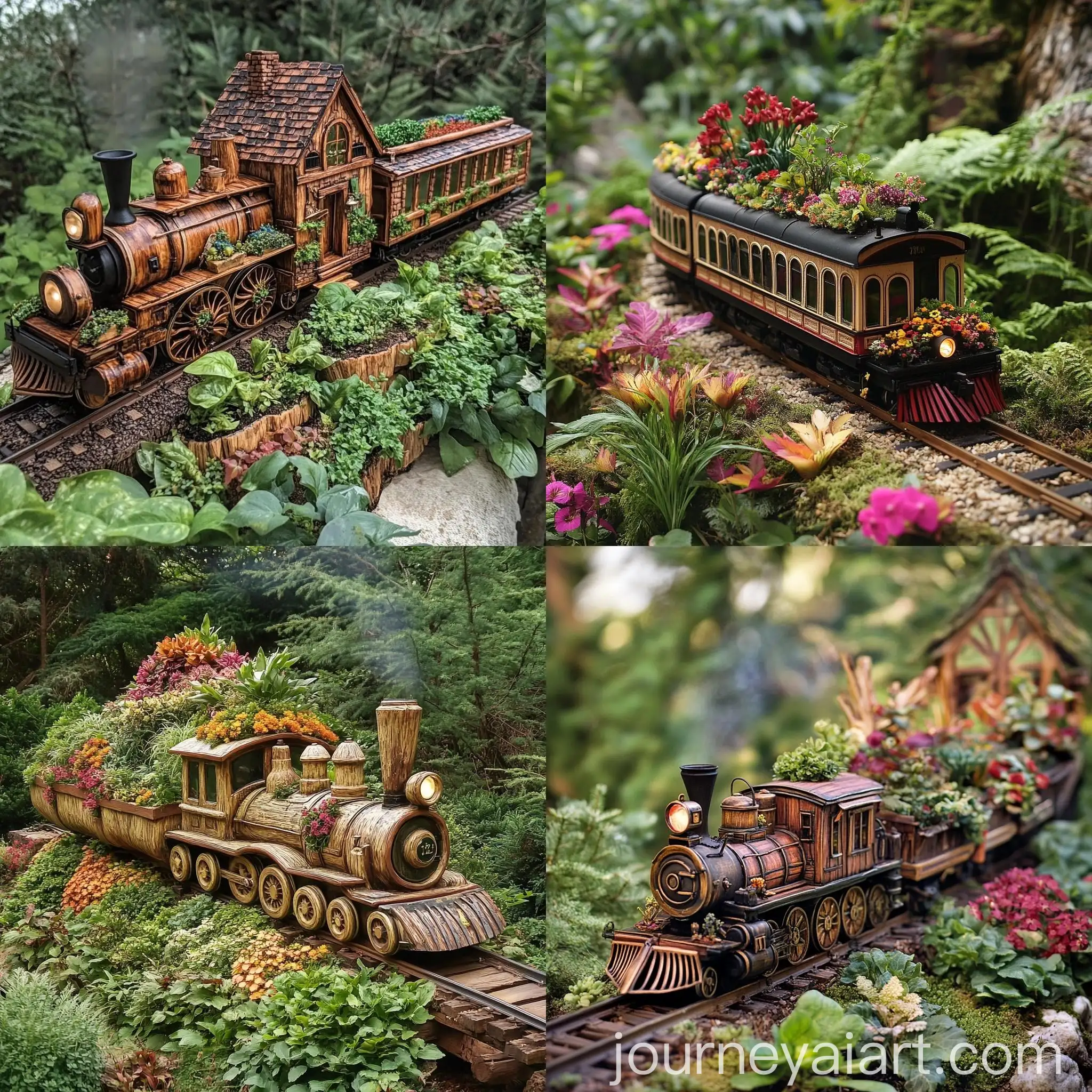
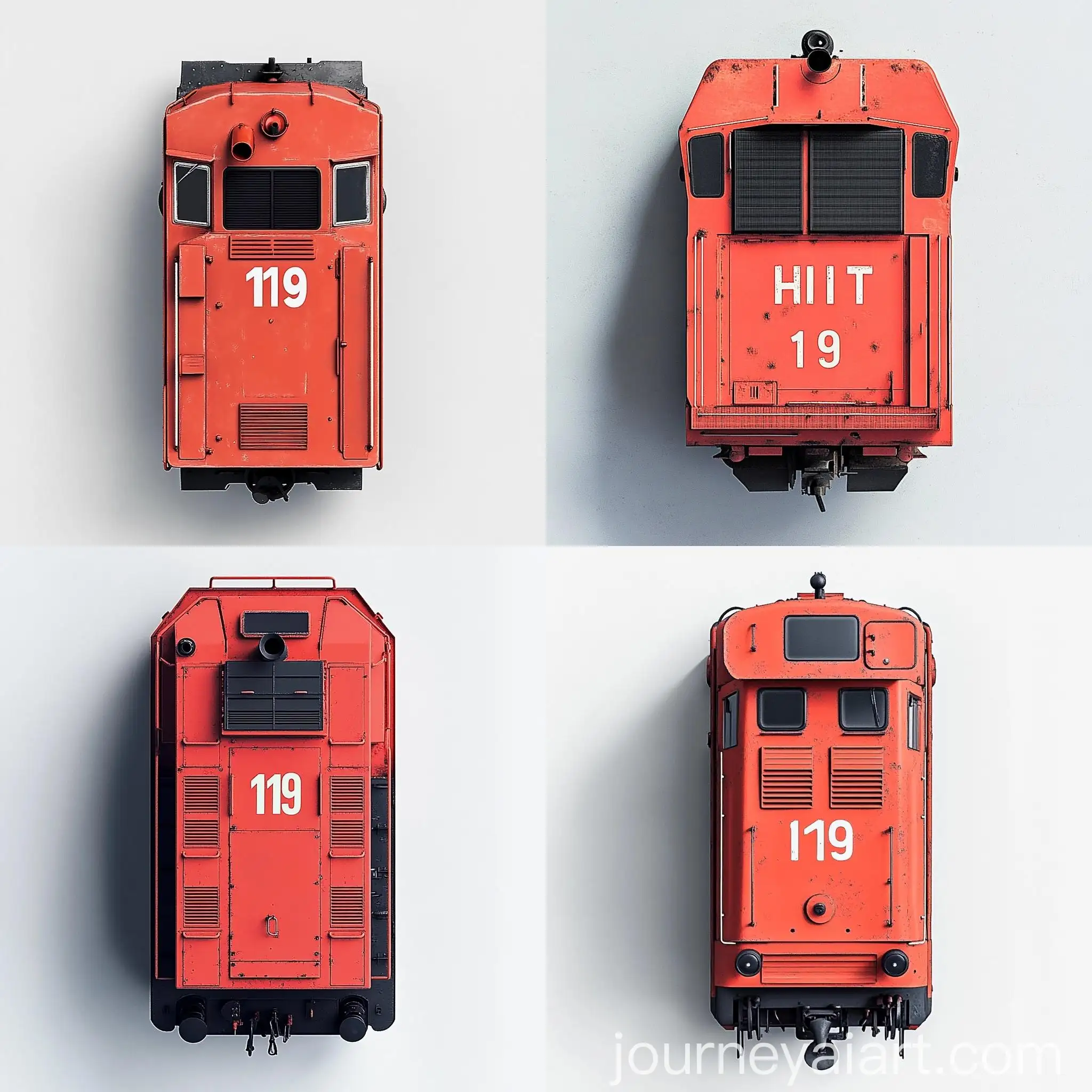
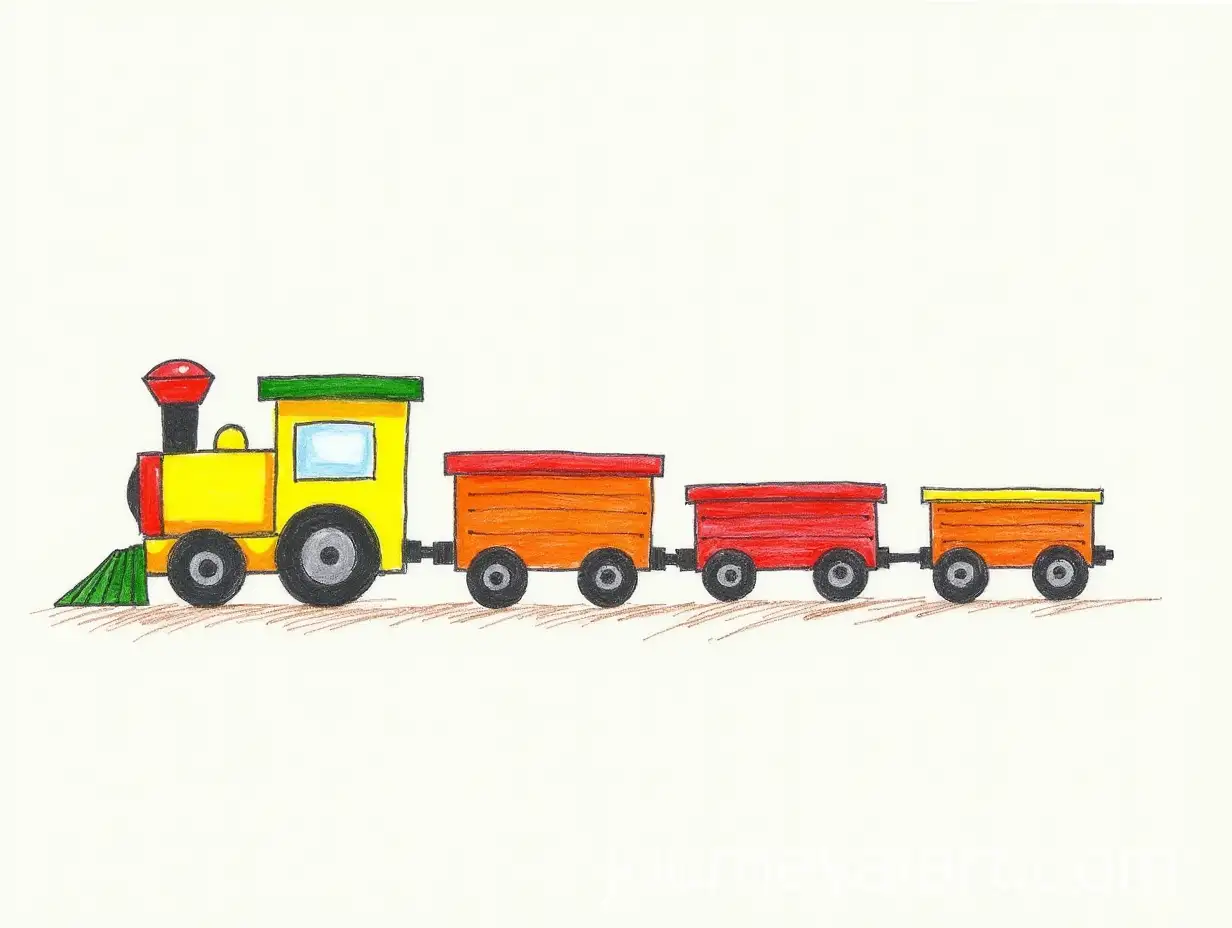
The AI-generated images of railway vehicles on this page showcase a variety of styles and types, capturing everything from historical steam engines to futuristic maglev trains. These images include detailed vectors of iconic steam locomotives, realistic 3D models of modern bullet trains, and artistic illustrations of vintage railway carriages. Users can find images of classic trains traversing scenic landscapes, sleek high-speed trains cutting through urban environments, and industrial freight trains moving through remote areas. This diverse collection offers a visual journey through the rich history and futuristic potential of railway transport, making it an invaluable resource for designers, educators, and train enthusiasts alike.
Different Styles and Types of Railway Vehicles in AI-Generated Images
The future of railway vehicles is set to be shaped by advancements in technology and a growing emphasis on sustainability. Innovations such as hydrogen-powered trains, already being tested in Germany and the UK, promise to reduce carbon emissions while maintaining high performance. Autonomous trains, which are being developed for freight and passenger services, could revolutionize the industry by improving safety and efficiency. Additionally, the expansion of high-speed rail networks around the world, particularly in countries like China and India, is expected to facilitate faster and more reliable long-distance travel. These trends indicate that railway vehicles will continue to evolve, playing a crucial role in the global push towards greener and more efficient transportation systems.
Future Development Trends in Railway Vehicle Technology