18 Free Propaganda Art Midjourney AI images
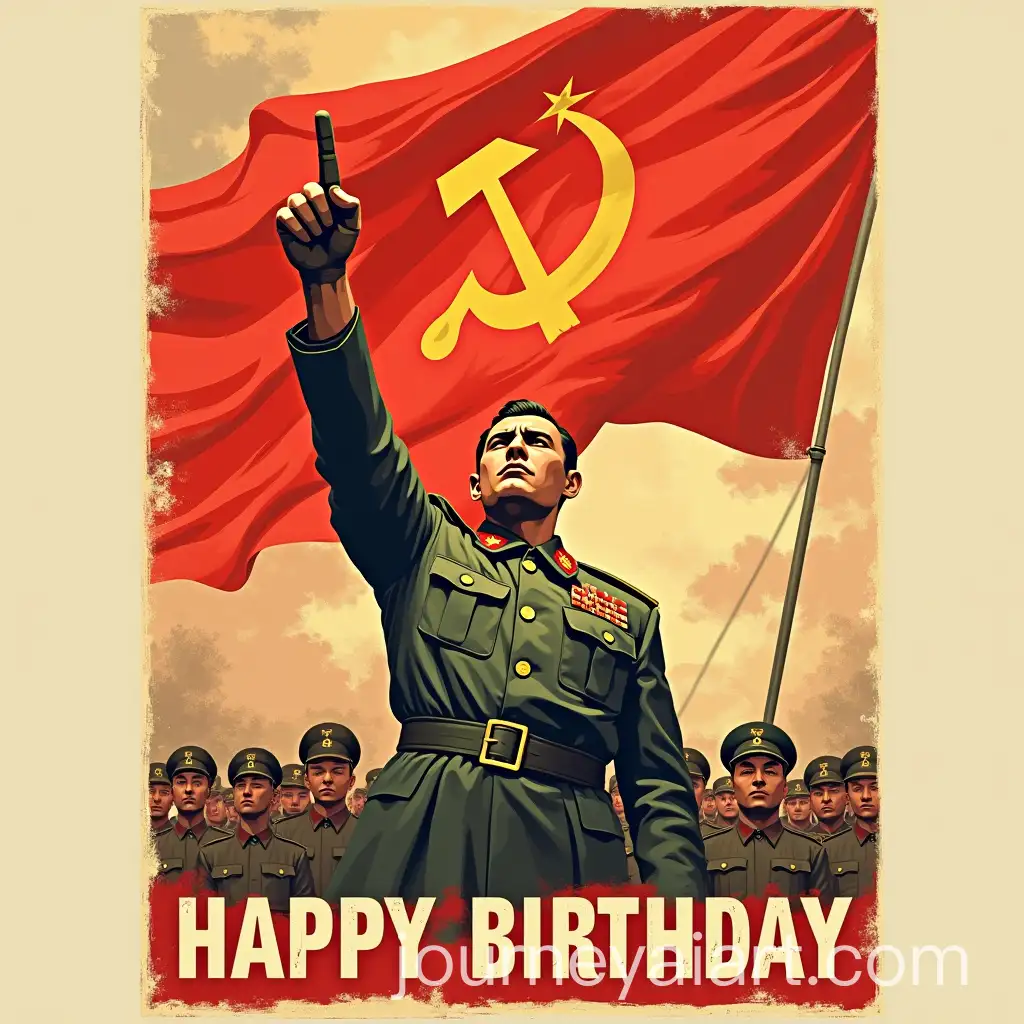
Welcome to our Propaganda Art image collection, featuring 18 free AI-generated images. Explore a diverse array of stock photos, 3D objects, vectors, and illustrations. Enjoy high-resolution downloads and use our 'open in editor' feature to customize prompts for your perfect image.

Related Tags
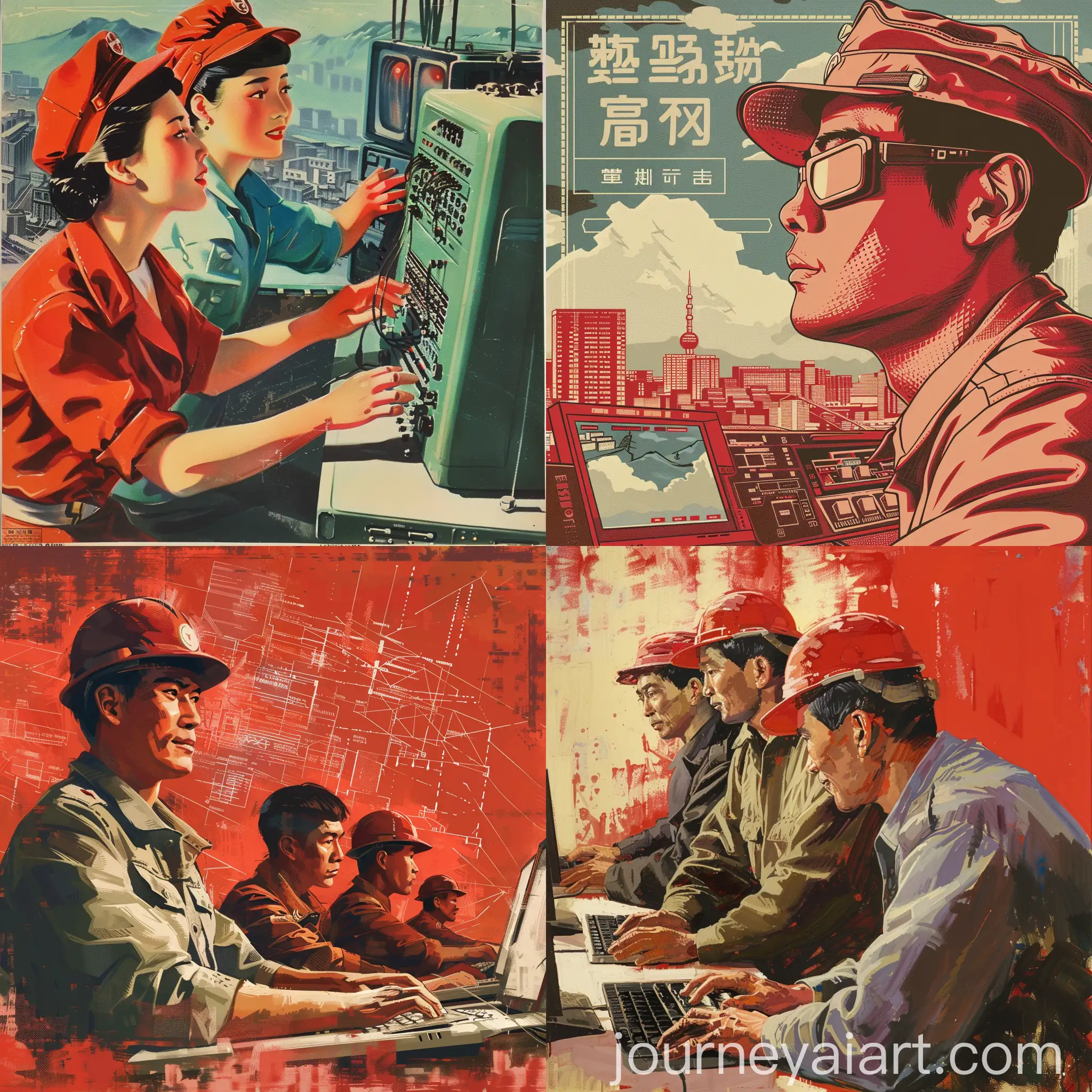
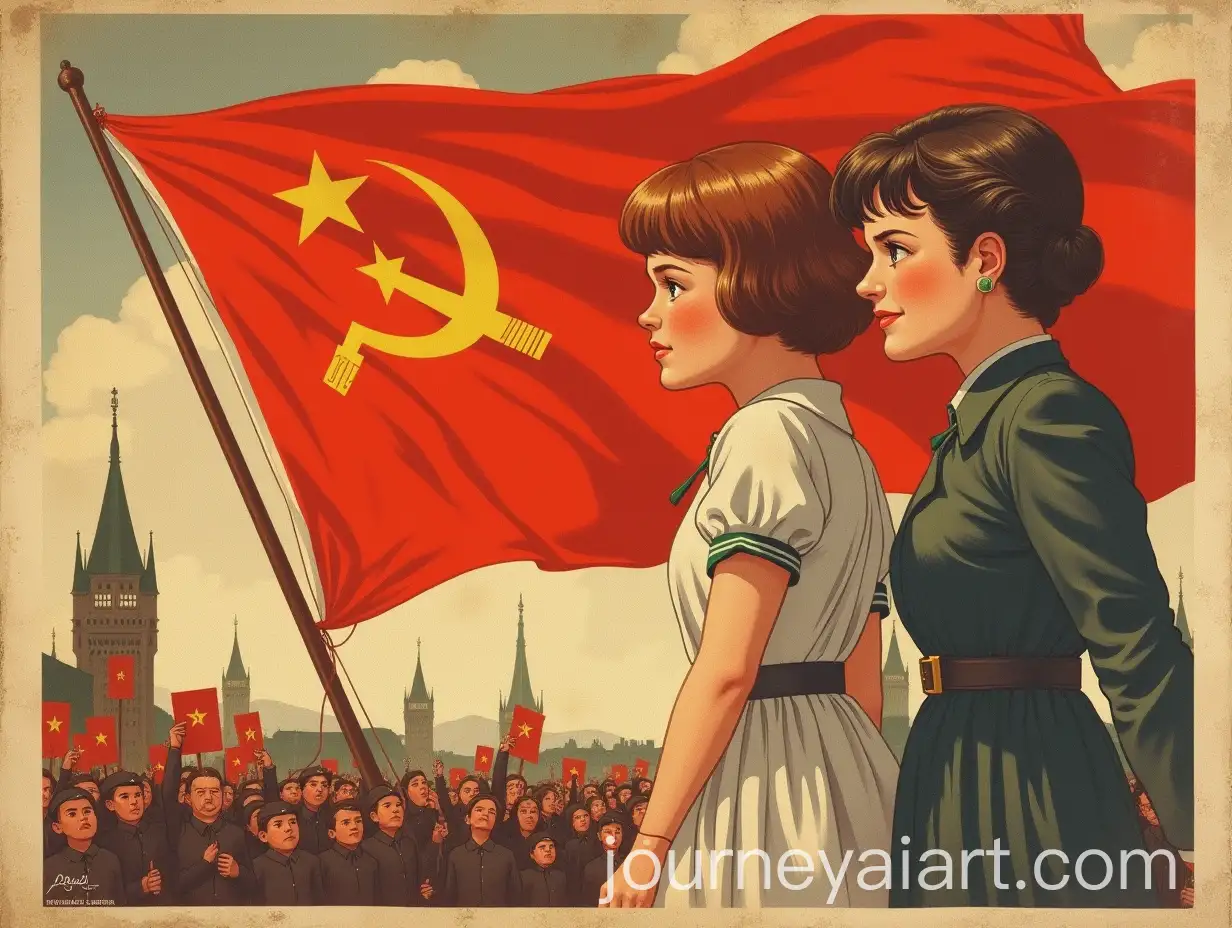
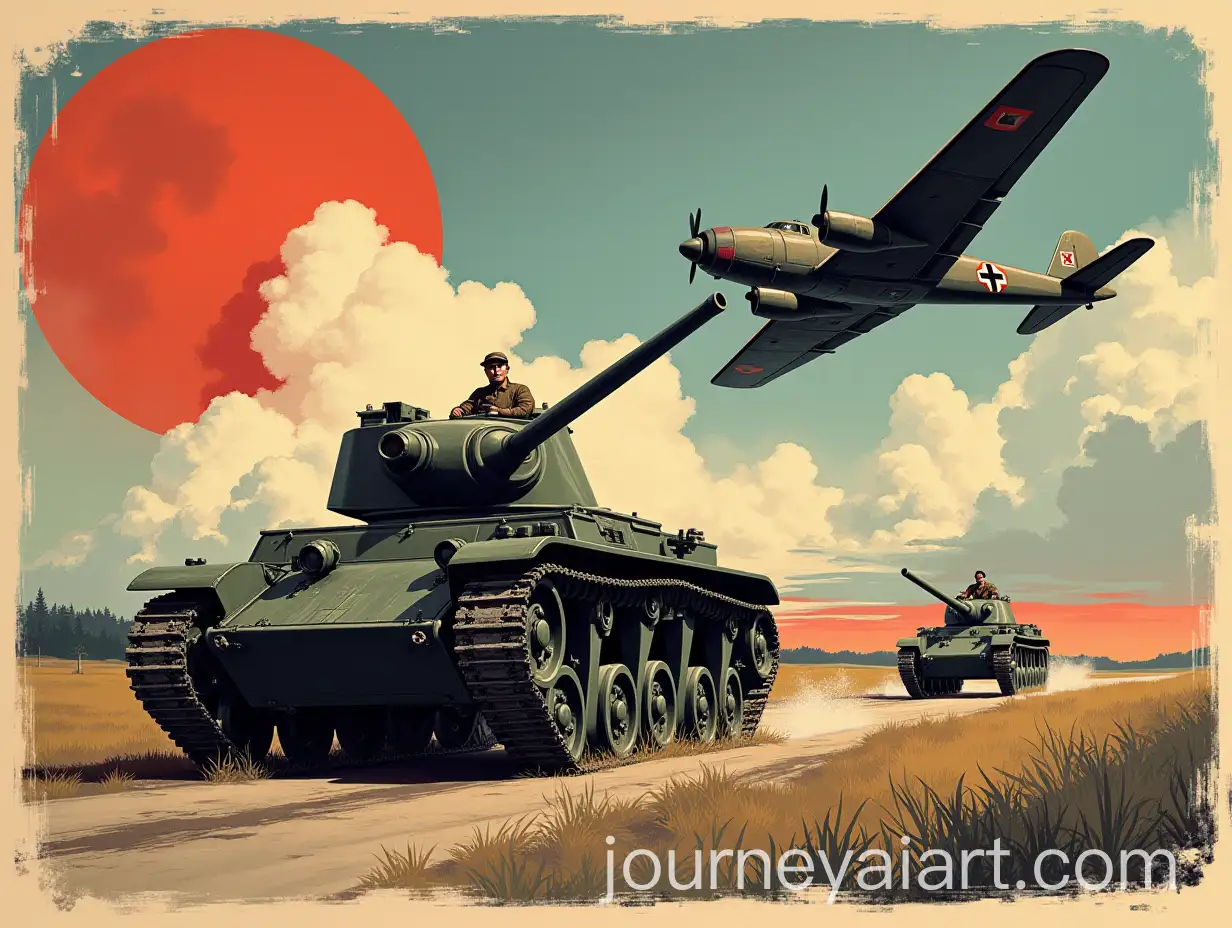
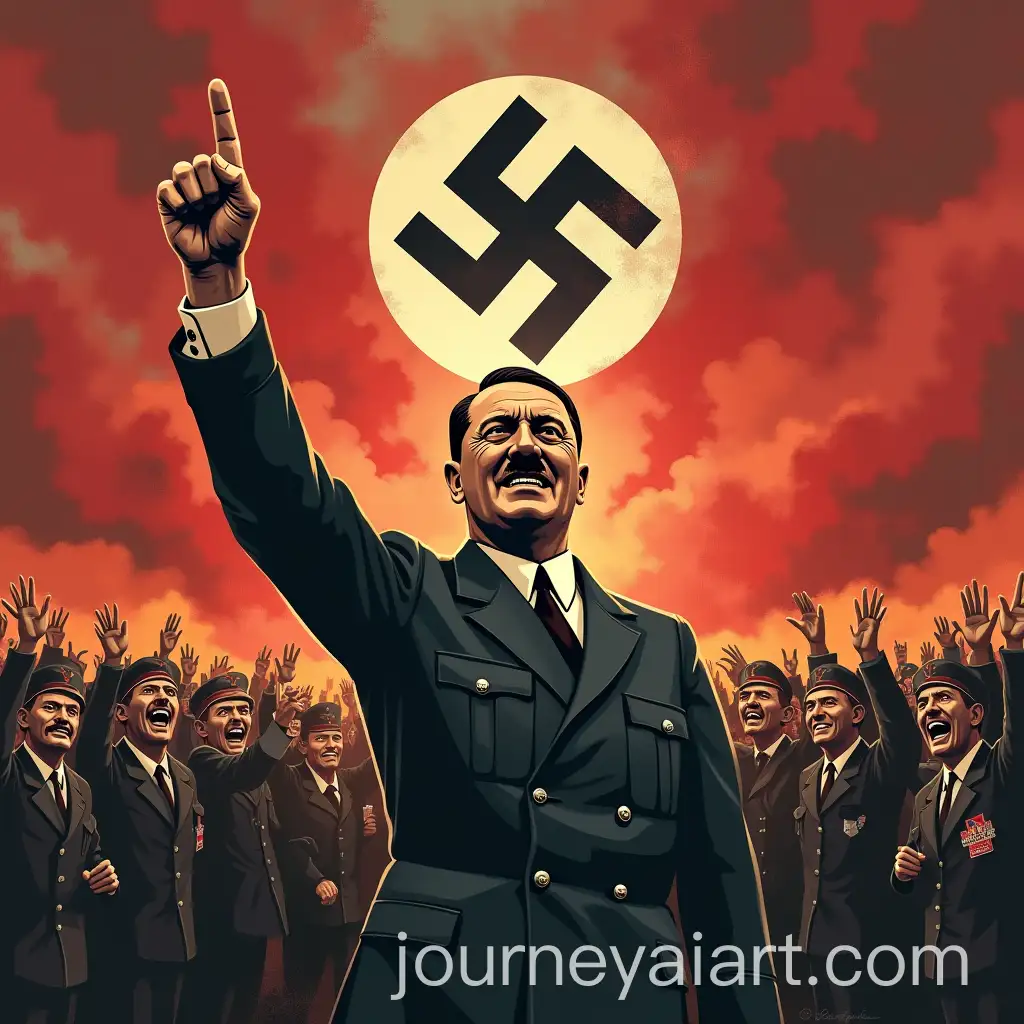
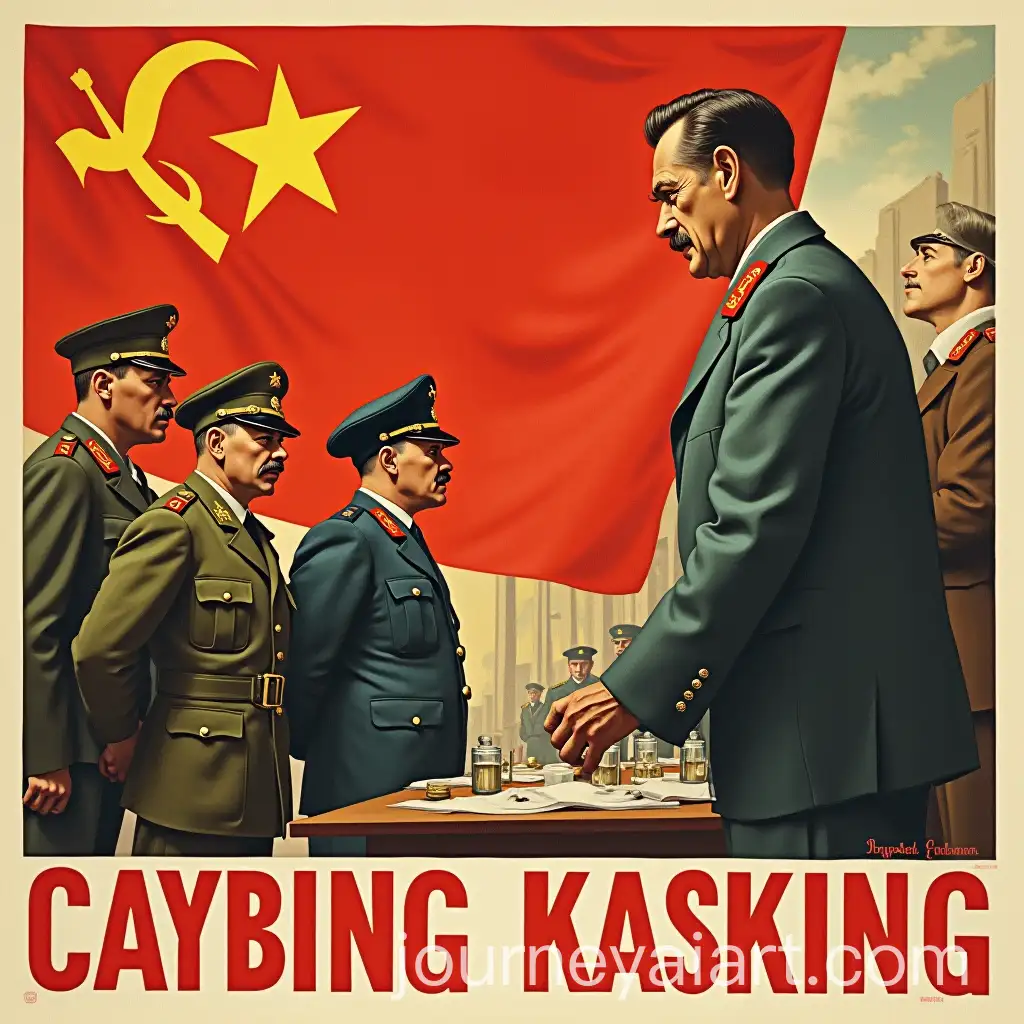
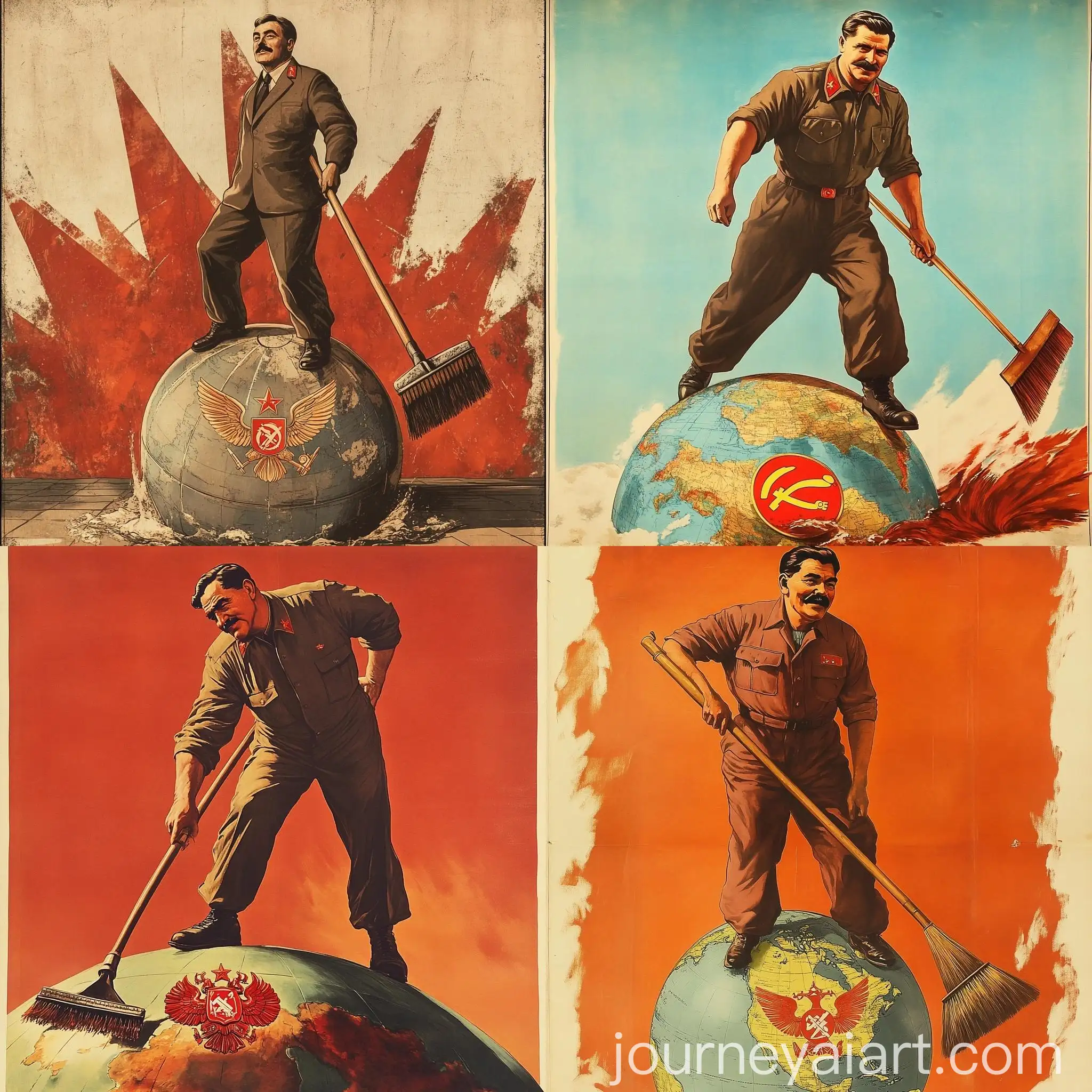
Propaganda Art has its roots in the political and social movements of the early 20th century. It emerged as a powerful tool for governments and organizations to influence public opinion and mobilize support for various causes. The use of bold graphics, striking colors, and evocative imagery became a hallmark of this art form. Historical contexts such as World Wars, the Cold War, and revolutionary movements significantly shaped the themes and styles of Propaganda Art, making it a reflection of the sociopolitical climate of its time.
The Origins and Historical Context of Propaganda Art
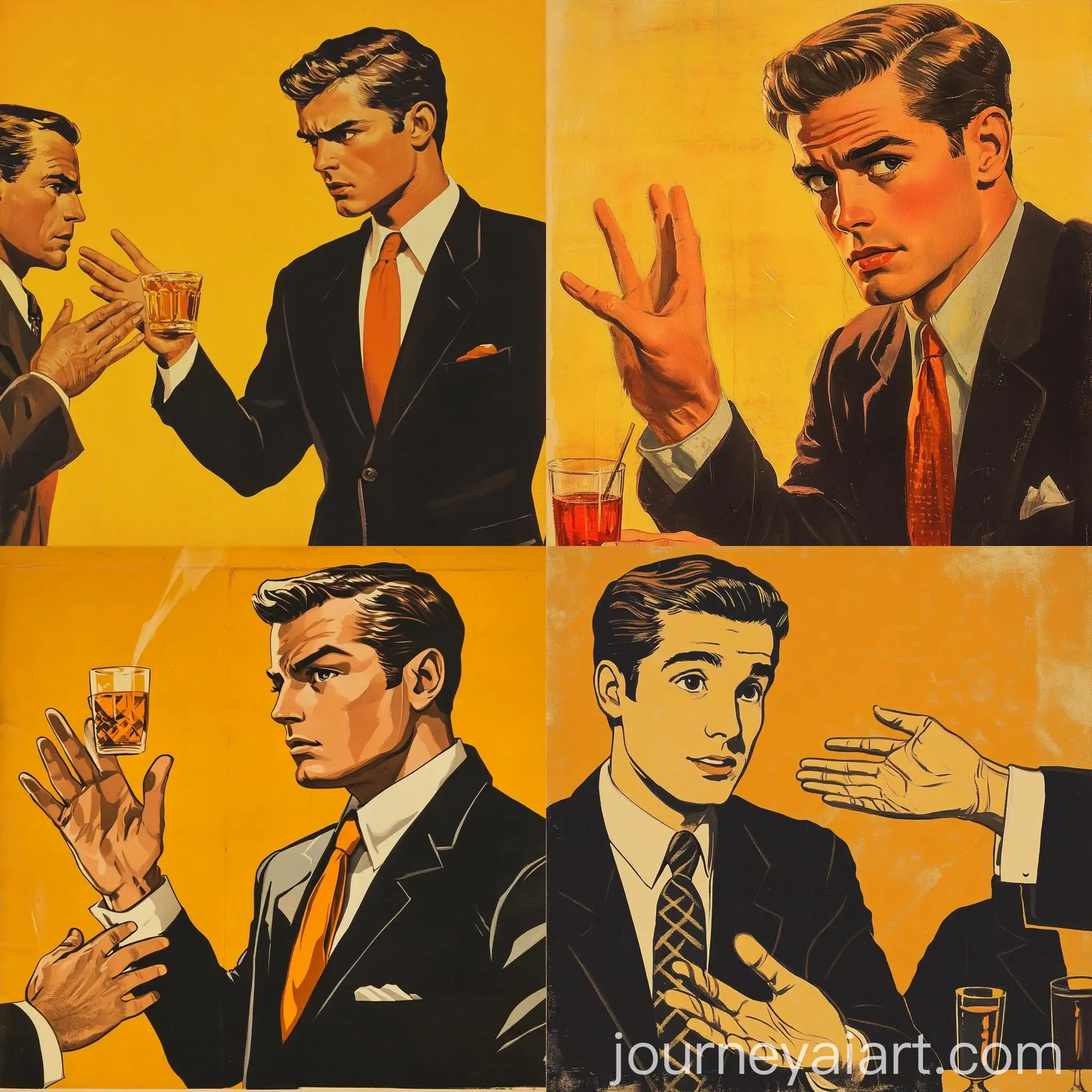
Propaganda Art is characterized by its direct and compelling visual language designed to convey a clear message. It often employs strong contrasts, simplified shapes, and powerful symbols to create an immediate impact. Applications of Propaganda Art extend beyond political posters and include social campaigns, commercial advertising, and even modern digital media. Its ability to influence and persuade makes it a versatile tool in various fields, from public health awareness to corporate branding.
Distinct Characteristics and Applications of Propaganda Art
Iconic works of Propaganda Art include posters like James Montgomery Flagg's 'I Want You for U.S. Army' and Shepard Fairey's 'HOPE' poster for Barack Obama's 2008 presidential campaign. Artists such as Aleksandr Rodchenko, John Heartfield, and Barbara Kruger have made significant contributions to this genre. Their works are celebrated for their innovative use of typography, photomontage, and graphic design, which continue to inspire contemporary artists and designers.
Notable Works and Artists in the Propaganda Art Movement
Propaganda Art has left an indelible mark on modern culture and media. Its techniques are widely used in advertising, political campaigns, and social media to sway public opinion and drive engagement. The visual strategies developed in Propaganda Art have influenced the aesthetics of modern graphic design, film, and digital content creation. As a result, its legacy endures in the way messages are crafted and delivered across various platforms in today's interconnected world.
The Impact of Propaganda Art on Modern Culture and Media