4 Free Muqarnas ceiling Midjourney AI images
Welcome to our Muqarnas Ceiling image collection, featuring 4 free AI-generated images. Explore a diverse array of stock photos, 3D objects, vectors, and illustrations. Enjoy high-resolution downloads and use our 'open in editor' feature to customize prompts for your perfect image.
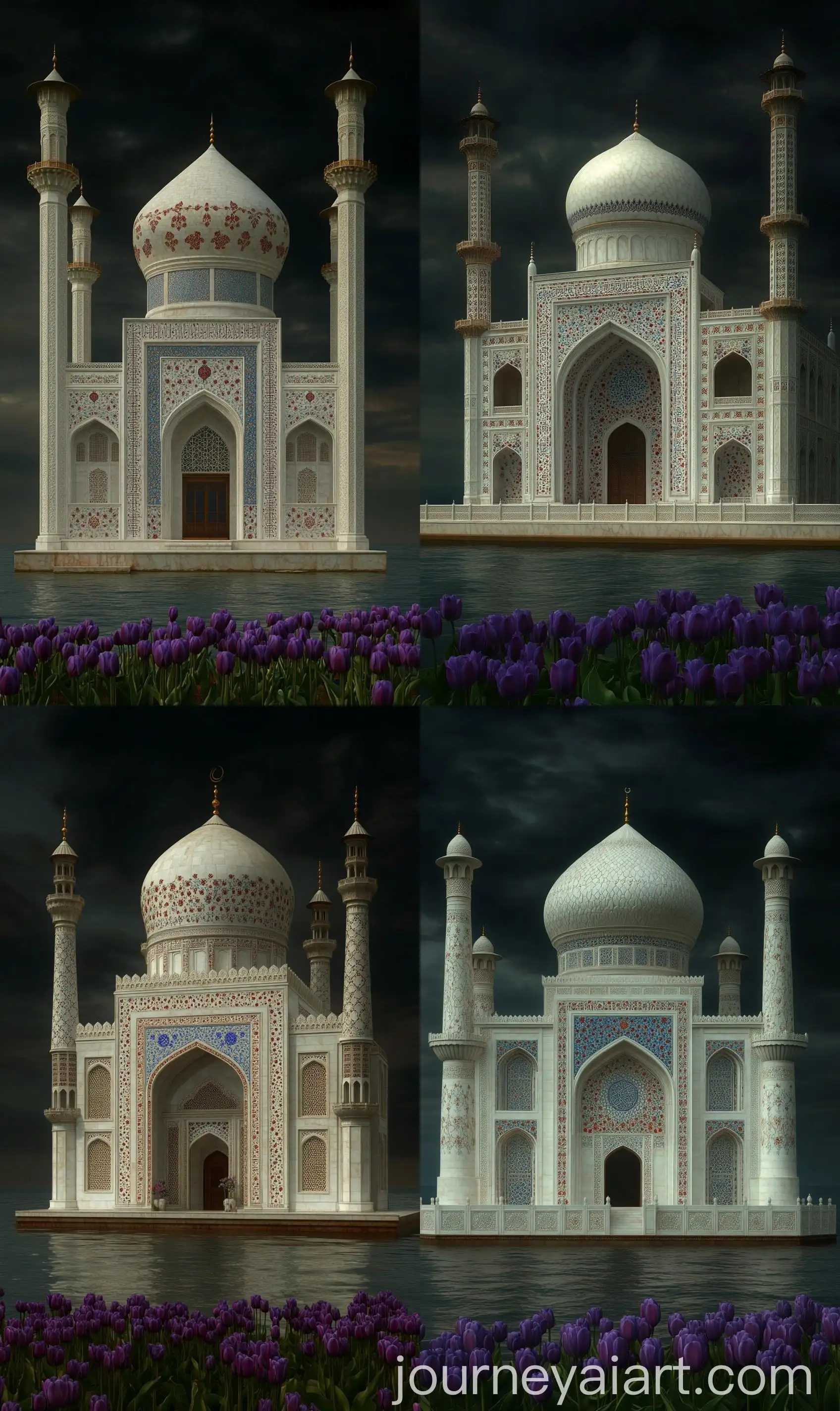
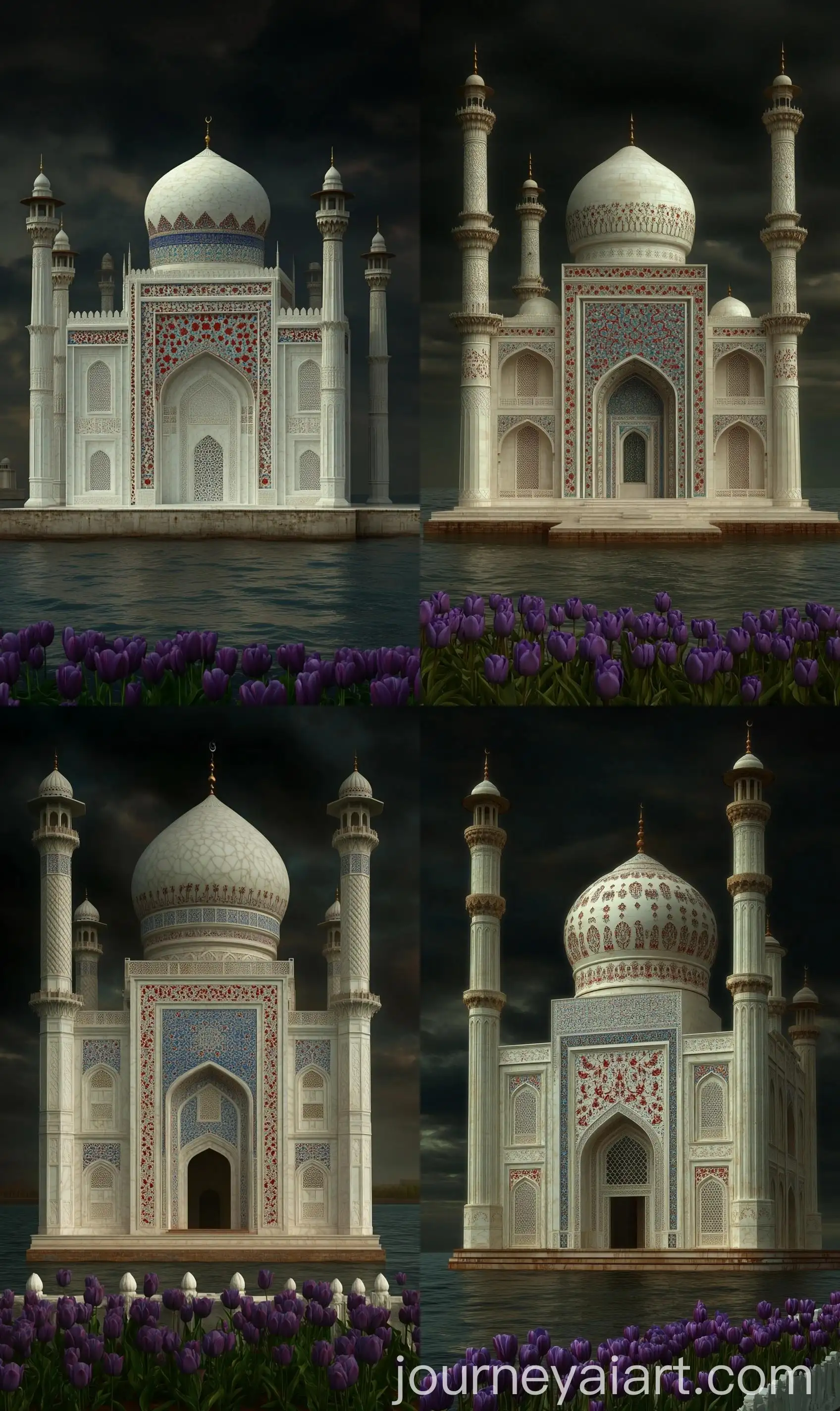
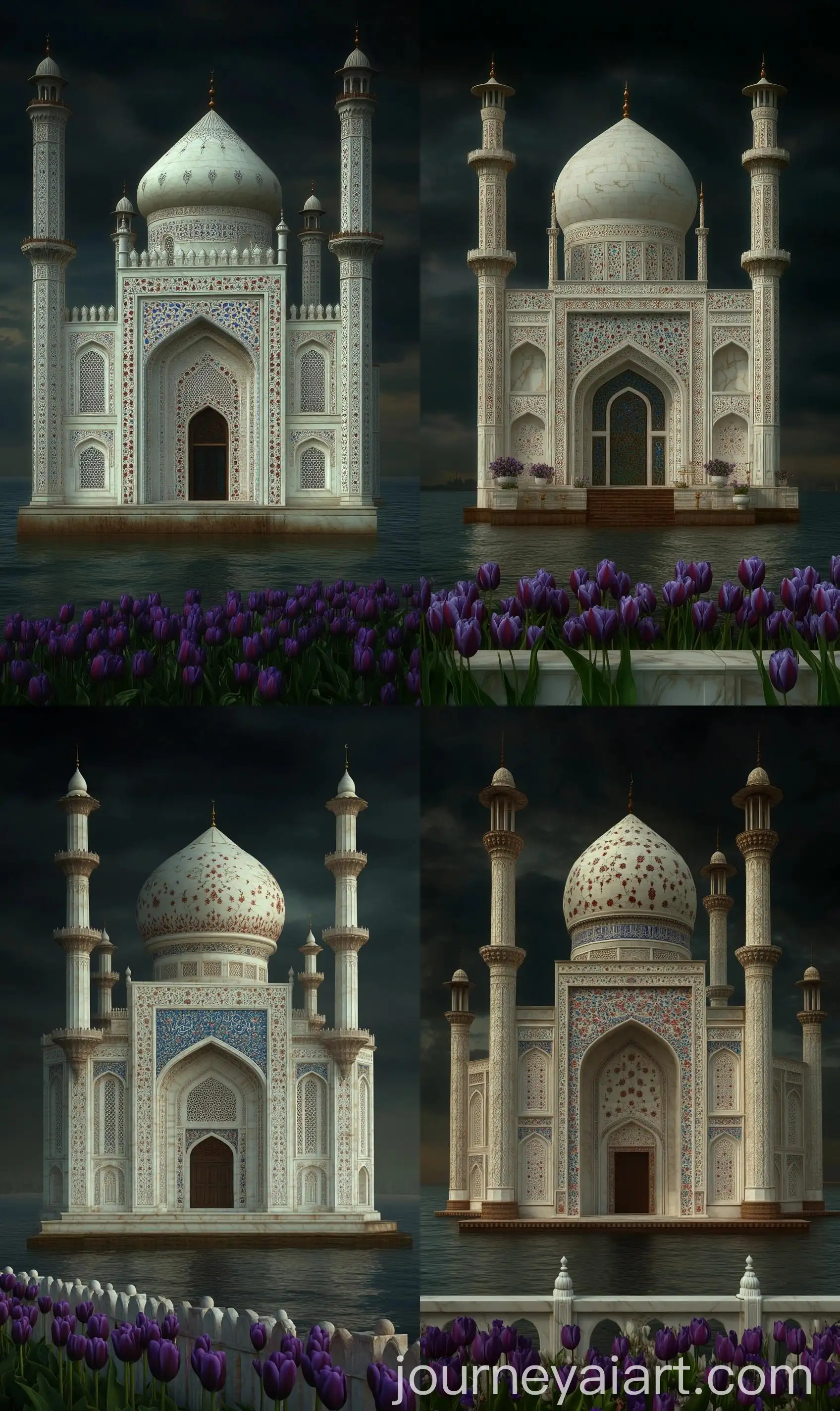
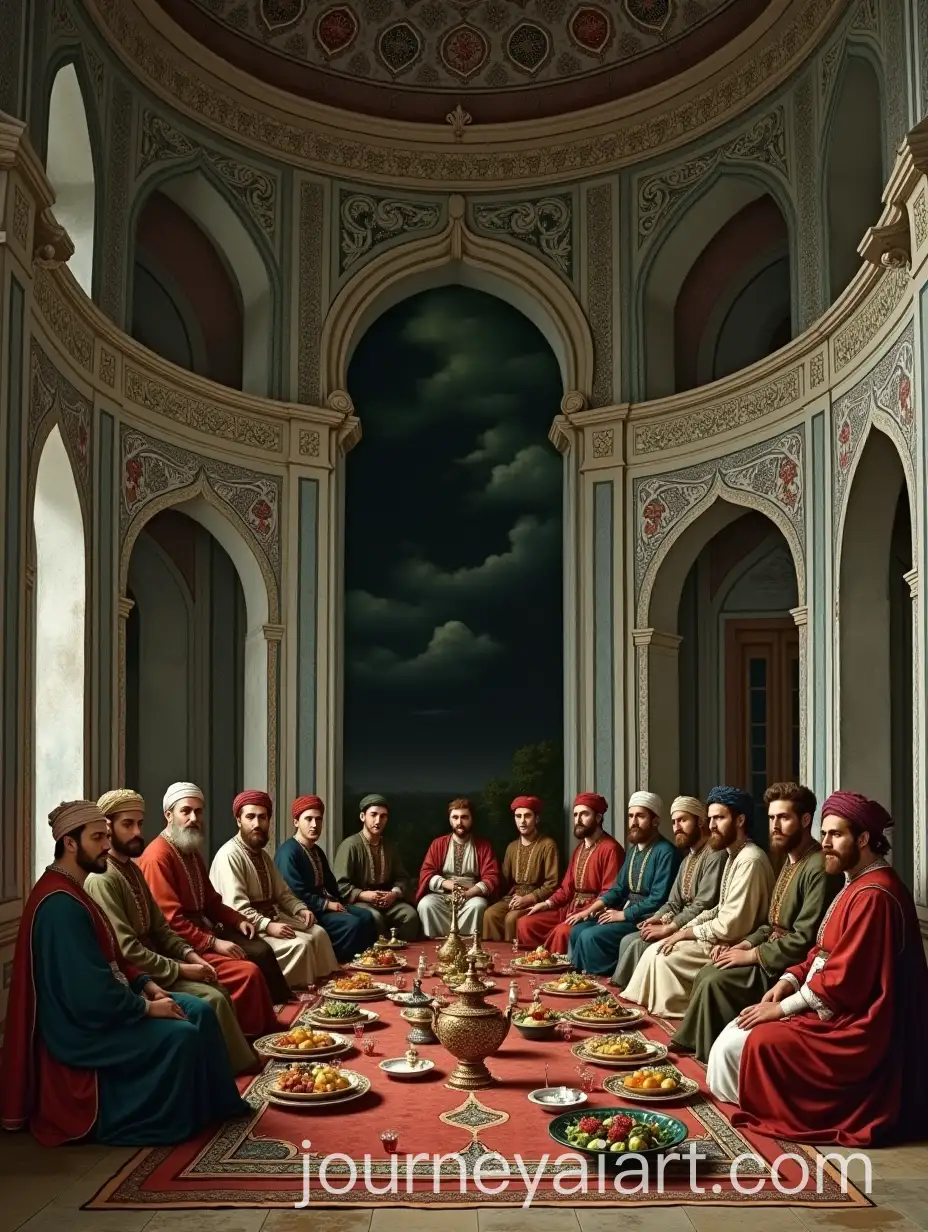
Related Tags
Muqarnas, often referred to as stalactite or honeycomb vaulting, is a form of ornamented vaulting in Islamic architecture. This architectural element originated in the 10th century in the Middle East and spread throughout the Islamic world. The intricate geometric patterns of muqarnas are not only aesthetically pleasing but also serve to transition between different architectural elements, such as the zone of transition from a square room to a dome. Historically, muqarnas ceilings have been used to adorn mosques, madrasas, palaces, and other significant structures, symbolizing the heavens and reflecting the sophistication of Islamic art and architecture.
Understanding Muqarnas Ceilings: Definition and Historical Background
Muqarnas ceilings are characterized by their complex, three-dimensional geometric designs that create a play of light and shadow, enhancing the visual impact of the space. These ceilings are constructed using small, niche-like elements arranged in a tiered fashion, often made from materials such as stucco, wood, brick, or stone. The primary application of muqarnas is decorative, serving to embellish interior spaces and emphasize the grandeur of the architecture. In addition to mosques and palaces, muqarnas can be found in entrance portals, mihrabs (prayer niches), and iwans (vaulted halls), showcasing the versatility and artistic ingenuity of Islamic builders.
Characteristics and Applications of Muqarnas Ceilings
Several renowned historical sites feature stunning examples of muqarnas ceilings. The Alhambra in Granada, Spain, is famous for its intricately decorated muqarnas vaults, particularly in the Hall of the Abencerrajes and the Hall of the Two Sisters. The Shah Mosque in Isfahan, Iran, showcases exquisite muqarnas work in its iwans and domes, reflecting the pinnacle of Persian architectural craftsmanship. Another notable example is the Sultan Hassan Mosque in Cairo, Egypt, which features impressive muqarnas in its monumental entrance portal. These iconic works highlight the artistic and cultural significance of muqarnas in Islamic architecture.
Notable Works Featuring Muqarnas Ceilings
Muqarnas ceilings have had a lasting impact on modern architecture and design, influencing contemporary architects and designers who seek to incorporate traditional elements into modern contexts. The geometric complexity and aesthetic appeal of muqarnas have inspired modern structures that blend traditional Islamic motifs with contemporary design principles. Architects like Zaha Hadid have drawn inspiration from Islamic art, including muqarnas, to create innovative and visually striking buildings. Additionally, modern interior designers often use muqarnas-inspired patterns in decorative elements, such as tiles, wall coverings, and lighting fixtures, demonstrating the enduring legacy and adaptability of this ancient art form.
Impact of Muqarnas on Modern Architecture and Design