13 Free Islamic Art Photos Midjourney AI images
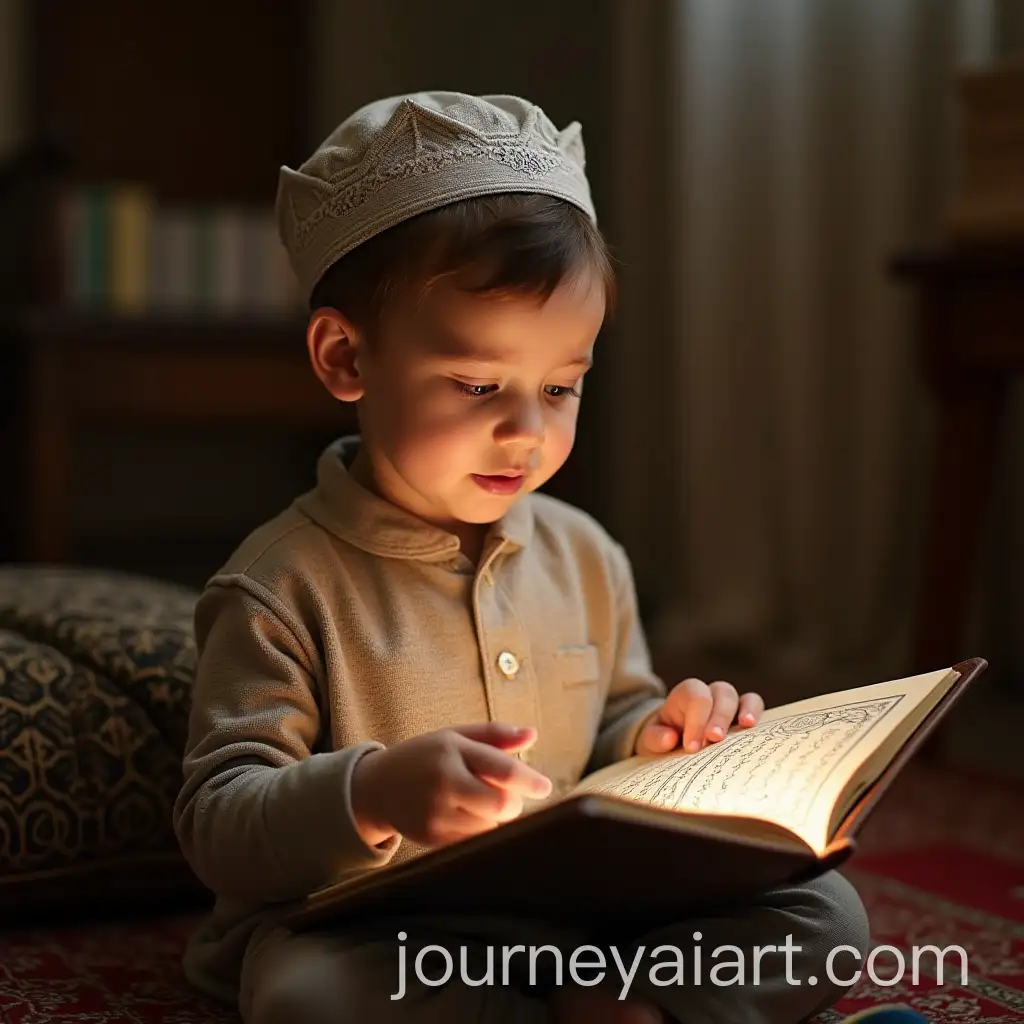
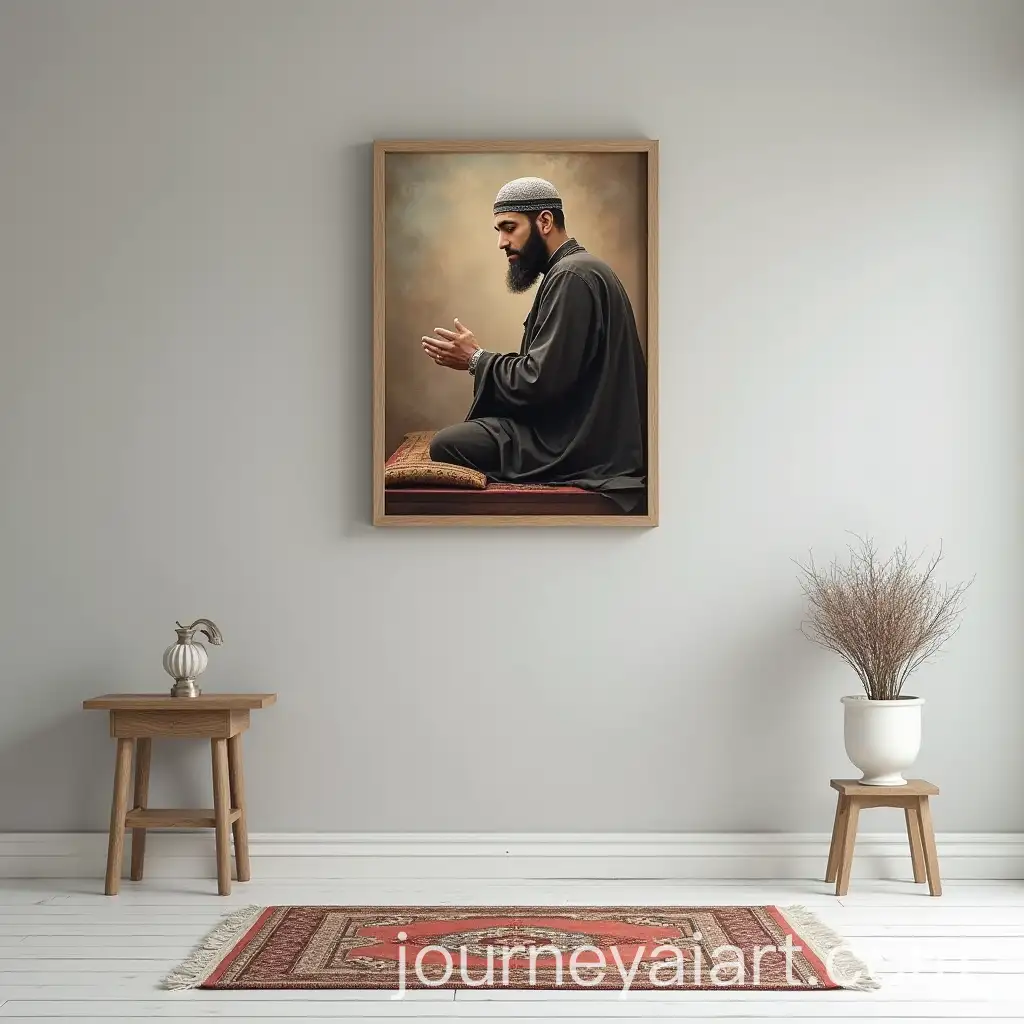
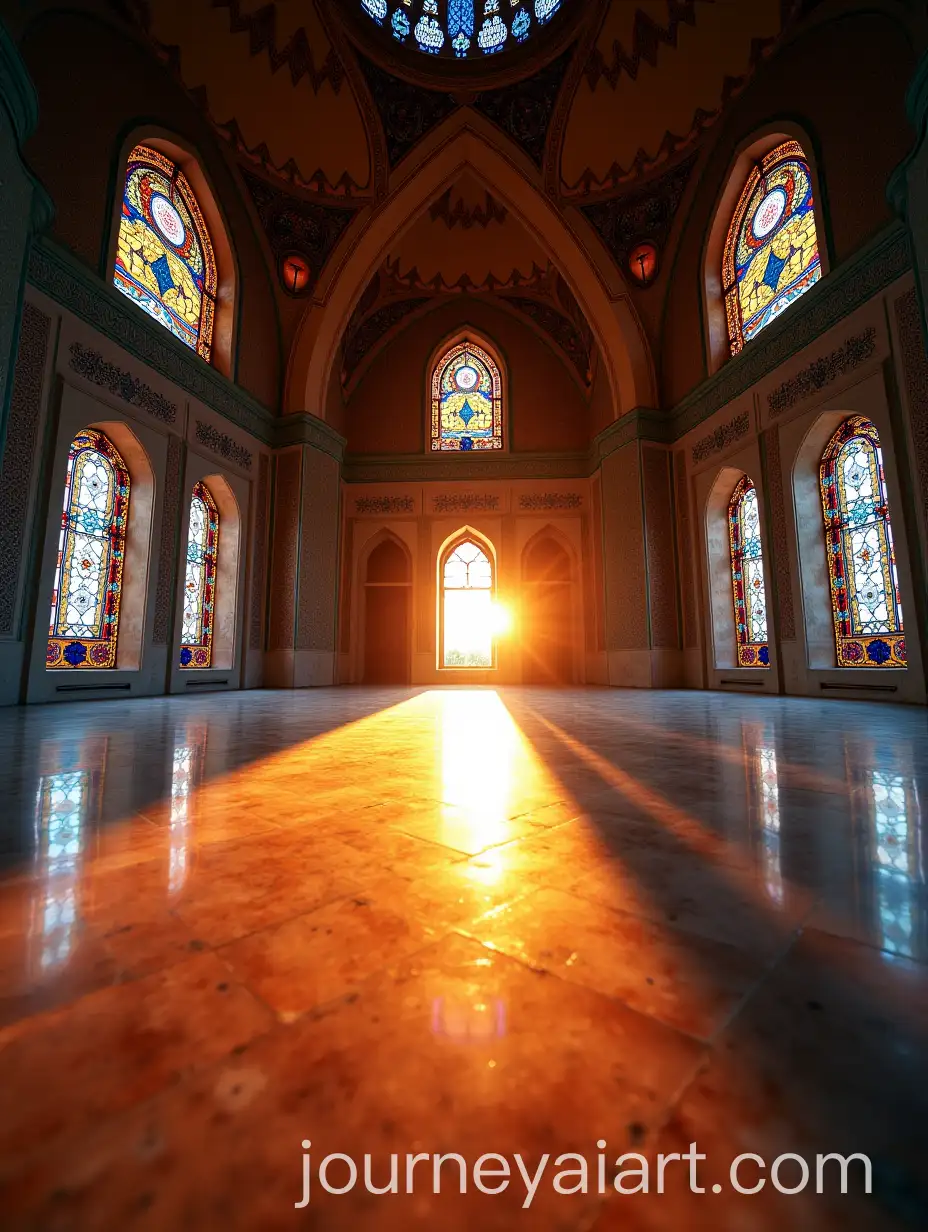
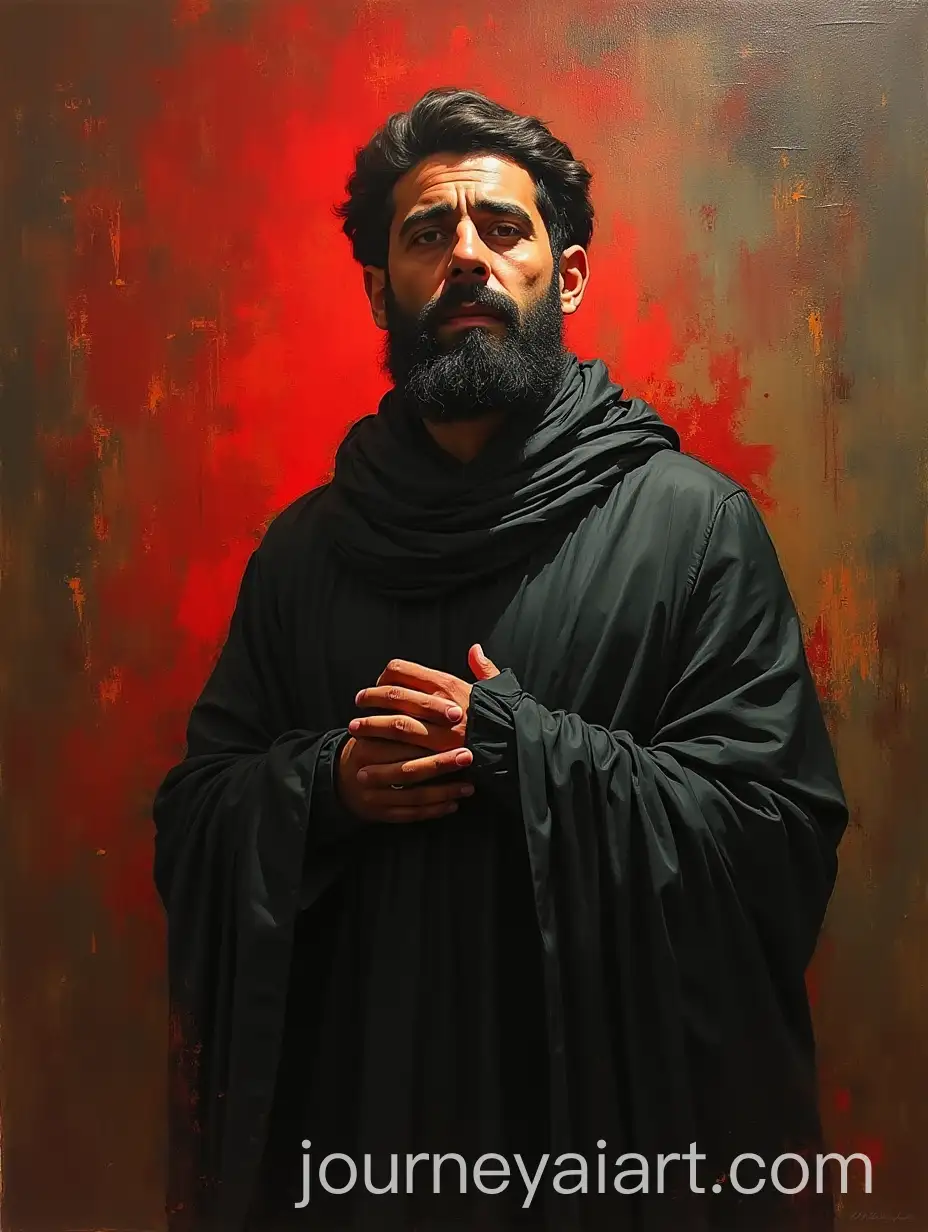
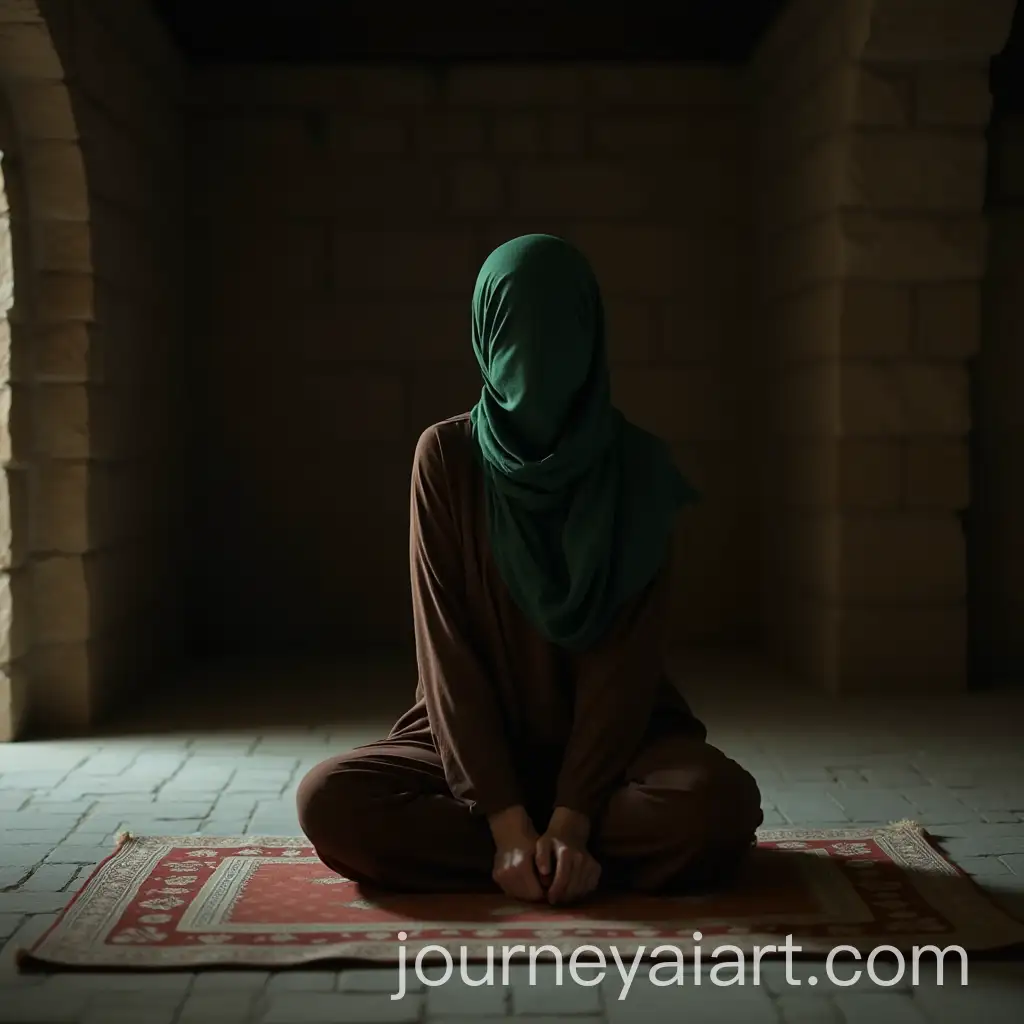
Welcome toIslamic art photo content our collection of Islamic Art photos, featuring over 13 free AI-generated images. Here, you can explore a diverse range of stock photos, 3D objects, vectors, and illustrations inspired by Islamic art and culture. These high-resolution images are available for download, and you can further customize the results using our 'open in editor' feature to adjust the prompt for generating the perfect image for your project.


Related Tags
Islamic Art has a profound history that spans over a millennium, rooted in the cultural and religious practices of the Islamic world. Originating in the 7th century, Islamic art was deeply influenced by the spread of Islam and its interaction with various regional cultures. Unlike Western art traditions, Islamic art focuses more on abstraction, intricate patterns, calligraphy, and geometric designs rather than depicting human figures. The primary objective was to reflect the infinite nature of Allah, with artistic elements symbolizing spiritual and divine truths. Over time, Islamic art evolved through different dynasties and empires, including the Umayyads, Abbasids, and OttomansIslamic art photo content, leading to a rich and diverse tradition that spans across the Middle East, North Africa, and parts of Asia.
The Rich History and Origins of Islamic Art
Islamic Art is characterized by its emphasis on geometric patterns, intricate arabesques, and calligraphy, often inspired by the Quran and other religious texts. Calligraphy plays a central role, with verses from the Quran and other sacred writings frequently integrated into designs. In addition to the iconic geometric patterns, floral motifs and arabesques are commonly used to symbolize the beauty of nature and the perfection of the divine. Islamic art also avoids the depiction of human figures, especially in religious contexts, to prevent idolatry. This attention to abstract beauty and the symbolic use of patterns serves to evoke a sense of spirituality and awe. The cultural significance of Islamic Art lies in its ability to communicate a deeper connection with the divine, fostering a sense of unity, peace, and devotion.
Key Characteristics of Islamic Art and Its Cultural Significance
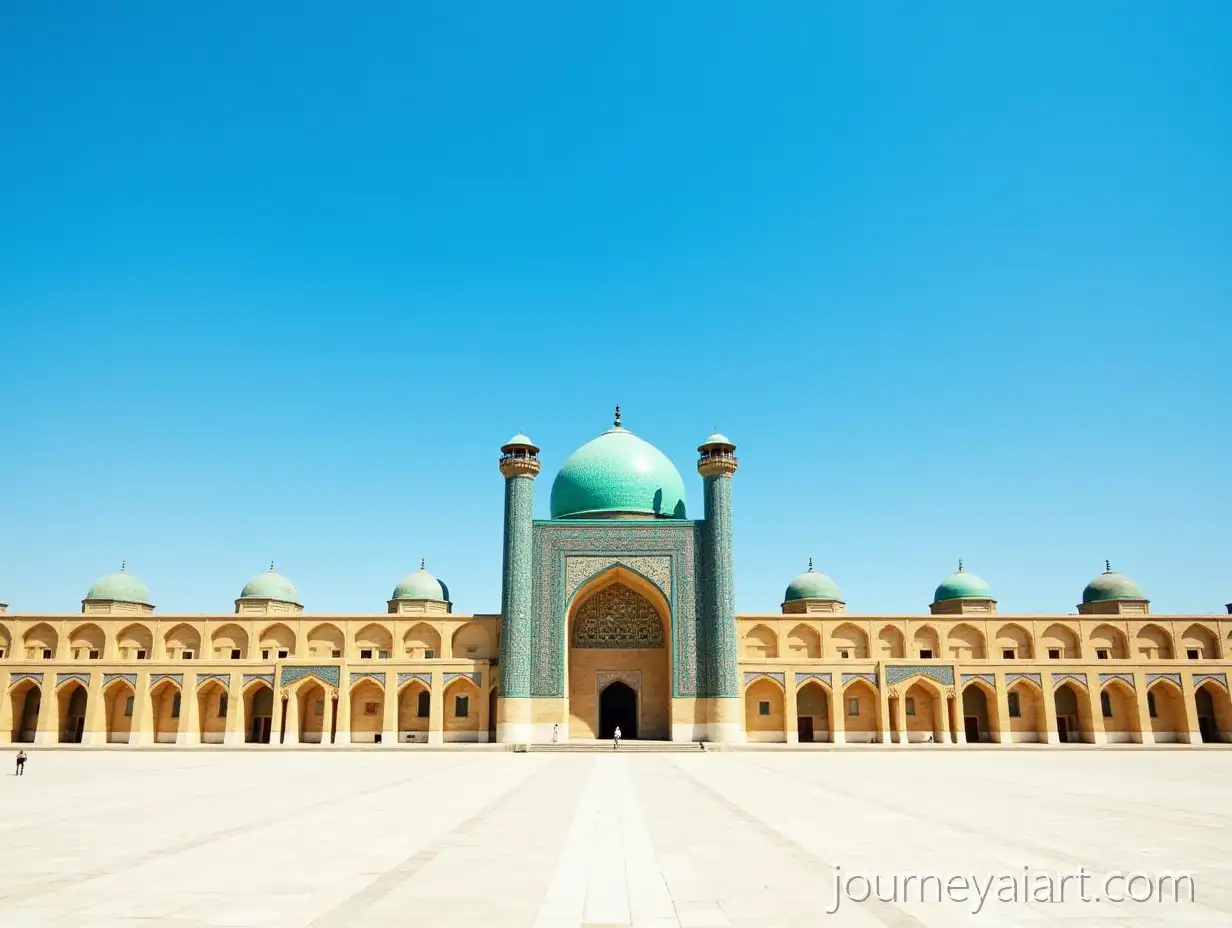
Islamic art is most prominently displayed in architectural masterpieces, including mosques, palaces, and public buildings. The intricate tilework, domed structures, and large-scale geometric designs are hallmarks of Islamic architecture, with famous examples like the Alhambra in Spain, the Dome of the Rock in Jerusalem, and the Taj Mahal in India. These architectural structures often serve as physical representations of divine beauty, with their complex designs inviting reflection and spiritual contemplation. Islamic art has also permeated everyday life, influencing textiles, ceramics, metalwork, and even modern design. The use of Islamic patterns and motifs in home decor, fashion, and design continues to be popular worldwide, showcasing the timeless beauty and cultural relevance of Islamic art.
The Role of Islamic Art in Architecture and Everyday Life
With the advent of digital technologies and AI-driven design tools, Islamic art has found new avenues for expression and exploration. The use of AI-generated imagery has allowed artists and designers to push the boundaries of traditional Islamic art by creating digital representations of complex patterns, abstract designs, and virtual environments. AI tools can generate highly detailed and accurate depictions of Islamic art, making it easier for creators to experiment with new styles and reinterpret classical motifs in modern contexts. As AI continues to evolve, Islamic art is poised to inspire new forms of digital creativity, offering both traditionalists and innovators new ways to engage with this rich and historic art form. The future of Islamic art in digital spaces holds great potential for combining ancient artistic traditions with cutting-edge technology to create unique and meaningful visual experiences.
The Future of Islamic Art in Digital Media and AI-Generated Imagery