14 Free Horror Images Midjourney AI images
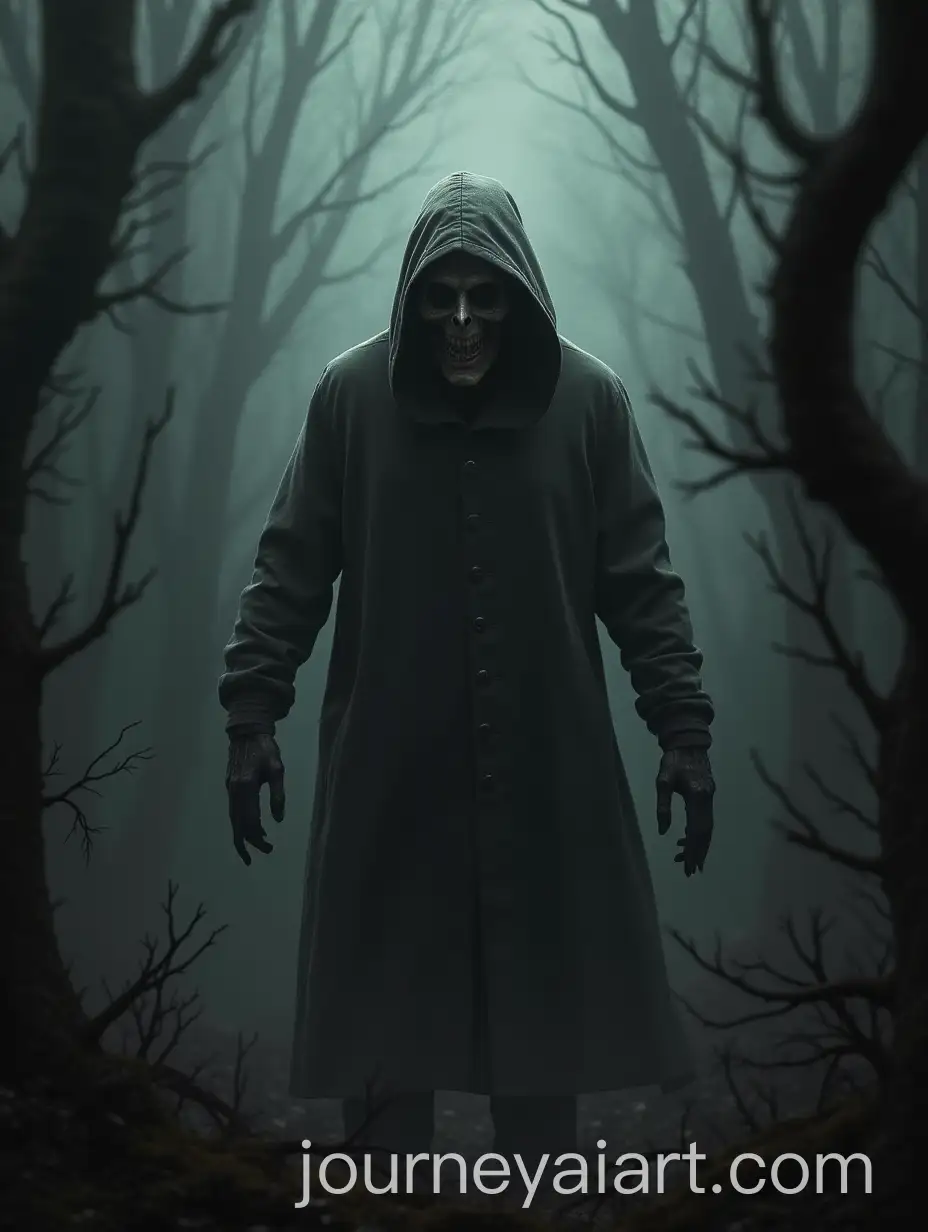
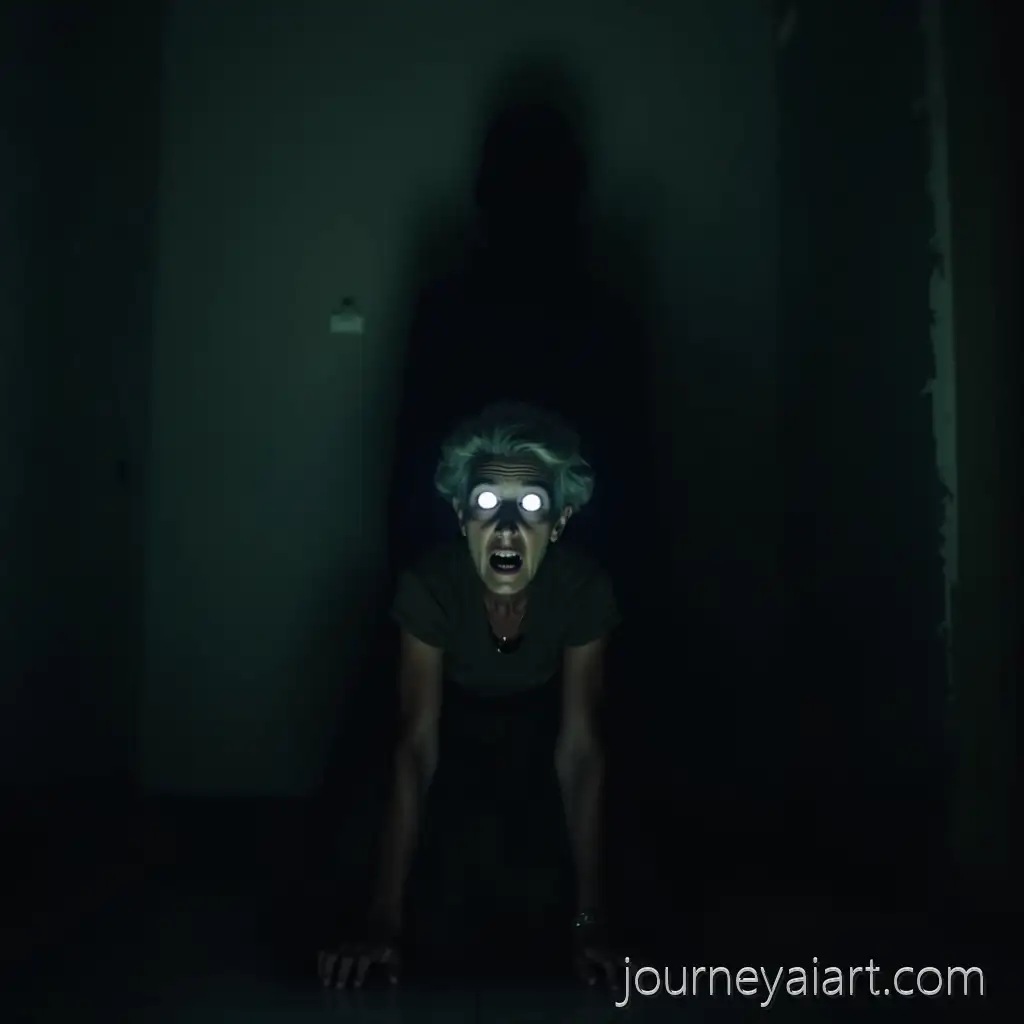
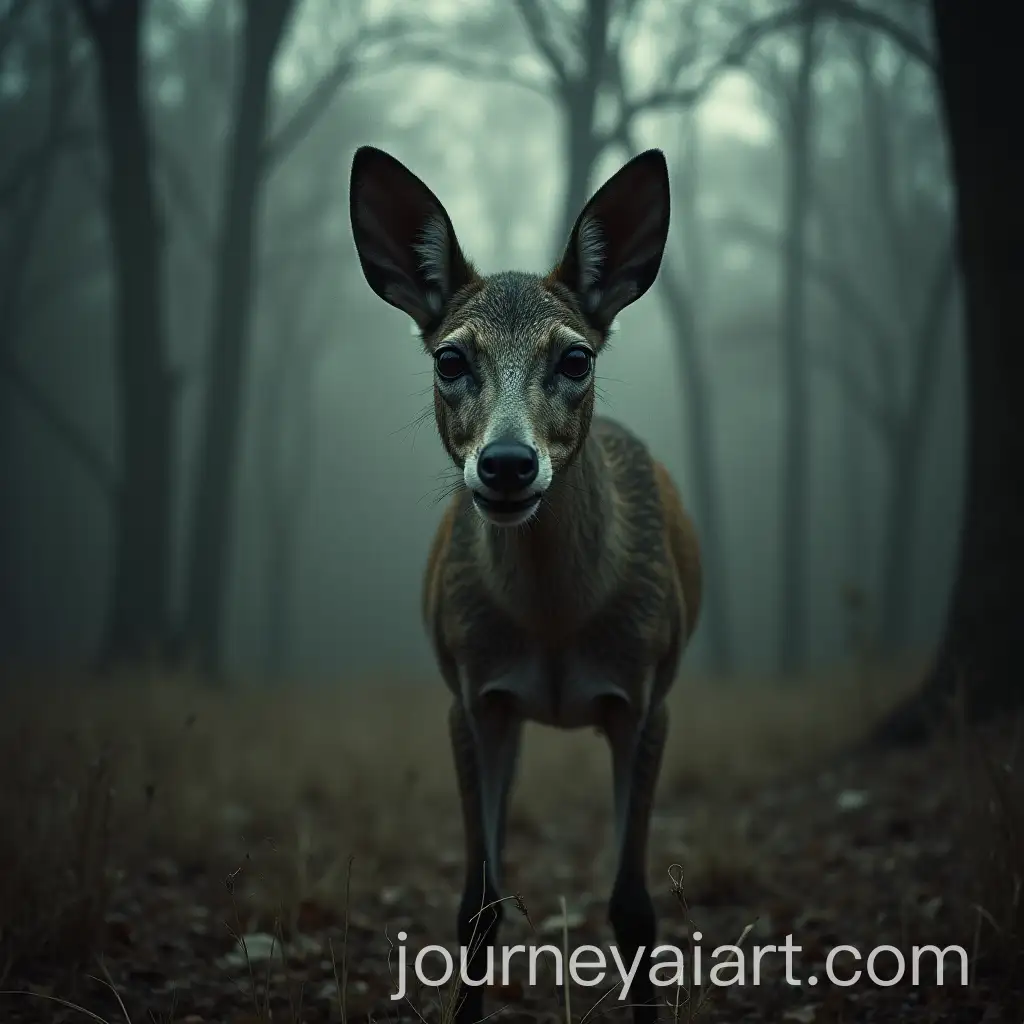
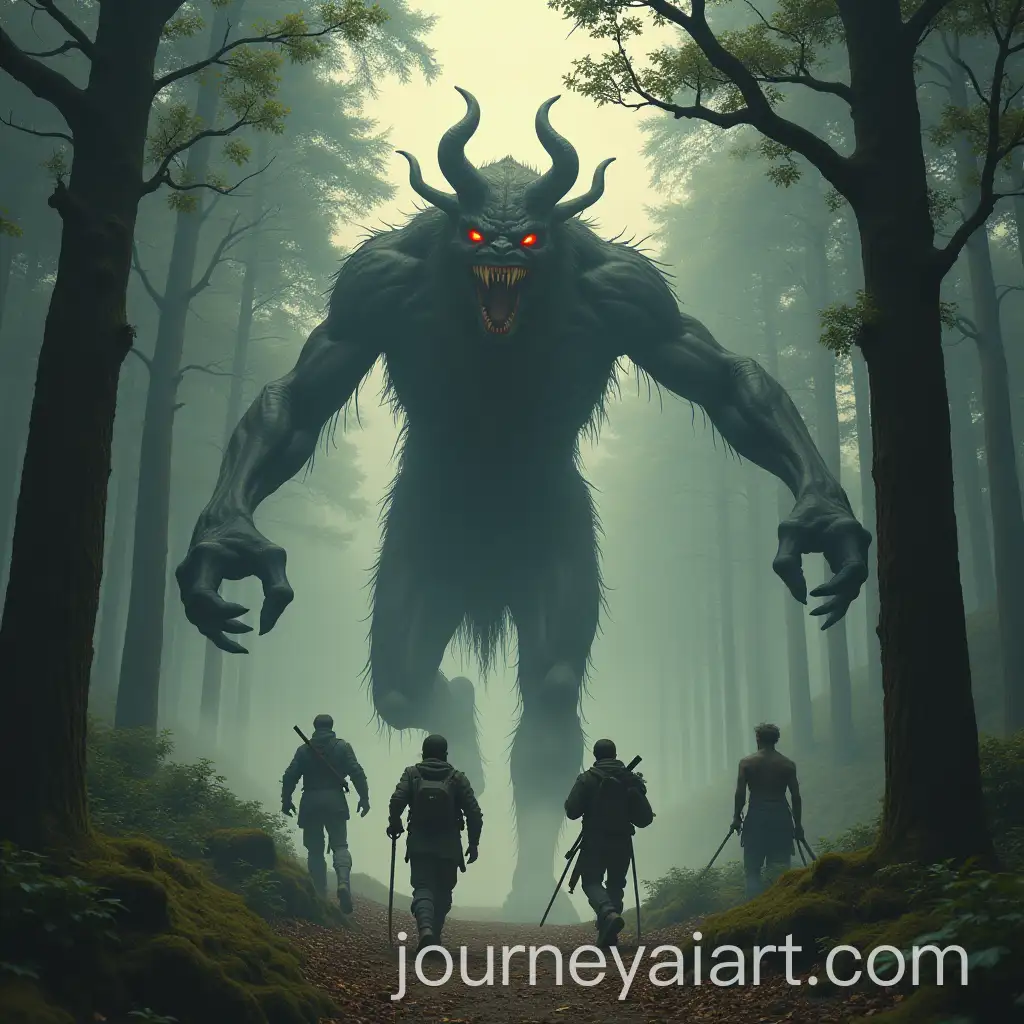
Welcome to our Horror Images collection, featuring over 14 free AI-generated images. Browse a wide variety of horror-themed images, including stock photos, 3D objects, vectors, and illustrations. Enjoy high-resolution downloads and use our 'open in editor' feature to modify prompts and regenerate the perfect terrifying visuals for your needs.



Related Tags
Horror art has deep roots in human culture, stemming from our collective fascination with the unknown, the terrifying, and the supernatural. From ancient mythologies to gothic literature, horror has always explored humanity's darkest fears. Over the centuries, this genre evolved through the works of writers like Edgar Allan Poe and Bram Stoker, to the modern visual language seen in films and digital art. Today, AI-generated horror images bring a new level of immersion and realism to this genre, allowing creators to produce unsettling and imaginative visuals with precisionAI Horror Images Content and creativity.
The Origins of Horror Art and Its Evolution
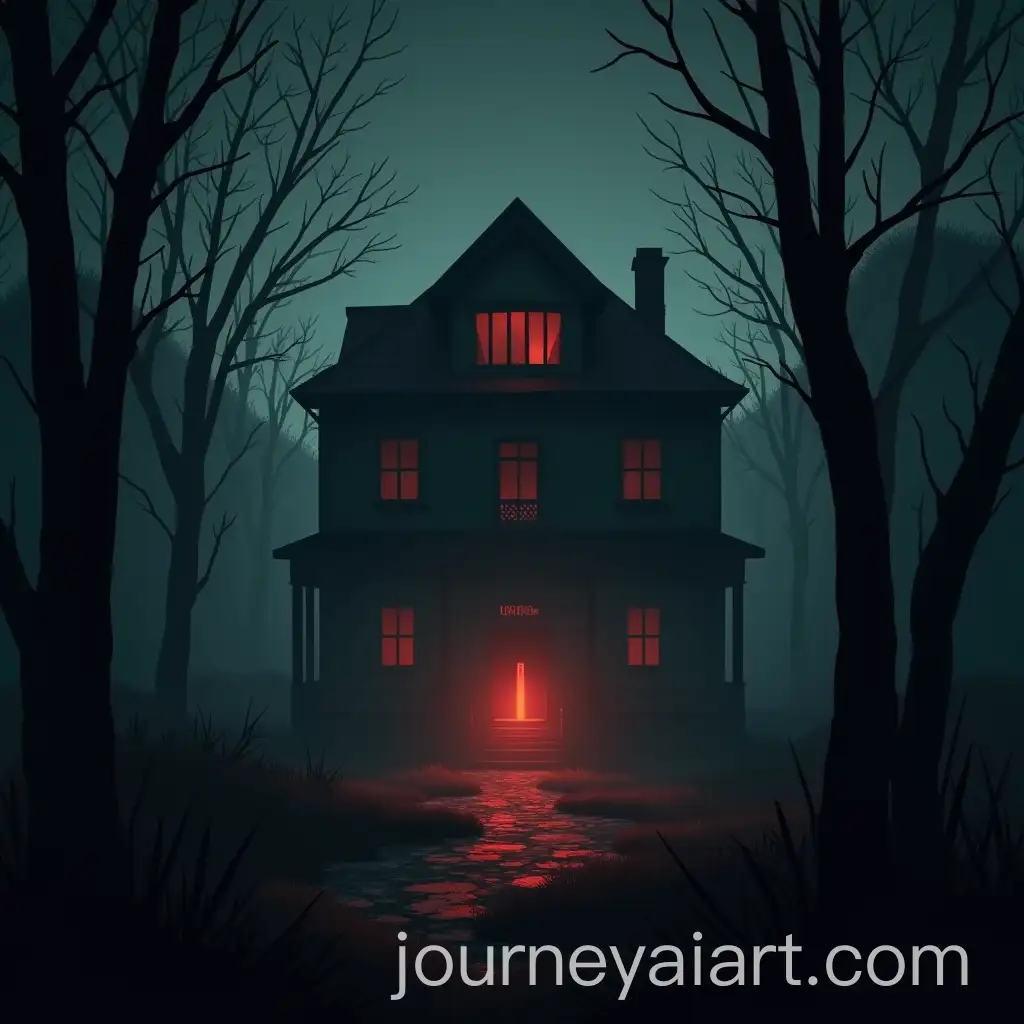
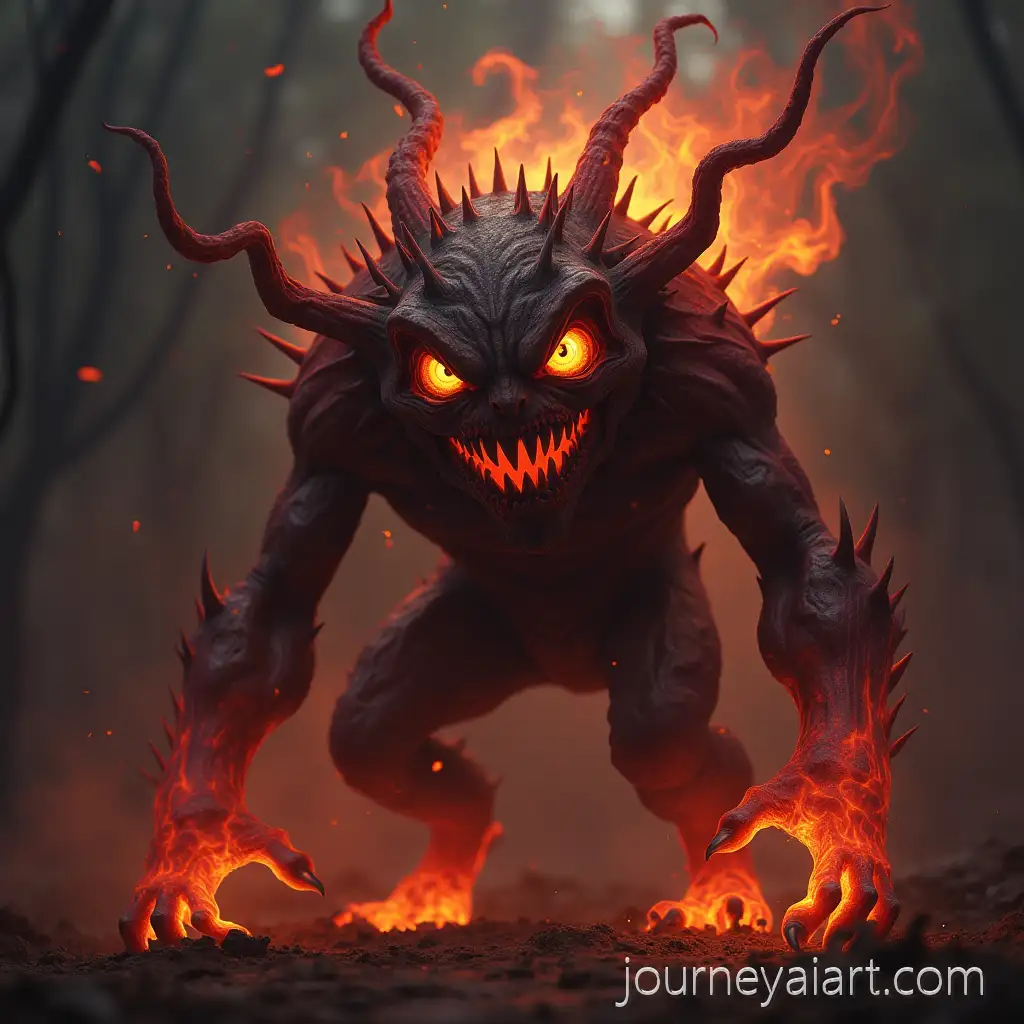
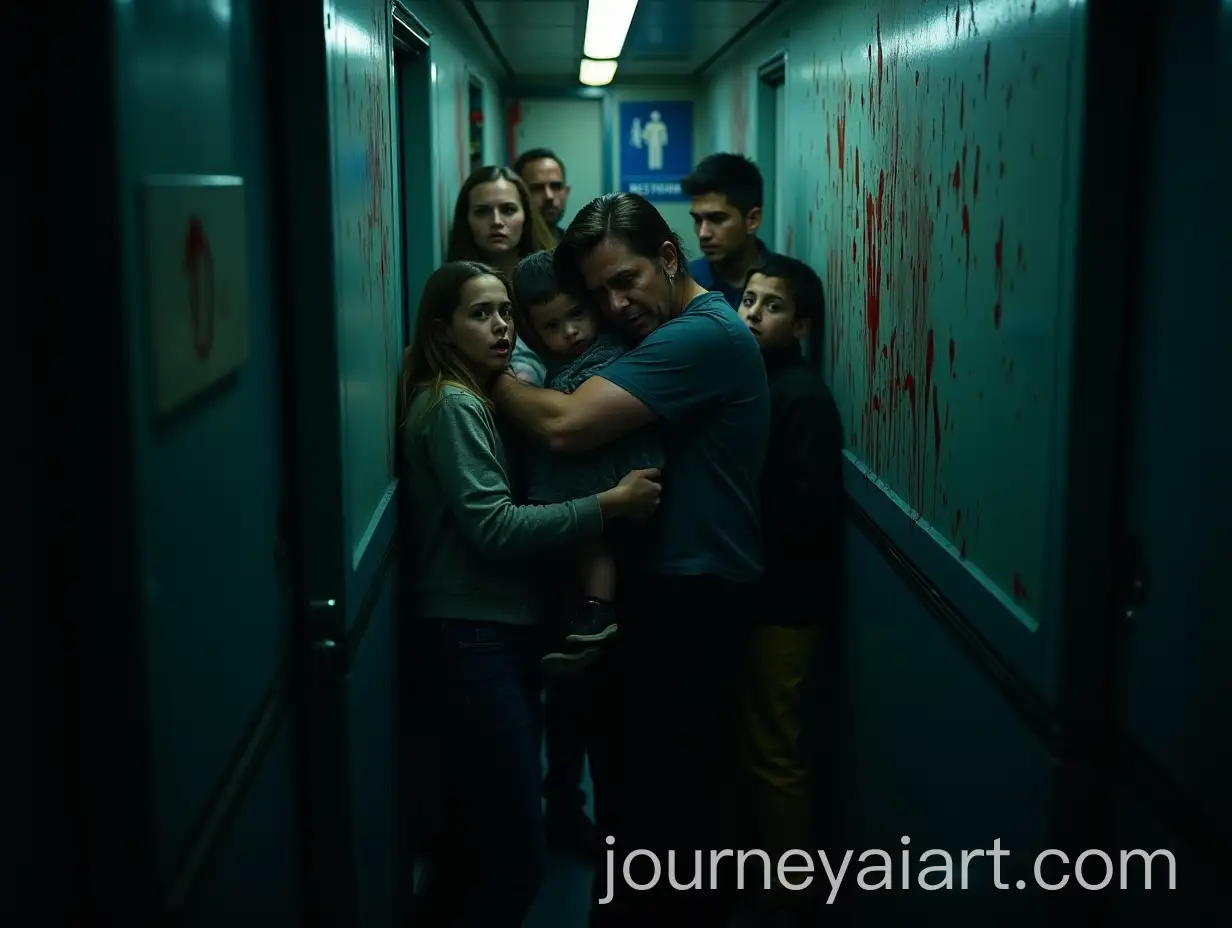
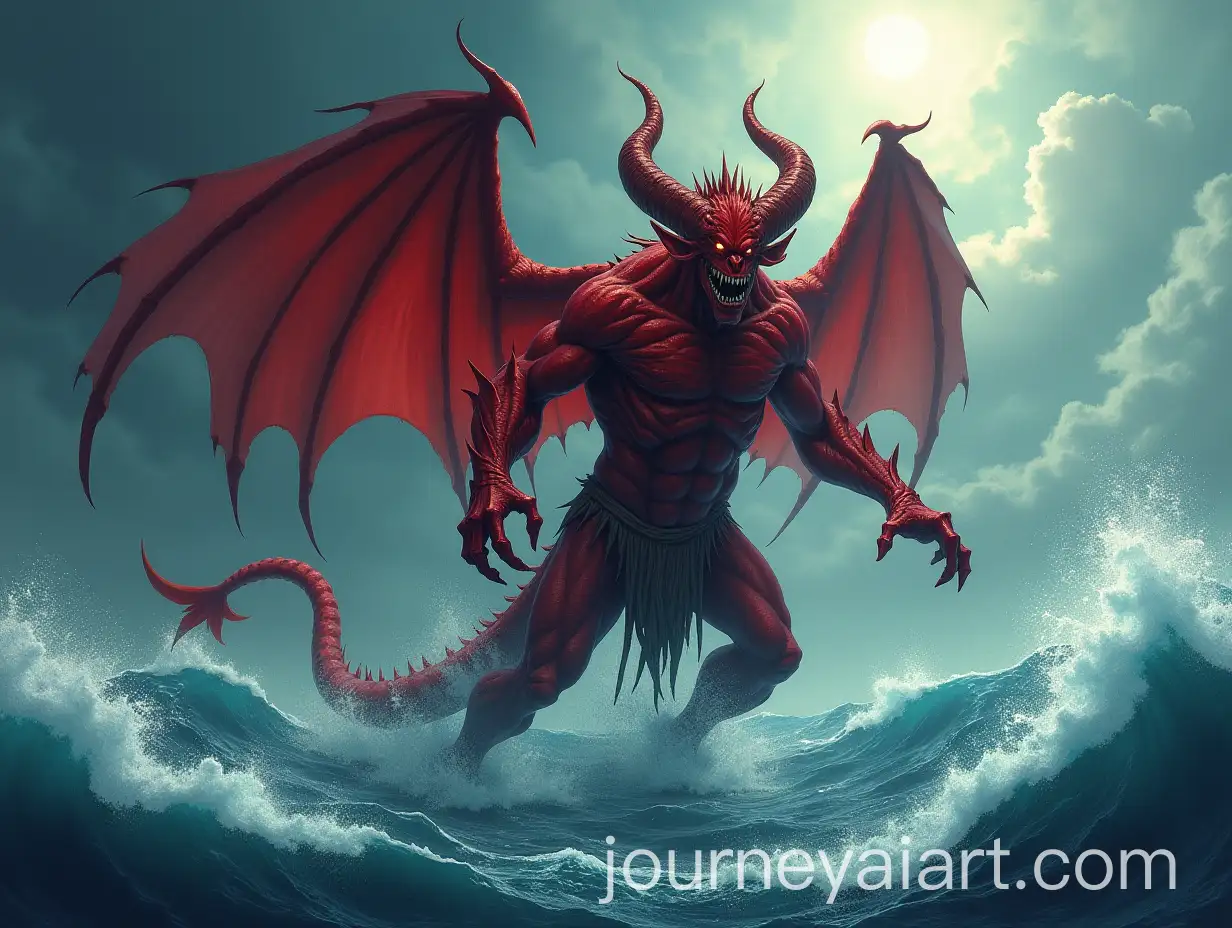
Horror art is defined by its ability to evoke fear and unease. Common elements include dark, moody atmospheres, eerie lighting, grotesque creatures, and unsettling symbolism. Artists use these tools to visually represent the psychological horror that often lurks beneath the surface of our everyday lives. AI-generated horror images capture these aspects with incredible detail, from the shadows that play on distorted faces to the menacing figures lurking in the corners. These images can range from supernatural monsters to psychological horror, making it a versatile tool for creators seeking to evoke fear.
Key Elements of Horror Art: Atmosphere, Symbolism, and Terror
Horror imagery is a vital aspect of modern culture, influencing everything from movies and video games to fashion and digital art. The rise of horror franchises like 'The Conjuring,' 'Stranger Things,' and 'Resident Evil' showcases the widespread appeal of fear-based storytelling. Horror art is essential to creating atmosphere in these mediums, whether it’s through the chilling visual design of a haunted house, the unsettling look of a creature, or the tension-filled scenes that leave the viewer on edge. AI-generated horror images are becoming an increasingly popular tool in this space, offering creators the ability to visualize and experiment with terrifying concepts that might have been difficult to achieve through traditional methods.
The Role of Horror Art in Modern Media and Culture
The future of horror art is intricately linked to AI technology, which is revolutionizing how we conceptualize and create fear. AI-generated images offer a unique opportunity to produce horror content at an unprecedented scale, with endless variations that push the boundaries of imagination. As AI continues to evolve, we can expect even more realistic, immersive, and unpredictable horror imagery. Artists will be able to experiment with grotesque, surreal, and avant-garde visuals, exploring new forms of terror that challenge our understanding of fear. The future of horror art is a dynamic interplay between human creativity and AI capabilities, making the genre even more captivating and terrifying.
The Future of Horror Art: AI's Role in Shaping New Fearscapes