26 Free High-tech buildings Midjourney AI images
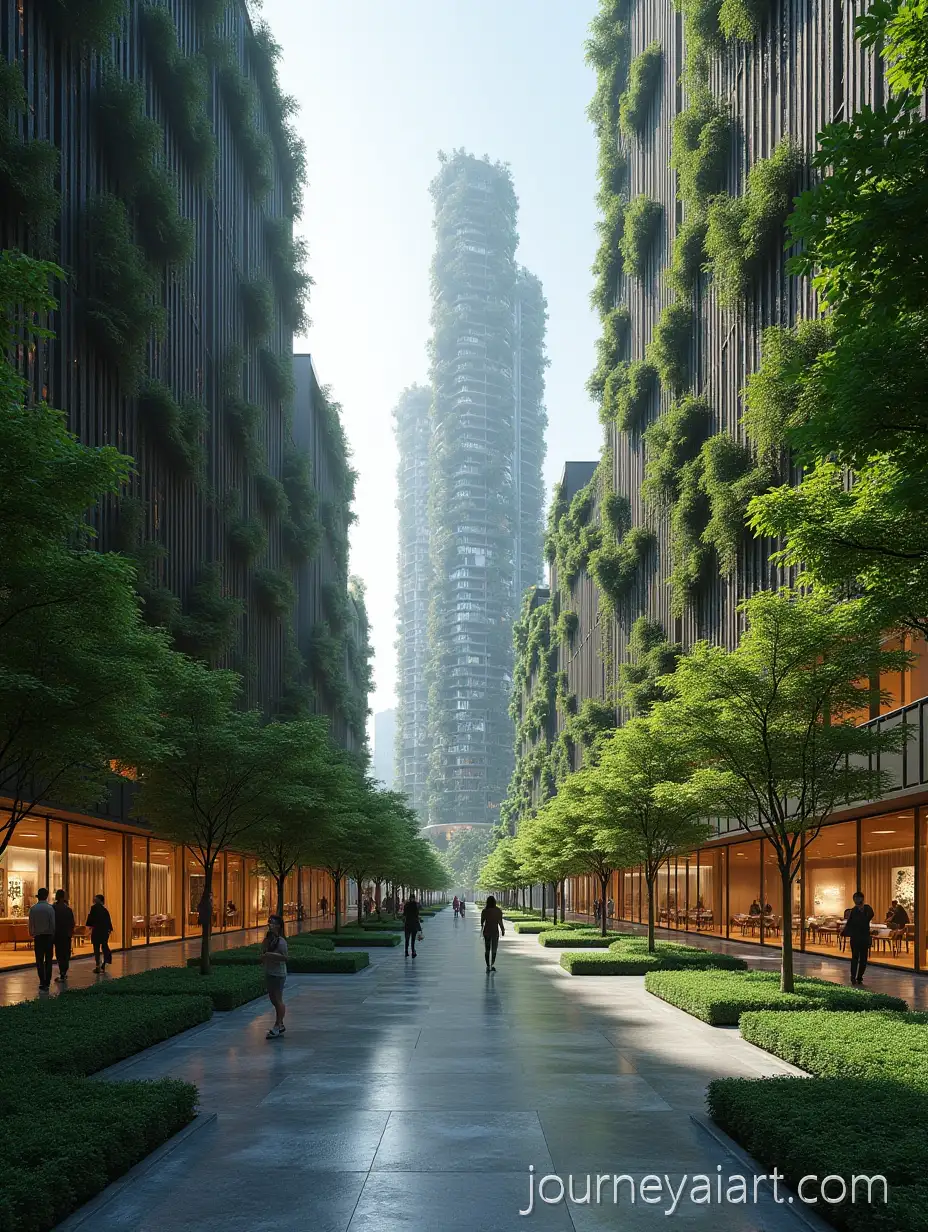
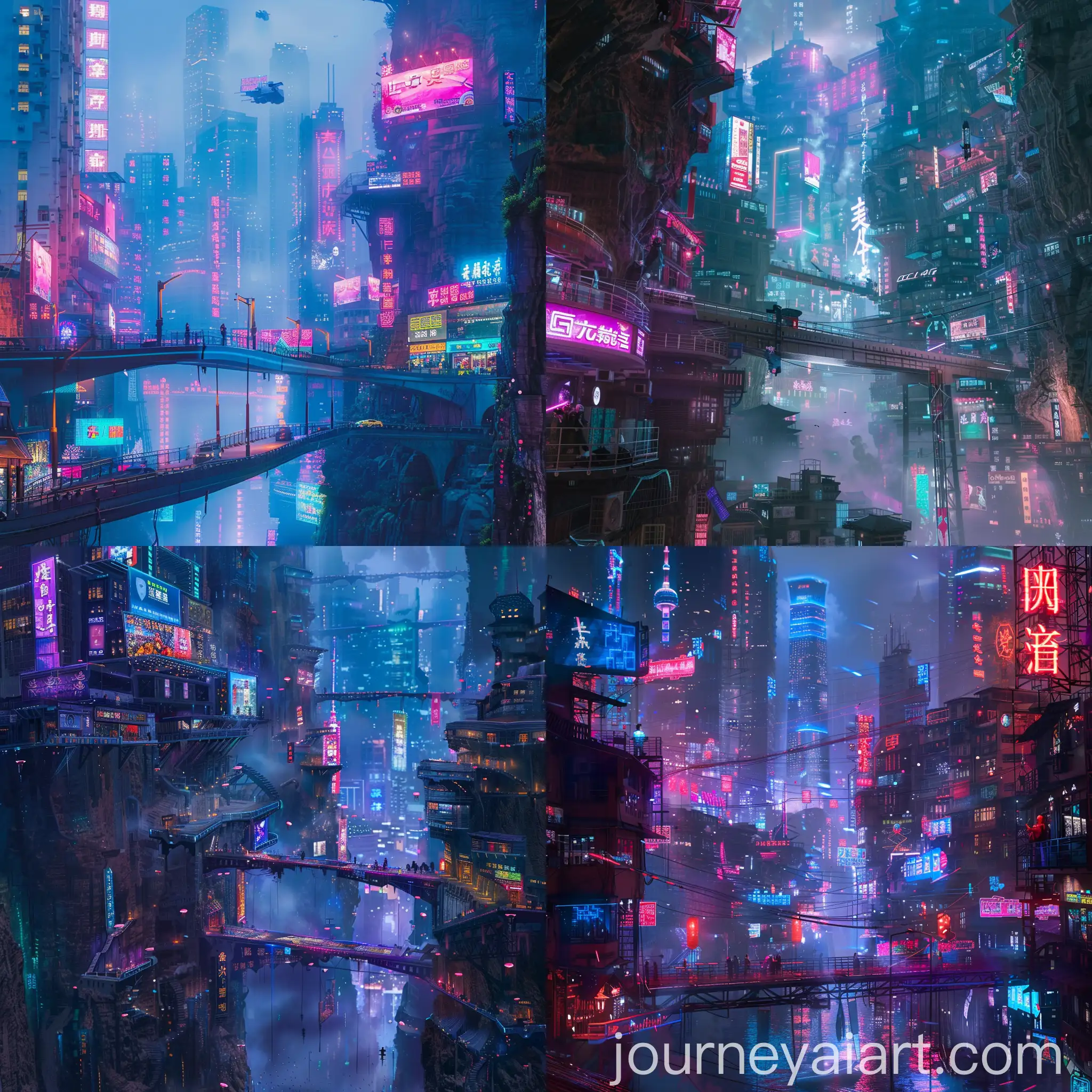
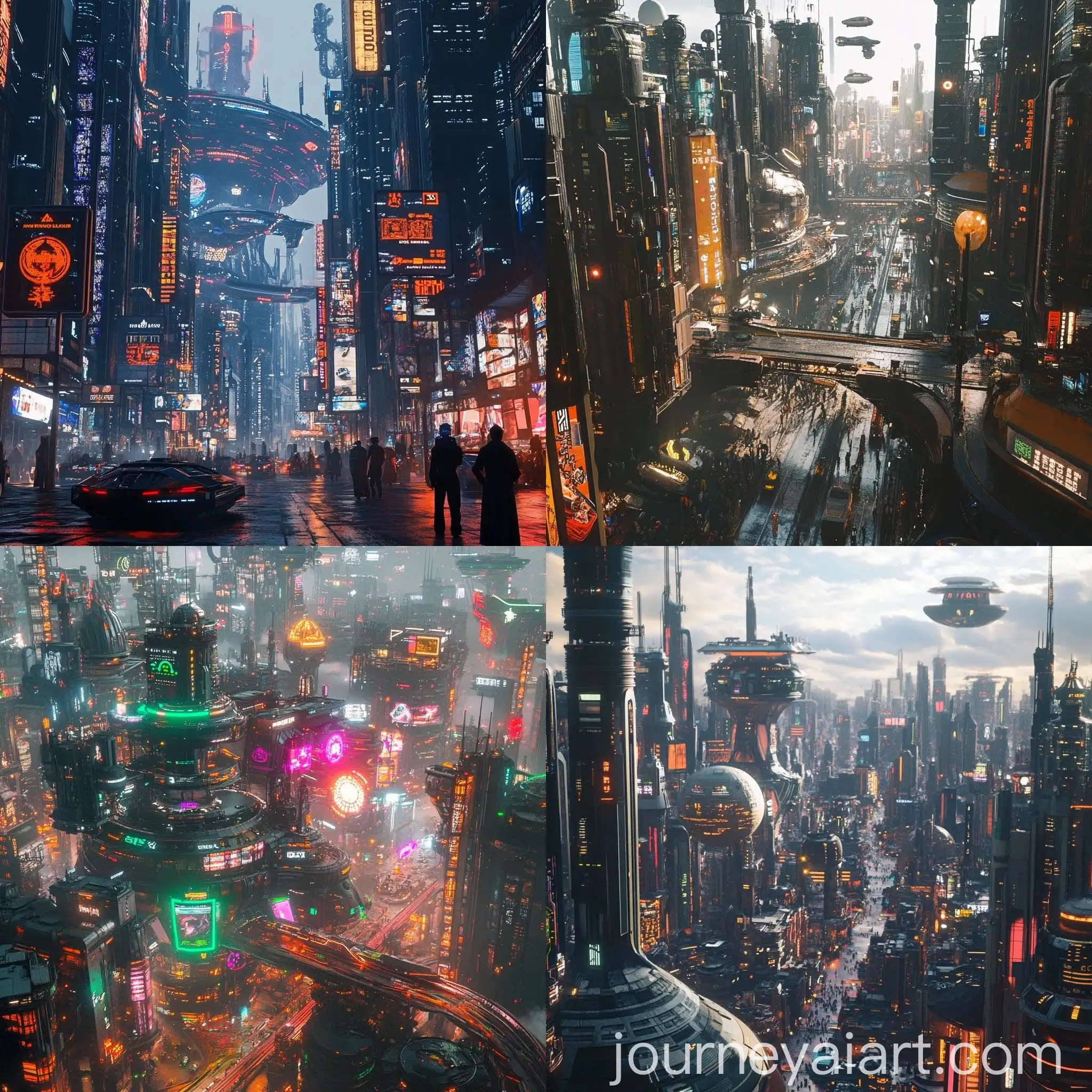
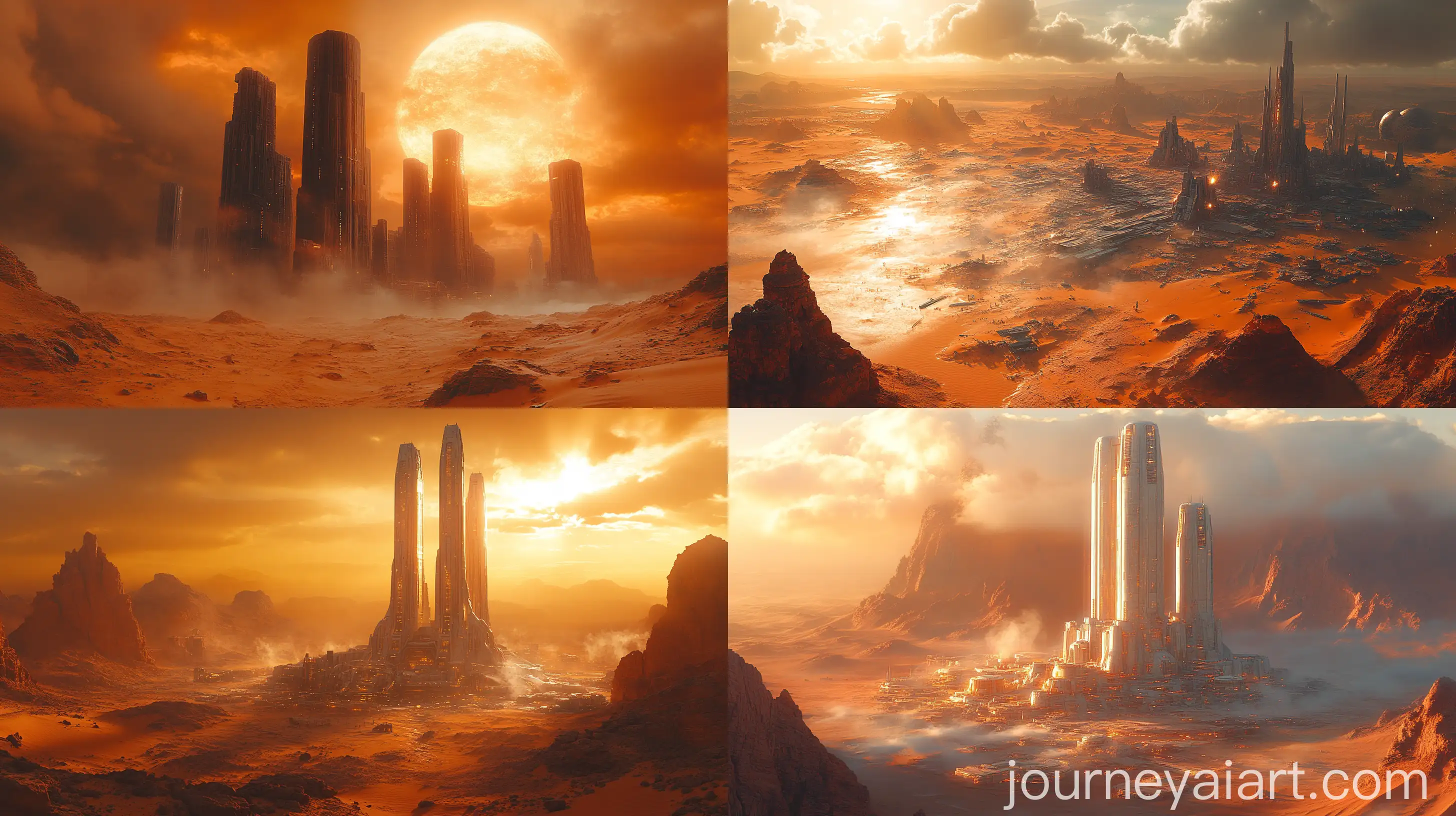
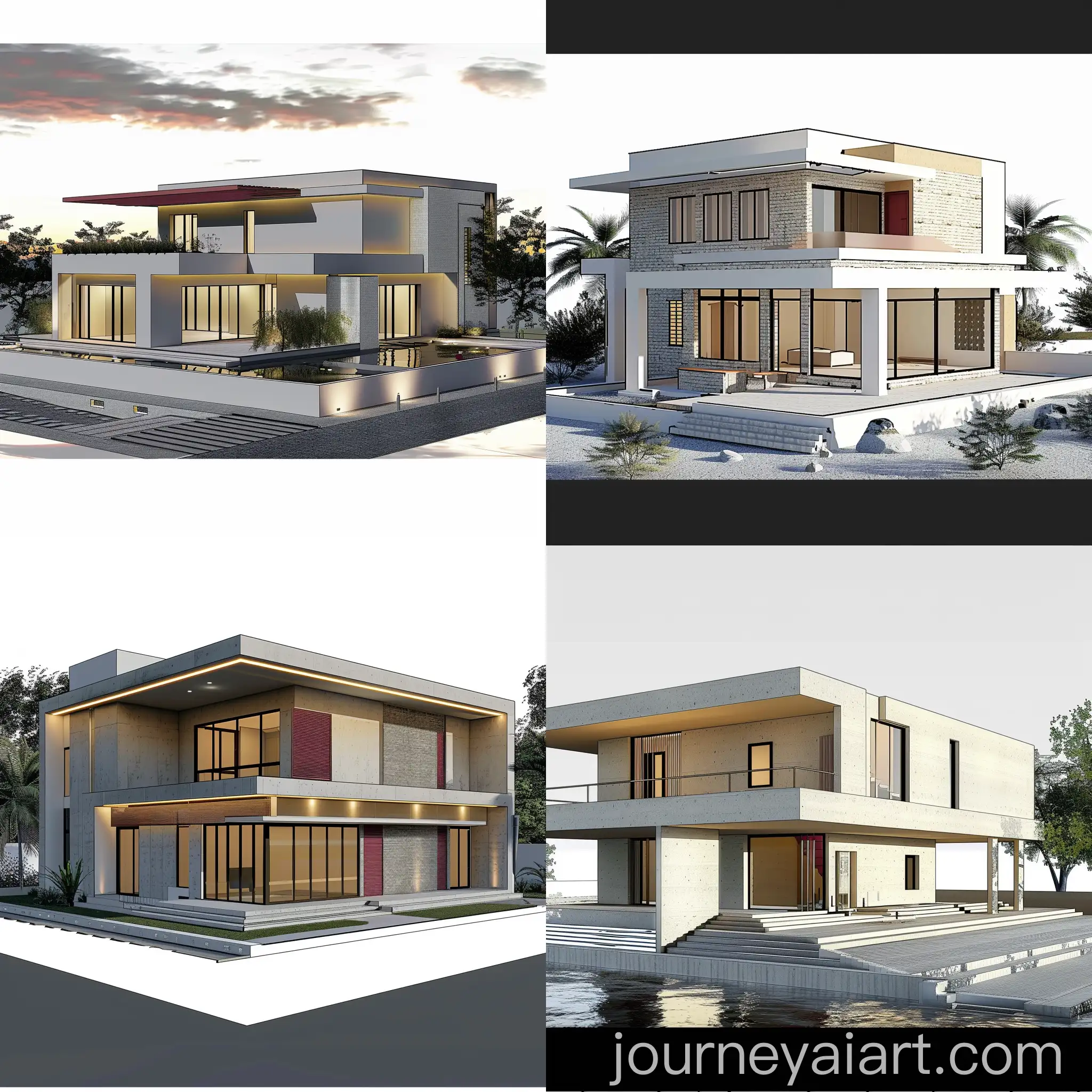
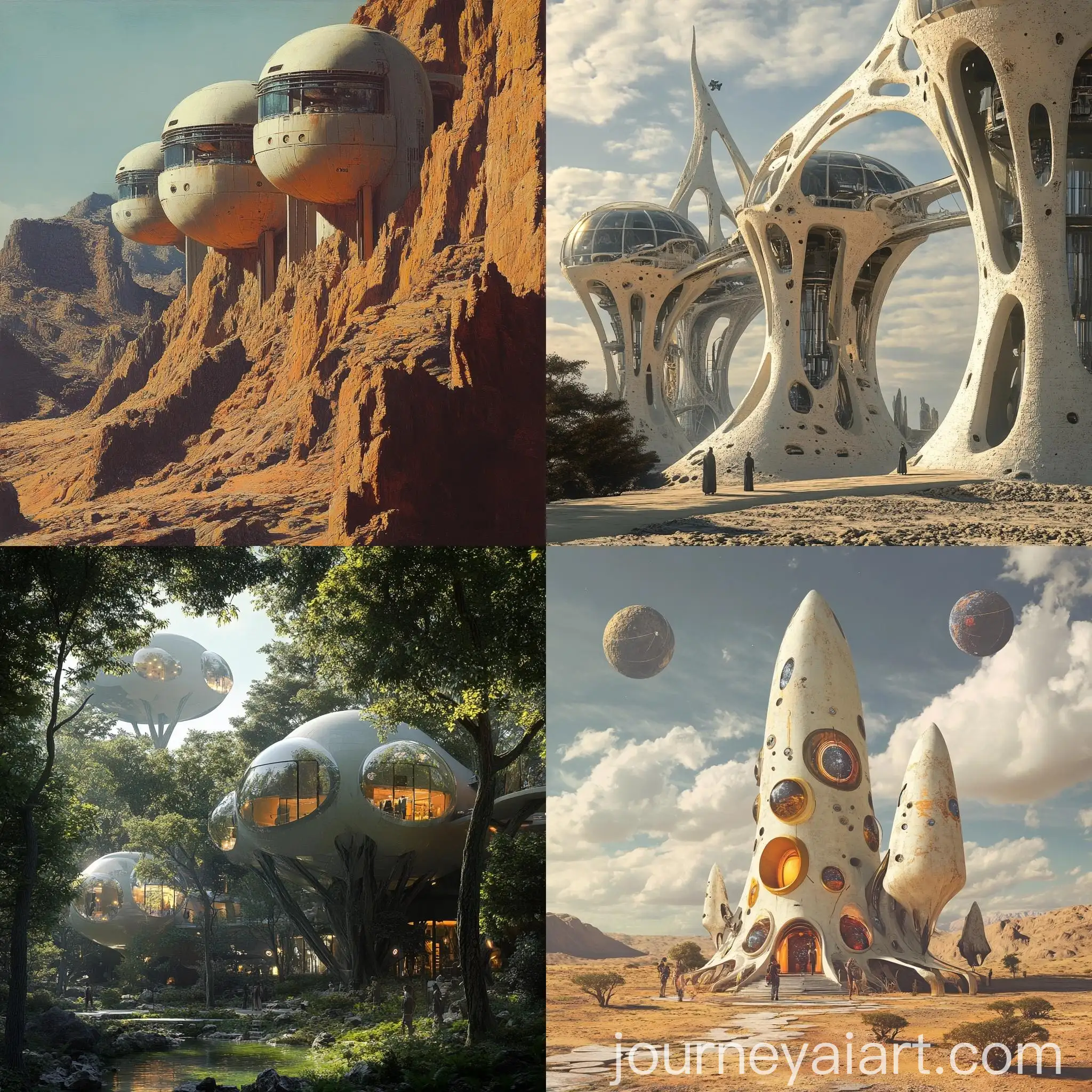
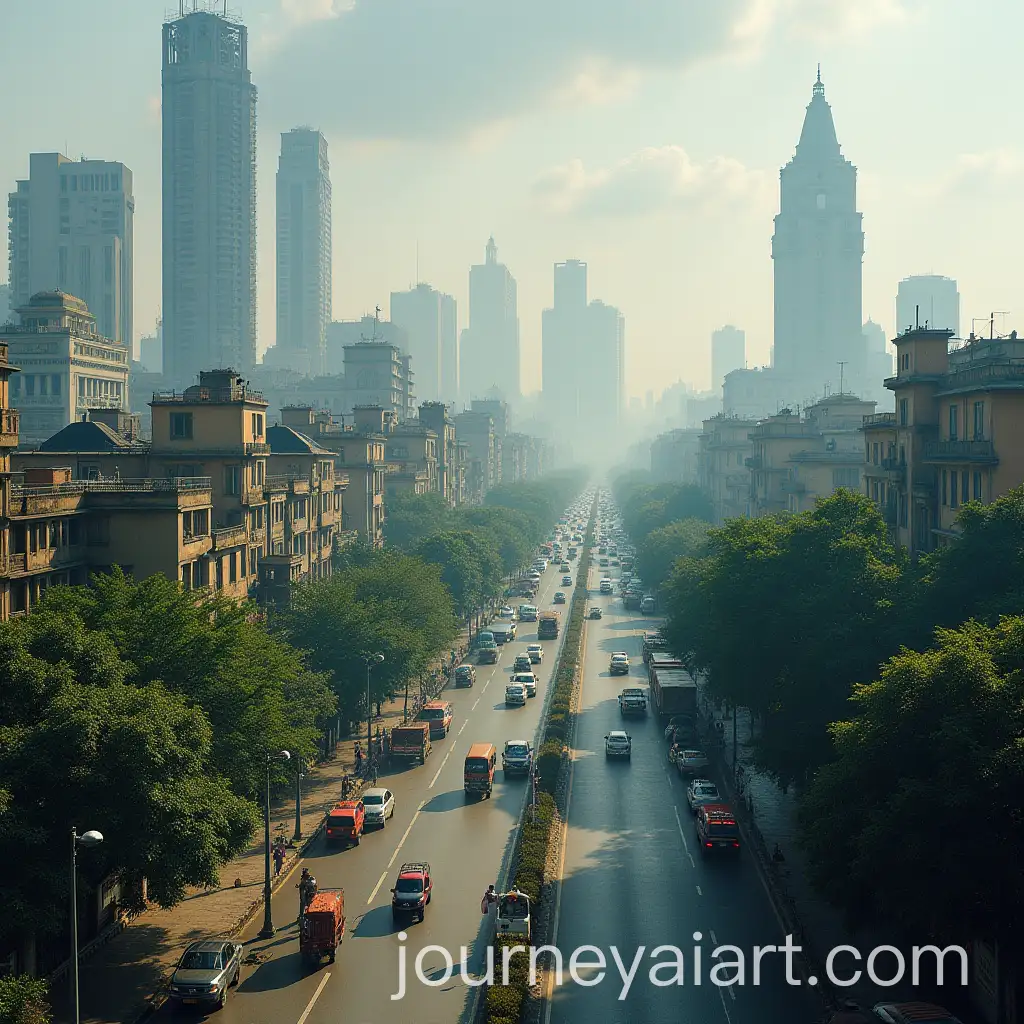
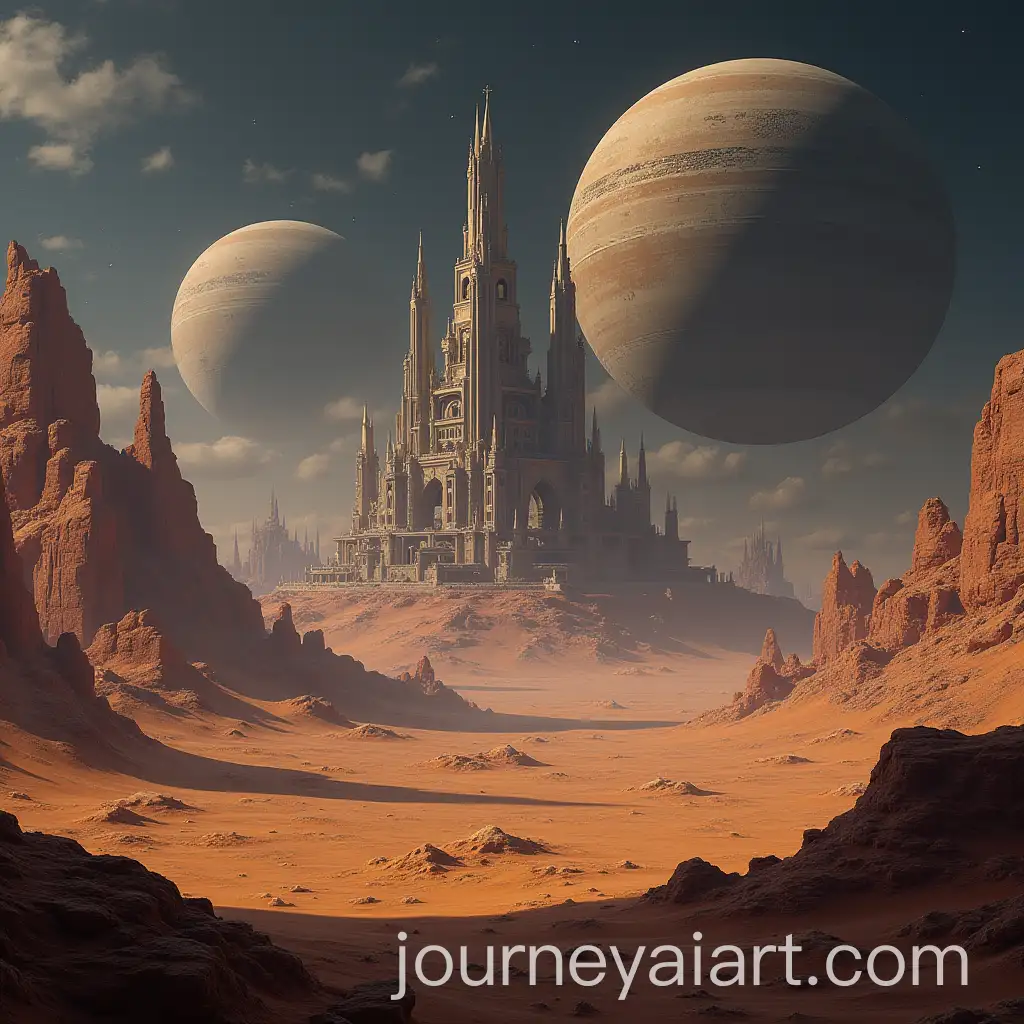
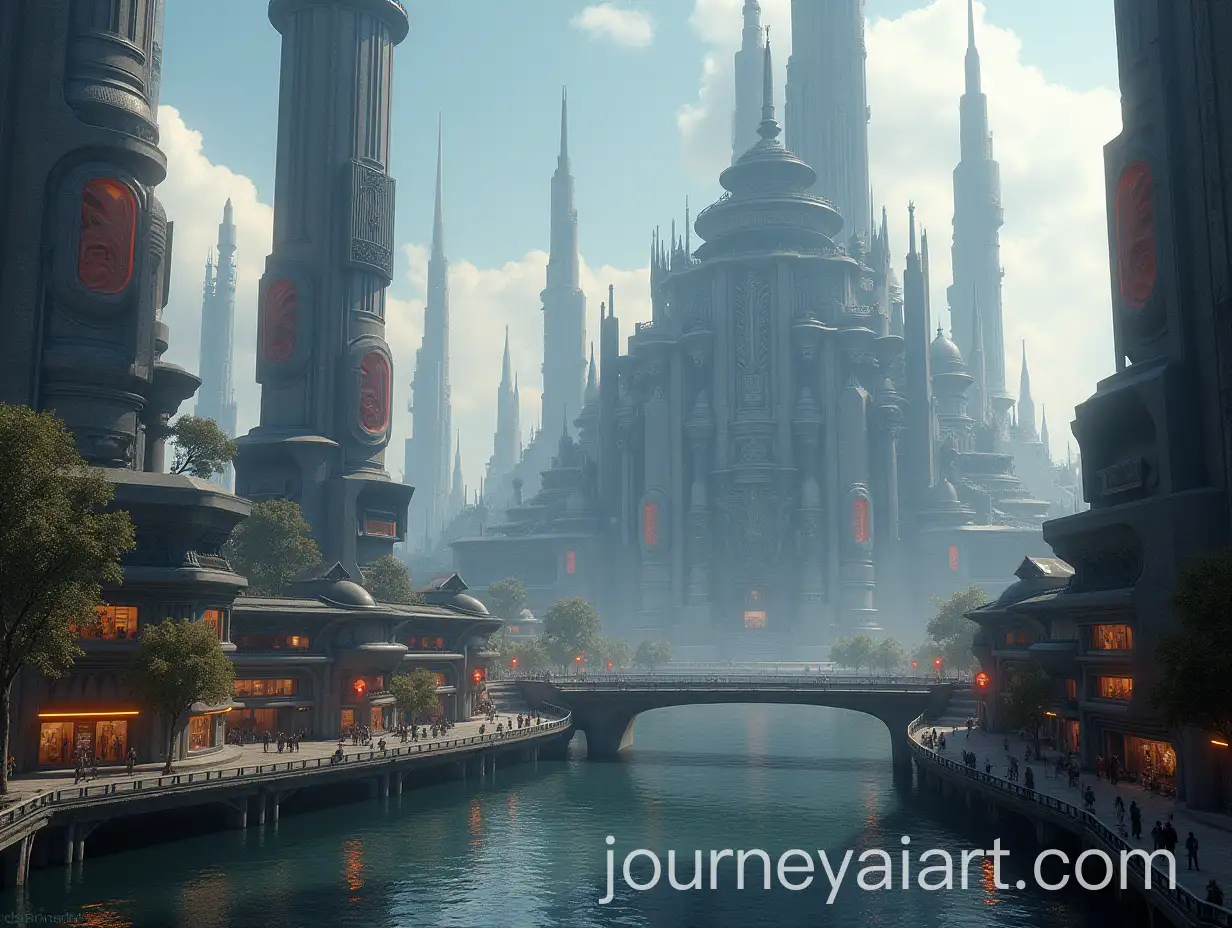
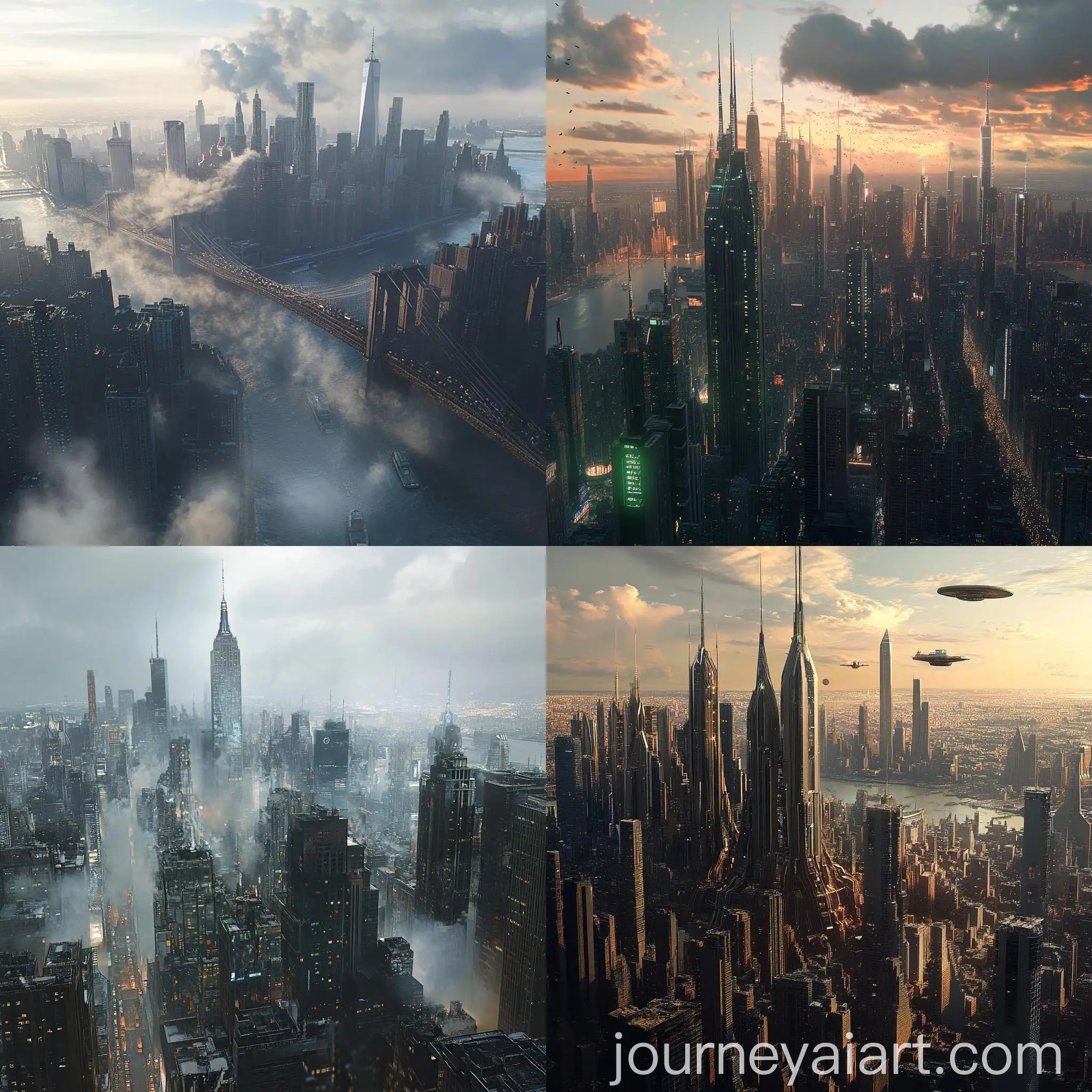
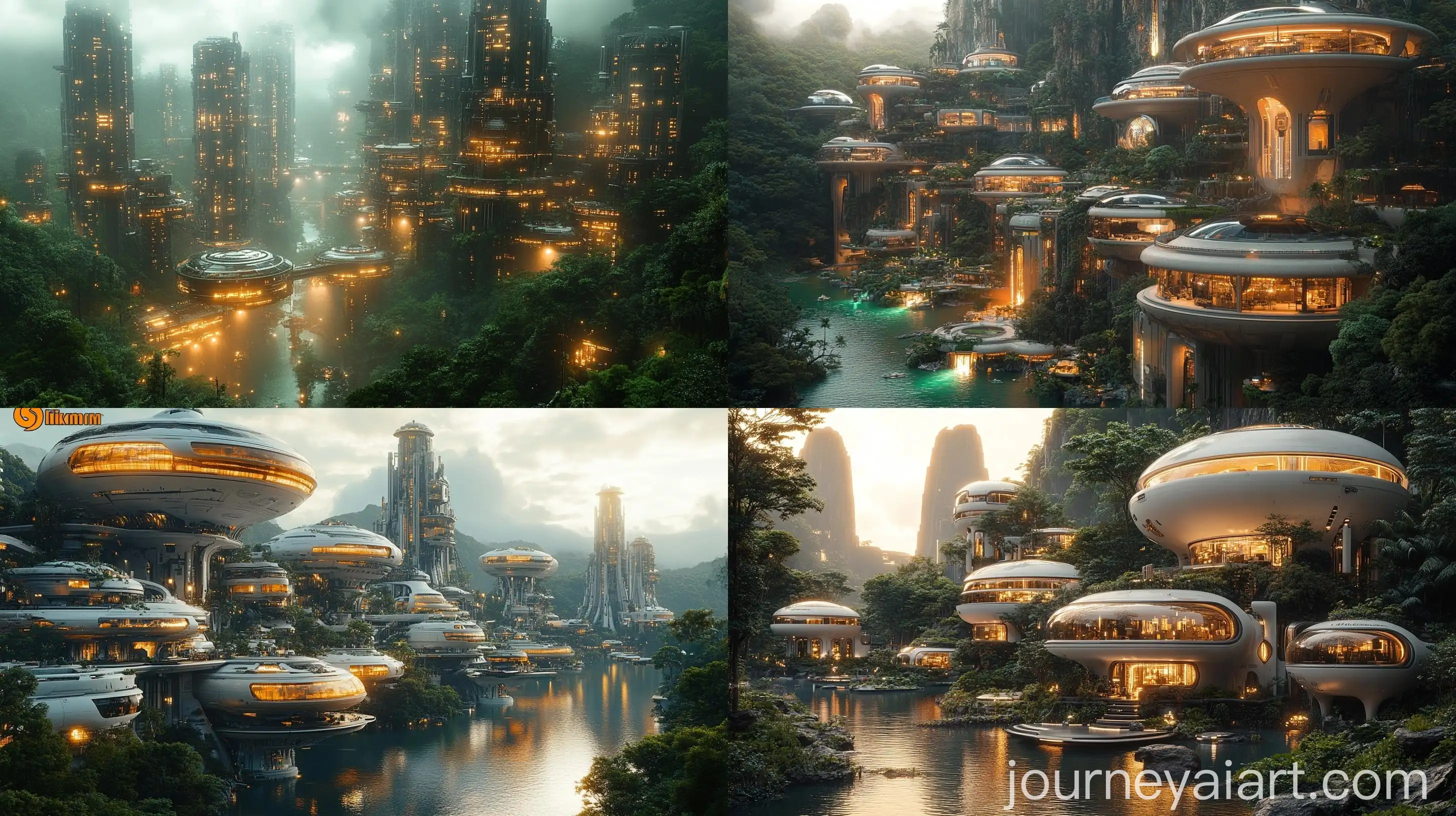
Explore our collection of high-tech building images, featuring 26 free AI-generated visuals. Our diverse selection includes stock photos, 3D objects, vectors, and illustrations, all available in high resolution. Use the 'open in editor' feature on the image detail page to customize prompts and regenerate your desired images.



Related Tags
High-tech architecture, also known as structural expressionism, emerged in the late 20th century as a style that emphasizes technological advancements and modern materials. This architectural approach often features exposed steel structures, glass facades, and innovative building systems. It reflects a fascination with the precision and efficiency of modern technology, often showcasing the building's structural elements as a part of its aesthetic appeal.
The Rise of High-Tech Architecture: A Brief Overview
High-tech buildings are characterized by their use of cutting-edge materials and technologies. Common features include extensive use of glass, steel, and lightweight alloys, as well as advanced building systems for climate control and energy efficiency. These buildings are often designed with sustainability in mind, incorporating green technologies like solar panels and smart energy systems. Applications range from office towers and cultural institutions to residential complexes, all designed to offer a futuristic and functional environment.
Key Features and Applications of High-Tech Buildings
Some of the most iconic high-tech buildings include the Centre Pompidou in Paris, known for its external piping and structural elements; the Lloyd's building in London, which showcases its services like elevators and ductwork on the exterior; and the HSBC Main Building in Hong Kong, a marvel of modular design. These structures exemplify the high-tech style's emphasis on transparency, flexibility, and the celebration of technological advances in architecture.
Iconic High-Tech Structures Around the World
As technology continues to evolve, the future of high-tech building design promises even greater integration of digital technologies and sustainable practices. The rise of smart buildings, which use IoT devices to optimize energy use and enhance user experience, is a significant trend. Additionally, advancements in materials science, such as self-healing materials and 3D-printed components, are likely to further push the boundaries of what's possible in high-tech architecture. These developments will continue to shape urban landscapes and redefine how we interact with built environments.
Future Trends in High-Tech Building Design