16 Free Gothic Art Photos Midjourney AI images
Welcome to our Gothic Art Photos collection, featuring 16 free AI-generated images. Explore a wide variety of stock photos, 3D objects, vectors, and illustrations in the Gothic style. Enjoy high-resolution downloads and make use of the 'open in editor' feature to adjust prompts for generating the perfect image.
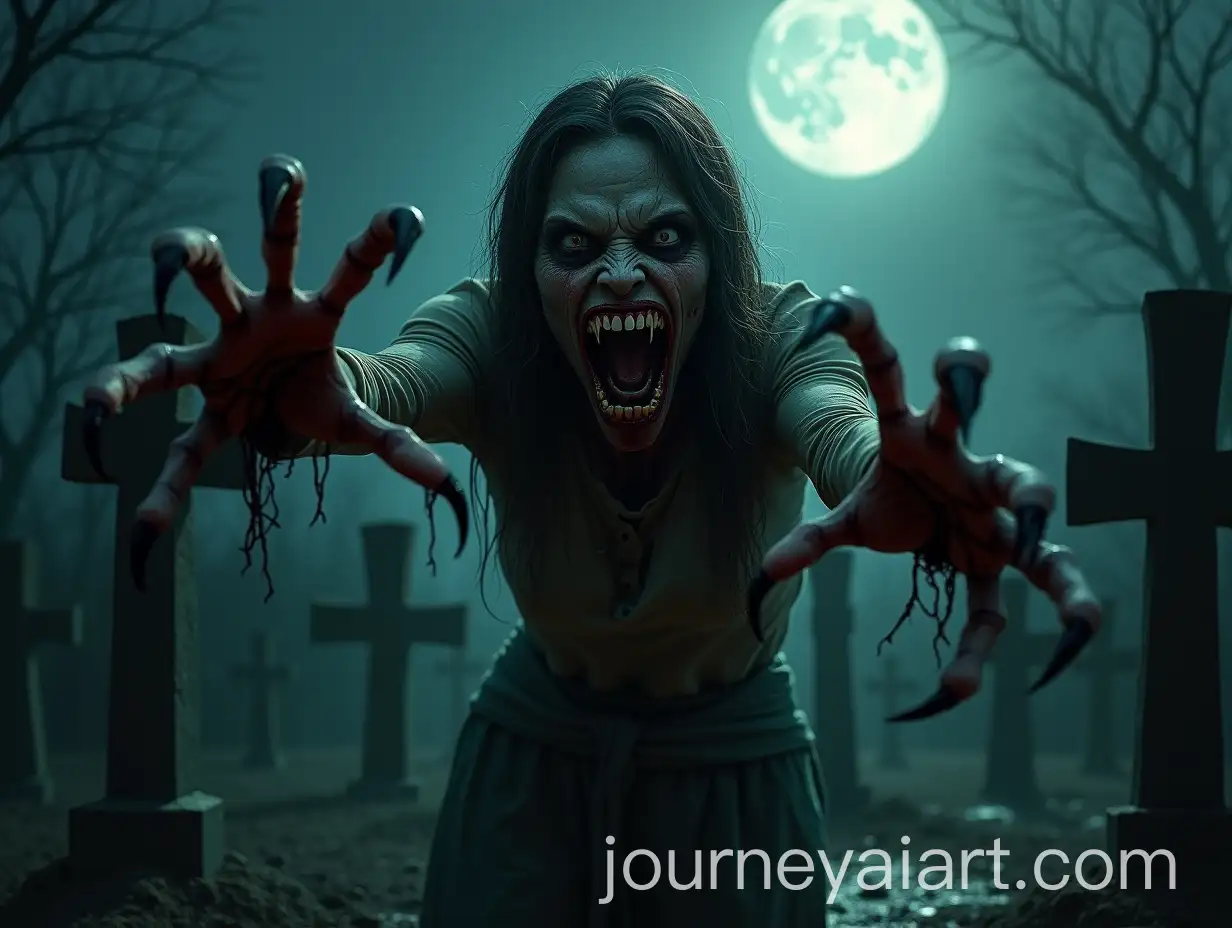
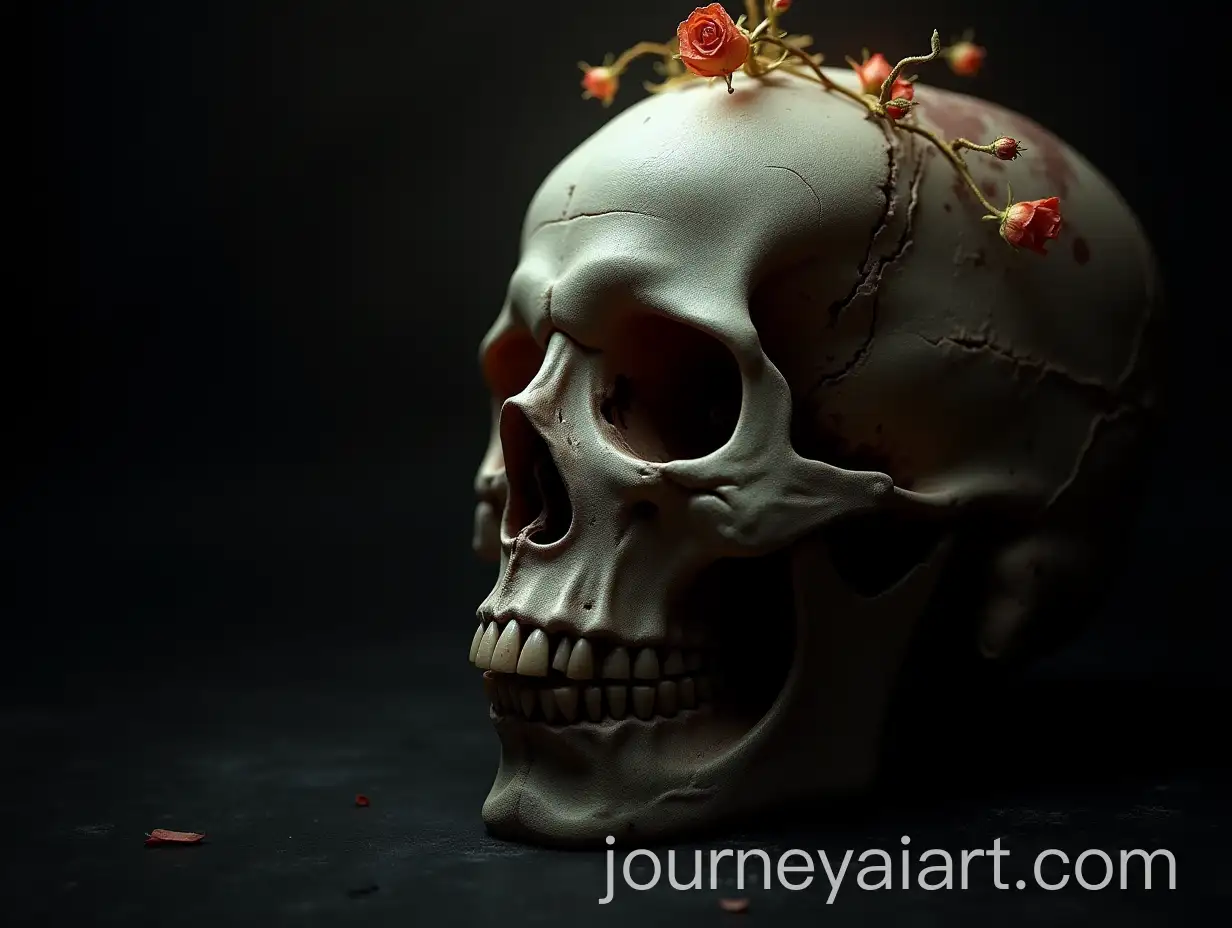
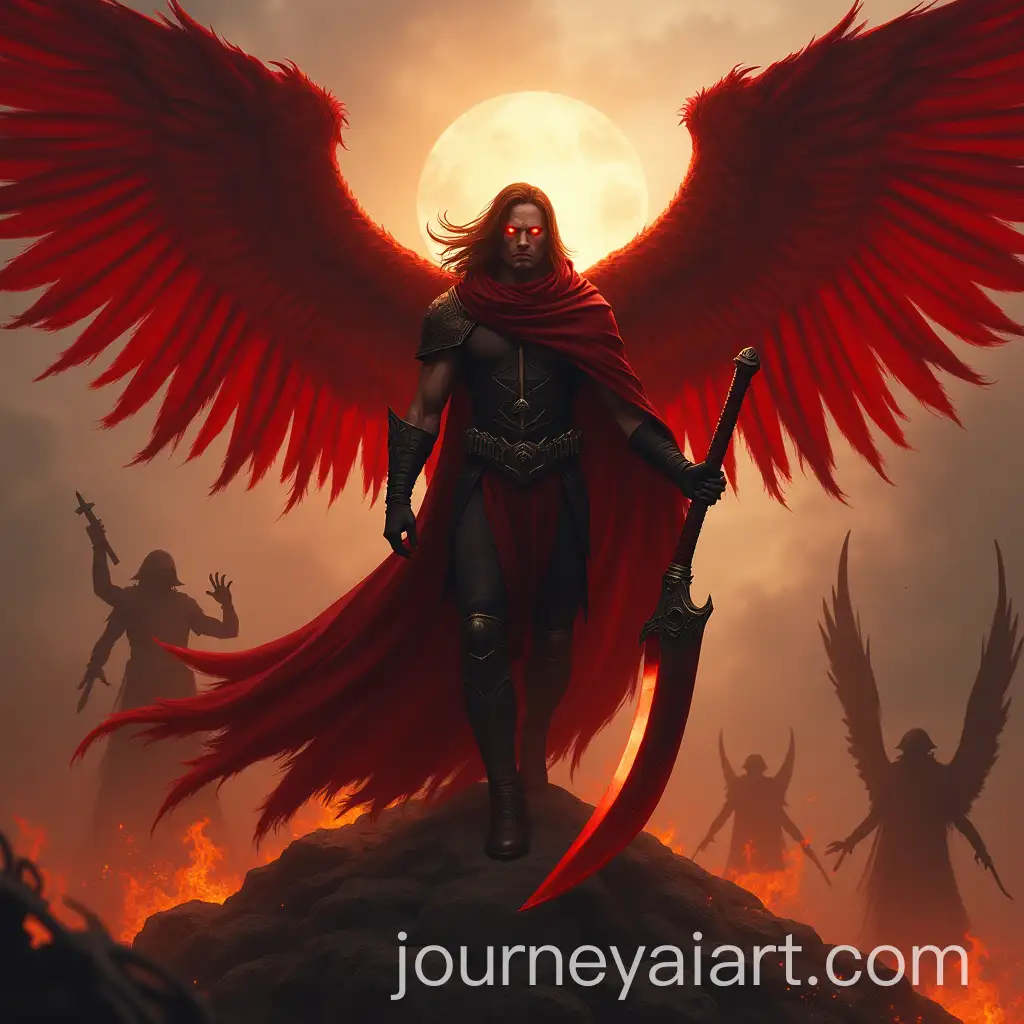
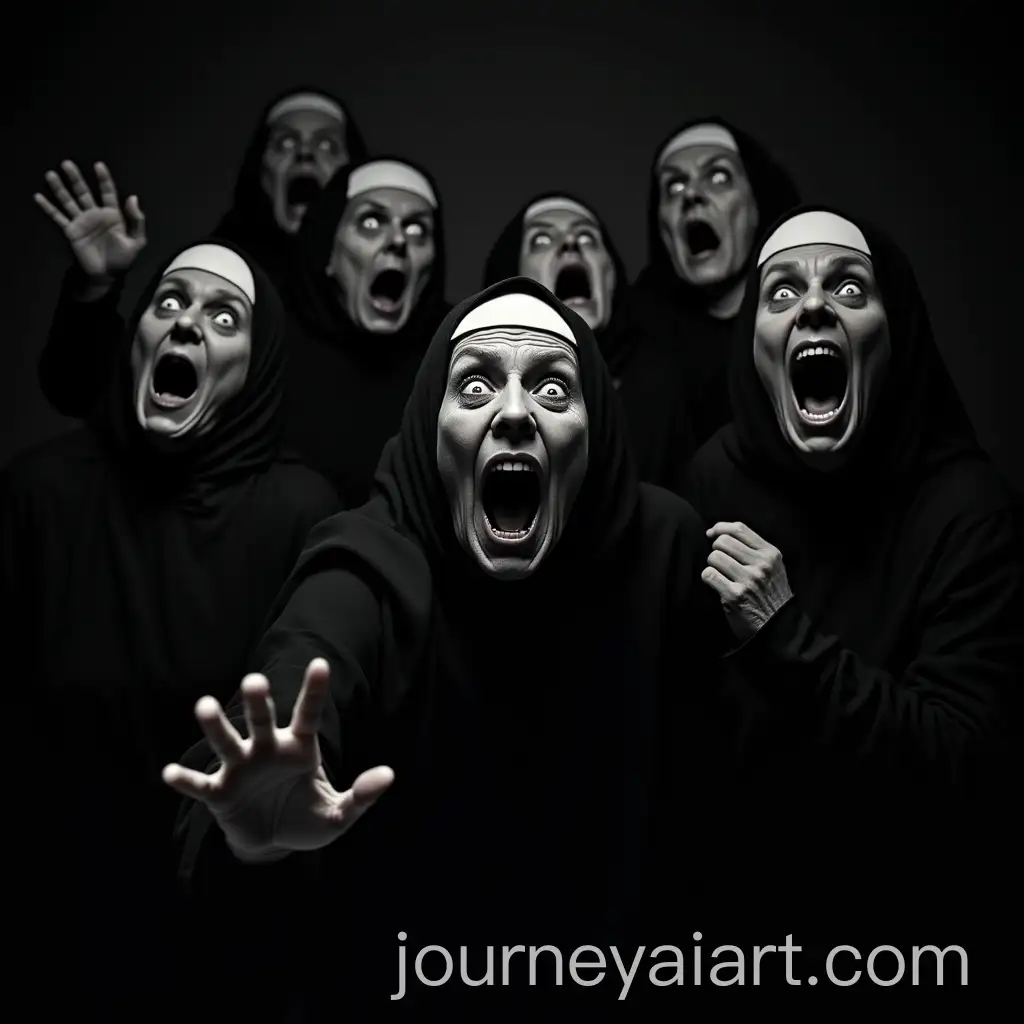
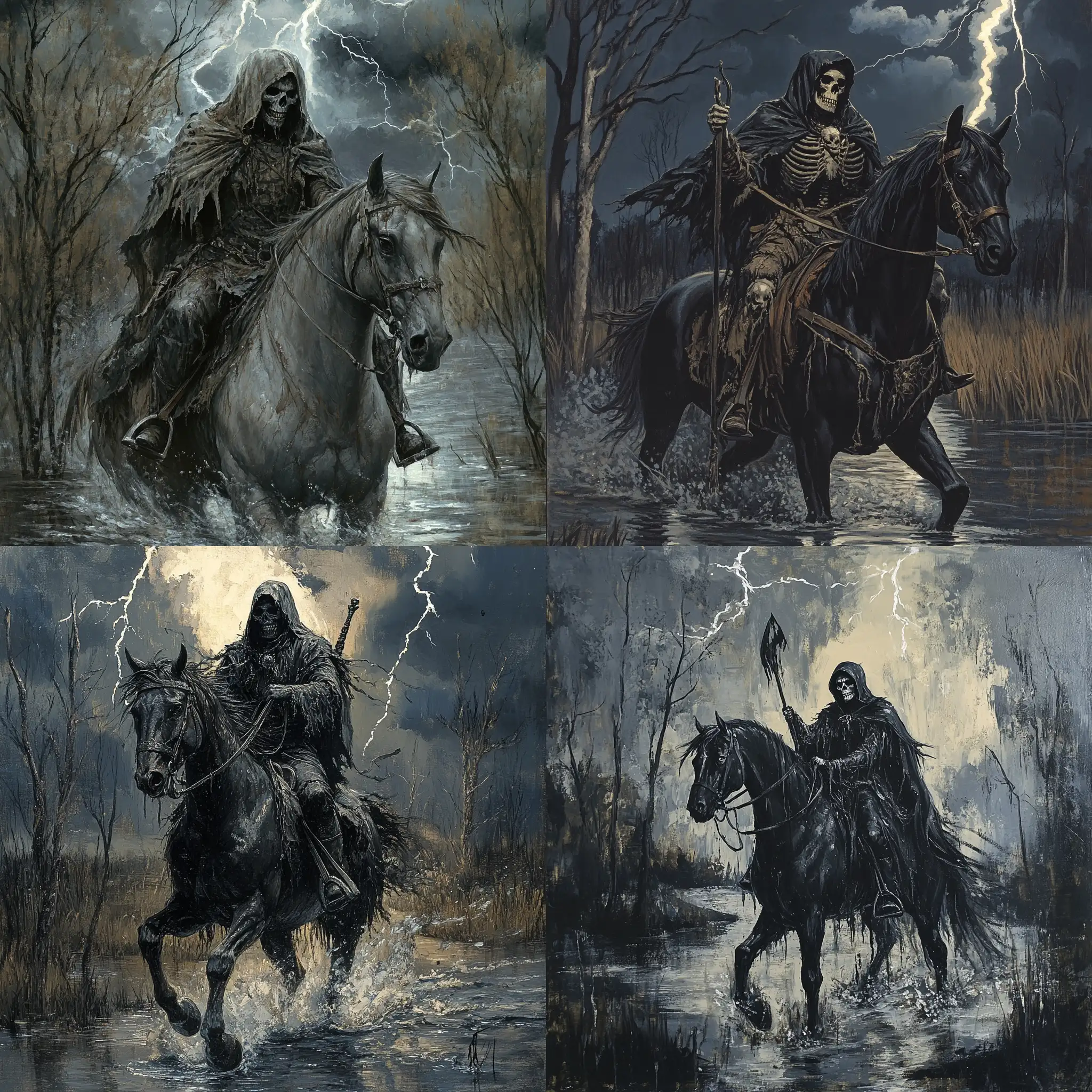
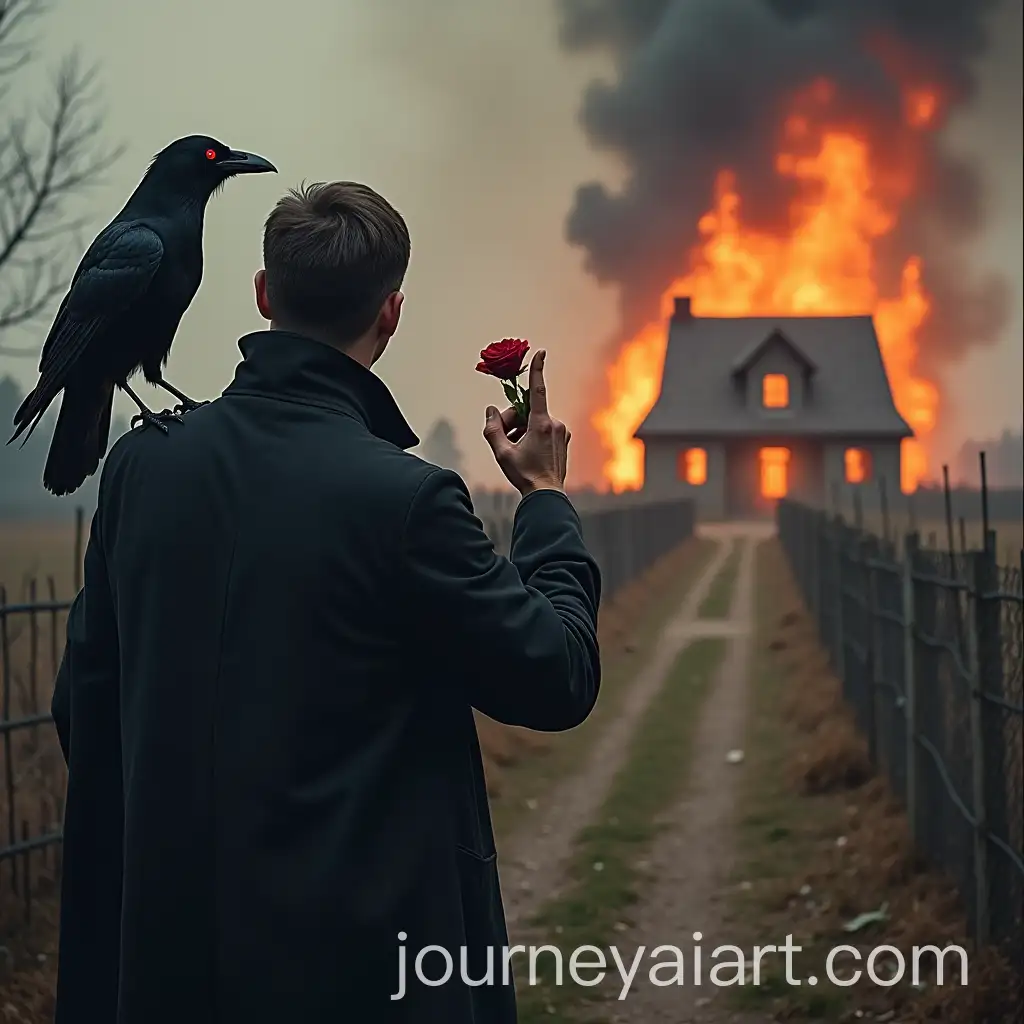
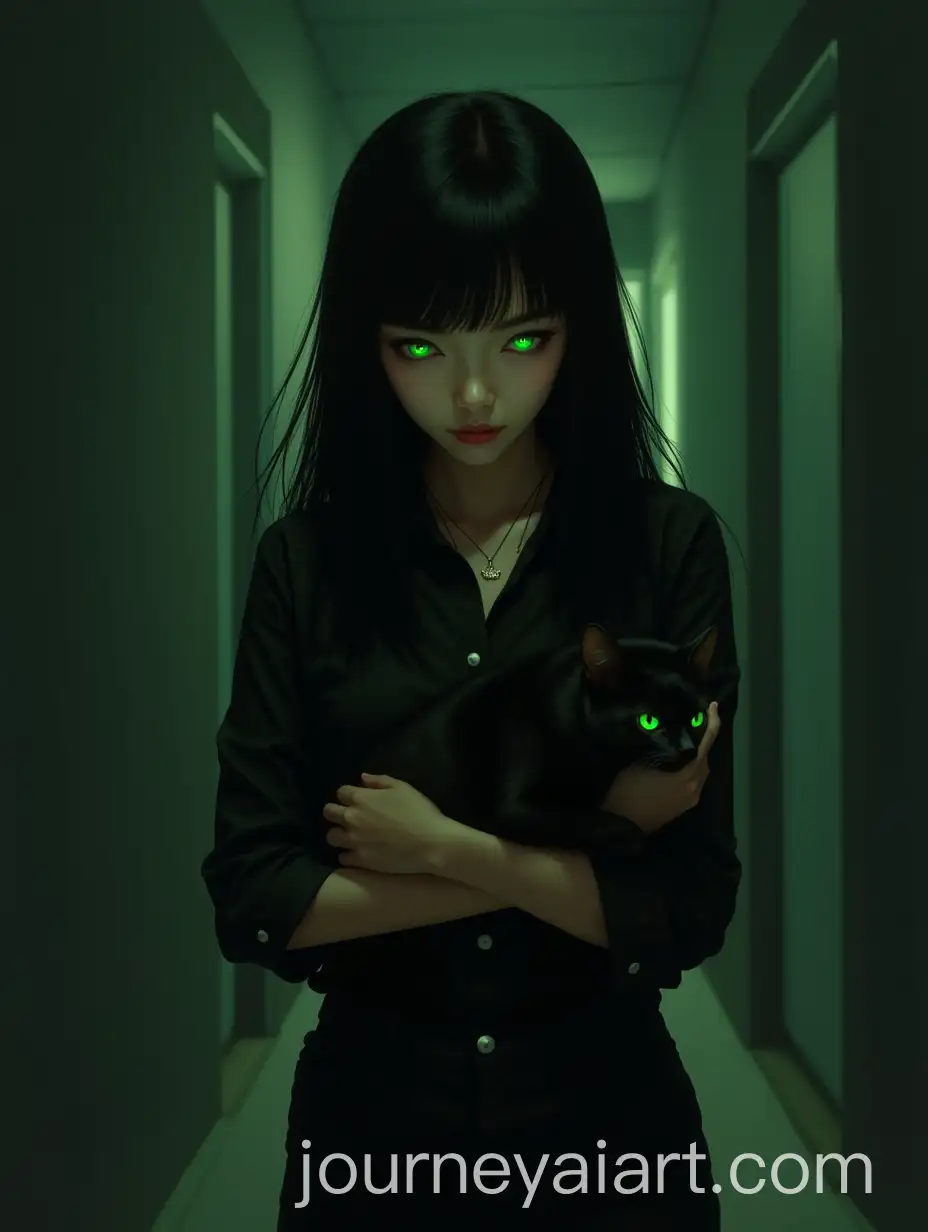
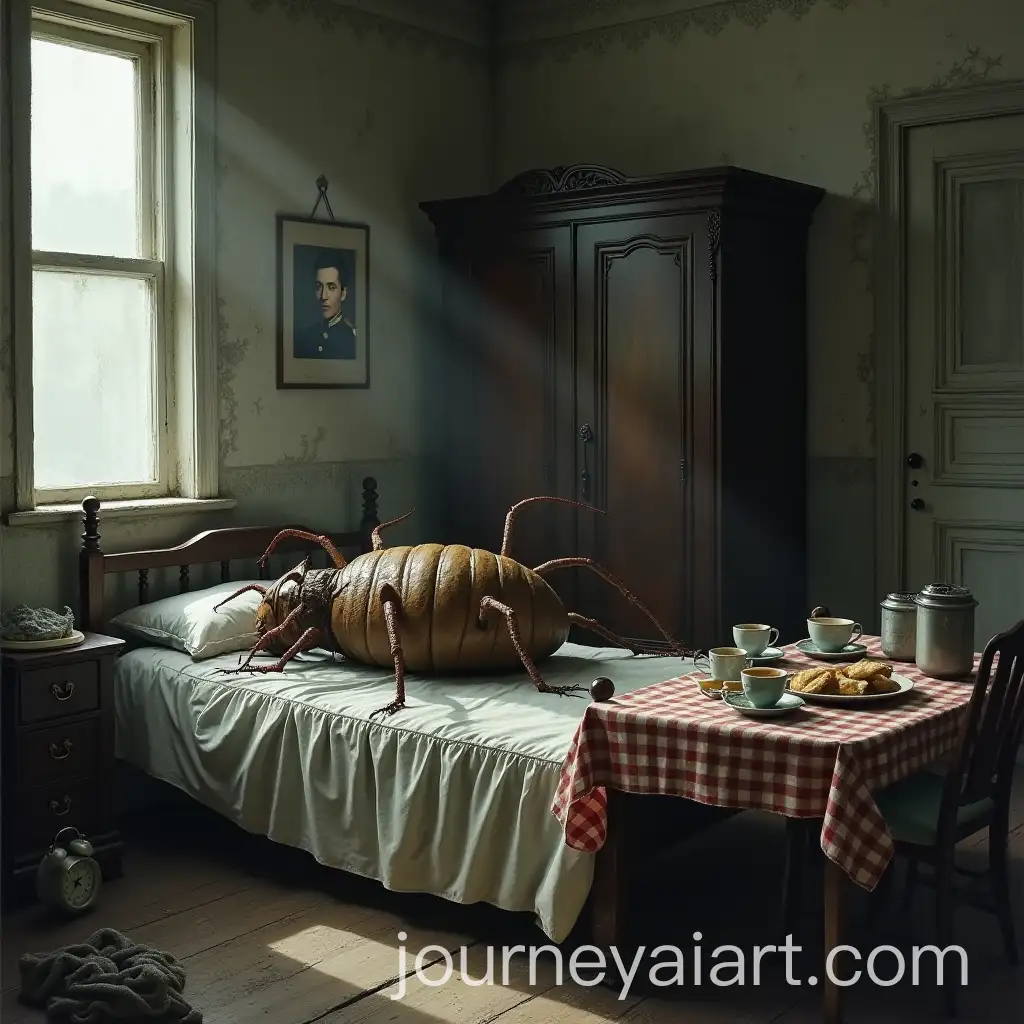
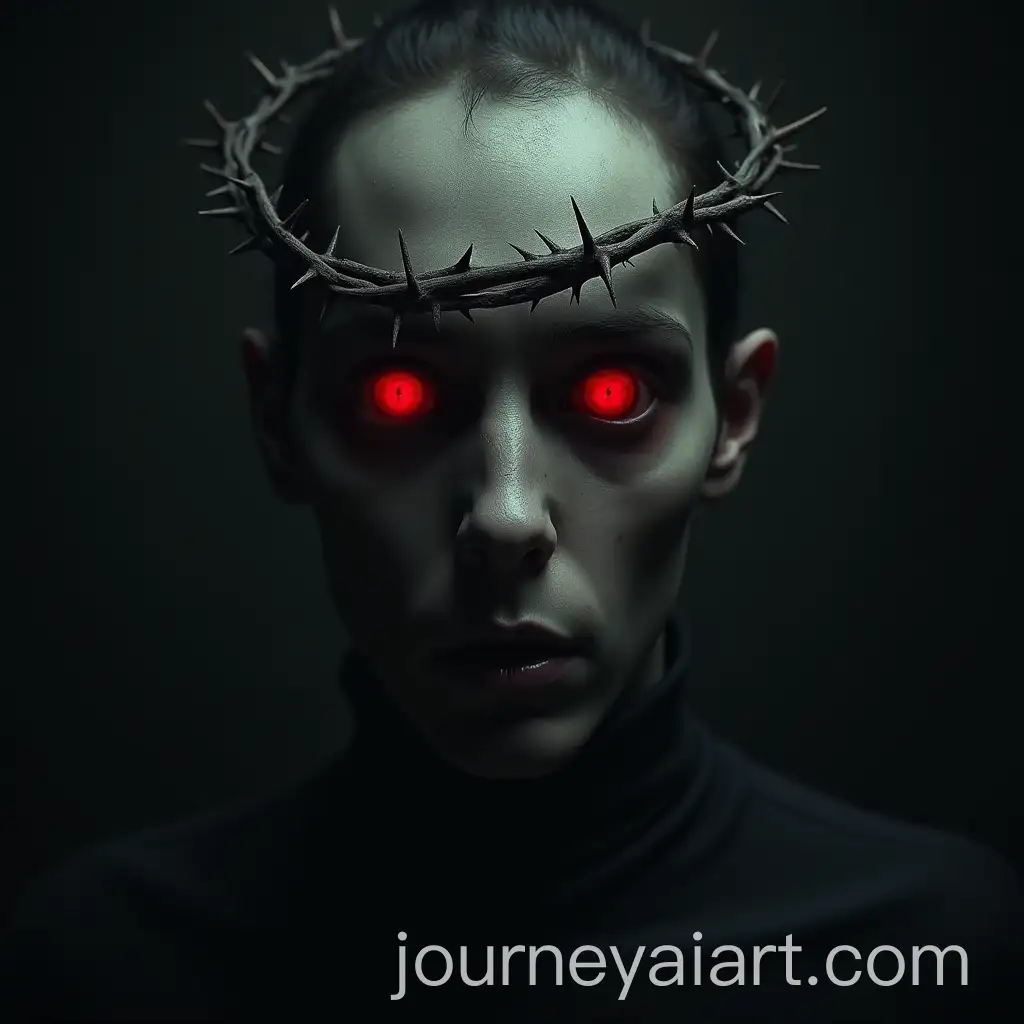
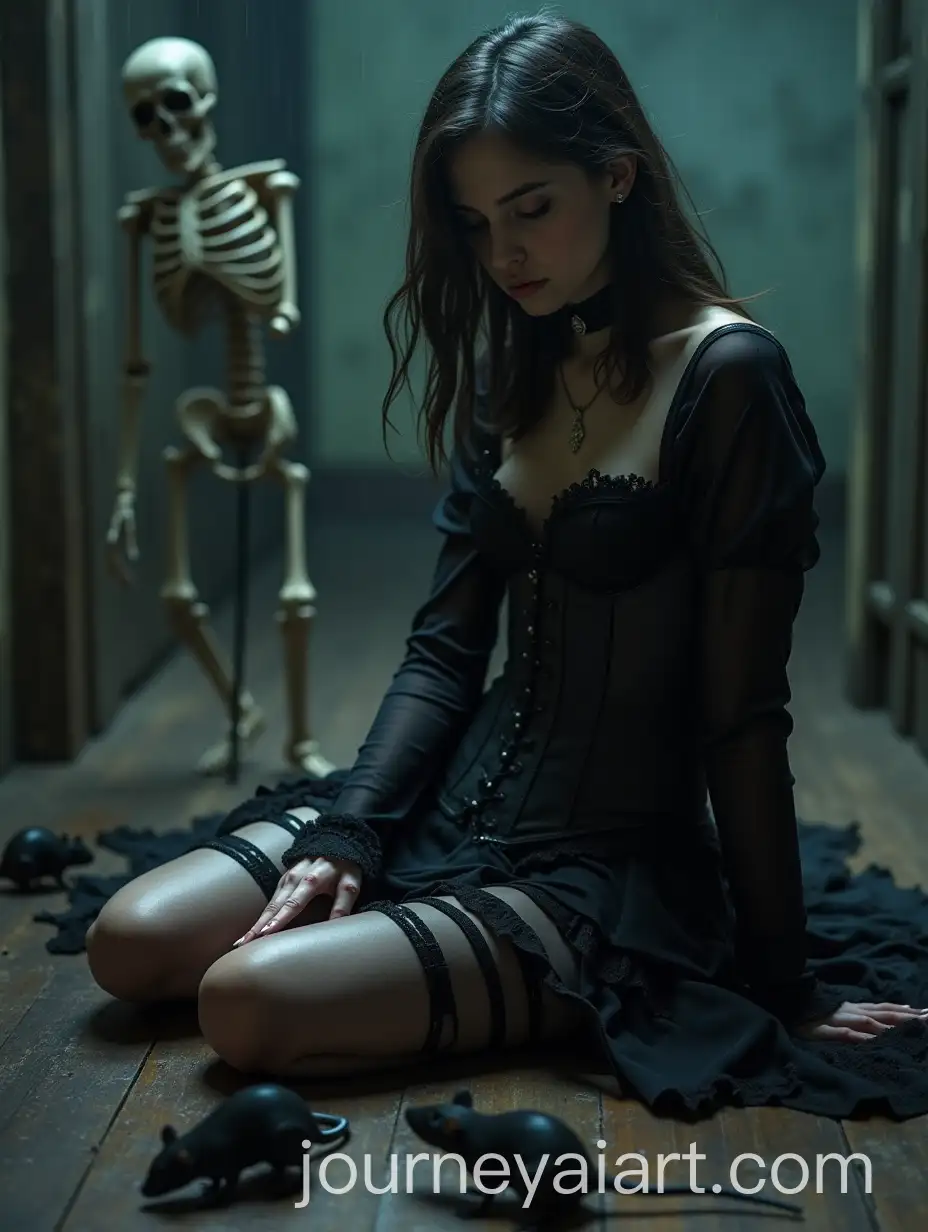
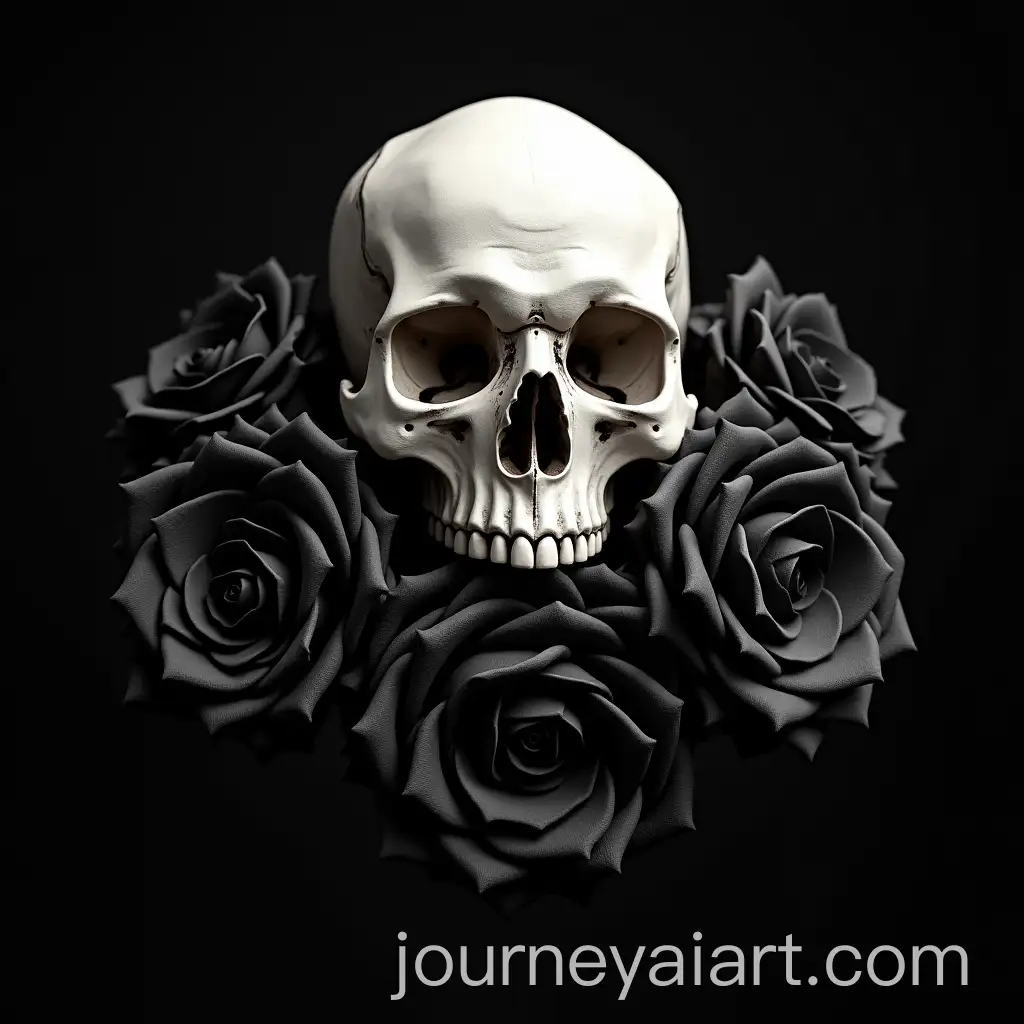
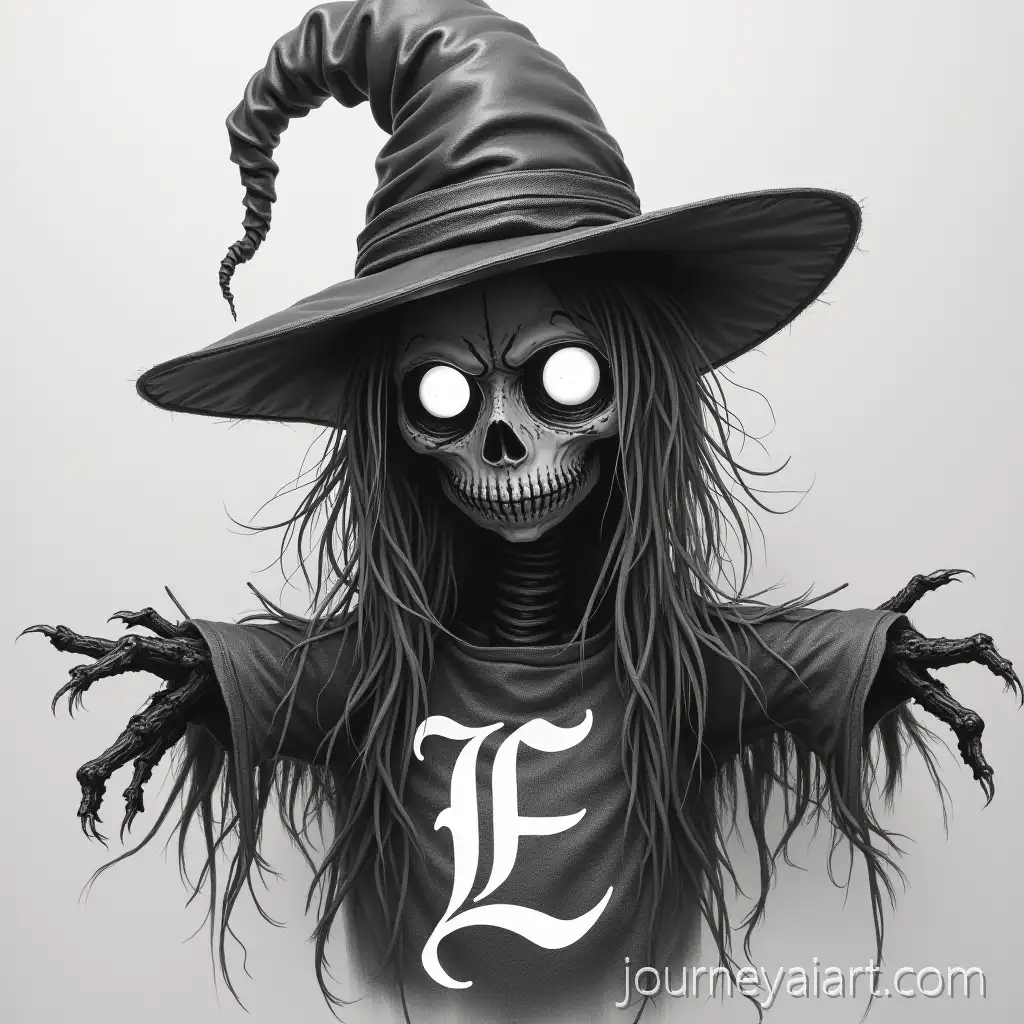
Related Tags
Gothic Art originated in the 12th century during the High Middle Ages in Europe, primarily in France. It marked a shift away from the Romanesque style, introducing pointed arches, flying buttresses, and ribbed vaults in architecture. While Gothic architecture became iconic in churches and cathedrals, Gothic art evolved through painting, sculpture, and stained glass. By the 13th century, this style began to be associated with religious themes, though it later influenced secular art as well. The later stages of Gothic Art were marked by intricate details, ethereal lighting, and a fascination with dark or mysterious themes, making it a precursor to the more dramatic styles seen in the Renaissance.
The Origins and Evolution of Gothic Art
Gothic Art is characterized by its emphasis on dramatic, sometimes eerie, elements. Artists and architects used light and shadow to create a sense of otherworldliness, often playing with contrasts between bright and dark areas. Common themes include the depiction of the supernatural, religious icons, and symbolic representations of life and death. Gothic paintings often featured elongated figures, intricate clothing details, and vivid, emotional expressions. The architecture focused on verticality, creating towering spires and expansive windows filled with stained glass. These features collectively conveyed a sense of awe, mystery, and reverence that continues to influence contemporary interpretations of the Gothic aesthetic.
Distinctive Features of Gothic Art: Dark, Detailed, and Mysterious
Some of the most notable figures in Gothic Art include artists like Giotto di Bondone, who is credited with bringing more emotional depth and realism into Gothic painting, and the early architects of Gothic cathedrals, such as Abbot Suger, who is often considered a pioneer of Gothic architecture. Other important artists include Jan van Eyck, whose detailed oil paintings contributed significantly to the Northern Renaissance and the Gothic tradition, and Hugo van der Goes, known for his highly detailed altarpieces. While many works focused on religious subjects, the Gothic style also laid the groundwork for later movements like the Baroque and Romantic periods, each of which drew on the intense emotional impact and symbolic complexity of Gothic Art.
Key Artists and Works in the Gothic Art Movement
The impact of Gothic Art continues to reverberate through modern culture, especially in the world of entertainment, fashion, and graphic design. Gothic imagery is prevalent in horror films, video games, and literature, with its moody, mysterious aesthetic often used to evoke a sense of dread or the supernatural. The design of popular franchises like 'The Addams Family' and 'The Matrix' draws heavily from Gothic visual traditions. In fashion, designers such as Alexander McQueen and Ann Demeulemeester have incorporated Gothic elements like dark colors, dramatic silhouettes, and occult motifs into their collections. The modern-day popularity of Gothic architecture, seen in the revival of Gothic Revival style in the 19th century and beyond, continues to influence contemporary urban landscapes and interior designs.
The Continued Influence of Gothic Art in Modern Design and Media