37 Free Glitch Effect Midjourney AI images
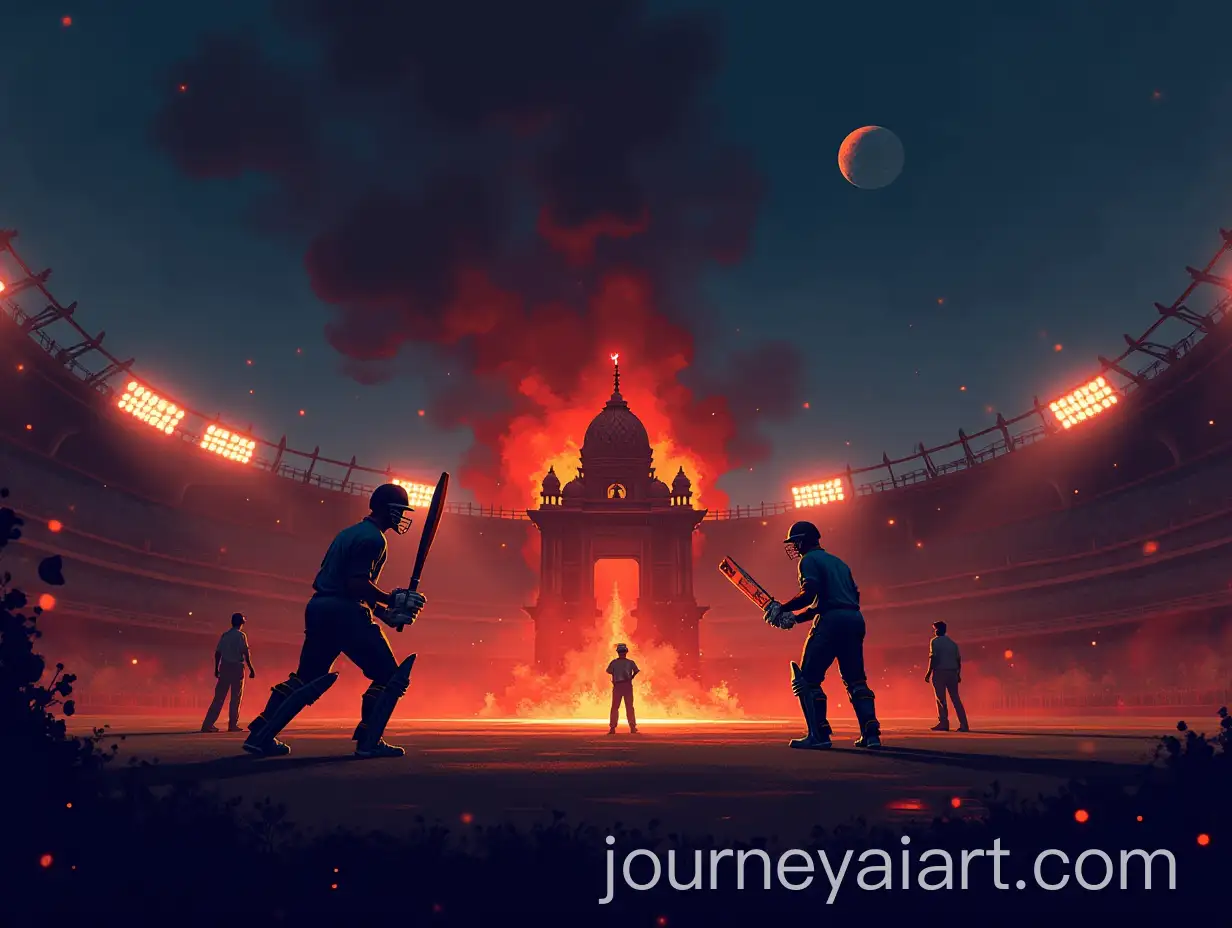
Explore our collection of 37 free AI-generated images under the 'glitch effect' tag. This diverse array includes stock photos, 3D objects, vectors, and illustrations, all showcasing the unique aesthetic of digital distortion. Enjoy high-resolution downloads and utilize our 'open in editor' feature on the image detail page to fine-tune prompts and regenerate images to your exact specifications.
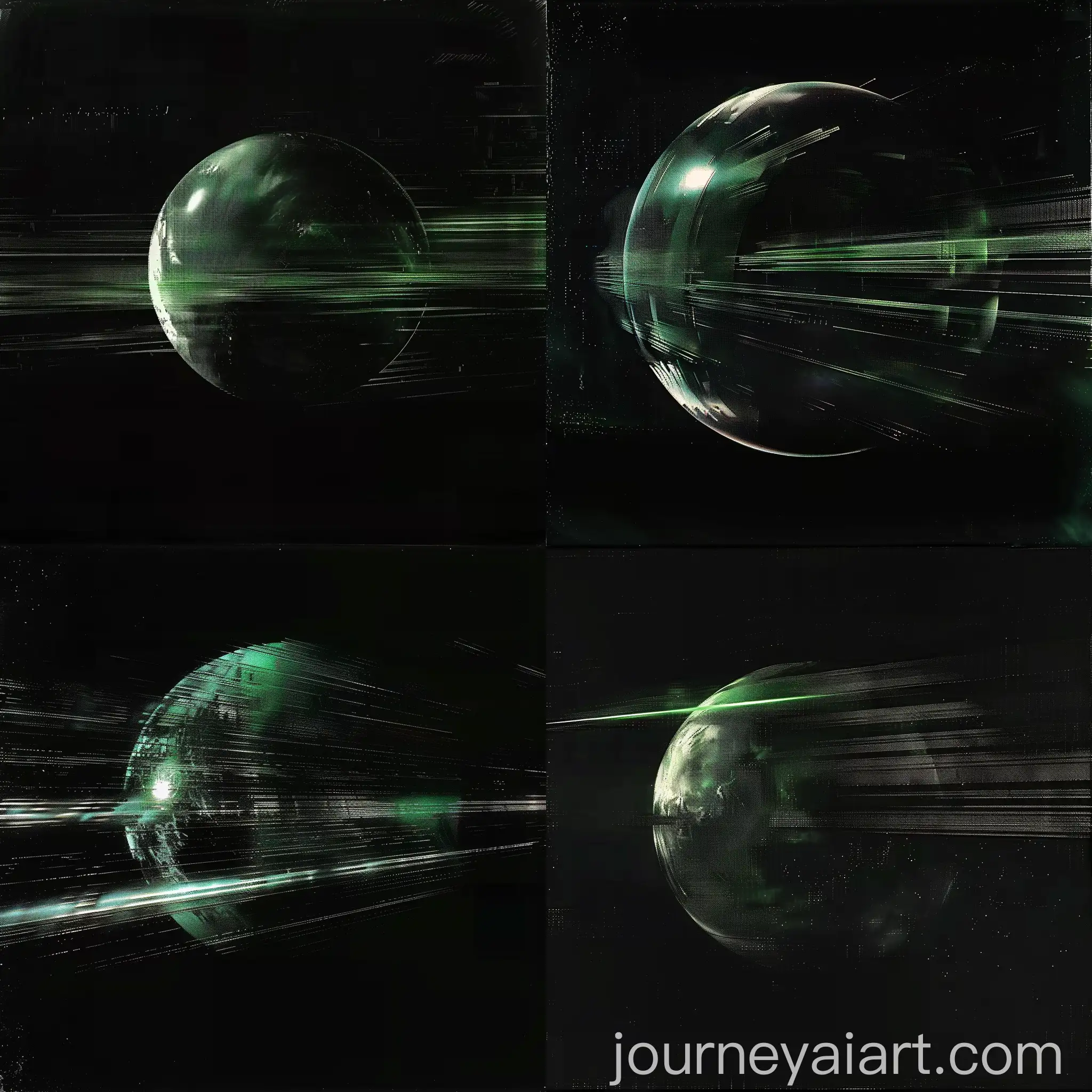
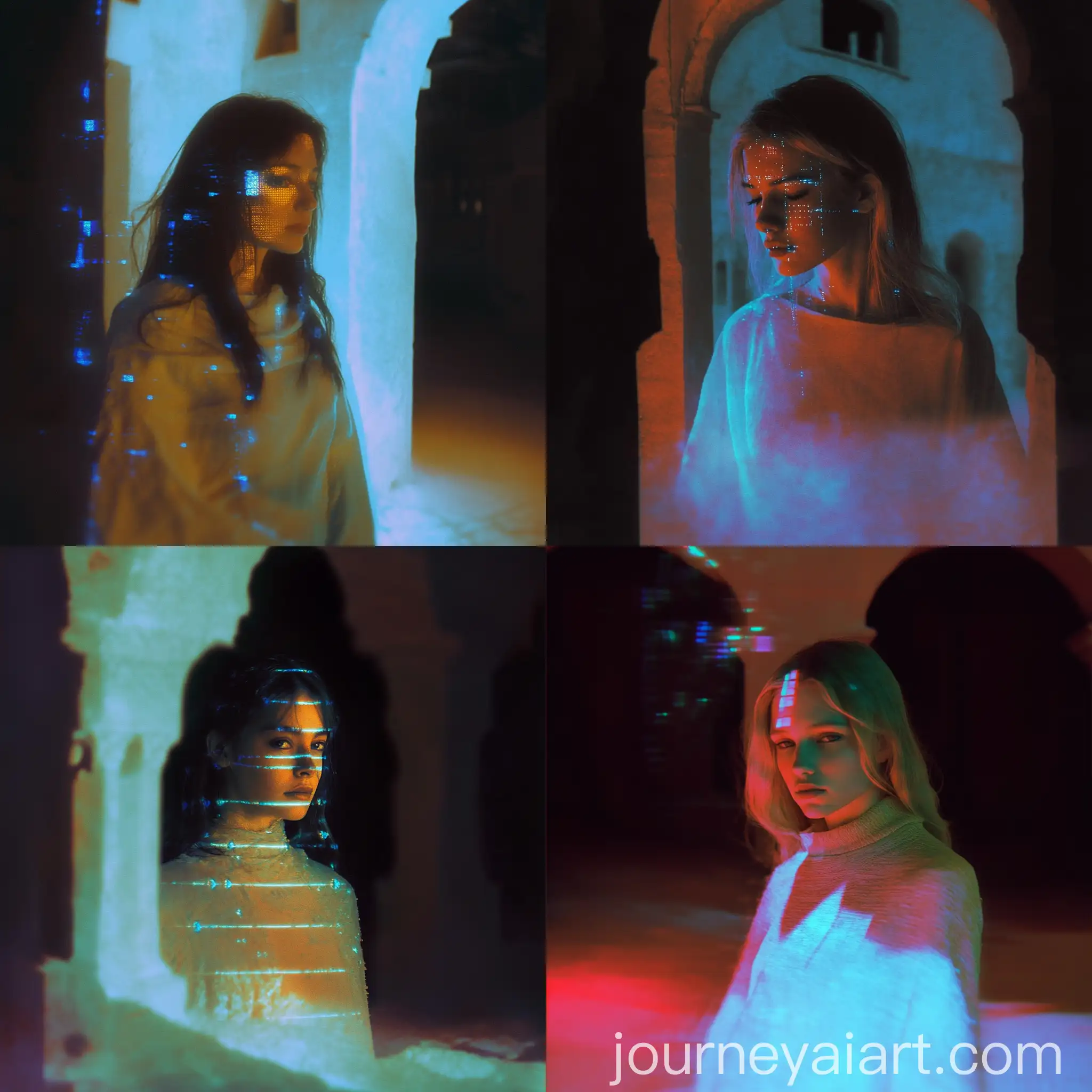
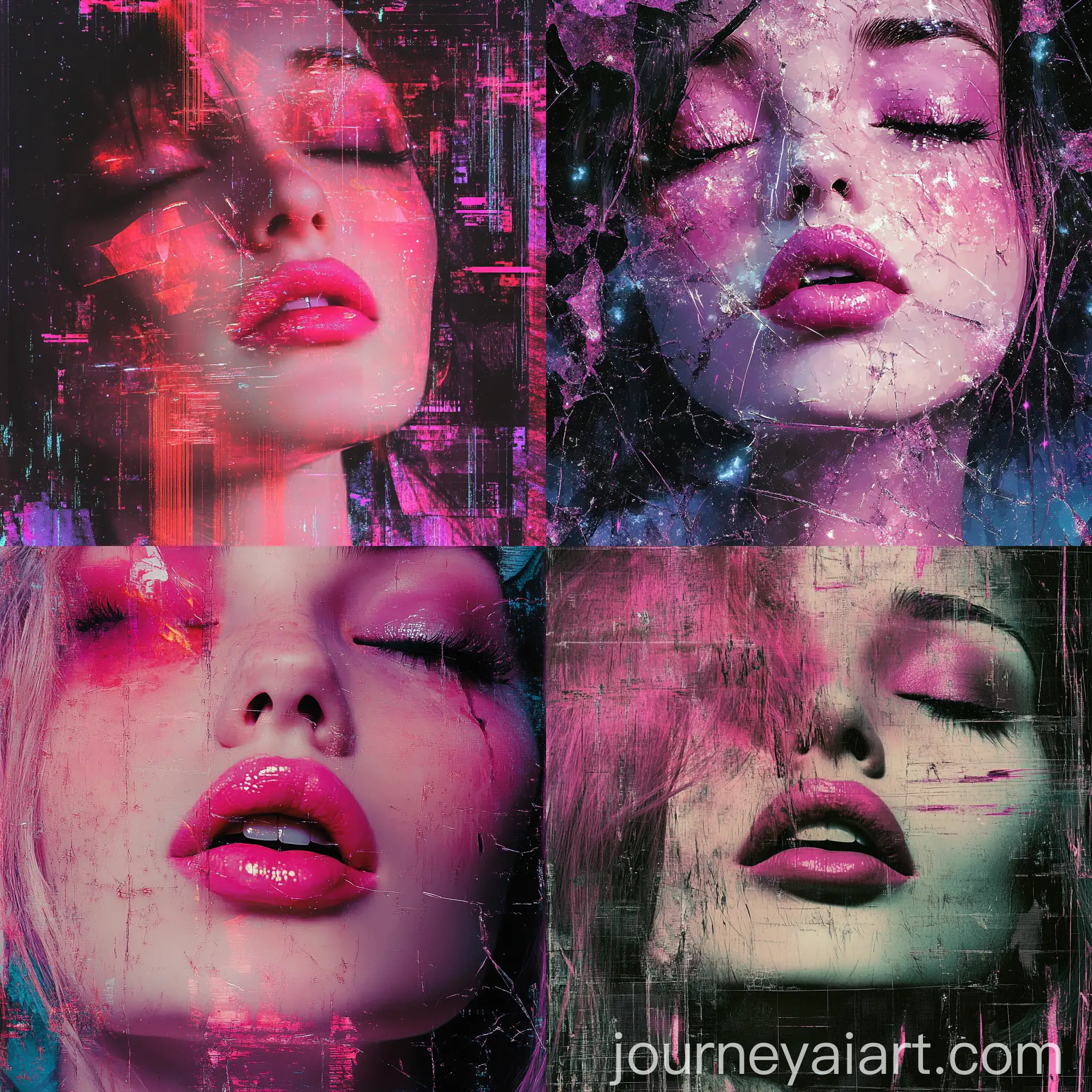
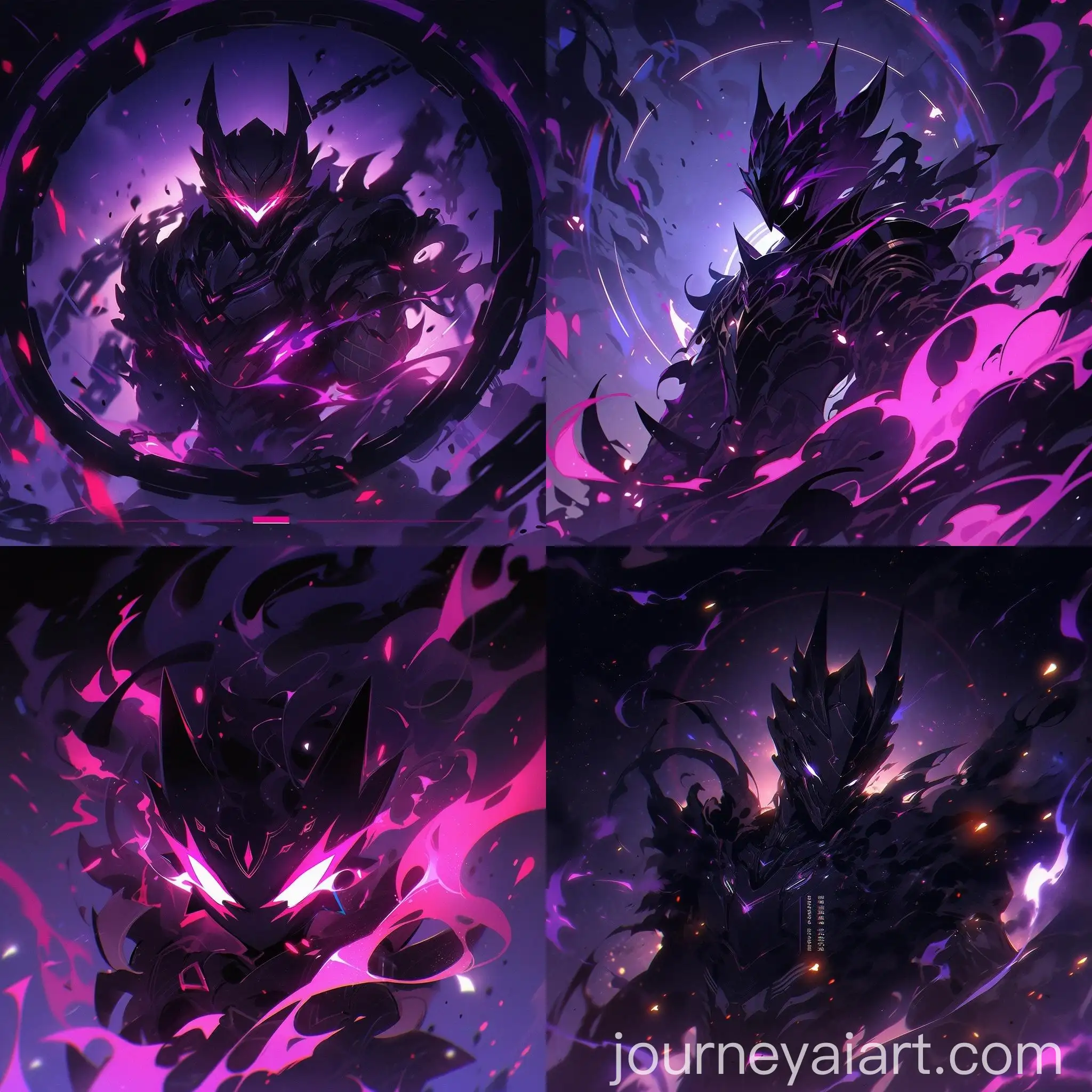

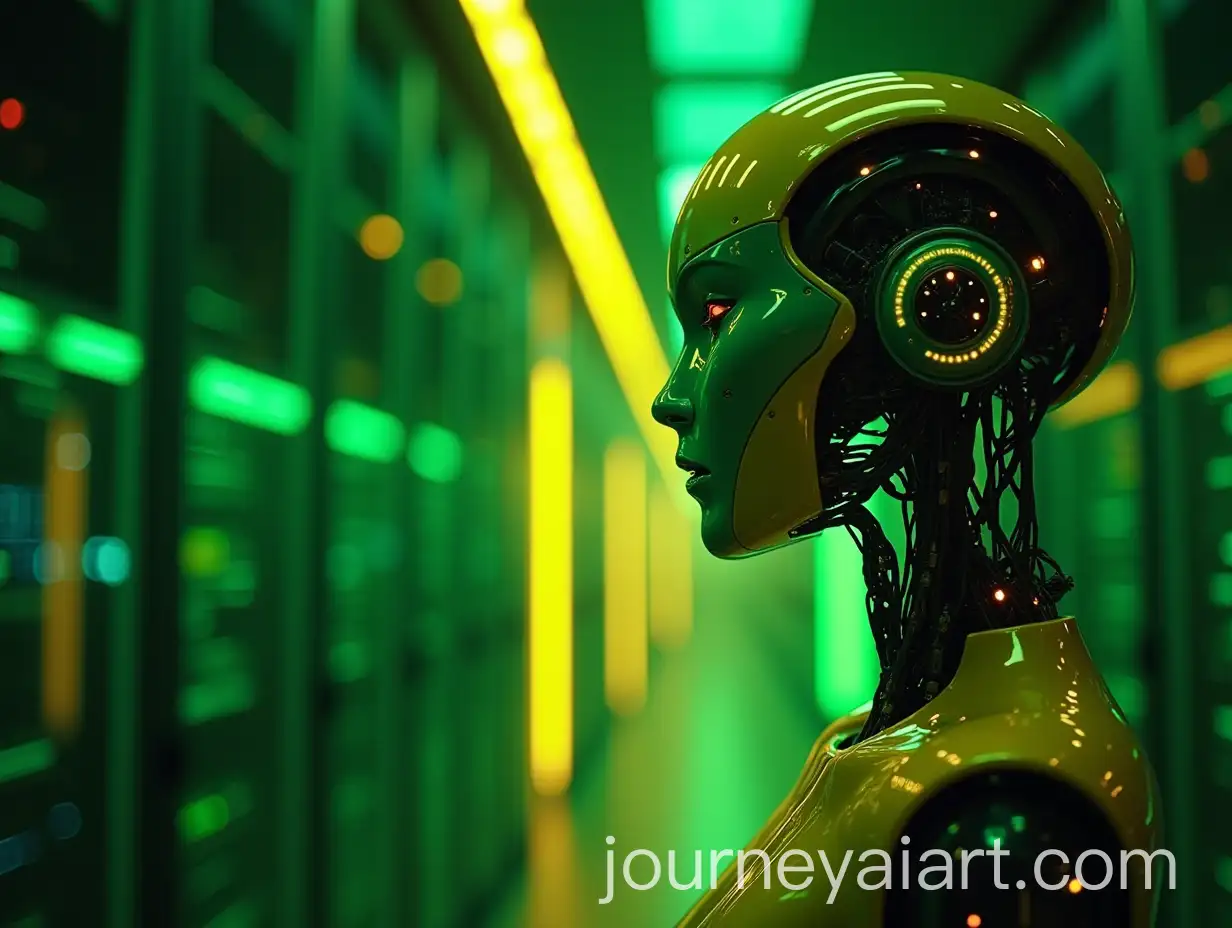
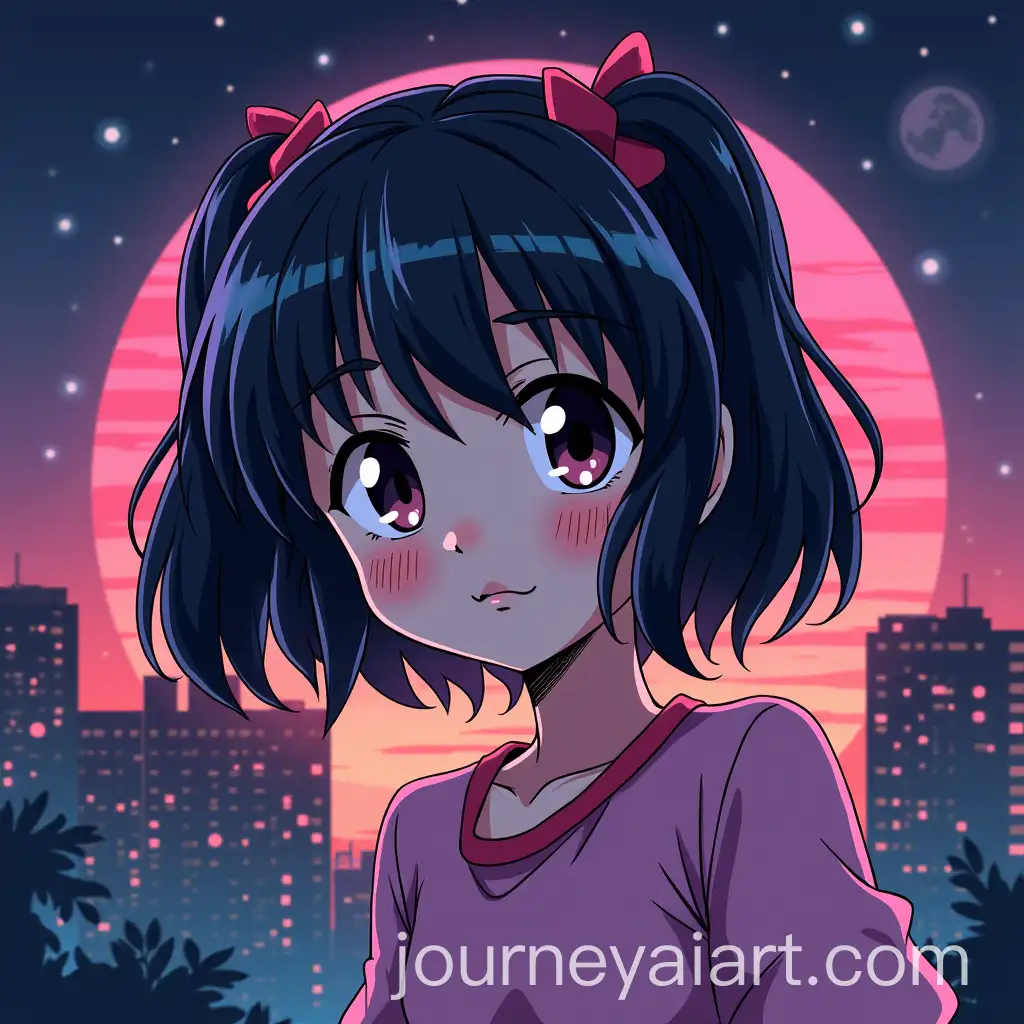
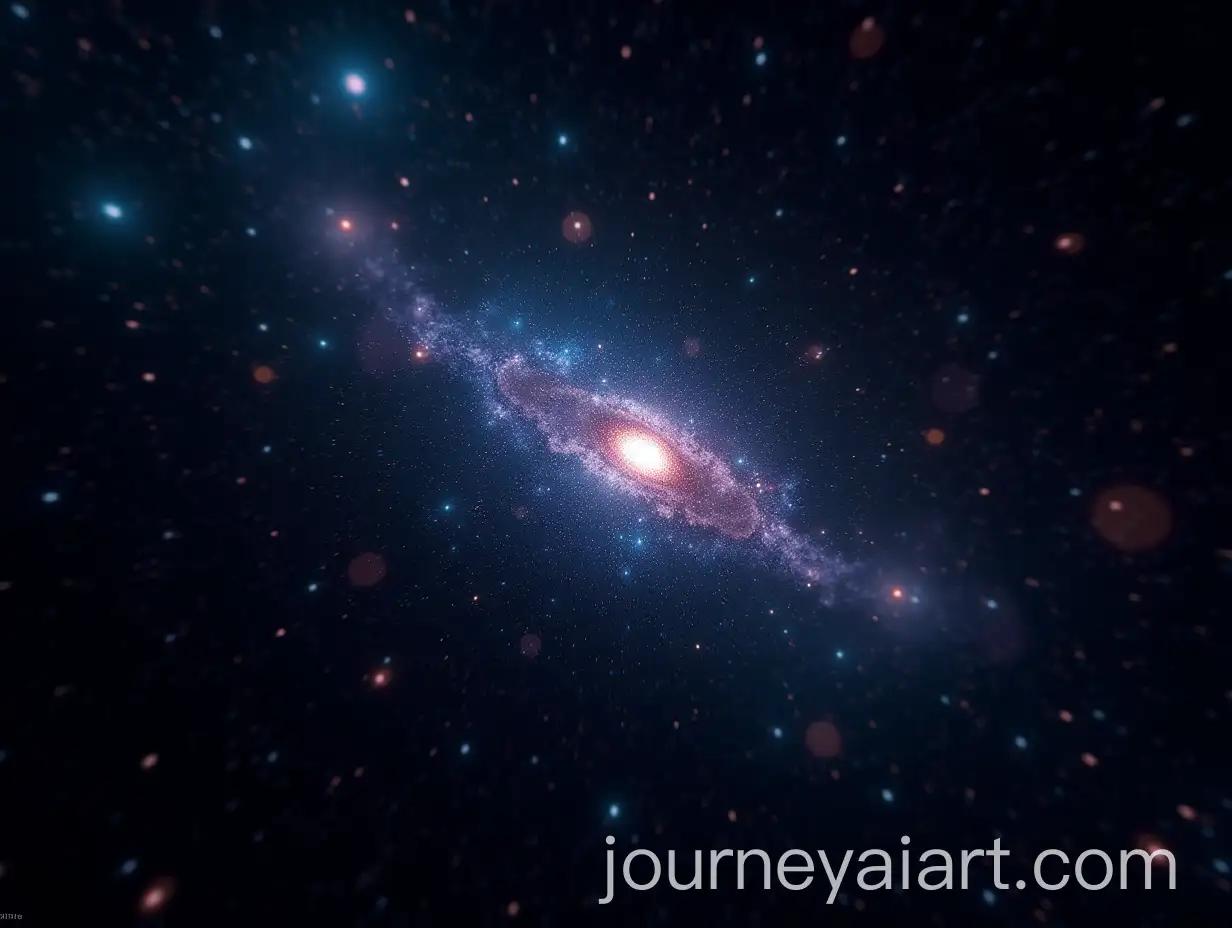
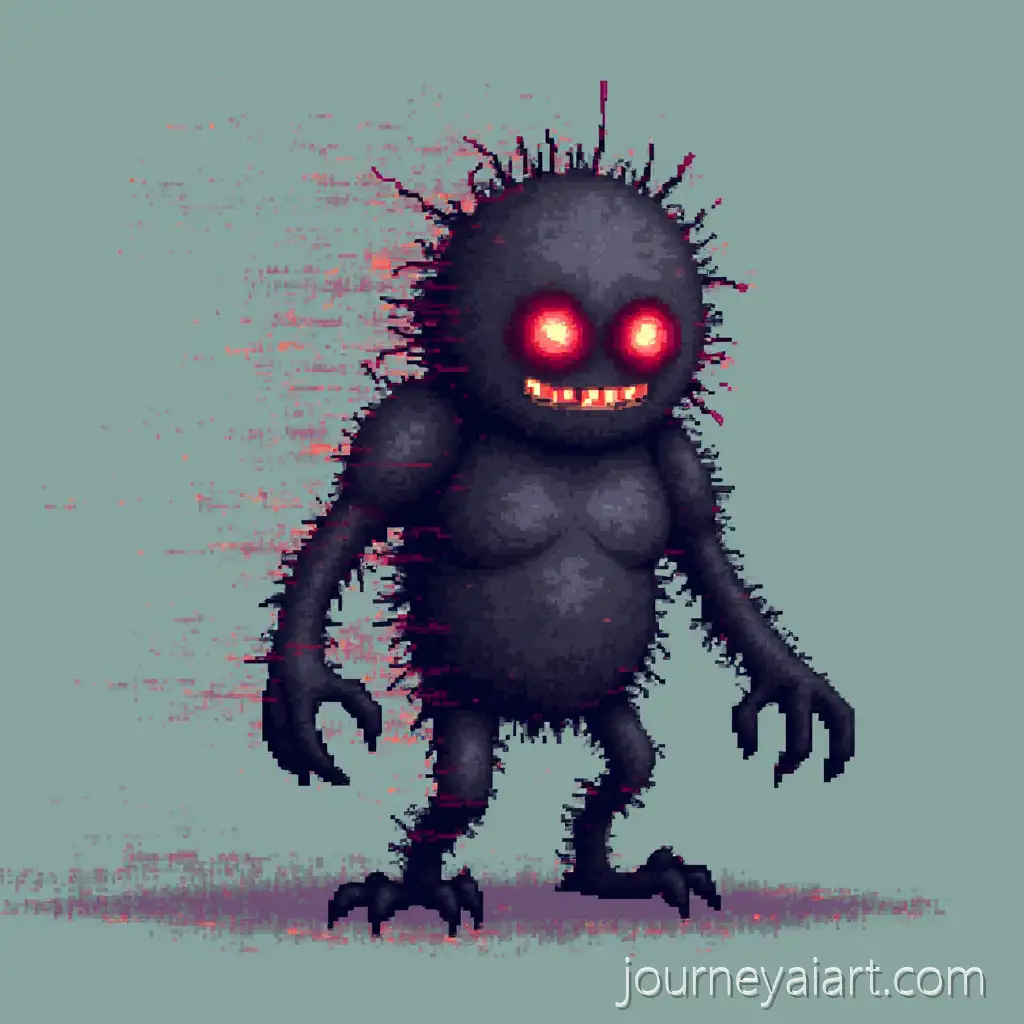
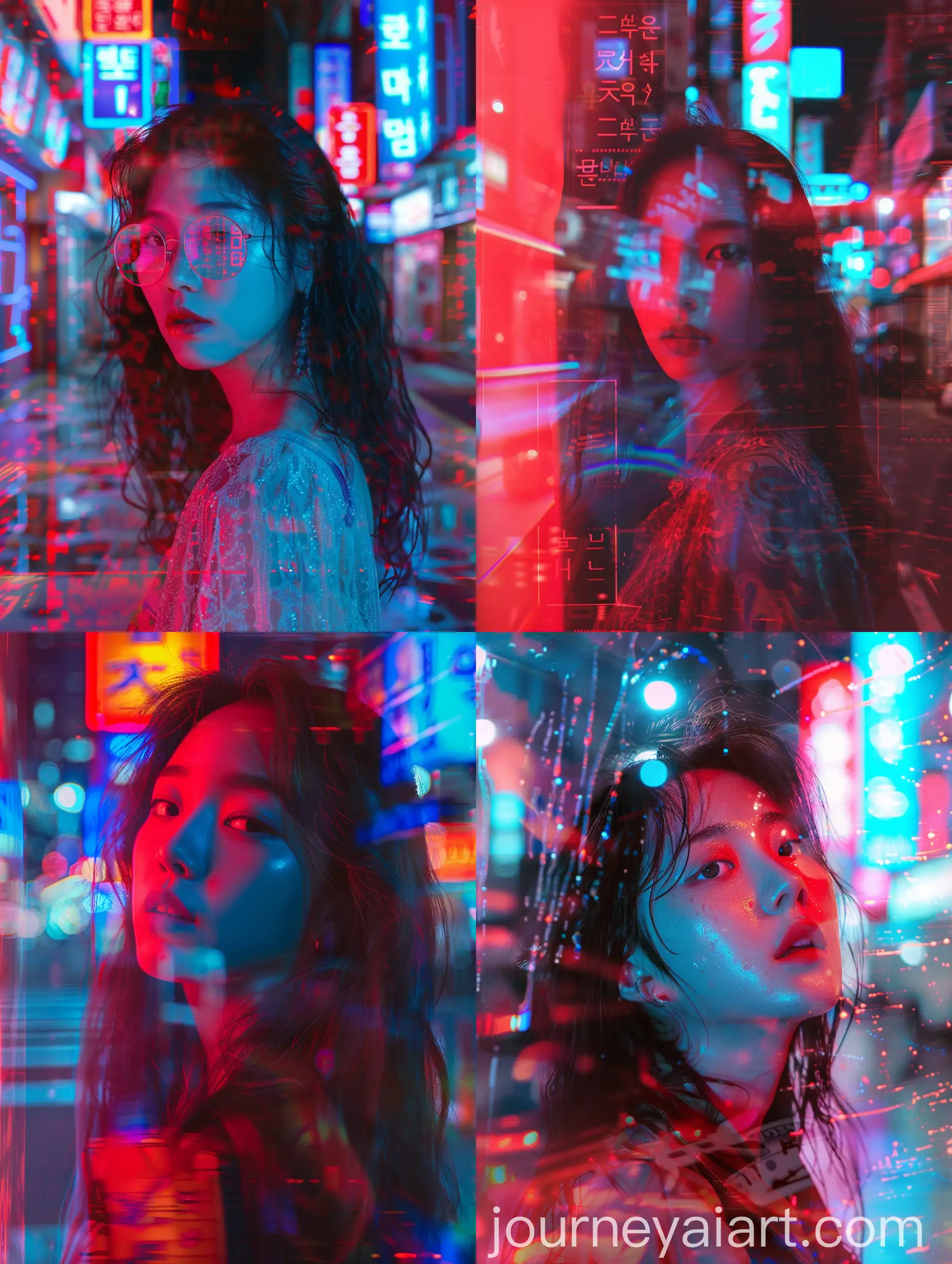
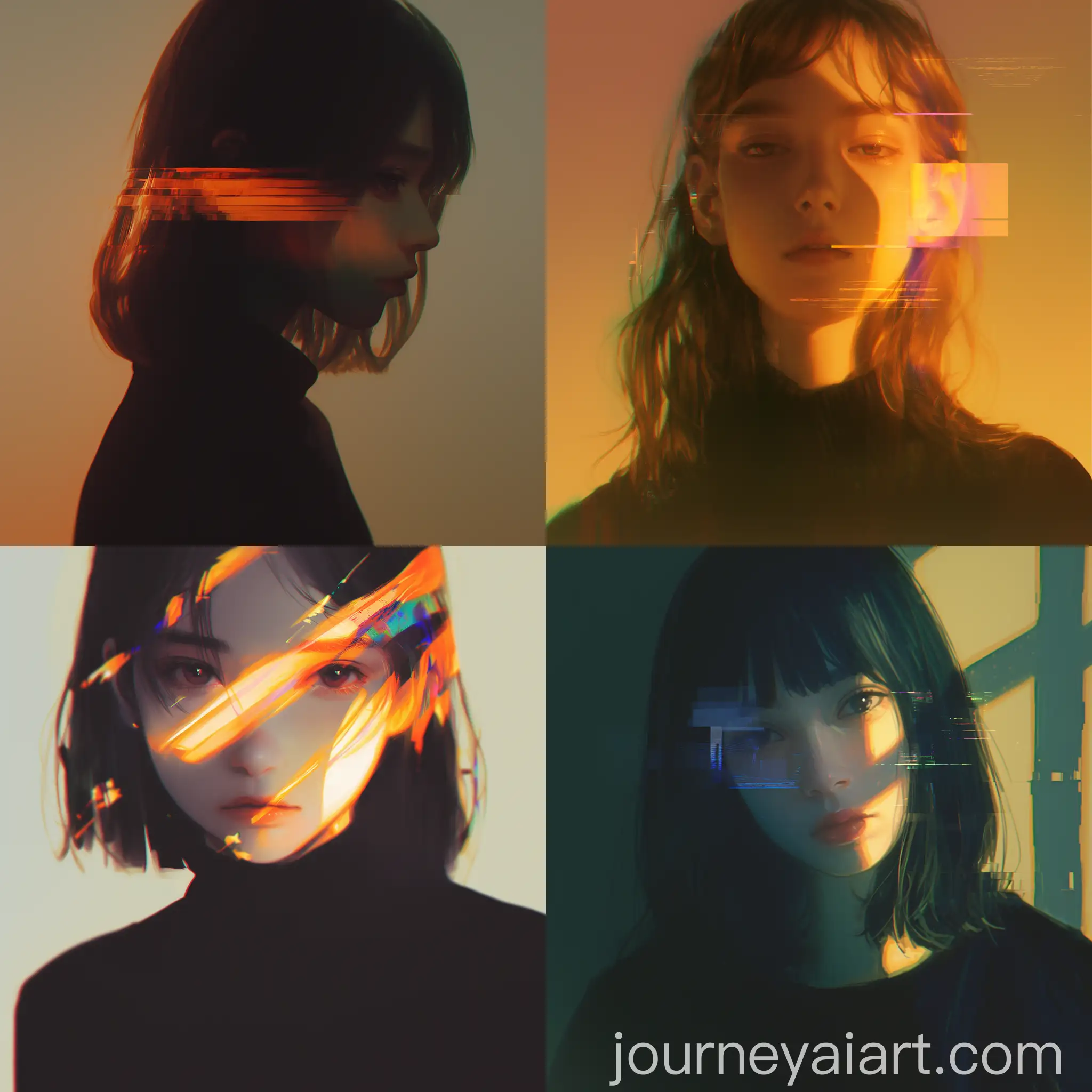
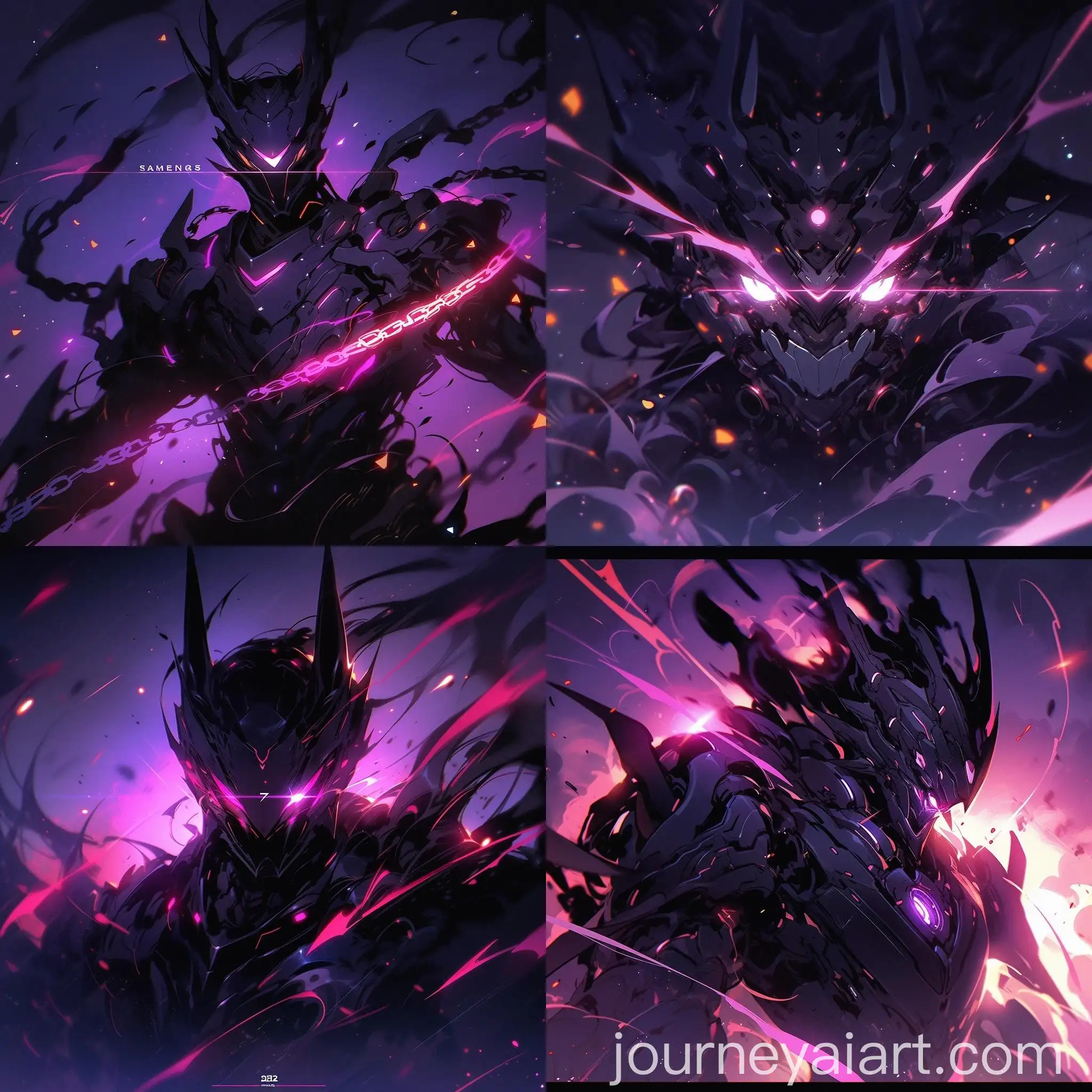
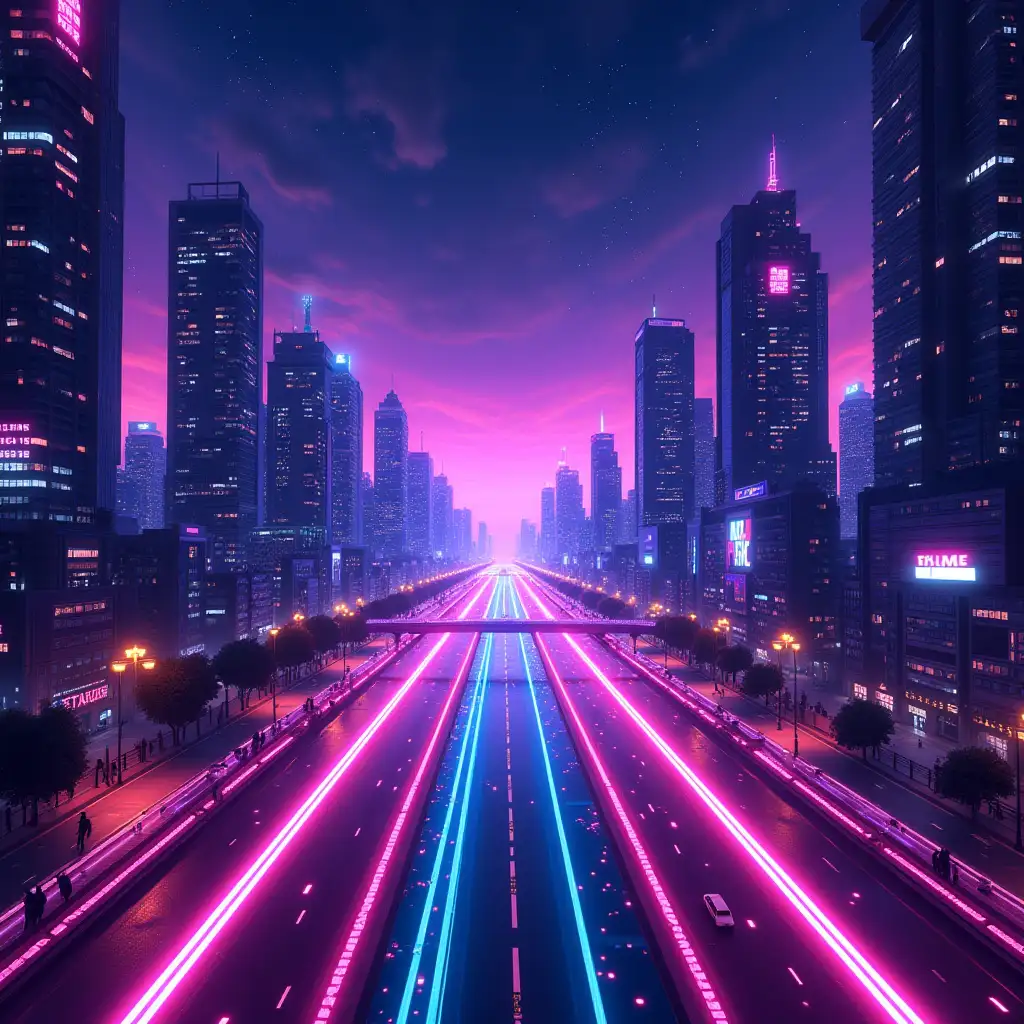
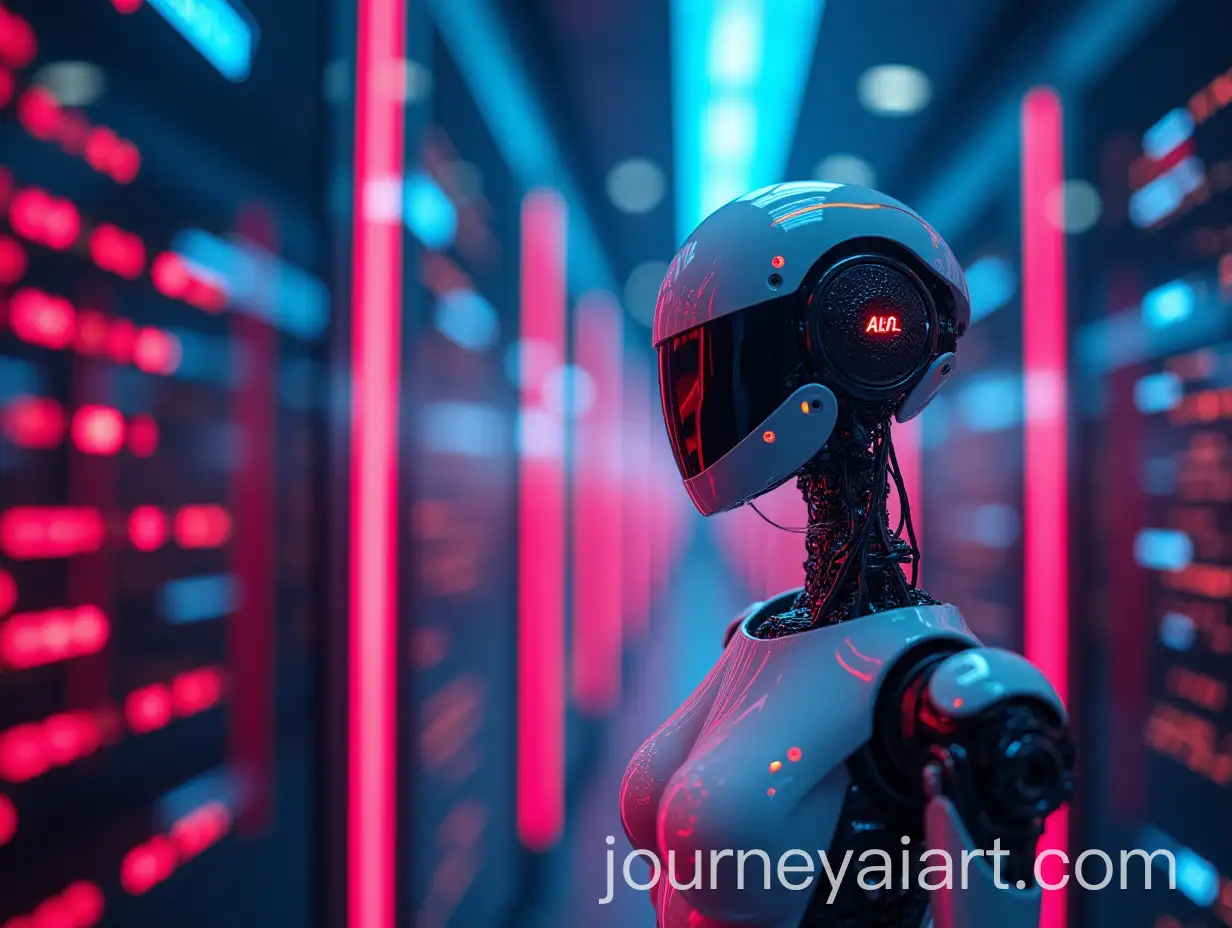
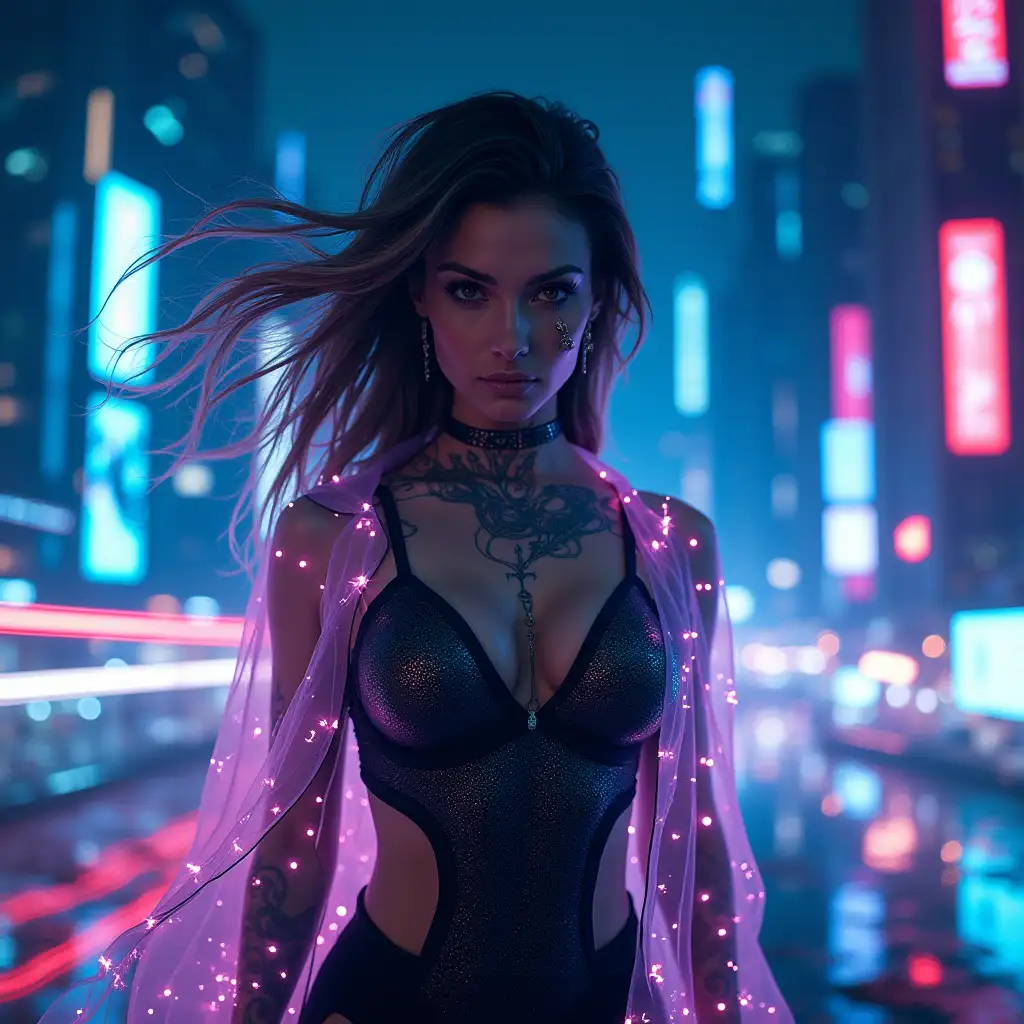
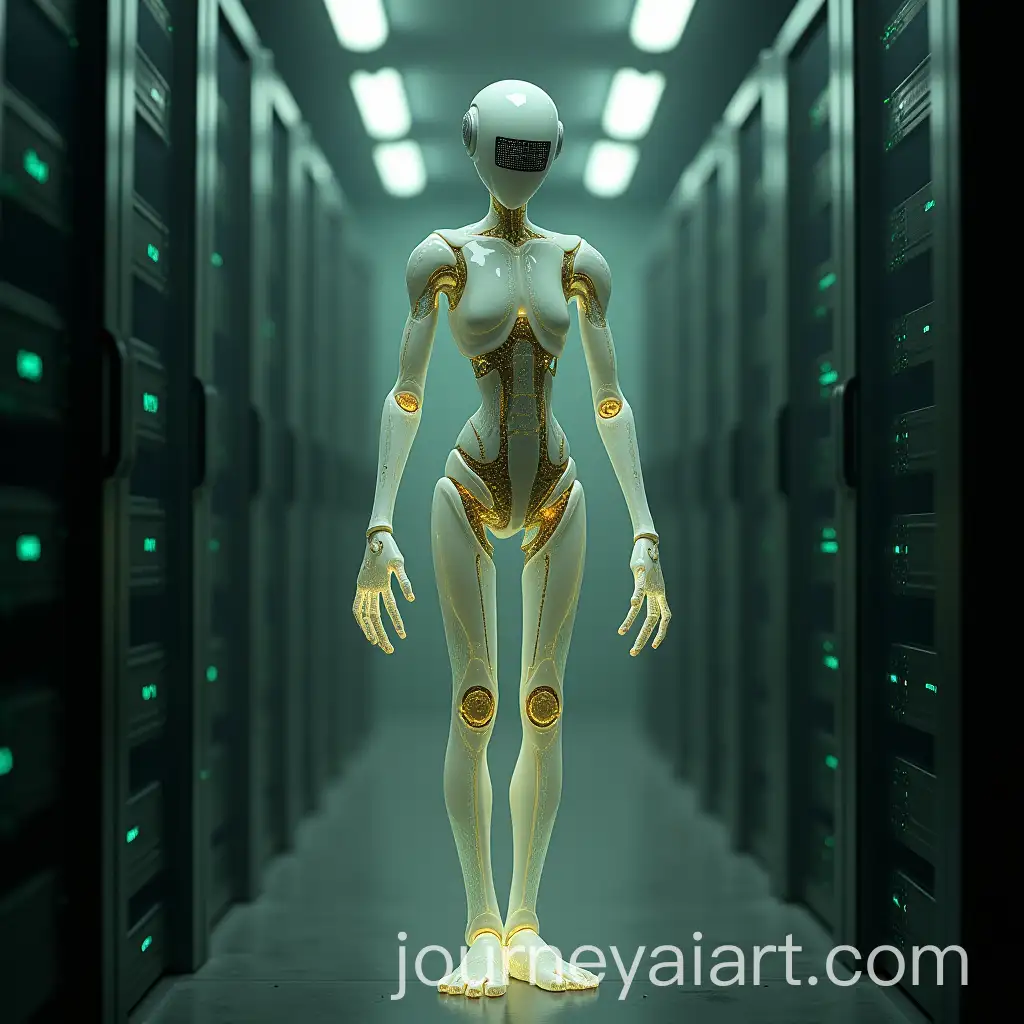
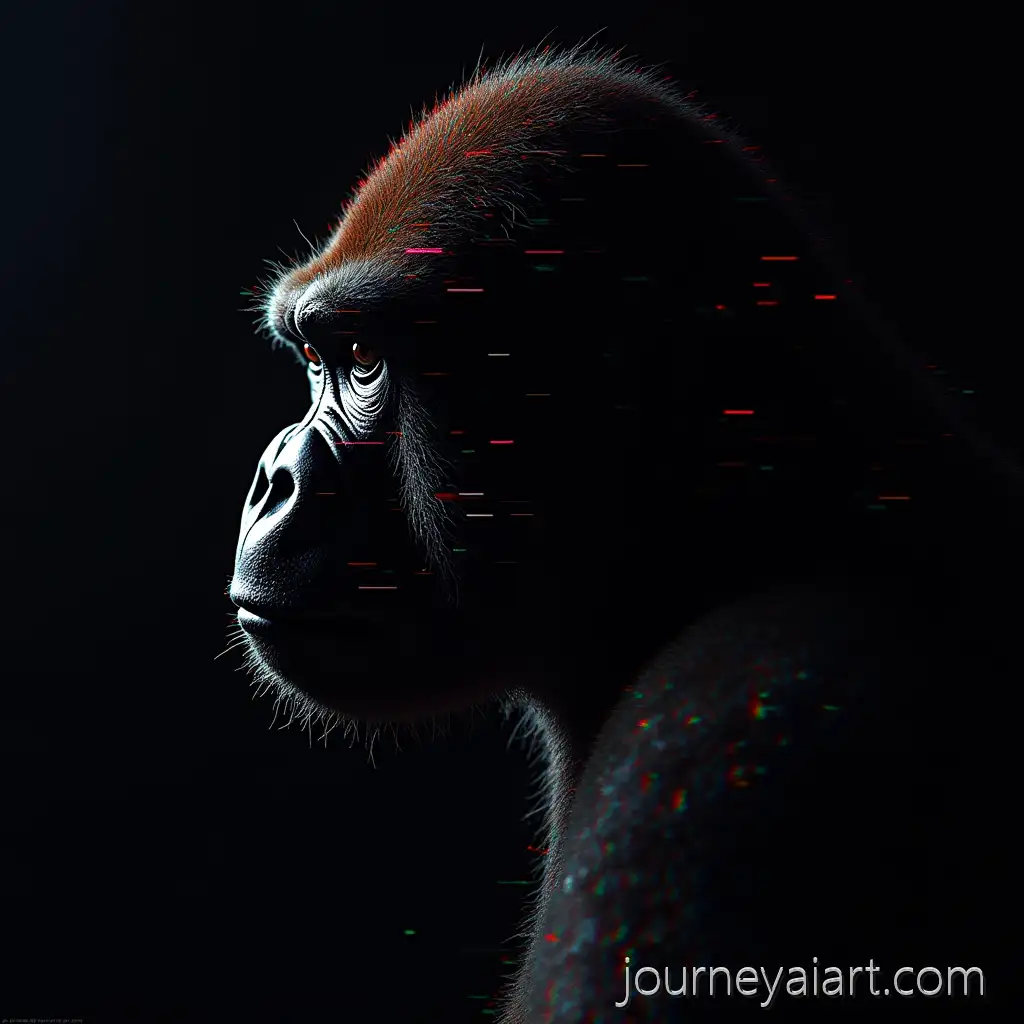
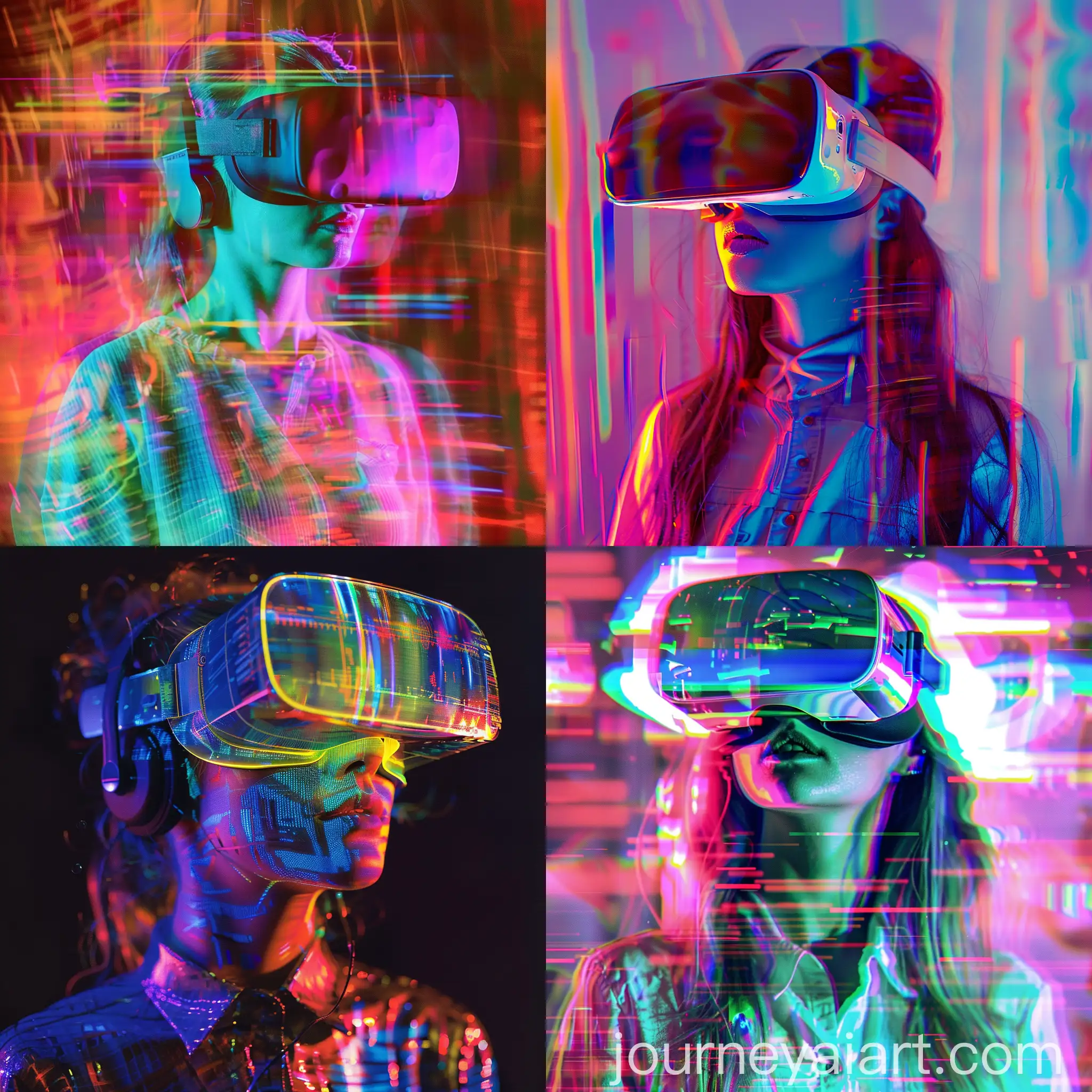

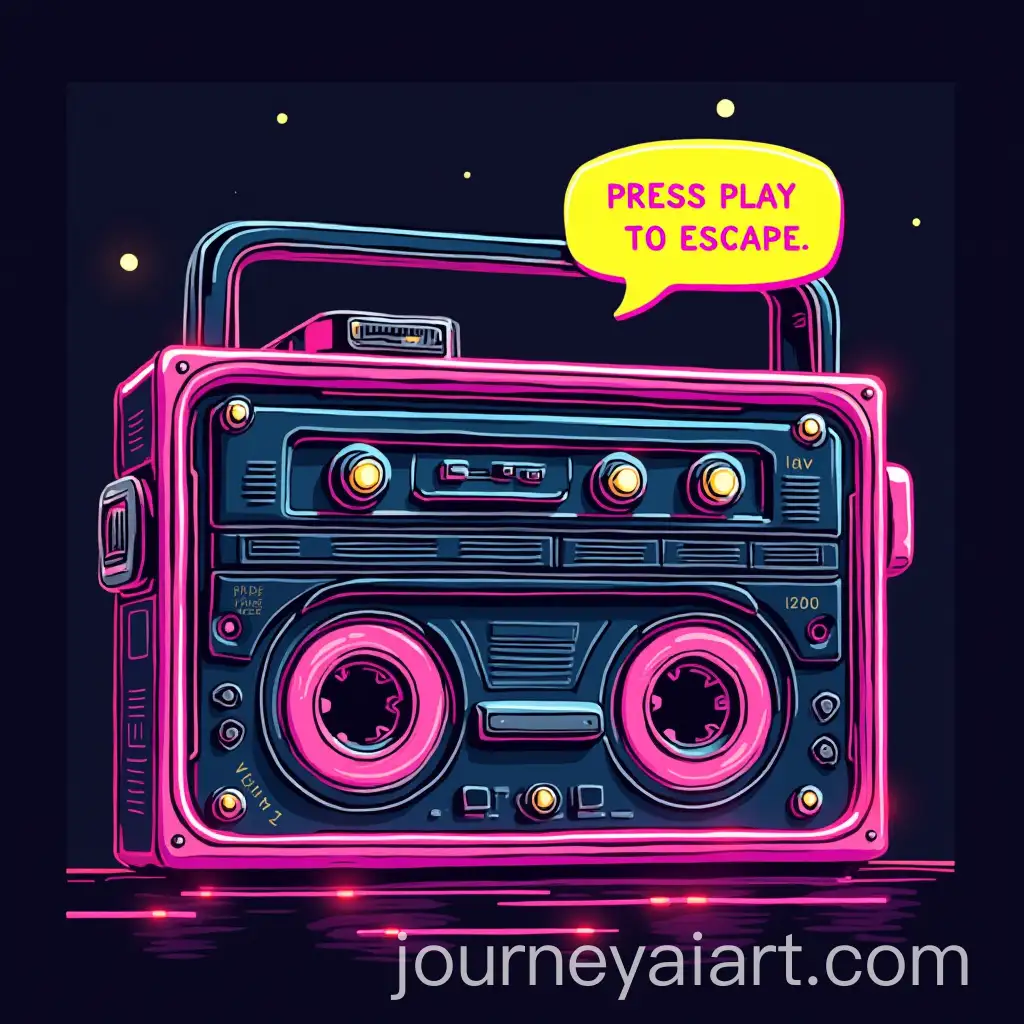


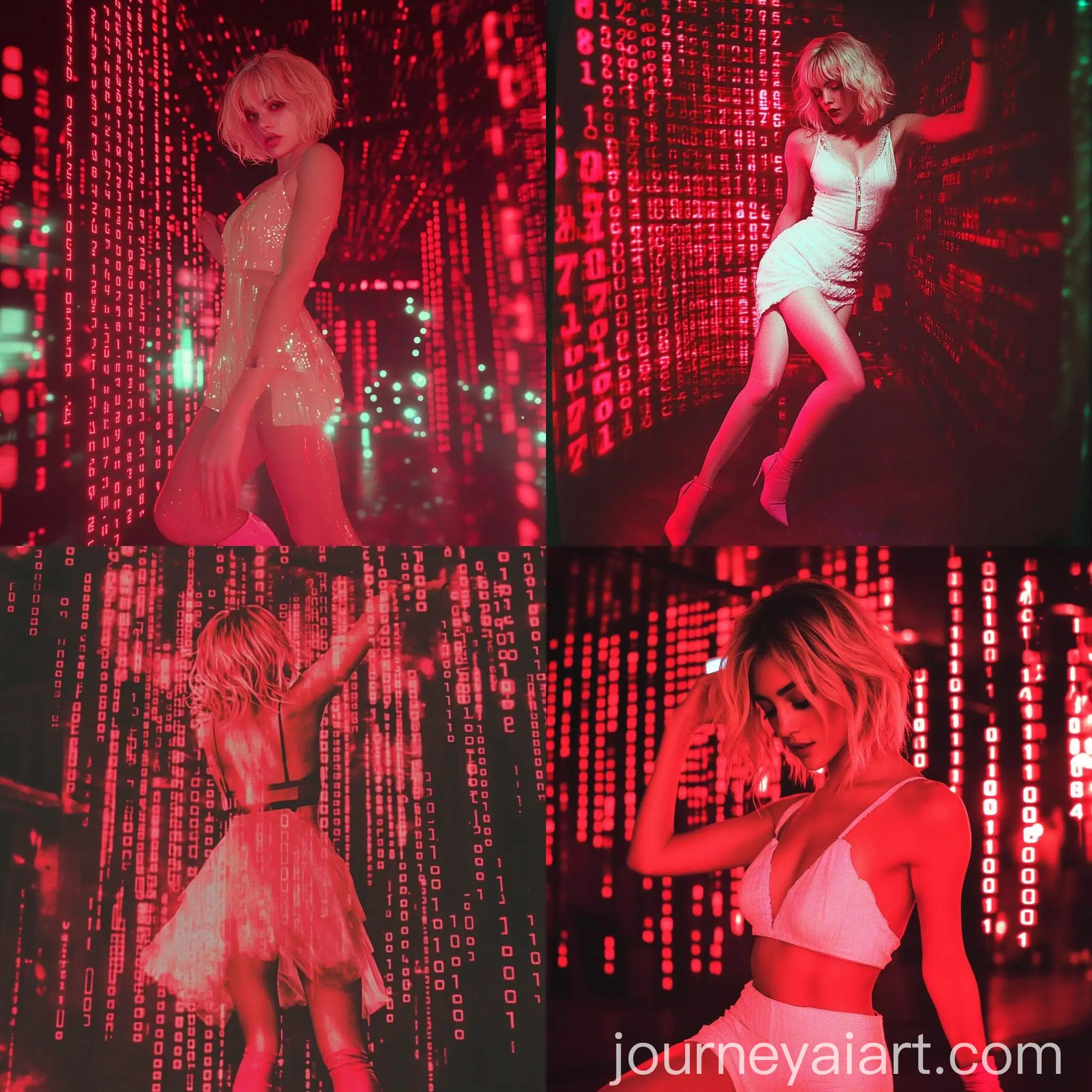
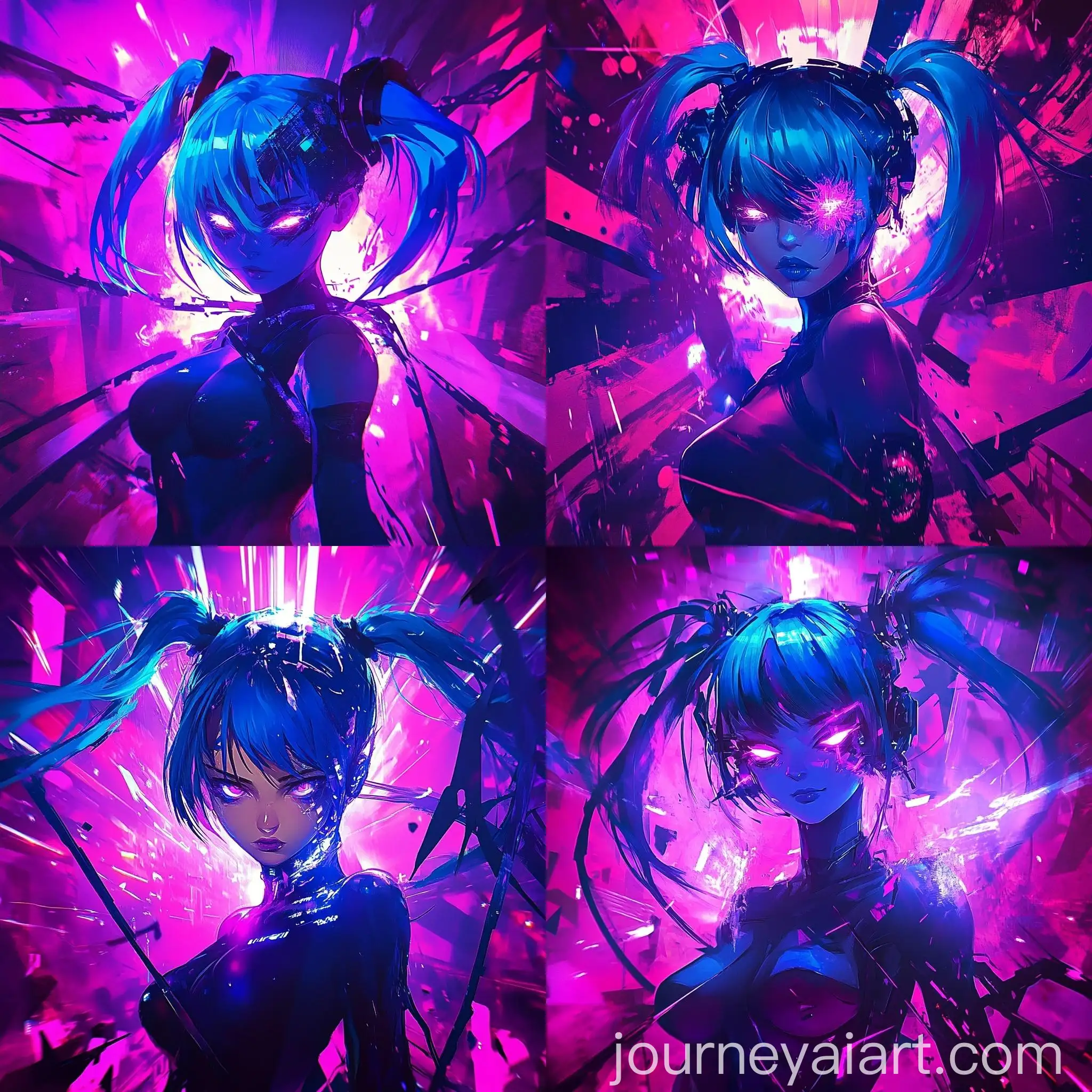
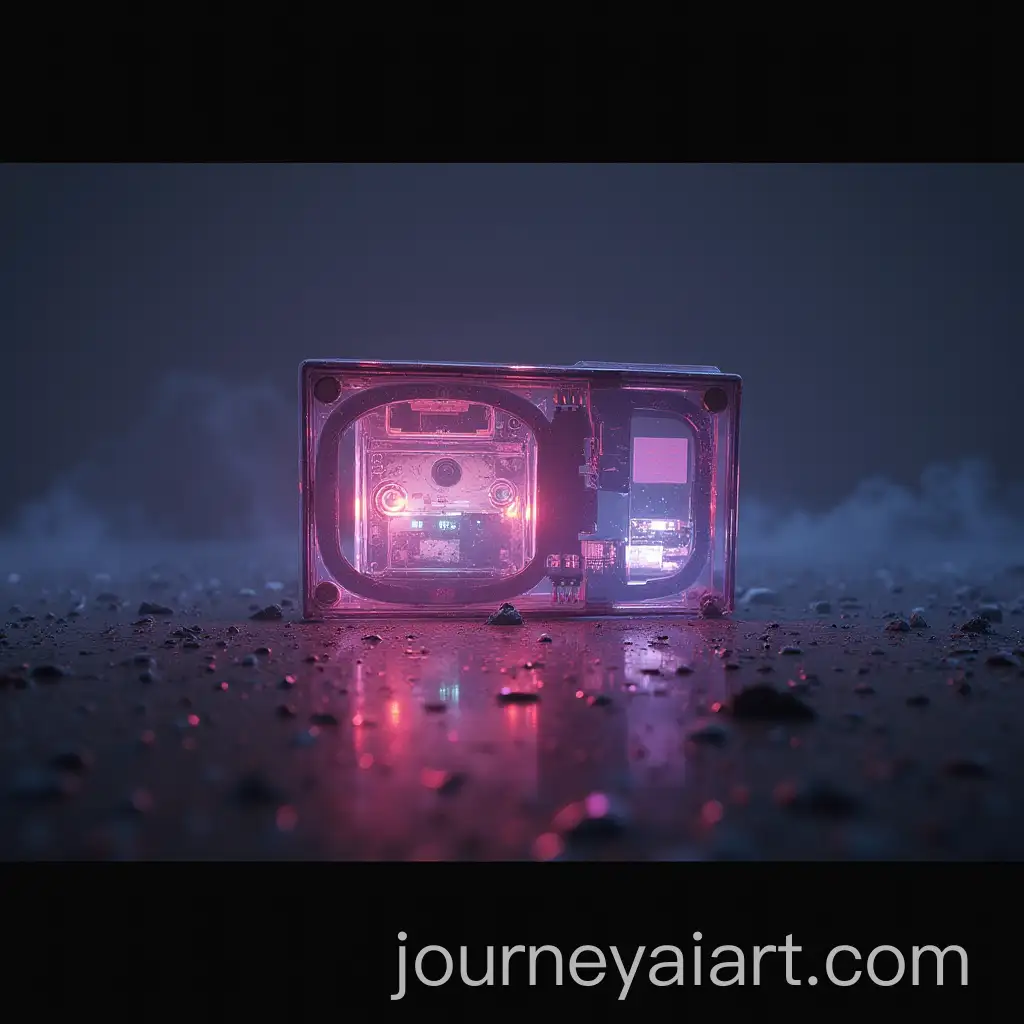
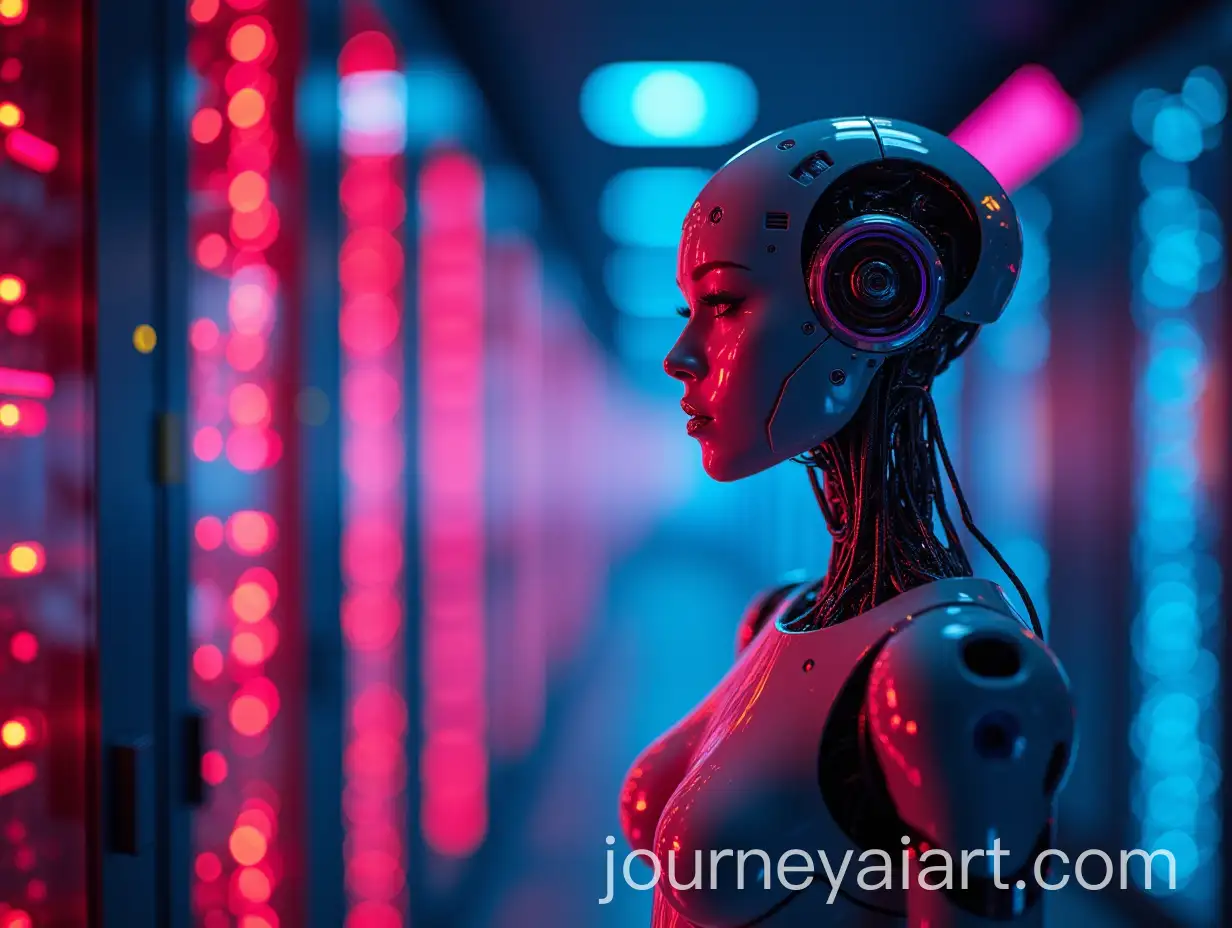
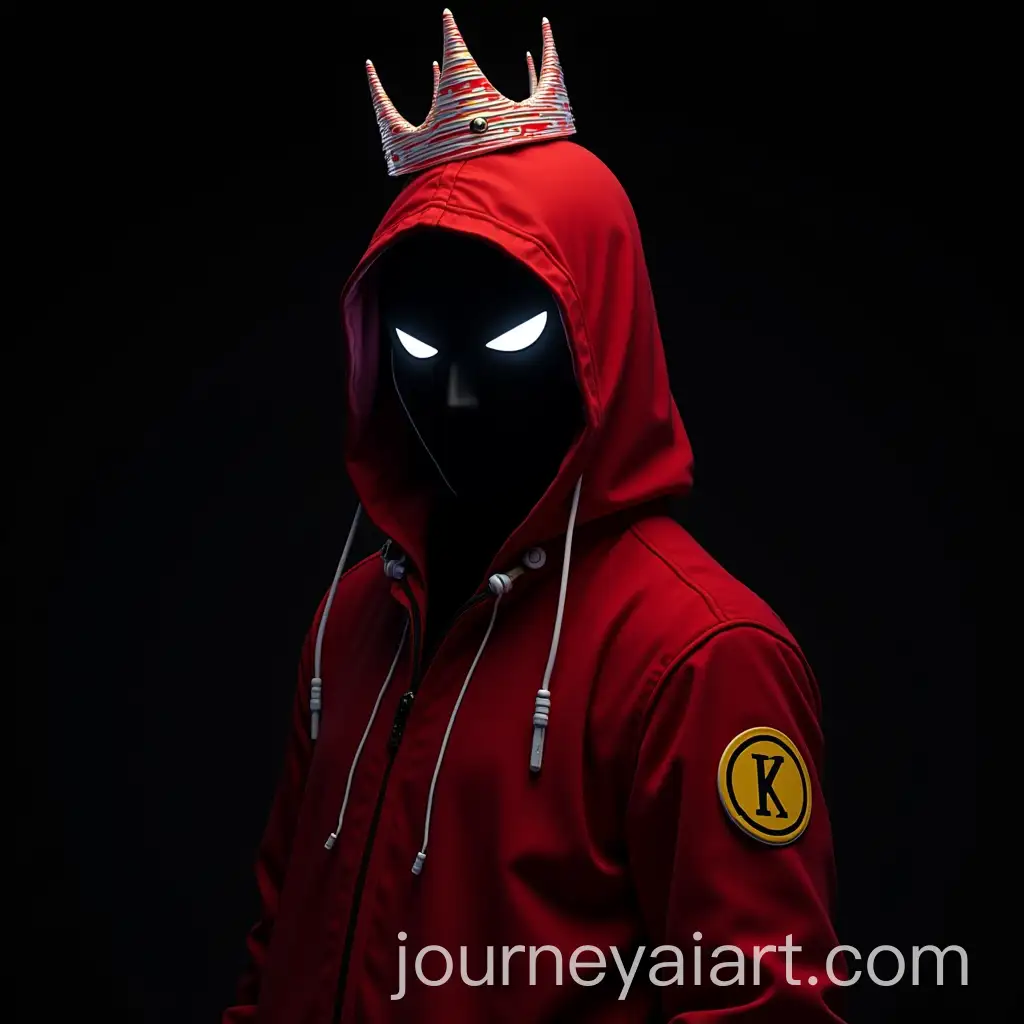
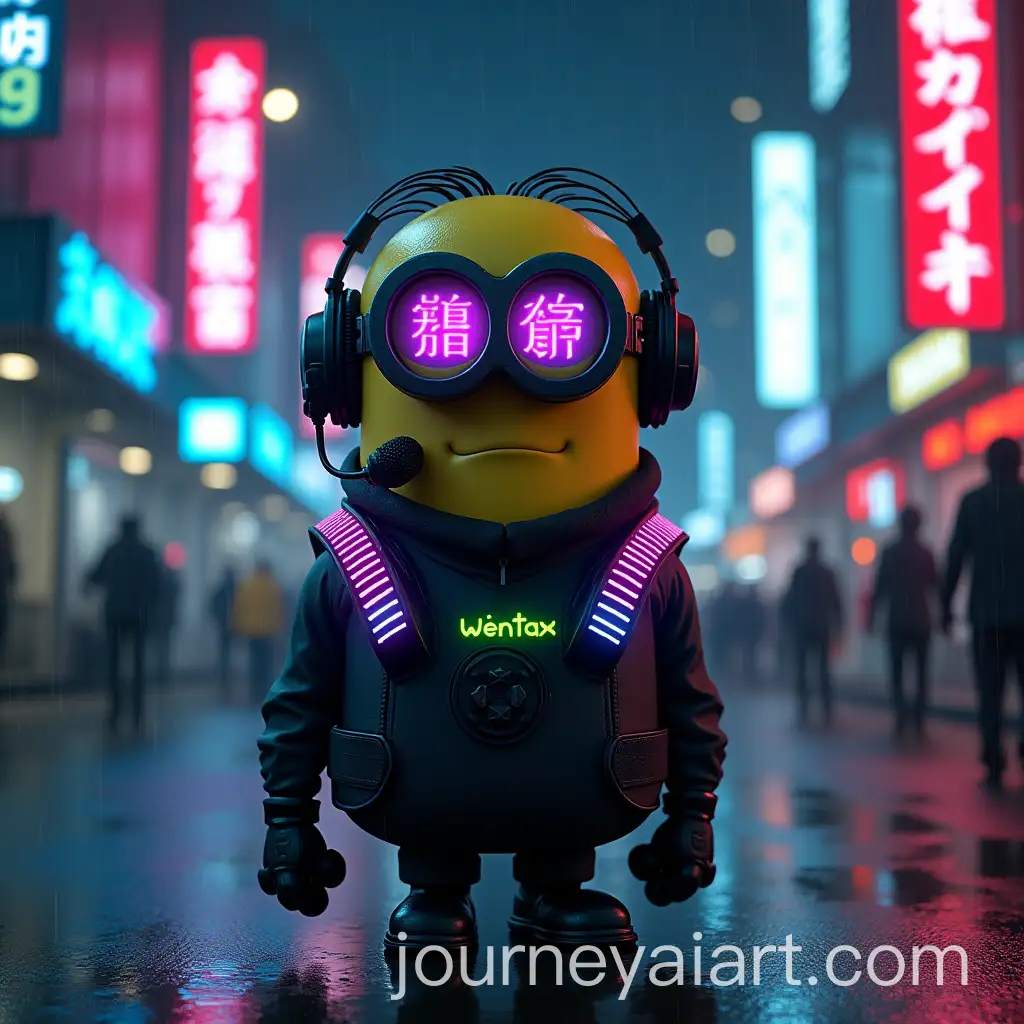
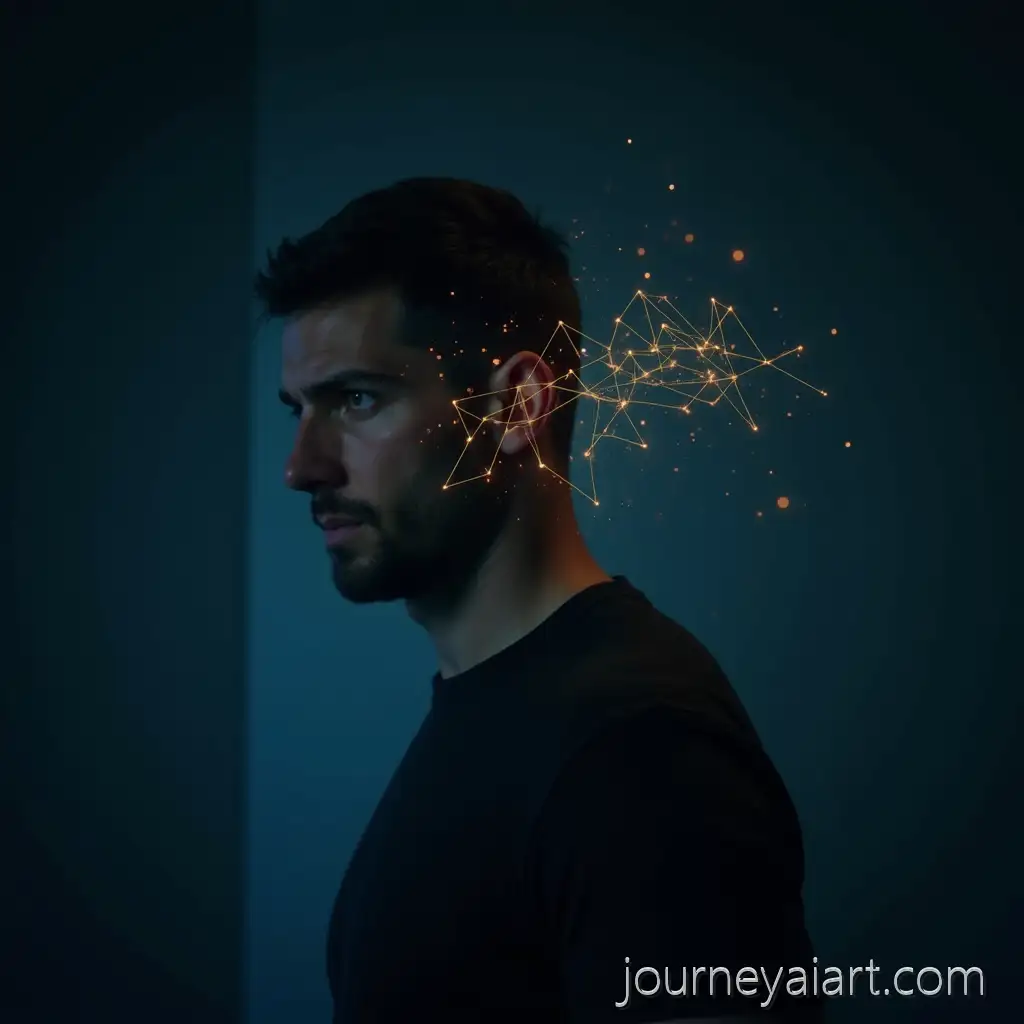
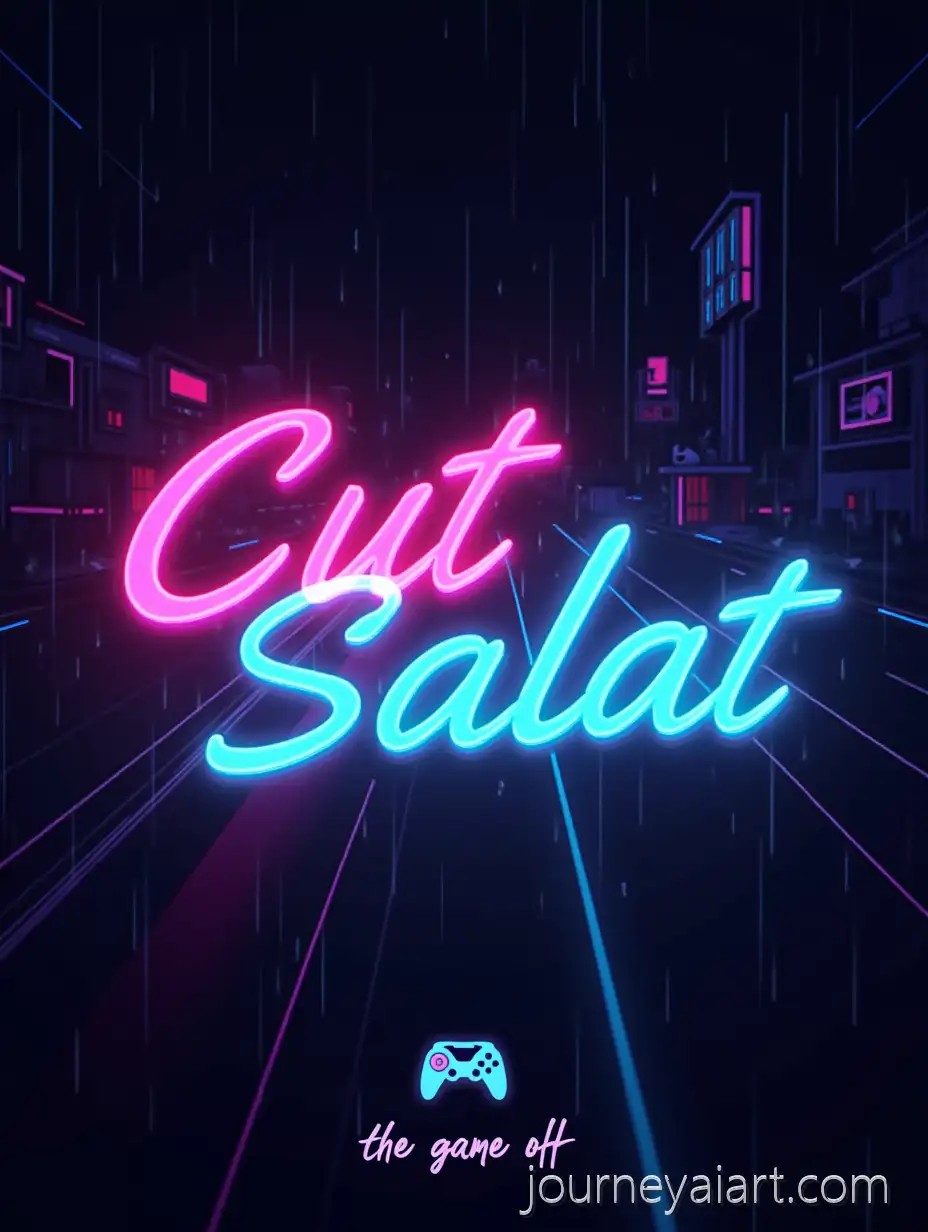
The glitch effect is a visual style that mimics digital errors or malfunctions in electronic systems. Originating from actual technological glitches, this aesthetic has evolved into a deliberate artistic choice. Glitch effects typically feature distorted images, fragmented pixels, color shifts, and visual artifacts. This style gained popularity in the 2000s as digital art and technology became more prevalent, reflecting themes of imperfection, chaos, and the breakdown of digital systems. In AI-generated imagery, glitch effects offer a unique blend of technological precision and intentional disruption, creating visually striking and thought-provoking compositions.
Understanding Glitch Effect: Digital Aesthetics of Disruption
Glitch effects have found widespread applications across various media and design fields. In graphic design, they're used to create eye-catching posters, album covers, and digital advertisements. The film industry employs glitch effects for transitions, title sequences, and to depict technological themes or alternate realities. Video games utilize glitch aesthetics for cyberpunk or futuristic settings, enhancing immersion in digital worlds. In fashion, glitch-inspired prints and patterns have emerged on clothing and accessories. Social media filters and effects often incorporate glitch elements, allowing users to add a touch of digital distortion to their photos and videos. The versatility of glitch effects makes them a popular choice for creators looking to add a modern, edgy touch to their work.
Applications of Glitch Effect in Modern Design and Media
Generating glitch effects involves various techniques and tools. Traditional methods include databending, where image files are manipulated in text editors or audio software to create distortions. Pixel sorting is another technique that rearranges pixels based on specific algorithms. For AI-generated glitch effects, machine learning models are trained on datasets of glitched images to reproduce and innovate within the style. Popular software for creating glitch effects includes Adobe Photoshop with its Glitch Art actions, Glitch Lab for mobile devices, and open-source tools like Processing. When using AI image generators, prompts might include terms like 'digital distortion,' 'corrupted data aesthetic,' or 'glitch art style' to achieve the desired effect. Experimentation with different parameters and iterative refinement often leads to the most compelling glitch effect results.
Creating Glitch Effects: Techniques and Tools
As AI technology continues to evolve, the future of glitch effects in generated imagery looks promising and innovative. We can expect more sophisticated and controllable glitch algorithms that allow for precise manipulation of distortion types and intensities. AI models may develop the ability to create context-aware glitch effects, where the distortions interact meaningfully with the content of the image. There's also potential for real-time glitch effect generation in video and augmented reality applications. As the aesthetics of digital imperfection continue to resonate with audiences, we may see glitch effects integrated into more mainstream design and artistic practices. The combination of AI and glitch aesthetics opens up new possibilities for exploring themes of technology, chaos, and the digital experience in visual art.
The Future of Glitch Effects in AI-Generated Imagery