9 Free Generative Art Midjourney AI images
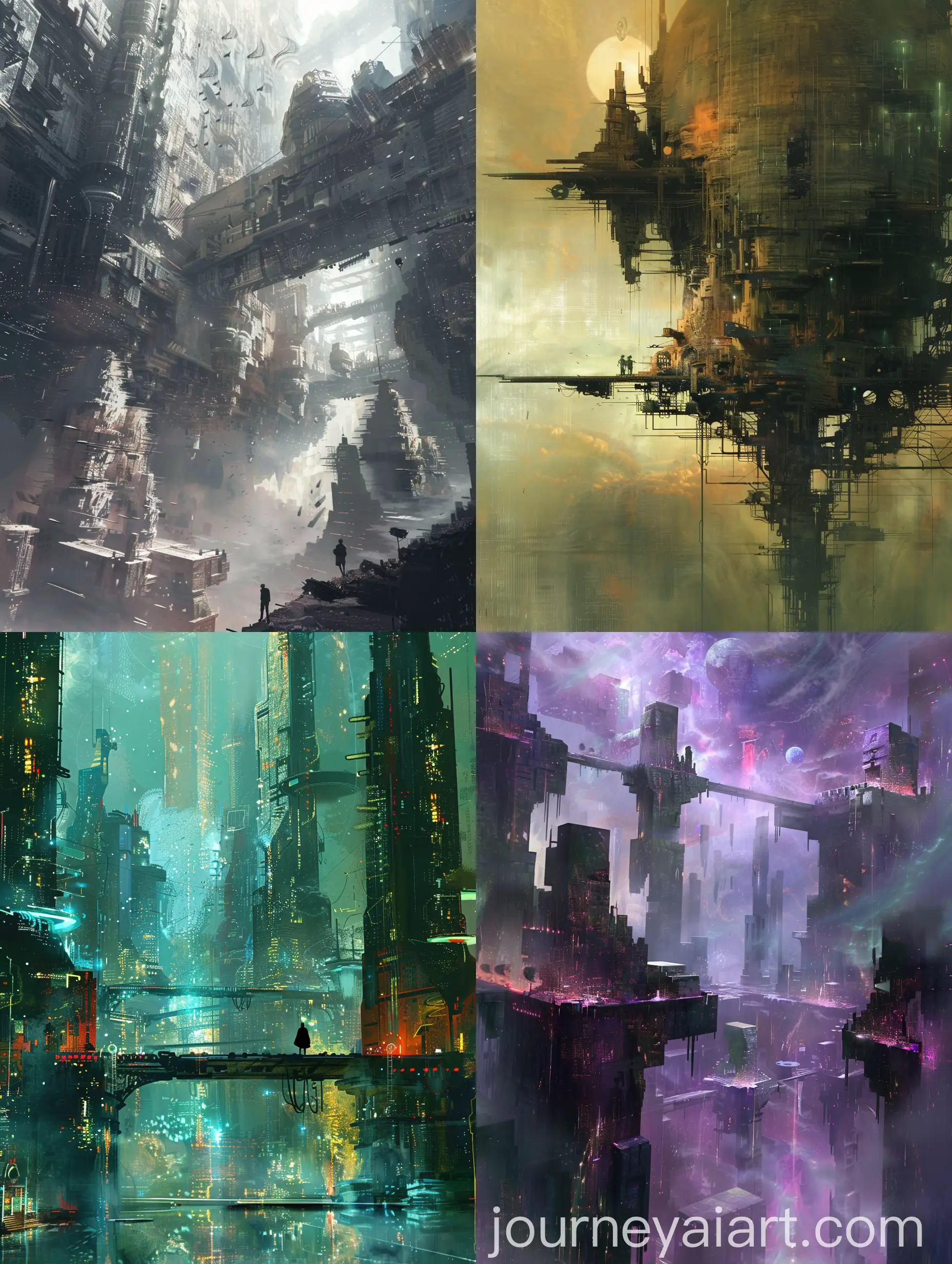
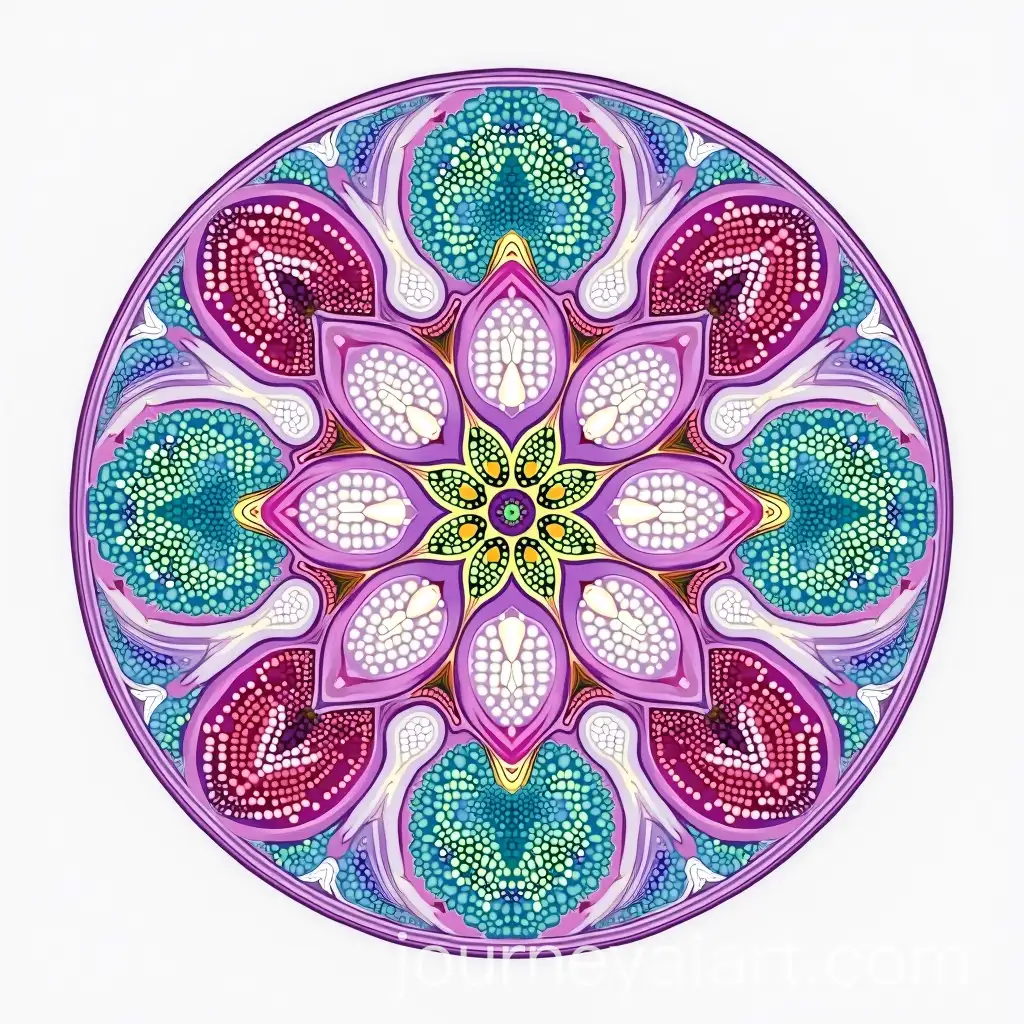
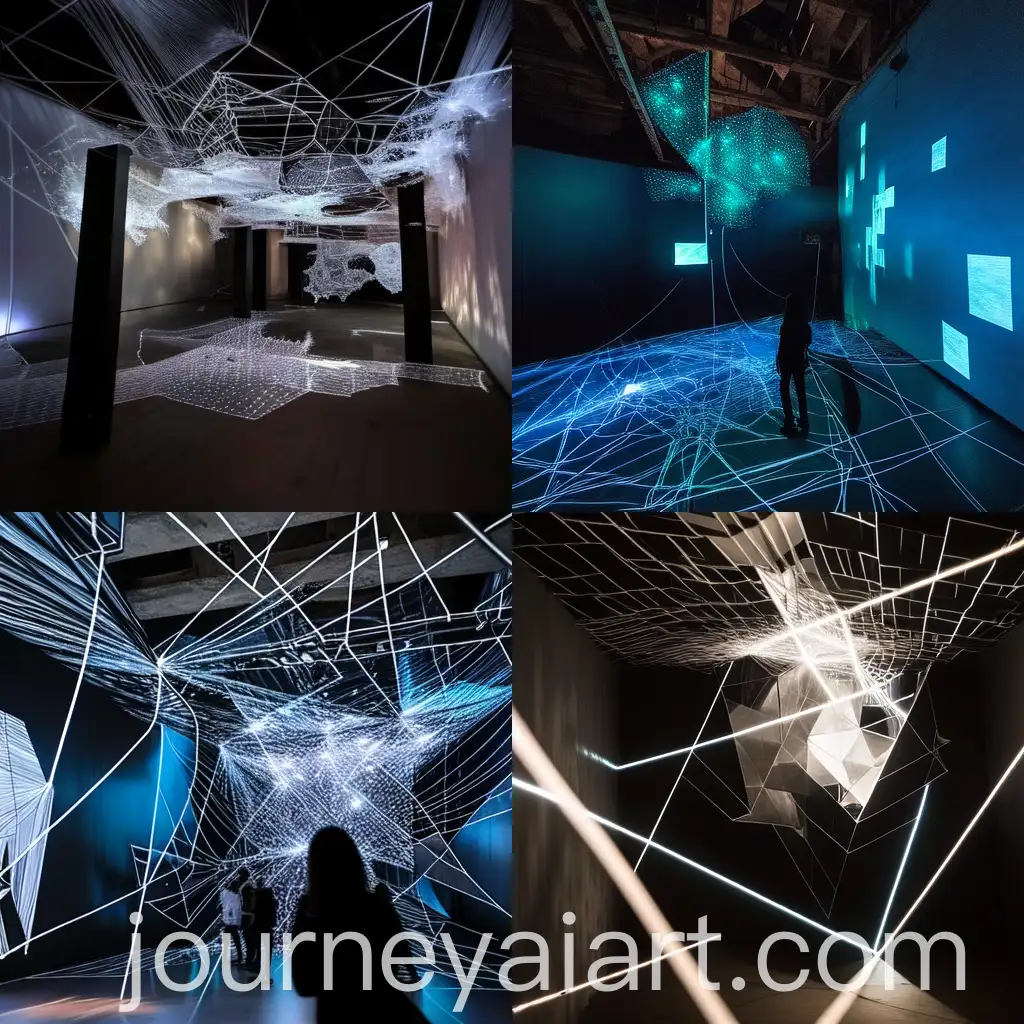
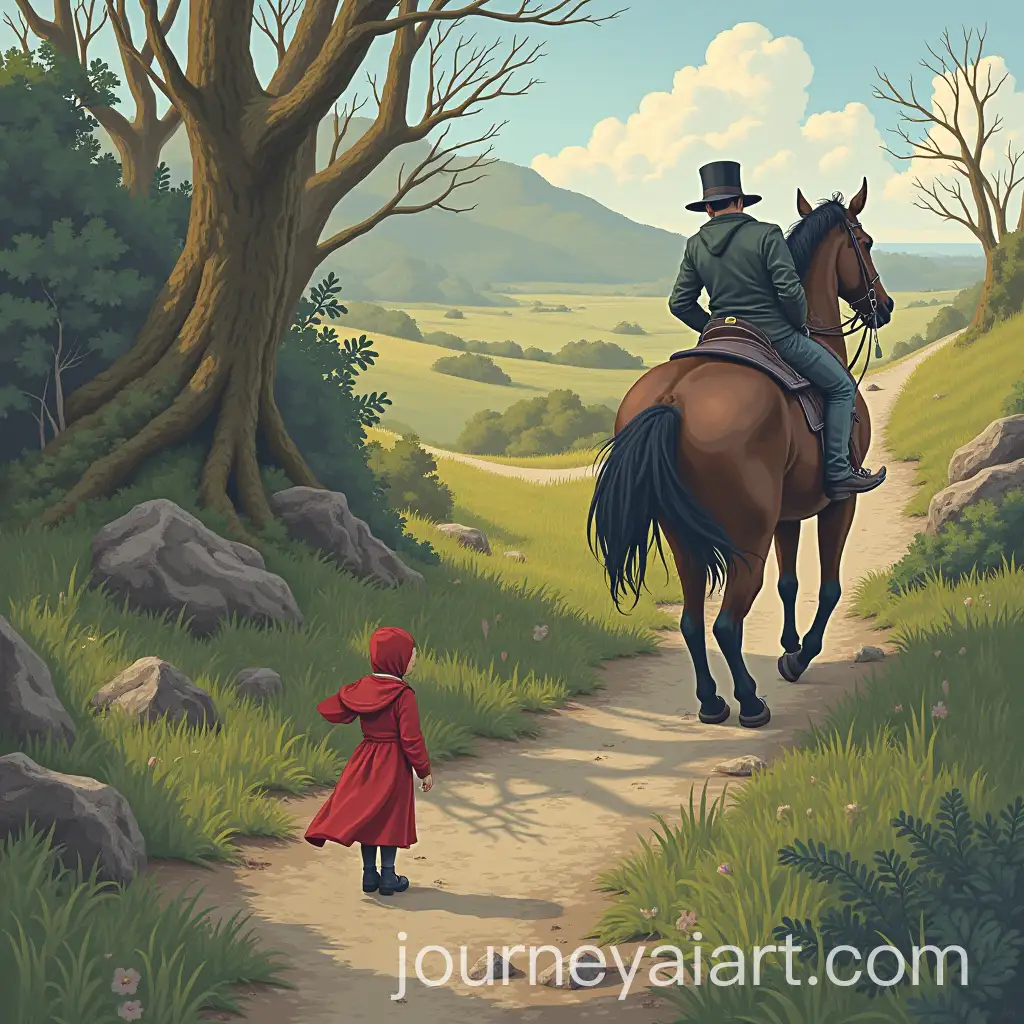
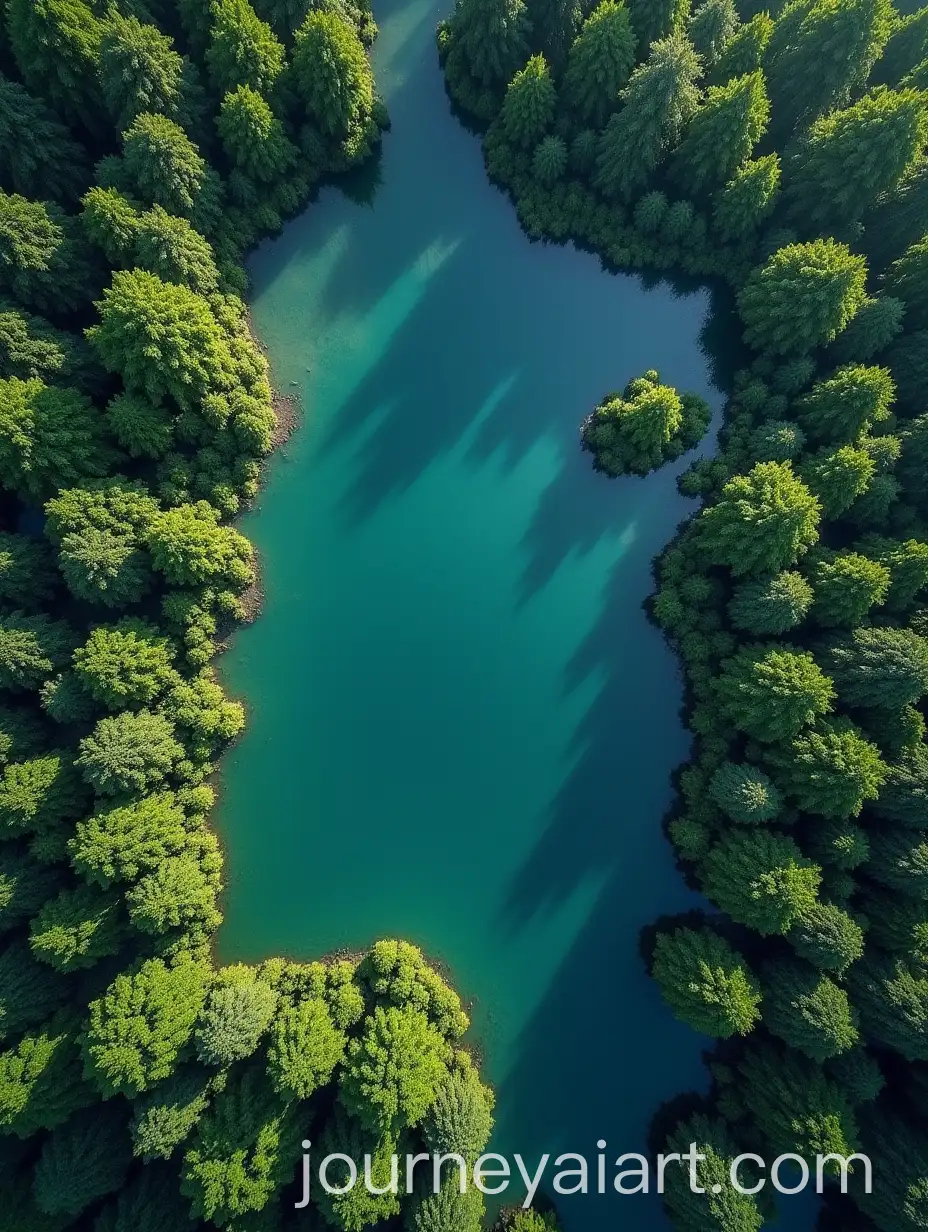
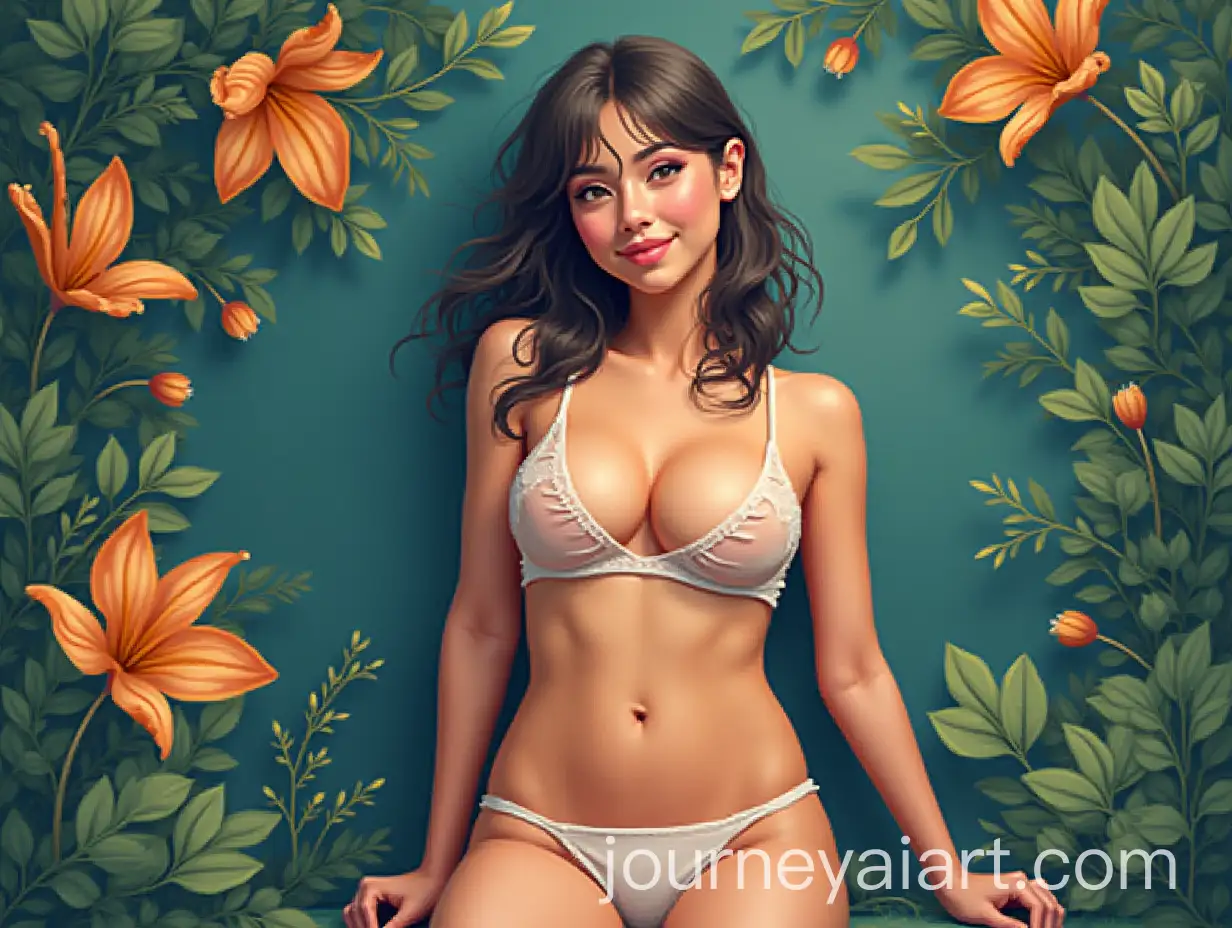
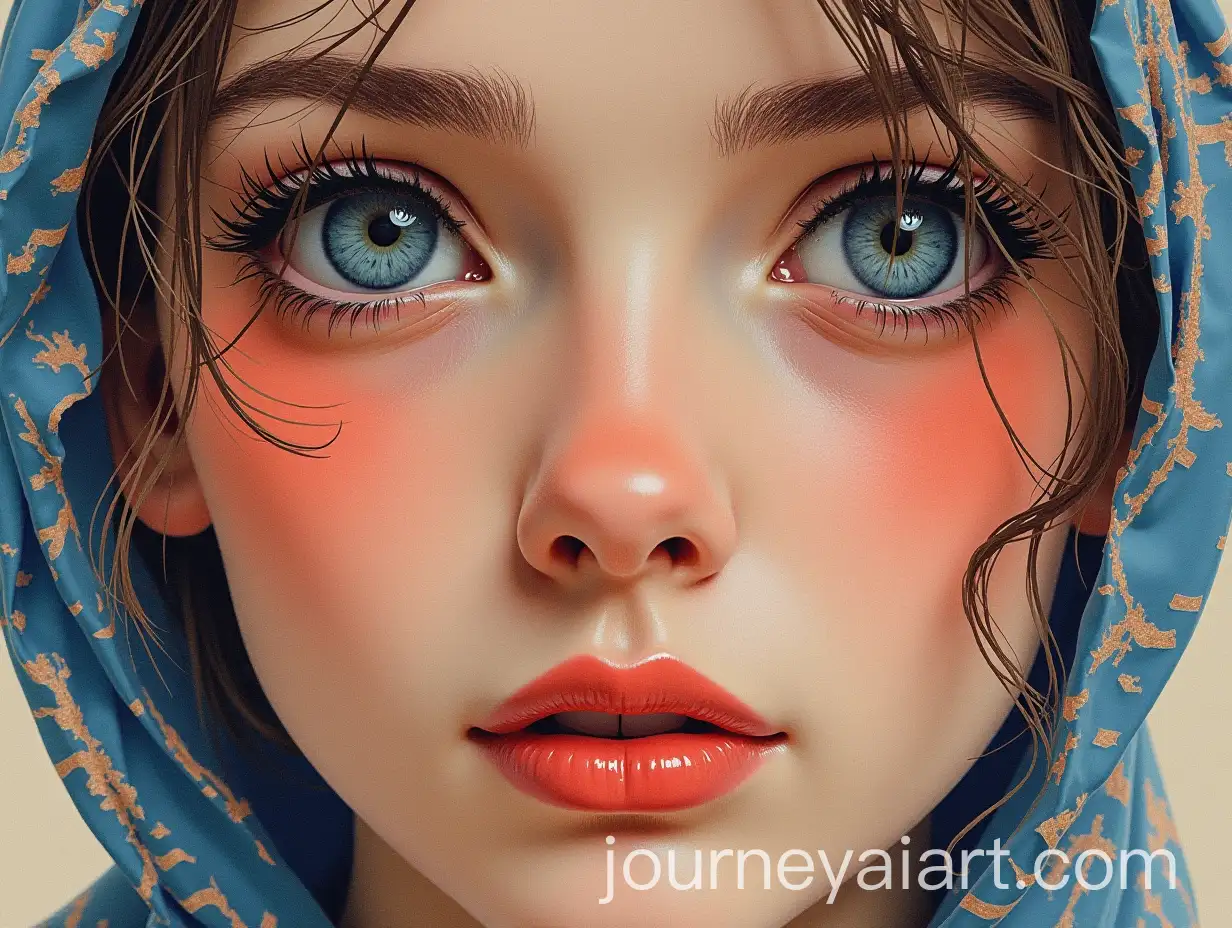
Welcome to our Generative Art image collection, showcasing 9 free AI-generated images. This collection includes a diverse range of stock photos, 3D objects, vectors, and illustrations, all available for high-resolution download. Use the 'open in editor' feature on any image detail page to modify prompts and create your ideal image.


Related Tags
Generative Art refers to artworks created with the use of autonomous systems, such as algorithms and AI. Its roots can be traced back to the 1960s when artists first started experimenting with computer-generated visuals. The genre has evolved significantly with advancements in technology, allowing for more complex and visually stunning pieces. Generative Art represents a fusion of creativity and computation, where the rules set by an artist or coder give birth to new and unpredictable forms of visual art.
Understanding Generative Art: Definition and Historical Background
Generative Art is characterized by its reliance on algorithms and software to produce art that is often abstract, dynamic, and uniquely detailed. Its applications span across various fields, including digital media, architecture, fashion, and music. For instance, in digital media, generative algorithms are used to create dynamic visual effects in films and video games. In architecture, parametric design techniques that leverage generative principles allow for innovative structural forms. Generative Art also finds use in fashion, where designers utilize algorithms to create unique patterns and textiles.
Characteristics and Applications of Generative Art in Modern Media
Generative Art encompasses a wide range of styles, each with distinct characteristics and techniques. Some popular types include fractal art, which uses mathematical formulas to create infinitely complex patterns, and procedural art, where the creation process involves a series of algorithms that dictate the visual output. Another style is neural network-based art, which leverages AI models to produce images that mimic various artistic styles. Each type of Generative Art explores different aspects of the computational creative process, offering diverse aesthetic experiences.
Different Styles and Types of Generative Art
Generative Art has had a profound impact on contemporary culture, especially in the digital age. It challenges traditional notions of authorship and creativity, sparking discussions about the role of technology in art. The accessibility of AI tools has democratized art creation, enabling more people to experiment with generative techniques. Looking forward, the future of Generative Art is poised to expand with developments in AI and machine learning, offering even more sophisticated tools for artists. The trend towards interactive and immersive art experiences is likely to grow, integrating Generative Art into virtual and augmented reality platforms, creating new forms of digital expression.
The Impact of Generative Art on Contemporary Culture and Future Trends