36 Free Gaming scene Midjourney AI images
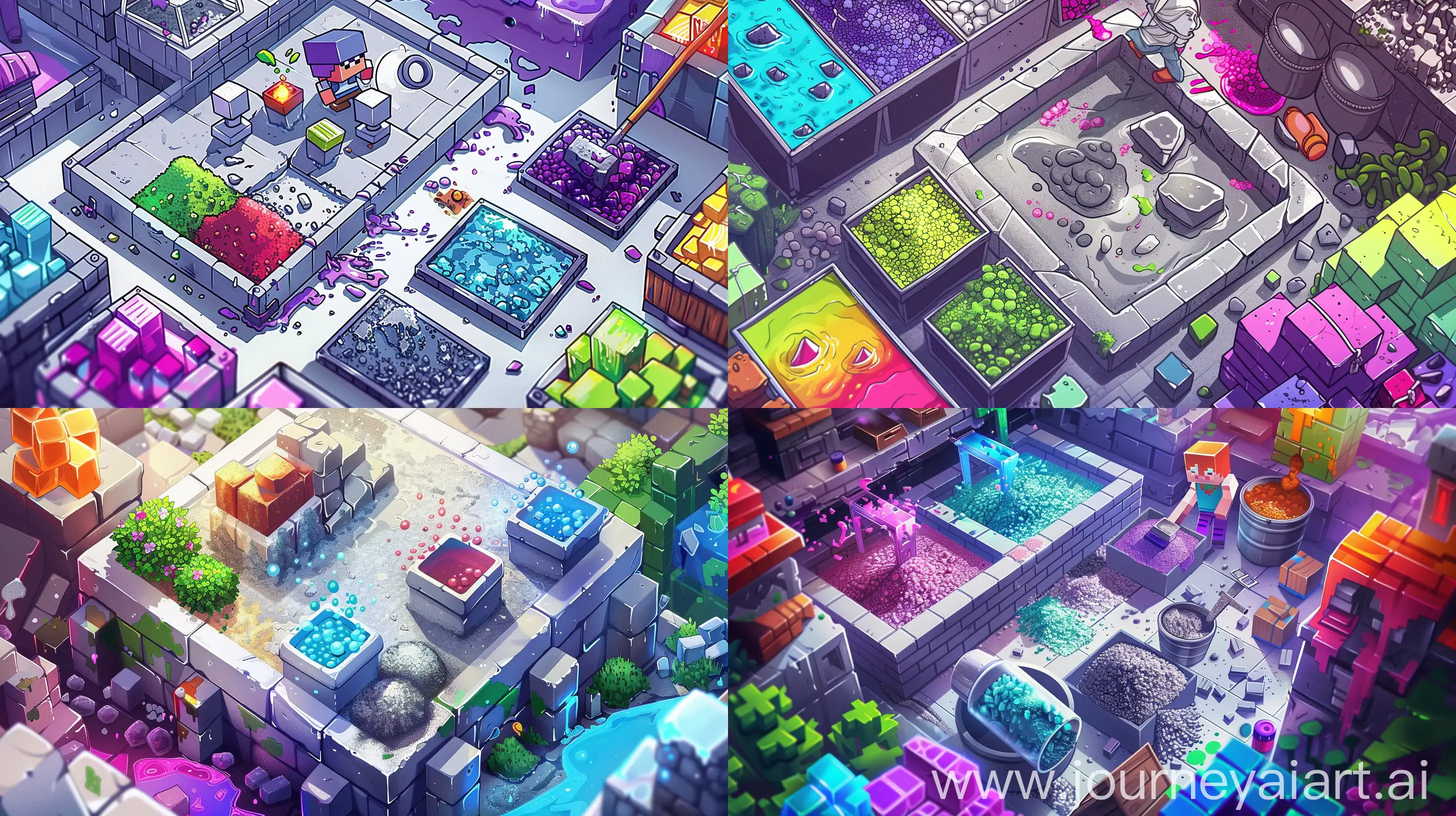
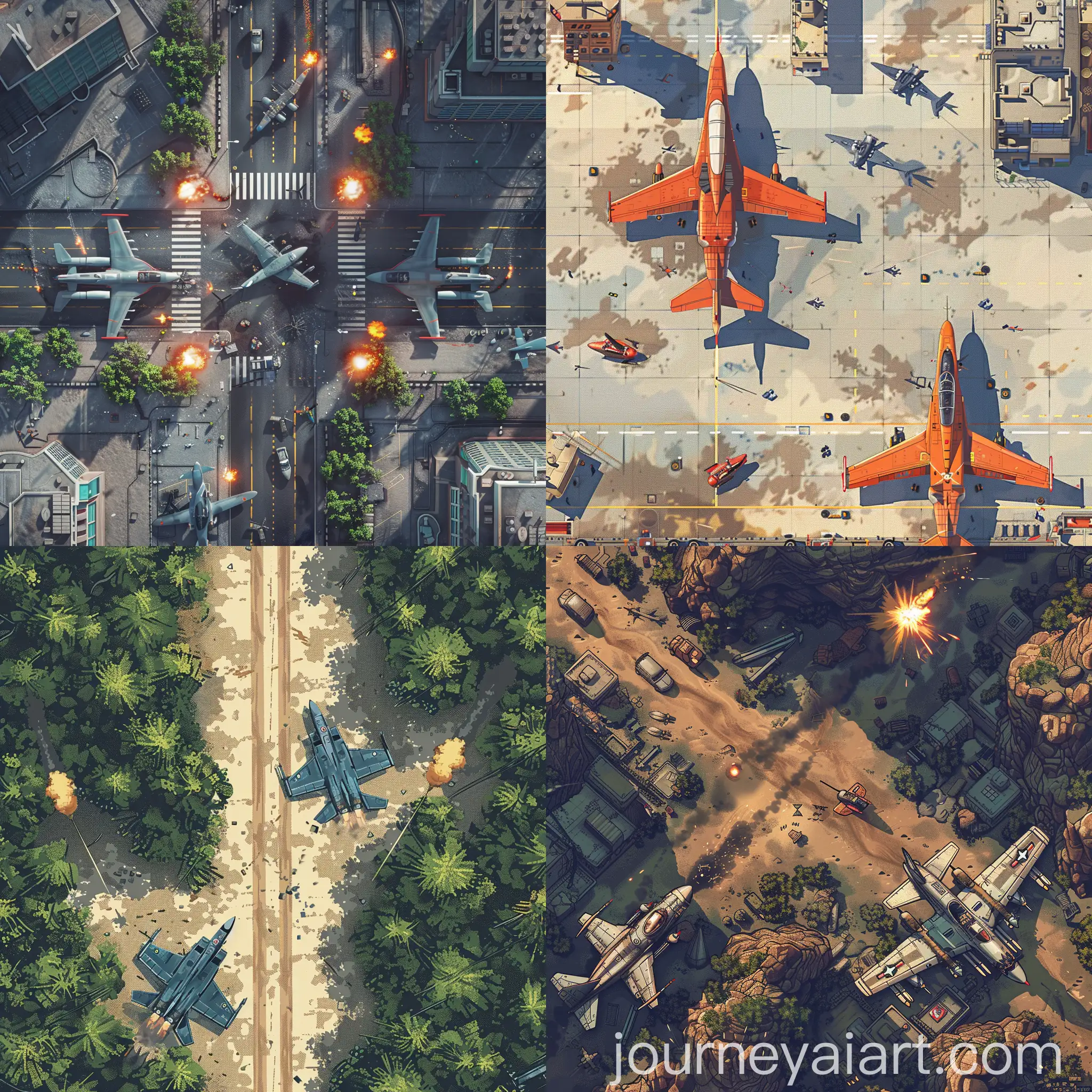
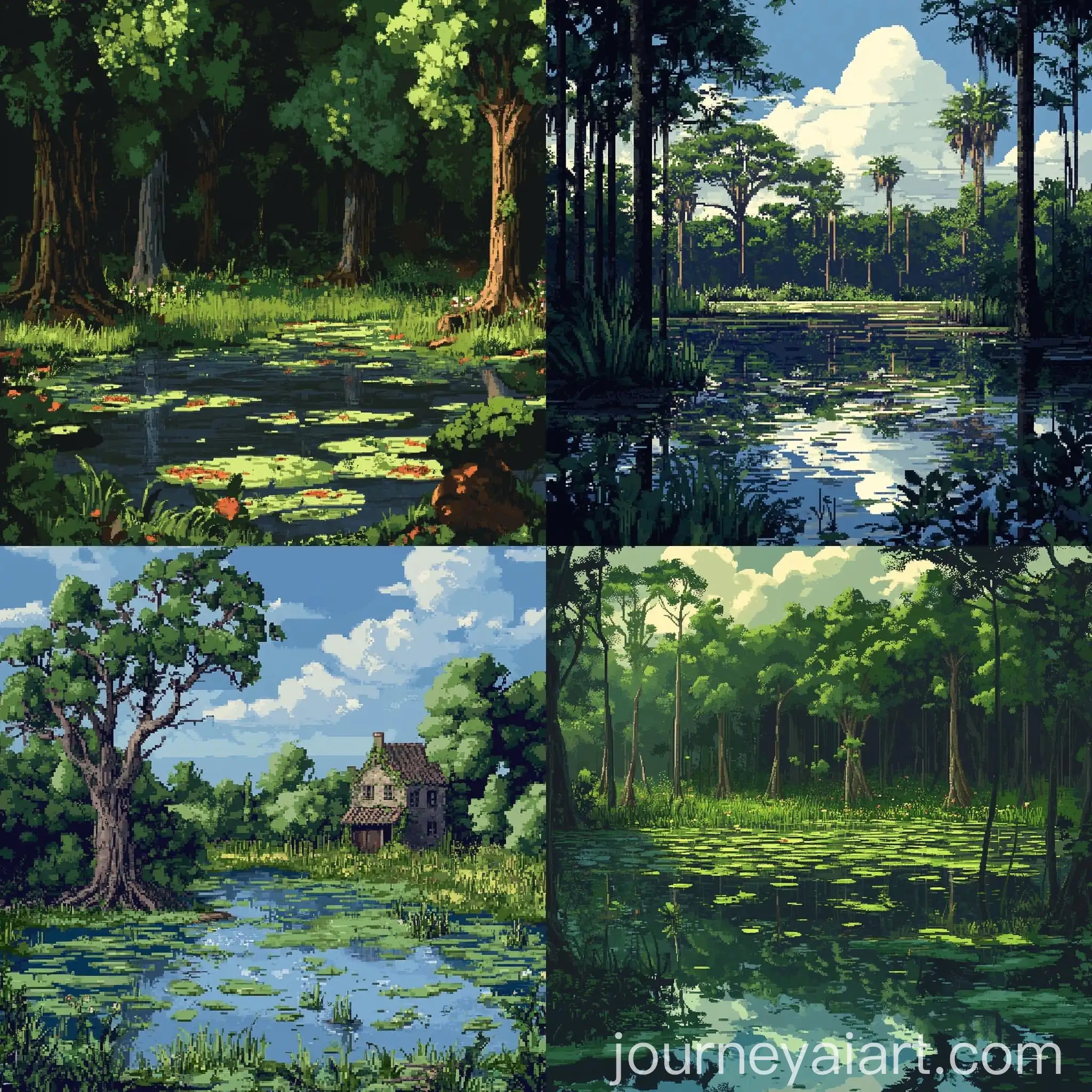
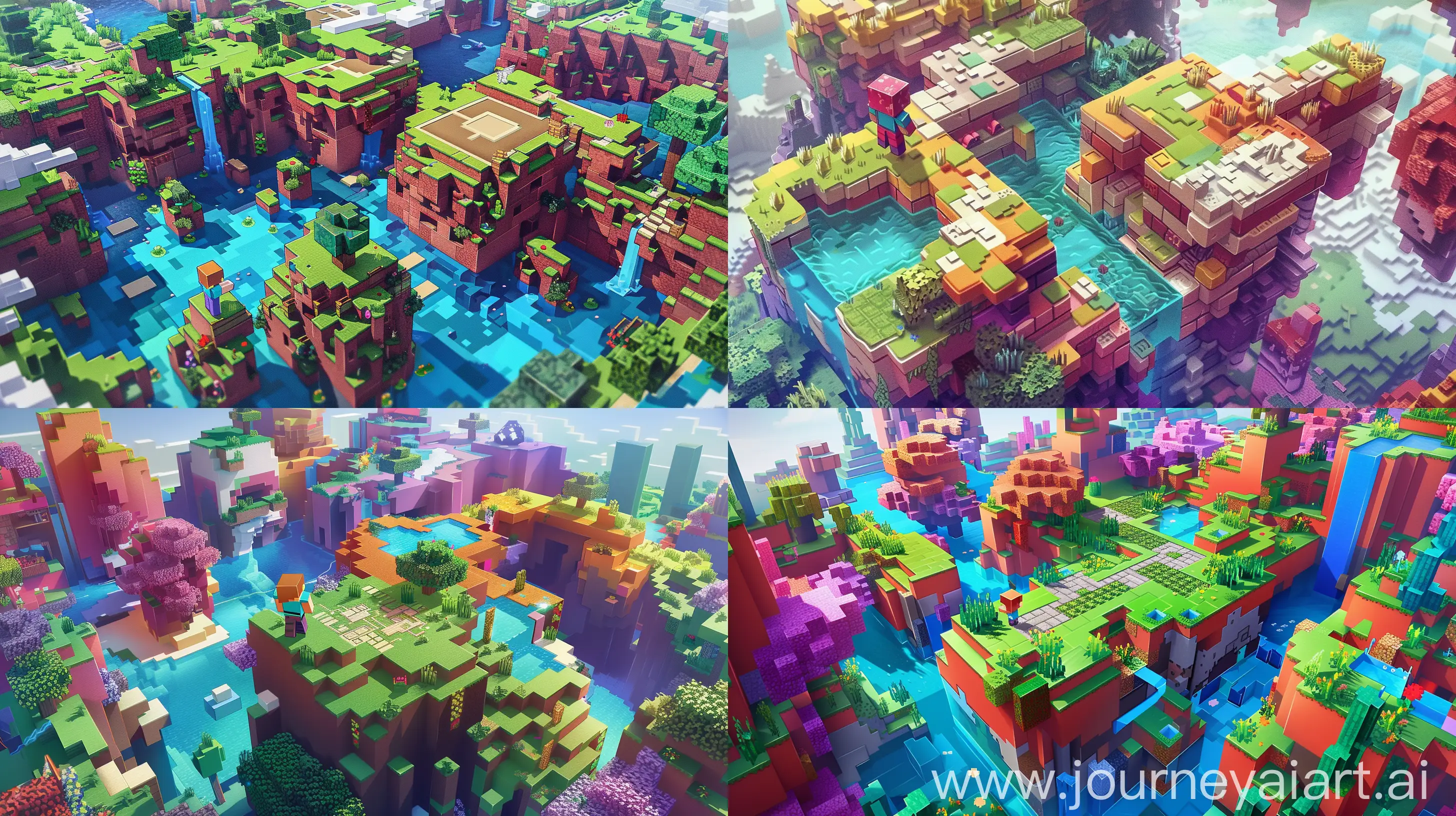
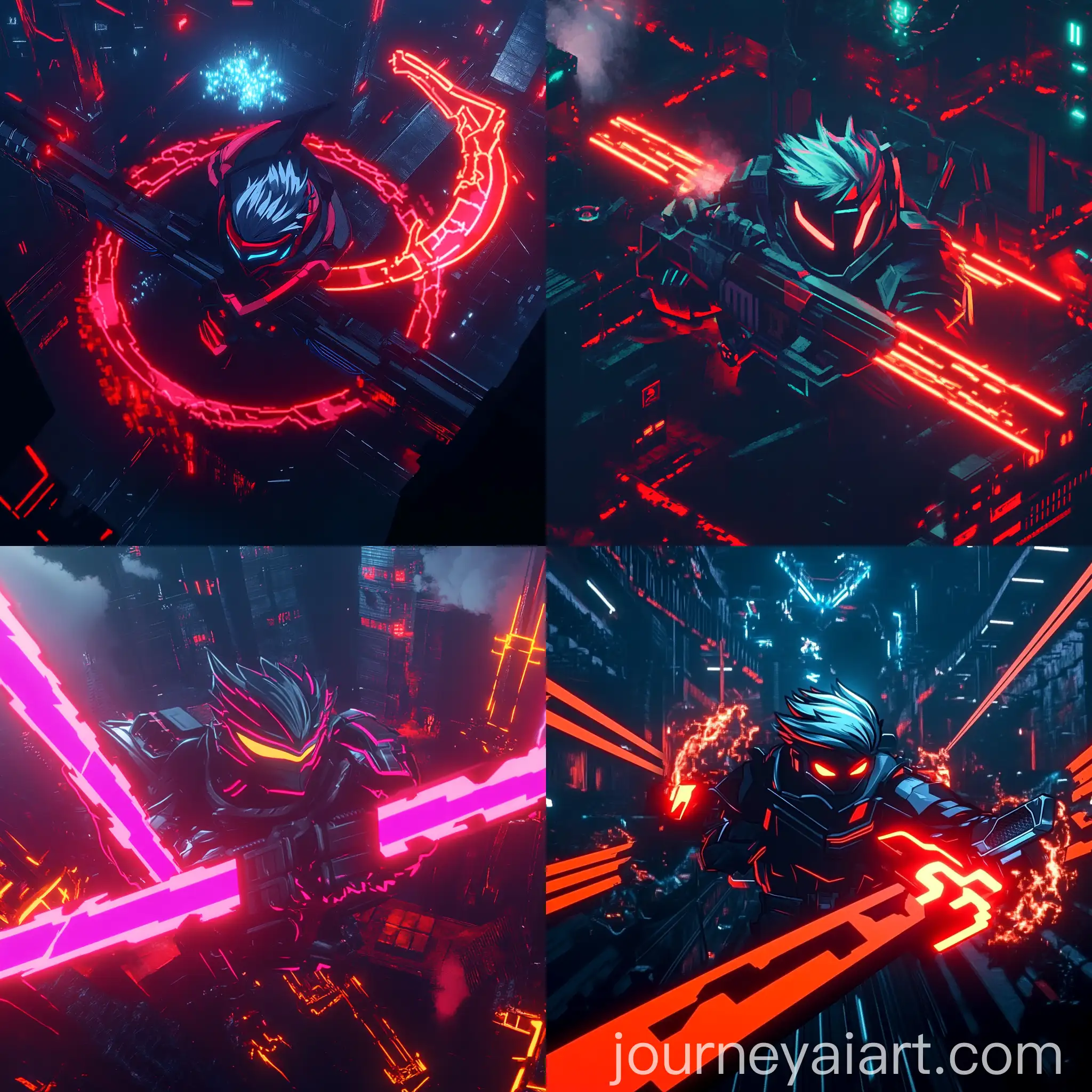
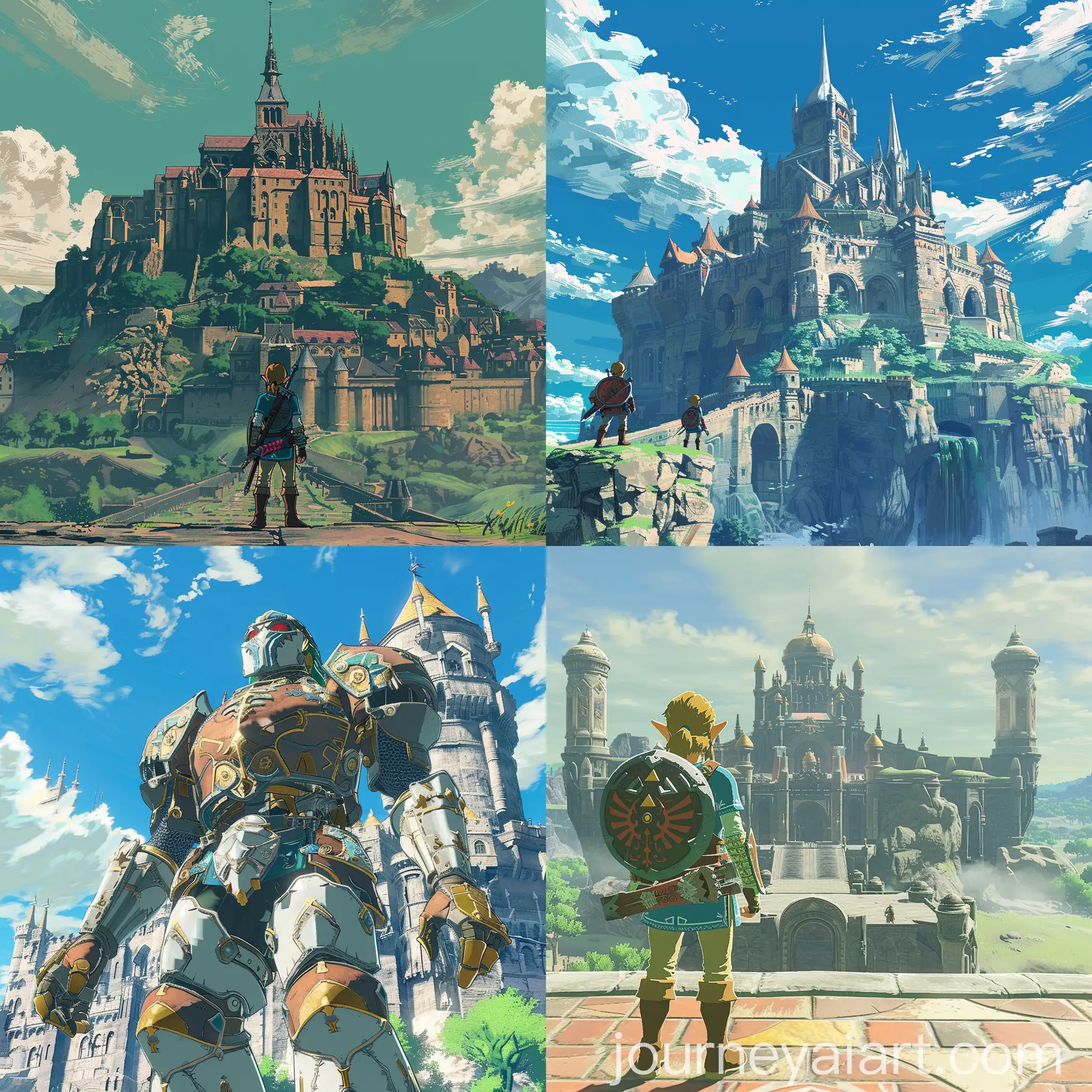
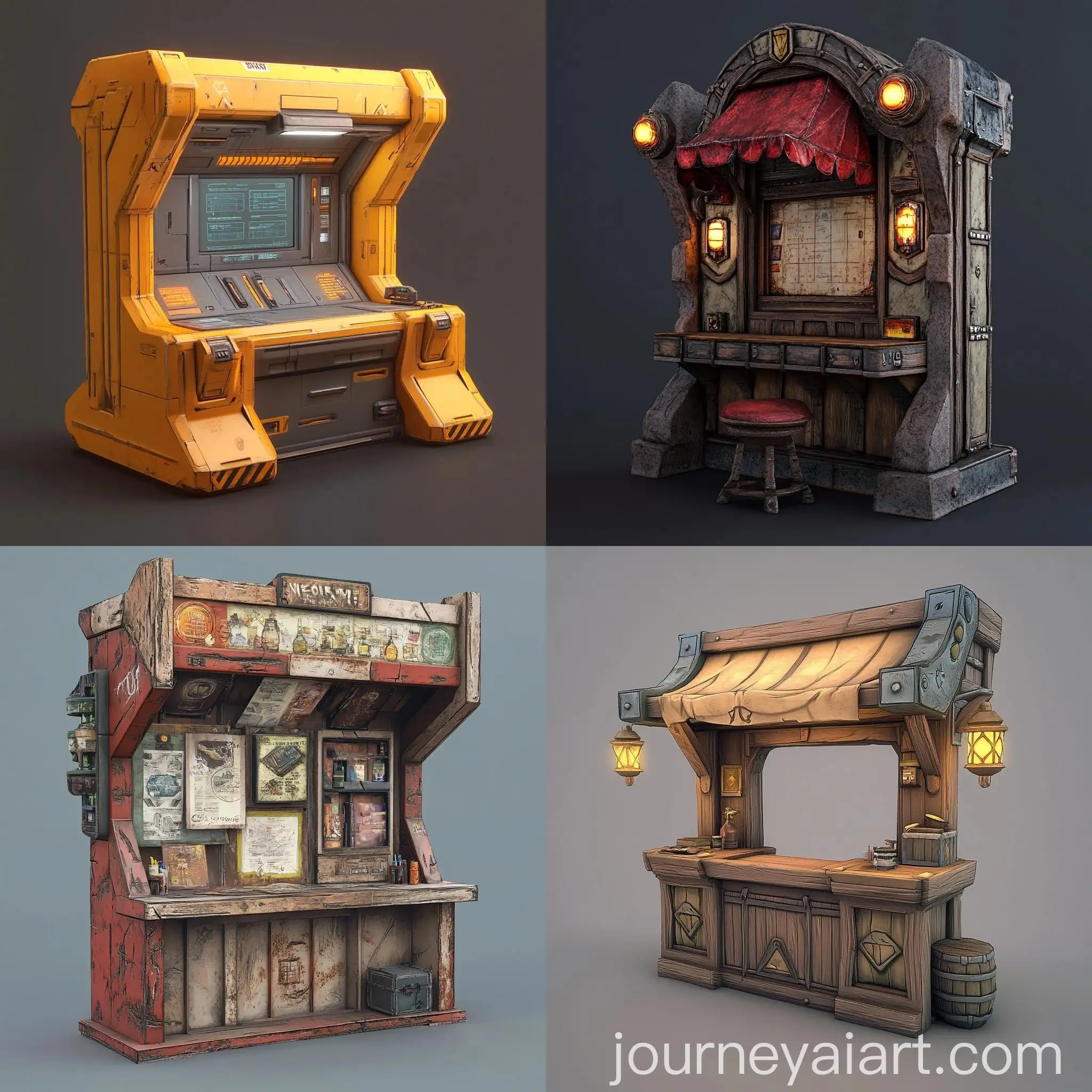
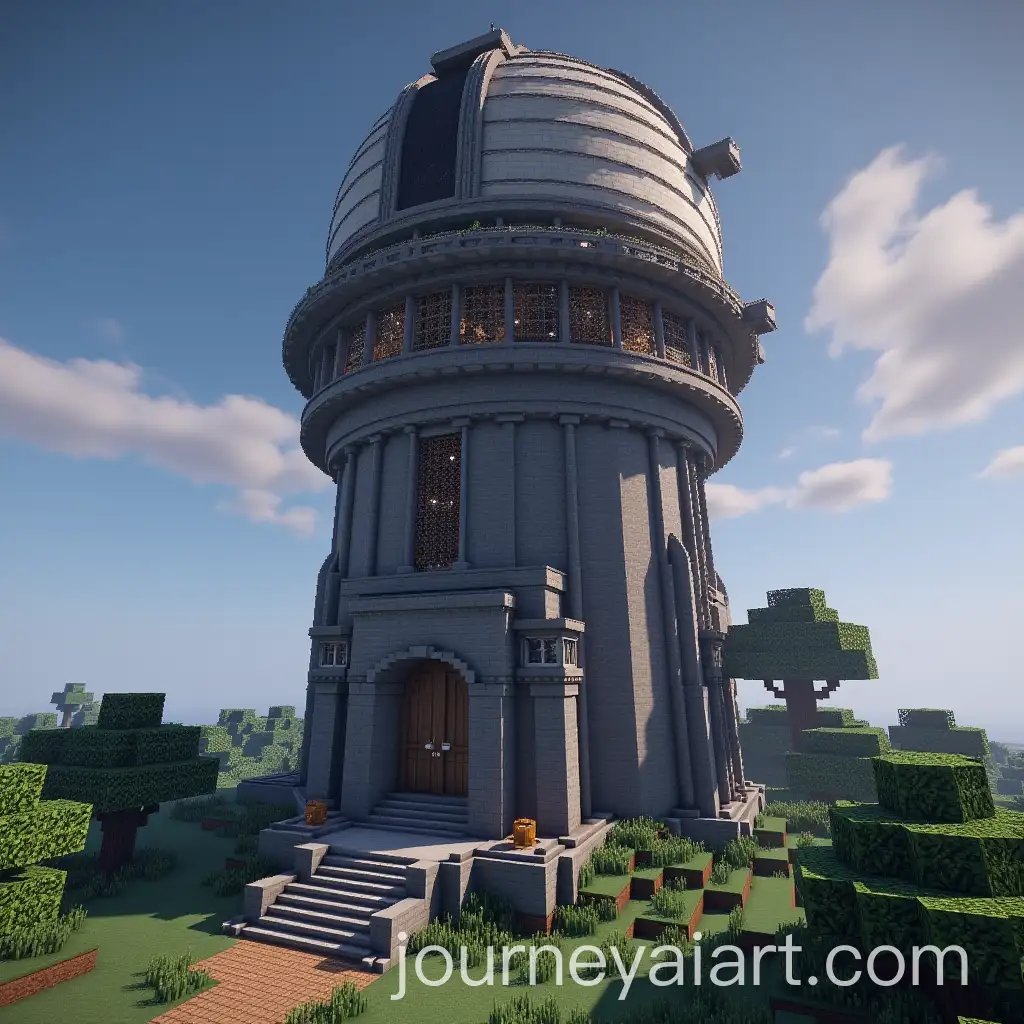
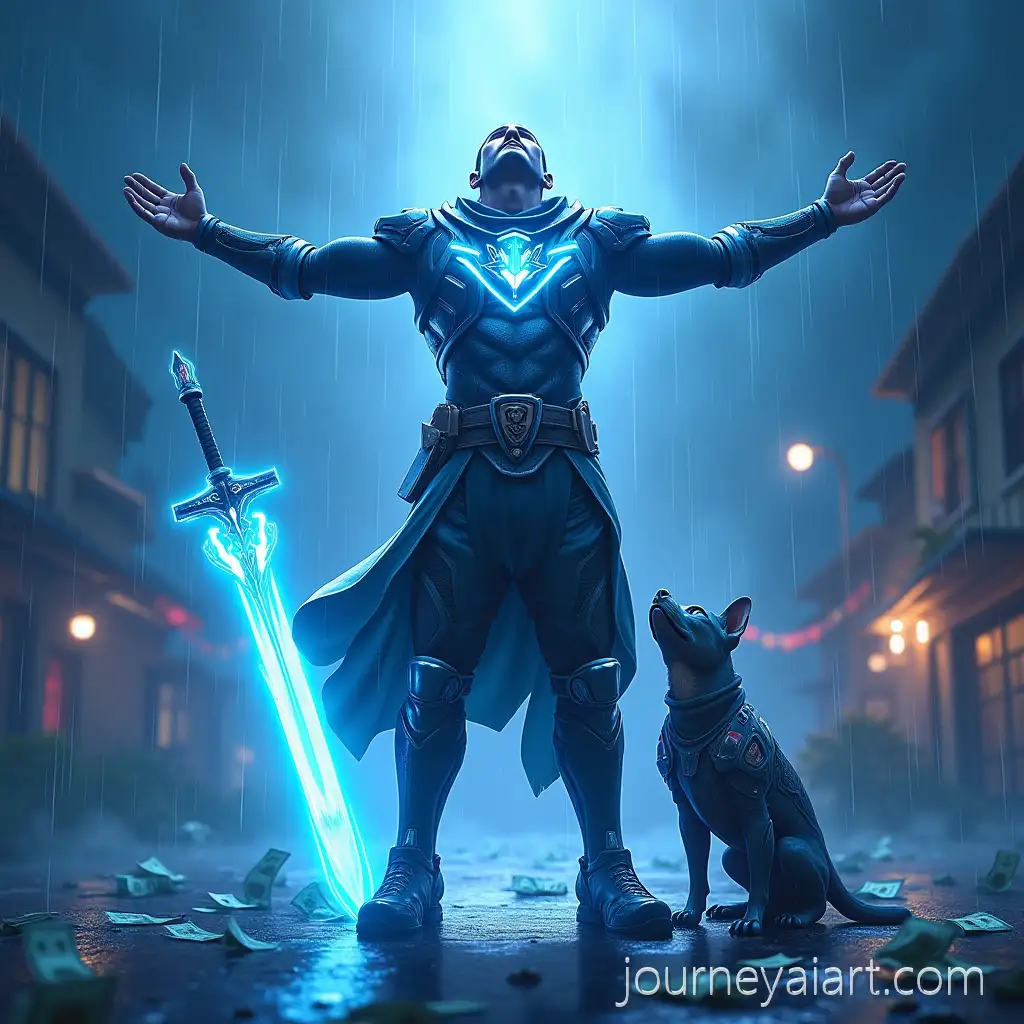
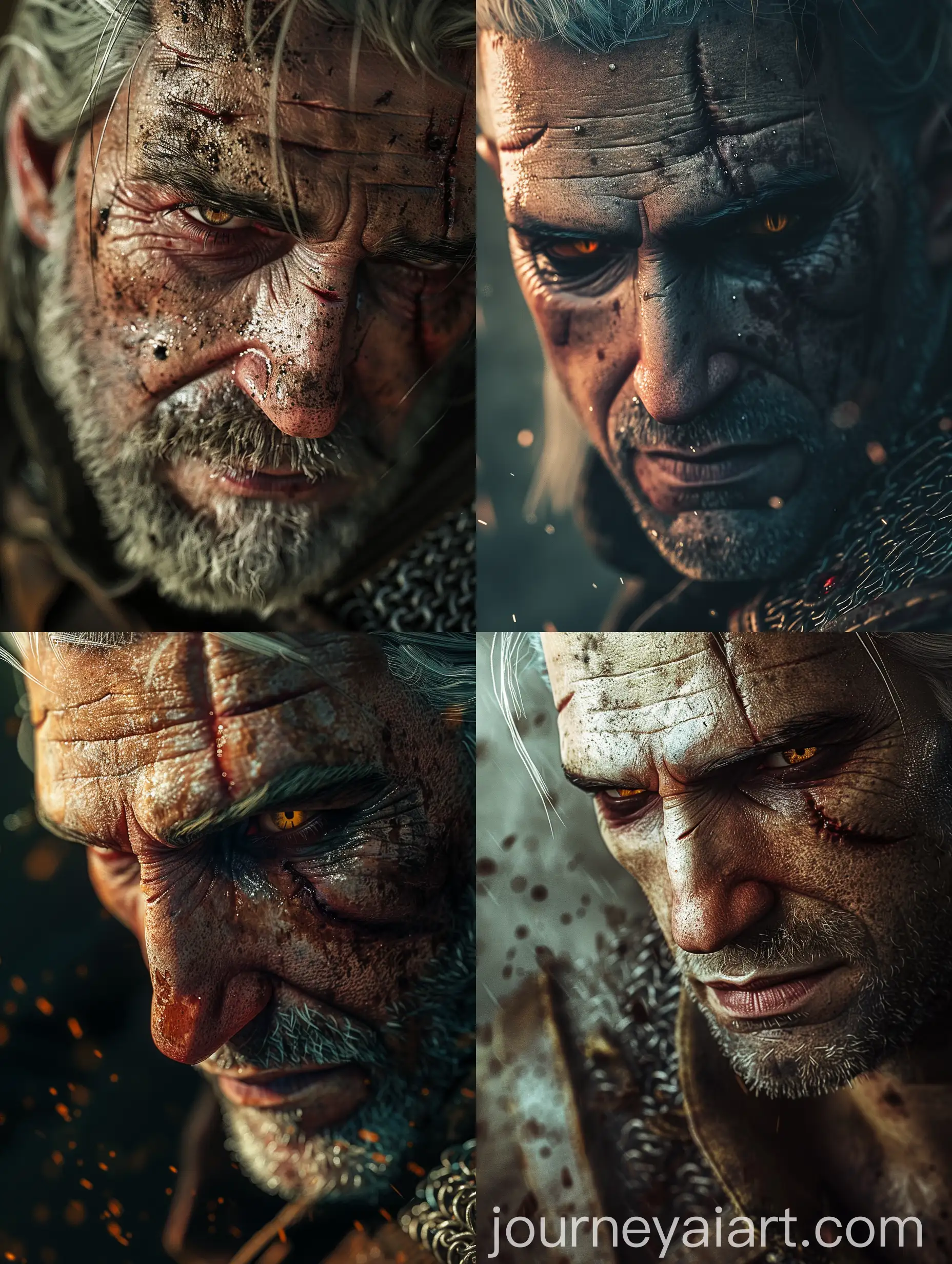
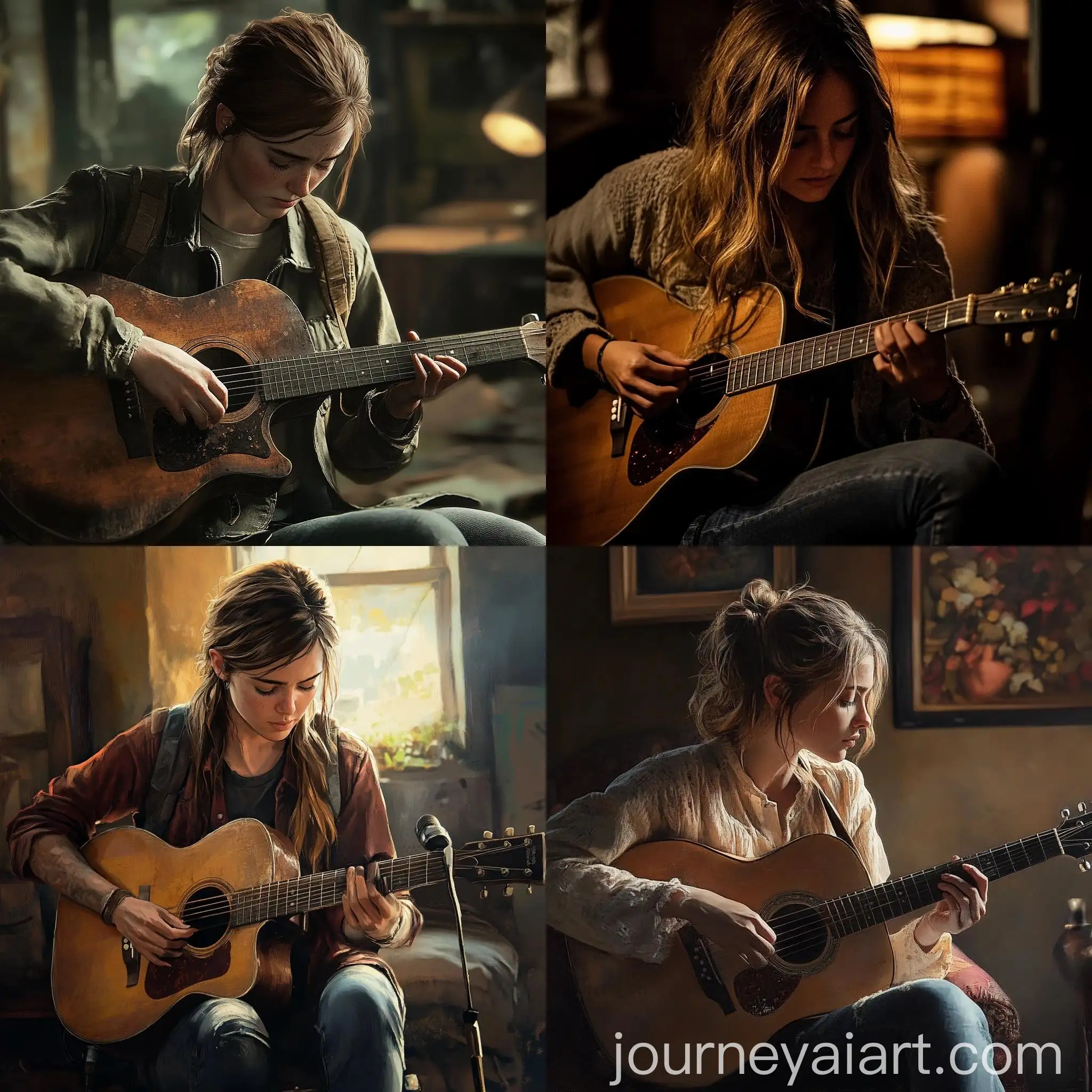
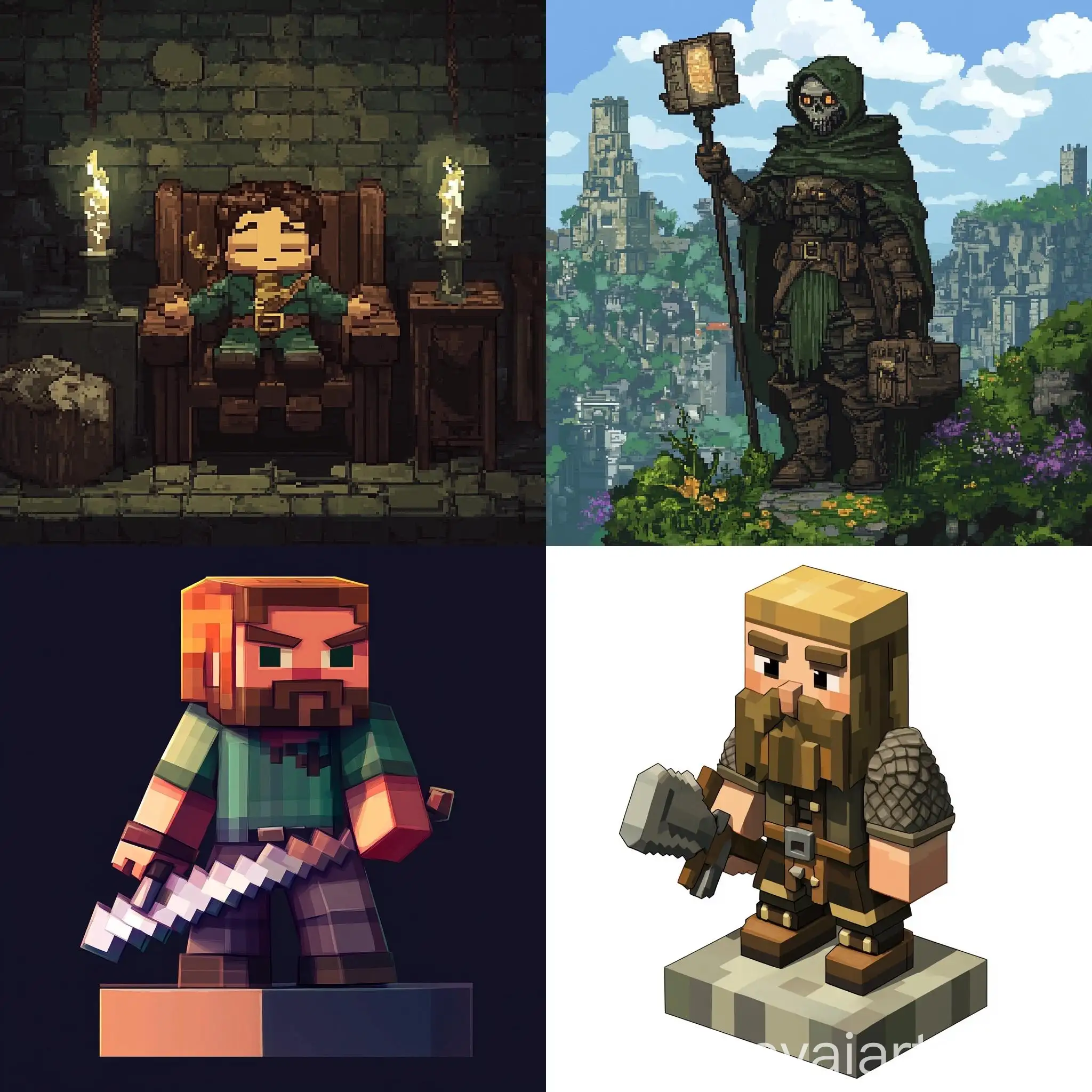
Welcome to our Gaming Scene image collection, featuring 36 free AI-generated images. Dive into a diverse array of stock photos, 3D objects, vectors, and illustrations that capture the excitement and creativity of gaming environments. Enjoy high-resolution downloads and utilize our 'open in editor' feature to customize prompts for your ideal gaming-themed image.




















Related Tags
Gaming scenes have undergone a remarkable transformation since the inception of video games. Early gaming environments were simple, pixelated representations, limited by technology but brimming with creativity. As hardware capabilities advanced, so did the complexity and realism of gaming scenes. The 8-bit and 16-bit eras introduced more detailed backgrounds and character designs. The transition to 3D graphics in the mid-1990s revolutionized gaming scenes, allowing for immersive, explorable worlds. Today, cutting-edge technologies like ray tracing and photogrammetry enable hyper-realistic gaming environments that blur the line between virtual and reality. This evolution reflects not just technological progress, but also the growing artistic vision in game design, creating breathtaking landscapes, futuristic cities, and fantastical realms that captivate players worldwide.
The Evolution of Gaming Scenes: From Pixels to Photorealism
Effective gaming scenes are composed of several crucial elements that work together to create immersive experiences. Lighting plays a vital role, setting the mood and guiding players through the environment. Dynamic lighting, shadows, and special effects like god rays or neon glows can dramatically enhance atmosphere. Environmental storytelling is another key aspect, where the scene itself tells a story through carefully placed objects, architectural details, or signs of past events. Color palettes are carefully chosen to evoke specific emotions or represent different game areas. Level design incorporates both aesthetics and functionality, ensuring that the gaming scene is not only visually appealing but also supports gameplay mechanics. Interactive elements, such as destructible environments or reactive fauna and flora, add depth to the scene. Lastly, audio design complements the visual elements, with ambient sounds and music further immersing players in the gaming world.
Key Elements of Compelling Gaming Scenes
Throughout gaming history, certain scenes have become iconic, defining their genres and leaving lasting impressions on players. The vast, open fields of Hyrule in 'The Legend of Zelda: Breath of the Wild' redefined open-world exploration. The dystopian underwater city of Rapture in 'BioShock' set new standards for atmospheric world-building in first-person shooters. The neon-soaked streets of Night City in 'Cyberpunk 2077' became the benchmark for futuristic urban landscapes. The haunting halls of Raccoon City Police Department in 'Resident Evil 2' exemplified survival horror environments. The vibrant, stylized worlds of 'Journey' and 'Ori and the Blind Forest' showcased how artistic direction can create emotionally resonant gaming scenes. These iconic environments demonstrate the power of well-crafted gaming scenes to transport players, evoke emotions, and create memorable experiences that extend beyond the game itself.
Iconic Gaming Scenes That Defined Genres
The future of gaming scenes looks incredibly promising with emerging technologies like AI and virtual reality (VR) pushing the boundaries of what's possible. AI is revolutionizing scene creation through procedural generation, allowing for vast, unique environments that can adapt to player actions. Machine learning algorithms are enhancing NPC behaviors and environmental interactions, creating more dynamic and responsive gaming scenes. Virtual reality is transforming how players experience these scenes, offering unprecedented levels of immersion. VR technologies enable players to step inside gaming worlds, interacting with environments in natural, intuitive ways. Haptic feedback and advanced motion tracking are further blurring the lines between virtual and physical realities. As these technologies mature, we can expect gaming scenes to become increasingly photorealistic, interactive, and personalized. The integration of augmented reality (AR) may also lead to hybrid gaming scenes that blend virtual elements with the real world, opening up new possibilities for location-based and mixed reality gaming experiences.
The Future of Gaming Scenes: AI and Virtual Reality