25 Free Exhibition Architecture Midjourney AI images
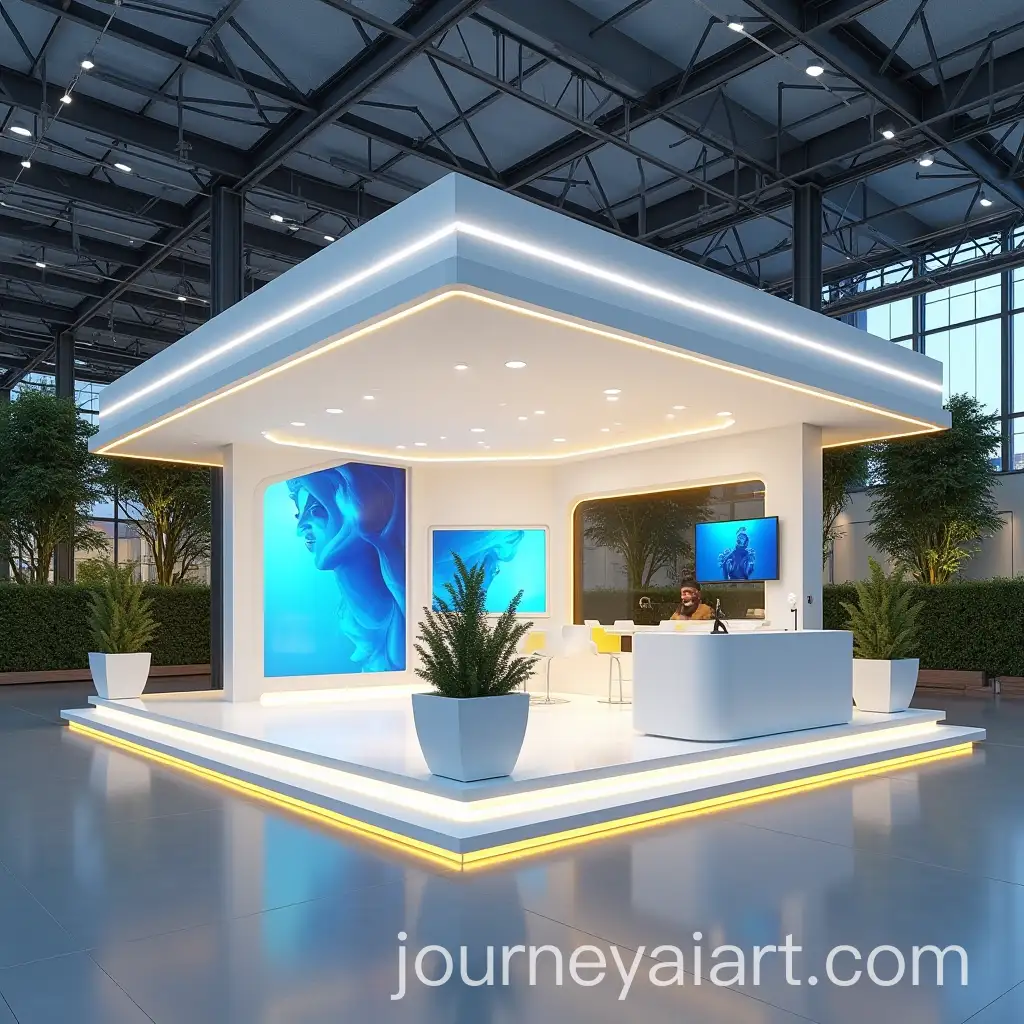
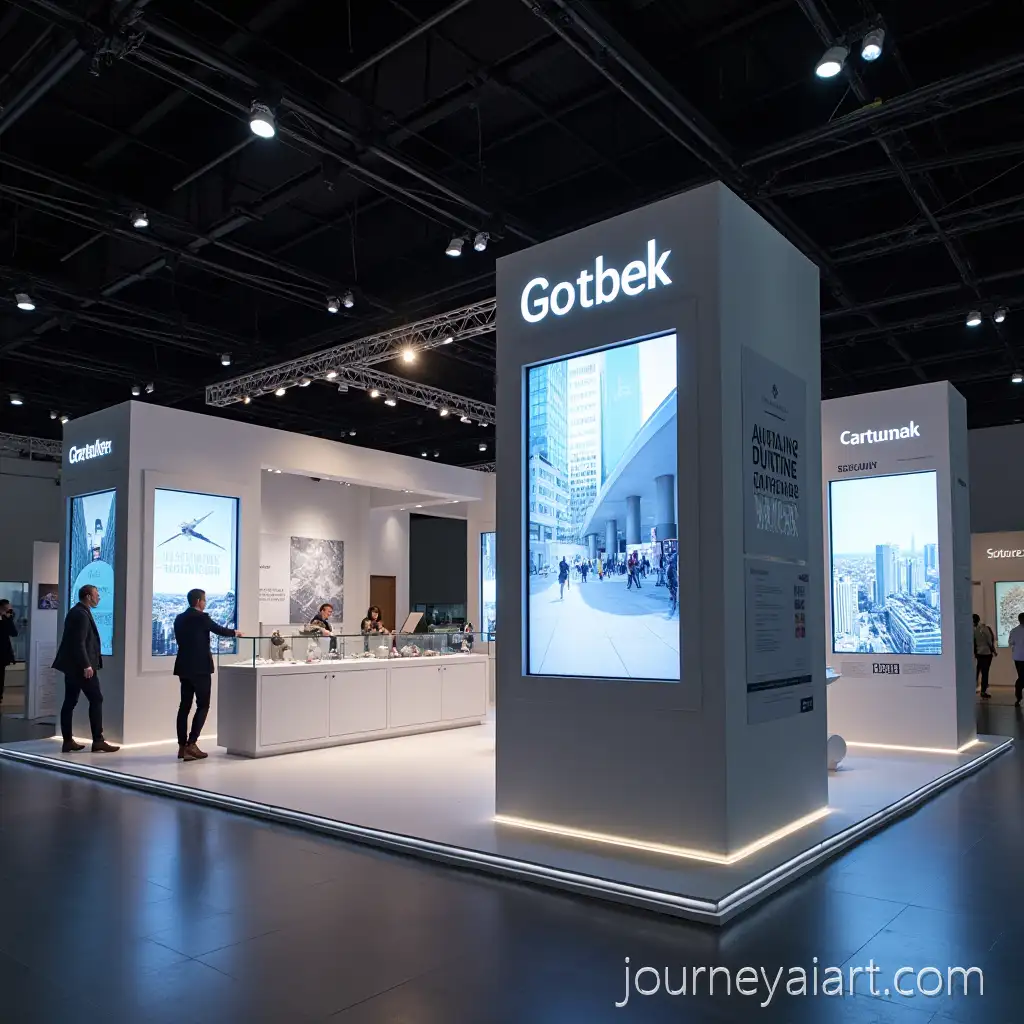
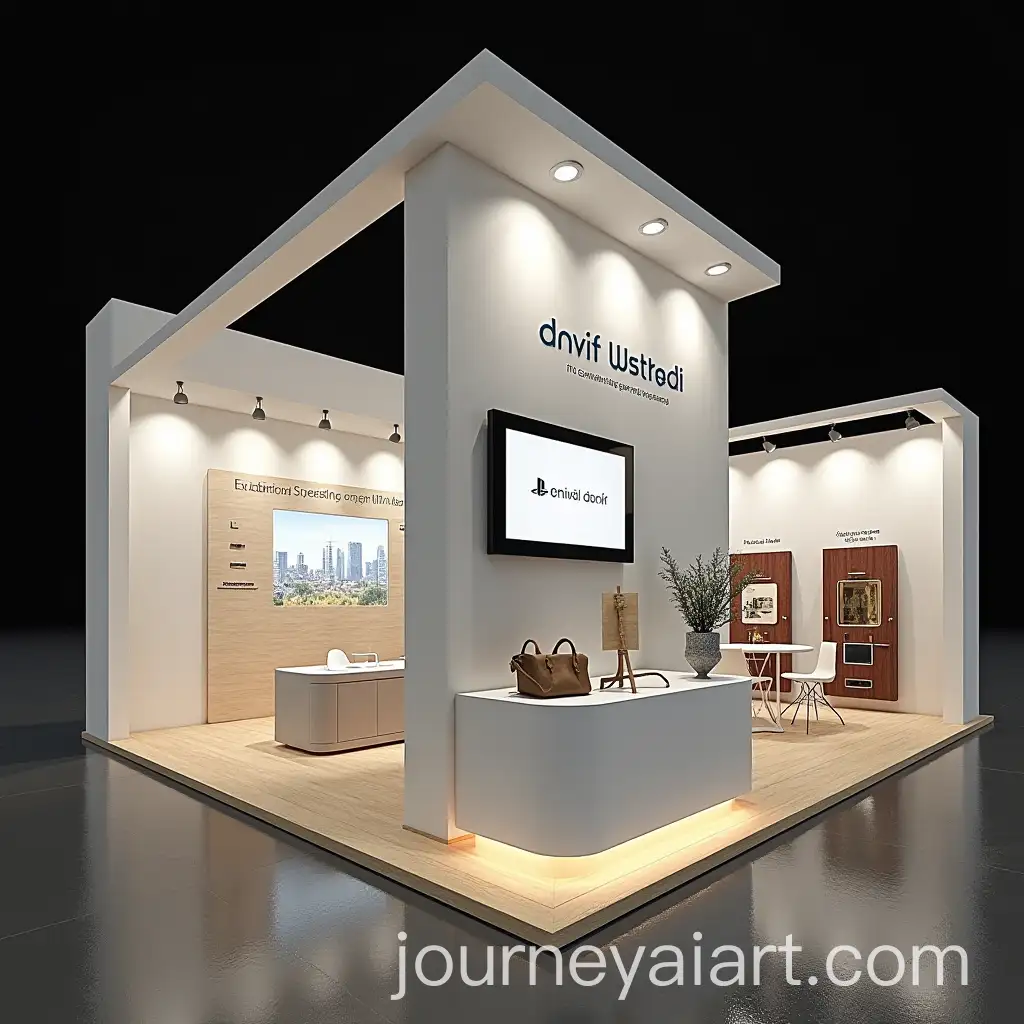
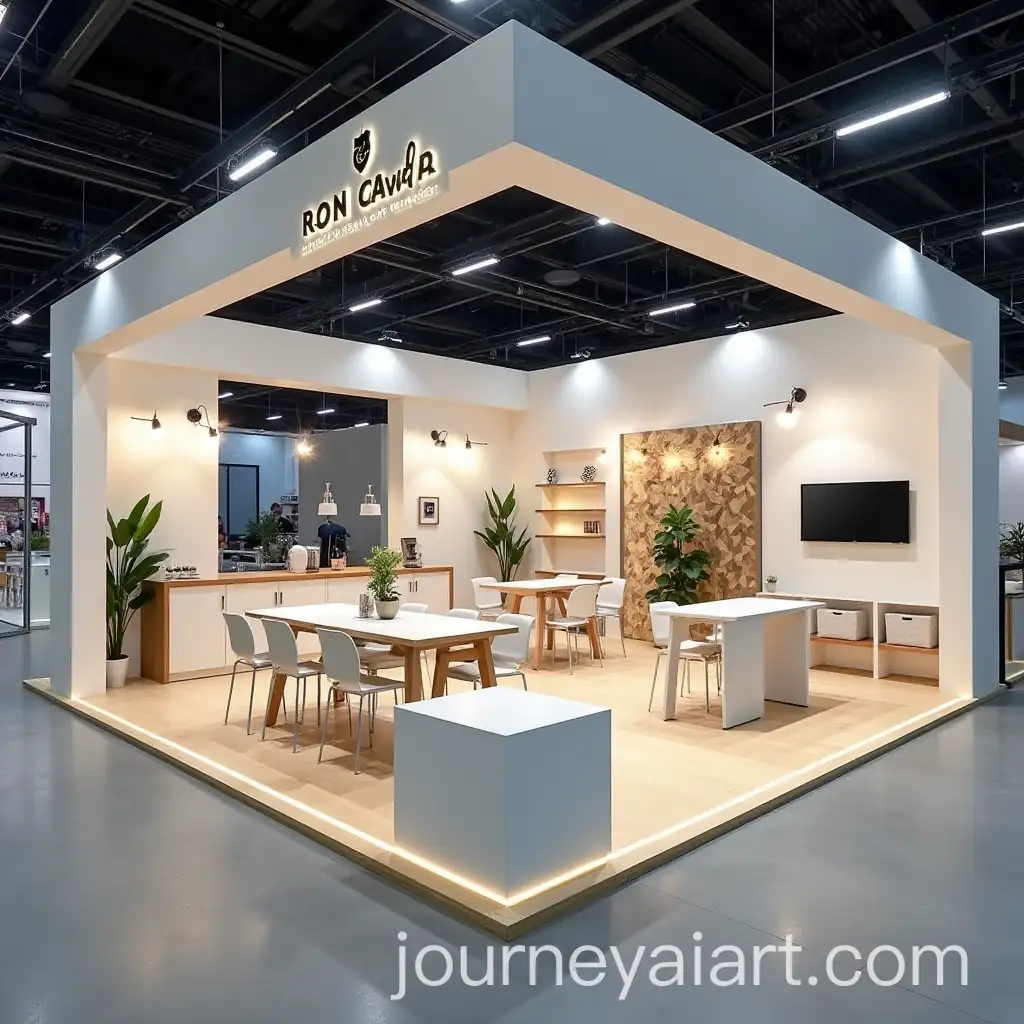
Welcome to our Exhibition Architecture image collection, featuring 25 free AI-generated images. Explore a diverse array of stock photos, 3D objects, vectors, and illustrations that depict innovative and stunning exhibition spaces. Download high-resolution images for your design and presentation needs, and use the 'open in editor' feature to fine-tune the prompts and regenerate images tailored to your specific vision.







Related Tags
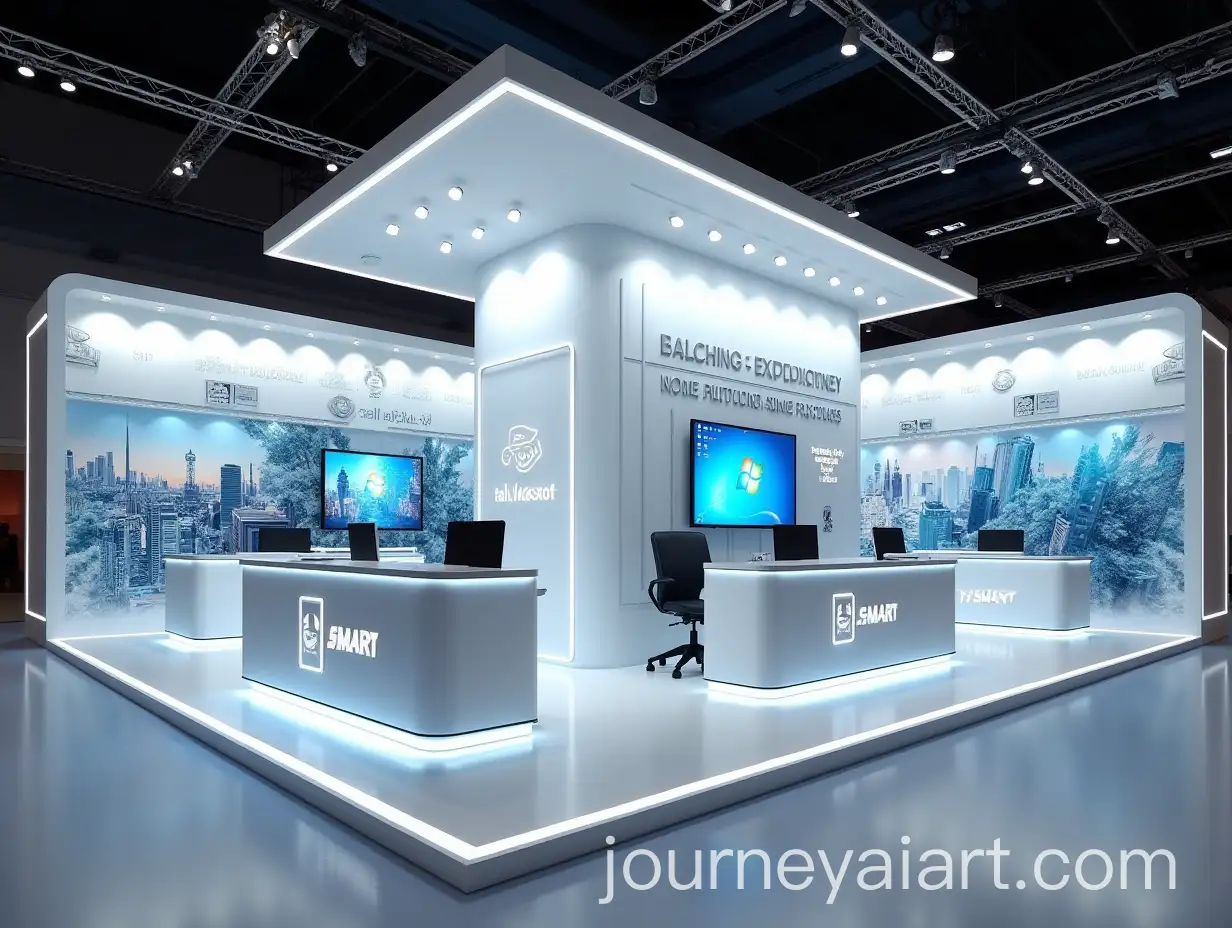
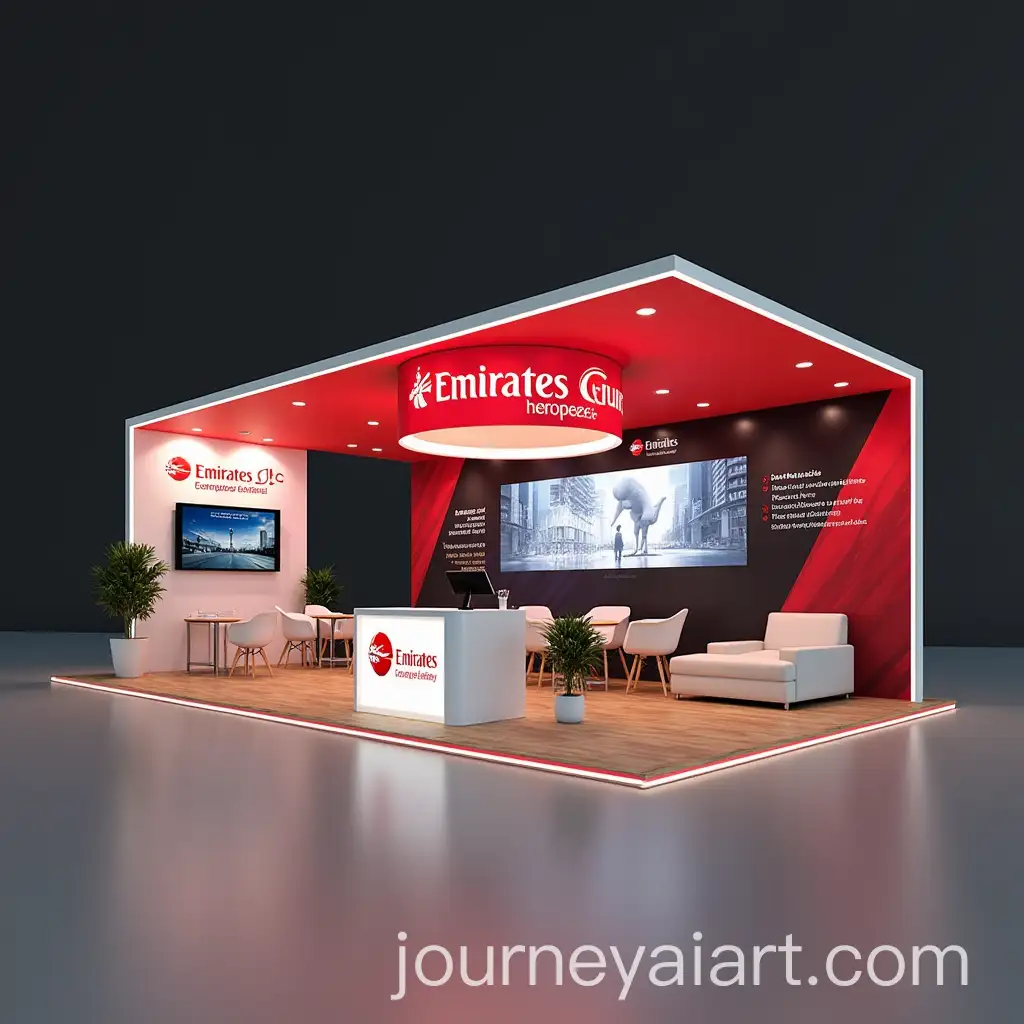
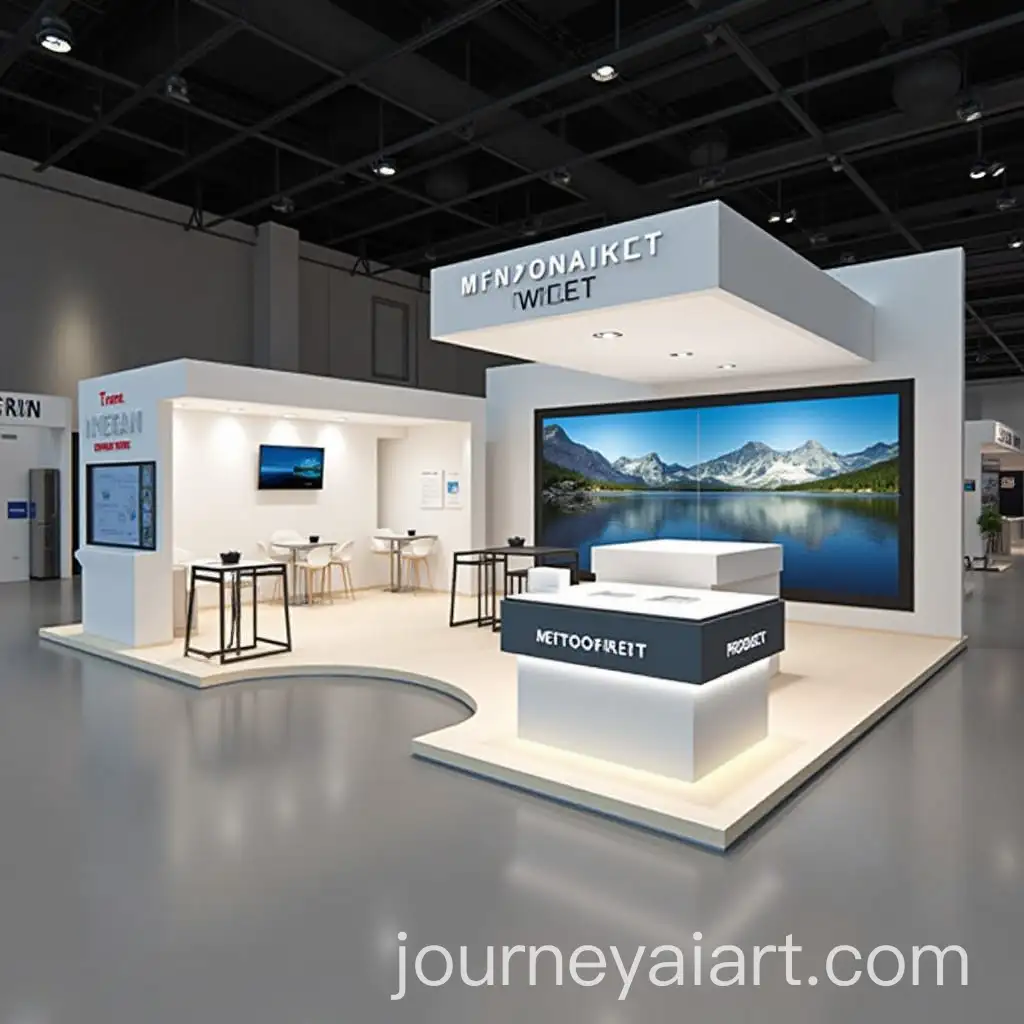
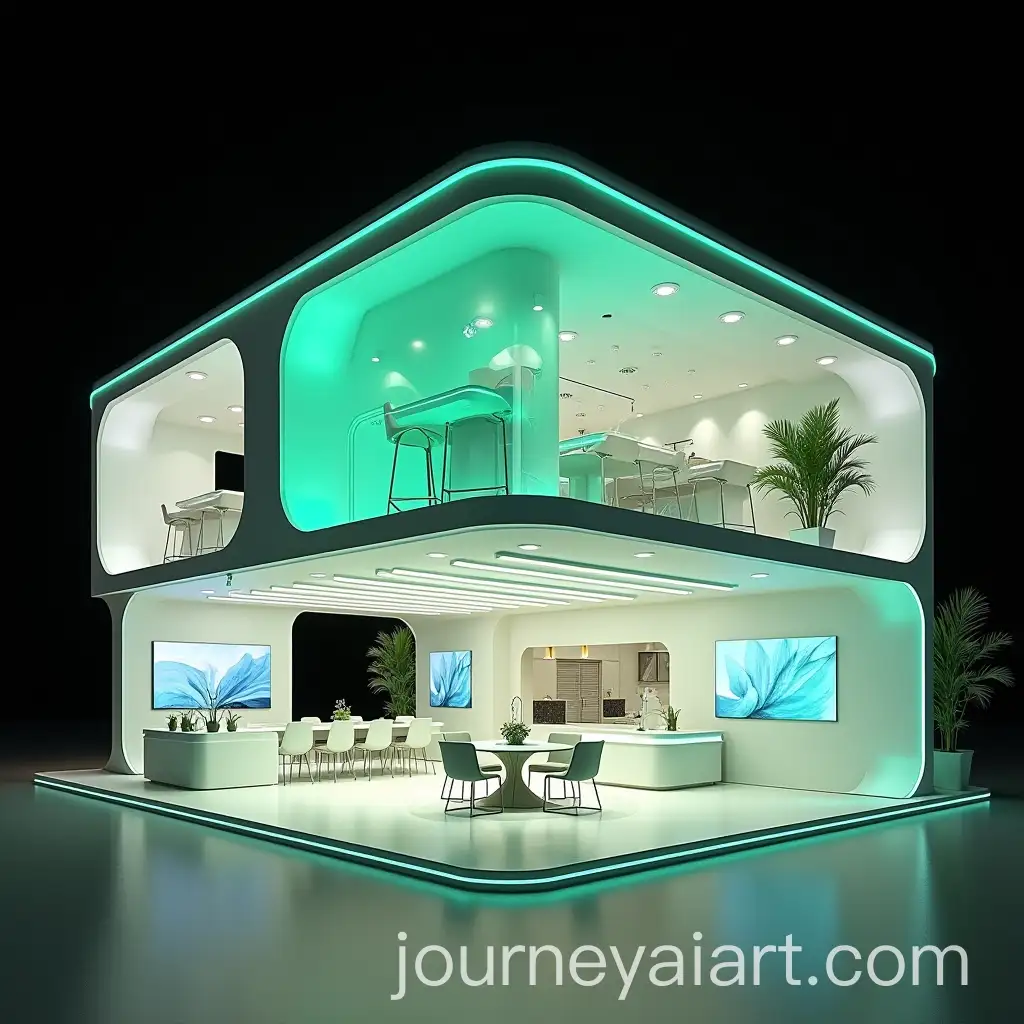
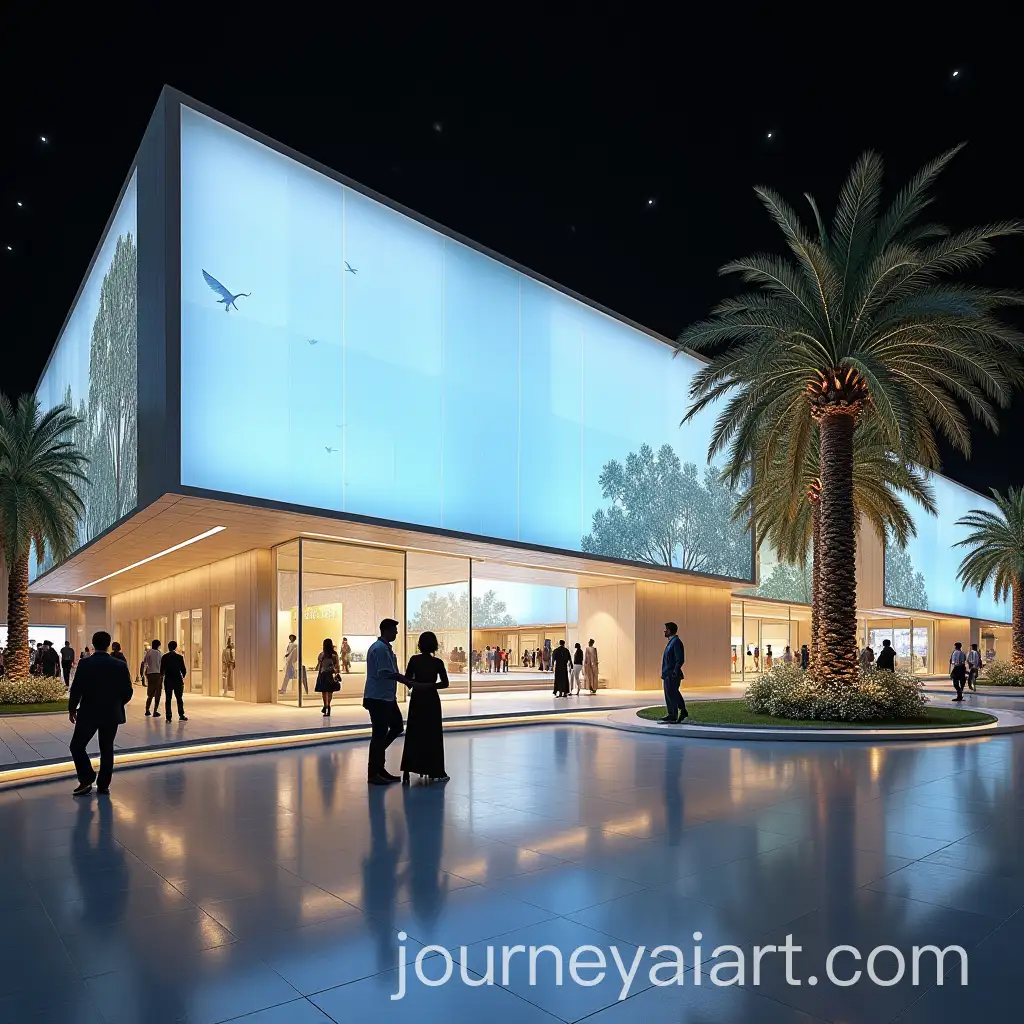
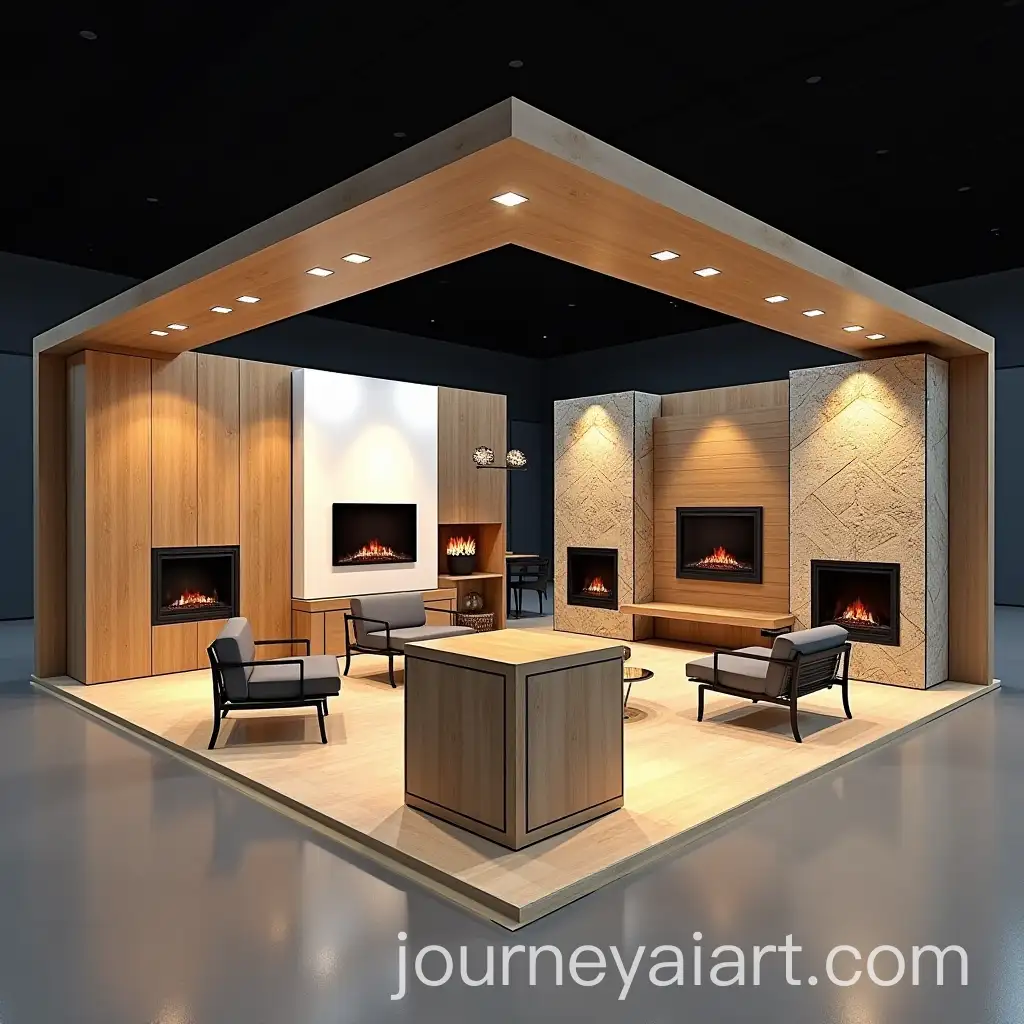
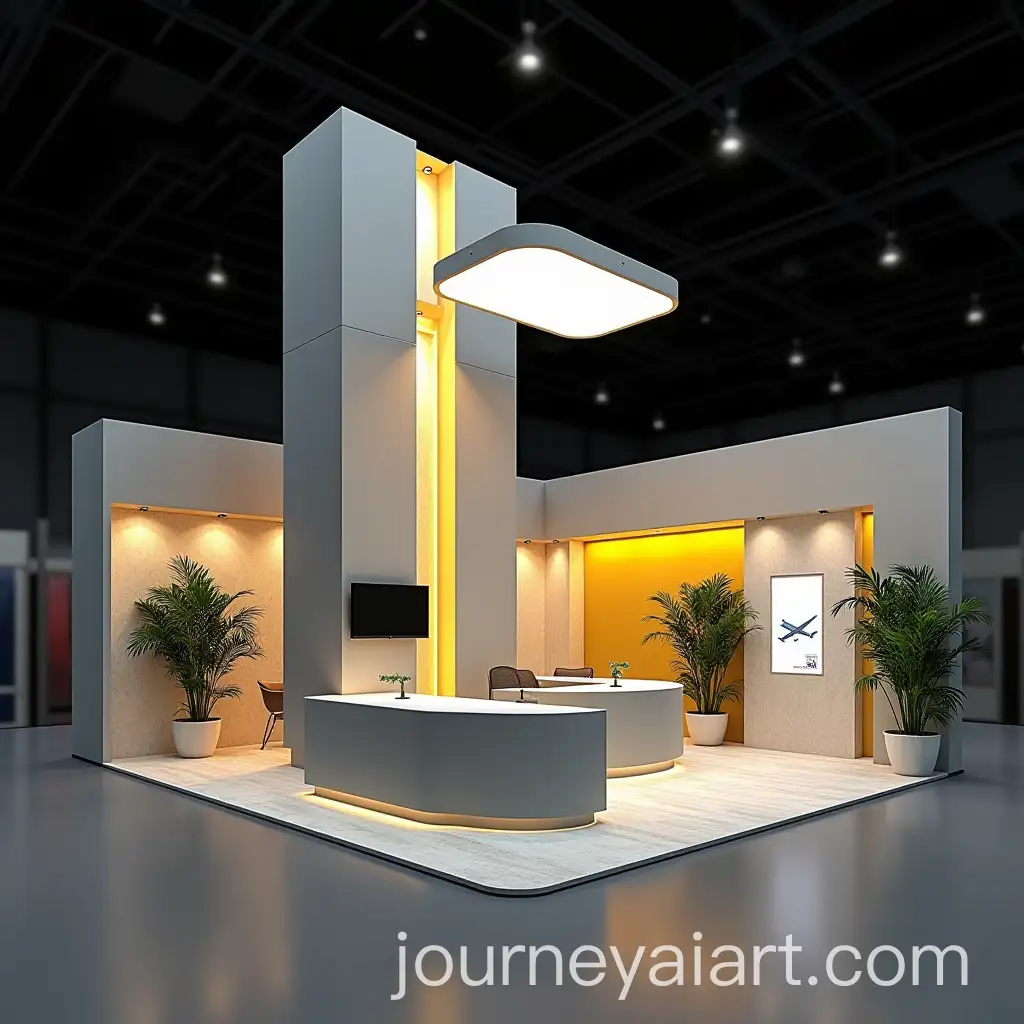
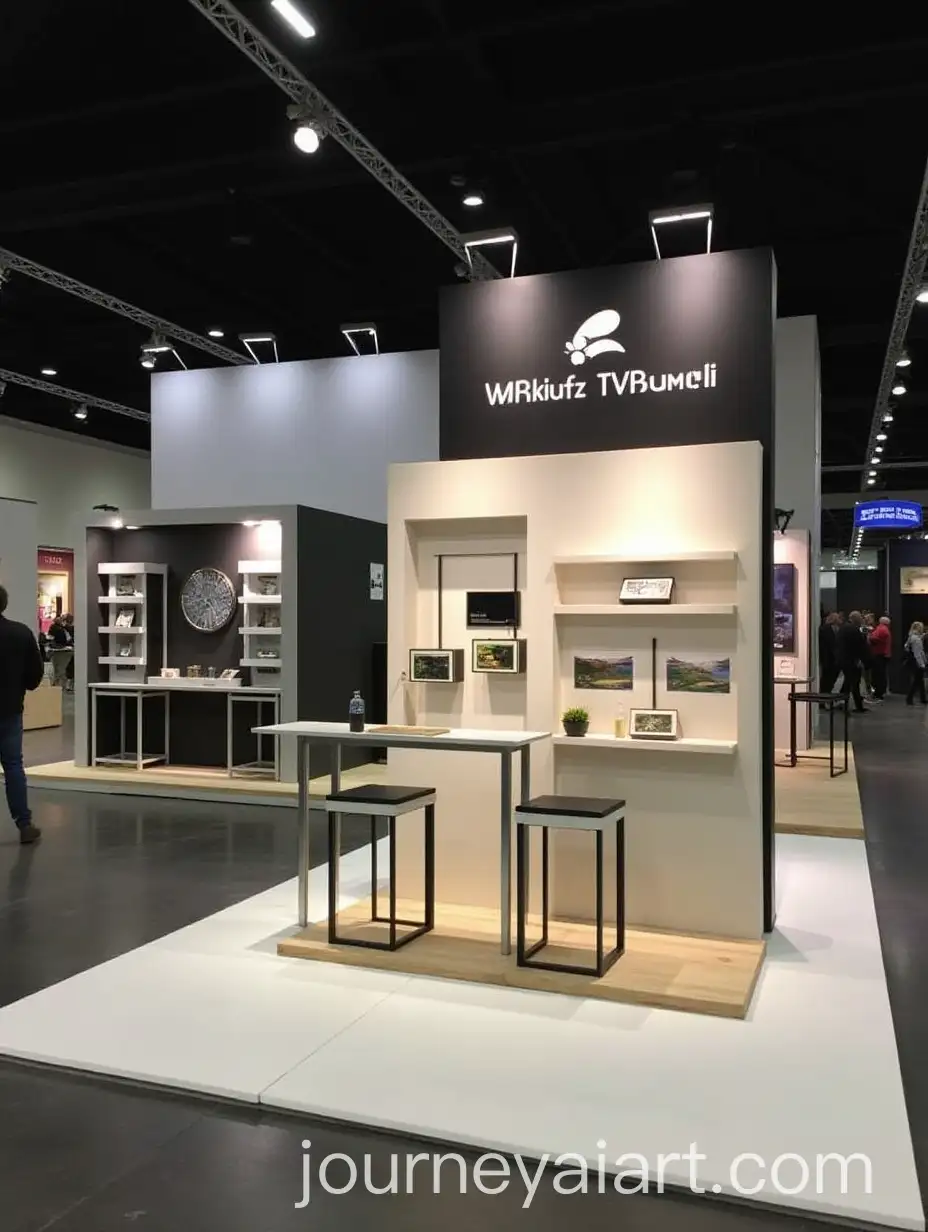
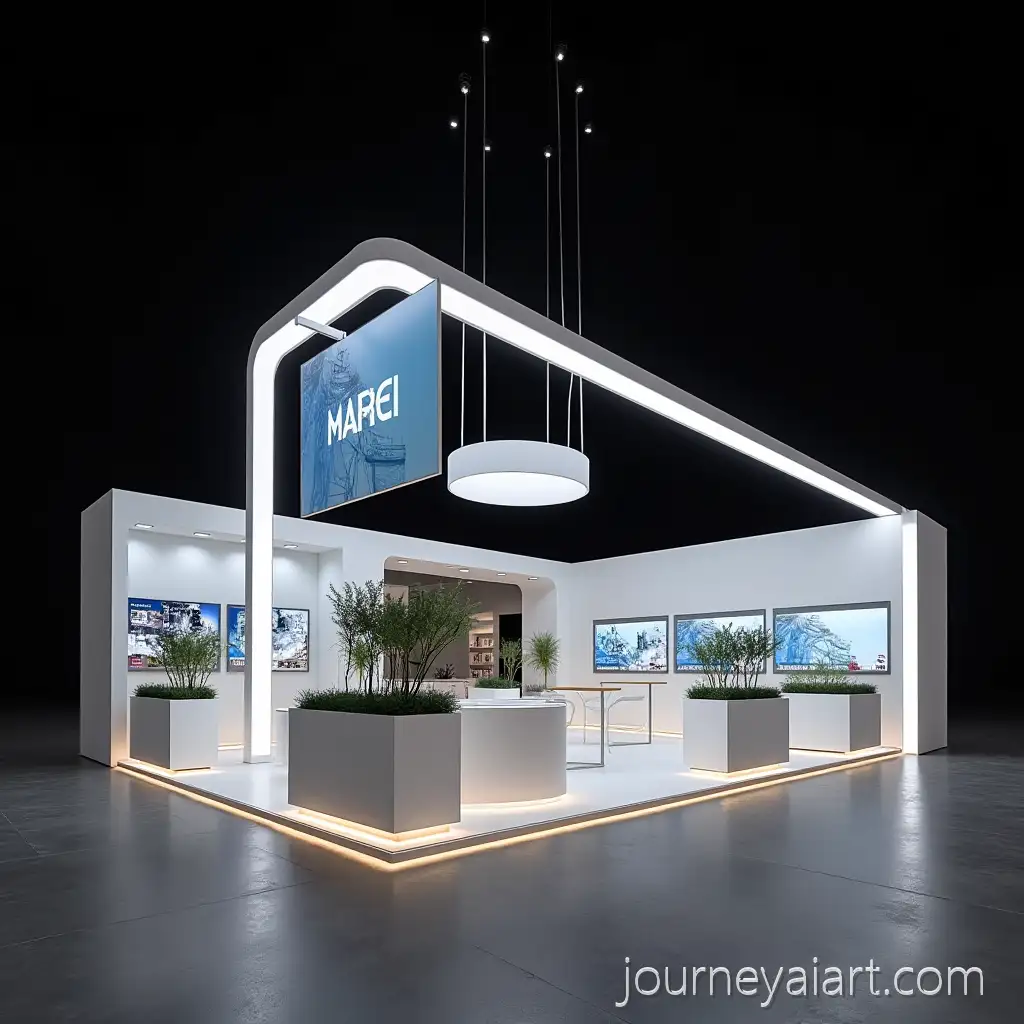
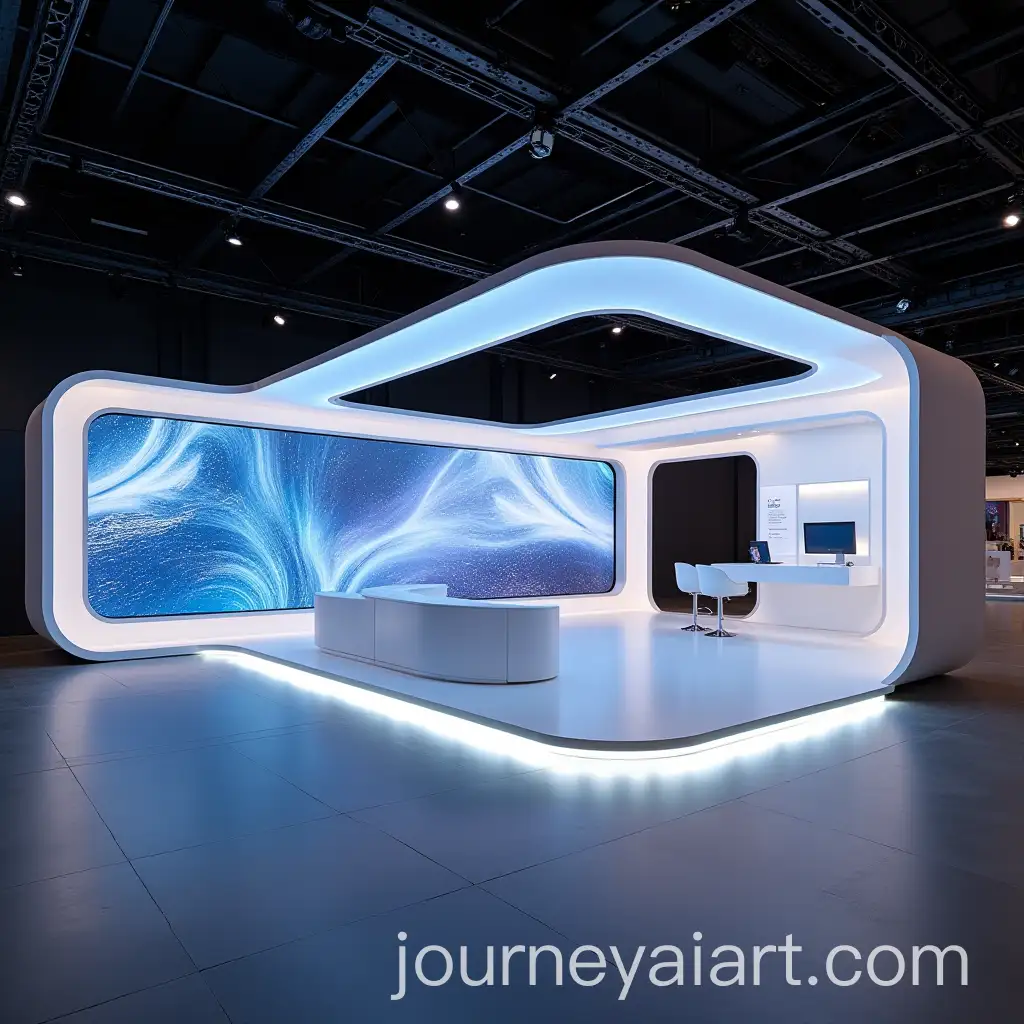
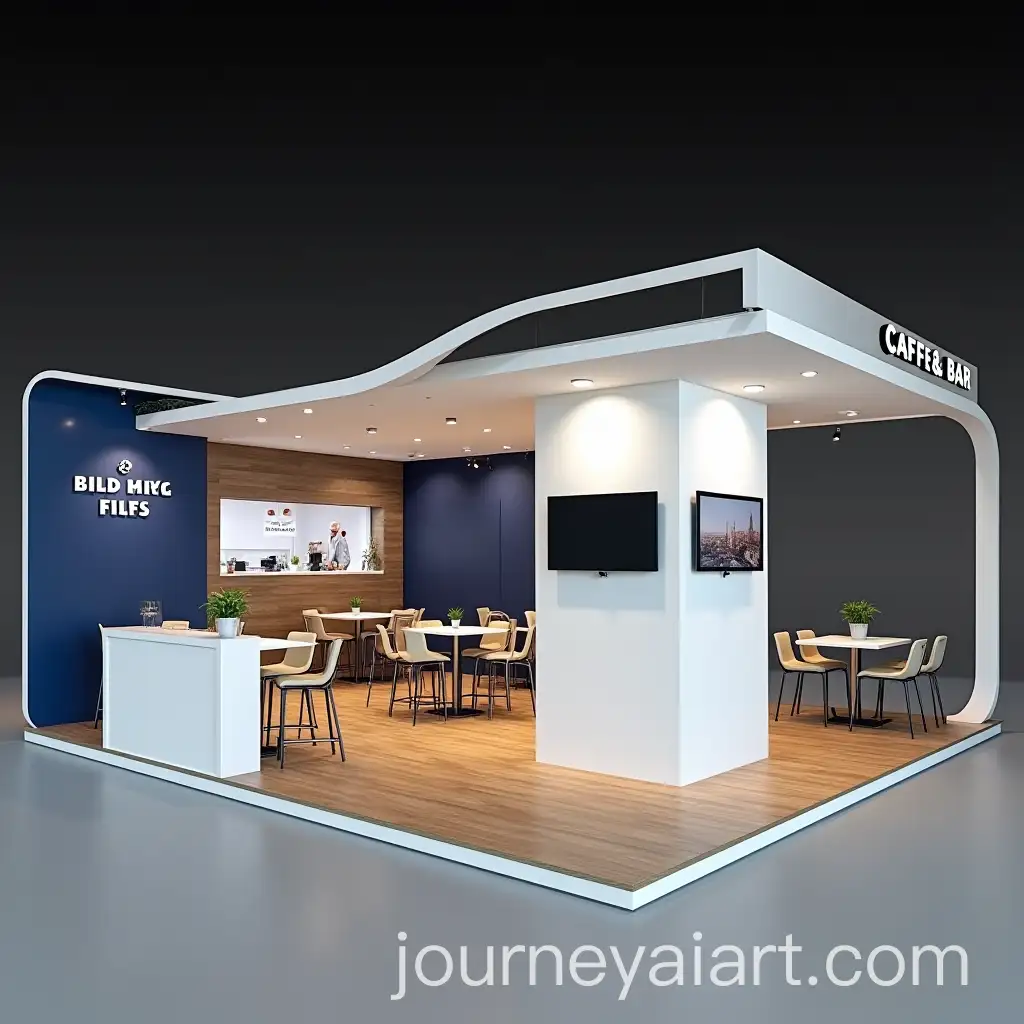
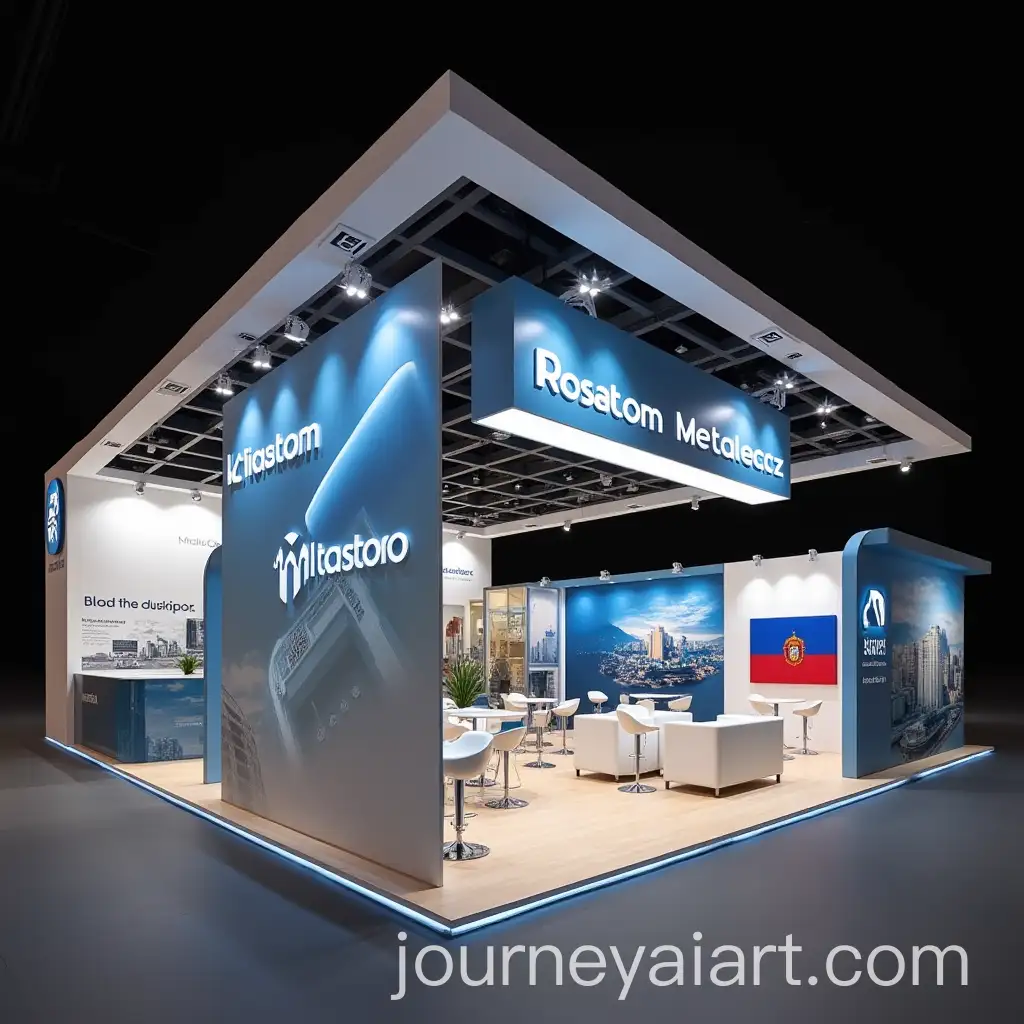
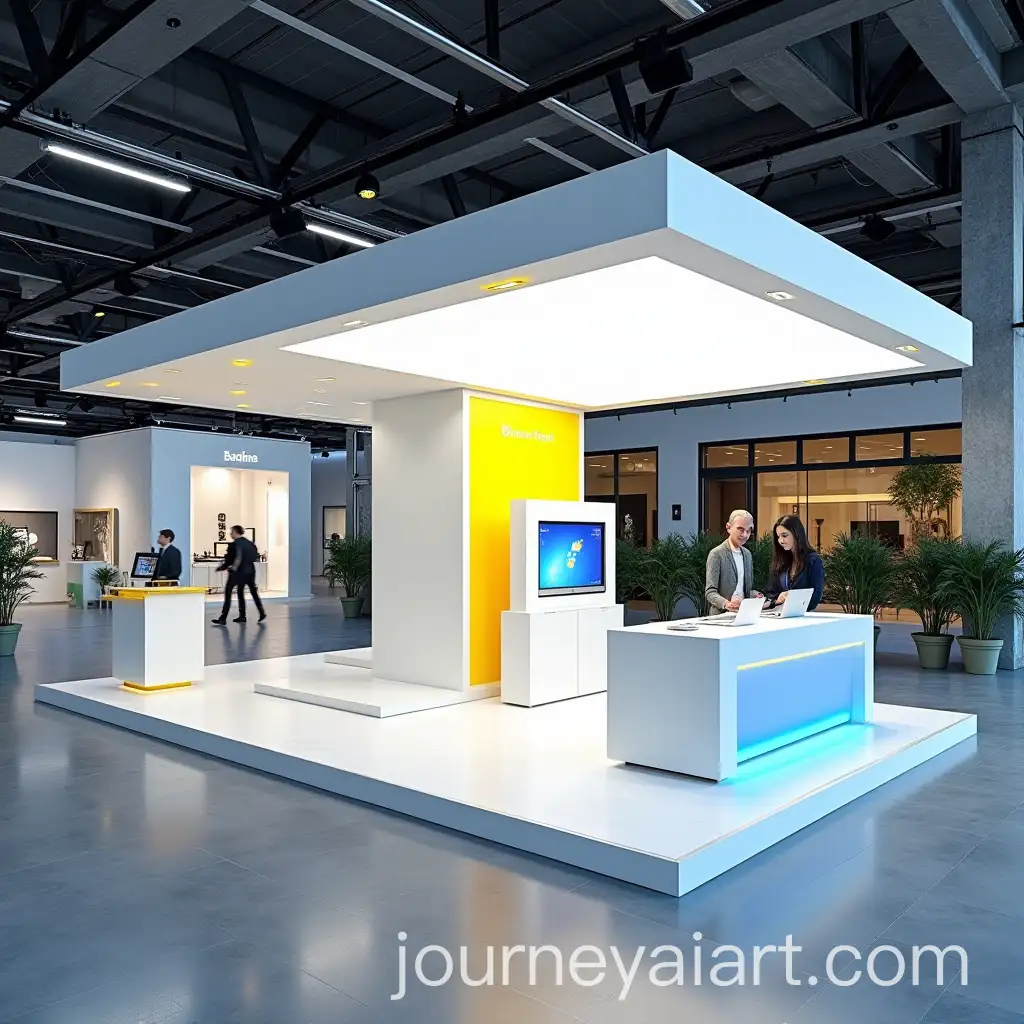
Exhibition Architecture focuses on designing spaces specifically for showcasing art, products, or information in a public or private setting. This field combines traditional architectural principles with innovative display techniques, aiming to create environments that enhance the viewer's experience and engage the audience. Whether for museums, trade shows, art galleries, or corporate events, Exhibition Architecture is concerned with how space, light, and material choices influence the presentation and perception of exhibits. The designs often involve modular structures, interactive elements, and flexible configurations to adapt to different types of exhibitions and the needs of diverse audiences.
What is Exhibition Architecture? Understanding the Field
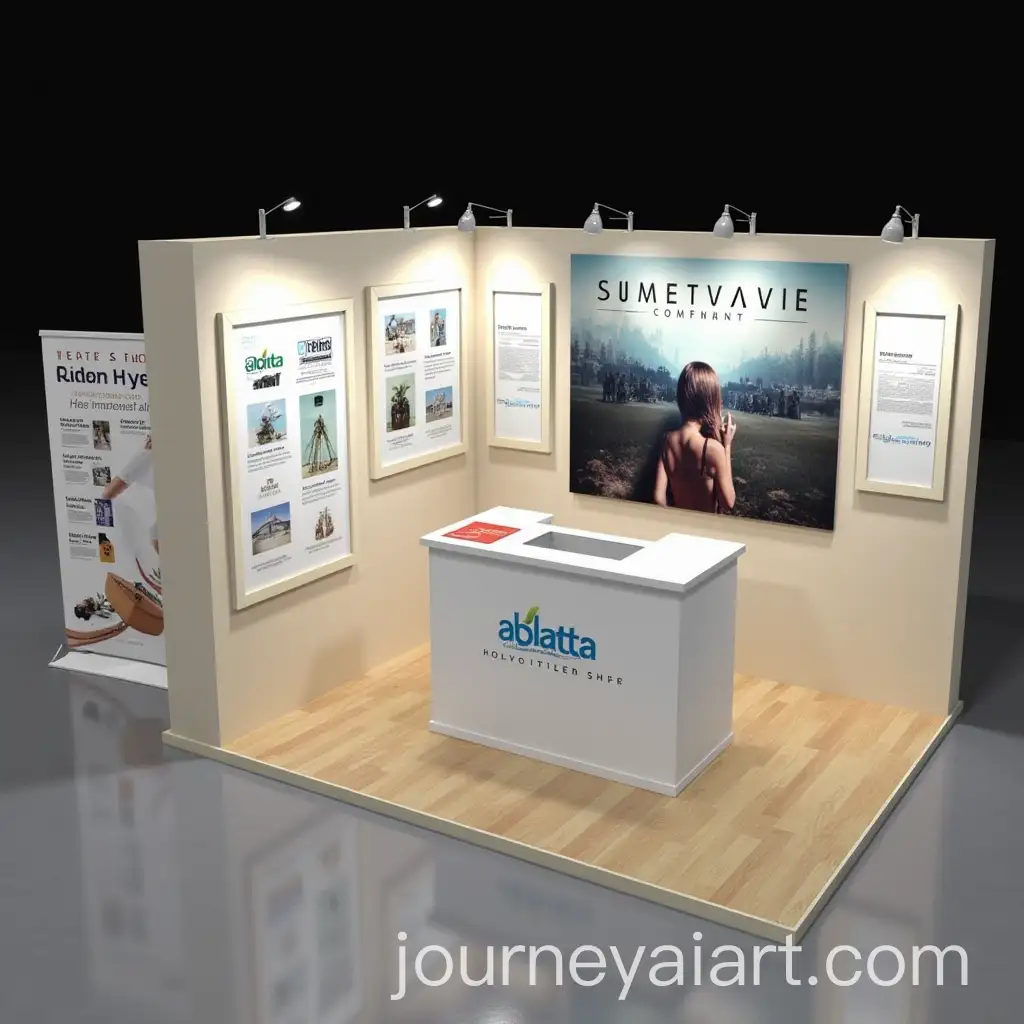
Exhibition Architecture is characterized by its focus on functionality, aesthetics, and interaction. Key elements include adaptable layouts, the strategic use of lighting, innovative materials, and attention to visitor flow. These spaces are designed to accommodate varying exhibit types—from fine art to interactive technology and product showcases. In addition to museums and galleries, this architecture is widely applied in temporary structures such as trade show booths, pop-up galleries, and exhibition halls. The design process often involves collaboration between architects, curators, and designers to ensure that the architecture complements and enhances the exhibit itself, offering a unique experience for every visitor.
Key Characteristics and Applications of Exhibition Architecture
Some of the most iconic examples of Exhibition Architecture include the Tate Modern in London, designed by Herzog & de Meuron, and the Louvre's glass pyramid entrance by Ieoh Ming Pei. These spaces are notable for their ability to blend historical architecture with contemporary design elements. Similarly, the Serpentine Pavilion in London, designed by various renowned architects each year, exemplifies temporary exhibition architecture that pushes boundaries. The success of these spaces lies in their ability to adapt to different types of exhibitions while providing a seamless experience for visitors, proving that well-designed exhibition architecture can be a work of art in itself.
Prominent Examples of Exhibition Architecture in the Modern Era
Exhibition Architecture is continually evolving with technological advances and shifting cultural demands. In the future, expect to see more immersive and interactive exhibition spaces, where digital technologies like augmented reality (AR) and virtual reality (VR) enhance the visitor experience. Sustainable design is also becoming a key focus, with architects incorporating eco-friendly materials and energy-efficient technologies into exhibition spaces. Modular and flexible designs are expected to dominate, allowing exhibition spaces to quickly adapt to various themes and exhibit types. The integration of smart technology will also influence exhibition architecture, enabling real-time adjustments to lighting, temperature, and layout to optimize visitor engagement and interaction.
The Future of Exhibition Architecture: Trends and Innovations