12 Free European Neoclassical architecture Midjourney AI images
Explore our collection of 12 free AI-generated images under the tag 'European Neoclassical architecture'. This page offers a diverse array of visuals, including stock photos, 3D objects, vectors, and illustrations. Each image is available for high-resolution download, and users can click 'open in editor' on any image detail page to adjust the prompt and regenerate the image to suit their needs.





Related Tags
European Neoclassical architecture emerged in the mid-18th century as a reaction against the ornate style of the Baroque and Rococo periods. Inspired by the classical architecture of ancient Greece and Rome, this movement emphasized simplicity, symmetry, and proportion. Key characteristics include the use of columns, domes, and triangular pediments, which reflect the ideals of the Enlightenment era, focusing on reason and order. Notable examples include the Pantheon in Paris and the Brandenburg Gate in Berlin.
The Origins and Historical Context of European Neoclassical Architecture
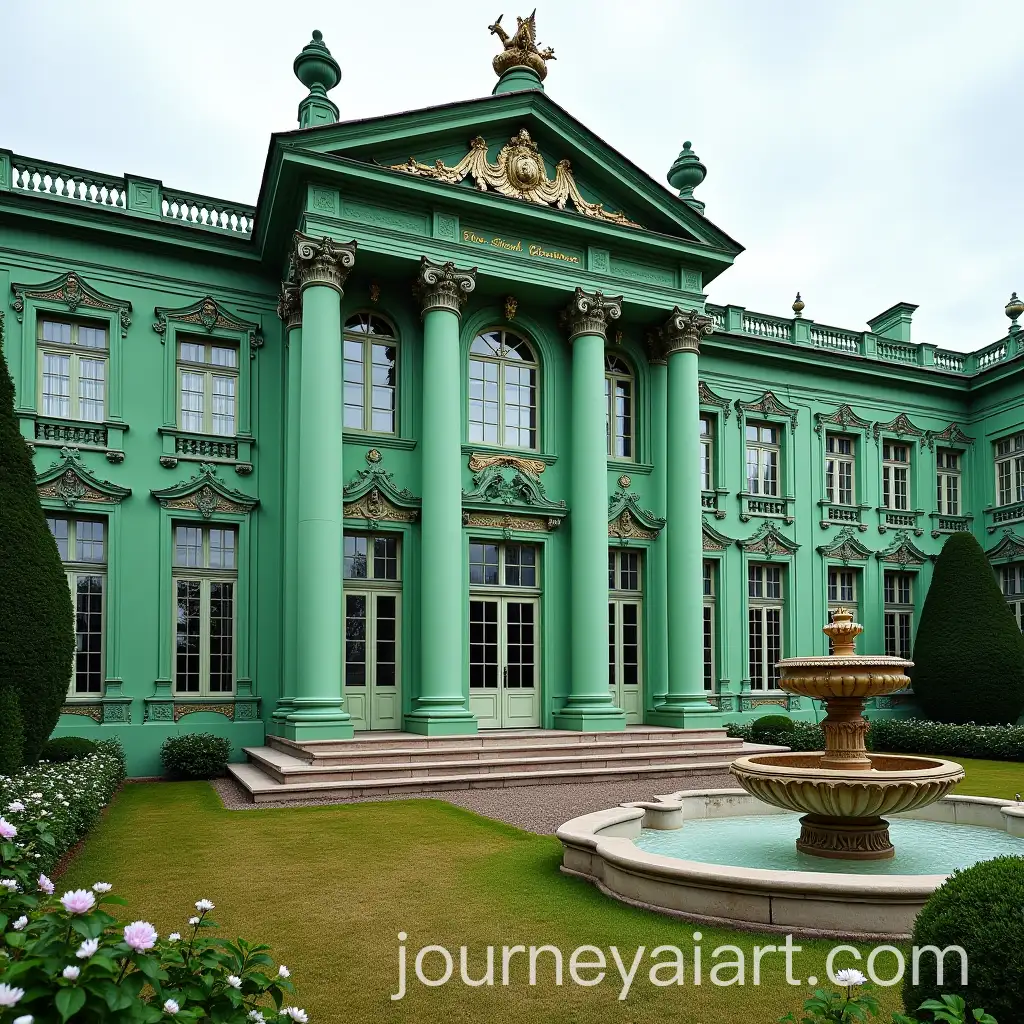
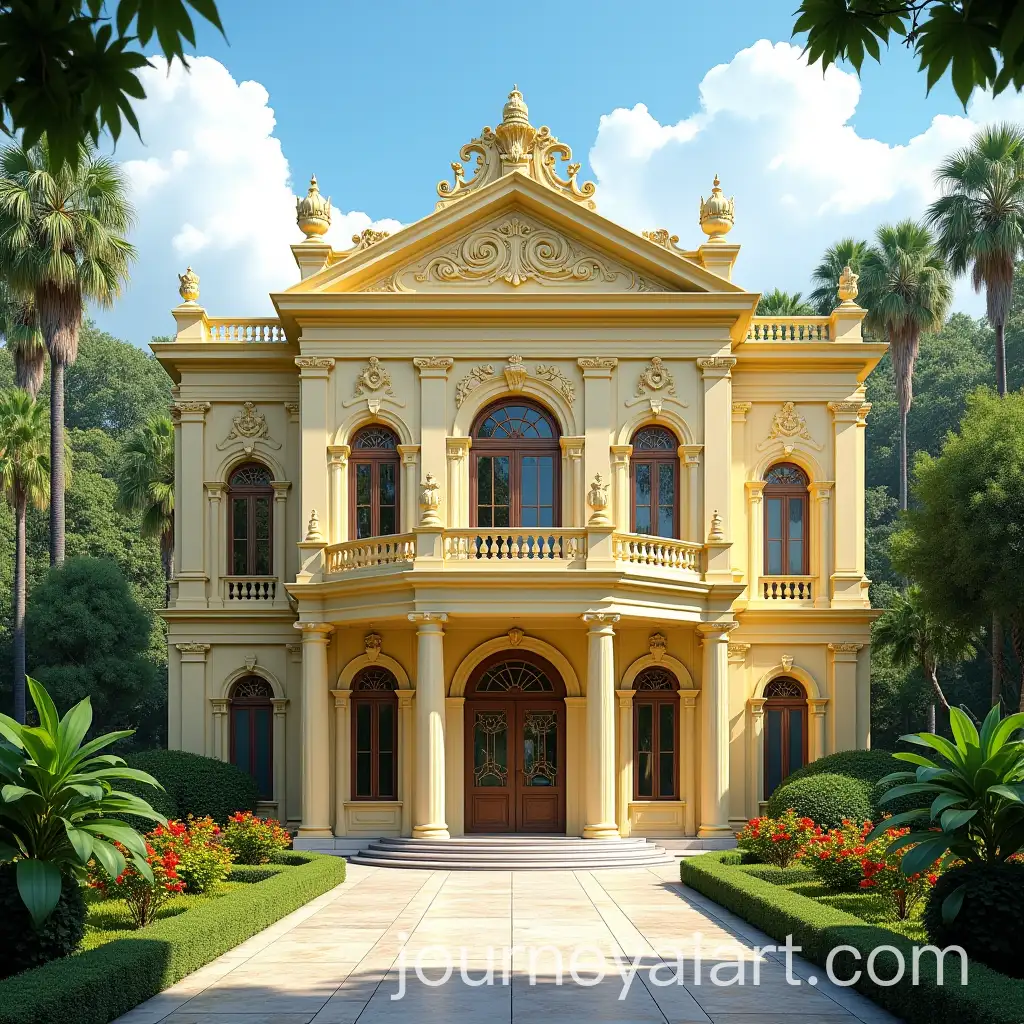
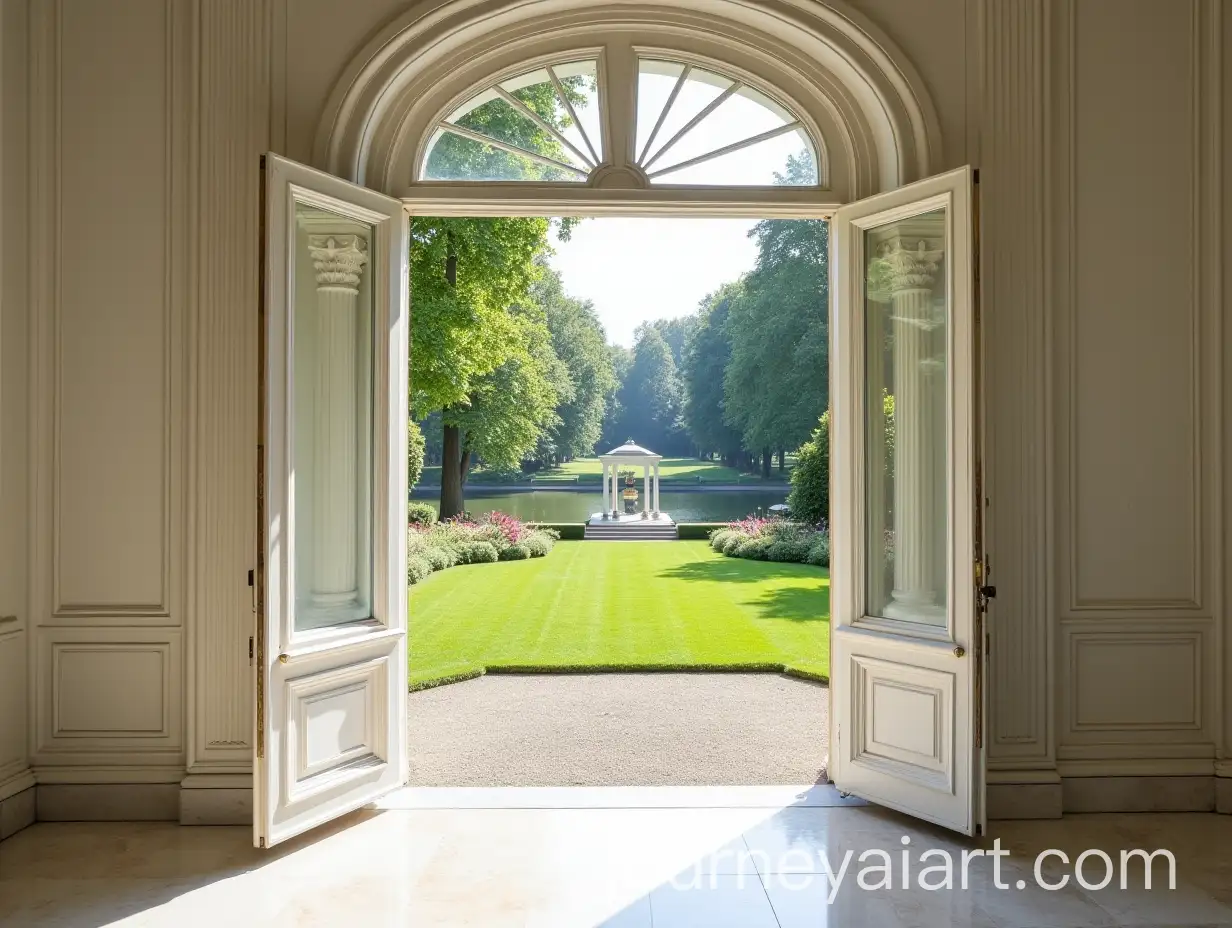
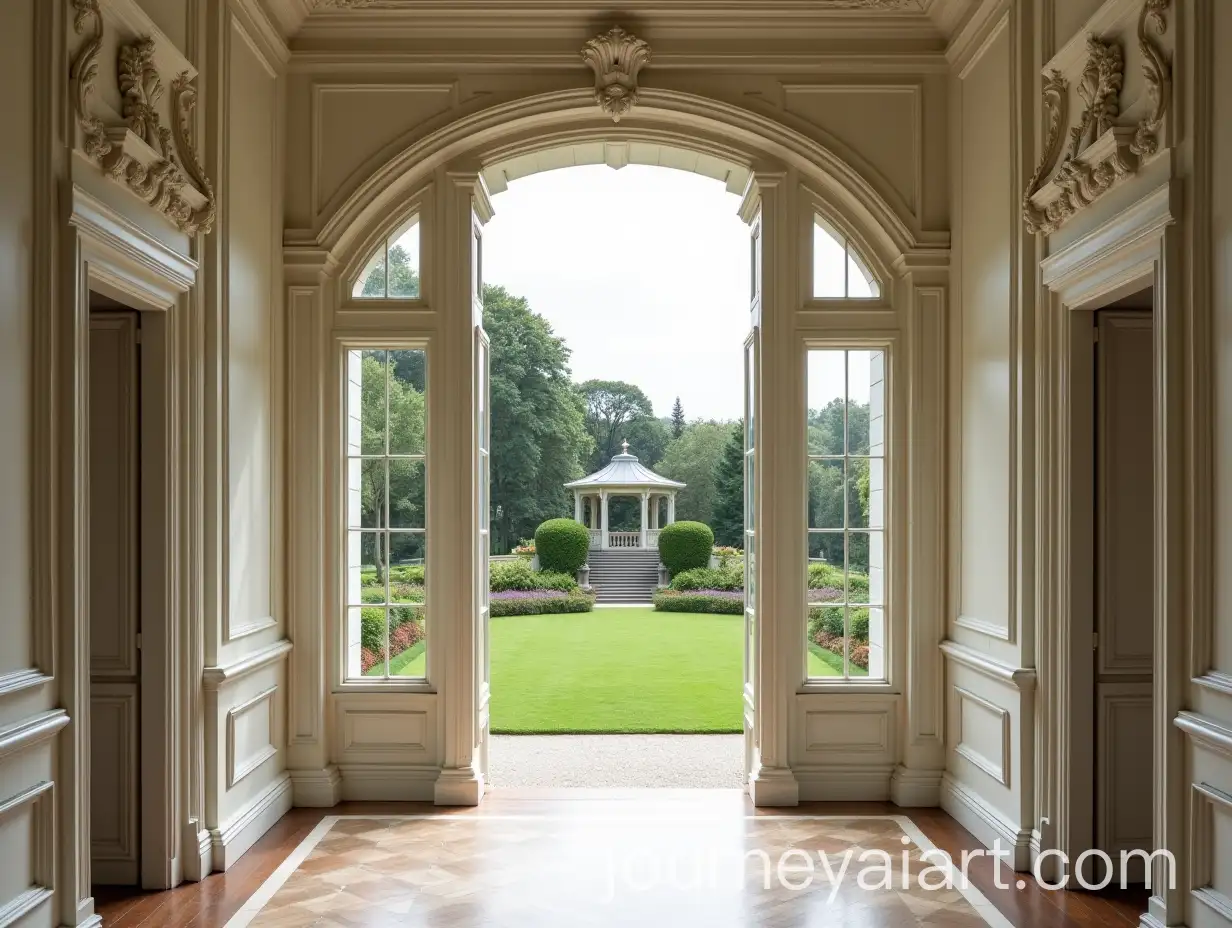
Neoclassical architecture is defined by its grandeur and adherence to classical principles. Buildings typically feature a symmetrical façade, often adorned with columns or pilasters, and a triangular pediment. Interiors are marked by grand staircases, large open spaces, and the use of high-quality materials such as marble. This style was popular for both public buildings and private residences, serving as a symbol of stability and power. The focus on clean lines and minimal ornamentation sets it apart from the more decorative Baroque style that preceded it.
Key Characteristics and Common Elements in Neoclassical Architecture
The Neoclassical movement saw the rise of several influential architects whose works have become landmarks. Among them, John Soane is known for his innovative designs in London, including the Bank of England and his own house, now the Sir John Soane's Museum. Another prominent figure is Karl Friedrich Schinkel, whose works in Berlin, such as the Altes Museum, exemplify the grandeur and order of Neoclassical design. These architects not only shaped the aesthetic of their time but also influenced subsequent generations of designers and builders.
Influential Works and Architects of the Neoclassical Movement
Neoclassical architecture continues to influence modern design, particularly in governmental and institutional buildings. The emphasis on symmetry, proportion, and the use of classical elements can be seen in the design of modern courthouses, museums, and universities. This enduring style is appreciated for its timeless elegance and its ability to convey a sense of order and stability. Additionally, Neoclassical principles are often integrated into contemporary architecture, creating a bridge between the past and present.
The Lasting Influence of Neoclassical Architecture on Modern Design