6 Free Erlenmeyer Flask Midjourney AI images
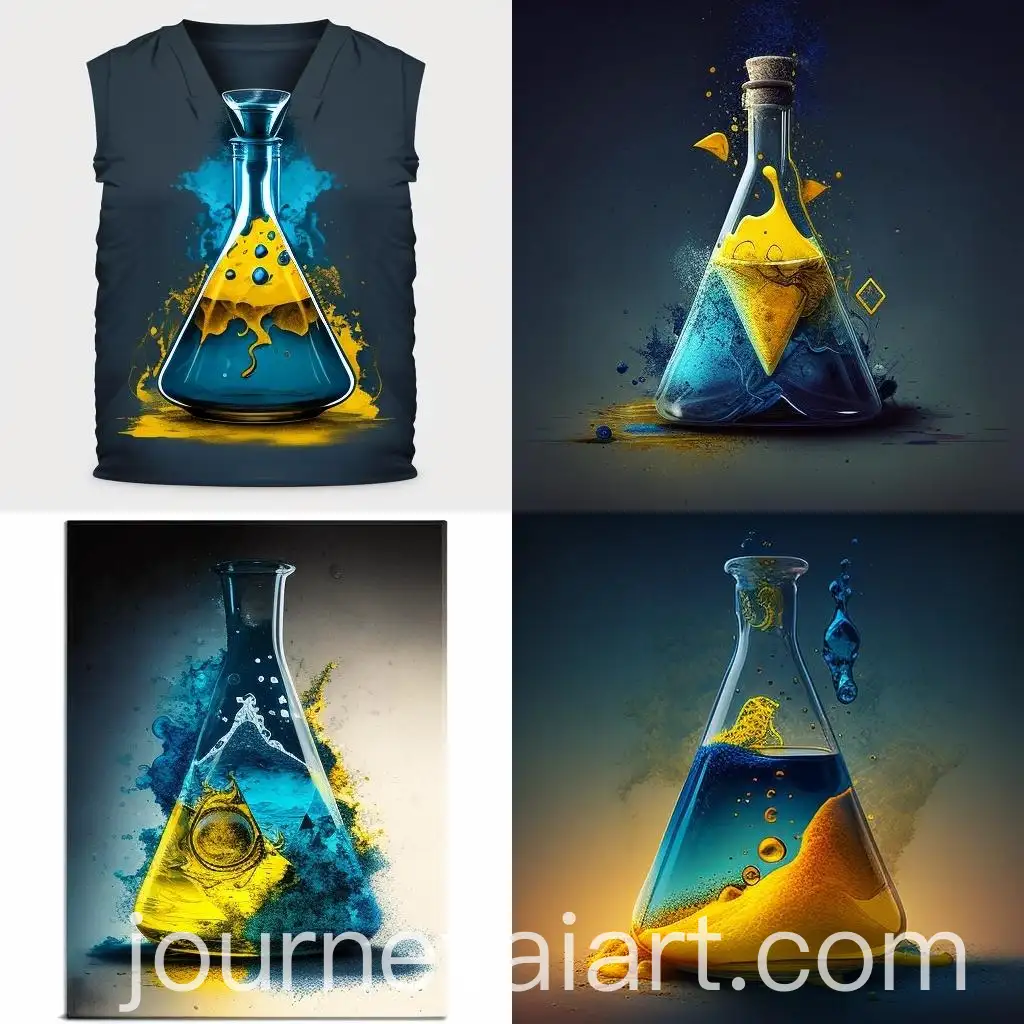
Discover a comprehensive collection of 6 free AI-generated images under the tag 'Erlenmeyer Flask.' This page features a diverse selection of high-resolution images, including stock photos, 3D objects, vectors, and illustrations, all showcasing the iconic Erlenmeyer flask. Users can easily download these images and utilize the 'open in editor' feature on the image detail page, allowing for prompt adjustments to regenerate their desired image.





Related Tags
The Erlenmeyer flask, also known as the conical flask, was invented by the German chemist Emil Erlenmeyer in 1860. This piece of laboratory glassware has a distinctive shape with a wide base that tapers into a narrow neck, making it ideal for mixing and heating chemicals without the risk of spillage. Over the years, it has become an essential tool in scientific research, teaching, and chemical analysis due to its practicality and versatility. Its design facilitates easy handling and swirling of liquids, making it a staple in chemistry labs worldwide.
Understanding the Erlenmeyer Flask and Its Historical Significance
Erlenmeyer flasks are distinguished by their flat-bottomed, conical shape and graduated markings along the side. They are typically made of glass, which can withstand high temperatures and resist chemical corrosion, making them ideal for various laboratory applications. Modern uses extend beyond simple mixing and heating; they are crucial in culturing media, conducting titrations, and carrying out chemical reactions. In industrial settings, Erlenmeyer flasks are also employed for fermentation processes in biotechnology and microbiology, demonstrating their adaptability to different scientific fields.
Key Characteristics and Modern Applications of Erlenmeyer Flasks
While the classic Erlenmeyer flask is the most widely recognized, there are several variations designed to meet specific needs. Some feature a side arm, used in vacuum filtration setups, allowing for the secure attachment of tubes and hoses. Others are designed with a stoppered or capped neck for storing liquids or preventing contamination. Modern variations include plastic Erlenmeyer flasks, which are lighter and more durable, offering a practical alternative to traditional glassware in certain settings. These design innovations ensure that Erlenmeyer flasks remain relevant and useful in various laboratory environments.
Different Styles and Variations of Erlenmeyer Flasks in Design
As laboratory technology advances, the design and functionality of Erlenmeyer flasks are also evolving. One emerging trend is the integration of digital sensors and connectivity features, enabling real-time monitoring of temperature, pH, and other parameters during experiments. These smart flasks provide scientists with more precise control and data collection, enhancing the accuracy of experimental results. Additionally, the use of sustainable materials and eco-friendly manufacturing processes is becoming more prevalent, reflecting a growing emphasis on environmental responsibility in scientific research and product design.
Future Trends in Erlenmeyer Flask Design and Technology