50 Free Emotional intelligence Midjourney AI images
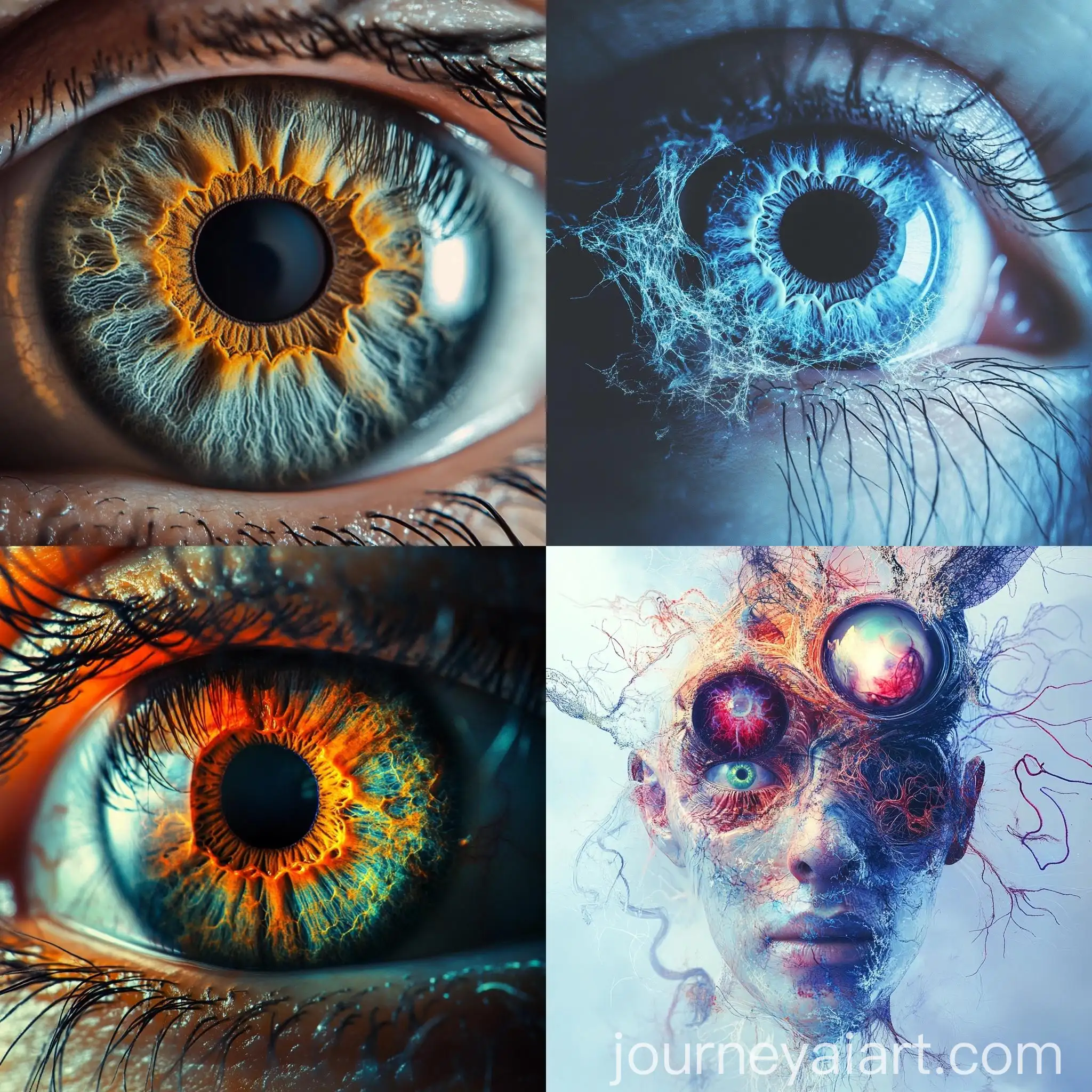
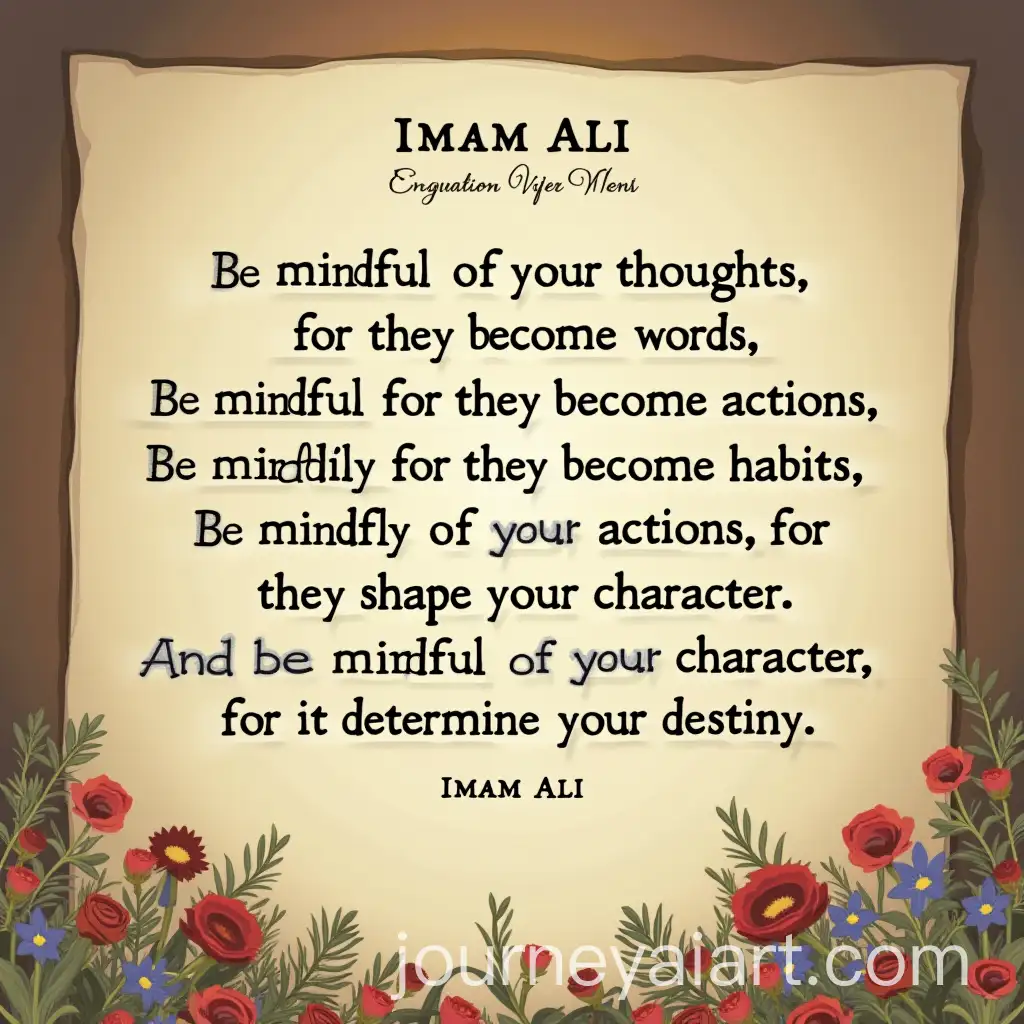
Welcome to our Emotional Intelligence image collection, showcasing 50 free AI-generated images. Dive into a diverse array of stock photos, 3D objects, vectors, and illustrations that capture the essence of emotional awareness and interpersonal skills. Enjoy high-resolution downloads and utilize our 'open in editor' feature to fine-tune prompts for your ideal image representation of Emotional Intelligence.



































Related Tags
Emotional Intelligence (EI) refers to the ability to recognize, understand, and manage one's own emotions, as well as the emotions of others. Coined by psychologists Peter Salovey and John Mayer in 1990, the concept gained widespread popularity through Daniel Goleman's 1995 book. Key components of EI include self-awareness, self-regulation, motivation, empathy, and social skills. These elements are crucial for effective communication, leadership, and maintaining healthy relationships in both personal and professional contexts.
Understanding Emotional Intelligence: Definition and Key Components
Emotional Intelligence has far-reaching applications across numerous fields. In business, leaders with high EI foster better team dynamics, improve employee satisfaction, and drive organizational success. In education, EI-focused curricula help students develop crucial life skills, enhance academic performance, and prepare for future challenges. Healthcare professionals with strong EI provide better patient care and experience reduced burnout. In personal relationships, EI contributes to more meaningful connections, better conflict resolution, and increased overall life satisfaction. The versatility of EI makes it a valuable skill set in nearly every aspect of life.
Applications of Emotional Intelligence in Various Fields
Several tools and methodologies have been developed to measure Emotional Intelligence. Popular assessments include the Mayer-Salovey-Caruso Emotional Intelligence Test (MSCEIT), the Emotional Quotient Inventory (EQ-i), and the Emotional and Social Competency Inventory (ESCI). These tests evaluate various aspects of EI, providing insights into an individual's strengths and areas for improvement. Developing EI is a lifelong process that involves self-reflection, mindfulness practices, active listening, empathy exercises, and continuous learning. Many organizations now offer EI training programs to enhance these skills in their workforce, recognizing the significant impact on personal and professional success.
Measuring and Developing Emotional Intelligence
As we progress further into the digital age, the importance of Emotional Intelligence is becoming increasingly evident. With the rise of artificial intelligence and automation, uniquely human skills like empathy, creativity, and emotional understanding are gaining more value in the workplace. Future trends in EI research and application include the integration of EI principles in AI development to create more emotionally intelligent virtual assistants and robots. Additionally, there's growing interest in exploring the intersection of EI and cultural intelligence to foster better global communication and collaboration. As remote work becomes more prevalent, developing 'digital EI' skills to navigate online interactions effectively is emerging as a crucial area of focus.
The Future of Emotional Intelligence in the Digital Age