12 Free Concrete building Midjourney AI images
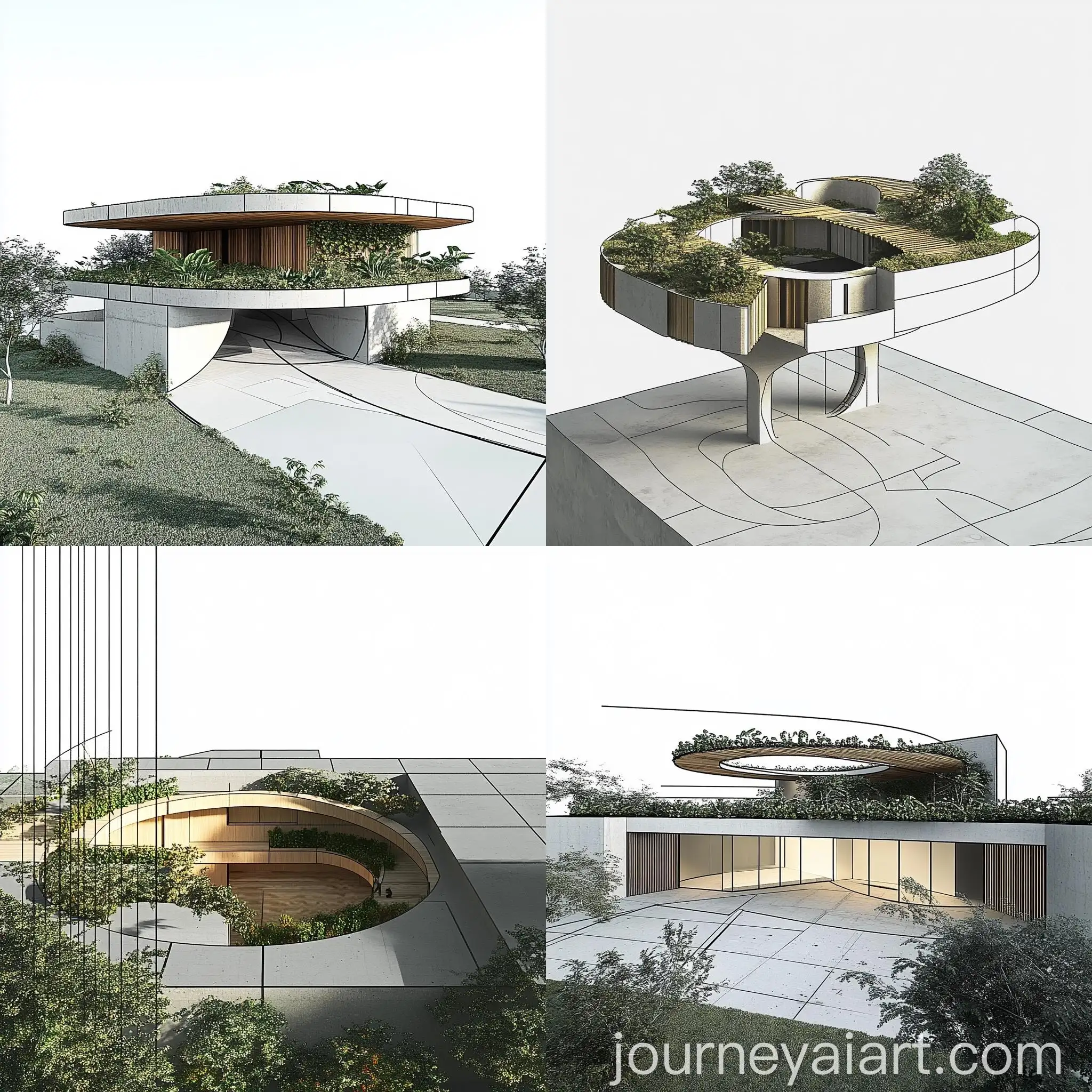
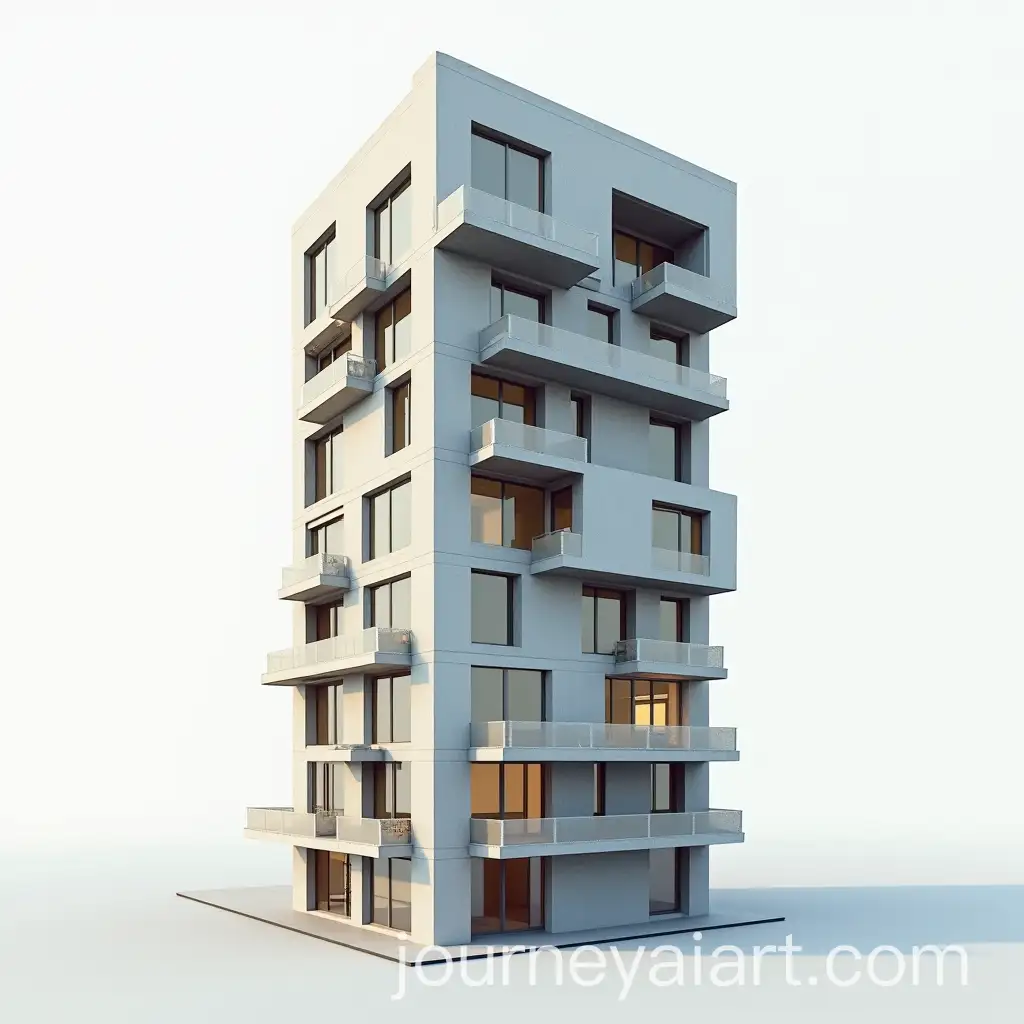
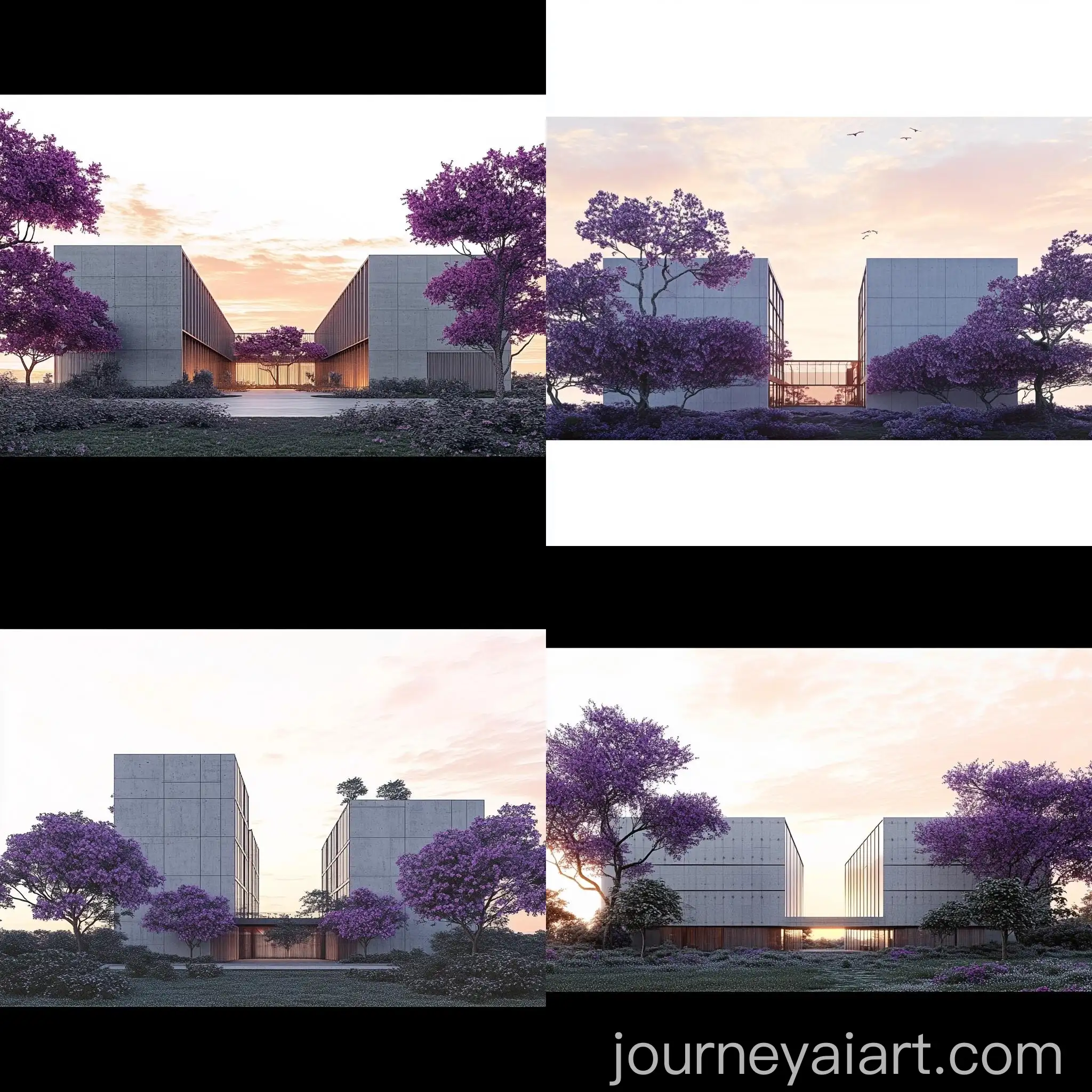
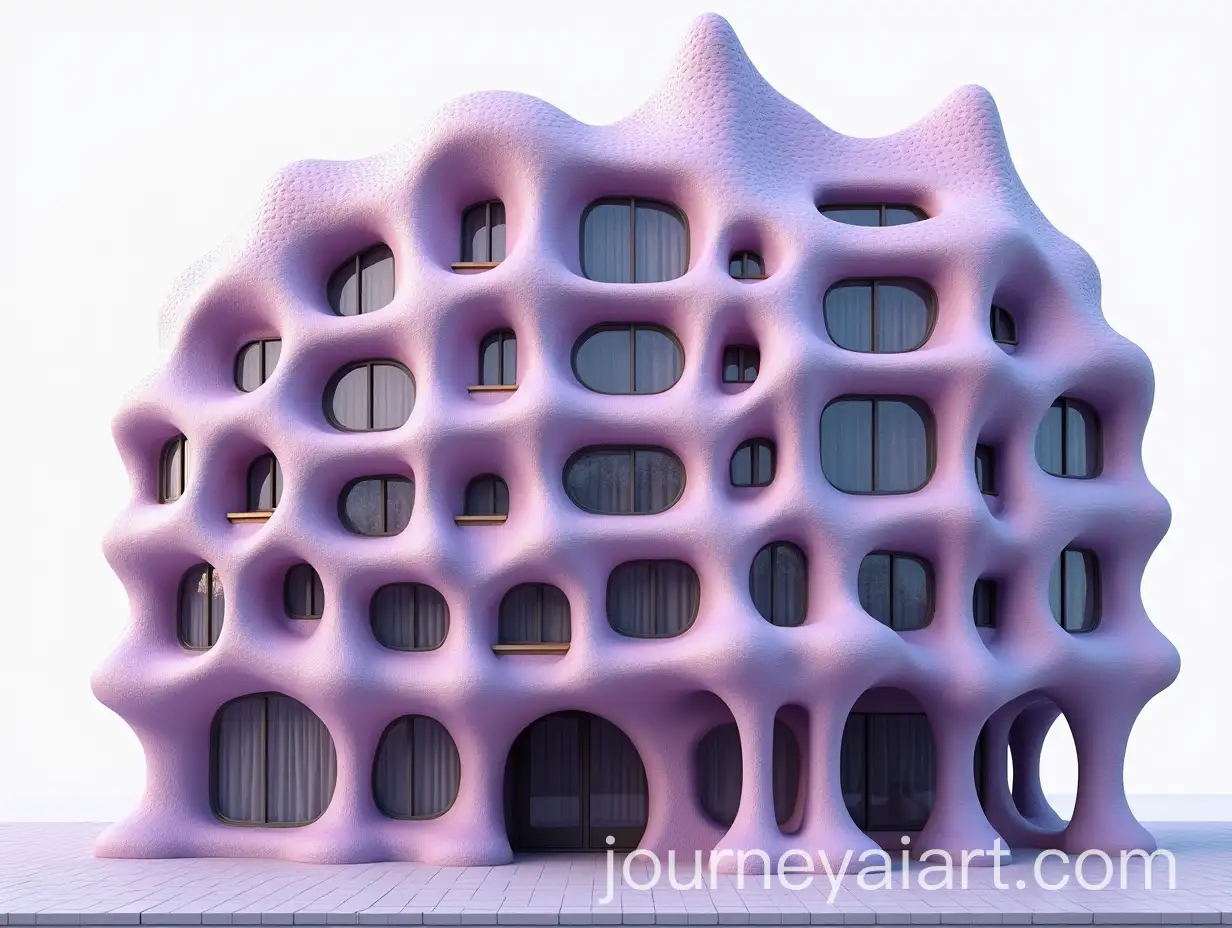
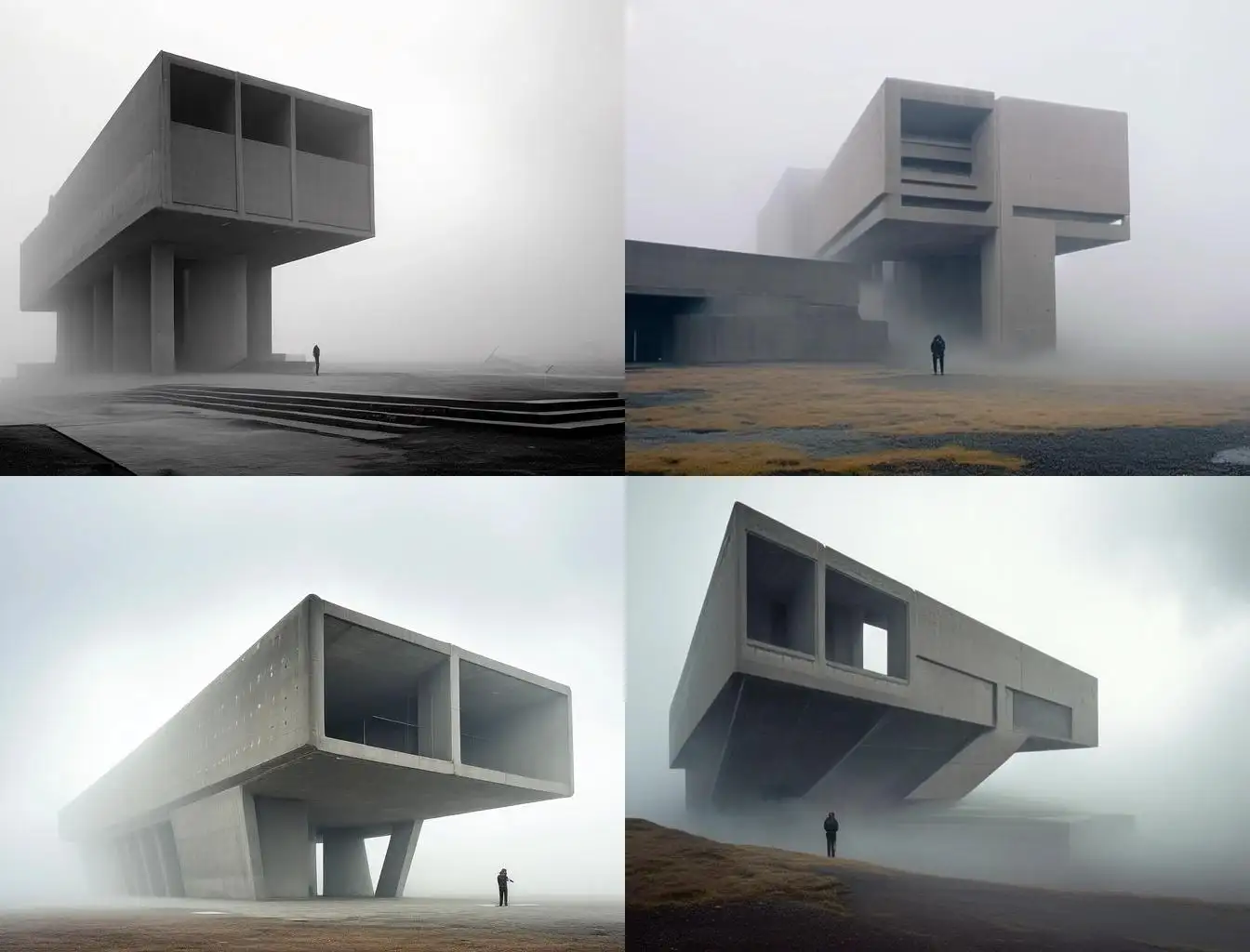
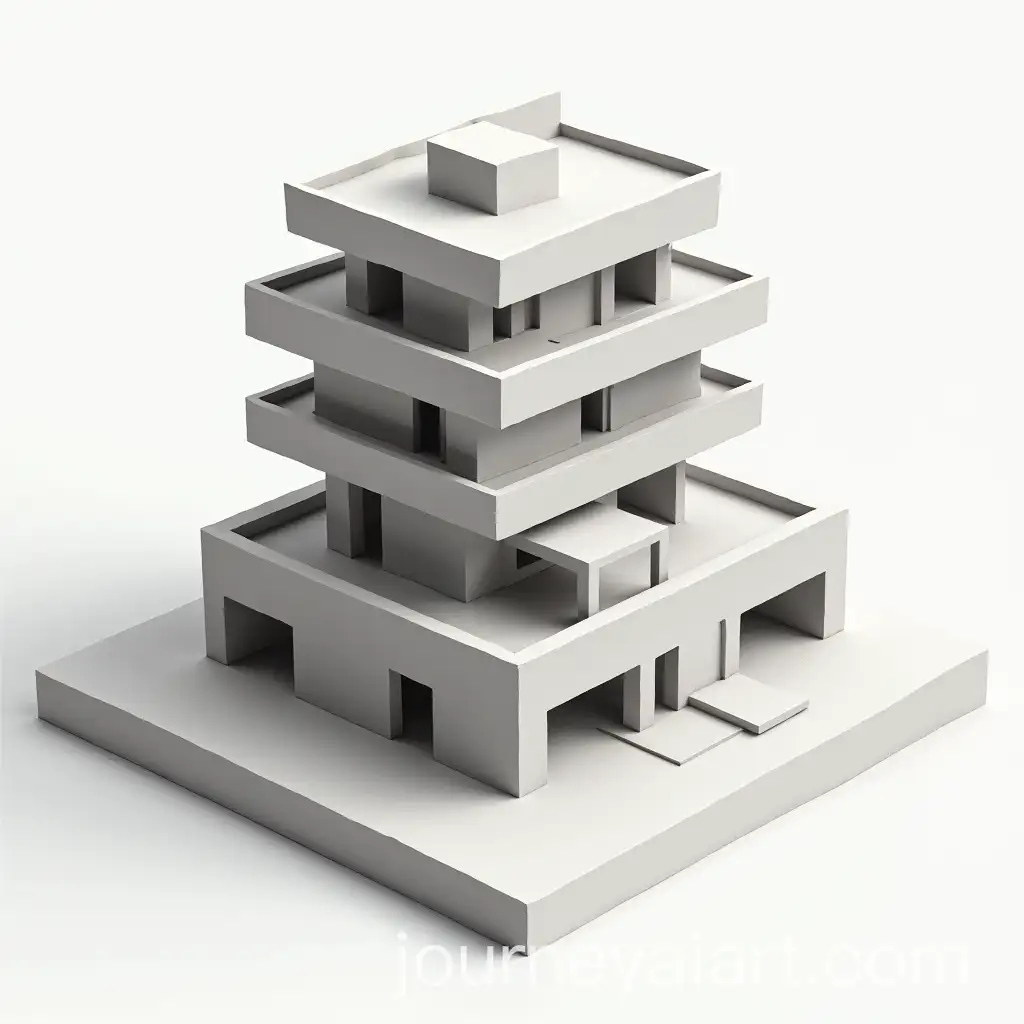
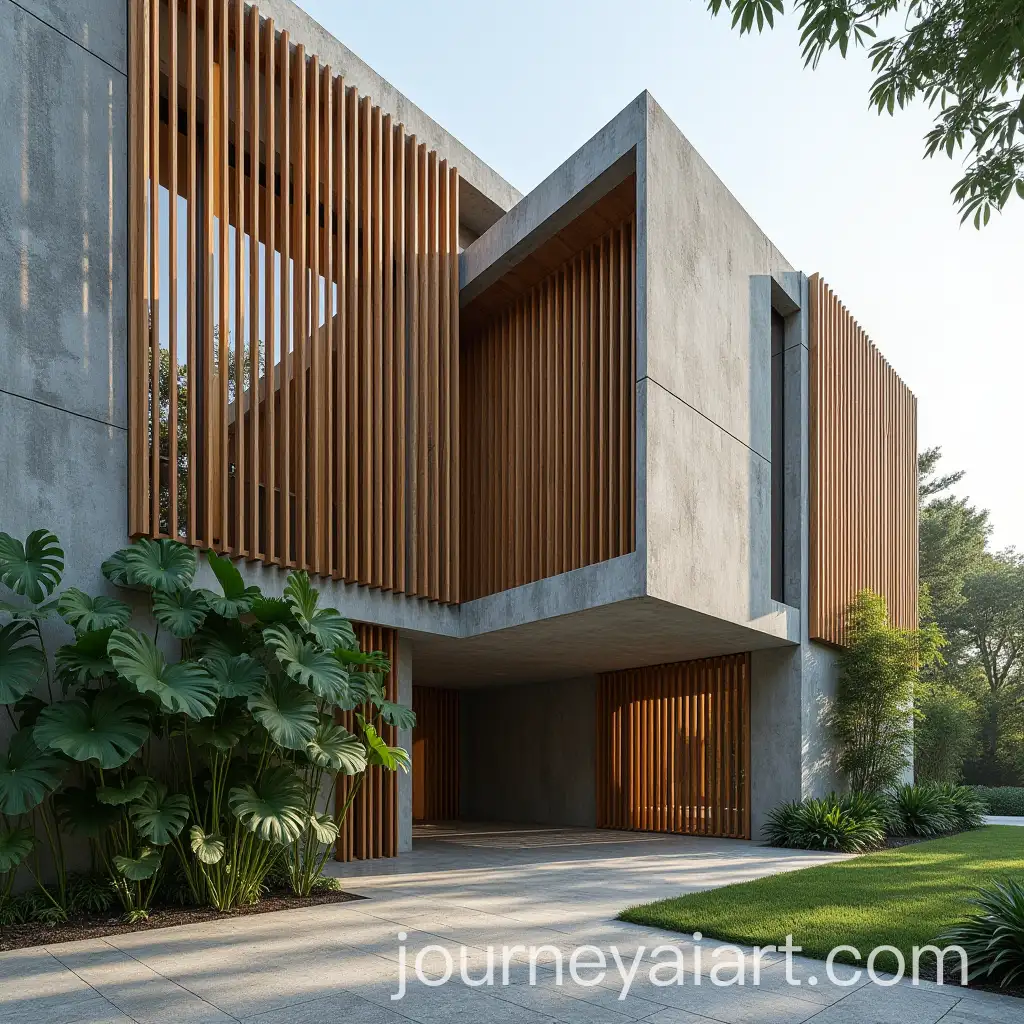
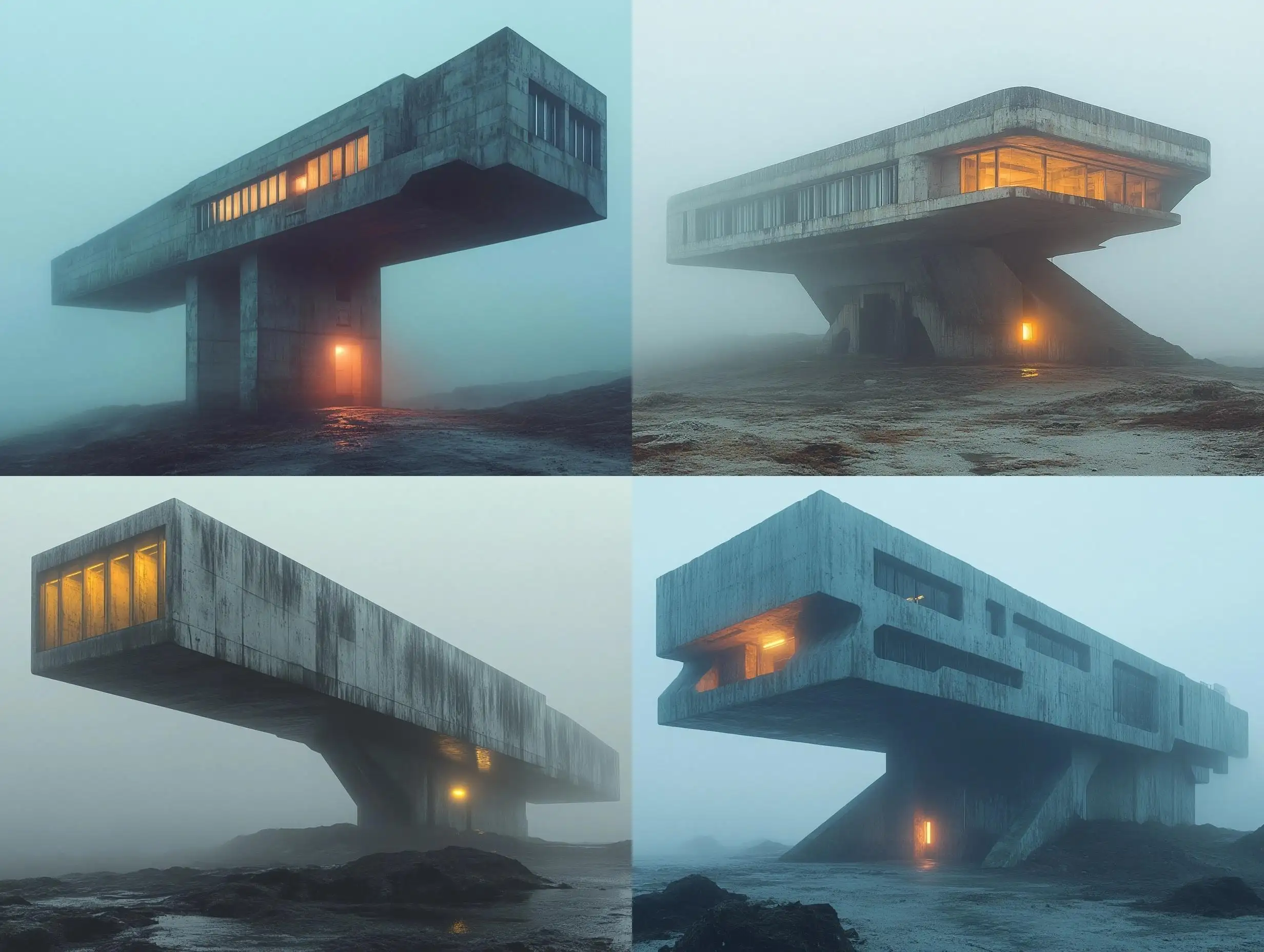
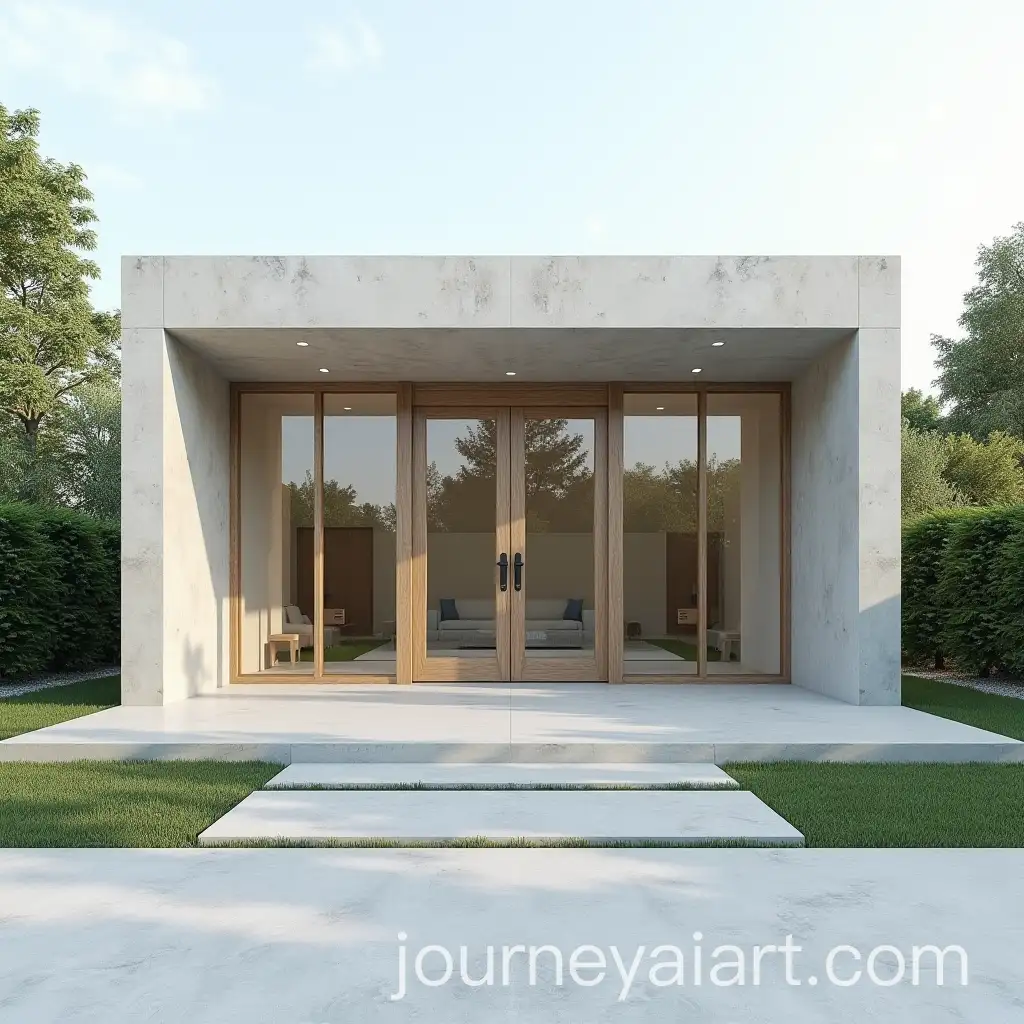
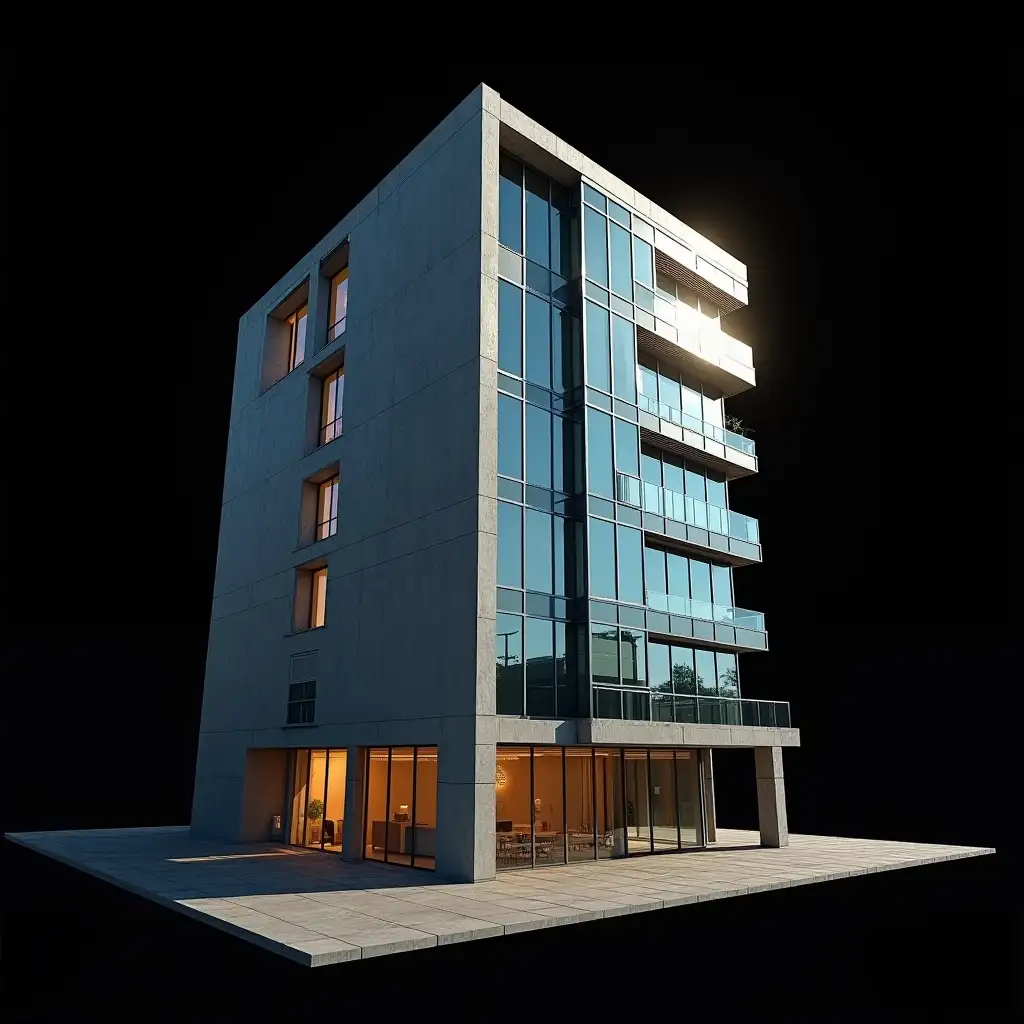
Explore our extensive collection of 12 free AI-generated images under the tag 'Concrete building.' This page features a wide range of visual content, including stock photos, 3D objects, vectors, and illustrations, all showcasing the architectural beauty and versatility of concrete structures. Each image is available in high resolution for download, and users can click on 'open in editor' to customize prompts and regenerate their desired image, ensuring the perfect fit for any project.


Related Tags
Concrete buildings are structures made primarily from concrete, a composite material composed of cement, water, aggregates, and sometimes additives. The use of concrete in architecture dates back to ancient Rome, where it was used in monumental structures like the Pantheon. Over the centuries, the material has evolved, becoming a fundamental element in modern construction due to its strength, durability, and versatility. Concrete buildings can range from sleek, minimalist designs to complex, brutalist structures, reflecting various architectural styles and trends.
Definition and Background of Concrete Buildings in Architecture
Concrete buildings are known for their robustness and ability to withstand harsh environmental conditions, making them ideal for a variety of applications, from residential homes to commercial skyscrapers. The material allows for a wide range of architectural designs, from smooth, polished surfaces to textured, exposed finishes. Its thermal mass properties help in energy efficiency, while its fire-resistant nature enhances safety. Applications of concrete buildings extend beyond mere structures; they include innovative uses in public spaces, bridges, and even artistic installations, showcasing the material's adaptability.
Characteristics and Applications of Concrete Building Designs
Concrete architecture has had a profound impact on modern culture, particularly in urban environments. The rise of brutalism in the mid-20th century brought concrete to the forefront of architectural design, emphasizing raw, unadorned structures that conveyed a sense of strength and honesty. Today, concrete buildings are often associated with modernism and urban sophistication. Iconic structures like Le Corbusier's Unité d'Habitation and Tadao Ando's Church of the Light exemplify the aesthetic and cultural significance of concrete in shaping modern architectural landscapes.
The Influence of Concrete Architecture on Modern Culture
As technology advances, the future of concrete building design is set to evolve with innovations in materials and construction methods. Sustainable concrete alternatives, such as recycled concrete and low-carbon mixes, are being developed to reduce the environmental impact of construction. Additionally, 3D printing technology is revolutionizing the way concrete buildings are designed and constructed, allowing for more complex and customizable forms. The integration of smart technologies into concrete structures, such as embedded sensors and adaptive facades, is also expected to shape the future of urban architecture, making buildings more responsive to their environments and occupants.
Future Trends in Concrete Building Designs and Technology