12 Free British Architecture Midjourney AI images
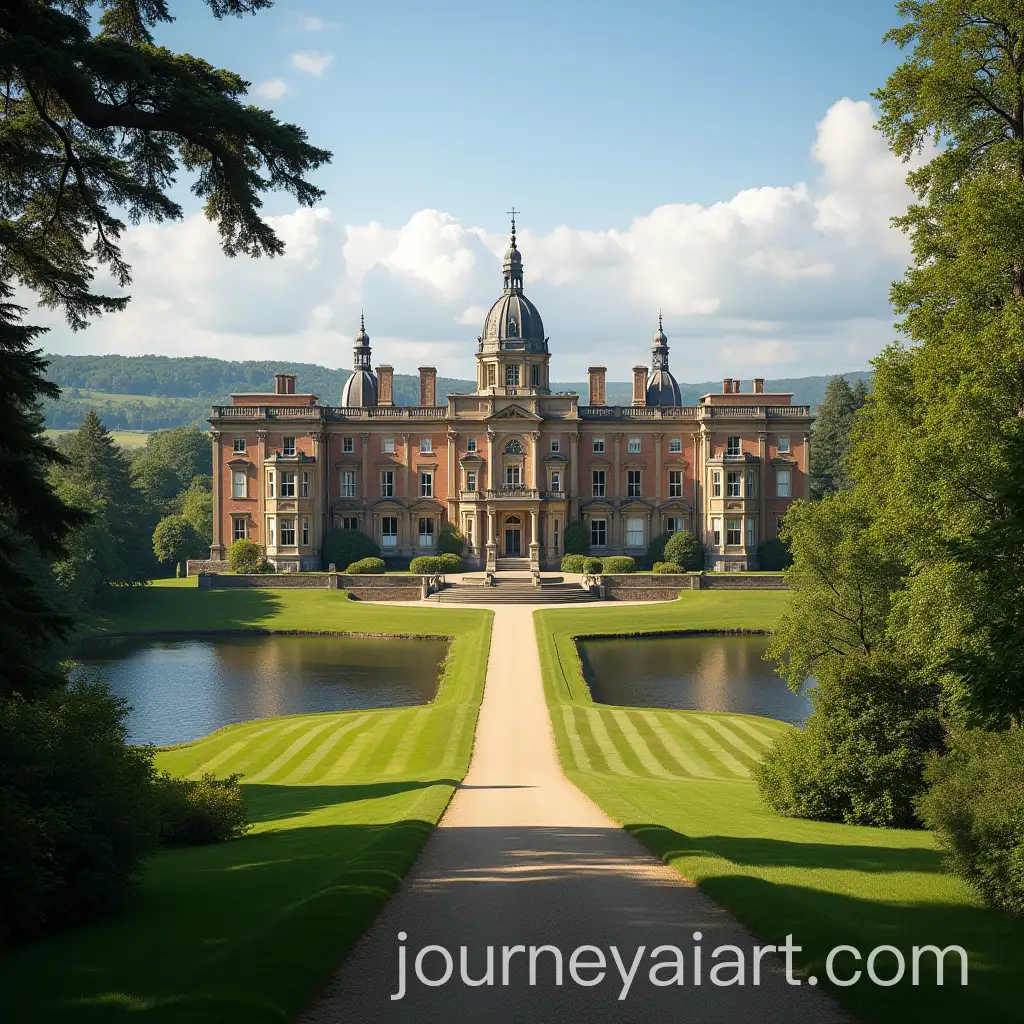
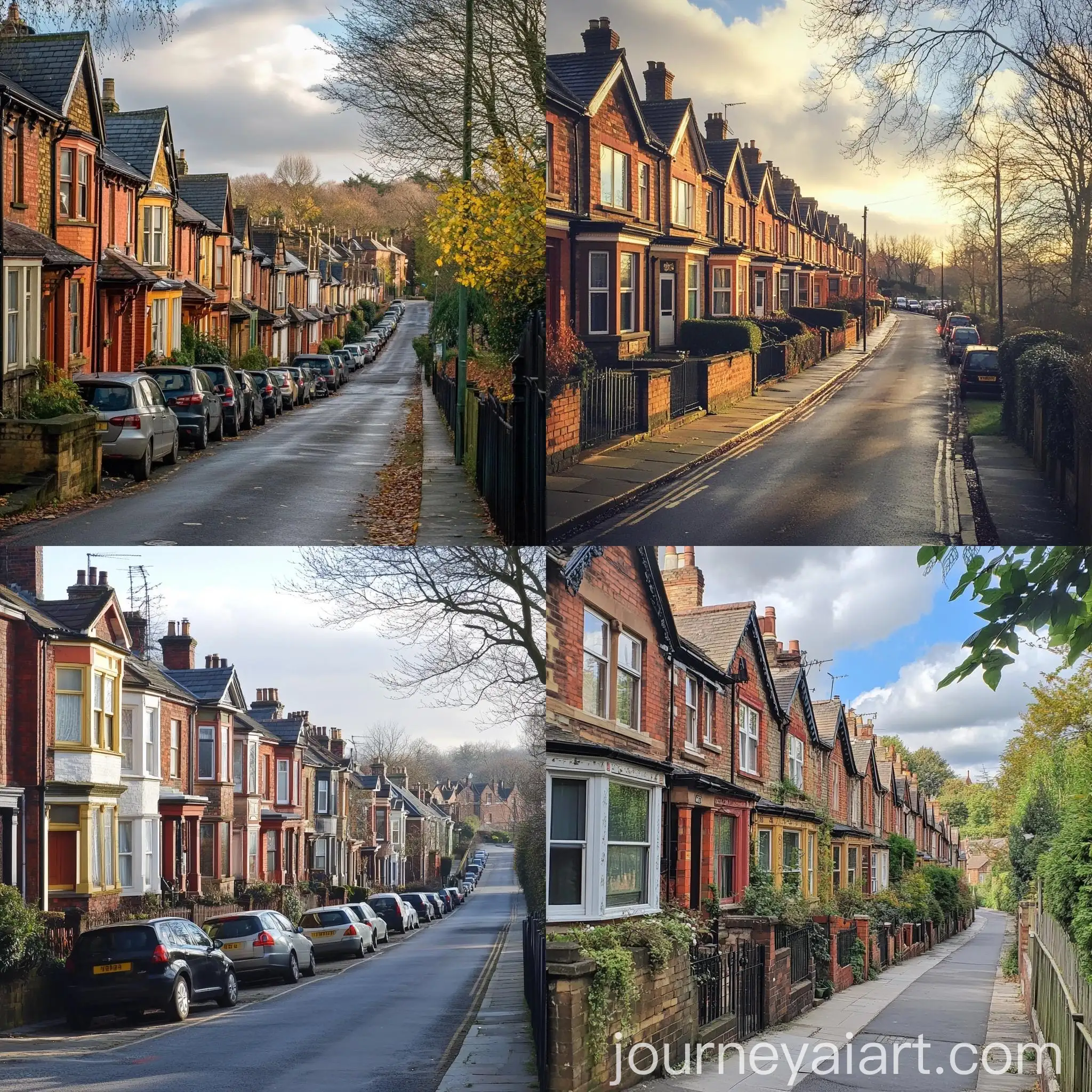
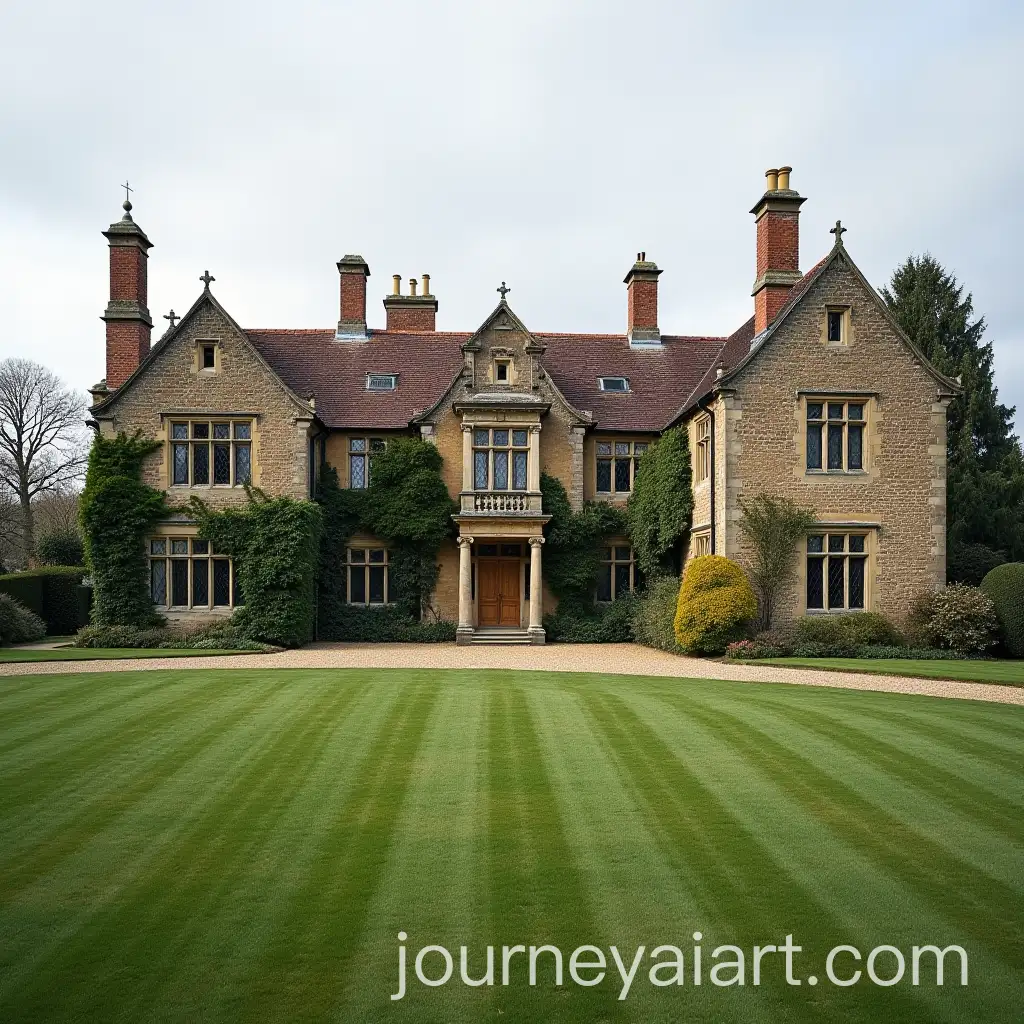
Welcome to our British Architecture image collection, where you can explore 12 free AI-generated images. This curated selection includes a diverse array of stock photos, 3D objects, vectors, and illustrations, all capturing the essence of British architecture. Enjoy high-resolution downloads and make use of our 'open in editor' feature to customize prompts and regenerate images tailored to your specific needs.





Related Tags
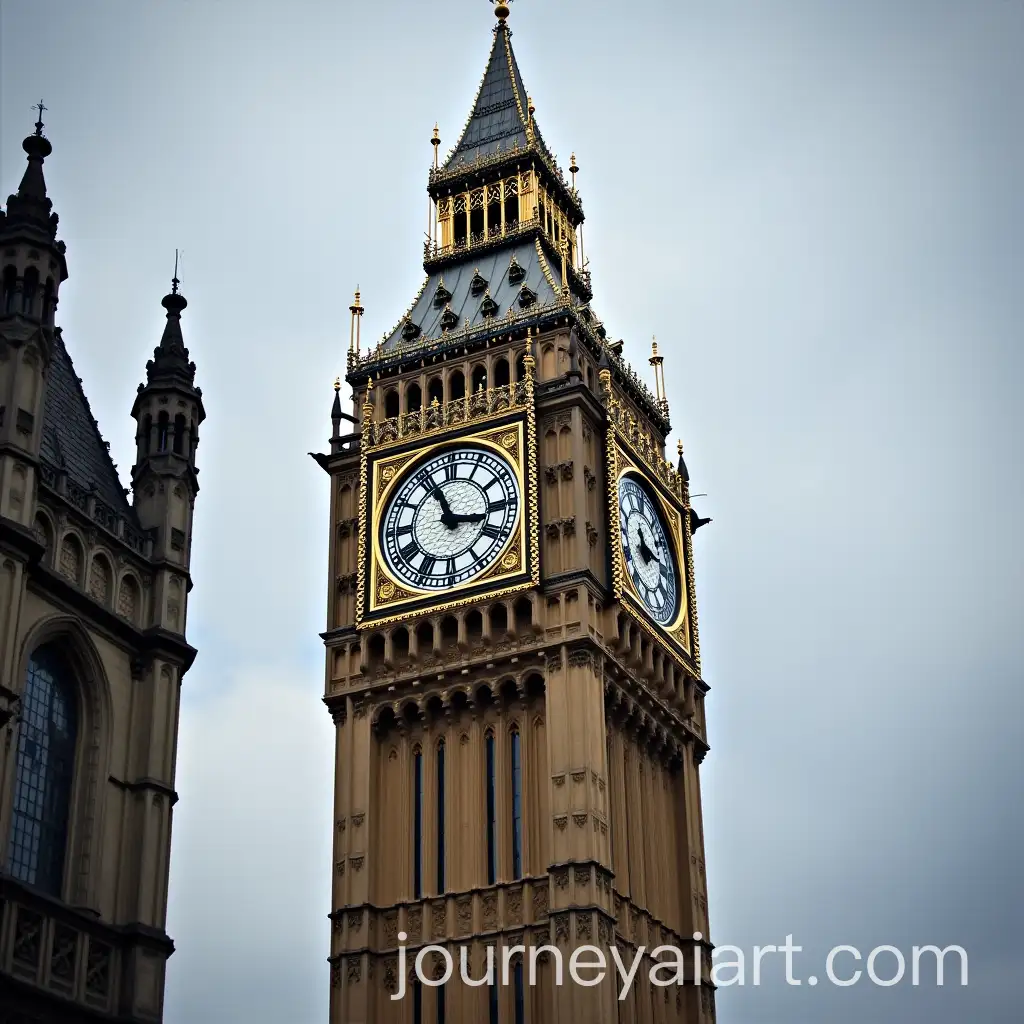
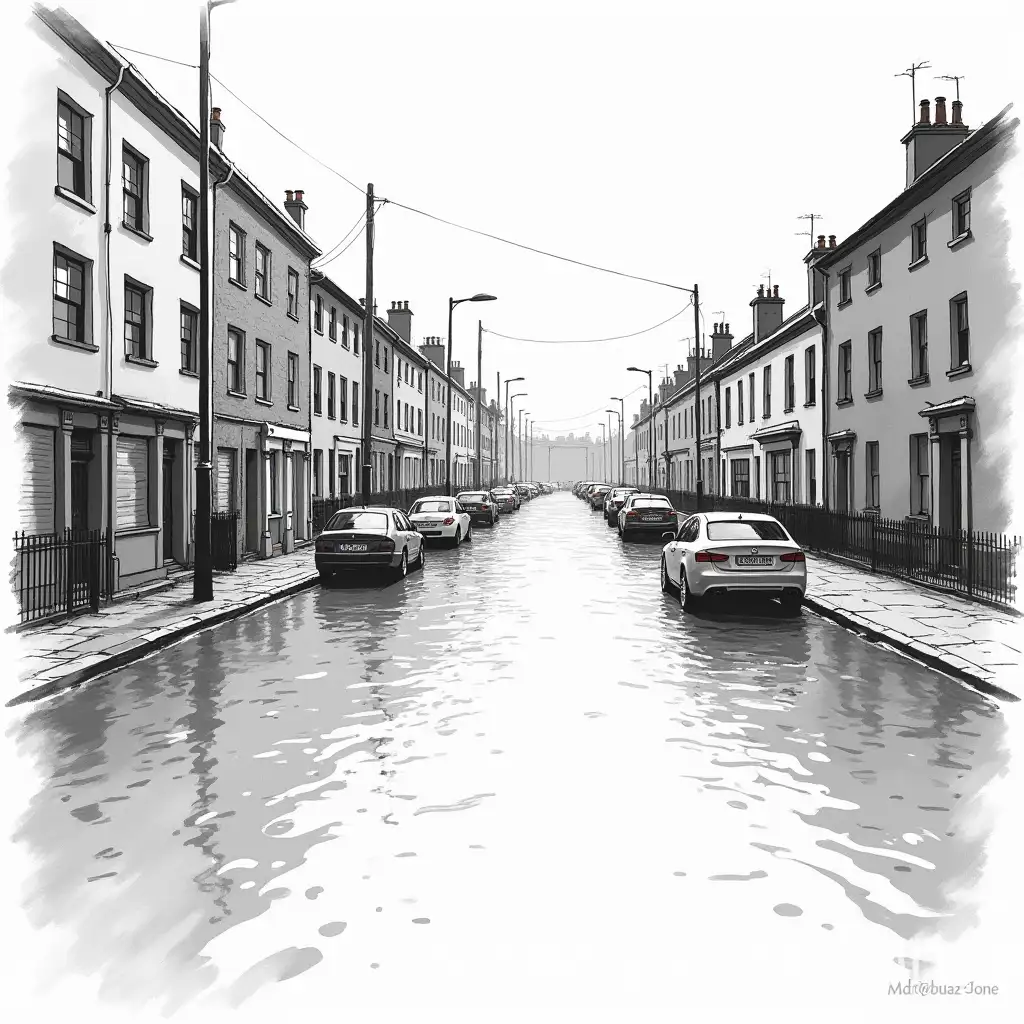
British architecture boasts a rich and varied history, with influences ranging from Roman to modern times. Early British architecture was heavily influenced by Roman designs, evident in ancient structures like Hadrian's Wall. The medieval period introduced Gothic cathedrals, such as Westminster Abbey, characterized by their pointed arches and detailed stonework. The Renaissance brought classical elements, while the Georgian era favored symmetry and proportion, epitomized by the elegant townhouses of Bath. Victorian architecture, with its ornate facades and eclectic styles, further diversified the architectural landscape. Today, British architecture is a fusion of traditional and contemporary styles, reflecting the country's evolving cultural and historical identity.
The Rich History and Evolution of British Architecture
British architecture is known for its distinct characteristics, such as the use of local materials like stone and brick, as well as its adaptability to different climates and landscapes. Traditional elements like thatched roofs, timber framing, and sash windows are common in residential buildings, while public structures often feature grandiose designs with intricate details. British architecture has influenced urban planning and design worldwide, with applications in both heritage conservation and modern developments. The adaptability of British architectural styles has made them popular in global cities, contributing to a unique blend of old and new in urban landscapes.
Key Characteristics and Applications of British Architecture
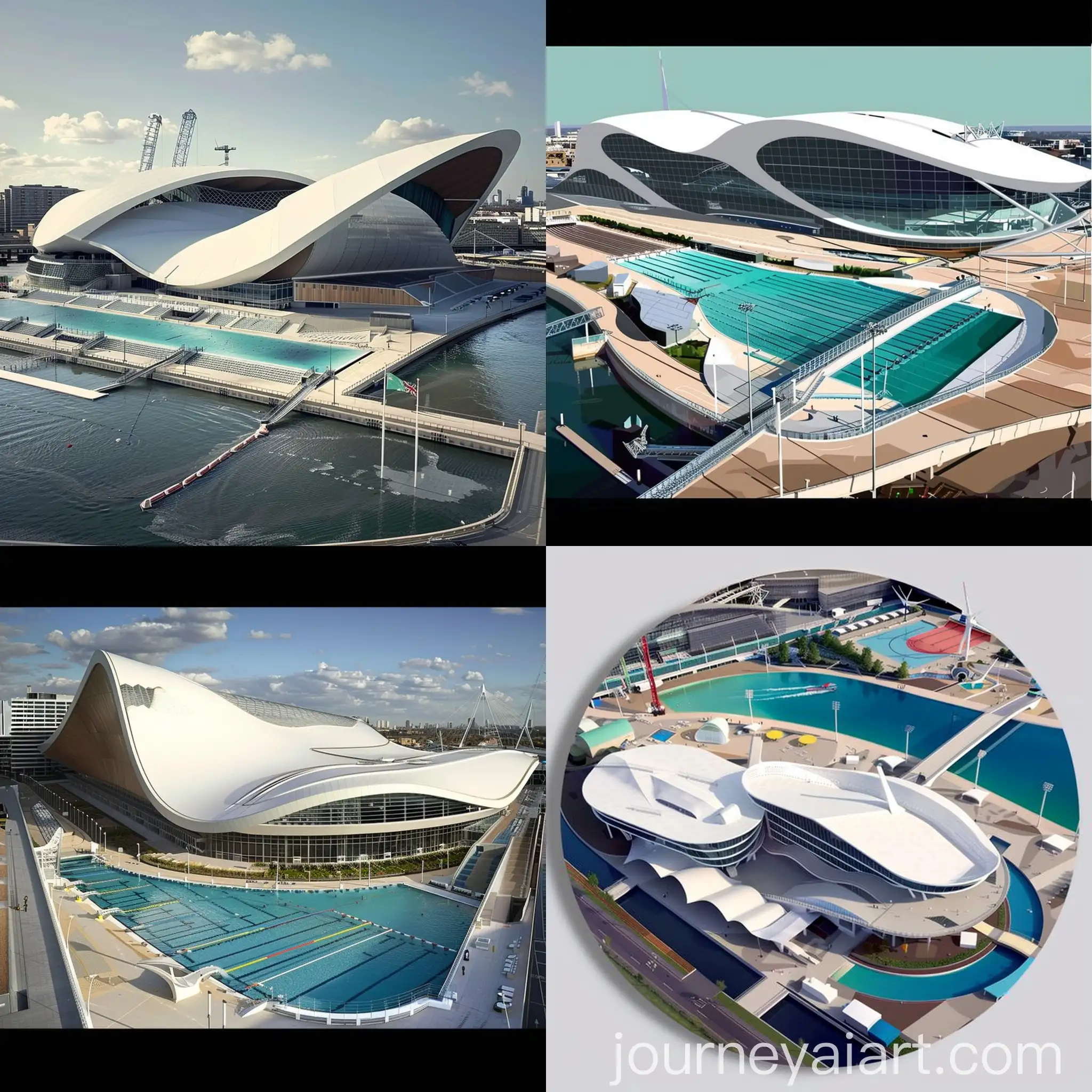
British architecture has had a profound impact on global design, with its influence visible in colonial buildings across North America, Australia, and India. The spread of the British Empire led to the adoption of British architectural styles in these regions, where they were often blended with local traditions. Georgian and Victorian styles, in particular, have left a lasting legacy, with their principles of symmetry, proportion, and decorative detail continuing to inspire architects worldwide. In modern times, British architects like Norman Foster and Zaha Hadid have pushed the boundaries of design, further cementing the country's influence on global architecture.
Impact of British Architecture on Global Design
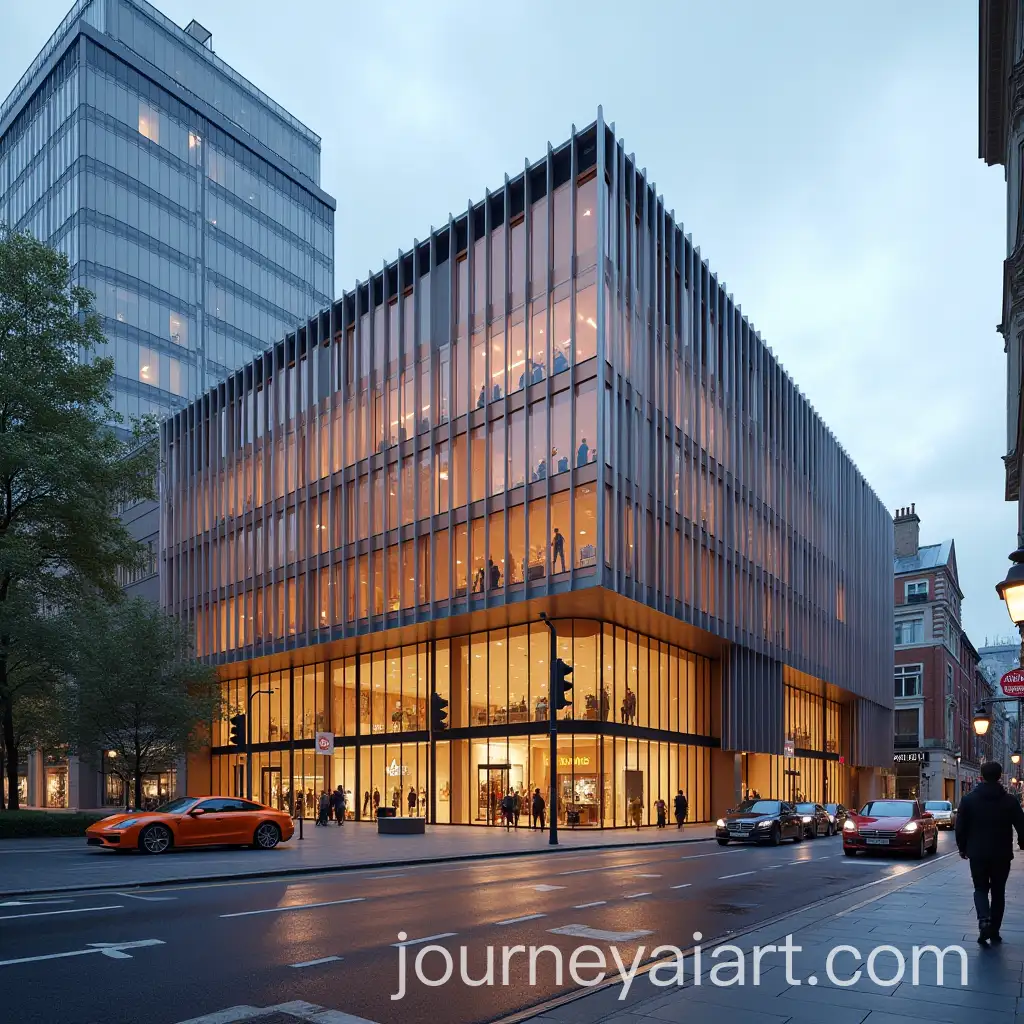
The future of British architecture is likely to be shaped by a combination of sustainability, innovation, and heritage preservation. As environmental concerns become more pressing, architects are increasingly incorporating green technologies and sustainable materials into their designs. This trend is reflected in the rise of eco-friendly buildings and the use of renewable energy sources. Additionally, there is a growing interest in preserving and repurposing historical buildings, blending old and new elements to create spaces that are both functional and respectful of their heritage. The integration of digital technologies, such as AI and 3D printing, is also expected to revolutionize British architecture, enabling more creative and efficient design processes.
Future Trends in British Architectural Design