8 Free Algorithmic Art Midjourney AI images
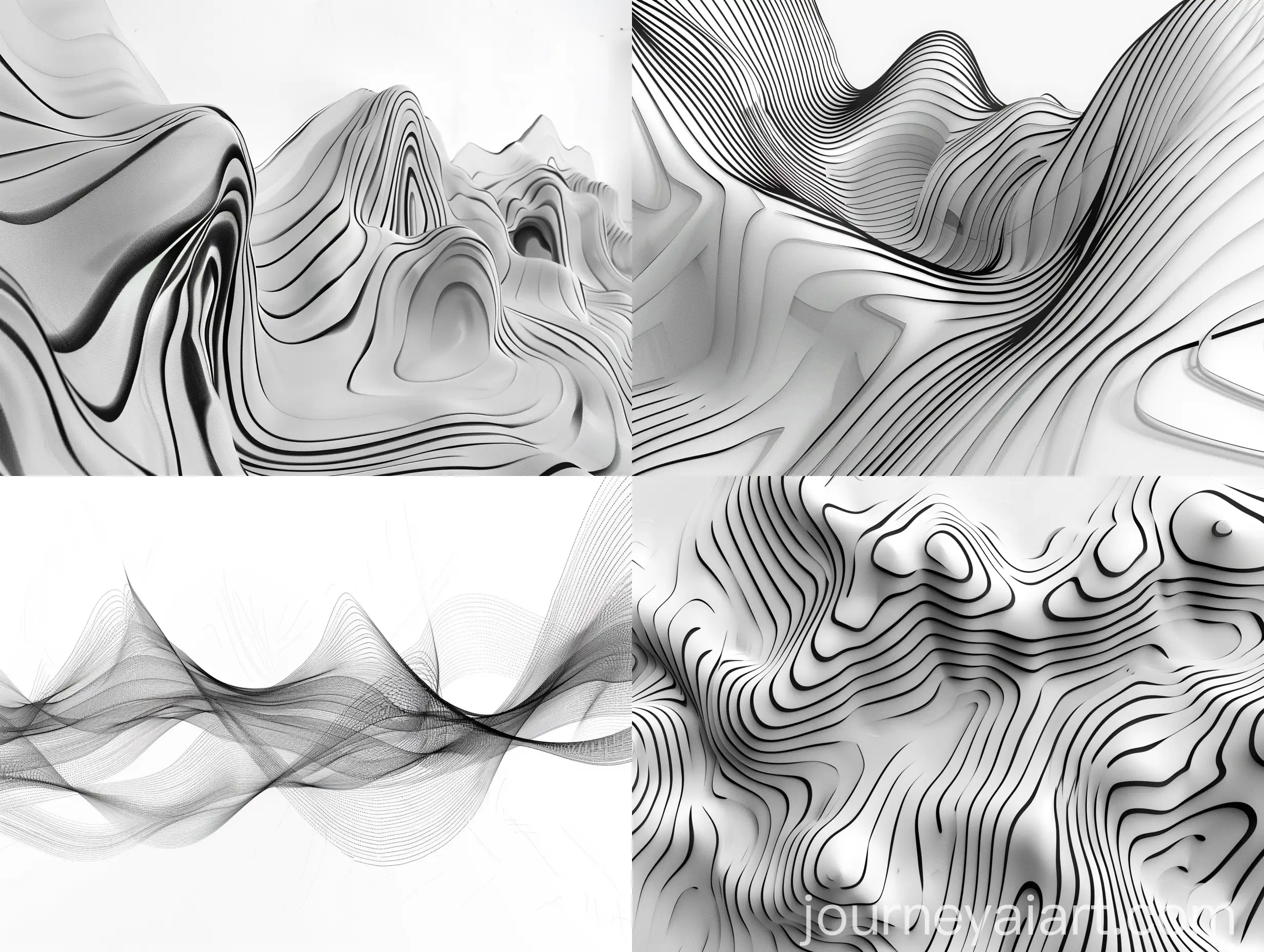
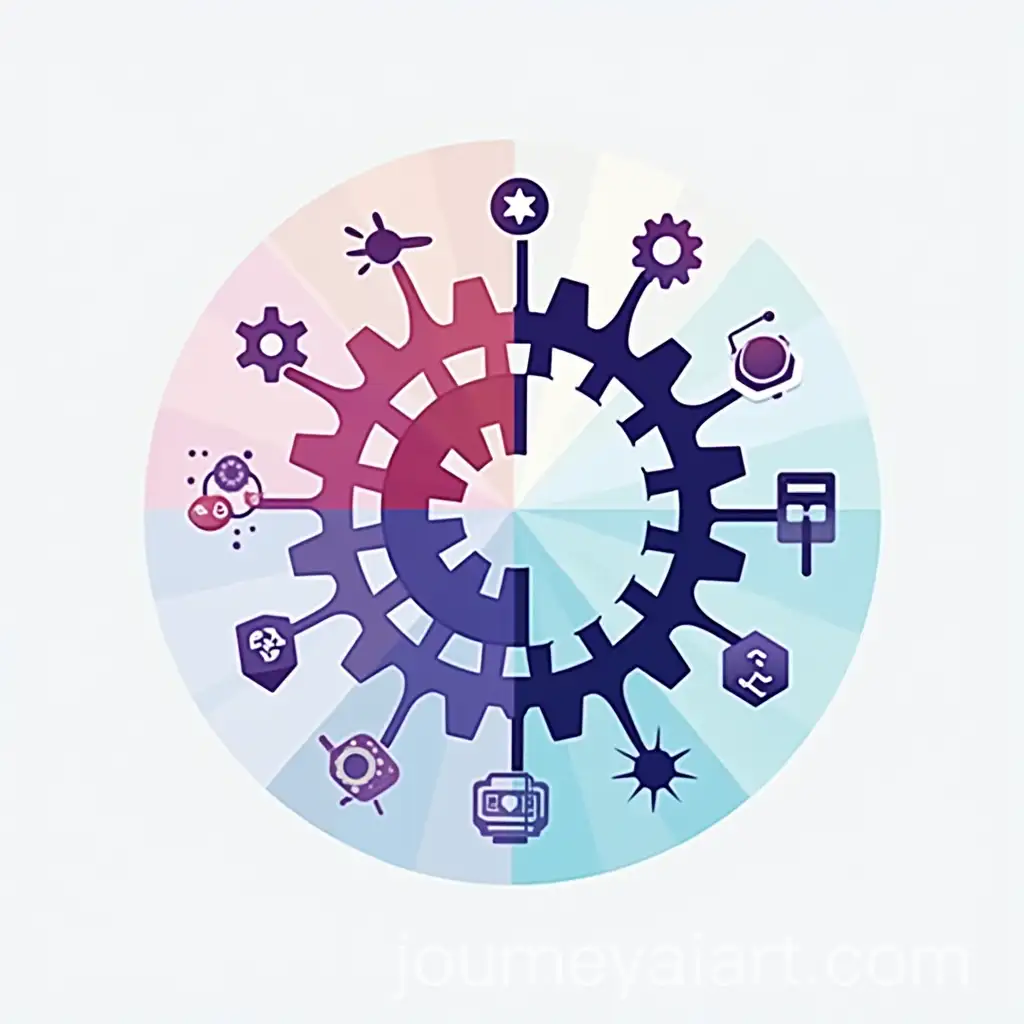
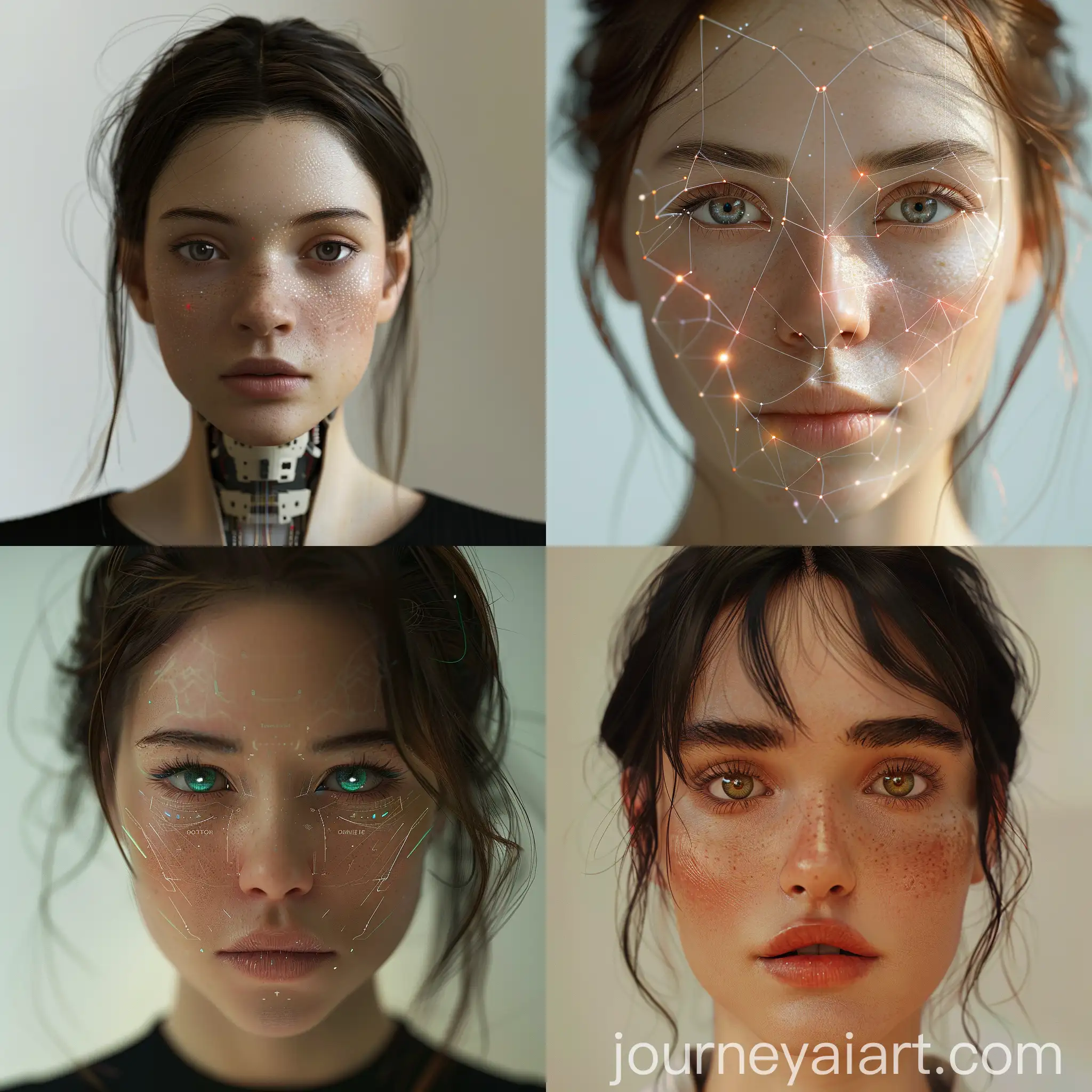
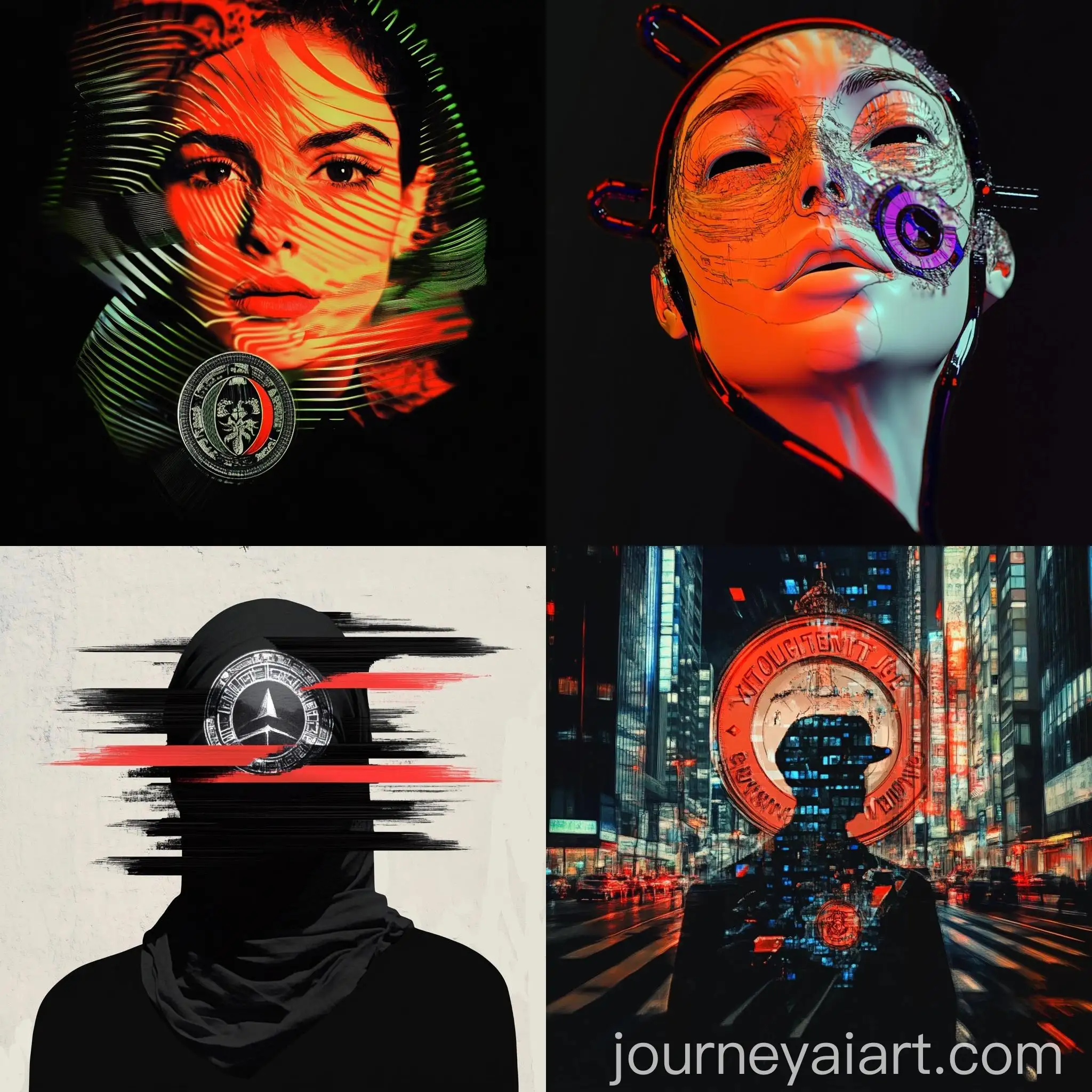
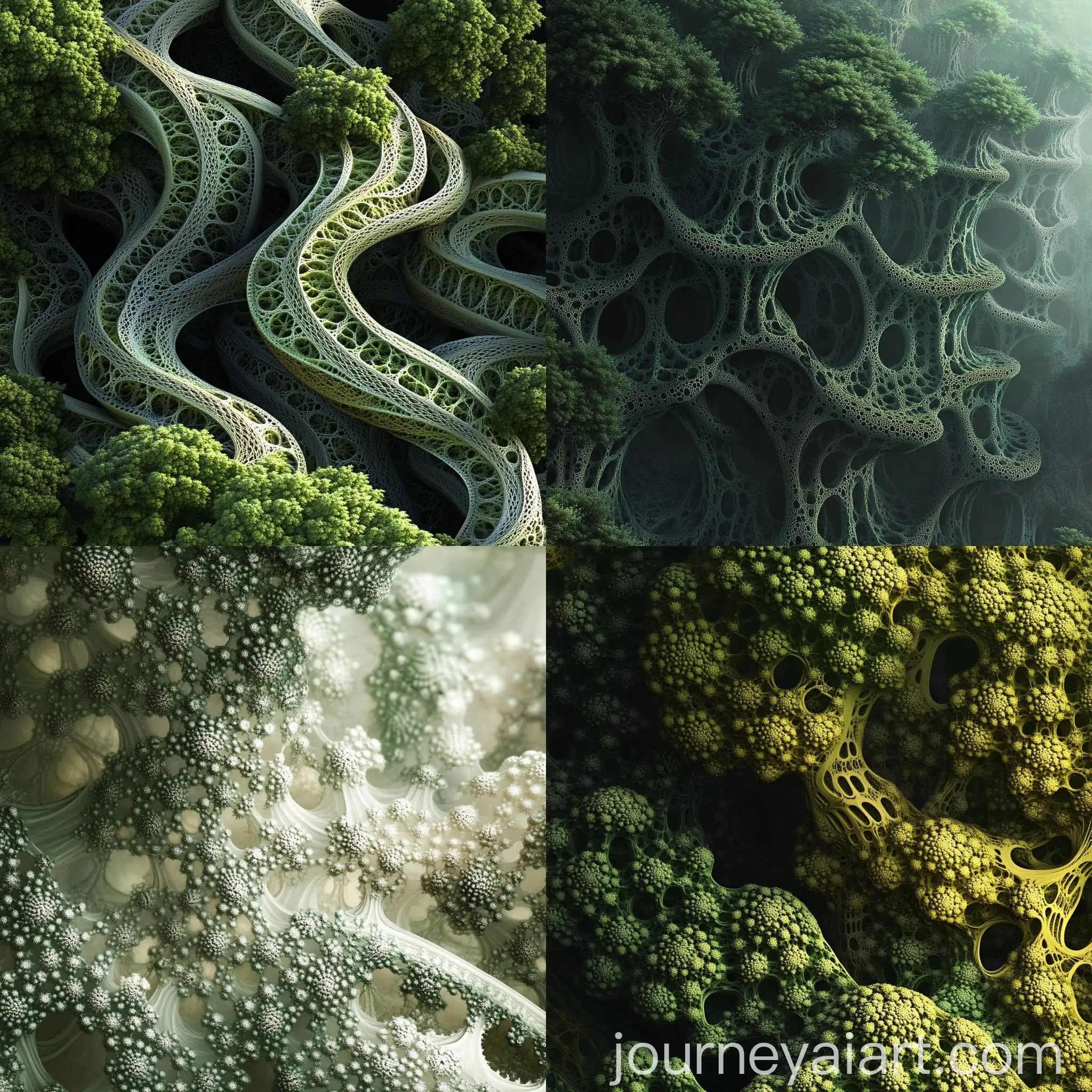
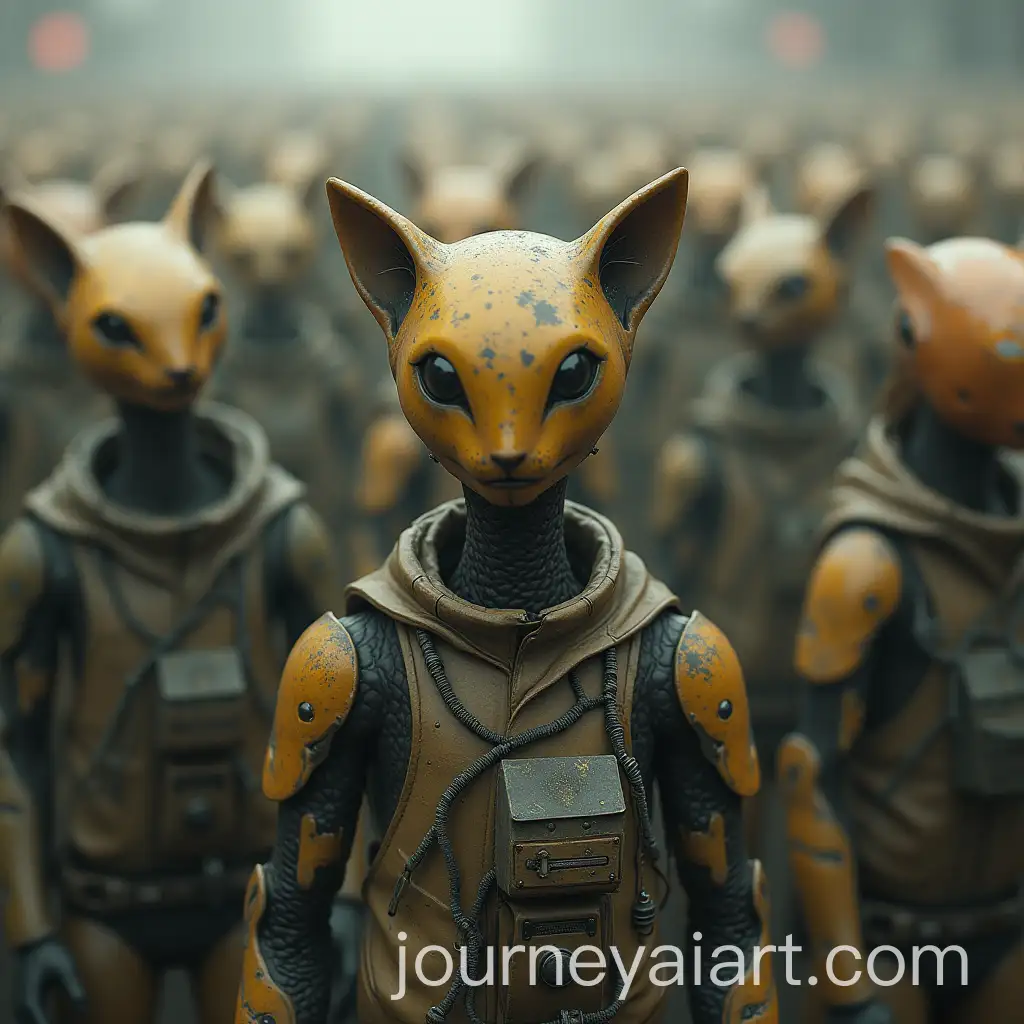
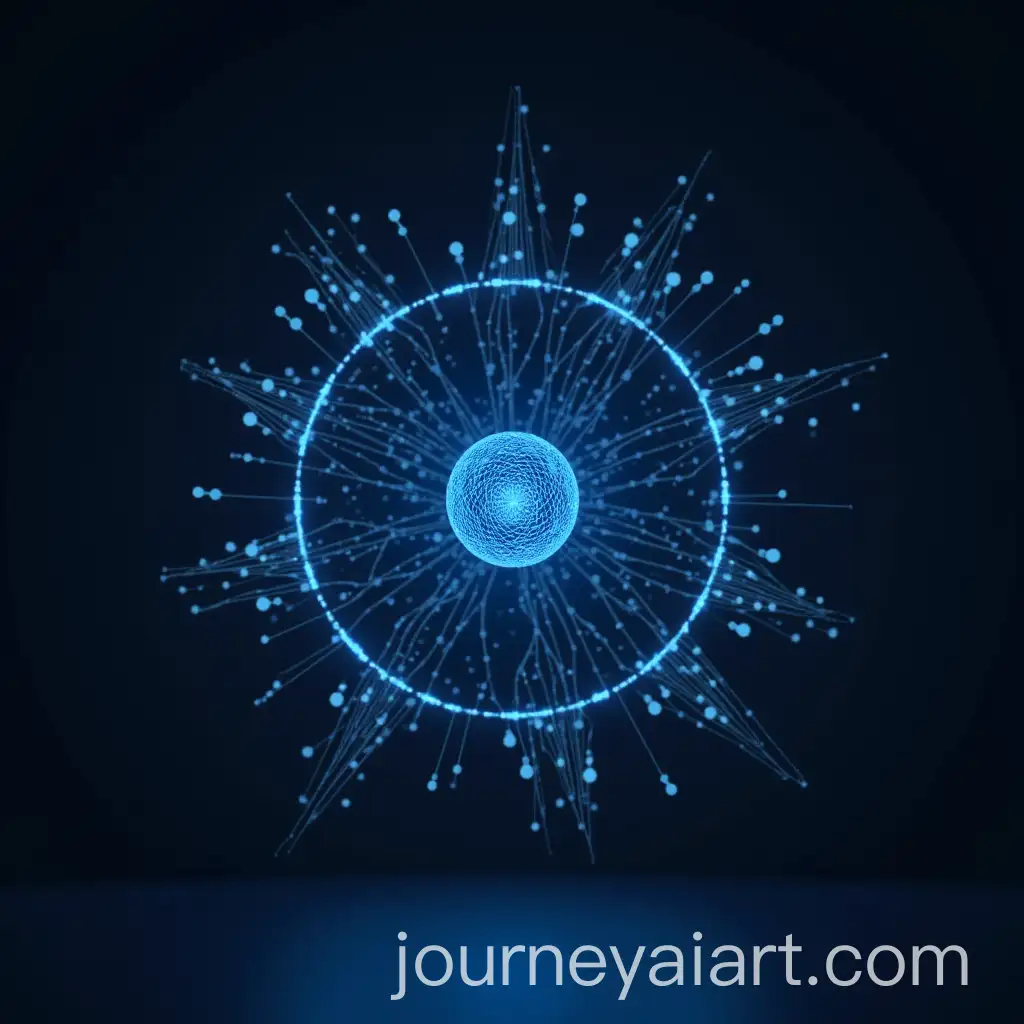
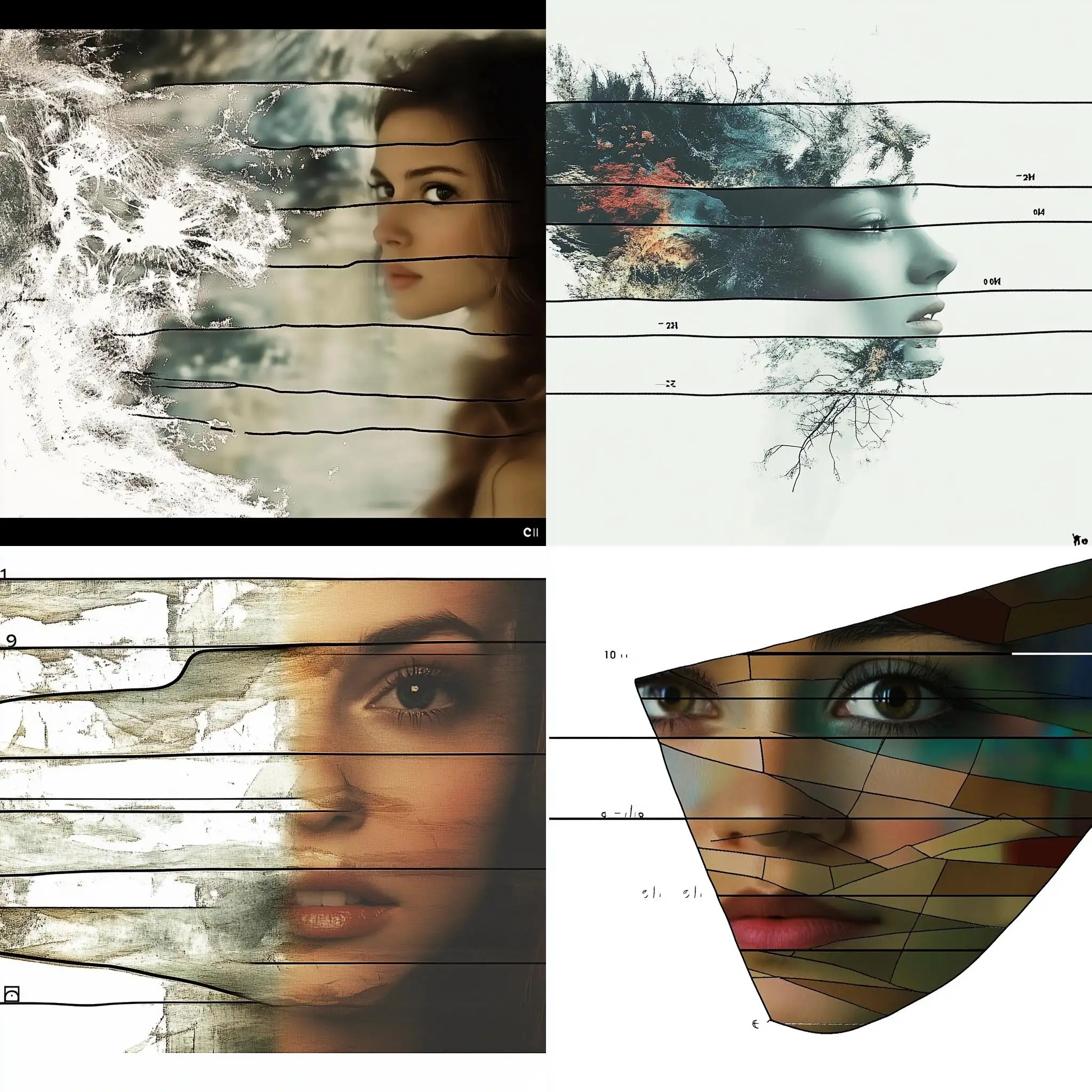
Welcome to our Algorithmic Art image collection, featuring 8 free AI-generated images. Explore a diverse array of stock photos, 3D objects, vectors, and illustrations. Enjoy high-resolution downloads and use our 'open in editor' feature to customize prompts for your perfect image.
Related Tags
Algorithmic Art is a genre where artists use mathematical algorithms to create intricate and unique visual pieces. This art form dates back to the 1960s, when computers first started being used for creative purposes. Algorithmic Art combines art and technology, utilizing code and algorithms to produce designs that might be impossible to achieve manually. This method allows for a high degree of precision, complexity, and randomness, often resulting in mesmerizing patterns and visuals.
Understanding Algorithmic Art: Definition and Background
Algorithmic Art is characterized by its use of algorithms to generate images, which can range from abstract patterns to more structured designs. These images are often highly detailed, with repetitive elements and symmetrical structures. Applications of Algorithmic Art are vast, including digital art installations, visual effects in movies, generative design in architecture, and even in the fashion industry. The precision and creativity offered by algorithmic processes make this art form particularly appealing in modern design and digital media.
Characteristics and Applications of Algorithmic Art
Prominent figures in Algorithmic Art include Vera Molnár, one of the pioneers in using computers for artistic creation, and Frieder Nake, known for his early algorithmic drawings. Casey Reas, co-creator of the Processing programming language, has also made significant contributions with his generative art. These artists have pushed the boundaries of traditional art by integrating computational methods, resulting in visually stunning and thought-provoking works that challenge conventional artistic norms.
Notable Artists and Works in Algorithmic Art
The future of Algorithmic Art looks promising with the advancement of AI and machine learning technologies. As algorithms become more sophisticated, the potential for creating more complex and realistic artworks increases. Trends suggest a growing interest in interactive and immersive algorithmic installations, where viewers can engage with the art in real-time. Additionally, the integration of virtual reality (VR) and augmented reality (AR) with Algorithmic Art is likely to open new dimensions in the way art is experienced and created, pushing the boundaries of digital creativity.
Future Development Trends in Algorithmic Art